The Rise of the Digital Receipt: A Shift in Consumer and Business Paradigm
The transition from traditional paper receipts to electronic receipts (e-receipts) is a cornerstone of digital transformation in retail and e-commerce. For decades, paper receipts were the undisputed standard, serving as proof of purchase for returns, warranties, and personal budgeting. However, with the explosion of online shopping and the ubiquitous presence of smartphones, the limitations of paper became increasingly apparent. Consumers sought greater convenience, easier organization, and a reduced physical footprint. Businesses, on their part, recognized the operational inefficiencies and environmental costs associated with printing millions of paper slips daily.
This shift gained significant momentum in the early 21st century, paralleling the growth of e-commerce platforms and the widespread adoption of email as a primary communication channel. Environmental consciousness also played a crucial role. Organizations like Green America have highlighted that the production of thermal paper for receipts contributes to deforestation and significant carbon emissions, while the paper itself is often non-recyclable due to its chemical coating. The move to e-receipts offered a tangible solution to mitigate these impacts, aligning brands with growing consumer demand for sustainability.
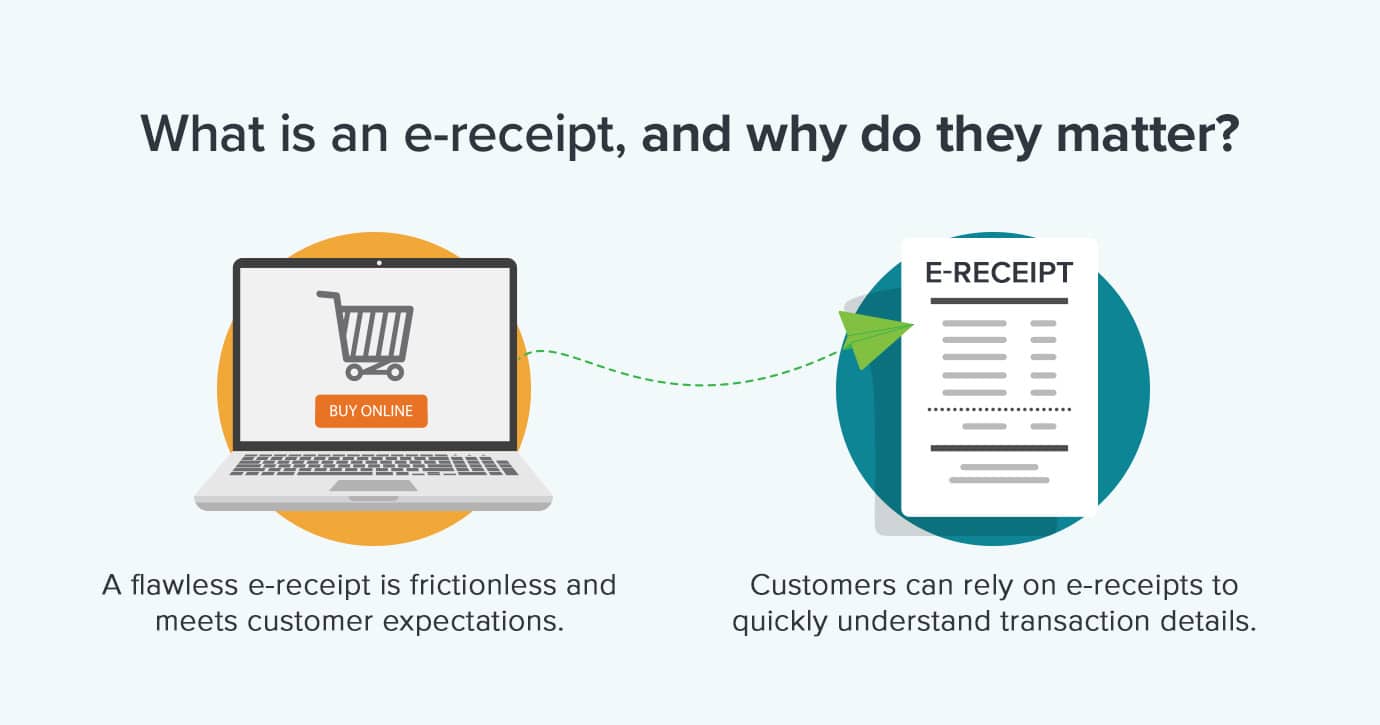
Today, e-receipts are delivered primarily as PDF or HTML emails, providing customers with instant, digital records that can be stored, searched, and accessed across devices. This convenience fosters a stronger relationship with the brand, as customers appreciate the proactive, organized approach to their purchasing history. According to recent industry surveys, a significant majority of consumers (often over 70%) now prefer e-receipts over paper, underscoring their integral role in a seamless post-purchase experience.
Beyond the Transaction: Unlocking Strategic Marketing Value
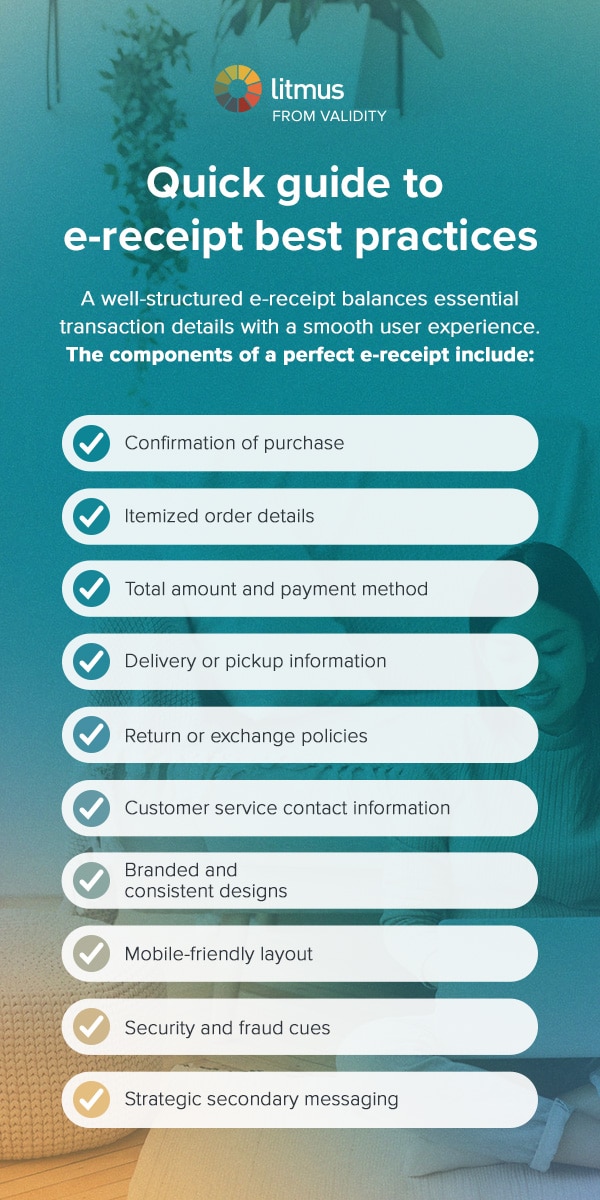
While the primary function of an e-receipt remains transactional documentation, its strategic value extends far beyond mere record-keeping. Marketers have increasingly recognized e-receipts as a unique digital touchpoint, a moment when customer attention is naturally high and engagement is ripe for cultivation. This post-purchase window offers a powerful opportunity to reinforce brand consistency, foster loyalty, and even drive additional sales.
Industry experts emphasize that a well-crafted e-receipt can serve as a two-way door to brand affinity and future revenue. It transforms a routine confirmation into a dynamic communication channel where brands can:
- Feature loyalty programs and apps: Encouraging sign-ups or highlighting earned rewards.
- Cross-sell or upsell related products: Leveraging purchase data for relevant recommendations.
- Reinforce brand consistency: Maintaining a cohesive brand voice and visual identity.
- Gather valuable data: Soliciting post-purchase preferences or feedback.
- Provide proactive customer support: Offering immediate access to help and resources.
- Communicate sustainability efforts: Showcasing environmental commitments.
This strategic utilization of e-receipts is not just about maximizing marketing real estate; it’s about enhancing the overall customer lifecycle, transforming a necessity into a value-add.
Key Strategies for Maximizing E-Receipt Impact
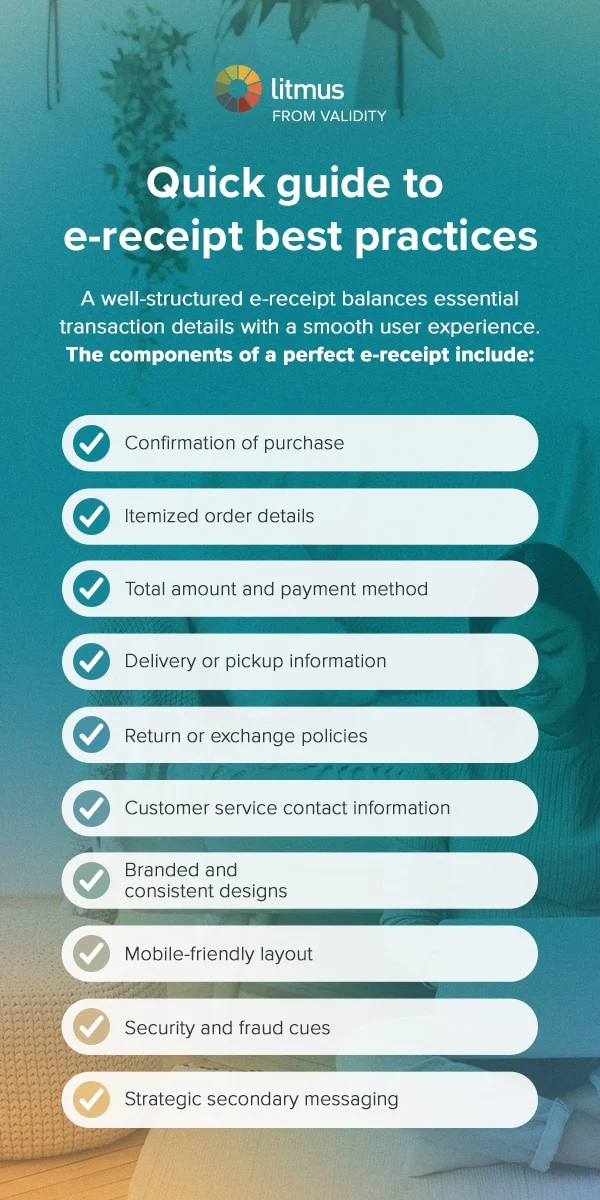
An excellent e-receipt is more than a transaction record; it’s a carefully crafted communication that strengthens customer relationships. Here are seven essential elements and the strategies behind them:
-
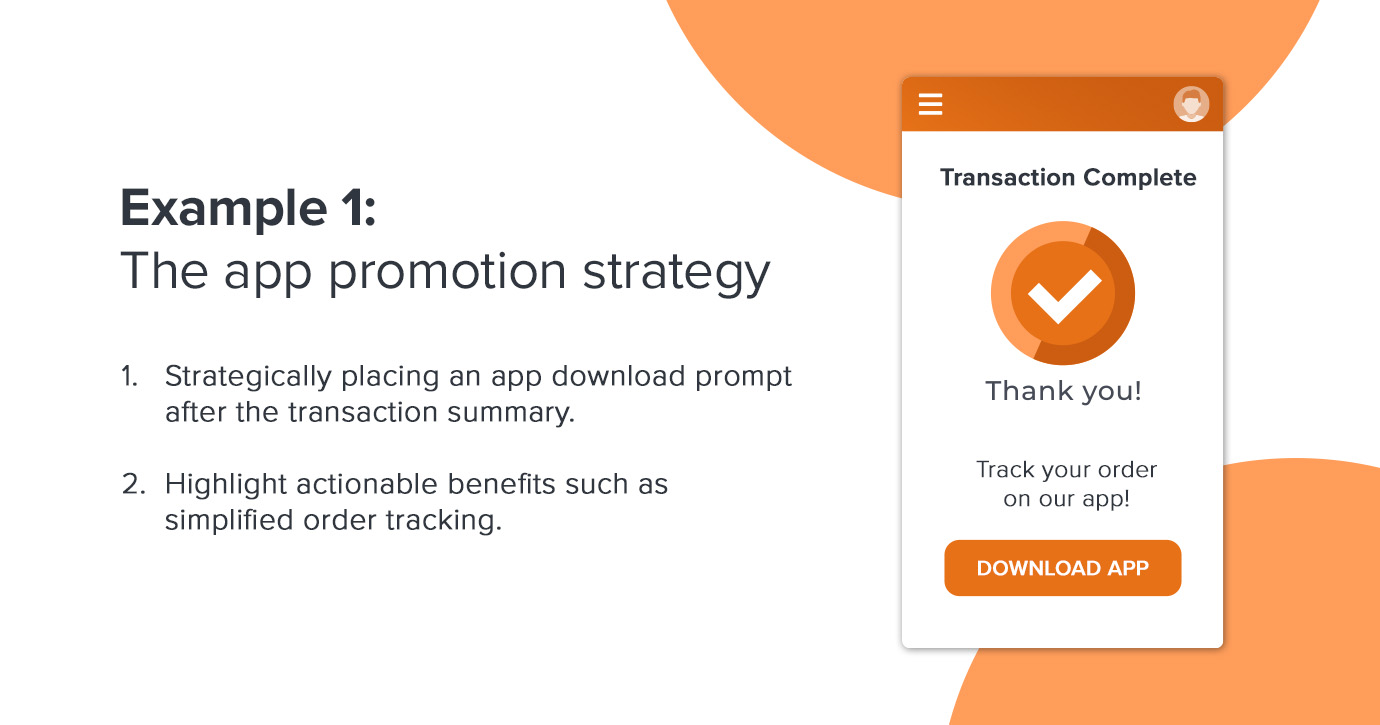
The App Promotion Strategy: Leveraging the post-purchase "digital mindset," a targeted promotion of a mobile app or digital services within an e-receipt can significantly boost app adoption. By strategically placing an app download prompt after the transaction summary, brands can capitalize on a moment of high customer attentiveness. The key is to highlight actionable app benefits, such as simplified order tracking, exclusive app-only features, or expedited re-ordering. Design plays a crucial role here, favoring concise, modern single-column layouts that echo brand style. Positioning security details nearby reinforces the legitimacy of both the receipt and the app, ensuring the promotion feels like relevant value rather than a distraction. Studies indicate that customers who download and engage with a brand’s app often exhibit higher loyalty and lifetime value.
-
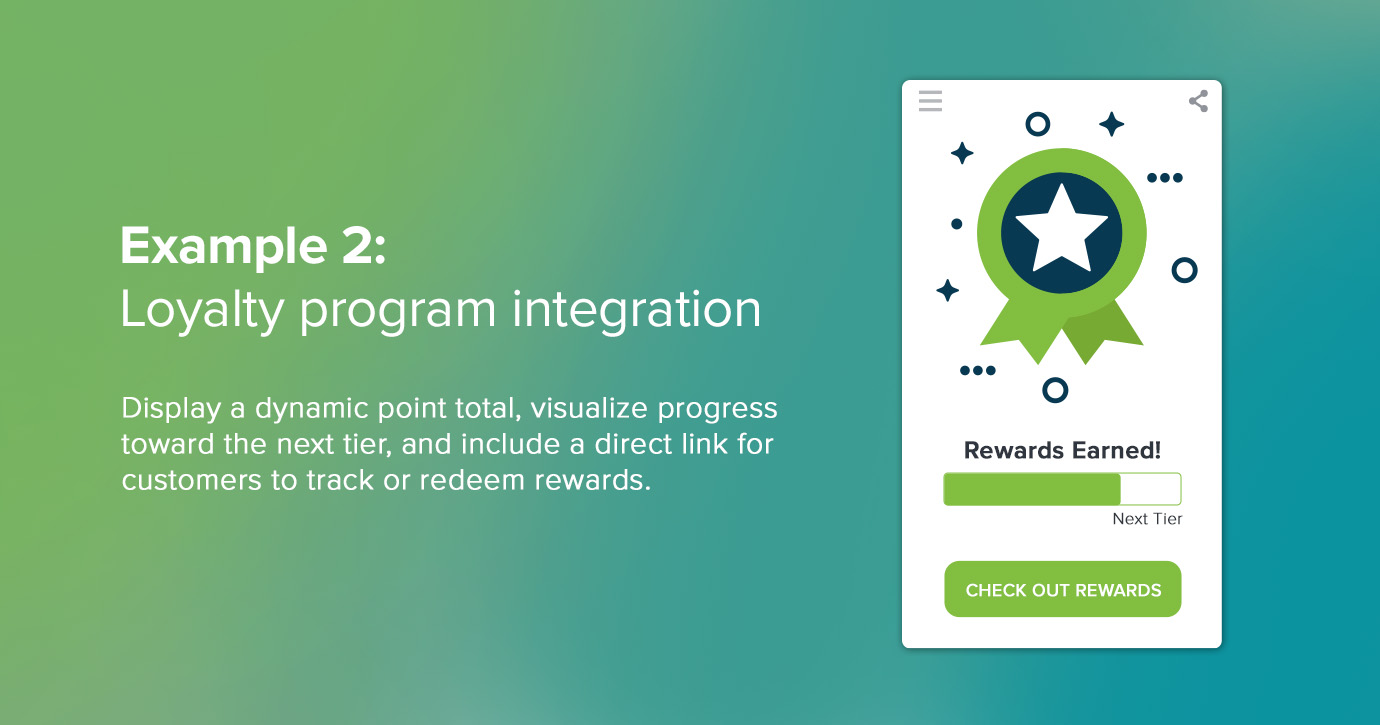
Loyalty Program Integration: Integrating loyalty program details directly into e-receipts is a highly effective way to encourage continued customer participation and repeat business. A prominently displayed loyalty section can showcase points or rewards earned from the recent purchase, dynamically update a customer’s total points, or visualize progress toward the next tier. Brands like Sephora with its "Beauty Insider Program" or Starbucks Rewards effectively use this to connect individual transactions to broader incentives. Including clear calls to action (CTAs) and direct links for customers to track or redeem rewards makes benefits tangible and motivates further engagement, creating a continuous cycle of purchasing and reward.
-
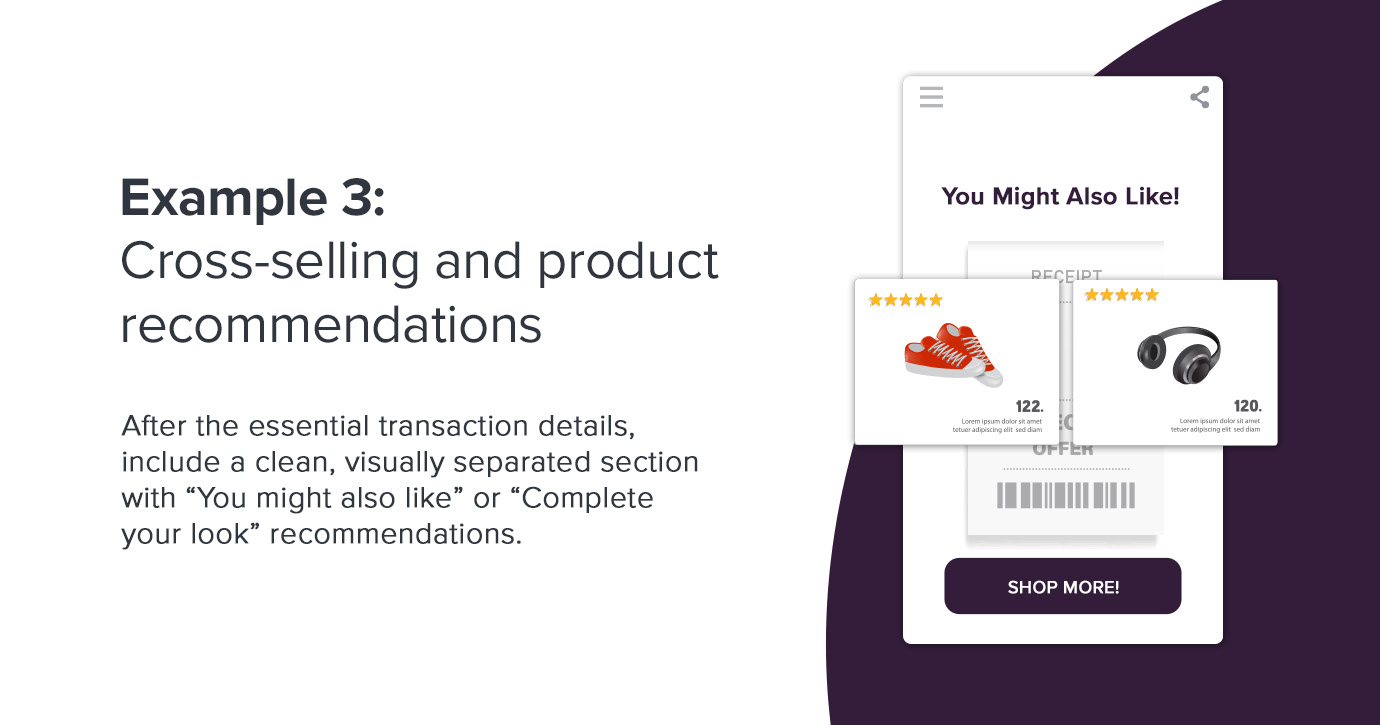
Cross-selling and Product Recommendations: Strategic product suggestions within an e-receipt can drive significant incremental value when they are relevant and non-intrusive. Positioned after essential transaction details, a clean, visually separated section with "You might also like" or "Complete your look" recommendations, powered by actual purchase data, can be incredibly effective. This mirrors successful strategies like Amazon’s "Frequently Bought Together." Using clear imagery, concise descriptions, and direct links simplifies browsing and buying. The recommendations must feel thoughtfully tailored, demonstrating that the brand understands the customer’s preferences, thereby increasing average order value and strengthening customer perception.
-
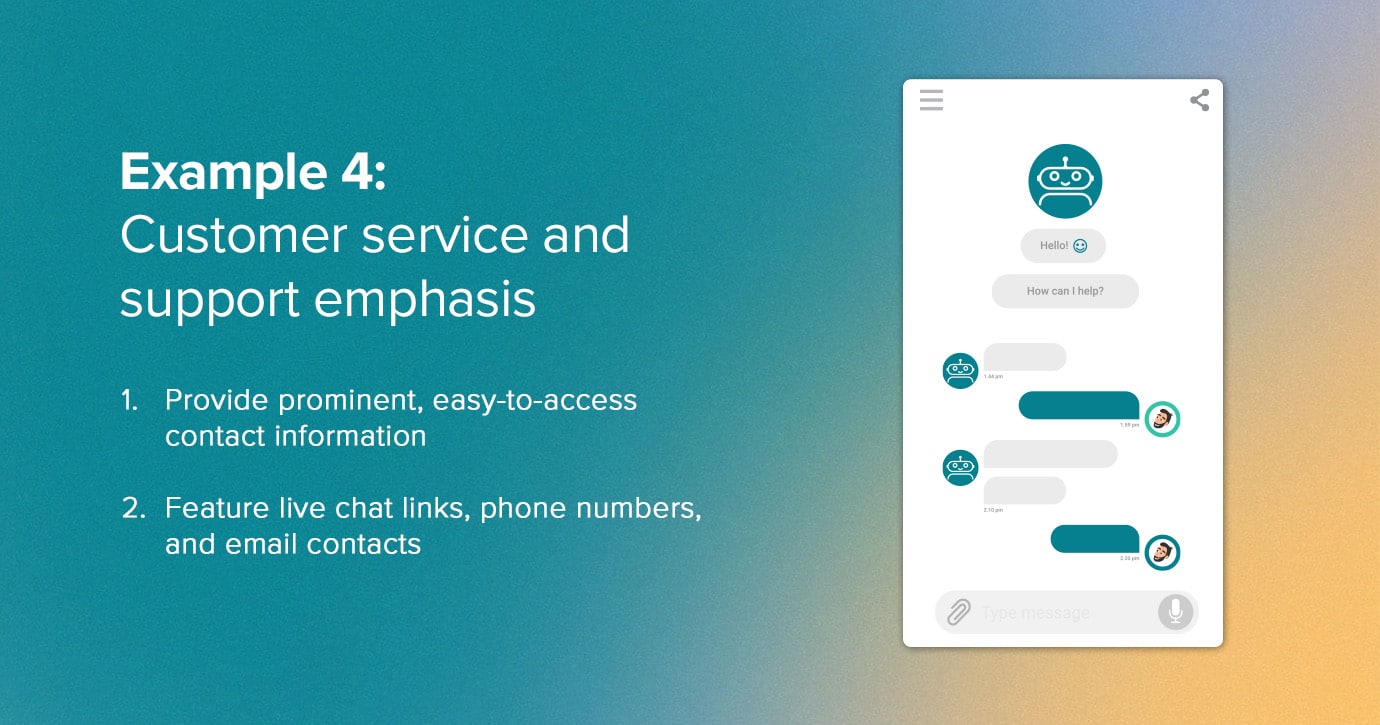
Customer Service and Support Emphasis: An outstanding e-receipt anticipates customer questions and smooths out potential friction by putting help at their fingertips. Providing easy-to-access contact information, live chat links, phone numbers, and clear explanations of return or exchange processes builds immediate trust. A dedicated support section with proactive language like "Something not right?" diffuses frustration and encourages self-service resolution. Including FAQs or quick links tailored to the specific purchase can further empower customers to find answers independently, reducing support ticket volume and improving overall satisfaction.
-
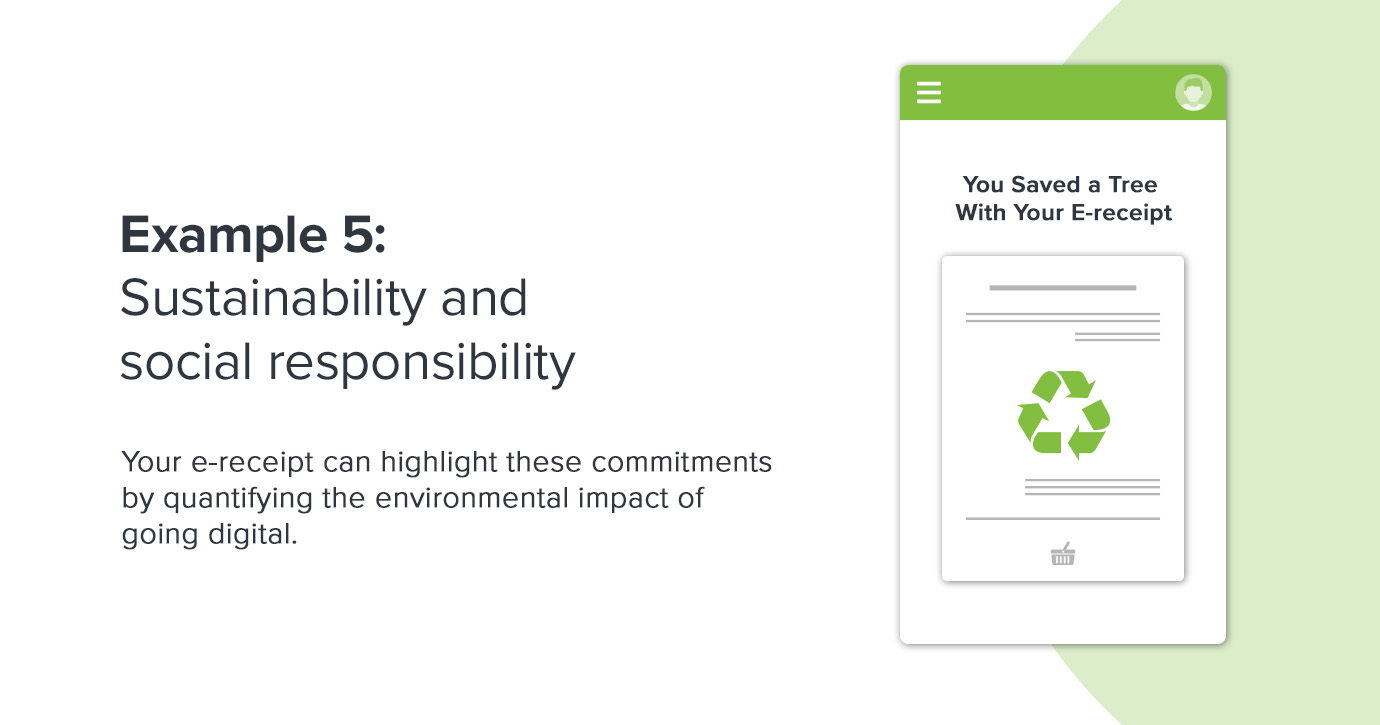
Sustainability and Social Responsibility: Modern consumers are increasingly discerning, favoring brands that prioritize sustainability and ethical practices. E-receipts offer a subtle yet powerful platform to highlight these commitments. Quantifying the environmental impact of going digital—such as statistics on trees saved or carbon emissions reduced by using paperless receipts—resonates deeply. Concise, visible messaging, perhaps in the header or footer, demonstrates alignment with modern values. Linking to sustainability certificates, reports, or ongoing green initiatives adds credibility and allows customers to feel good about their choices, reinforcing a positive brand image.
-
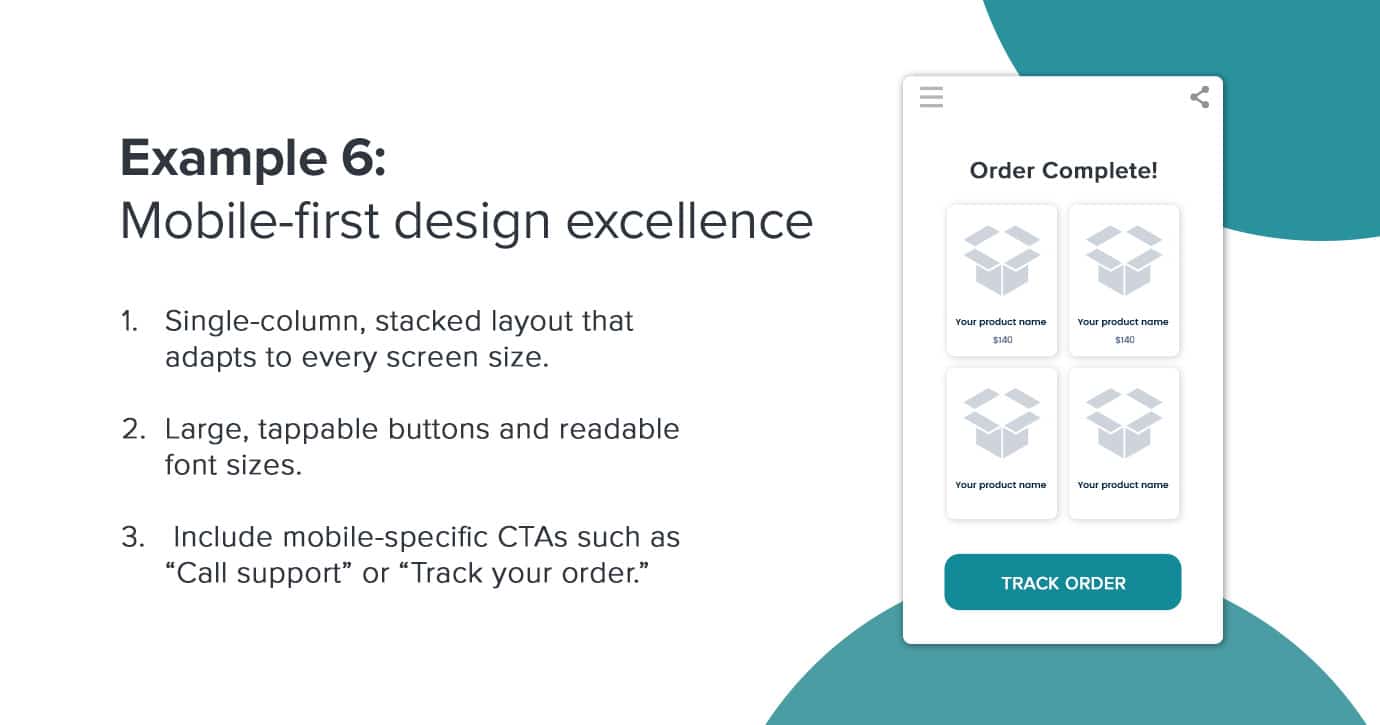
Mobile-First Design Excellence: Given that a substantial majority of emails, including receipts, are opened on mobile devices (often exceeding 60%), responsive, mobile-first design is non-negotiable. A single-column, stacked layout that adapts seamlessly to every screen size, featuring large, tappable buttons and legible font sizes, is crucial. Important information must be immediately visible with minimal scrolling. Including mobile-specific CTAs such as "Call support" or "Track your order" and ensuring fast load times with lightweight graphics further reduces friction and enhances the user experience, driving engagement and loyalty wherever customers are.
-
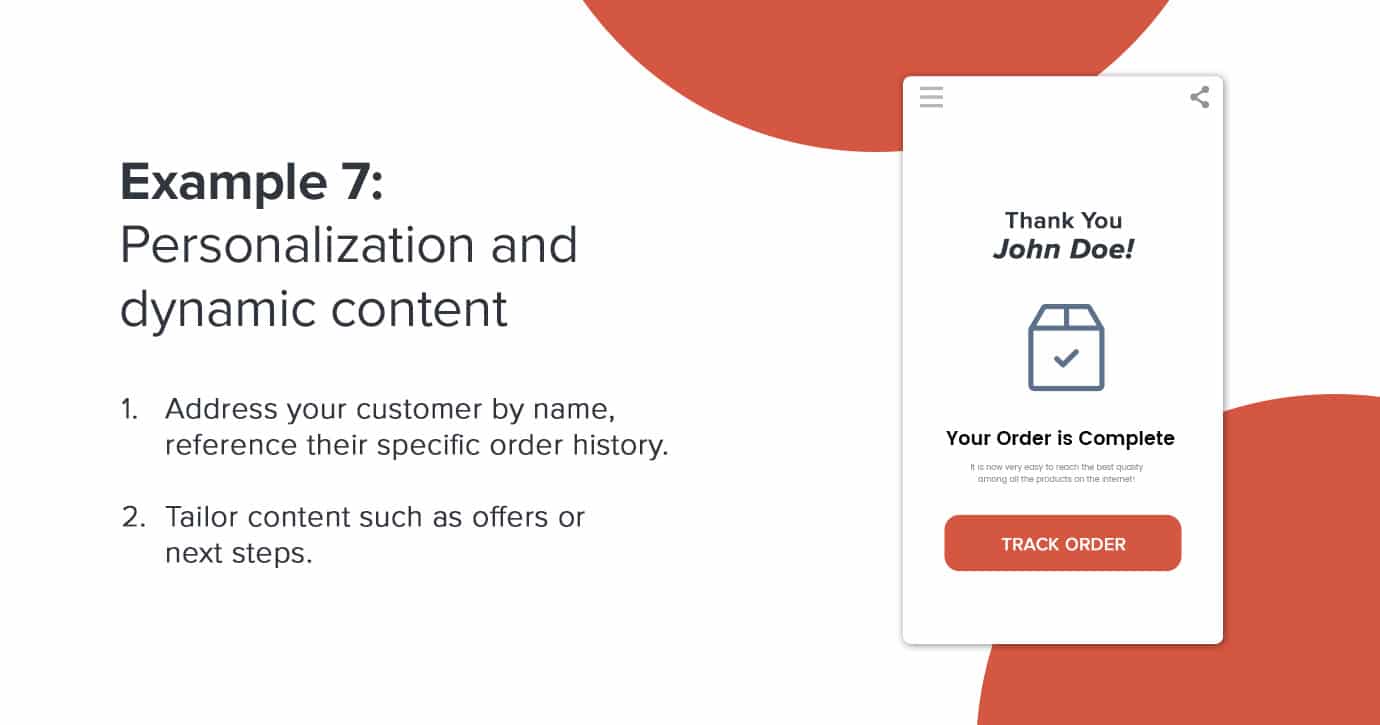
Personalization and Dynamic Content: Personalized elements transform generic receipts into memorable, value-driven communications. Beyond merely addressing the customer by name, effective personalization involves referencing specific order history, tailoring offers or next steps based on their unique segment or behavior. Dynamic layouts with flexible images, greetings, and CTA buttons that change with customer profile or purchasing context significantly increase open rates and foster a stronger connection. Chipotle’s digital receipt system, for instance, excels at this by combining strong visuals with personalized order confirmations, estimated delivery times, and customized rewards updates, demonstrating that the brand sees each recipient as an individual.
Navigating Pitfalls: Common Digital Receipt Mistakes to Avoid
Even brands with the best intentions can inadvertently undermine the value of their e-receipts through easily overlooked missteps. Proactively addressing these pitfalls is critical for delivering an effortless, trustworthy post-purchase experience.
Design and User Experience (UX) Issues:
- Overloading with marketing messages: While e-receipts offer marketing opportunities, their primary purpose is transactional. Excessive promotional content can obscure essential purchase details, leading to customer frustration and a perception of spam. The focus should always be on clarity and quick access to transaction information.
- Poor mobile responsiveness: Neglecting mobile optimization in an era where most emails are read on smartphones is a critical error. Non-responsive designs lead to tiny text, distorted layouts, and horizontal scrolling, creating a frustrating experience that reflects poorly on the brand.
- Cluttered layout and confusing hierarchy: A receipt should be easy to scan. A chaotic layout with inconsistent fonts, colors, or poorly organized sections makes it difficult for customers to find critical information like the total price, itemized list, or return policy.
- Excessive imagery or slow load times: Heavy images, especially on mobile, can lead to slow loading times, particularly for users with limited data or slower connections. This can deter recipients from fully engaging with the email content.
Content Problems:
- Missing essential transaction details: This is the most fundamental error. An e-receipt must clearly display the purchase date, itemized list with prices, total amount paid, payment method, and order number. Any omission erodes trust and necessitates customer support contact.
- Vague or hidden return/exchange policies: The post-purchase period is when customers often consider returns. Hiding or using unclear language for return policies can cause significant frustration and damage brand reputation.
- Generic or impersonal messaging: Failing to personalize beyond a basic "Dear Customer" misses a key opportunity to build rapport and make the communication feel relevant.
- Lack of clear calls to action (CTAs) for support: If a customer has an issue, they should not have to search for how to get help. Support contact information and links should be prominent.
Technical Issues:
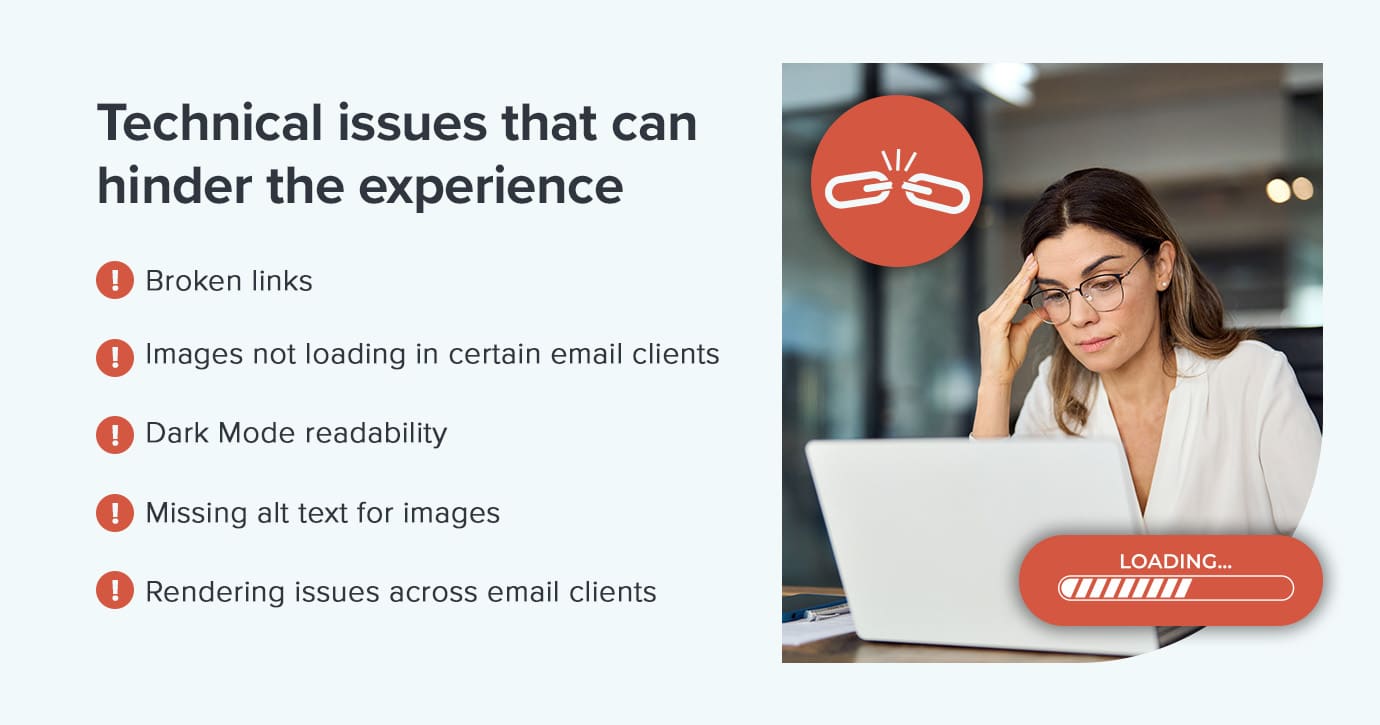
- Inconsistent rendering across email clients and devices: Email clients interpret HTML and CSS differently. An e-receipt that looks perfect in one client but broken in another creates a jarring and unprofessional experience.
- Broken links or non-functional CTAs: Any link or button within the e-receipt, whether for tracking, support, or product recommendations, must be fully functional. Broken links lead to dead ends and significant customer frustration.
- Accessibility issues: Neglecting accessibility standards (e.g., proper alt text for images, sufficient color contrast, keyboard navigation) excludes users with disabilities and can lead to a subpar experience for a significant portion of the audience.
- Delayed delivery or failure to send: E-receipts are expected immediately. Delays or failures in delivery undermine trust, create anxiety, and can lead to unnecessary customer support inquiries.
Ensuring Quality: The E-Receipt Testing Imperative
Ensuring e-receipts function flawlessly requires rigorous testing before every send. This proactive approach is not merely a best practice; it’s a critical component of delivering an effortless, trustworthy post-purchase experience and safeguarding brand reputation. A comprehensive testing checklist for every e-receipt deployment should include:
- Content Accuracy: Verify all transaction details—item names, quantities, prices, discounts, taxes, shipping, and total amount—are correct and match the customer’s purchase. Check for correct order numbers, dates, and payment methods.
- Personalization Validation: Confirm that all personalized fields (customer name, loyalty points, specific recommendations) are correctly populated with the right data for test recipients.
- Link Functionality: Test every single link, including those for order tracking, customer support, social media, app downloads, and product recommendations, to ensure they lead to the correct, active pages.
- Display Across Clients and Devices: Preview the e-receipt in a wide range of email clients (Gmail, Outlook, Apple Mail, etc.) and on various devices (desktop, tablet, multiple smartphone models) to guarantee consistent rendering and readability. Pay special attention to Dark Mode compatibility, as many users prefer it.
- Mobile Responsiveness: Ensure the design adapts gracefully to smaller screens, with readable text, appropriately sized buttons, and a logical, single-column flow.
- Image Loading and Alt Text: Verify that all images load correctly. Crucially, ensure descriptive alt text is provided for all images for accessibility and in case images fail to load.
- Brand Consistency: Confirm that the e-receipt adheres to brand guidelines in terms of logos, colors, fonts, and tone of voice.
- Sender Information: Check that the "From" name and email address are recognizable and trustworthy, ideally from a dedicated transactional email address.
- Spam Filter Check: Run the e-receipt through a spam checker to minimize the risk of it landing in junk folders.
- Accessibility Standards: Review for sufficient color contrast, logical reading order, and other accessibility best practices to ensure it’s usable for all customers.
- Load Time Optimization: Assess the email’s file size to ensure quick loading, especially on mobile networks.
Continuous Improvement and Future Outlook
The journey of optimizing e-receipts is an ongoing process of refinement. Treating these communications as dynamic assets rather than static documents allows brands to continuously enhance their value.
Improvement Strategies:
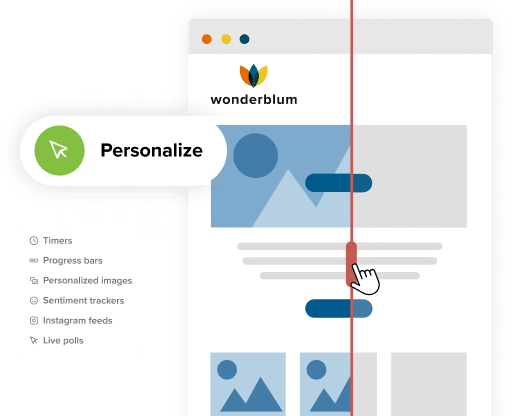
- Personalize Wherever Possible: True personalization goes beyond a customer’s name. It involves highlighting unique order details, integrating loyalty program information, and suggesting products based on purchase history or browsing behavior. Showing points earned or progress toward a reward tier makes the transaction relevant to future benefits.
- Use Strategic, Contextual Messaging: E-receipts should be a lightly branded extension of the overall customer experience. Include clear, secondary CTAs that are contextually relevant to the transaction, such as encouraging loyalty enrollment for new customers, prompting app downloads, requesting referrals, or soliciting feedback via micro-surveys.
- Reinforce Trust and Compliance: Transparency and reassurance are paramount. Prominently display concise return/exchange instructions, security messages, and multiple support channels. This builds trust, conveys professionalism, and reduces confusion or avoidable support tickets, especially vital in high-value or regulated transactions.
- Commit to Continuous Improvement: Never adopt a "set and forget" mentality. Regularly monitor key metrics like open rates, click-through rates on CTAs, and downstream conversions from secondary offers. Conduct A/B tests on variations in layout, copy, and recommendations, using data-driven insights to refine strategies. Actively gather direct feedback from customers and internal support teams to identify pain points and areas for improvement, ensuring the e-receipts genuinely serve and delight.
Leveraging Technology for Seamless Implementation
For many organizations, the complexity of designing, testing, and deploying dynamic e-receipts across various platforms and devices can be challenging. Tools like Litmus provide a robust solution by simplifying the email creation and testing workflow.
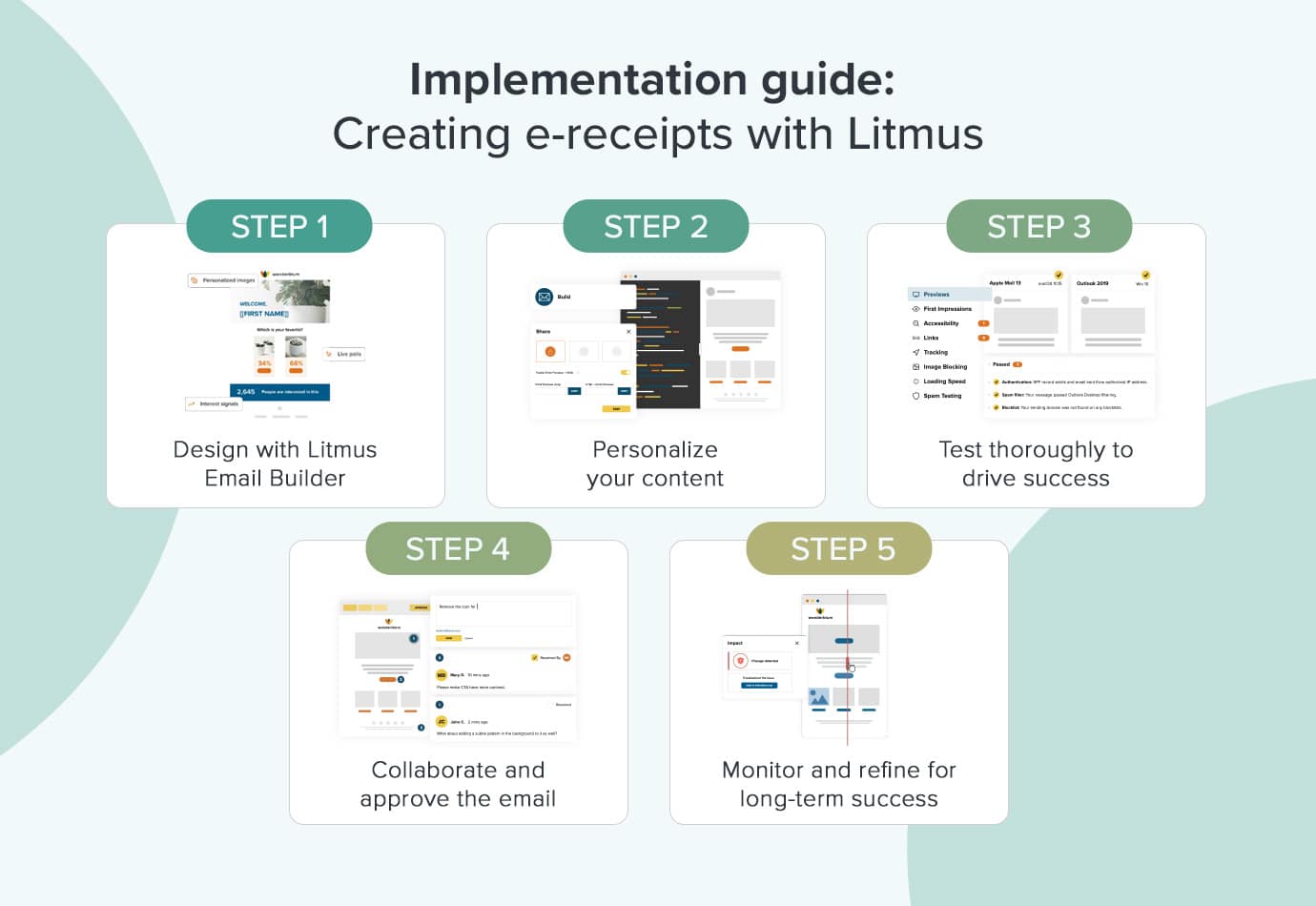
Implementation Guide with Litmus (Example):
- Design with Email Builder: Start by selecting or building e-receipt templates within Litmus Email Builder. Focus on clean, single-column layouts, large tappable buttons, and crisp, legible fonts. Validate the design hierarchy to ensure essential confirmation details are immediately visible.
- Personalize Your Content: Integrate the e-receipt system with order processing tools. Use dynamic content blocks to personalize elements like customer name, itemized order details, loyalty points, and tailored cross-sell recommendations based on transaction context or customer profiles.
- Test Thoroughly to Drive Success: Utilize Litmus’s comprehensive testing capabilities to preview how receipts render across over 100 popular email clients and devices, including Dark Mode. Verify all CTAs and links are functional and that dynamic fields display correctly with real or test data. Collaborate with teams to catch errors before deployment.
- Collaborate and Approve the Email: Leverage Litmus’s collaboration features for formal approval workflows. Request sign-off from key stakeholders (compliance, brand, IT) to ensure all standards are met. Maintain version control for auditability and compliance.
- Monitor and Refine for Long-Term Success: Continuously track relevant metrics such as open rates, click-throughs, and conversions. Monitor complaints and customer feedback. Regularly A/B test variations in layout, copy, and recommendations, using data to guide ongoing refinements and maximize the impact of every e-receipt.
E-Receipts as Revenue Drivers: A Concluding Perspective

In an increasingly digital marketplace, a perfect e-receipt ensures every customer walks away with more than just a record of their transaction. It serves as a powerful extension of a brand’s promise, delivering confidence, reducing friction, and inviting ongoing connection. With the right blend of clarity, thoughtful design, impactful personalization, and strategic execution, e-receipts can transform routine transactional moments into powerful brand experiences that drive both immediate and long-term revenue. By investing in optimized e-receipt strategies and utilizing advanced email tools, businesses can unlock the full potential of this often-underestimated communication channel, turning every purchase confirmation into an opportunity for growth and loyalty.