A robust sales strategy is the bedrock of sustainable business growth, encompassing every facet of the sales cycle from initial prospect identification to closing the deal. It’s not a static plan but a dynamic, evolving document, continuously refined with real-time data and market insights to optimize future sales endeavors. For businesses, particularly small and growing ones, a well-articulated sales strategy is paramount for maximizing the productivity of sales representatives and ensuring marketing efforts are precisely targeted and impactful. The benefits are far-reaching, fundamentally transforming how a company approaches revenue generation and customer acquisition.
Maximizing Productivity Through Strategic Focus
One of the most significant advantages of a comprehensive sales strategy is the ability to channel sales team efforts towards high-impact activities. Many burgeoning businesses grapple with the challenge of identifying reliable lead generation channels that consistently yield results. A defined strategy, built upon a deep understanding of the ideal buyer persona, illuminates precisely how to reach these prospects and what value propositions resonate most effectively. This clarity empowers sales teams to allocate their time and resources exclusively to activities that directly contribute to moving deals forward, thereby increasing efficiency and reducing wasted effort. For instance, if research indicates that personalized follow-up emails after a webinar conversion have a 70% higher closing rate than generic outreach, a strategic approach would prioritize this tactic, ensuring sales reps dedicate their time to these more fruitful interactions.
Fueling Revenue Growth and Pipeline Expansion
Beyond optimizing existing efforts, a strategic sales approach is a powerful engine for revenue growth and pipeline expansion. Companies can explore various avenues for increasing revenue, such as strategic price adjustments or focusing on acquisition channels with demonstrably higher conversion rates. The synergy between sales and marketing teams, when aligned under a unified strategy, is a proven catalyst for success. Research consistently highlights the transformative impact of "smarketing" – the integrated approach of sales and marketing – with data indicating that companies exhibiting strong sales and marketing alignment experience up to 38% higher sales win rates. This collaborative environment ensures that marketing efforts generate qualified leads and that sales teams are equipped with the necessary context and resources to effectively engage and convert them.

Establishing Repeatable Systems for Predictable Growth
A core tenet of an effective sales strategy is its ability to foster repeatable systems, leading to more predictable and scalable growth. By identifying and codifying the most successful sales tactics, businesses can move beyond ad-hoc approaches and apply proven methodologies to all leads. This systematic approach ensures consistency and maximizes the chances of success across the entire sales funnel. For example, if data reveals that prospects who receive a product demonstration convert at a 50% higher rate than those who do not, this becomes a non-negotiable element of the sales process for all applicable leads. Such data-driven insights allow for the creation of robust, replicable workflows that streamline operations and enhance overall sales performance.
Navigating the Landscape: Inbound vs. Outbound vs. Account-Based Marketing
The modern sales landscape offers a diverse array of strategic approaches, each with its unique strengths. While it’s often beneficial to integrate elements from different methodologies, a company’s business model and customer base typically dictate a stronger reliance on one or two key strategies.
Inbound Sales: Attracting Through Value
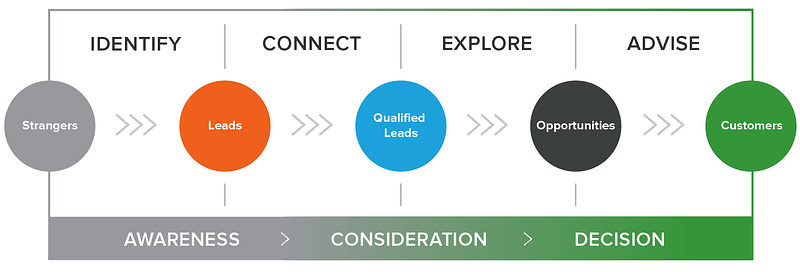
Inbound sales strategies focus on attracting leads by providing valuable content that addresses their needs and pain points. This methodology inherently blends sales and marketing more closely than traditional outbound approaches. A prime example is a marketing team syndicating insightful content, such as whitepapers or blog posts, to a targeted audience. When a prospect engages with this content, expressing interest, the sales team can then follow up to schedule a product demonstration or delve deeper into understanding the prospect’s specific challenges. In this model, sales representatives often adopt an advisory role, guiding leads through the process to ensure the product or service is a genuine fit for their requirements. The inbound sales methodology typically involves several key stages: attracting visitors, converting them into leads, closing those leads into customers, and delighting them to foster loyalty and repeat business.
Outbound Sales: Proactive Prospecting
Outbound sales strategies, conversely, involve the proactive sourcing and direct outreach to potential leads. While often associated with traditional methods like cold emailing and cold calling, these techniques remain highly effective for many businesses. The success of an outbound strategy hinges on a compelling offer and a seamless, efficient sales process. Furthermore, adherence to data privacy regulations, such as GDPR, is critical for ethical and legal compliance. Companies employing outbound strategies must invest in robust lead generation processes that identify high-potential prospects and ensure outreach is personalized and relevant.
Account-Based Marketing (ABM): Precision Targeting
Account-Based Marketing (ABM) represents a highly strategic approach that involves identifying and targeting specific accounts with a high propensity to purchase. This method necessitates creating unique, highly personalized content and campaigns tailored to nurture these selected accounts. ABM campaigns often involve engaging multiple decision-makers within a target organization, aiming to build consensus and facilitate a smoother closing process. This approach requires exceptionally close collaboration between sales and marketing teams. A typical ABM campaign might involve targeted advertising on platforms like LinkedIn directed at key accounts, synchronized with personalized outreach from the sales team. ABM flips the traditional sales and marketing model on its head by beginning with a defined target audience and then building campaigns specifically designed for their conversion. For organizations with the resources to invest, ABM can yield exceptional results due to its highly focused and personalized nature.
The Blueprint for Building Your Sales Strategy
Developing a successful sales strategy requires a systematic and data-driven approach. The following steps provide a framework for building a strategy that aligns with business objectives and market realities.
Step 1: Understanding Your Foundation – Industry, Product, and Buyer Persona
The initial and most crucial step is to deeply understand your target customer and how your business and offerings are positioned to meet their needs. This involves a comprehensive analysis of your industry landscape, the unique value proposition of your product or service, and a detailed profile of your ideal buyer persona. Factors such as the Average Contract Value (ACV) significantly influence the choice of tactics; a strategy for high-ACV deals will differ considerably from one designed for lower-value transactions. Similarly, industry-specific norms, such as reliance on trade shows versus online networking, must be factored into the strategy.
Step 2: Setting Clear and Achievable Sales Goals
Sales goals should be intrinsically linked to broader company objectives. Once overarching sales targets are established, they must be broken down into Key Performance Indicators (KPIs) and individual goals for sales representatives. These goals should clearly define expected activities and desired outcomes. For example, a weekly target of sending 100 cold emails to qualified leads provides a tangible objective that directly contributes to the broader sales strategy. The ultimate aim is to ensure that sales goals accurately reflect the expected efforts of the team and the desired end results.

Step 3: Identifying Key Acquisition Channels
Determining the most effective acquisition channels begins with a thorough understanding of your buyer personas. The question is: who is your ideal customer, and what are the most effective ways to connect with them? The answer will guide the selection of demand generation strategies. For a low-priced, high-volume product (e.g., a $10 per month subscription), channels that are less time-intensive for the sales team, such as digital advertising or content marketing, might be prioritized over extensive cold outreach. Conversely, for an expensive, infrequently purchased item, cold emailing can serve as an effective initial step to educate prospects before a more in-depth phone conversation.
Step 4: Measuring and Analyzing Sales Performance
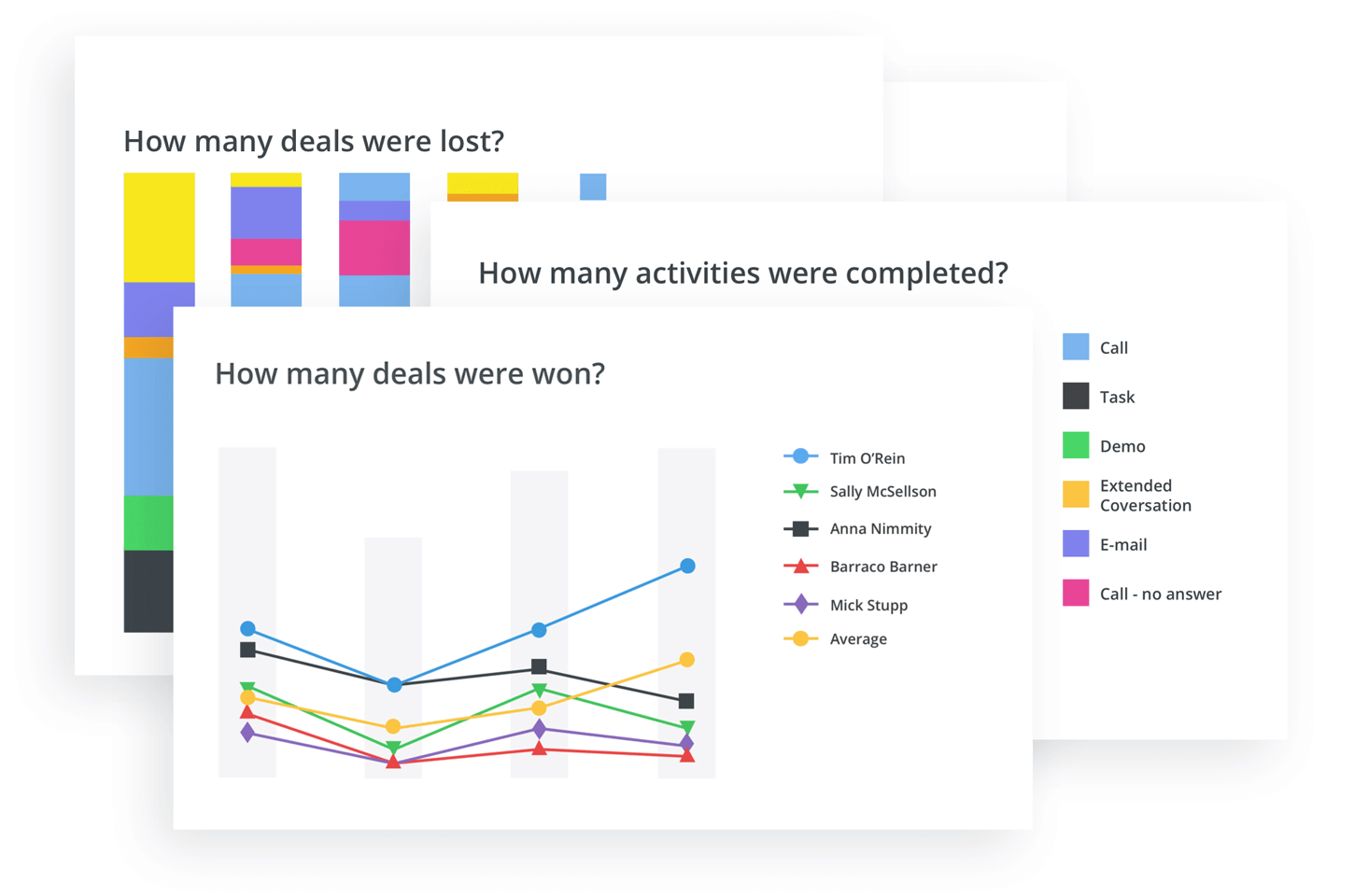
Continuous measurement and analysis are indispensable for evaluating the effectiveness of your sales strategy and ensuring you are on track to meet your targets. Without diligent tracking of key metrics, it becomes impossible to identify what’s working, what isn’t, and where valuable resources are being misallocated. While tools like Microsoft Excel or Google Sheets can provide basic tracking capabilities, dedicated Customer Relationship Management (CRM) systems offer more sophisticated analytics. CRMs such as Pipedrive, HubSpot, and Salesforce provide detailed reports on metrics like email open rates, response rates, conversion rates, and revenue forecasts. Over 50% of sales teams report enhanced productivity when utilizing a CRM, underscoring its importance in maintaining efficient workflows and achieving strategic objectives.
Step 5: Automating Repetitive Processes for Scalability
Once a sales strategy demonstrates efficacy, automating repetitive processes becomes a critical step towards scalability and efficiency. As sales efforts gain momentum, managing every aspect manually can become overwhelming. Automation streamlines tasks, freeing up sales representatives to focus on engaging with promising leads. Tools and services can assist in creating targeted lead lists based on detailed buyer persona criteria, filtering by job title, industry, company size, and technology stack. Furthermore, tools like Lead Forensics can identify website visitors, enabling proactive outreach. Lead scoring, another crucial component that can be automated, assigns a score to leads based on their engagement with your brand, allowing sales teams to prioritize their efforts and know precisely when to engage. Many CRMs offer integrated lead scoring functionalities, ensuring that sales representatives are always focusing on the most opportune prospects.
Continuous Optimization: The Key to Sustained Success
The journey of a sales strategy doesn’t end with its implementation; continuous optimization is essential to ensure it remains effective and maximizes resource utilization. This involves regularly reviewing campaign performance, identifying underperforming areas, and making targeted adjustments. For instance, if cold email open rates are consistently low, a systematic analysis should pinpoint potential issues with the subject line, email content, or the quality of the lead list. By altering one variable at a time and monitoring the impact, sales teams can refine their approach for optimal results.
Nurturing Existing Relationships: The Untapped Potential
In the pursuit of new business, it is crucial not to overlook the immense value of existing customers. Data indicates that businesses are significantly more likely to make a sale to an existing customer than to a new one, with conversion rates often 60-70% higher. Maintaining high levels of customer satisfaction is paramount to capitalizing on this potential. Studies reveal that companies in the U.S. lose billions of dollars annually due to avoidable customer switching. Therefore, a comprehensive sales strategy must incorporate robust customer retention and satisfaction initiatives, ensuring that existing client relationships are nurtured and that opportunities for upselling and cross-selling are proactively identified. This not only secures recurring revenue but also fosters valuable brand advocacy and referrals.