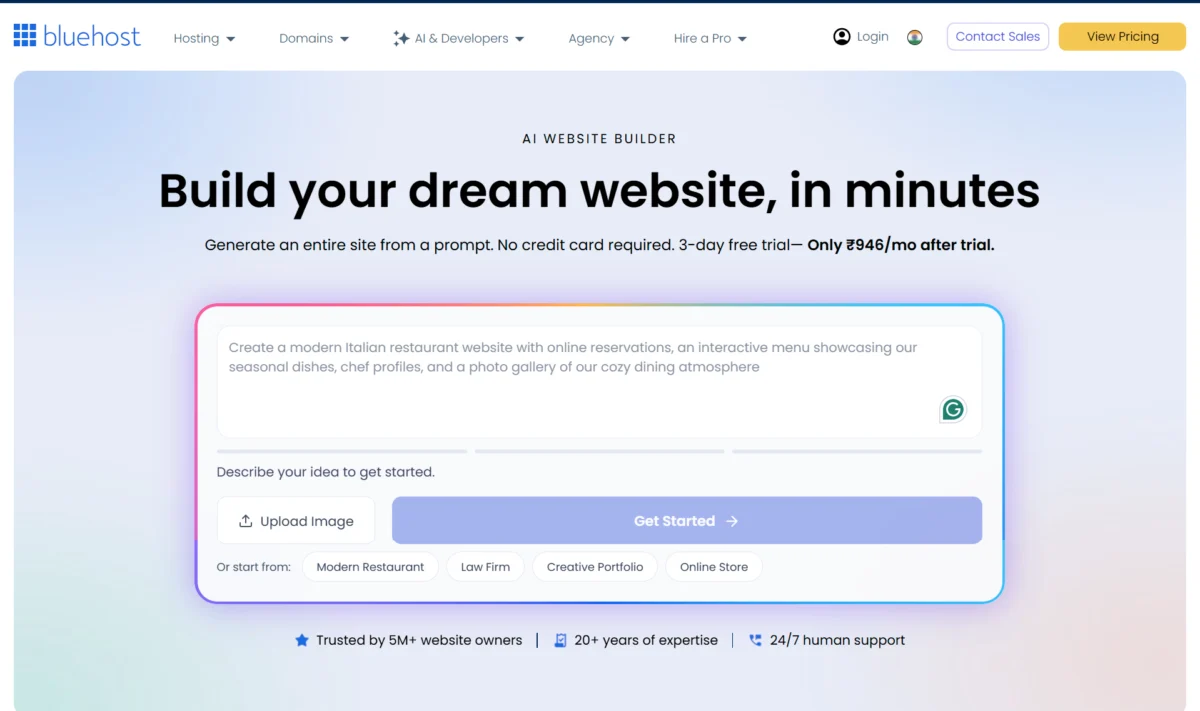
Most AI website builders promise users the ability to create a functional website in mere minutes, a claim that, while partially true regarding initial generation, often overlooks the crucial subsequent steps required to launch a professional and effective online presence. While AI can indeed produce a visually appealing website structure and draft content with surprising speed, the complete journey to a live, optimized site still necessitates time for domain selection, meticulous content review, strategic edits, and thorough testing. This comprehensive guide will dissect the entire website creation process, offering a realistic timeline for both traditional and AI-accelerated approaches, and highlighting the critical human input that remains indispensable.
The Evolution of Website Development: A Pre-AI Landscape
Before the advent of sophisticated AI tools, establishing an online presence was a significantly more arduous and time-consuming endeavor. Early internet adopters often relied on manual coding using HTML, CSS, and JavaScript, a process demanding specialized technical skills and considerable development hours. The introduction of Content Management Systems (CMS) like WordPress, Joomla, and Drupal marked a significant shift, democratizing website creation by providing user-friendly interfaces and pre-built themes. However, even with CMS platforms, users faced a steep learning curve involving manual installation, theme customization, plugin selection and configuration, and the painstaking process of populating pages with original content.
Subsequently, drag-and-drop website builders such as Wix and Squarespace further simplified the design process, allowing non-technical users to arrange elements visually. Yet, these platforms still required manual selection of templates, detailed layout adjustments, and the creation of all textual and visual content from scratch. Each iteration of website building technology aimed to reduce complexity and time, but the fundamental need for human input in planning, design, and content generation remained a significant bottleneck. AI website builders represent the next leap, specifically targeting this initial setup phase, promising to compress weeks or days of foundational work into minutes.
Deconstructing the AI Promise: What "Minutes" Really Means
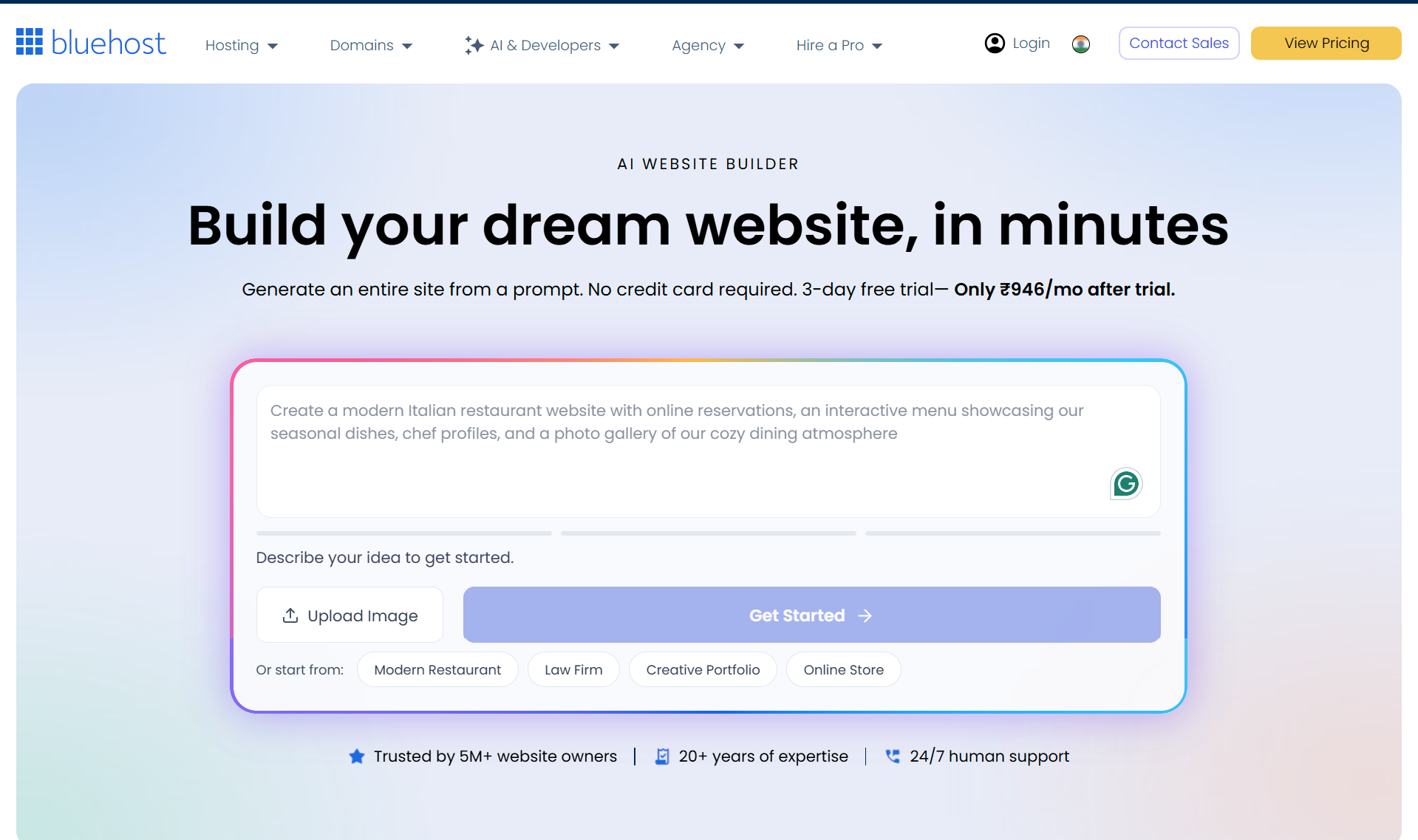
The marketing claims of "build a website in minutes" are not entirely without merit, but they require contextual understanding. AI website builders excel at automating the initial, often laborious, structural and design decisions. When a user provides basic information about their business or purpose, the AI can rapidly generate:
- Website Structure: A logical hierarchy of pages (e.g., Home, About, Services, Contact, Blog).
- Page Layouts: Pre-designed sections and content blocks suitable for various types of information.
- Navigation Menus: Functional menus that allow visitors to easily traverse the site.
- Design Elements: A cohesive visual style, including color palettes, typography, and image placeholders.
- Draft Content: Placeholder text or even AI-generated initial drafts based on the provided inputs.
This automated generation undeniably saves a substantial amount of time compared to building from a blank canvas. However, it’s crucial to understand that this output constitutes a "first draft." The subsequent steps, which involve human oversight, refinement, and strategic input, are where the true effort—and time—is invested to transform a generic AI-generated framework into a distinctive, effective, and branded digital asset.
A Realistic Timeline: Traditional vs. AI-Assisted Website Creation
Every website, regardless of its creation method, follows a broadly similar lifecycle before going live. The key difference lies in the duration and nature of the effort required for each stage.
Phase 1: Planning and Foundation
- Define Your Website’s Purpose:
- Traditional: 30 minutes – 1 day. Involves identifying goals, target audience, and required features. This foundational clarity dictates all subsequent decisions.
- AI-Assisted: Initial prompts and questions to the AI take minutes. While the AI processes this, the underlying human thought process for clarity is still necessary. Time savings here are in translating concept to structure.
- Research Your Market (Recommended):
- Traditional: 1-3 days. Analyzing competitor websites, identifying trends, and finding differentiation opportunities.
- AI-Assisted: The AI doesn’t perform market research, though it can integrate keywords if provided. This remains a manual strategic task.
- Choose a Domain Name:
- Traditional: 30 minutes – 1 day. Brainstorming, checking availability, and registration.
- AI-Assisted: Identical. This is a third-party service and human decision.
- Set Up Web Hosting:
- Traditional: 30 minutes – 1 day. Selecting a provider, account setup, and configuration. Services like Bluehost often bundle hosting, free SSL, and domain management.
- AI-Assisted: Identical. Hosting is a separate infrastructure requirement.
Summary of Phase 1: While AI significantly streamlines the initial conceptualization into a structural outline, core strategic planning (market research) and foundational technical steps (domain, hosting) still demand traditional time investment. The primary saving is in the immediate translation of requirements into a website blueprint.
Phase 2: Creation and Content Integration
- Create Your Website (Structure and Layouts):
- Traditional: 1-7 days. Building pages, organizing navigation, choosing layouts, and adding core functionality. This is where manual template selection, page building, and component integration consume significant time.
- AI-Assisted: Minutes. The AI generates the entire structural framework, page layouts, and navigational elements almost instantly after processing user inputs. This is the most dramatic time-saving aspect of AI builders.
- Add Your Content:
- Traditional: 1-7 days. Writing, reviewing, and uploading all textual content, images, and videos. Ensuring brand voice and accuracy.
- AI-Assisted: Several hours to multiple days. While AI provides a draft, human review, personalization, and integration of original, branded visuals are crucial. This shifts the effort from creation to refinement.
Summary of Phase 2: AI obliterates the time spent on manual structural creation. However, the human element of crafting compelling, accurate, and brand-aligned content, along with selecting appropriate visuals, becomes the new focus, consuming a substantial portion of the overall timeline.
Phase 3: Refinement, Testing, and Launch
- Review and Test Your Website:
- Traditional: 2-8 hours. Testing on various devices, verifying links and forms, checking loading speed, and ensuring mobile responsiveness.
- AI-Assisted: 2-8 hours. Identical. Human vigilance is paramount for quality assurance. AI doesn’t test, it generates.
- Publish Your Website:
- Traditional: 30 minutes – 2 hours. Connecting the domain, final checks, and making the site live.
- AI-Assisted: 30 minutes – 2 hours. Identical. The final launch procedure is largely administrative.
Summary of Phase 3: The post-creation quality assurance and launch process remain largely human-driven, as AI currently lacks the capacity for comprehensive, nuanced testing and strategic launch decisions.
Overall Realistic Estimates:
- Traditional Website Creation: Typically ranges from several days to multiple weeks for a basic to moderately complex site, excluding ongoing content creation.
- AI-Assisted Website Creation (Basic Launch): For a basic website with minimal customization, a user prepared with their domain and business information could see a site online within 30-90 minutes. This includes account creation, AI prompts, and a quick review.
- AI-Assisted Website Creation (Polished Launch): For a more refined, branded, and content-rich site, users should allocate a few hours to a full day for thorough content personalization, image integration, and design tweaks.
Additional Factors Extending the Timeline
While the core timeline is significantly compressed by AI, certain advanced functionalities inherently require more time, regardless of the builder used.
- Setting up an Online Store: 1-5 days (configuring e-commerce platforms).
- Adding Products and Categories: Several hours to multiple days (data entry, descriptions, images).
- Configuring Product Variants: A couple of hours to 2 days (sizes, colors, options).
- Setting up Payment Gateways: 1-2 days (integration with PayPal, Stripe, etc.).
- Configuring Shipping and Tax Settings: 1-3 days (rules, zones, rates).
- Connecting Third-Party Tools: A couple of hours to 2 days (CRMs, email marketing, analytics, booking systems).
- Creating Multilingual Pages: Several days to weeks (translation, content management).
These specialized requirements often involve intricate configurations and content preparation that AI can assist with but cannot fully automate, pushing the human effort back into the foreground. Furthermore, strategic pre-building activities like in-depth competitor analysis, brand positioning, and content strategy development can add significant time to the overall project, though they contribute to a more robust and effective website in the long run.
Supporting Data and Market Insights
The rapid adoption of AI in web development is a testament to its perceived efficiency. According to recent market reports, the global AI in web development market is projected to grow significantly, with a compound annual growth rate (CAGR) exceeding 20% in the coming years. This growth is primarily driven by small and medium-sized businesses (SMBs) and individual entrepreneurs seeking to establish an online presence quickly and cost-effectively. A 2023 survey indicated that over 40% of small businesses without a website cited "lack of time" and "high cost" as primary barriers. AI website builders directly address these concerns, making professional web presence more accessible. Platforms like Bluehost’s AI Website Builder, which leverages the underlying power and flexibility of WordPress, exemplify how AI can streamline the initial setup without sacrificing long-term scalability and control.
Expert Perspectives and Industry Reactions
Industry analysts generally concur that AI website builders are revolutionary tools for rapid prototyping and initial deployment. "AI doesn’t build a perfect website; it builds a perfect starting point," remarks a leading digital strategist. "The true value lies in the time saved on foundational tasks, allowing businesses to reallocate resources to branding, user experience, and strategic content development." Developers of these AI platforms, such as those at Yoast, emphasize that their tools are designed to be accelerators for creators, not replacements. "Our goal is to empower users to get online faster and focus on what truly differentiates their brand," states a spokesperson for Yoast. SEO specialists, while acknowledging AI’s ability to generate initial content, caution against over-reliance. "AI-generated content is a great baseline, but it often lacks the unique voice, authority, and nuanced understanding of an audience that only a human can provide," notes a senior SEO consultant. "Personalization and optimization for specific search intent remain critical for long-term visibility."
Broader Impact and Implications
The rise of AI website builders carries several profound implications for the digital landscape:
- Democratization of Web Presence: AI significantly lowers the technical and financial barriers to creating a website, enabling more individuals and small businesses to establish an online footprint quickly and affordably.
- Shift in Focus for Creators: Web developers and designers can transition from repetitive, foundational coding or layout tasks to more strategic roles, focusing on complex functionalities, custom integrations, advanced UI/UX, and long-term digital strategy.
- Enhanced Prototyping and Iteration: Businesses can rapidly test new ideas or launch temporary campaign-specific sites, allowing for quicker market feedback and agile development cycles.
- Increased Competition: The ease of creating a website means a more crowded online marketplace, making distinct branding, superior content, and robust SEO even more critical for standing out.
- Quality Control Imperative: While AI is efficient, it lacks human intuition. Ensuring brand consistency, factual accuracy, legal compliance (e.g., accessibility standards, privacy policies), and unique value proposition requires diligent human review.
- Future Trends: Expect AI to evolve further, potentially offering predictive design, automated A/B testing suggestions, and more sophisticated content generation that better aligns with specific brand voices and SEO best practices.
The Post-Launch Strategy: Beyond the Initial Build
Launching an AI-generated website is merely the first step in a continuous journey. To truly thrive online, ongoing effort and strategic maintenance are essential.
-
Publish Helpful Content Regularly: A dynamic website remains fresh and relevant. Whether through blog posts, news updates, or updated product descriptions, consistent, high-quality content keeps visitors engaged and signals to search engines that your site is active and authoritative. Resources like Yoast’s guide on writing SEO-friendly blog posts are invaluable here.
-
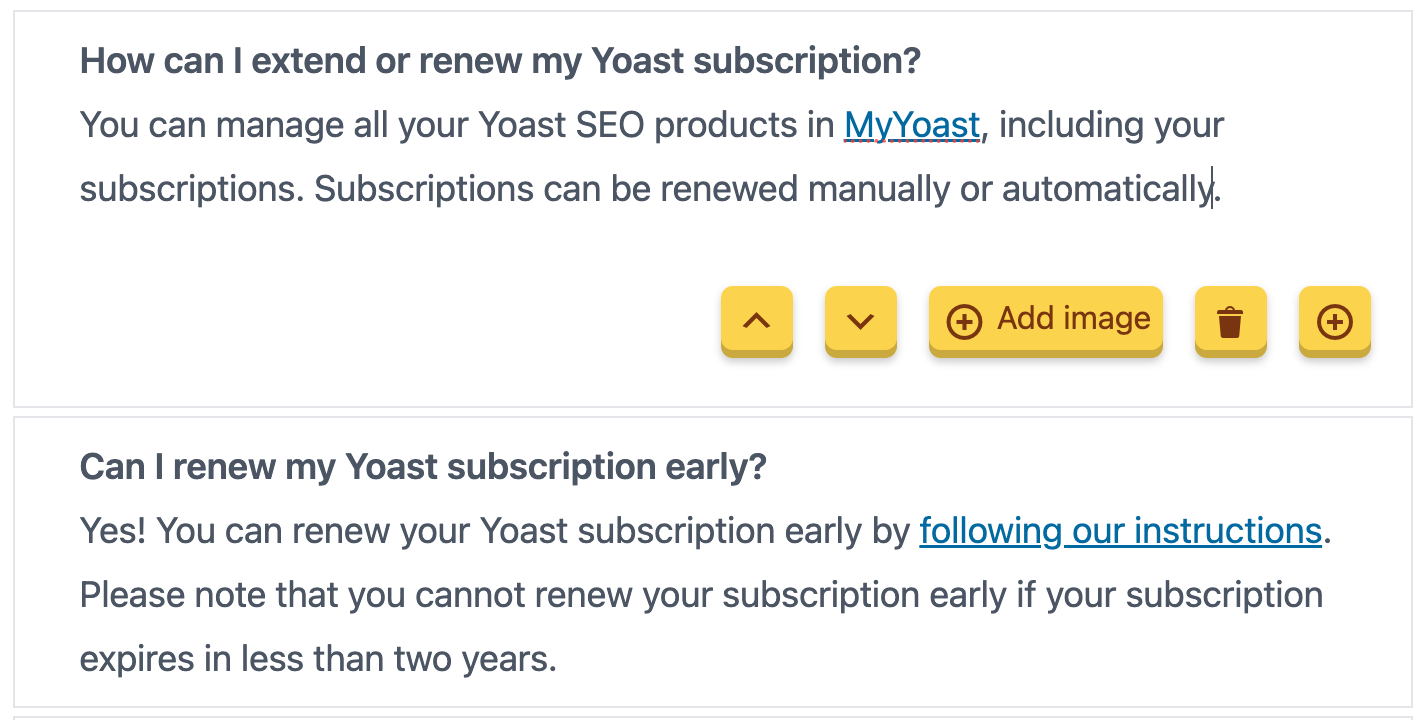
Keep Your Website Up to Date: Websites are living entities. As your business evolves—new products, services, pricing, or contact details—your website must reflect these changes promptly. Expanding with new landing pages, service descriptions, FAQs, or case studies also demonstrates growth and responsiveness. Tools like Yoast SEO’s FAQ content block can simplify structuring content for search engines, converting questions into digestible structured data.
-
Continue Improving Your SEO: Search Engine Optimization is not a one-time task. Post-launch, focus on:
- On-page SEO: Refining page titles, meta descriptions, headings, and content for target keywords.
- Technical SEO: Ensuring site speed, mobile-friendliness, crawlability, and an up-to-date XML sitemap.
- Internal Linking: Building a logical internal link structure to guide users and search engine crawlers.
- External Signals: Earning quality backlinks to boost domain authority. WordPress users can leverage comprehensive guides and plugins like Yoast SEO for both on-page and technical optimization.
-
Monitor Your Website’s Performance: Data-driven decisions are crucial.
- Google Search Console: Monitor search performance, identify indexing issues, and understand search queries driving traffic.
- Google Analytics: Gain insights into user behavior, traffic sources, bounce rates, and conversion metrics. This data is vital for iterative improvements.
-
Build Your AI Presence: As AI-powered search experiences (like conversational AI in search engines) become more prevalent, understanding and influencing how your brand is perceived by these systems is paramount. Tools like Yoast SEO AI+ offer "AI Brand Insights" to help analyze and optimize your brand’s representation in this evolving digital landscape.
AI: A Head Start, Not the Finish Line
Ultimately, AI website builders are transformative tools that dramatically shorten the initial website creation timeline. They democratize access to professional-looking web presences by automating the most time-consuming foundational tasks, allowing users to bypass the blank page syndrome and immediately engage with a functional first draft.
However, the journey to a successful online presence is far from over once the AI has done its part. The true impact and differentiation of a website stem from thoughtful human input: refining AI-generated content with a unique brand voice, curating compelling visuals, implementing strategic SEO, and committing to ongoing updates and performance monitoring. AI provides an unprecedented head start, enabling rapid deployment, but sustained growth and success in the digital realm continue to rely on strategic human intelligence and persistent effort. For those who have hesitated to embark on their digital journey due to perceived technical complexity or time investment, AI has indeed lowered the barrier, making it easier than ever to get started and begin cultivating an online presence.