In the dynamic and often volatile landscape of digital commerce, e-commerce email marketing has emerged as a cornerstone for predictable sales growth, offering a robust alternative to the fluctuating costs and privacy challenges inherent in paid advertising. Success in this vital channel hinges on three fundamental pillars: cultivating a high-quality email list, implementing sophisticated behavior-based automated flows, and meticulously tracking revenue-centric metrics. When these elements are expertly managed, businesses can establish a resilient sales pipeline largely insulated from the unpredictable spikes in advertising expenditures.
Unlike paid advertising, where reaching potential customers incurs a continuous cost, email marketing empowers businesses with direct access to an owned audience. This grants unparalleled control over communication, allowing brands to dictate who receives messages, when, and what content is delivered. This strategic advantage is particularly pertinent in an era marked by increasing ad platform complexities and rising customer acquisition costs, making owned channels like email more valuable than ever before.
The critical differentiator between stagnating and flourishing e-commerce ventures lies in their adoption of behavioral triggers. While some brands persist with generic newsletters broadcast to their entire list, industry leaders leverage advanced automation to dispatch highly relevant emails based on specific customer actions. This includes sending reminders for abandoned carts, product recommendations after browsing specific items, or personalized thank-you notes post-purchase. Each communication is meticulously tailored to the individual shopper’s current stage in their buying journey, fostering deeper engagement and driving higher conversion rates.
This comprehensive guide delves into the most effective e-commerce email marketing strategies, automation techniques, emerging trends, and common pitfalls to avoid. The insights are underpinned by robust 2025 and 2026 data gathered from a diverse portfolio of merchants, offering a forward-looking perspective on industry best practices.
The Evolution and Definition of E-commerce Email Marketing
E-commerce email marketing is a specialized discipline within digital marketing that employs targeted email communications to promote products, cultivate enduring customer relationships, and stimulate repeat purchases. It ingeniously merges granular customer data with real-time behavioral triggers to deliver messages that resonate precisely at pivotal shopping stages. This approach stands in stark contrast to traditional, generic email marketing, which often involves mass distribution of identical content to an entire subscriber base.
The true potency of e-commerce email marketing lies in its reactive nature. Instead of blasting universal promotions, it intelligently responds to observable shopper behaviors: a product viewed, an item added to a cart and then abandoned, a completed purchase, or even a request for a back-in-stock notification. As Marty Bauer, Director of Sales & Partnerships at Omnisend, aptly puts it, "Automation works because it listens first. When brands respond to what shoppers are already doing, results follow." This "listening" manifests through behavioral triggers, such as three distinct views of a single product prompting a tailored product recommendation email, thereby ensuring relevance and maximizing impact.
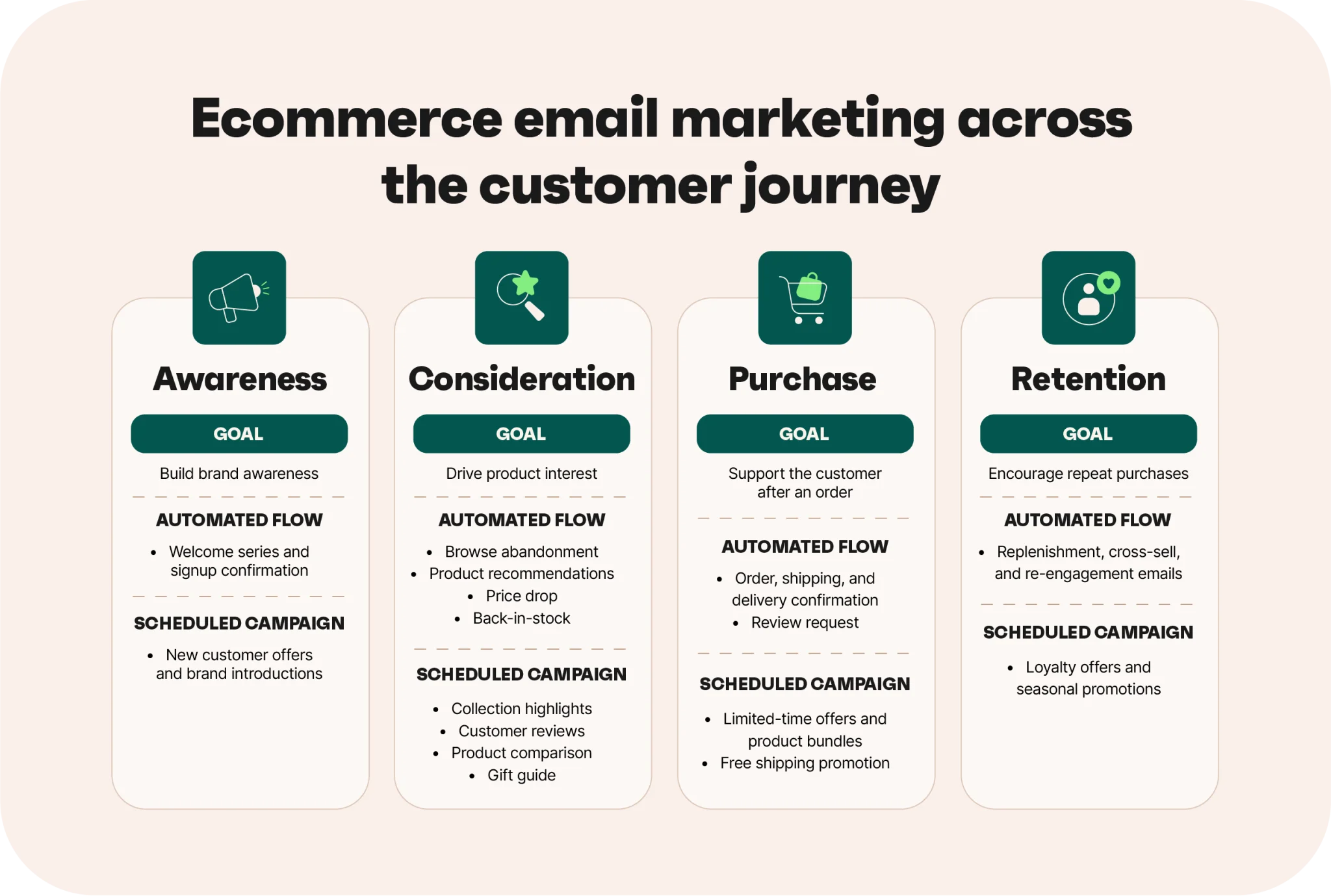
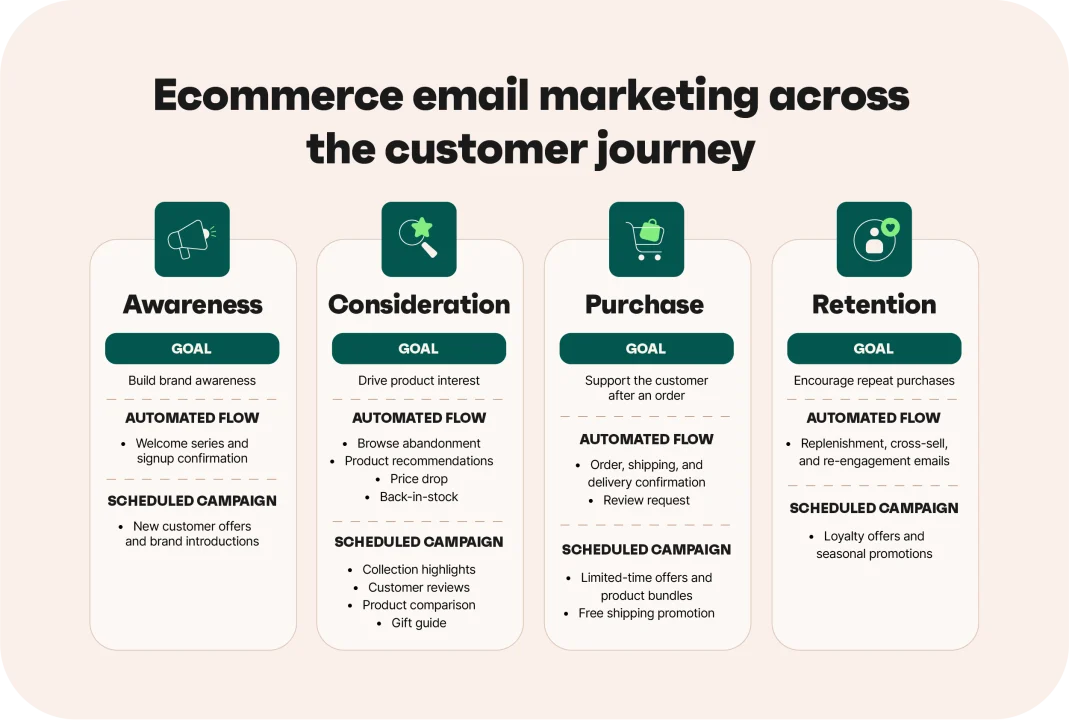
E-commerce email marketing operates through two primary mechanisms that serve distinct phases of the customer journey: automated marketing flows and scheduled campaigns. Automation flows are event-driven, triggered by specific customer actions, working continuously in the background to nurture leads and retain customers. Scheduled campaigns, conversely, are time-sensitive, designed for broader announcements like seasonal sales, new product launches, or promotional events, offering marketers controlled outreach for specific objectives.
The customer journey itself—spanning awareness, consideration, purchase, and retention—demands a nuanced mix of both automated and campaign-based email strategies to effectively guide and engage shoppers at every touchpoint.
Exceptional Returns: The ROI of E-commerce Email Marketing
The financial returns from e-commerce email marketing are compelling, consistently demonstrating its efficacy as a high-ROI channel for online stores. According to Omnisend’s internal analysis of paid-plan merchants in 2025, businesses generated an impressive $79 for every $1 spent across email, SMS, and push notifications. Notably, email alone contributed $76 for every dollar invested, underscoring its standalone power.
Further reinforcing email’s effectiveness, Omnisend’s 2026 E-commerce Marketing Report revealed a significant increase in click-to-conversion rates, which climbed to 9% from 5.9% year-over-year across all email types. This data highlights a growing trend in customer responsiveness and conversion efficiency within the channel. Automated emails consistently outperform standard campaigns, with one in three clicks on automated messages translating into a purchase, compared to one in 18 clicks for standard campaigns. This stark difference underscores the power of timely, behavior-triggered communications.
The success story of Salomon Japan exemplifies the tangible benefits of a well-executed email strategy. Leveraging Omnisend, the brand launched localized email campaigns targeting 130,000 customers, segmented by sport category and loyalty tier. These campaigns achieved a remarkable 45% open rate and generated ¥1.9 million (approximately $12,000 USD) per campaign. Maria Nakazono, CRM and Digital Marketing Specialist at Salomon Japan, noted, "These automations have been really effective, especially for growing our membership base. One of our main goals beyond sales is to build loyalty – and Omnisend helps us do that."
When benchmarked against other prevalent marketing channels, email marketing for e-commerce maintains a superior position in terms of return on investment:
| Marketing Channel | ROI/Conversion Benchmark | Strategic Context and Behavioral Intent |
|---|---|---|
| $76 per $1 spent | High-ROI owned channel driven by purchase behavior | |
| Push Notifications | 22.9% click-to-conversion for automated sends | Instant device reach for time-sensitive messages |
| Search Ads | 6.64% click-through rate | Paid third-party reach with ongoing acquisition costs (WordStream 2026) |
| SMS | 0.97% global click-to-conversion | High-open channel for high-intent messages that complement emails |
These figures, primarily from Omnisend’s 2026 report and other industry benchmarks, paint a clear picture: email marketing, especially when automated and data-driven, delivers exceptional value and a competitive edge.
Essential E-commerce Email Automation Flows for Revenue Growth
E-commerce email marketing automation is the engine that drives customer acquisition, conversion, and retention without requiring constant manual intervention. Omnisend’s 2026 report highlighted that automations, despite accounting for only 2% of total email sends, generated a substantial 30% of all email revenue. Furthermore, automated emails earned 16 times more per send than their scheduled counterparts, emphasizing their efficiency and impact.
Here’s a detailed rundown of the most critical automation flows, their triggers, optimal timing, primary objectives, and target KPIs:
-
The Welcome Series:

- Trigger: New subscriber sign-up.
- Timing: First email immediately (within 30 minutes), followed by two more within 1-3 days.
- Goal: Convert a new subscriber into a first-time buyer.
- KPI: 2.0% conversion rate, $6.30 revenue per email.
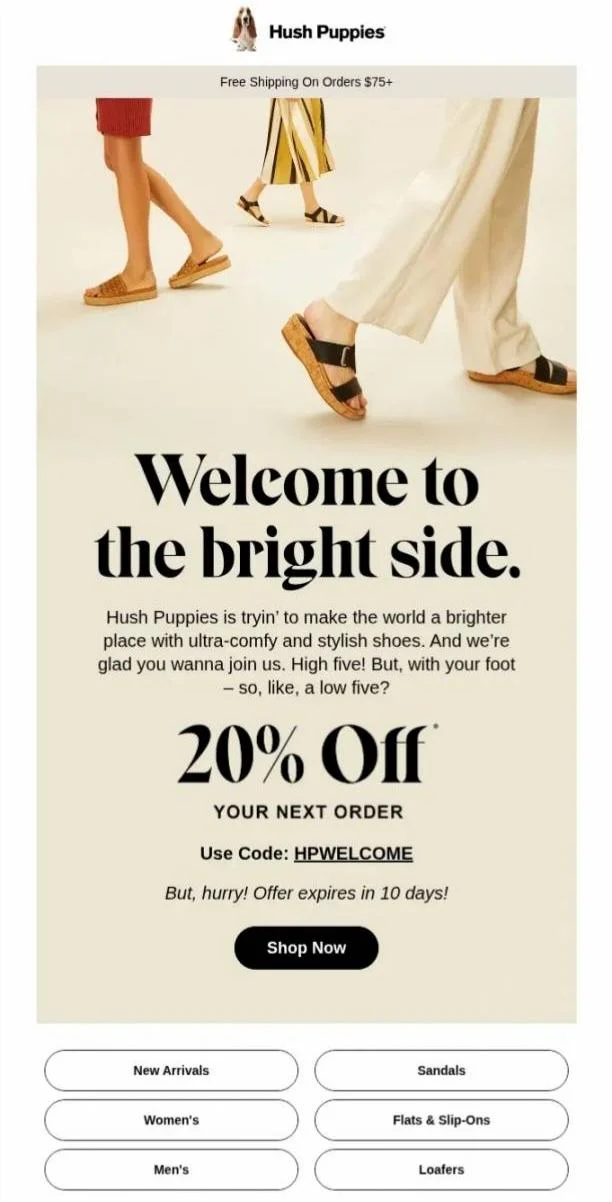
- Content: Introduce the brand, highlight top products, and offer a time-limited incentive (7-14 days). Hush Puppies exemplifies this by combining a warm brand message with a 20% off discount, providing an enticing first-order incentive.
-
Browse and Cart Abandonment Series:
- Trigger: Product viewed without purchase or items left in cart.
- Timing: 1-3 hours after activity, followed by reminders at 24 and 72 hours.
- Goal: Recover lost sales.
- KPI: 1.51% conversion rate, $2.54 revenue per email.
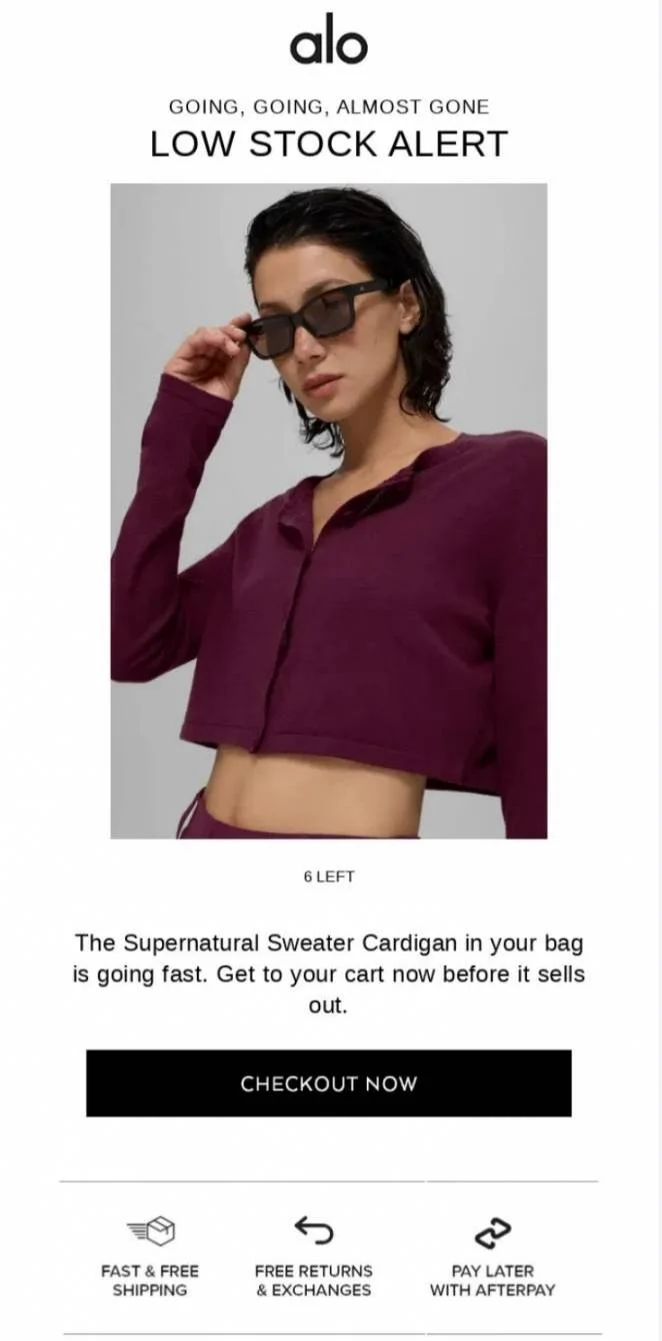
- Content: Display cart contents clearly with a one-click return link. Initially focus on product value, introducing a discount only in later emails if necessary. Alo’s use of low-stock urgency effectively pushes shoppers back to their carts, leveraging scarcity to create a sense of FOMO. Marty Bauer advises, "We’ve seen customers consistently increase revenue by starting small. They prioritize abandoned-cart and welcome flows and then let the data dictate where to optimize next."
-
Post-Purchase and Thank-You Series:
- Trigger: Order placed, then delivered.
- Timing: Order confirmation immediately; shipping updates as status changes; follow-up 7-14 days after delivery.
- Goal: Drive a second order and build loyalty.
- KPI: 53.99% open rate for order confirmation.
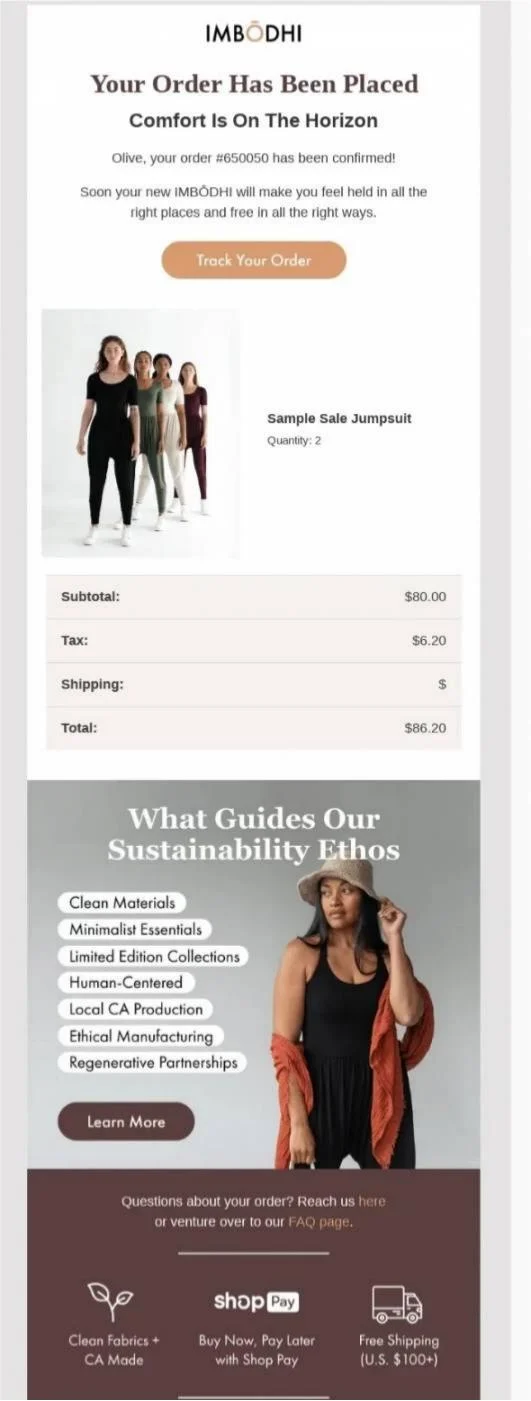
- Content: Beyond confirmations, include relevant cross-sell recommendations based on the customer’s purchase history. IMBODHI, for example, reinforces its sustainability values in order confirmations, keeping customers engaged beyond the transaction.
-
Product Recommendation Series:
- Trigger: Browsing behavior, purchase history, or specific product interactions.
- Timing: 3-7 days after last order or after a second product view, while interest is active.
- Goal: Increase average order value (AOV) and customer lifetime value (CLTV).
- KPI: 0.75% conversion for cross-sells, $0.79 revenue per email.
- Content: Two to three emails using different product logic (related items, bestsellers, recently viewed). Exclude already purchased items. Ka’Chava leverages early access for new products, turning recommendations into exclusive purchase opportunities for existing subscribers.
-
Customer Winback Series:
- Trigger: No purchase in 60-90 days (adjustable based on typical purchase cycle).
- Timing: Day 60, then Day 90.
- Goal: Reactivate lapsed buyers or clean the email list.
- KPI: 33.11% open rate, 0.54% conversion rate.
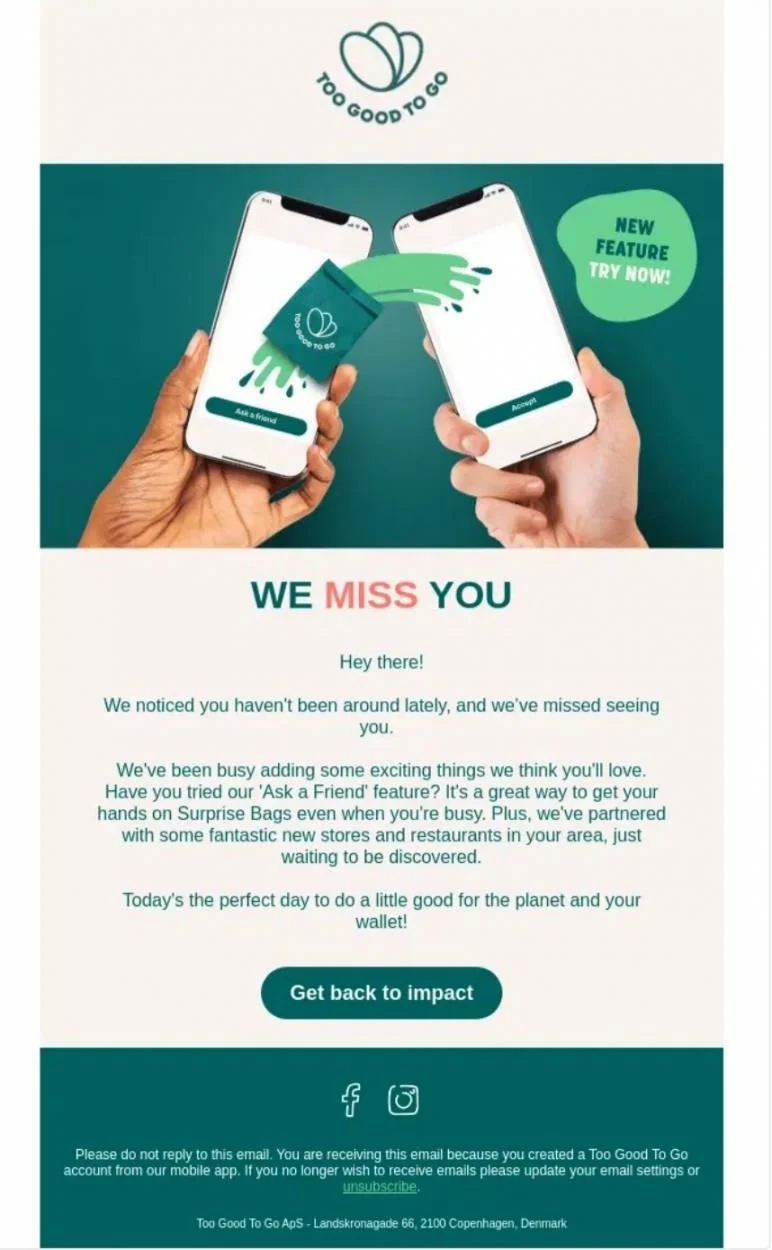
- Content: Begin with new products or helpful content; save discounts for later emails. If three emails fail to re-engage, consider a survey before removing them from the active list. Too Good To Go effectively uses new features and partnerships to entice inactive users back.
-
Back-in-Stock Alert:
- Trigger: A previously sold-out item is restocked.
- Timing: Immediately upon stock update.
- Goal: Capture proven, high-intent demand.
- KPI: 6.46% conversion rate (highest in this set).
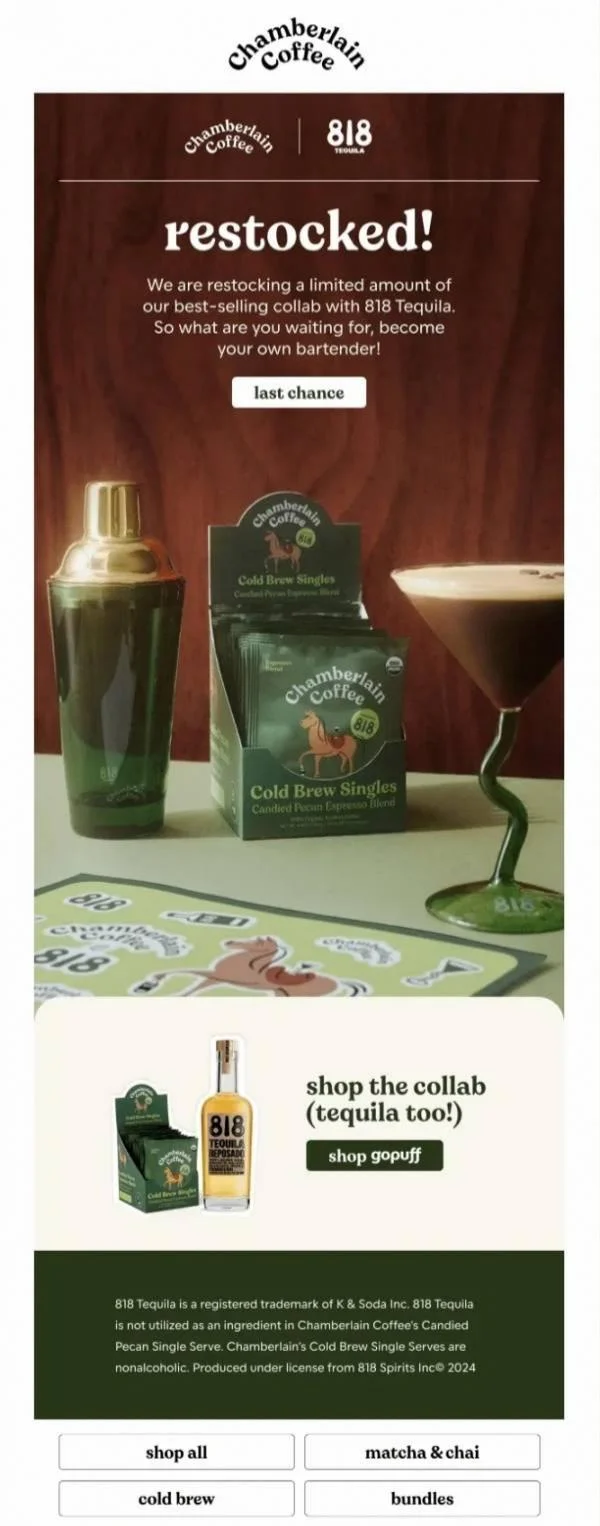
- Content: Clearly state availability of the requested product. Use urgency for truly limited stock. Include similar products as alternatives. Chamberlain Coffee successfully creates new demand by announcing restocks of popular items.
-
Loyalty and VIP Reward Email:
- Trigger: Reaching a spending tier, anniversary, or birthday milestone.
- Timing: On the specific milestone date.
- Goal: Increase customer lifetime value (CLTV) and foster brand loyalty.
- KPI: Birthday sends average $744.37 order value (2026 report).
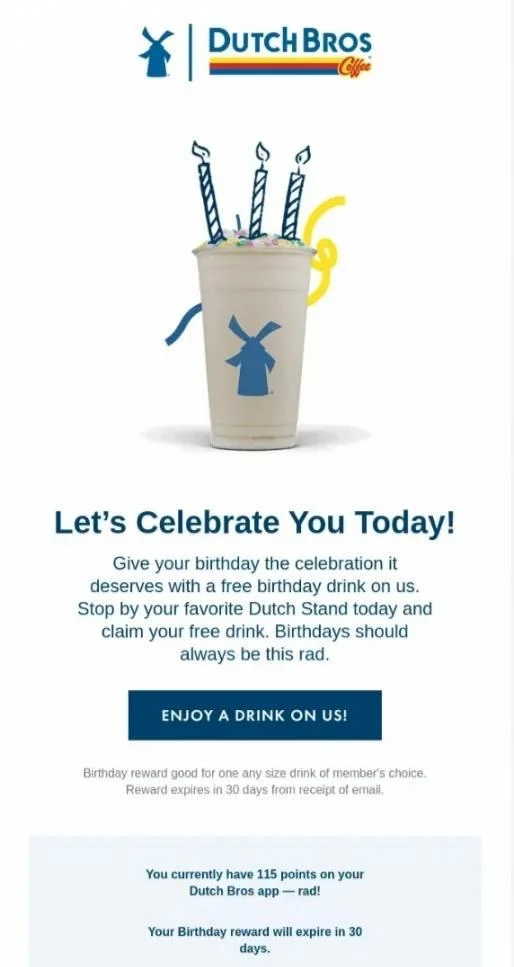
- Content: Exclusive offers, early access, or special recognition. Emphasize VIP status beyond just points. Dutch Bros’ birthday rewards and loyalty points are excellent examples of making loyal customers feel valued and recognized.
Strategic E-commerce Email Marketing Campaigns
Beyond automated flows, scheduled email marketing campaigns are crucial for controlled, broader outreach. These are manually initiated messages sent to a chosen audience at a specific time, serving different objectives than triggered automations. Campaigns are ideal for announcing sales, promoting new arrivals, sharing company news, or distributing content, acting as a direct broadcast channel.
Key metrics for campaigns include revenue per recipient, click-to-conversion, conversion rate, and unsubscribe rate. It’s vital to compare results across different audience segments rather than relying on a single blended average, as performance can vary significantly.
Four main types constitute the majority of retail e-commerce email marketing campaigns:
- Promotional Sales: Announcing discounts, flash sales, or special offers.
- New Arrivals/Product Launches: Showcasing new inventory or product lines.
- Seasonal/Holiday Campaigns: Tailored promotions for specific times of the year (e.g., Black Friday, Cyber Monday, Christmas, Valentine’s Day).
- Content-Driven Campaigns: Sharing blog posts, guides, brand stories, or user-generated content to build community and trust.
Oakley’s seasonal promotions, like their October deal offering up to 25% off selected sunglasses, exemplify effective campaign execution. The offer is clear, supported by strong product imagery and a direct call-to-action, often enhanced with countdown timers to amplify urgency during flash promotions.
Building a Robust E-commerce Email Marketing Strategy: A 7-Step Blueprint
Developing an effective e-commerce email marketing strategy involves a systematic approach, encompassing goal setting, data collection, segmentation, and automation. These steps are interdependent and should be revisited quarterly to ensure continuous optimization.
-
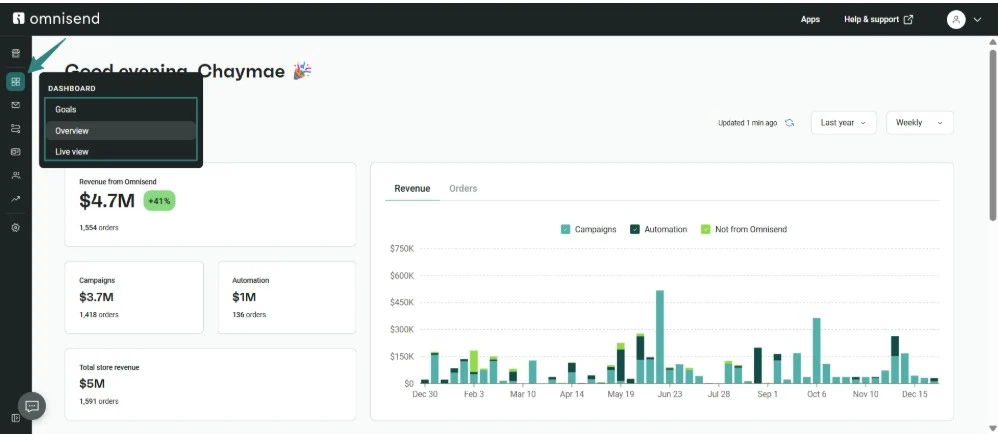
Set Clear Business and Financial Goals: Define specific, measurable, achievable, relevant, and time-bound (SMART) objectives. Examples include aiming to generate 30% of total store revenue from email, increasing customer lifetime value by 25% within a year, or boosting repeat purchase rates. Track progress using revenue per recipient (RPR), conversion rate, and average order value (AOV). Platforms like Omnisend offer analytics dashboards that provide clear revenue attribution, demonstrating email’s direct contribution to store sales.
-
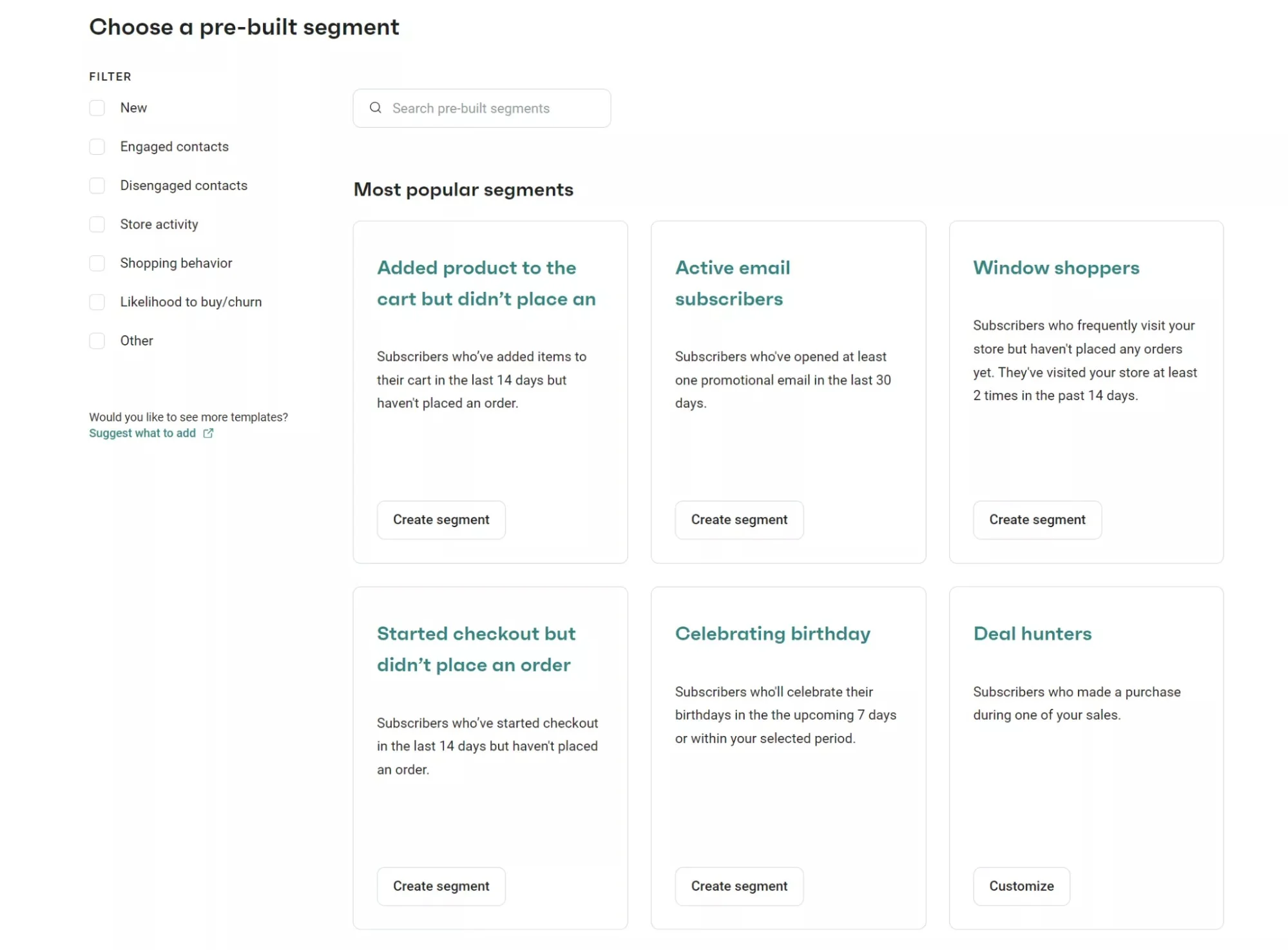
Understand Your Audience and Collect Data: Effective personalization relies on both zero-party and first-party data. Zero-party data is willingly provided by customers through quizzes, surveys, and preference centers, offering insights into their desires and intentions. First-party data is collected from customer interactions on your site, such as browsing history, purchase records, and engagement with previous emails. Collect preferences during sign-up or post-purchase. Tools offering pre-built segments (e.g., Omnisend) simplify the process of grouping customers based on shopping behavior and engagement patterns, transforming raw data into actionable audience segments from day one.
-
Choose the Right Email Marketing Platform: Select software specifically designed for e-commerce, ensuring seamless integration with your online store. Prioritize platforms with native e-commerce sync capabilities, dynamic product blocks, and pre-built automation workflows. Compatibility with major e-commerce platforms like Shopify, WooCommerce, and BigCommerce is crucial. A robust platform (like Omnisend with its 280+ integrations) ensures that product, cart, and purchase data are automatically synchronized, eliminating the need for complex custom setups.

-
Build and Grow Your Email List Organically: A healthy, engaged email list is the bedrock of successful email marketing. Employ various opt-in methods such as pop-ups, multi-step forms, embedded forms, and gamified wheels (e.g., spin-to-win discounts), which can yield sign-up rates as high as 11.02% (Omnisend data). Ensure the initial sign-up process is simple, gathering additional preferences later. Adherence to privacy regulations like GDPR and TCPA, along with implementing double opt-in, is critical for deliverability and maintaining list quality. As Marty Bauer notes, "The best brands treat subscriber growth as its own skill, not an afterthought. Brands that collect more subscribers with more opt-in methods consistently outperform on sales and retention."
-
Segment Your Audience for Personalization: Segmentation is the key to delivering highly relevant messages. Divide your email list based on lifecycle stage (new subscribers, first-time buyers, repeat customers), purchase behavior (high-value, product categories, frequency), and engagement levels (active, inactive, VIPs). For instance, new subscribers receive a welcome sequence, first-time buyers get product onboarding, and inactive contacts receive winback campaigns. This granular approach ensures that each message is contextually appropriate and maximally impactful.
-
Map Your Customer Journey Emails: Design email sequences that correspond to each stage of the customer journey: awareness, consideration, purchase, and retention. Leverage email automation to react instantly to shopper actions (e.g., abandoned carts), and use scheduled campaigns for planned events like product launches or seasonal promotions. Modern platforms provide pre-built workflow templates for common scenarios like cart recovery and welcome series, enabling rapid deployment and optimization.
-
Design Your Emails and Plan Your Calendar: Employ mobile-first design principles, utilizing single-column layouts, legible body text (16px+), and prominent CTA buttons (44px). Always preview emails in dark mode. Plan a consistent sending cadence of one to three promotional campaigns per week, adjusting based on engagement and unsubscribe rates. Integration with design platforms like Figma (as offered by Omnisend) streamlines the creation of on-brand visuals, ensuring aesthetic consistency across all communications.
Key Metrics and Best Practices for Optimization
To truly gauge the success of e-commerce email marketing, focus on metrics directly correlated with revenue. Key performance indicators (KPIs) such as Revenue Per Recipient (RPR), Placed Order Rate, and Conversion Rate provide an accurate picture of business impact. Engagement metrics like Open Rate and Click-Through Rate (CTR) are increasingly diagnostic rather than definitive measures of success due to privacy features like Apple Mail Privacy Protection, which can inflate open rates, and security scanners that may generate artificial clicks.
- Revenue Per Recipient (RPR): Total revenue ÷ total delivered emails. (Benchmark: $0.18 campaigns, $2.87 automations).
- Placed Order Rate: Total conversions ÷ total delivered emails. (Benchmark: 0.27% campaigns, 1.90% automations, Klaviyo 2026).
- Conversion Rate: (Conversions ÷ delivered emails) × 100. (Benchmark: 2-21% industry range).
- Open Rate (Diagnostic Only): (Opens ÷ delivered emails) × 100. (Benchmark: 39.5% industry range).
- Click-Through Rate (Diagnostic Only): (Clicks ÷ delivered emails) × 100. (Benchmark: 2-5% industry range).
Continuous improvement relies on a structured A/B testing process:
- Identify Variables: Test one element at a time (e.g., subject lines, CTA text, email layout, offer type).
- Define Hypothesis: Formulate what you expect to happen.
- Split Audience: Randomly divide your audience into control and test groups.
- Run Test: Send different versions simultaneously.
- Analyze Results: Compare revenue-driven metrics to determine the winning variation.
- Implement & Iterate: Apply learnings and plan the next test.
Omnisend’s A/B test reports provide clear comparisons of campaign performance, showing revenue generated by each variation. Once successful strategies are identified, robust technical deliverability practices are paramount to protect these gains. Adhere to sender requirements from major providers like Gmail and Yahoo by authenticating your sending domain (SPF, DKIM, DMARC), providing one-click unsubscribe options, sending from a branded domain, and regularly cleaning inactive contacts to maintain a healthy sender reputation.
2026 Trends Shaping E-commerce Email Marketing
The landscape of e-commerce email marketing is rapidly evolving towards more predictive targeting and deeply integrated customer journeys. The prevailing shift is from simply sending more messages to making every interaction maximally relevant and impactful.
Key trends shaping the future include:
- Advanced AI Integration: AI is moving beyond basic content generation to automate more complex marketing decisions, including dynamic segmentation, customer scoring, lifetime value forecasting, and optimizing send times. This shift significantly reduces manual effort for marketing teams. However, ethical considerations and transparency in AI usage remain crucial. As Marty Bauer notes, "Openness to AI is clearly on the rise, and businesses can no longer ignore it. But there’s a big difference between offering suggestions and inserting AI into every interaction in a way that feels intrusive. As privacy remains a major concern, ecommerce businesses must be crystal clear about where, why, and how they use AI."
- Hyper-Personalization at Scale: Leveraging richer data, brands are moving towards dynamic content blocks that adapt in real-time to individual preferences, browsing history, and purchase intent, creating a truly unique email experience for each recipient.
- Omnichannel Orchestration: Email is increasingly integrated into broader omnichannel strategies, working seamlessly with SMS, web push notifications, and social media to create a cohesive and consistent customer experience across all touchpoints.
- Privacy-First Marketing: With evolving regulations and consumer demand for data privacy, consent management, transparent data practices, and privacy-enhancing technologies are becoming central to email marketing strategies.
- Emphasis on Customer Lifetime Value (CLTV): Strategies are increasingly geared towards nurturing long-term customer relationships rather than just one-off sales, with email playing a pivotal role in retention and loyalty programs.
- Interactive Email Content: Incorporating elements like embedded forms, quizzes, animated GIFs, and even lightboxes directly within emails to boost engagement and gather more zero-party data.
Choosing the Right E-commerce Email Marketing Software

Selecting the appropriate e-commerce email marketing platform is fundamental to executing a successful strategy. Top tools like Omnisend, MailerLite, Brevo, Drip, Klaviyo, and ActiveCampaign are designed to support critical e-commerce functions such as cart recovery, product recommendations, and complex automated customer journeys. These platforms differentiate themselves from generic newsletter services by deeply integrating with store data, enabling targeted and personalized communications.
When evaluating platforms, consider factors such as native e-commerce integrations, the robustness of their automation builders, the availability of dynamic product blocks, multi-channel capabilities (email, SMS, web push), and pricing models. For instance, Omnisend excels for stores of any size seeking integrated email, SMS, and web push with strong pre-built workflows and AI-powered form builders. Klaviyo is often favored by data-heavy brands requiring deep e-commerce data analytics and predictive capabilities.
It is advisable to shortlist one or two platforms and conduct comparative trials, testing the performance of a key automation flow to determine the best fit for your specific business needs, scale, and budget.
Conclusion

E-commerce email marketing, when approached strategically with a focus on quality lists, intelligent automation, and revenue-driven metrics, stands as an indispensable and resilient channel for sustained business growth. In an environment where paid advertising costs continue to climb and privacy concerns reshape digital interactions, the ability to directly engage with an owned audience through highly personalized and timely communications offers a significant competitive advantage. By embracing behavioral triggers, prioritizing customer lifetime value, and adapting to emerging trends like AI and omnichannel integration, e-commerce brands can cultivate predictable sales channels, build enduring customer loyalty, and secure their position in the ever-evolving digital marketplace.