Social media has transcended its initial purpose as a mere communication tool, evolving into an indispensable strategic pillar for businesses globally. With a projected 5.66 billion users worldwide by October 2025, these platforms offer unparalleled reach, facilitate deep customer relationships, and provide a wealth of actionable data, fundamentally reshaping how companies interact with their markets. This pervasive digital landscape now powers crucial functions across marketing, customer service, market research, and lead generation, demanding a sophisticated and strategic approach from organizations aiming for sustainable growth.

I. Amplifying Reach and Cultivating Brand Presence

The primary allure of social media for businesses lies in its extraordinary capacity to enhance brand awareness. A staggering 83% of marketers consistently identify increased exposure as the leading benefit of social media marketing. This isn’t merely about visibility; it’s about strategic placement within the digital flow where potential customers actively seek information. Consistent content dissemination, amplified by strategic shares, relevant hashtags, and sophisticated algorithmic recommendations, allows brands to organically extend their footprint. The "discovery effect" is paramount, as social networks have become one of the top channels consumers utilize to research brands before making purchasing decisions.

A notable example of this strategic brand building is observed in how publications like Hot Teen cultivated a substantial Instagram following even before launching their inaugural issue. This proactive engagement ensured that a foundational awareness existed, illustrating the principle that market presence precedes product launch in the digital age. Beyond organic reach, the financial commitment to social platforms underscores their importance; U.S. advertisers alone are forecast to inject over $121 billion into social network advertising by 2026, a testament to the platforms’ effectiveness in connecting businesses with highly targeted audiences. This significant investment highlights the confidence in social media’s ability to not only build brand recognition but also to directly influence consumer behavior and purchasing pathways.

II. Fostering Engagement and Superior Customer Experience
Social media platforms offer an unprecedented direct conduit between brands and their clientele, revolutionizing customer service and engagement. On platforms such as Facebook, Instagram, and X (formerly Twitter), businesses can engage in real-time dialogue, address inquiries, and resolve concerns with a speed and personal touch that often surpasses traditional channels like email or 1-800 hotlines. This immediacy fosters a sense of responsiveness and builds stronger, more personal relationships, moving beyond transactional interactions to genuine community building.

Companies like Canva exemplify this by actively responding to customer feedback and inquiries directly on platforms like LinkedIn. This proactive engagement not only addresses individual customer needs but also publicly demonstrates a brand’s commitment to customer satisfaction, enhancing its reputation. The evolution of social media from a one-way broadcast channel to a dynamic, interactive forum has profound implications for customer loyalty. By embracing social customer service best practices, brands can transform potential grievances into opportunities for positive brand reinforcement and advocacy. This direct line of communication is also invaluable for gathering unfiltered feedback, providing rich qualitative data that can inform product development and service enhancements. The ability to monitor sentiment and respond swiftly is critical in today’s interconnected world, where customer experiences can rapidly become public narratives.

III. Driving Revenue and Market Intelligence
The strategic application of social media extends directly to lead generation and sales, fueled by sophisticated advertising and targeting tools. U.S. advertisers’ projected spending of over $121 billion on social networks by 2026 is a clear indicator of the perceived return on investment. These platforms empower marketing and sales teams with direct access to vast, highly segmented audiences. Advertisers can meticulously target prospective customers based on granular demographic information, geographic location, language preferences, expressed interests, and observable online behaviors. This precision ensures that advertising budgets are allocated efficiently, reaching individuals most predisposed to engaging with a brand’s offerings.

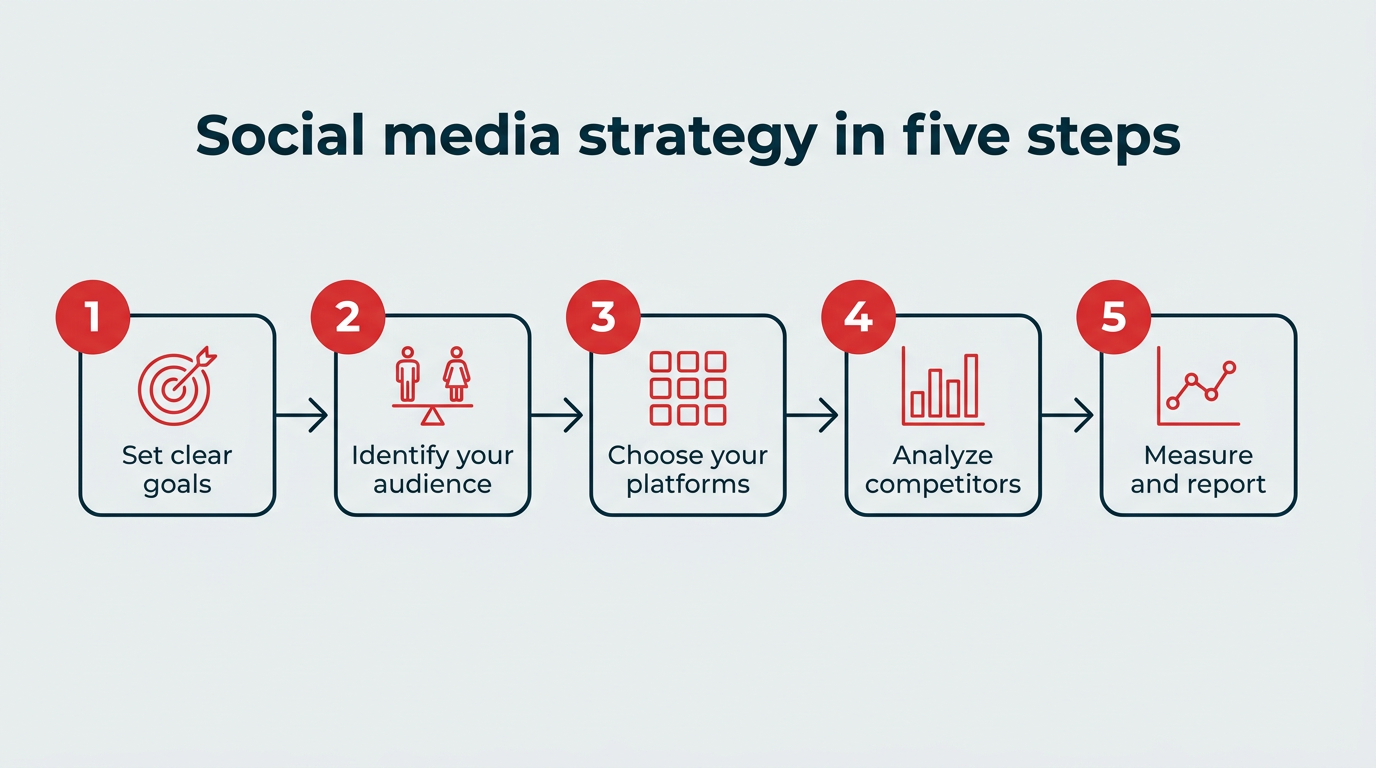
Beyond direct advertising, social media serves as an invaluable market research channel. Advanced social listening and analytics tools enable businesses to meticulously track public conversations, identify emerging trends, and uncover profound insights into customer preferences and behaviors. Platforms like Hootsuite’s Lumen, which analyzes conversations across 150 million websites and over 30 social media channels, provide a comprehensive view of the market landscape. This data can critically inform product development decisions, refine marketing strategies, and optimize sales approaches. Furthermore, AI-powered agents like Hootsuite’s Wisdom can summarize key themes, explain spikes in mentions, and translate listening insights into actionable steps for content creation, customer care, or broader brand strategy. This intelligence allows businesses to stay agile, adapt to market shifts, and maintain a competitive edge by truly understanding the voice of the customer and the competitive environment.
IV. Strategic Imperatives for Social Media Success

An effective social media strategy is not an ad-hoc endeavor but a carefully constructed framework rooted in clear objectives and a deep understanding of the target audience. A systematic approach, documented often through a comprehensive strategy template, is crucial for navigating the complexities of the social landscape.
-
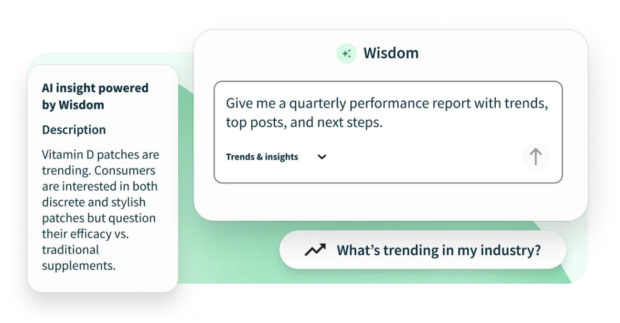
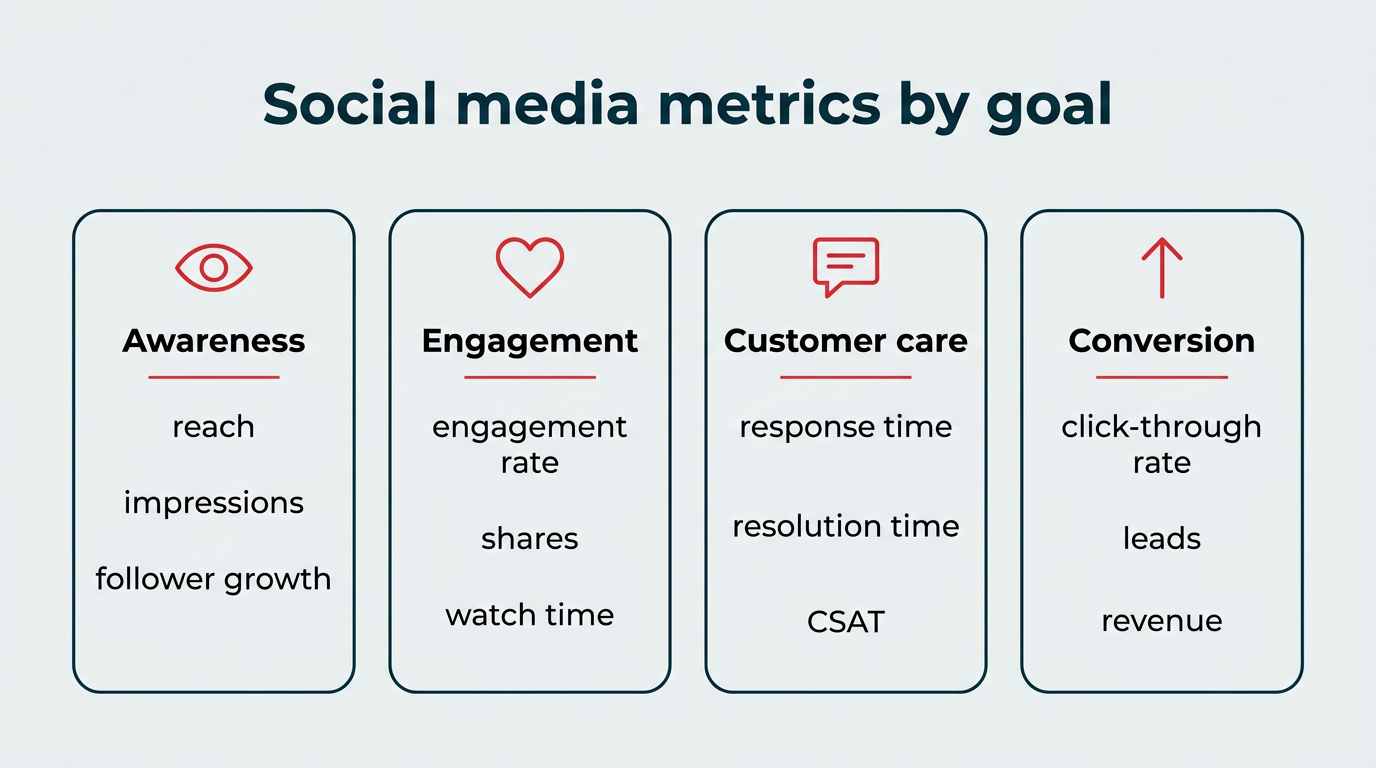
Setting Clear, Measurable Goals: The foundation of any successful social media strategy is the establishment of well-defined, SMART (Specific, Measurable, Attainable, Relevant, Time-bound) goals. Critically, businesses must move beyond "vanity metrics" such as follower counts or likes, which may not accurately reflect true performance. Instead, the focus should shift to meaningful metrics like engagement rates, click-through rates, and conversion rates, which directly correlate with business outcomes and provide tangible proof of return on investment (ROI). Without these clear objectives, measuring success and refining tactics becomes an insurmountable challenge.
-
Identifying and Understanding the Target Audience: Success hinges on knowing who you are trying to reach. Social listening tools and audience insights dashboards are instrumental in uncovering crucial demographic data, geographical distribution, and engagement patterns of the audience. By analyzing how people interact with content, brands can develop precise buyer personas. Hootsuite’s Lumen and Wisdom AI, for instance, offer capabilities to segment data and summarize key themes, allowing businesses to understand not only what audiences are saying but also how these conversations shape brand perception. This deep understanding informs content creation and platform selection, ensuring relevance and resonance.
-
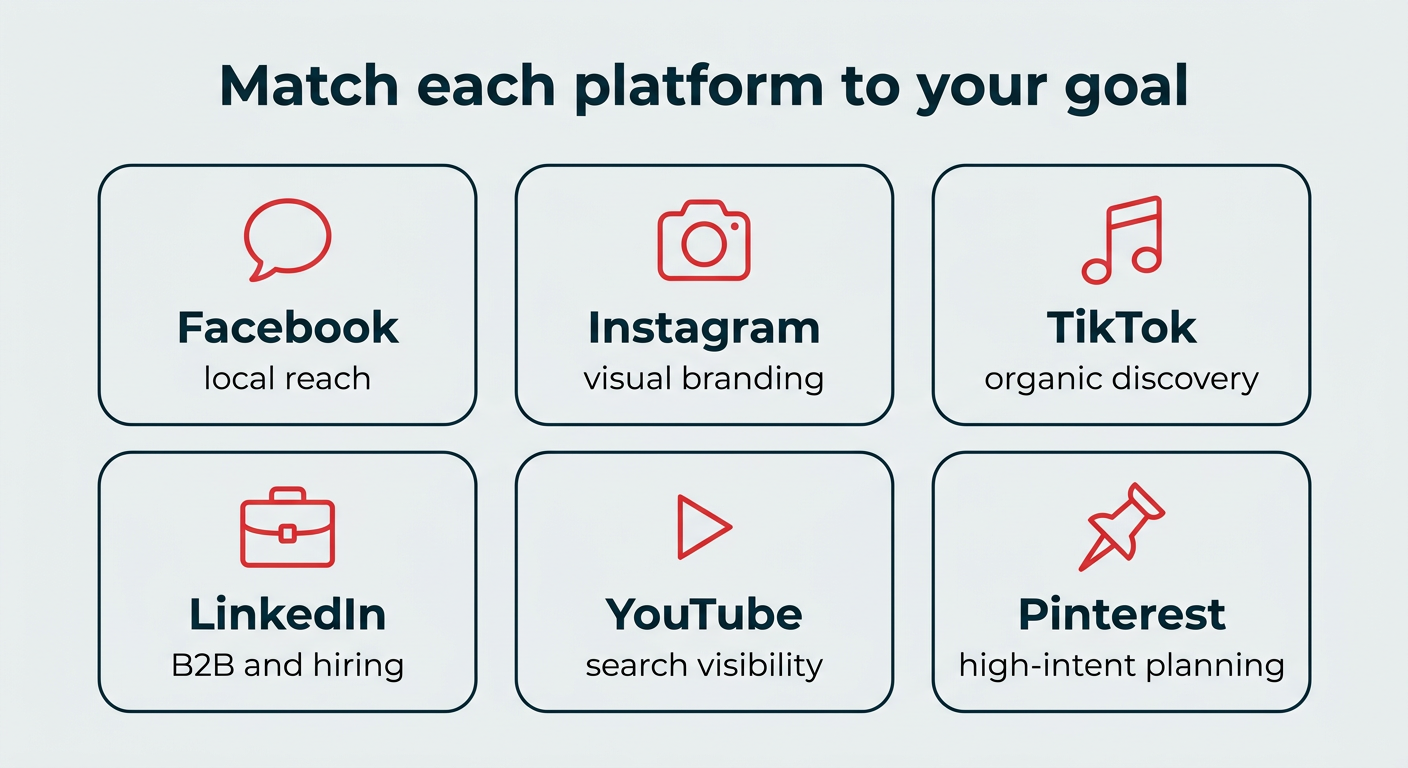
Strategic Platform Selection: The digital ecosystem is diverse, with each social platform attracting distinct demographics and favoring specific content formats. Pew Research data, for example, highlights that 80% of U.S. adults aged 18 to 29 utilize Instagram, compared to only 19% of those 65 and older. This stark difference underscores the necessity of focusing resources on platforms where the target audience predominantly resides. For instance, Fenty Beauty’s strong presence on TikTok aligns perfectly with the platform’s high engagement among beauty consumers, with 81% of TikTok Shop sales in the U.S. attributed to health and beauty products. Beyond audience demographics, brands must also consider their internal content creation capabilities; if short-form video is resource-intensive, platforms like Pinterest or Instagram, which support diverse visual content, might be more suitable. The choice must align with both audience presence and content feasibility.

-
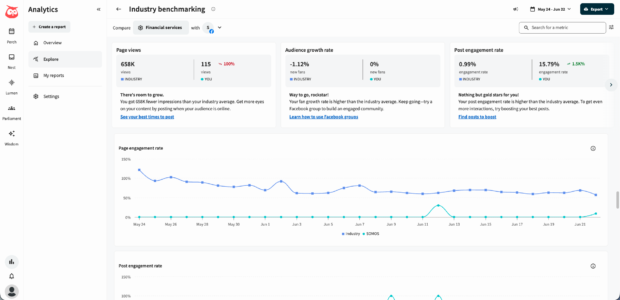
Competitive Intelligence and Benchmarking: Astute brands continuously monitor their competitors’ social media activities to glean insights into effective strategies, identify pitfalls, and uncover untapped opportunities. Industry benchmarking tools provide invaluable context, revealing audience trends, prevailing industry practices, and the performance metrics of peer organizations. Analyzing competitor content, engagement rates, and campaign structures can yield actionable intelligence, informing a brand’s own strategic adjustments and fostering innovation. This continuous analysis is not about imitation but about strategic differentiation and leveraging market insights.

-
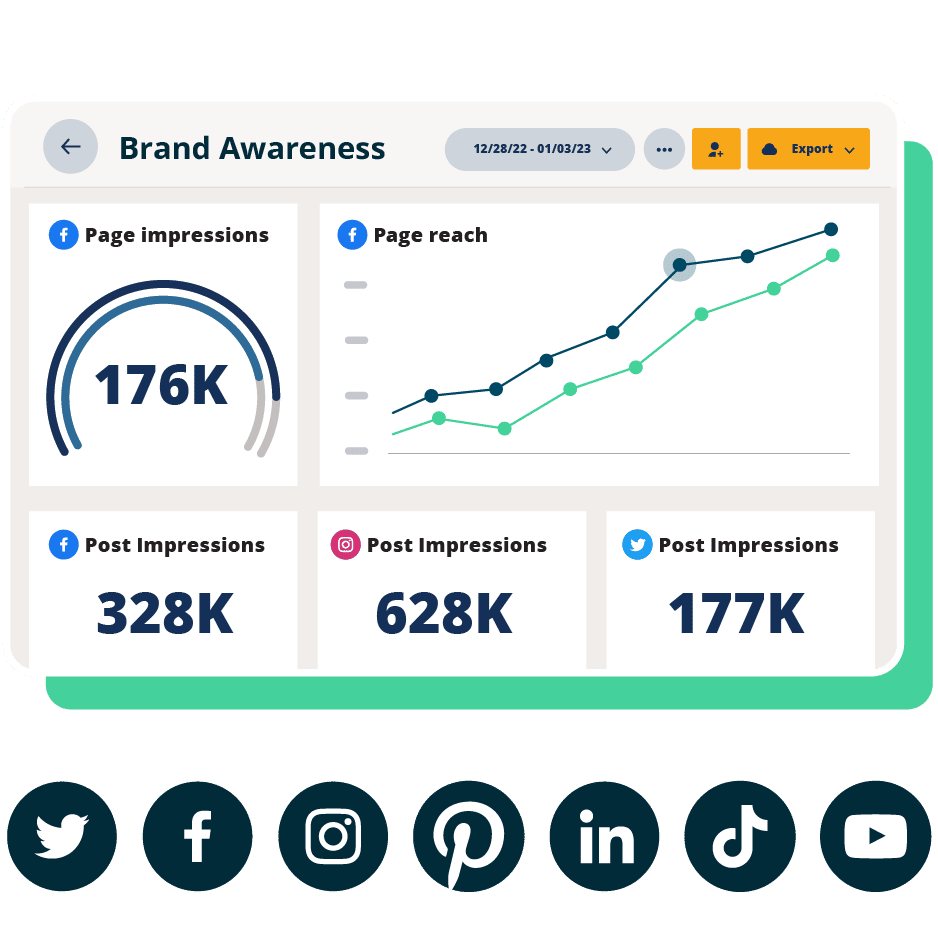
Robust Measurement and Reporting Frameworks: Establishing clear measurement and reporting protocols from the outset is non-negotiable. It is significantly more challenging to retroactively prove impact than to implement comprehensive tracking mechanisms from day one. Businesses should select two to three Key Performance Indicators (KPIs) per goal, integrate social media analytics with website data (e.g., Google Analytics), and commit to a consistent reporting cadence. Monthly reports for leadership, complemented by weekly pulse checks for active campaigns, ensure that performance is continuously monitored, allowing for timely adjustments and credible demonstration of social media’s contribution to overall business objectives.

V. Operationalizing Content and Best Practices

Executing a social media strategy requires consistent effort, a well-defined content plan, and adherence to industry best practices.
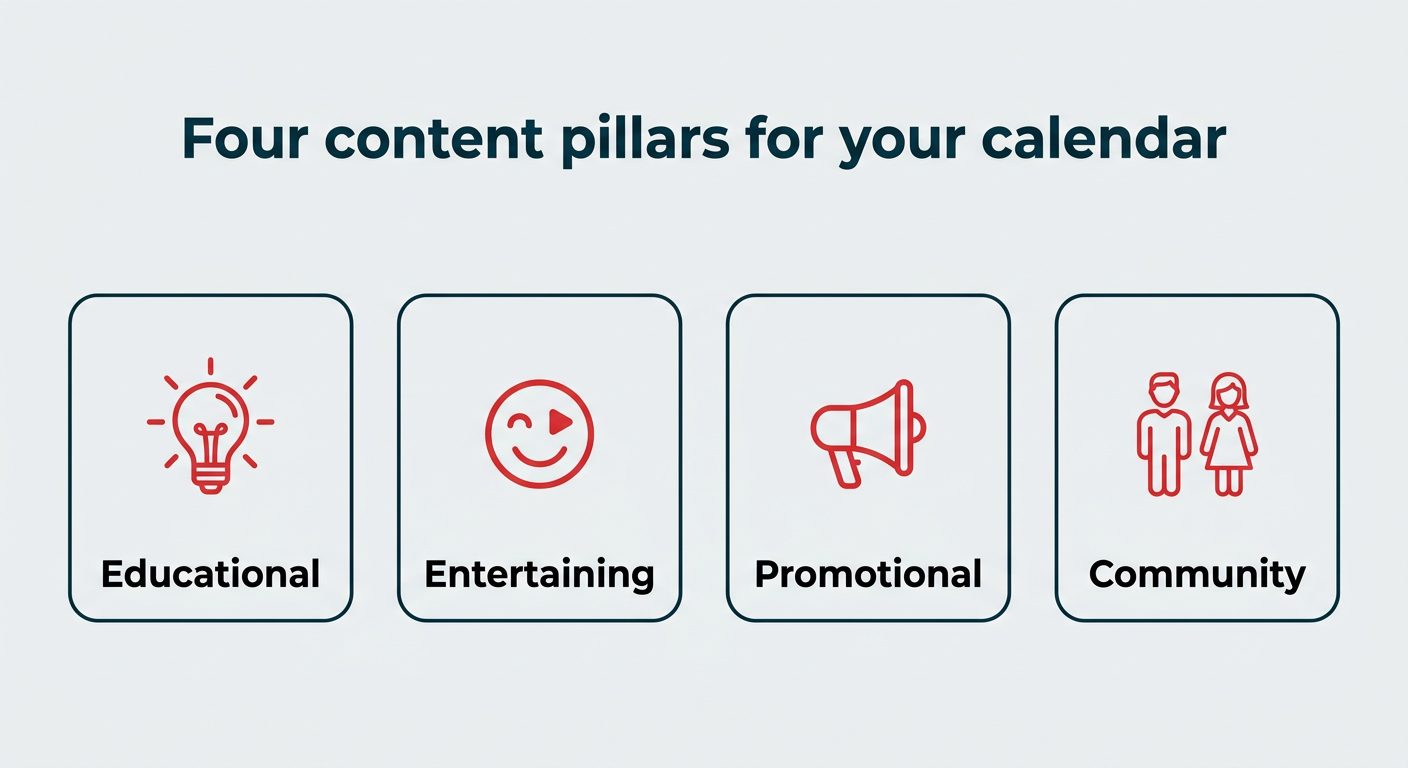
A. Crafting a Strategic Content Plan: A robust content plan dictates what is posted, how often, and why, preventing a disorganized mix of last-minute promotions. Most successful brands structure their content calendar around core "content pillars," ensuring a balanced and engaging feed. These pillars typically include:

- Educational Content: Positioning the brand as a thought leader and resource.
- Entertaining Content: Capturing attention and fostering shareability.
- Promotional Content: Directly driving sales and conversions.
- Community-Driven Content: Leveraging user-generated content (UGC) and fostering brand advocacy.
For instance, Delish masterfully integrates educational and entertaining elements through captivating recipe Reels, directing viewers to their website for full recipes, effectively converting content engagement into website traffic. Brands like White Fox thrive on community engagement by reposting customer photos, which not only fills their content calendar but also provides powerful social proof. A crucial decision in content planning involves the allocation between organic and paid content, with many brands opting to boost organically high-performing posts rather than indiscriminately advertising all content.
B. Optimizing for Discovery through Social SEO and Hashtags: While hashtags remain a vital discovery tool, connecting content with specific communities (e.g., #BookTok for readers, #yeg for Edmonton locals), social platforms are increasingly functioning as search engines. This shift elevates the importance of "Social SEO," where clear, descriptive language and relevant keywords in captions help algorithms understand and surface content to interested users. The Arizona Coyotes’ consistent use of #YotesForever, mirroring their fanbase’s hashtag, exemplifies how brands can integrate organic community language into their official strategy to enhance visibility.

C. Essential Social Media Best Practices:

- Practice Social Listening: Actively monitoring discussions about your brand, products, and industry is paramount. Setting up streams for relevant keywords and brand mentions allows businesses to gauge public sentiment, respond swiftly to issues, and capitalize on positive feedback, effectively transforming feedback into actionable intelligence.
- Collaborate with Influencers: Partnering with creators who command loyal and engaged audiences can significantly expand brand reach and build trust more rapidly than traditional advertising. Adobe’s collaborations with diverse digital artists showcase real-life tool applications, illustrating the power of authentic influencer marketing across various scales.
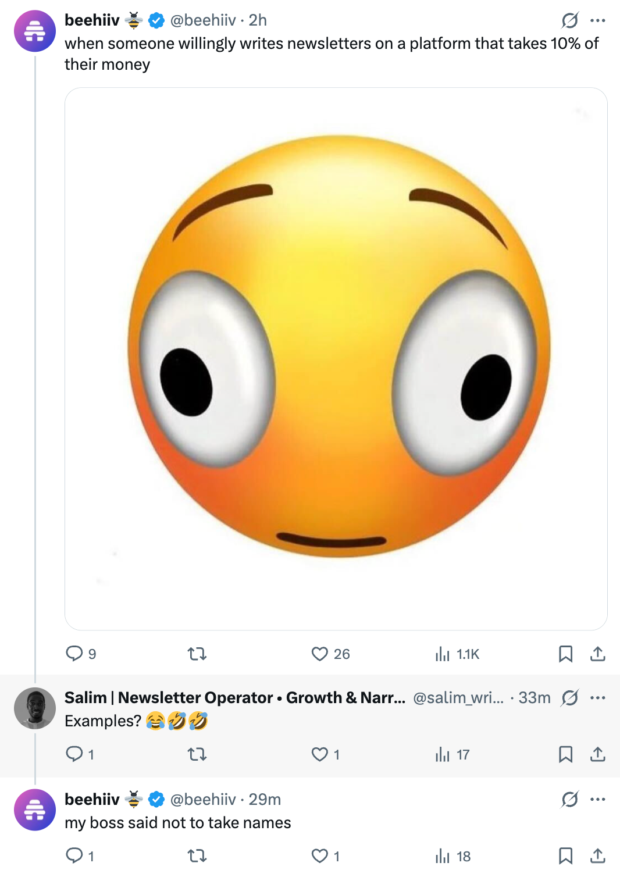
- Engage with Your Community: Social media is a two-way street. Responding to comments, messages, and mentions transforms broadcasting into genuine conversation. Brands like Beehiiv and Chewy consistently engage with individual followers, fostering a sense of connection and demonstrating that real people are behind the screen. These interactions can even become content themselves, highlighting brand personality.
- Post with Authenticity and Personality: In a crowded digital space, genuine storytelling and a distinct brand personality are crucial differentiators. Transparency builds trust, making brands feel more human and relatable. SiennaStudios, for example, shares behind-the-scenes glimpses of its creative process, turning craftsmanship into engaging content, while Freshly Unbothered imbues its products with personality through creative framing, such as a "moods of the week" carousel for crystal bracelets.
- Stay on Top of Trends: The social media landscape is dynamic. Brands must remain agile, monitoring emerging trends, new formats, and evolving platform algorithms. Active engagement with explore pages and online tastemakers allows businesses to identify relevant trends early, like Solidcore capitalizing on the "Beez in the Trap" trend, ensuring content remains fresh and discoverable.
- Maintain Posting Consistency: Regular presence keeps a brand top-of-mind and builds momentum. A well-structured content calendar, allowing teams to plan posts around campaigns, holidays, and seasonal events (e.g., Crayola’s Easter-themed posts), prevents last-minute scrambling and ensures a steady stream of engaging content.
- Experiment with Paid Social: Leveraging powerful targeting tools through paid social advertising can significantly amplify reach. Whether boosting a high-performing organic post or running a dedicated ad campaign, paid social offers precise audience segmentation and measurable results, democratizing advertising for businesses of all sizes.
- Learn from Analytics: Continuous analysis of post and campaign performance is critical. Identifying what resonates and what falls flat allows teams to refine their strategy, optimize content, and ensure key metrics are consistently moving in the desired direction. This data-driven approach is the cornerstone of continuous improvement.
VI. Navigating the Future: AI, Privacy, and Governance

The integration of Artificial Intelligence (AI) has shifted from novelty to a fundamental component of social media workflows, offering significant gains in speed and efficiency for businesses. AI’s capabilities are transforming content creation, customer care, market intelligence, and advertising optimization, acting as a powerful co-pilot rather than a replacement for human strategy and judgment.
- Content Creation: AI tools can rapidly draft content, generate captions, suggest hashtags, and even produce visual assets, dramatically accelerating the content pipeline.
- Customer Care: AI-powered chatbots and intelligent response suggestions streamline customer interactions, ensuring faster, more consistent, and personalized support across platforms.
- Insights & Analytics: AI excels at processing vast volumes of conversation data, identifying trends, summarizing sentiment, and translating complex analytics into actionable recommendations, as seen with Hootsuite’s Wisdom.
- Ad Optimization: AI algorithms enhance targeting, optimize ad spend, and predict campaign performance, leading to more effective and efficient advertising efforts.
While AI offers immense potential, it also intersects with critical considerations of privacy, compliance, and governance. Social media compliance encompasses the stringent handling of customer data, adherence to content publication guidelines, and robust access management protocols. Failure to comply carries significant legal, financial, and reputational repercussions.
Key considerations for businesses include:
- Data Privacy: Strict adherence to regulations like GDPR (General Data Protection Regulation) in Europe and CCPA (California Consumer Privacy Act) in the U.S., which dictate how user data is collected, stored, and used.
- Content Moderation: Establishing clear policies for acceptable content and mechanisms for addressing misinformation, hate speech, or inappropriate material.
- Brand Safety: Protecting the brand’s image by ensuring content appears in safe environments and aligns with brand values.
- Employee Conduct: Developing guidelines for employee social media use, both personally and professionally, to mitigate risks.
- Account Security: Implementing robust security measures to prevent unauthorized access and protect sensitive information.
- Legal Disclaimers: Ensuring transparency in promotional content, sponsored posts, and user-generated content.
Regulatory bodies globally increasingly emphasize adherence to these compliance standards, making internal governance layers, such as Hootsuite Vigil, essential for managing permissions, approvals, and account access across various channels. Proactive implementation of governance structures before scaling operations is a strategic imperative to avoid costly incidents.

VII. Essential Tools for Comprehensive Social Media Management
Navigating the multifaceted demands of social media necessitates a robust toolkit. Integrated social media management platforms streamline workflows, enhance efficiency, and provide actionable insights.
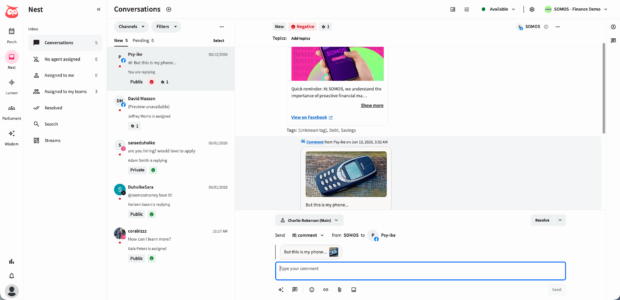
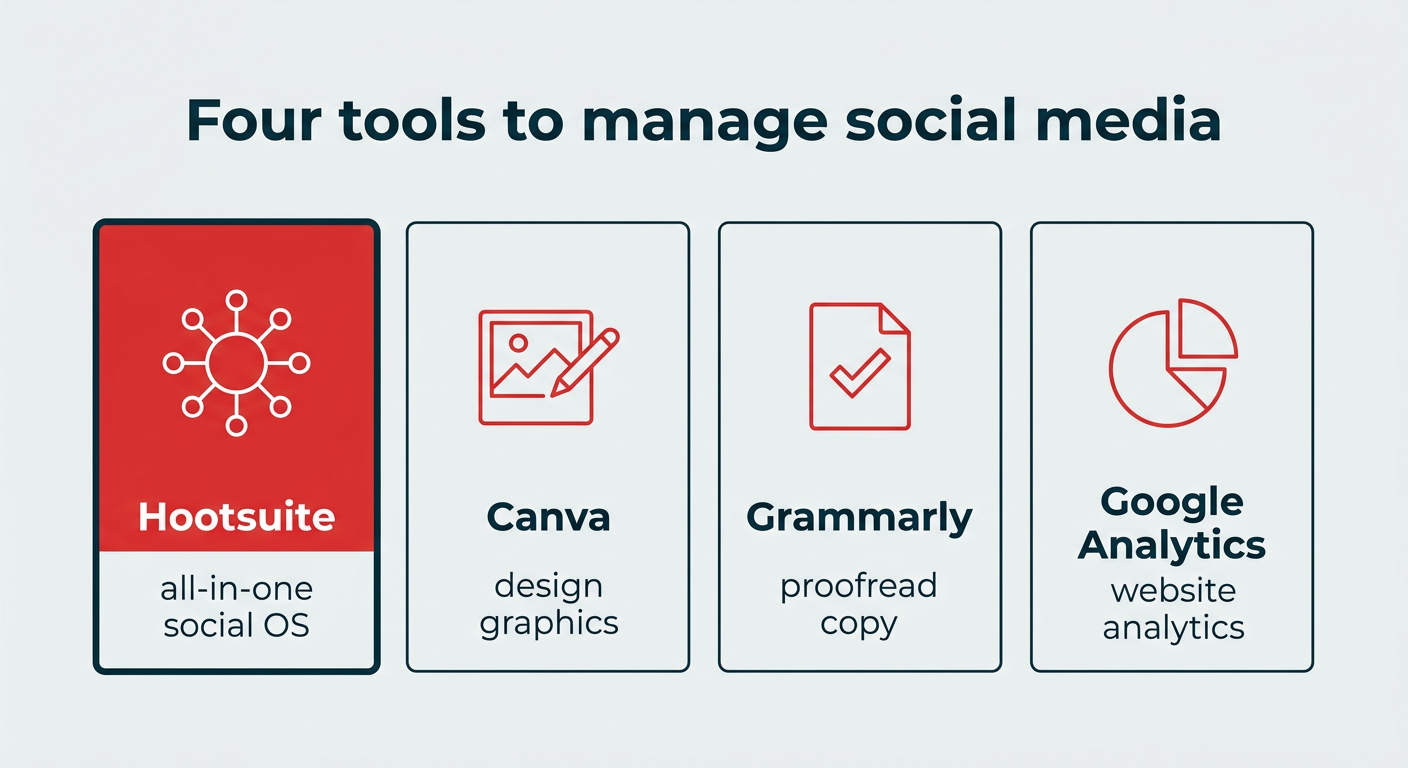
- Hootsuite Social OS: This comprehensive platform unifies planning, publishing, engagement, analytics, listening, and AI capabilities. Its ecosystem includes:
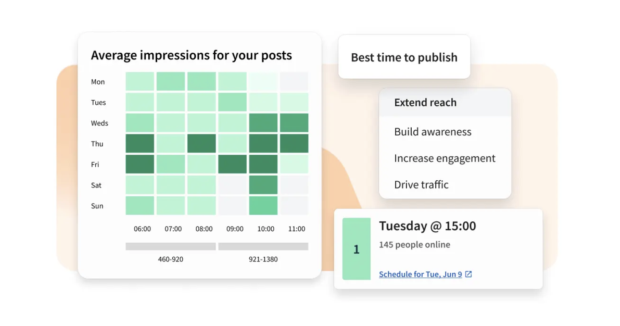
- Perch: For content management, scheduling, optimization, and measurement across major networks, with integrations for design tools like Canva and Adobe Express, and features for identifying optimal posting times based on unique audience data.
- Nest: Simplifies customer care by centralizing conversations, automating inbox management, routing interactions, and tracking response times and CSAT scores.
- Lumen: Handles deep social listening and brand health tracking.
- Wisdom: Leverages AI to transform data into recommended next steps.
- Canva: An indispensable tool for businesses, especially those with small teams or without dedicated graphic designers. Canva’s intuitive interface, extensive template library, and drag-and-drop functionality enable the rapid creation of professional, branded visuals for posts, ads, and other marketing collateral. Its integration with platforms like Hootsuite further streamlines content creation workflows.
- Grammarly: This AI-powered writing assistant is crucial for maintaining professionalism and clarity in all social media communications. It checks for grammar and spelling errors, while also offering suggestions for improving tone, readability, and conciseness. Eliminating typos and ensuring coherent messaging is vital for upholding brand credibility.
- Google Analytics (GA4): Essential for understanding the post-click journey, GA4 tracks website traffic originating from social media, monitors user behavior on landing pages, and attributes conversions (e.g., sign-ups, purchases, lead generations) back to specific social platforms or campaigns. This integration provides a holistic view of social media’s contribution to tangible business outcomes, moving beyond platform-specific metrics to demonstrate true ROI.
In conclusion, social media is no longer an optional add-on but a fundamental component of modern business strategy. Its unparalleled capacity for reach, engagement, sales generation, and market intelligence, coupled with the transformative power of AI and the critical need for compliance, demands a sophisticated, data-driven, and adaptable approach. Businesses that prioritize a strategic, consistent, and ethically sound presence across these dynamic platforms are best positioned to connect with their audiences, build lasting relationships, and achieve sustainable growth in the evolving digital economy.