The digital landscape experienced significant turbulence in Google Search rankings this morning, September 15th, as widespread reports from the Search Engine Optimization (SEO) community and preliminary data from various tracking tools indicate a substantial surge in algorithmic activity. This follows an earlier period of unusual fluctuations observed between September 4th and September 12th, suggesting an ongoing period of instability within Google’s core ranking systems. While Google has yet to issue an official confirmation, the intensity and scope of the observed changes strongly point towards the deployment of an unannounced algorithm update, prompting digital marketers and website owners to closely monitor their performance metrics.
Understanding Google’s Algorithm Updates
Google continuously refines its search algorithms to deliver the most relevant, high-quality, and helpful results to its users. These refinements can range from minor, daily adjustments to large-scale "core updates" that are typically announced by Google and can significantly re-evaluate content across the web. The primary goals of these updates include combating spam, rewarding authoritative and trustworthy content, improving user experience, and adapting to evolving search behaviors and content formats. For SEO professionals, these updates represent a constant challenge and necessitate an agile approach to website optimization, focusing on long-term best practices rather than short-term tactical gains. The absence of an official confirmation for the current volatility is common for smaller, more targeted updates or ongoing algorithmic tweaks, leaving the SEO community to piece together the narrative from empirical data and peer observations.
The Current Spike: September 15th
Beginning in the early hours of September 15th, numerous SEOs and webmasters reported sharp and unexpected shifts in their website rankings. The immediate reaction across industry forums and social media platforms highlighted a palpable sense of concern and confusion. Initial observations suggest that the volatility is not confined to specific niches or geographic regions but appears to be impacting a broad spectrum of search results. This broad impact often signals a more foundational adjustment to how Google assesses websites, rather than a narrow, targeted correction. The timing, particularly after a previous period of instability, underscores the dynamic nature of Google’s search ecosystem and the continuous evolution of its ranking factors.
A Chronology of Recent Volatility
This latest surge in ranking volatility on September 15th is not an isolated incident. It closely follows a discernible period of instability that Google Search experienced from September 4th through September 12th. During this earlier window, many webmasters noted unusual ranking fluctuations that defied easy explanation, leading to speculation about minor updates or ongoing testing. The sequential nature of these events – a distinct period of "weirdness" followed by a significant spike – suggests that Google may be in the midst of a multi-phase rollout or a prolonged period of testing and calibration for a larger underlying change. This pattern requires SEOs to consider not just immediate reactions but also the cumulative effects of these successive algorithmic shifts on their long-term strategies. The continuous nature of these changes reinforces the importance of consistent monitoring and analysis, as the digital landscape remains in a state of flux.
Voices from the SEO Community: Empirical Observations
The immediate and widespread chatter across prominent SEO forums, such as WebmasterWorld, provides crucial qualitative data regarding the nature of the current volatility. Reports indicate a diverse range of impacts, signaling a complex set of algorithmic adjustments:
- Regional Discrepancies: Multiple users reported significant movements specifically within the UK search results. One webmaster stated, "Not just UK but seeing mass movements again. maybe a update has already started?" Another echoed this, noting, "UK Results look poor today… Lots of change," and a third added, "UK results are absolutely crazy since Saturday night. A lot of spam on page 1, and AI overviews often show irrelevant nonsense." This geographical specificity, if confirmed by broader data, could suggest targeted adjustments to regional search quality or content relevance algorithms.
- Traffic and Conversion Drops: Several webmasters highlighted direct, negative impacts on their site’s performance. Comments like, "Yes, today traffic is very bad," and a particularly detailed account: "And the rollercoaster goes on. Right at 4 PM yesterday, traffic dropped, and today Discover is low again. The chaos in my feed is also back. But the funniest thing I saw today: over 2-month-old news suddenly popped up in the Top Stories box for my niche. Oh well, at least the weekend went well for a change," illustrate the immediate business consequences. Another individual running an e-commerce site reported, "The exact same thing is happening to my shop. Yesterday at 4 PM on the dot, Google traffic brought no more conversions, and Google Ads suddenly stopped converting as well, despite a really good run before. It’s the exact same story today." These direct correlations between ranking shifts and business performance underscore the criticality of maintaining visibility in Google Search.
- Keyword and Ranking Shifts: A significant theme in the chatter revolved around drastic changes in keyword rankings and the types of pages appearing in search results. One user observed, "So I’m seeing a new keyword set, many I used to rank for dropped and now new completely different pages ranking. So this is pretty big for me as that kind of change happens only on big updates." This indicates a potential re-evaluation of content relevance, topical authority, or even semantic understanding by Google, leading to entirely new pages or domains being favored for established queries.
- Quality and Spam Concerns: A recurring concern, particularly from UK-based observations, was the perceived increase in "spam on page 1" and the display of "irrelevant nonsense" in AI Overviews. This feedback is particularly noteworthy as Google’s updates often aim to combat low-quality content and spam. If the initial impact of an update leads to a temporary rise in such content, it suggests either a system in flux or an update that has yet to fully settle and achieve its intended goals. The mention of AI Overviews, a relatively new feature, also points to ongoing refinements in how Google integrates generative AI into search results and assesses the quality of its AI-generated summaries.
These firsthand accounts, though anecdotal, collectively paint a picture of a search environment undergoing substantial recalibration, impacting various aspects from traffic acquisition to content visibility and overall search quality.
Leveraging Google SERP Tracking Tools
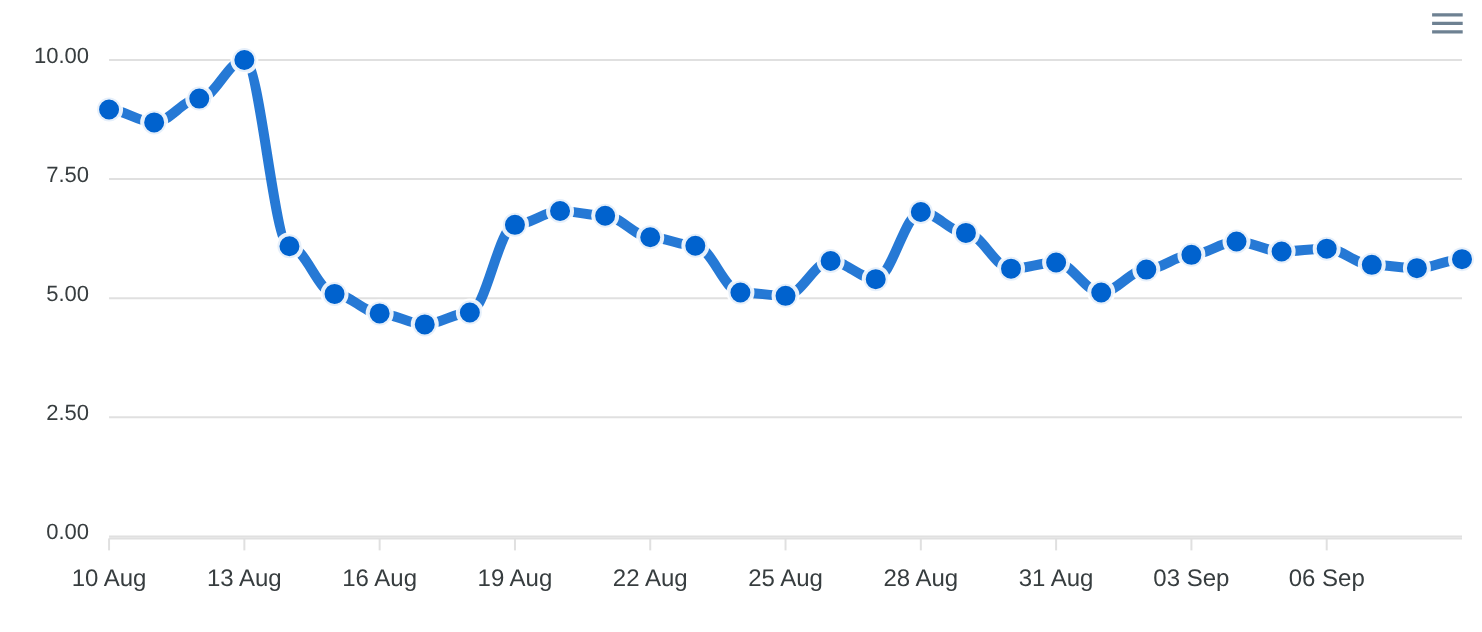
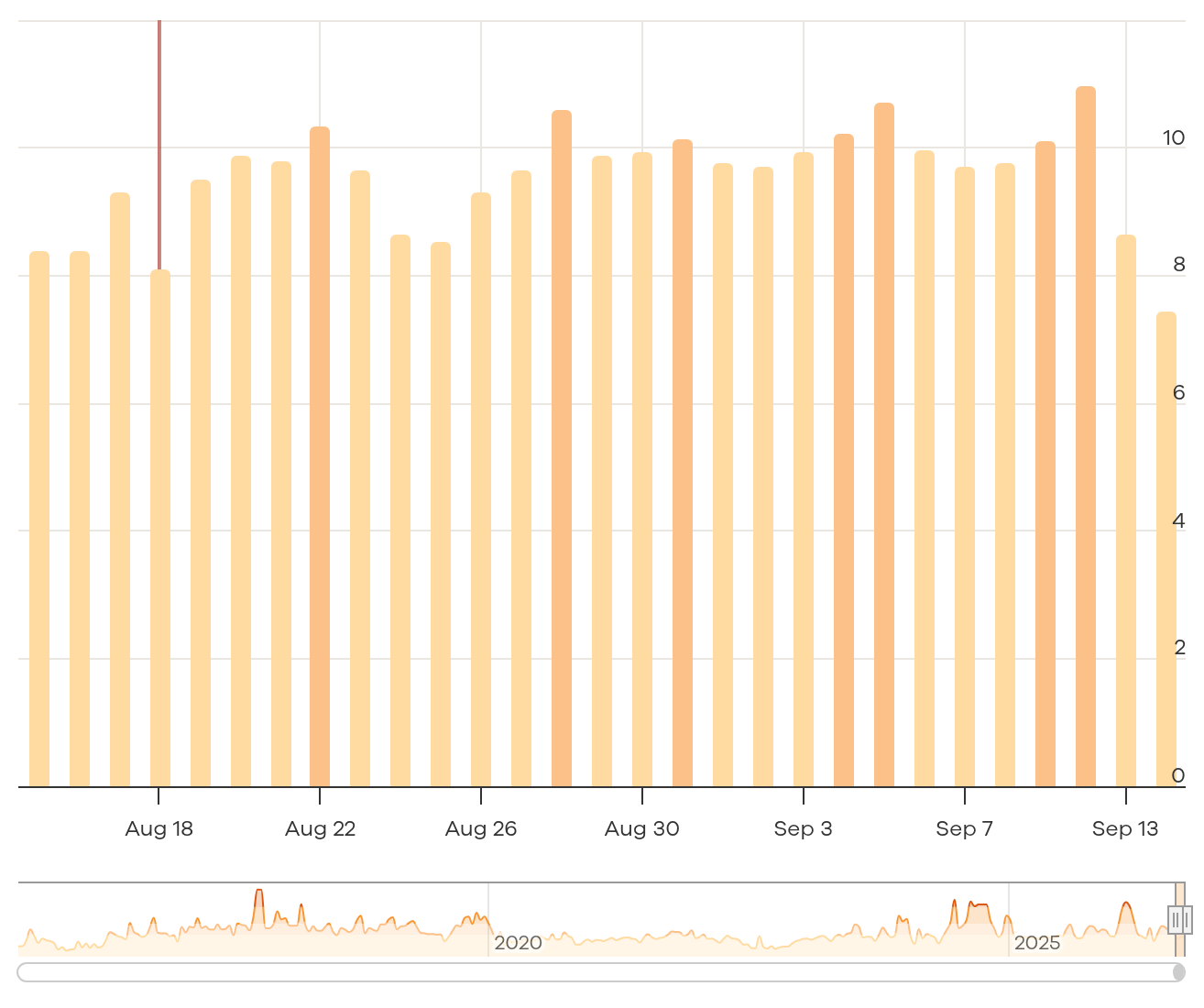
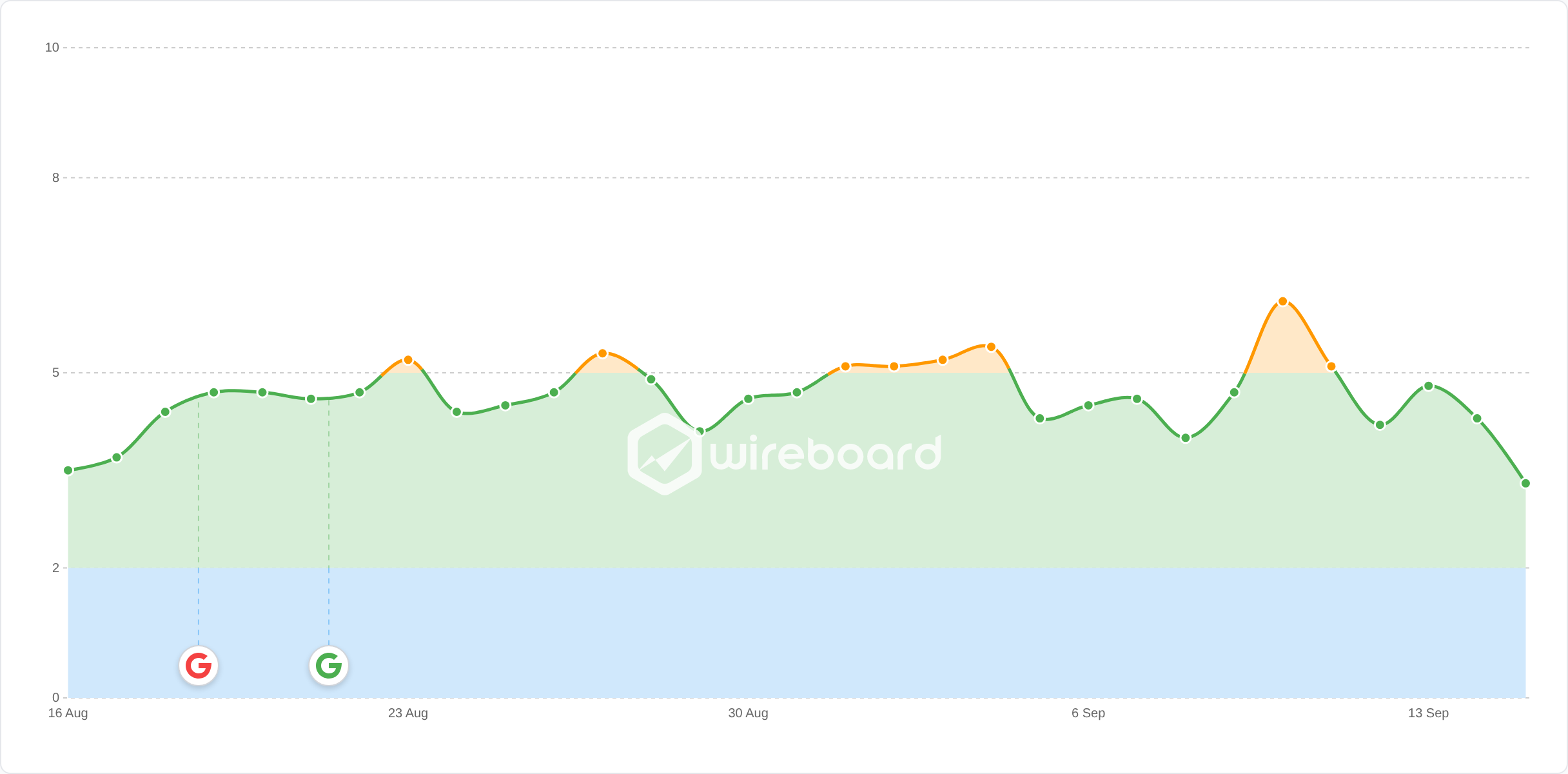
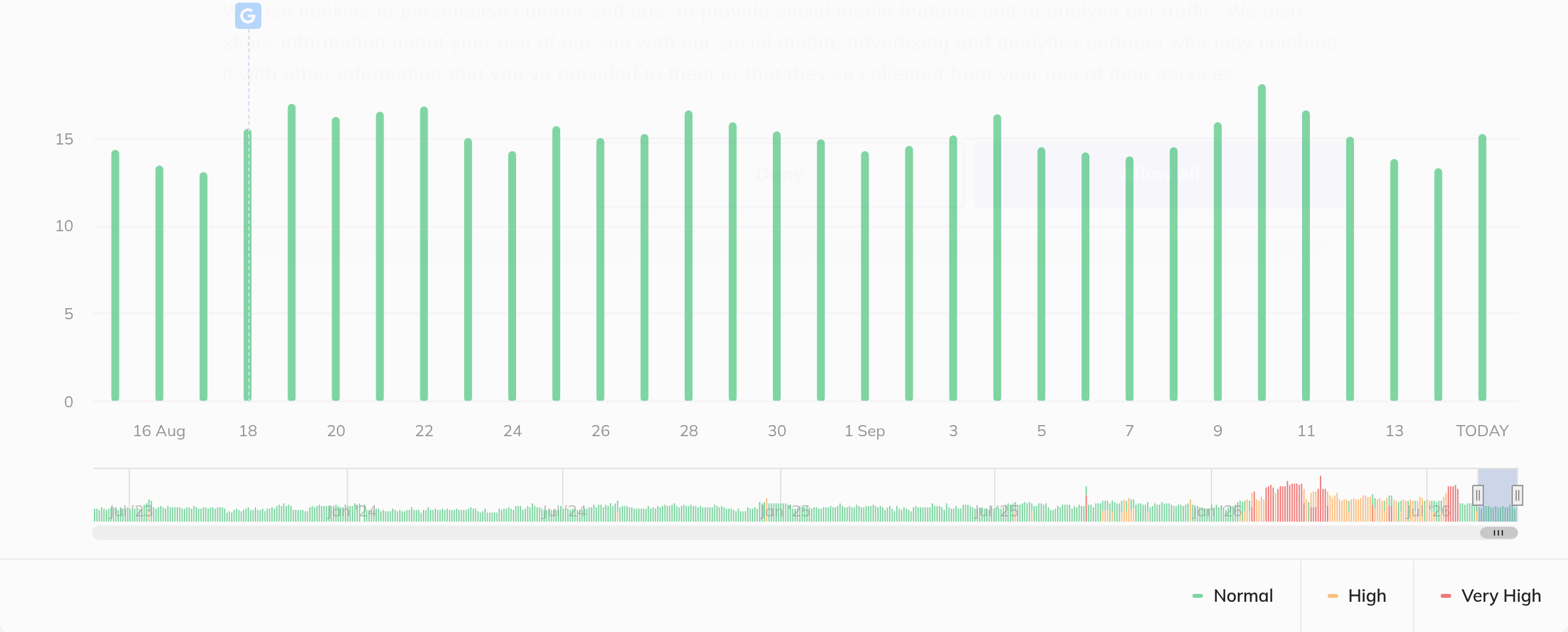
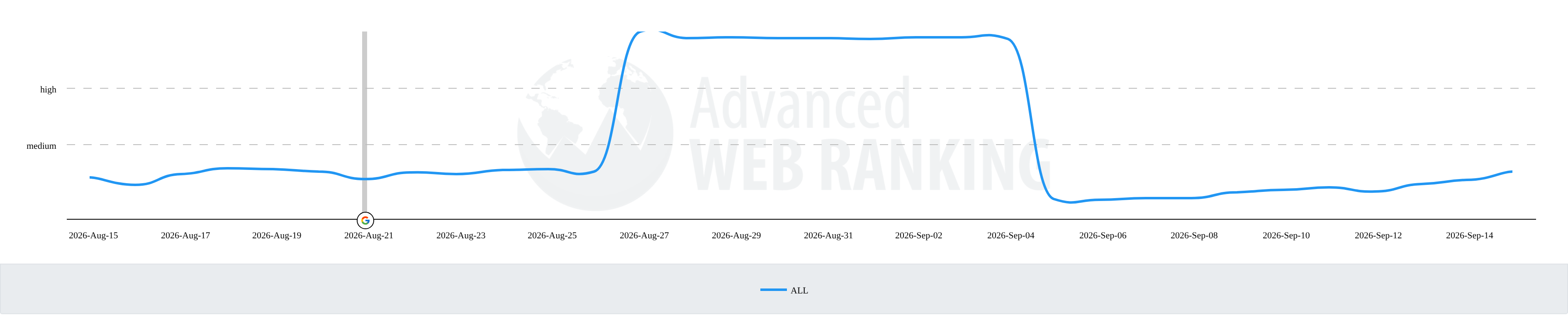
To provide a more quantitative assessment of the observed volatility, SEO professionals rely on a suite of sophisticated Search Engine Results Page (SERP) tracking tools. These tools continuously monitor millions of keywords across various data centers and regions, providing a numerical "volatility score" that indicates the degree of ranking changes over time. A higher score signifies greater instability and suggests a potential algorithm update. As of the morning of September 15th, several of these prominent tools began to show an upward trend or a significant spike in their volatility metrics:
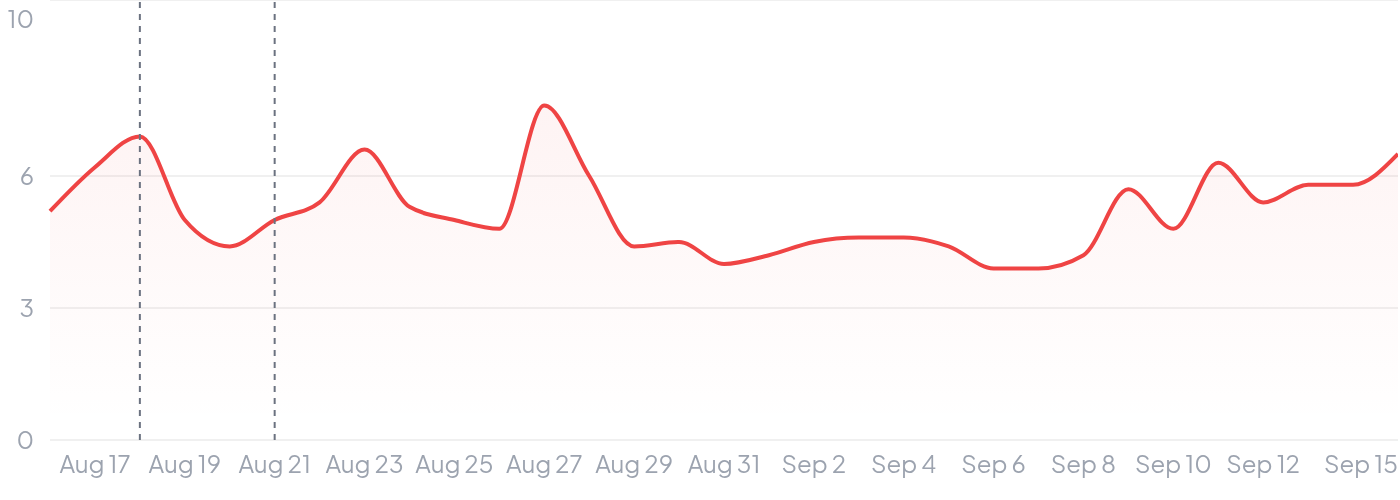
- Aggregate Volatility: The "Aggregate" score, which normalizes and combines data from multiple tools, initially showed a distinct dip on September 12th, followed by a period of lower volatility, but has started to trend upwards, signaling the beginning of a new disturbance. This aggregate view provides a holistic picture, smoothing out individual tool anomalies.
- AccuRanker Grump: This tool, known for its "grumpiness" scale, typically indicates higher levels of unhappiness (volatility) during updates. Its data points, while showing some fluctuations in the preceding days, suggest a renewed upward movement, consistent with community chatter.
- Algoroo: Algoroo, another widely respected tracker, often reflects subtle shifts before major spikes. Its recent data will be crucial in confirming the extent of the current movements once fully processed.
- AWR (Advanced Web Ranking): AWR’s algorithm change tracker often registers significant spikes during confirmed updates. Its current readings, showing a recent increase, add weight to the hypothesis of an ongoing update.
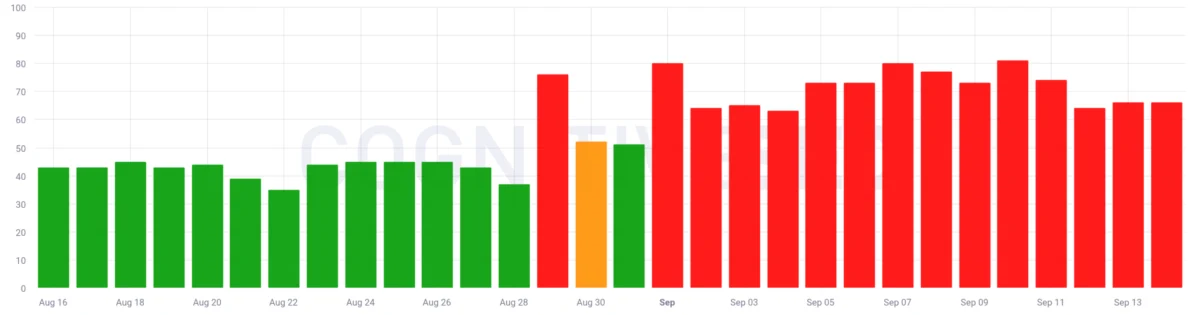
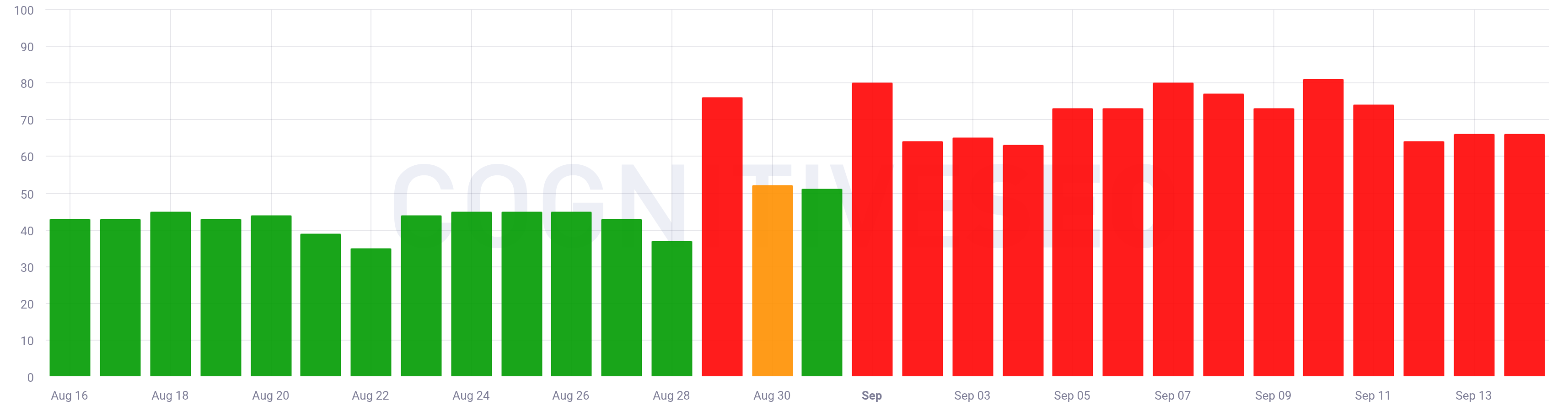
- CognitiveSEO Signals: This tool provides a detailed breakdown of ranking factors potentially impacted. Its data for September 14th, though not yet showing a major spike for the 15th, had already registered elevated levels of volatility, hinting at the impending changes.
- DataForSEO SERP Volatility: DataForSEO, which offers a granular view of SERP changes, had shown sustained elevated volatility in the days leading up to September 15th, suggesting a groundwork of instability before the current spike.
- Mangools SERPWatcher: Mangools’ tool also measures ranking fluctuations. While its latest public data might lag slightly, previous trends often align with broader market movements.
- Mozcast: Mozcast, often referred to as the "weather report for the Google algorithm," uses a temperature scale to represent volatility. A higher temperature indicates more significant ranking changes. Its data on September 14th showed moderate activity, and a rise for September 15th would confirm the growing storm.
- SEMRush Sensor: SEMRush Sensor is a highly utilized tool that tracks daily volatility across various industries. Its consistent monitoring makes it a key indicator for detecting algorithm shifts. Its latest readings will be critical in confirming the widespread nature of the current volatility.
- Serpstat Search Engine Storm: Serpstat’s tool visualizes the intensity of ranking changes. An increase in its "storm" level would corroborate the observations from other platforms and the SEO community.
- SimilarWeb SERP: SimilarWeb offers insights into competitive landscapes and ranking shifts, and its data would provide a broad market perspective on the current changes.
- Sistrix Google Update Radar: Sistrix is renowned for its visibility index and algorithm update tracking. A significant shift in its data would strongly validate the presence of an update.
- Wincher: Wincher’s volatility tracker, by monitoring a vast array of keywords, helps identify broad algorithmic shifts. Its data will contribute to the comprehensive picture of the current situation.
- Wireboard: This tool often aggregates and presents a combined view, making it useful for seeing overall trends. Its aggregated chart would likely show an upward trend mirroring the consensus.
- Zutrix Tension: Zutrix Tension specifically measures the "tension" or instability in search results. A notable increase in its readings confirms heightened algorithmic activity.
It is important to note that while some tools may show immediate spikes, others might lag by 24-48 hours due to data processing cycles. However, the collective signal from these diverse platforms, coupled with the real-time observations from the SEO community, paints a clear picture of significant, ongoing algorithmic adjustments by Google.
Google’s Official Stance and Industry Response
Historically, Google maintains a policy of only confirming major "core updates" that have widespread and significant impacts. Smaller, more frequent updates, often referred to as "minor updates," "unconfirmed updates," or "flux," typically go without official commentary. This practice, while understandable from Google’s perspective (given the continuous nature of algorithmic improvements), places the onus on the SEO community to interpret data, share observations, and collectively understand the implications.
In response to such unconfirmed volatility, the industry typically adopts a proactive, data-driven approach:
- Monitoring and Analysis: SEOs immediately intensify monitoring of their keyword rankings, organic traffic, and conversion rates. They analyze which pages and keyword groups are most affected and look for common patterns among sites experiencing similar changes.
- Community Collaboration: Forums like WebmasterWorld become central hubs for sharing anecdotal evidence, discussing observed patterns, and forming hypotheses. This collective intelligence is invaluable in identifying trends and potential causes.
- Best Practices Re-emphasis: In the absence of specific guidance from Google, the focus reverts to core SEO best practices: creating high-quality, helpful, and user-centric content; ensuring excellent technical SEO; optimizing for page experience (Core Web Vitals); and building a strong, authoritative backlink profile. The shift towards Google’s "Helpful Content" and E-E-A-T (Experience, Expertise, Authoritativeness, Trustworthiness) guidelines becomes even more critical during periods of flux.
Potential Causes and Broader Implications
While the exact nature of the current changes remains unconfirmed, several hypotheses emerge regarding potential causes and their broader implications:

- Ongoing Core Algorithm Refinements: Google’s core algorithms are constantly being tweaked. This volatility could be part of a continuous process of refining how various ranking signals are weighed, potentially targeting areas like content quality, topical authority, or user engagement metrics.
- Anti-Spam or Quality Updates: The reports of increased spam in search results suggest that this volatility could be a response to evolving spam tactics. Google frequently rolls out updates specifically designed to demote low-quality, manipulative, or unhelpful content.
- E-E-A-T and Helpful Content Reinforcement: Google has increasingly emphasized the importance of Experience, Expertise, Authoritativeness, and Trustworthiness (E-E-A-T) and the "helpful content" guidelines. This volatility might represent further adjustments to more accurately identify and reward content that truly meets these high standards, penalizing content generated primarily for search engines.
- Integration of AI Overviews and Generative AI: Given the mentions of "AI overviews" displaying "irrelevant nonsense," this period of volatility could be related to Google’s ongoing efforts to integrate generative AI features into its main search results. Such integration would undoubtedly require extensive testing and continuous algorithmic adjustments to ensure accuracy and quality.
- Niche-Specific Adjustments: While reports suggest broad impact, there could also be more granular adjustments affecting specific industries, content types (e.g., news, e-commerce, local), or search query intents.
- Seasonal Factors and User Behavior: While less likely to cause such dramatic, sustained volatility, seasonal changes in search behavior or specific trending topics can sometimes influence how algorithms interpret and rank content.
The implications for website owners and digital marketers are substantial. Businesses heavily reliant on organic search traffic may experience immediate revenue fluctuations. SEO professionals must be prepared to conduct thorough analyses, identify patterns, and adapt their strategies swiftly. This often means doubling down on content quality, user experience, and technical SEO hygiene, ensuring their sites align with Google’s overarching goals of providing valuable information to users. The current climate reinforces the notion that SEO is not a static endeavor but an ongoing process of adaptation and continuous improvement. Diversifying traffic sources and building brand authority beyond search engines also becomes a more appealing strategy during such volatile periods.
In conclusion, the Google Search landscape is currently experiencing a significant period of flux, with heightened ranking volatility observed on September 15th, building upon earlier instability in early September. While an official confirmation from Google is pending, the strong anecdotal evidence from the SEO community, coupled with the signals from various tracking tools, points to an unannounced but impactful algorithm update. For website owners and digital marketers, this underscores the critical need for vigilance, data-driven analysis, and a steadfast commitment to creating high-quality, user-focused content that aligns with Google’s evolving guidelines for helpful and authoritative information. The "rollercoaster" of Google updates continues, demanding adaptability and strategic foresight from all stakeholders in the digital ecosystem.