The United States opioid epidemic represents one of the most significant public health crises in modern history, characterized by a staggering increase in drug overdose deaths and a fundamental shift in the landscape of substance abuse. While narratives of addiction often rely on anecdotal evidence, a rigorous examination of data from the Centers for Disease Control and Prevention (CDC), the United Nations Office on Drugs and Crime (UNODC), and demographic research provides a clearer picture of the magnitude of this crisis. By analyzing trends across different age groups, geographic regions, and drug classifications, it becomes evident that the opioid epidemic is not a singular event but a multifaceted phenomenon that has evolved over several decades, outstripping the death rates of nearly every other developed nation.
The Three Waves of the Opioid Crisis: A Historical Chronology
To understand the current state of the epidemic, it is essential to trace its development through three distinct "waves" as identified by public health officials. The first wave began in the late 1990s, following a significant shift in how the medical community addressed chronic pain. Pharmaceutical companies began marketing opioid pain relievers, such as OxyContin, with assurances that the risk of addiction was minimal. This led to a massive increase in prescriptions, which in turn fostered a new population of individuals with opioid use disorder.
The second wave emerged around 2010, marked by a rapid increase in overdose deaths involving heroin. As state and federal agencies began to crack down on "pill mills" and tightened regulations on prescription opioids, many individuals who had become addicted to prescription drugs turned to heroin as a cheaper and more accessible alternative. This transition significantly increased the lethality of the crisis, as the purity and potency of street heroin were unregulated and unpredictable.
The third and most devastating wave began in 2013, characterized by the surge in overdose deaths involving synthetic opioids, particularly illicitly manufactured fentanyl. Fentanyl, which is 50 to 100 times more potent than morphine, is often mixed into heroin, cocaine, and counterfeit pills, frequently without the user’s knowledge. This wave has seen a dramatic spike in mortality rates, as even minute quantities of synthetic opioids can be fatal. This chronology demonstrates that the crisis has consistently adapted to regulatory changes, moving from clinical settings to the illicit market.
Comparative Global Data: The United States as a Global Outlier
When placed in a global context, the United States stands as a significant outlier regarding drug-related mortality. Data from the UNODC indicates that while drug use is a universal issue, the rate of overdose deaths in the U.S. dwarfs that of other high-income nations. In absolute numbers and per capita, the United States leads the world in overdose deaths. For instance, while countries like Sweden, Australia, and El Salvador report high rates of overdose per million people, their figures are often less than half of the American rate.
Iceland occasionally appears as a statistical outlier in global reports due to its small population; a relatively low number of deaths can result in a high "per million" rate. However, when examining large-scale trends, the U.S. remains the epicenter of the crisis. Analysts point to several factors for this disparity, including the unique nature of the American healthcare system, the historical prevalence of aggressive pharmaceutical marketing, and a lack of universal access to long-term addiction treatment and harm-reduction services compared to European counterparts.
Demographic Vulnerabilities and the Lethality of Heroin
A granular look at drug usage by age reveals startling patterns, particularly when comparing heroin to other substances like cocaine or crack. Data analysis shows that heroin usage is most concentrated among individuals aged 20 to 34. This demographic trend is particularly concerning because of the drug’s high lethality relative to its user base. Unlike alcohol or marijuana, which have high usage rates but lower immediate mortality risks, heroin has a disproportionately high death-to-user ratio.
In contrast, drugs like cocaine and crack show a broader adoption among older age groups, yet they do not reach the same level of mortality seen in the opioid category. The "lethality gap" in heroin and synthetic opioids suggests that the crisis is not necessarily driven by a massive increase in the total number of drug users, but rather by the extreme danger of the substances being consumed. For the 20-34 age bracket, the epidemic has become a leading cause of death, surpassing motor vehicle accidents and contributing to a decline in overall U.S. life expectancy for several consecutive years.
Regional Disparities and State-Level Trends
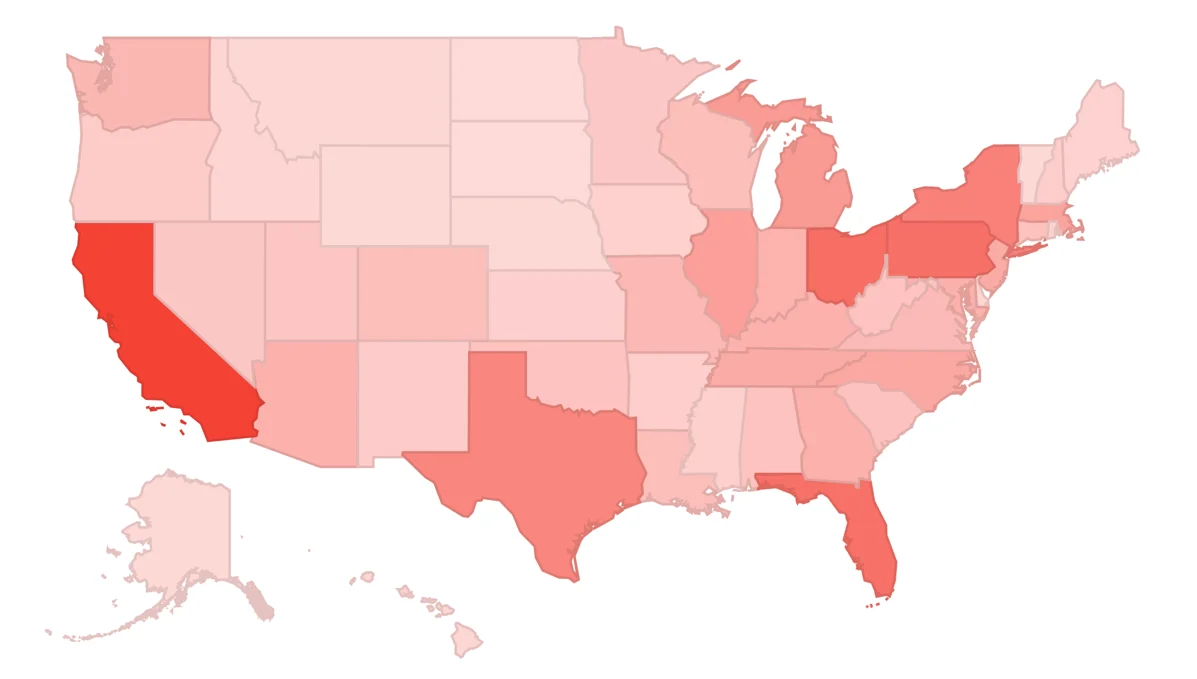
The opioid epidemic does not affect all regions of the United States equally. Data from the CDC highlights specific "hotspots" where the crisis has taken its deepest toll. States such as West Virginia, Ohio, Pennsylvania, and Kentucky have consistently reported the highest rates of overdose deaths. These regions often share common socioeconomic factors, including declining industrial bases, high rates of physical disability among the workforce, and limited access to mental health services.
However, the trends are shifting. While the Appalachian region was the initial focal point, recent data shows significant increases in overdose deaths in New England and the Desert Southwest. Conversely, some states that implemented early and aggressive monitoring programs for prescriptions have seen a stabilization or even a slight decline in certain types of overdose deaths. Analyzing these state-level developments is crucial for policymakers, as it allows for the identification of which interventions—such as prescription drug monitoring programs (PDMPs) or expanded access to Naloxone—are yielding the best results.
Institutional Responses and the Role of Data Science
The response to the opioid crisis has involved a combination of litigation, regulation, and public health initiatives. In recent years, thousands of lawsuits have been filed against pharmaceutical manufacturers, distributors, and retail pharmacies. These legal actions, many of which have resulted in multi-billion dollar settlements, allege that companies ignored the signs of widespread addiction and failed to report suspicious orders of narcotics.
On the regulatory front, the FDA has implemented stricter labeling requirements, and the CDC has issued guidelines to encourage non-opioid treatments for chronic pain. Public health departments have also focused on harm reduction, such as the distribution of Narcan (Naloxone), an overdose-reversal drug.
Data science has emerged as a critical tool in this fight. By utilizing platforms like Google Data Studio to visualize trends, researchers can communicate the immensity of the problem to the public and lawmakers more effectively than through raw numbers alone. Data-driven insights allow for "predictive policing" of the epidemic, where resources can be deployed to specific counties or neighborhoods before an uptick in usage becomes a mass-casualty event.
Economic and Societal Implications
The broader impact of the opioid epidemic extends far beyond the healthcare sector. The Council of Economic Advisers has estimated that the crisis costs the United States hundreds of billions of dollars annually. These costs include healthcare expenses, criminal justice costs, and, most significantly, lost economic productivity due to premature death and disability.
Furthermore, the social fabric of affected communities is under immense strain. The foster care system in many states has seen a surge in placements as parents struggle with addiction. There is also a documented correlation between the opioid crisis and an increase in infectious diseases, such as Hepatitis C and HIV, linked to intravenous drug use. The long-term implications suggest that even if overdose deaths were to be curtailed today, the societal "long tail" of the epidemic—including the needs of children orphaned by the crisis and the rehabilitation of a significant portion of the workforce—will persist for decades.
Conclusion and Future Outlook
The U.S. opioid epidemic is a complex emergency that requires a sophisticated, data-driven response. The transition from prescription pills to heroin, and finally to synthetic fentanyl, illustrates a crisis that is constantly evolving. While the United States remains the global leader in opioid-related mortality, the lessons learned from state-level data and demographic analysis provide a roadmap for potential intervention.
The role of the analyst is more vital than ever in this context. By bridging the gap between raw datasets and public understanding, data professionals can highlight the patterns of addiction and recovery that might otherwise remain hidden. As the global community watches the American experience, the importance of proactive regulation, accessible healthcare, and the continuous monitoring of drug trends remains paramount to preventing similar crises from taking hold elsewhere. The fight against the opioid epidemic is not merely a medical or legal struggle; it is a challenge of information, requiring the world’s analytical skills to be harnessed for the betterment of public health and the preservation of life.