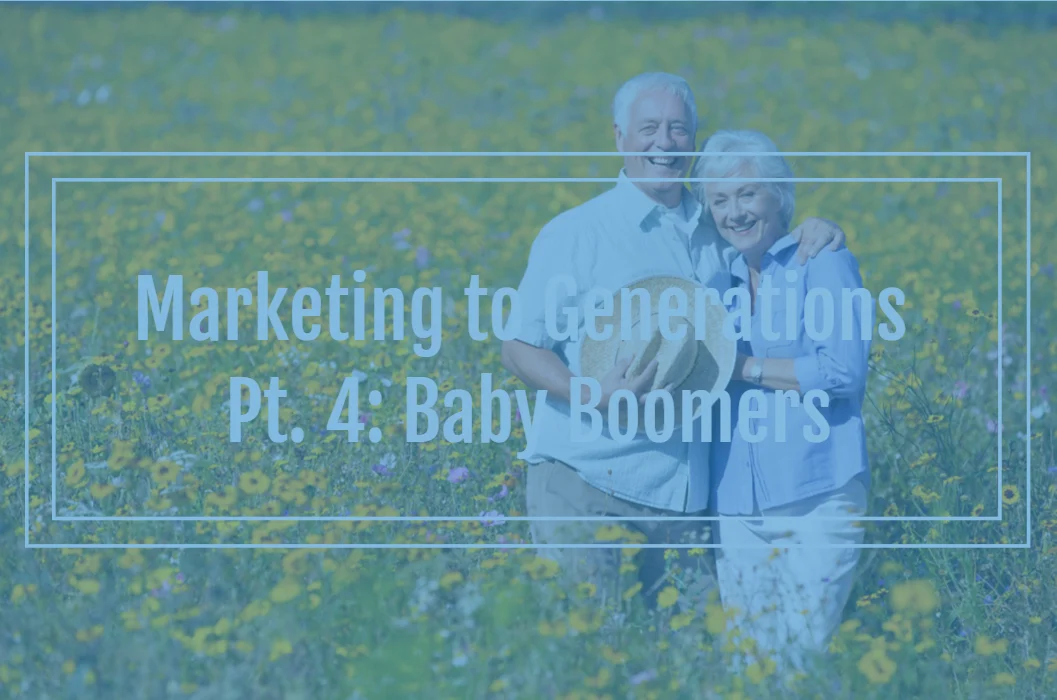
The concept of "target" is fundamental to modern marketing, serving as the bedrock upon which effective campaigns are built. While traditional segmentation methods like behavioral, psychographic, demographic, and geographic targeting remain crucial, understanding the generational nuances of communication is paramount. This article, the final installment in a series exploring digital marketing strategies across different age cohorts, delves into the Baby Boomer generation (born between 1940 and 1959). Having previously examined Gen Z, Millennials, and Gen X, this piece aims to provide actionable insights for marketers seeking to connect with this influential demographic, ensuring their message resonates and reaches the intended audience effectively.
The Baby Boomer generation, characterized by its sheer size and historical significance, represents a pivotal demographic in the American landscape. Born in the post-World War II era, this cohort witnessed and actively participated in an unprecedented period of technological advancement, societal transformation, and economic growth. While often the subject of younger generations’ humor and sometimes characterized by stereotypes, Baby Boomers possess a rich and complex history that has shaped their values, consumption habits, and expectations, particularly in their interactions with businesses.
The Shaping Forces: A Generation Forged in Tumult and Prosperity
The formative years of Baby Boomers were marked by both profound global conflict and burgeoning domestic prosperity. Emerging from the shadow of World War II, which claimed an estimated 60 million military and civilian lives and introduced the terrifying reality of atomic warfare, this generation came of age during a period of significant geopolitical tension. The Korean War, the existential threat of the Cold War, and the divisive Vietnam War, which saw many young men drafted, were defining experiences. For Baby Boomers of color, this era was also intrinsically linked to the arduous and ongoing struggle for civil rights, confronting systemic racism and fighting for fundamental equality in the United States.
Beyond these major conflicts, the Baby Boomer generation lived through a series of seismic political and economic events that indelibly shaped their worldview. The assassination of President John F. Kennedy, a moment of national trauma, deeply affected the collective psyche. The Watergate scandal later eroded public trust in government, leading to widespread disillusionment with political institutions. The oil crises of the 1970s underscored economic vulnerabilities and ushered in an era of increased energy consciousness, albeit with different priorities than subsequent generations.
Despite these challenges, the post-war period in the United States was also an era of unprecedented economic expansion and relative wealth. This environment fostered a sense of optimism and a focus on domestic stability. The home became a central sanctuary, a symbol of security and achievement, and traditional family roles and values saw a resurgence. This backdrop profoundly influenced the Baby Boomer generation’s outlook, instilling a deep appreciation for relationships, including the vital connection between consumers and the brands they engage with. Consequently, this generation generally anticipates and values a high caliber of customer service, viewing it as a direct reflection of a company’s commitment to its clientele.
Core Values and Work Ethic: Pillars of Boomer Identity
The Baby Boomer generation is widely recognized for its strong work ethic, a trait deeply ingrained from their upbringing. This generation tends to believe in the principle of meritocracy: that diligent effort and dedication will invariably lead to commensurate rewards. Conversely, they often hold the view that a lack of effort justifies a lack of reward. This conviction fuels a competitive spirit, and historically, many Baby Boomers prioritized career progression within a single organization, aiming to climb the corporate ladder rather than frequently switching employers. While many are now retired, this foundational belief in hard work and loyalty continues to inform their perspectives.
Financially, Baby Boomers, as they have aged, typically possess greater accumulated wealth than younger generations. This is partly attributable to the economic conditions of their prime earning years, where education and housing costs were significantly lower than they are today. This financial security, coupled with a deep understanding of the value of hard-earned money, fosters a tendency toward thriftiness. They are often cautious with their finances, seeking value and making deliberate purchasing decisions to ensure their assets are protected and wisely managed.
Consumption Patterns: Value, Experience, and Traditional Channels
The distinct life experiences and values of Baby Boomers translate into specific consumption patterns that differentiate them from younger demographics. A notable preference for in-store shopping over online purchasing persists within this generation, particularly among those born earlier in the Boomer cohort. This inclination underscores their appreciation for tangible experiences and direct interaction, reinforcing their expectation of excellent customer service and knowledgeable sales staff. For businesses with a physical presence, highlighting location and offering in-store benefits remains a compelling strategy. While Baby Boomers are increasingly comfortable with online transactions, leveraging physical retail spaces can provide a significant competitive advantage.
A core tenet of Boomer consumer behavior is the demand for tangible value for their money. Many are now in retirement, a phase where financial prudence is paramount. Therefore, promotions that clearly demonstrate value, such as bundle deals or tiered pricing, can be particularly effective. Interestingly, compared to younger generations, Baby Boomers exhibit a lower propensity to prioritize brands based on their commitment to environmental sustainability. Data suggests that Boomers are approximately 34% less likely than the average consumer to seek out brands actively reducing energy consumption. Similarly, they tend to show less engagement with broader Corporate Social Responsibility (CSR) initiatives compared to their Millennial and Gen Z counterparts. This does not imply a disregard for ethical practices, but rather a prioritization of product quality, value, and service.
Recommendations and peer influence still carry significant weight with Baby Boomers, much like with other age groups. Influencer marketing can be a viable strategy, provided the chosen influencers are authentic, relatable, and genuinely representative of the target market. It is also crucial to acknowledge the intergenerational influence at play. Many Baby Boomers actively seek advice from their children and grandchildren, particularly when it comes to adopting new technologies or making significant purchases. Marketers should, therefore, consider messaging that acknowledges these familial consultation dynamics, recognizing that communication might indirectly reach multiple generations.
Platforms and Messaging: Connecting with the Boomer Audience
Reaching the Baby Boomer demographic requires a nuanced approach to platform selection and message crafting. While they may not be as active on emerging social media platforms like TikTok or Snapchat, a significant portion of this generation remains digitally engaged through established channels.
Platforms to Reach Baby Boomers
Television: Traditional television advertising continues to hold sway with Baby Boomers. Many remain loyal viewers of news programs, dramas, and lifestyle shows, making it a consistent channel for brand visibility.
Email Marketing: Email remains a primary communication tool for Baby Boomers. They are more likely to check their inboxes regularly and engage with well-crafted email campaigns that offer value, information, or personalized offers.
Facebook: This social media giant is a key platform for Baby Boomers. They use it to connect with family and friends, follow news, join interest groups, and engage with brands. Targeted advertising on Facebook can be highly effective.
Print Media: Newspapers and magazines, particularly those catering to lifestyle, health, and finance, still reach a significant segment of the Baby Boomer population. These outlets can offer a sense of gravitas and trustworthiness.
YouTube: Contrary to assumptions, Baby Boomers are increasingly utilizing YouTube for entertainment, educational content, and product research. Video content that is informative, straightforward, and addresses practical concerns can resonate well.
Search Engines: Like all demographics, Baby Boomers utilize search engines to find information, products, and services. Optimizing content for relevant keywords and ensuring a strong organic search presence is crucial.
Messaging That Speaks to Baby Boomers
Emphasize Value and Quality: Highlight the benefits, durability, and long-term value of products and services. Focus on how the offering solves a problem or enhances their quality of life.
Build Trust and Credibility: Use testimonials, endorsements from trusted sources, and clear, factual information. Avoid overly trendy or hyperbolic language.
Focus on Benefits, Not Just Features: Explain how a product or service will improve their lives, save them time or money, or provide peace of mind.
Respectful and Direct Communication: Boomers appreciate clear, concise, and respectful communication. Avoid jargon, overly casual language, or assumptions about their technical proficiency.
Nostalgia and Emotional Connection: For certain products or services, tapping into positive memories or familiar themes can create a strong emotional bond.
Highlight Customer Service and Support: Reassure them that excellent customer support is available, whether it’s through phone, email, or in-person assistance.
Promote Practicality and Convenience: Showcase how the offering simplifies their lives or addresses their daily needs efficiently.
Acknowledge Their Experience and Wisdom: Frame your messaging in a way that respects their life experience and intelligence, positioning your brand as a knowledgeable partner.
Consider Intergenerational Appeal: When appropriate, acknowledge that their purchasing decisions might influence or be influenced by younger family members.
Implications for Marketers
Understanding the Baby Boomer generation is not merely an academic exercise; it is a strategic imperative for businesses seeking sustained growth and market penetration. This demographic holds significant purchasing power and influences economic trends. By tailoring marketing efforts to their unique values, communication preferences, and consumption habits, brands can forge deeper connections and achieve greater ROI.
The emphasis on value, customer service, and trust resonates across various industries, from finance and healthcare to travel and retail. While digital channels are increasingly important, the enduring appeal of traditional media and the preference for personalized interactions cannot be overlooked. Marketers must strive for a balanced approach, integrating digital sophistication with a human-centric touch.
It is crucial to remember that generalizations, while useful for broad strategic planning, should not overshadow individual differences within the Baby Boomer cohort. Age, socioeconomic status, geographic location, and personal interests all contribute to a diverse consumer profile. Therefore, ongoing market research and data analysis are essential to refine targeting and messaging.
Ultimately, marketing to Baby Boomers is about recognizing their significant contributions to society, understanding their evolving needs and desires, and communicating with them in a manner that is both respectful and effective. By embracing these principles, brands can build lasting relationships and unlock the considerable potential of this influential generation.
For businesses seeking to develop a comprehensive digital marketing strategy that effectively reaches and converts the Baby Boomer audience, engaging with experienced marketing professionals can provide invaluable expertise and tailored solutions.