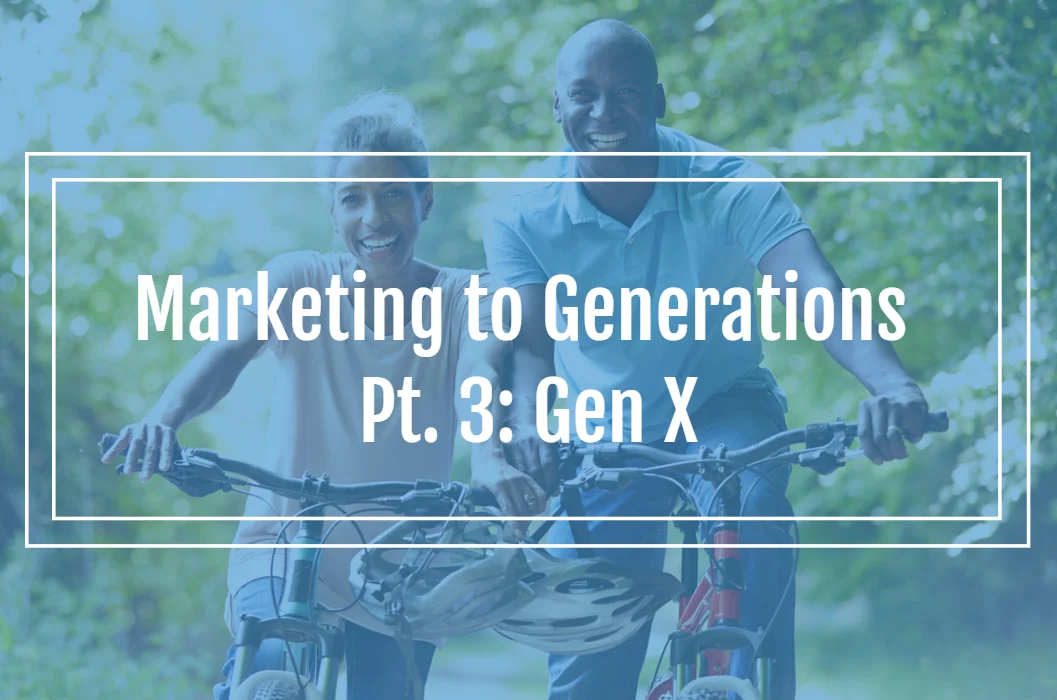
The fundamental principle of effective marketing hinges on precision: knowing precisely who you are speaking to. This core concept, often encapsulated by the word "target," is multifaceted, encompassing behavioral, psychographic, demographic, and geographic considerations. However, a crucial layer often overlooked is the generational lens through which consumers perceive and interact with brands. This series delves into the nuances of digital marketing across distinct generational cohorts, including Generation Z, Millennials, Generation X, and Baby Boomers, to equip marketers with the insights needed to connect with these groups through the right channels and with resonant messaging. Having previously explored the digital marketing landscapes for Gen Z and Millennials, this installment shifts focus to Generation X.
Generation X, born roughly between 1960 and 1979, is often characterized by its "latchkey kid" upbringing. This common descriptor highlights a formative period where many Gen Xers were accustomed to independent self-care after school, fostering a generation known for its self-reliance, pragmatic outlook, and a tendency towards cautious, well-researched purchasing decisions. This inherent self-sufficiency, forged in an era of less direct parental supervision, has translated into a generation that values independence and often approaches new information and products with a healthy dose of skepticism, or perhaps more accurately, realism.
The Gen X Mindset: A Foundation of Self-Reliance
Unlike their younger counterparts, Millennials and Gen Z, who have been the subject of extensive recent research, Generation X often occupies a less documented space in the generational research landscape. This relative scarcity of in-depth studies can, in itself, be seen as a reflection of the Gen X mindset. They are the quintessential "middle child" in the generational spectrum, often content to carve their own path, engage in self-directed activities, and prioritize what directly benefits them without seeking the spotlight.
The "latchkey kid" moniker is more than just a catchy label; it’s a foundational element of the Gen X experience. Growing up with a degree of autonomy instilled a powerful do-it-yourself ethos. This meant learning to manage daily needs independently, from preparing meals to running errands. This early exposure to self-sufficiency has cultivated a generation of natural self-starters. When a Gen Xer desires something, they are typically inclined to work diligently to achieve it. Their definition of success often prioritizes personal achievement, stability, and tangible rewards over public recognition. This pragmatic approach is further shaped by their formative years, which included navigating economic fluctuations such as the recession of the early 1990s as they entered the workforce and the Great Recession of 2008 later in their careers.
Positioned between the expansive Baby Boomer generation and the digitally native Millennials, Gen X possesses a unique ability to bridge generational perspectives. They are generally adept with technology, often embracing new innovations with a proficiency that may surpass some older generations. However, they also retain a strong appreciation for hard work and traditional values, a trait that can differentiate them from Millennials’ more pronounced emphasis on work-life balance. This blend of technological fluency and grounded pragmatism makes them a distinct and valuable consumer group.
Gen X Consumption Patterns: Loyalty and Value-Driven Choices
While extensive research on the consumption habits of other generations is readily available, the data surrounding Gen X is comparatively less voluminous. However, several key characteristics emerge. A significant portion of Gen Xers, approximately 35%, hold a college degree, a figure notably higher than that of Millennials at 19%. This educational attainment often correlates with a penchant for thorough research, particularly when considering higher-priced purchases. Marketers targeting Gen X must ensure their websites and digital platforms are comprehensive repositories of information, anticipating and addressing every question a discerning consumer might have during their evaluation process.
A hallmark of Gen X consumer behavior is their pronounced brand loyalty. Once a brand earns their trust and consistently delivers satisfactory service, Gen Xers are likely to remain steadfast customers. This loyalty translates into a high Lifetime Value (LTV) for businesses that prioritize customer retention through avenues such as loyalty programs, exclusive discounts, and superior customer service. Nurturing these existing relationships is as crucial as acquiring new customers.
Furthermore, security and trust are paramount for Gen X consumers. They are more inclined to purchase from brands that have garnered positive testimonials and endorsements from trusted sources. This trust can originate from personal recommendations from friends, credible influencers, or even positive associations with other reputable brands. While marketing efforts are essential, the most persuasive endorsements often come from third parties, validating a brand’s claims and building a sense of security around a purchase decision.
Marketing to Generation X: Strategies for Engagement
To effectively reach and resonate with Generation X, marketers must tailor their approach to align with the generation’s distinct characteristics and preferences.
Platforms to Reach Gen X
Gen Xers are active participants across a broad spectrum of digital platforms, though their engagement patterns may differ from younger demographics. While they have embraced social media, their usage is often more purposeful and less about constant broadcasting.
- Social Media: Facebook remains a dominant platform for Gen X, where they engage with friends, family, and brands. They also utilize platforms like Instagram and LinkedIn, albeit often with different objectives. Instagram might be used for visual inspiration and connecting with lifestyle brands, while LinkedIn serves professional networking and industry-specific content consumption.
- Email Marketing: Despite the rise of newer communication channels, email remains a highly effective method for reaching Gen X. They are accustomed to receiving and engaging with email newsletters, promotional offers, and informational content. Personalization and value are key to ensuring emails are opened and acted upon.
- Search Engines: As diligent researchers, Gen Xers rely heavily on search engines like Google to find information, compare products, and identify solutions to their needs. Search Engine Optimization (SEO) and targeted Search Engine Marketing (SEM) campaigns are critical for capturing their attention during the research phase.
- Content-Rich Websites: Given their preference for in-depth information, Gen Xers will spend time on well-designed websites that offer detailed product descriptions, customer reviews, FAQs, and informative blog content. User experience and clear navigation are essential for keeping them engaged.
- Video Content: While not as prolific video consumers as Gen Z, Gen Xers do watch videos, particularly those that are informative, educational, or provide product demonstrations. Platforms like YouTube can be effective for sharing valuable content.
Messaging That Speaks to Gen X
Crafting messages that resonate with Gen X requires an understanding of their values and communication preferences.
- Emphasize Value and Quality: Gen Xers are pragmatic and seek products and services that offer genuine value for their money. Messaging that highlights durability, long-term benefits, and superior quality will resonate more than superficial trends.
- Highlight Practicality and Problem-Solving: Messages that clearly articulate how a product or service solves a problem or simplifies a task will appeal to their self-reliant nature. Focus on tangible benefits and real-world applications.
- Build Trust Through Authenticity: Gen Xers are adept at spotting inauthentic marketing. Genuine testimonials, transparent communication, and a focus on building long-term relationships are more effective than overly promotional or hype-driven campaigns.
- Acknowledge Their Independence: While they value expertise, avoid patronizing tones. Messages that empower them to make informed decisions and emphasize the control they have over their choices will be well-received.
- Leverage Nostalgia (Carefully): A subtle nod to shared cultural touchstones from their youth can create a sense of connection, but this should be done with authenticity and relevance, not as a primary selling point.
- Focus on Long-Term Benefits: For many Gen Xers, purchasing decisions are about sustained value and reliability. Messaging that underscores longevity, future benefits, and return on investment will be more persuasive.
- Respect Their Time: Concise, clear, and informative messaging is preferred. Avoid jargon or overly complex language that might require excessive interpretation.
It is imperative to recognize that these generational categorizations serve as a valuable starting point, but they are broad generalizations. Individual preferences and behaviors within each generation vary significantly based on industry, specific audience segments, and unique brand offerings. A nuanced understanding, combined with ongoing data analysis and iterative campaign optimization, is essential for truly connecting with and converting the Gen X demographic. For bespoke strategies tailored to reach and engage your specific Gen X audience, engaging with experienced digital marketing professionals can provide the strategic guidance and execution needed to achieve impactful results.


 Ali Ikhwan
 Reynand Wu