In the dynamic and increasingly competitive landscape of digital marketing, email remains a cornerstone of customer engagement and revenue generation. Far from being a relic of the internet’s early days, email marketing has evolved into a sophisticated discipline where every component, from the initial subject line to the final footer, plays a critical role in determining success. This comprehensive guide dissects the modern marketing email, revealing the intricate layers of strategy, creativity, and technical precision required to capture attention, foster engagement, and drive measurable results in today’s crowded digital inboxes.
The Evolving Landscape of Digital Communication
Email marketing, with its direct line to consumer inboxes, continues to demonstrate remarkable resilience and effectiveness. Recent industry reports indicate that email marketing consistently delivers a high return on investment, often cited as one of the most cost-effective marketing channels available. However, this effectiveness is not automatic. As inboxes become inundated with messages, consumers have developed an acute ability to filter out irrelevant or poorly crafted communications. The challenge for marketers today is not just to send emails, but to send irresistible emails that cut through the noise. This necessitates a meticulous approach to email anatomy, where each element is strategically designed and rigorously tested.

Deconstructing the Modern Email: A Component-by-Component Analysis
The journey of an email from sender to engaged recipient is a multi-stage process, each stage presenting an opportunity to either captivate or lose the audience. Understanding and optimizing these stages is paramount.
1. The Subject Line: The Gateway to Engagement
The subject line is arguably the most critical component of any email campaign, serving as the digital "gatekeeper" to the message within. In an inbox teeming with notifications, sales pitches, and automated summaries, a compelling subject line is the sole determinant of whether an email is opened or immediately discarded. Industry data consistently shows a direct correlation between subject line effectiveness and open rates. Marketers must master the delicate balance between piquing curiosity and providing clear value. Vague or generic subject lines, such as "Don’t miss this," are largely ignored, while those that promise a tangible benefit or solution, like "3-minute tweak to fix your Q2 pipeline," achieve significantly higher engagement. Leading marketing strategists emphasize appealing to emotions—such as the fear of missing out (FOMO) or the hope for a quick resolution—while maintaining clarity about the email’s core offering. Testing various angles, referencing industry pain points, regional trends, or even company milestones relevant to specific segments, is crucial for optimizing this initial point of contact.

2. The Pre-header and Preview Text: The Unsung Heroes
Often overlooked, the pre-header and preview text function as the co-pilot to the subject line, providing crucial additional context and a secondary hook in most modern email clients. This small but mighty snippet of text, appearing next to or beneath the subject line, offers a valuable opportunity to extend the conversation initiated by the subject line. A well-crafted pre-header can amplify the subject line’s message, create a sense of urgency, reinforce branding, or provide a sneak peek into the email’s content, nudging recipients towards an open. Conversely, a neglected pre-header that defaults to "View this email in your browser" or generic placeholder text represents a missed opportunity. To maximize impact, marketers must ensure pre-headers are concise, engaging, and directly support the subject line’s promise. Awareness of character limits across different email clients is essential to prevent truncation, ensuring the full message is conveyed effectively.
3. The Email Header: Branding and Trust
Upon opening an email, the header immediately establishes brand identity and trustworthiness. This "brand handshake" reassures recipients that the email is legitimate and relevant. A strong header typically incorporates the company logo, prominently displayed for instant recognition, along with a clear "view in browser" link, which offers an alternative viewing option. Navigation elements, while less common in promotional emails, can also feature in newsletters or content-rich communications, guiding readers to key sections. The header’s design, visual consistency with the brand, and mobile responsiveness are vital for creating a professional first impression and preventing immediate abandonment.

4. The Headline: Capturing Immediate Attention
Once the email is opened, the headline assumes the critical role of drawing the reader further into the content. This is the primary message, confirming to the reader that they are in the right place and that the email holds value. Crafting an effective headline requires a deep understanding of the target segment and strong copywriting skills, often augmented by sophisticated AI tools. Key priorities include clarity, conciseness, and compelling language that resonates with the audience’s needs or interests. The headline should be visually prominent, easy to scan, and designed to pop across various email clients and viewing modes, including dark mode, to ensure universal impact.
5. The Greeting: Personalization as a Foundation
A thoughtful greeting acts as a crucial bridge, establishing the tone and level of familiarity between the brand and the recipient. Beyond the ubiquitous "Hi [First Name]," top marketers leverage advanced personalization techniques to create a more meaningful connection. This can involve referencing past interactions, celebrating customer milestones, or tailoring the greeting based on segment-specific data. The use of dynamic content features within email platforms allows for scalable personalization, enabling marketers to manage numerous greeting variations without manual labor. Testing how these personalized greetings render across different previews and live sends is essential to ensure a clean, professional execution that signals attention to detail and sets a positive expectation for the message to follow.

6. The Body Content: Delivering Value and Clarity
The body content is where the promise of the subject line is fulfilled, where offers are presented, information is shared, and readers are guided towards the campaign’s ultimate goal. Effective body copy balances clarity with visual appeal, designed to keep busy readers engaged. Best practices include using short paragraphs, clear subheadings, and bullet points to break up text and improve readability. Ample white space prevents visual clutter, while mobile-friendly fonts and a logical content hierarchy ensure accessibility and ease of consumption across devices. The average human attention span online is remarkably short, making scannable, value-driven content paramount. Modern email platforms and builders simplify the creation of responsive HTML that adapts elegantly across various devices and email clients, but rigorous previewing on real devices remains indispensable to catch rendering issues that simulators might miss.
7. Visuals and Imagery: Impactful and Accessible Design
Images, when used strategically, can significantly boost engagement and clarify messages. However, they must serve a clear purpose beyond mere decoration. Successful email teams select and deploy visuals that are highly relevant to the message, align with brand aesthetics, and adhere to technical best practices. This includes optimizing image file sizes for quick loading, using descriptive alt text for accessibility and instances where images fail to load, and ensuring visuals are mobile-optimized. Data indicates that emails with relevant images often see higher click-through rates, but marketers must also consider the message’s coherence if images are blocked or don’t load. The content should remain compelling even as pure text, underscoring the importance of robust accessibility practices.

8. The Call-to-Action (CTA): Guiding the User Journey
The Call-to-Action (CTA) is the pivotal element where readers are prompted to take the desired next step, whether it’s making a purchase, downloading content, or signing up for an event. Crafting an effective CTA requires careful engineering beyond just clever wording. CTAs must be clear, concise, and prominent, often utilizing contrasting colors and sufficient button size to stand out. A single, focused CTA typically performs better than multiple competing actions, minimizing decision fatigue. Strategic placement, often "above the fold" (visible without scrolling), ensures maximum visibility. Rigorous testing of CTA rendering and functionality across major email clients and devices is crucial to prevent misalignments or unresponsiveness that can derail conversions.
9. The Footer: Compliance and Confidence
The email footer serves as the campaign’s legal and ethical anchor, reflecting professionalism and respect for recipients. It instills confidence by providing essential information and demonstrating compliance with regulations. Key elements include the company’s physical address, a clear link to the privacy policy, and an easily accessible unsubscribe option, which is legally mandated in many regions. Social media links, a "manage preferences" option, and copyright information further enhance trust and provide additional avenues for engagement. Industry experts recommend reviewing the footer at least quarterly, especially as data policies, company addresses, or branding elements evolve, to avoid legal issues and maintain a transparent, legitimate sender reputation.

Technical Foundations and Deliverability: The Unseen Battleground
Beyond the visible elements, the technical infrastructure of email sending profoundly impacts inbox placement and campaign success. Deliverability, the ability for an email to reach the intended inbox rather than a spam folder, is influenced by several foundational elements. Email authentication protocols such as SPF (Sender Policy Framework), DKIM (DomainKeys Identified Mail), and DMARC (Domain-based Message Authentication, Reporting, and Conformance) are critical for verifying sender identity and preventing spoofing, thereby bolstering sender reputation. IP reputation, list hygiene (regularly removing inactive or invalid addresses), and content quality (avoiding spam trigger words or overly promotional language) are also crucial. The implications of poor deliverability are significant, ranging from wasted marketing spend to damaged brand perception. Continuous monitoring of these technical aspects is essential for safeguarding inbox placement and ensuring messages reach their audience.
The Imperative of Continuous Improvement: Testing and Analytics
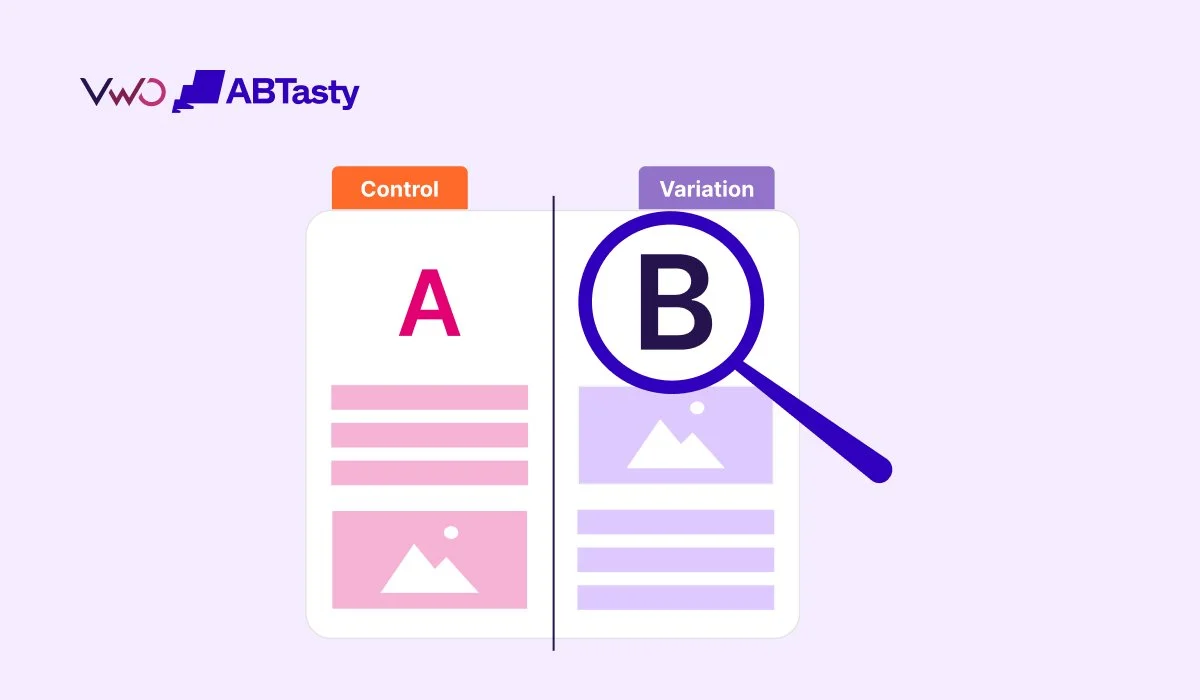
Even the most meticulously crafted email campaigns can be further optimized through a systematic approach to testing and learning. Marketers should prioritize A/B testing on elements most likely to impact campaign goals, such as subject lines, calls-to-action, layout variations, and personalization strategies. Analyzing key metrics like open rates, click-through rates, conversion rates, and segment performance provides invaluable insights. This data-driven approach allows teams to identify what resonates with their audience and refine future sends. Documenting key learnings in a testing log or shared repository ensures that insights are retained and applied across campaigns, fostering a culture of continuous improvement and smarter sending.

Fostering Collaboration for Flawless Execution
The creation of an effective email is rarely a solitary endeavor; it’s a collaborative symphony involving copywriters, designers, developers, and marketing strategists. Efficient workflow and clear communication are paramount to transforming a good idea into a successful campaign. High-functioning teams rely on shared documentation, version control systems, and well-defined approval processes to manage edits and feedback effectively. Before any final "send," designated roles or automated tools should be employed for proofing copy, verifying links and images, checking dynamic fields, and running comprehensive rendering tests. This rigorous quality assurance process catches potential errors that could otherwise lead to embarrassing mistakes and erode subscriber trust. Embracing a culture of constructive feedback and streamlined collaboration ultimately speeds up the entire campaign deployment process.
Broader Implications for Business Success
Mastering the anatomy of an effective email transcends mere marketing tactics; it has profound implications for overall business success. A well-executed email strategy translates directly into higher engagement rates, improved conversion funnels, stronger customer loyalty, and a healthier return on investment. In a fiercely competitive digital marketplace, companies that consistently deliver relevant, engaging, and technically sound emails gain a significant competitive advantage. Conversely, neglecting any aspect of email anatomy can lead to diminished brand reputation, increased unsubscribe rates, and ultimately, lost revenue opportunities. The commitment to a holistic, detailed approach to email marketing is an investment in sustained business growth and stronger customer relationships.

Conclusion
Creating truly effective marketing emails in today’s digital environment demands a holistic and meticulous approach. Every element, from the initial subject line that battles for attention in a crowded inbox to the legally compliant and trust-reinforcing footer, plays an integral part in the email’s journey. By tackling the anatomy of an email from both creative and technical angles, organizations can establish repeatable processes that drive consistent campaign success. Continuous testing, data-driven improvement, and seamless cross-functional collaboration are not just best practices, but essential pillars for ensuring each email lands, engages, and ultimately, achieves its objectives.