A recent comprehensive study by LinkedIn, based on a survey of over 18,000 professionals, casts a revealing light on the emergent Generation Z workforce, highlighting a significant paradox: despite being digital natives, a substantial majority of Gen Z professionals are missing out on crucial career opportunities due to a profound hesitation in professional networking. The insights, published recently, not only detail the unique challenges faced by early career employees but also offer critical guidance for employers adapting to this cohort and for marketers aiming to effectively engage them.
The Emerging Gen Z Workforce: A New Paradigm
Generation Z, typically defined as those born between 1997 and 2012, represents the newest wave entering the global workforce. This demographic is distinct, having grown up entirely immersed in the digital age, often referred to as "digital natives." Their experiences are shaped by ubiquitous internet access, social media, and a world connected 24/7. As they increasingly fill entry-level and even mid-level positions, their approach to work, communication, and professional development is fundamentally reshaping traditional workplace dynamics. By 2025, Gen Z is projected to account for 27% of the workforce in OECD countries, underscoring the urgency for businesses and platforms to understand their unique needs and challenges.
Unlike previous generations who might have learned networking through in-person events, formal mentorships, or company-sponsored gatherings, Gen Z’s formative years coincided with the rise of virtual interactions, accelerated further by the global pandemic which normalized remote work and digital communication. This context has imbued them with exceptional technological proficiency, yet, as LinkedIn’s data suggests, it has also inadvertently created barriers to certain types of professional engagement.
The Confidence Chasm: Unpacking Gen Z’s Networking Reluctance
The LinkedIn report reveals a stark confidence gap among Gen Z professionals when it comes to leveraging professional connections. A striking 72% of Gen Z professionals are reportedly missing out on opportunities because they are hesitant to initiate contact or step forward. This reluctance is primarily driven by a trifecta of fears: 37% fear bothering people, another 37% are concerned about being judged, and 34% worry about sounding inauthentic.
This data point is particularly significant when juxtaposed with Gen Z’s overall digital fluency. While they are adept at creating and consuming content online, and maintaining vast social networks, the realm of professional outreach presents a different set of anxieties. The informal, often curated nature of social media interactions may not translate directly to the more structured and goal-oriented environment of professional networking. The fear of "bothering" someone highlights a potential lack of understanding regarding networking etiquette, where proactive outreach is often seen as initiative rather than intrusion. The concern about "sounding inauthentic" resonates with Gen Z’s broader societal emphasis on genuineness and transparency, an attribute they highly value in both personal and brand interactions. This generation has grown up in an era where online personas can be scrutinized, and the fear of misrepresenting oneself or being perceived as disingenuous can be a powerful deterrent.
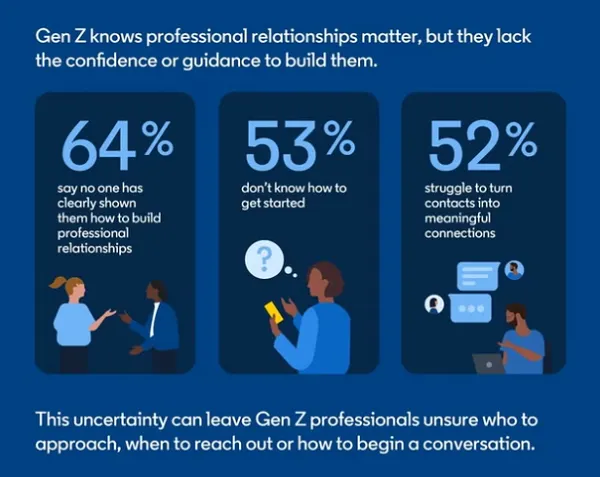
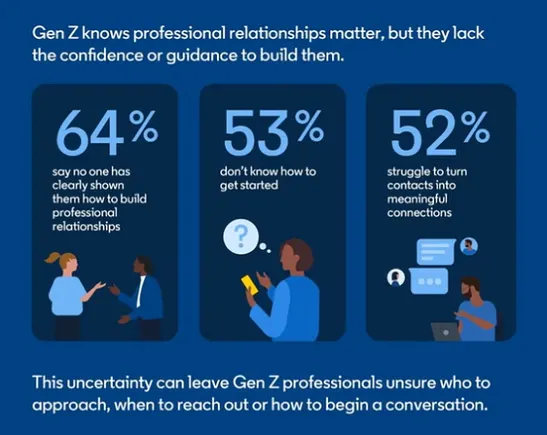
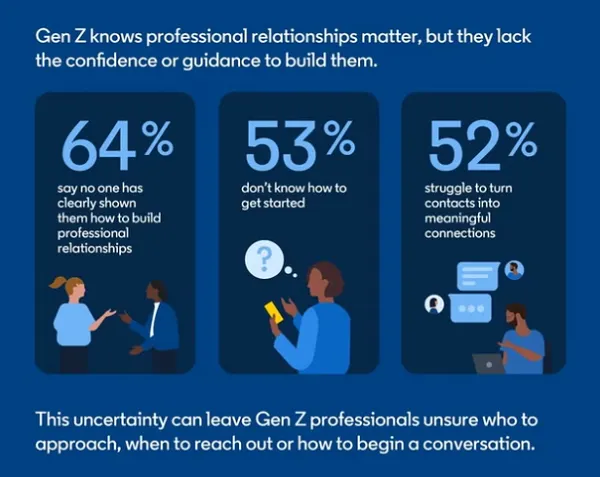
Further compounding this issue, the survey found that 53% of Gen Z professionals are unsure how to even begin professional networking. This lack of foundational knowledge underscores a systemic gap in career preparedness. Traditional educational institutions and early career programs may not be adequately equipping young professionals with the practical skills needed to navigate the nuances of professional relationship building in a digital-first world. This uncertainty can lead to paralysis, preventing them from taking the crucial first steps toward building a robust professional network.
The implications of this hesitation are substantial. LinkedIn’s research emphatically states that "More than a quarter of Gen Z (27%) professionals say they found their next opportunity through professional communities online." Furthermore, LinkedIn data shows that "U.S. job applicants with an inside connection were nearly 7x more likely to get hired than those without one." These statistics underscore the undeniable power of professional networks in career advancement. By shying away from networking, Gen Z professionals are inadvertently limiting their access to mentors, industry insights, collaborative projects, and ultimately, career progression. This creates a challenging scenario where a generation highly motivated by purpose and impact might find themselves stalled due to a fundamental barrier in professional engagement.
LinkedIn’s Strategic Response: Fostering Digital Connections
Recognizing this critical gap, LinkedIn is actively working to bridge the confidence chasm and facilitate more connection opportunities for its younger members. The platform’s stated commitment is to make networking less intimidating and more accessible. One notable initiative mentioned is the evolving in-app games element. While seemingly counter-intuitive for a professional platform, gamification can serve as a low-stakes, engaging entry point for interaction. By participating in games, Gen Z members can "break the ice" in a casual setting, potentially leading to more formal connections as comfort levels increase. This strategy acknowledges Gen Z’s inherent comfort with digital entertainment and attempts to integrate it into professional development.
Beyond gamification, LinkedIn continues to evolve its suite of features designed to support professional connectivity. This includes strengthening its professional groups, which serve as virtual communities centered around specific industries, skills, or interests. These groups can provide a less daunting environment for young professionals to ask questions, share insights, and connect with peers and experienced professionals. Features like "People You May Know," "Open to Work" banners, and skill endorsement functionalities also play a crucial role in making potential connections more visible and the act of reaching out more contextualized. The platform is increasingly moving beyond a static resume repository to a dynamic, interactive ecosystem where professional learning, collaboration, and networking are seamlessly integrated.
Marketing to a Values-Driven Generation: Credibility Over Visibility

The LinkedIn report also provides invaluable insights for marketers targeting Generation Z. A significant finding is that 73% of respondents believe brand credibility is becoming more important than brand visibility. This signals a fundamental shift in consumer priorities, particularly among younger audiences who are increasingly invested in the brands they align with. For Gen Z, a brand’s reputation, ethical practices, and perceived authenticity hold more weight than mere exposure or widespread recognition.
This preference for credibility over visibility is deeply rooted in Gen Z’s values. Having grown up in an era of abundant information and frequent corporate scandals, they are inherently skeptical of traditional advertising. They are more likely to support brands that demonstrate social responsibility, environmental consciousness, transparency in their operations, and a genuine commitment to their employees and communities. This translates into a demand for purpose-driven marketing, where brands articulate their values clearly and consistently, and back up their claims with tangible actions. Surface-level visibility, achieved through pervasive advertising without substance, is likely to be met with disinterest or even cynicism. Marketers must therefore shift their focus from simply getting seen to building genuine trust and demonstrating alignment with Gen Z’s ethical and social concerns. Employee advocacy, showcasing diverse voices within an organization, and engaging in authentic storytelling are becoming paramount.
The Power of Short-Form Video and Expert Insights
The LinkedIn analysis further suggests that short-form video featuring expert insights could be a key element for both professional development and marketing appeal to Gen Z. This format aligns perfectly with Gen Z’s media consumption habits. Accustomed to platforms like TikTok and Instagram Reels, they prefer content that is concise, visually engaging, and easily digestible. Short-form video offers a powerful medium to convey complex information quickly and effectively.
For professional development, short-form videos featuring expert insights can democratize access to knowledge. Quick tips on networking, career advice, skill-building tutorials, or industry trends delivered by seasoned professionals in a compelling, bite-sized format can be highly effective. This approach caters to their preference for on-demand learning and provides practical, actionable information without the commitment of lengthy courses or articles. It also addresses the "how to get started" dilemma by offering clear, visual guidance.
From a marketing perspective, short-form video allows brands to showcase their credibility and values authentically. Instead of overt advertisements, brands can leverage expert insights from their own leaders or industry influencers to provide valuable information, discuss industry trends, or highlight their commitment to specific causes. This positions the brand as a thought leader and a valuable resource, fostering trust and engagement rather than simply pushing products. The informal yet informative nature of short-form video can also help brands appear more human and relatable, resonating with Gen Z’s desire for authenticity.
Implications for Businesses and HR Leaders
The findings from LinkedIn’s report present clear directives for businesses and HR departments striving to attract, retain, and develop Gen Z talent. Organizations must move beyond traditional onboarding processes and actively integrate programs that foster professional networking skills. This includes:
- Structured Mentorship Programs: Pairing Gen Z employees with experienced professionals can provide a safe space for learning networking etiquette, overcoming fears of outreach, and building confidence.
- Internal Networking Pathways: Creating clear, low-barrier opportunities for internal networking, such as cross-departmental collaboration projects, informal coffee chats with leaders, or internal communities focused on shared interests.
- Training on Professional Digital Etiquette: Providing explicit guidance on how to effectively use platforms like LinkedIn for outreach, informational interviews, and personal branding, addressing their uncertainty about "how to get started."
- Cultivating an Inclusive Culture: Fostering an environment where questions are encouraged, mistakes are learning opportunities, and proactive engagement is celebrated, helping to alleviate fears of judgment or bothering others.
- Adapting Recruitment Strategies: Leveraging platforms with features that appeal to Gen Z’s digital comfort, and ensuring that job descriptions and company messaging reflect the values they prioritize (e.g., social impact, clear growth paths, work-life balance).
By proactively addressing these challenges, businesses can unlock the full potential of their Gen Z workforce, transforming their digital fluency into genuine professional connectivity.
Empowering Gen Z: Strategies for Professional Growth
For Gen Z professionals themselves, understanding these insights is the first step toward overcoming networking hesitations. Strategies to empower their professional growth include:
- Start Small and Be Consistent: Begin with low-stakes interactions, like commenting thoughtfully on industry posts, engaging in professional group discussions, or reaching out to alumni from their educational institutions.
- Leverage Informational Interviews: Frame outreach as a request for advice or insight, rather than a direct ask for a job. This reduces pressure and focuses on learning, aligning with Gen Z’s desire for knowledge.
- Develop a Personal Brand: Craft a LinkedIn profile that authentically reflects their skills, interests, and career aspirations. Regularly share relevant content or insights to establish expertise and visibility.
- Seek Out Mentors: Actively look for individuals who can provide guidance and support. Many experienced professionals are willing to mentor, and platforms like LinkedIn can facilitate these connections.
- Embrace Continuous Learning: Utilize short-form video content and online courses to build new skills and stay current with industry trends, which can also provide conversation starters for networking.
- Attend Virtual and In-Person Events: Even if daunting, participating in industry webinars, virtual conferences, or local meetups can provide invaluable opportunities to connect.
The long-term benefits of a strong professional network are undeniable, offering avenues for continuous learning, career progression, and personal development.
The Future of Professional Connectivity
The LinkedIn report underscores a critical juncture in the evolution of professional connectivity. Generation Z is poised to redefine workplace norms, communication styles, and the very fabric of professional interactions. The challenge for platforms like LinkedIn, and indeed for all organizations, is to adapt and innovate, creating environments where genuine connection can flourish for a generation that values authenticity and purpose above all else. The blend of digital tools and human-centric approaches will be essential in navigating this evolving landscape, ensuring that the digital fluency of Gen Z translates into robust, meaningful professional networks that drive individual and collective success. The insights from this report serve as a powerful call to action for everyone involved in shaping the future of work.