In the increasingly competitive landscape of digital commerce, the ability to decipher user intent through behavioral data has moved from a luxury to a fundamental business requirement. Conversion Rate Optimization (CRO) tools have evolved significantly since their inception in the mid-2000s, transitioning from simple click-tracking scripts to sophisticated, AI-driven suites that offer a holistic view of the customer journey. Among the leading contenders in this space are Crazy Egg and Lucky Orange, two platforms that have defined the industry’s standards for heatmaps, session recordings, and user feedback mechanisms. While both platforms aim to reduce friction and increase revenue, they cater to distinct market segments and operational needs.
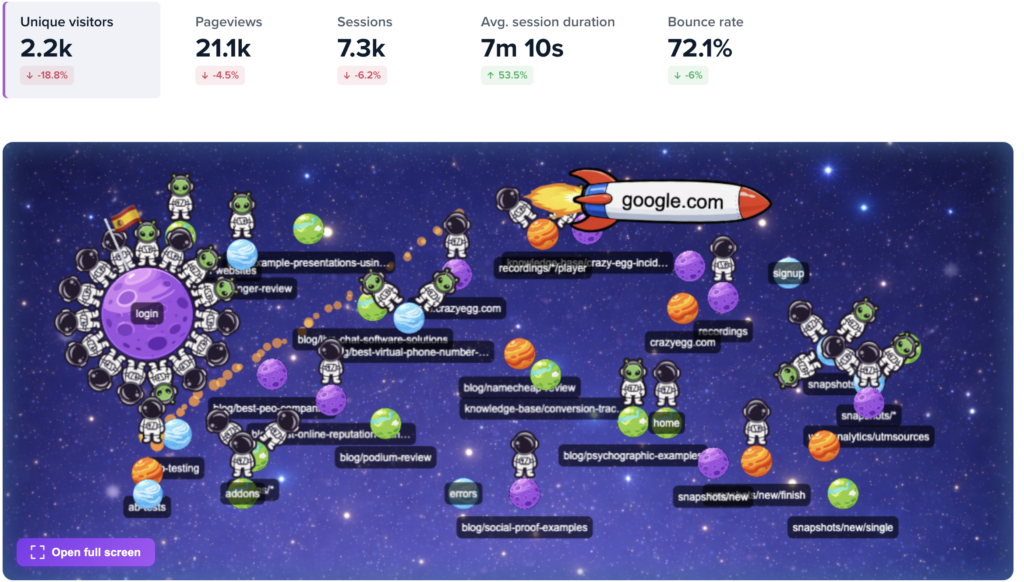
The Evolution of Behavioral Analytics: A Market Context
To understand the current positioning of Crazy Egg and Lucky Orange, one must look at the chronology of the CRO industry. Crazy Egg, co-founded in 2006 by Hiten Shah and Neil Patel, was a pioneer in the "visual analytics" movement. It introduced the concept of the heatmap to a broad audience, simplifying complex data into digestible visual representations. Lucky Orange followed in 2010, entering a market that was beginning to demand more interactive features, such as live chat and real-time visitor monitoring.
Over the last decade, the industry has shifted toward "all-in-one" optimization. Businesses no longer want to jump between five different tools to analyze a funnel, run a survey, and launch an A/B test. This demand for consolidation has forced both platforms to expand their feature sets, leading to the current state where their capabilities overlap significantly, yet their core philosophies remain distinct.
Core Comparative Analysis: Heatmapping and Visual Data
The foundational feature of any CRO tool is the heatmap. This technology allows marketers to see where users click, how far they scroll, and what elements they ignore.
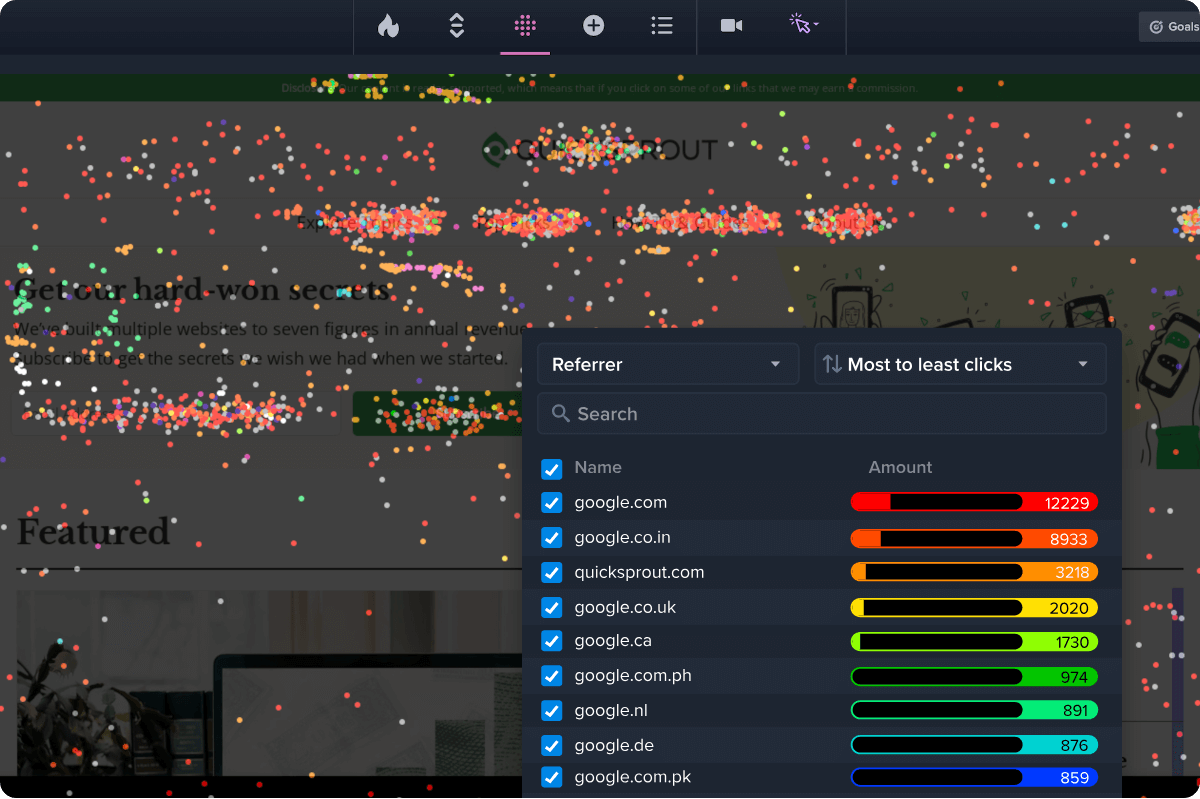
Crazy Egg remains the industry leader in visual depth, offering five distinct map types. Its proprietary "Confetti" map is particularly significant for performance marketers, as it allows for per-click segmentation. This means a user can filter clicks based on referral source, search terms, or even custom variables, providing immediate insight into how traffic from a Facebook ad behaves compared to organic search traffic. Additionally, Crazy Egg provides a "List" report, which converts visual data into a prioritized list of page elements based on popularity—a feature designed for data-driven decision-making where visual interpretation might be subjective.
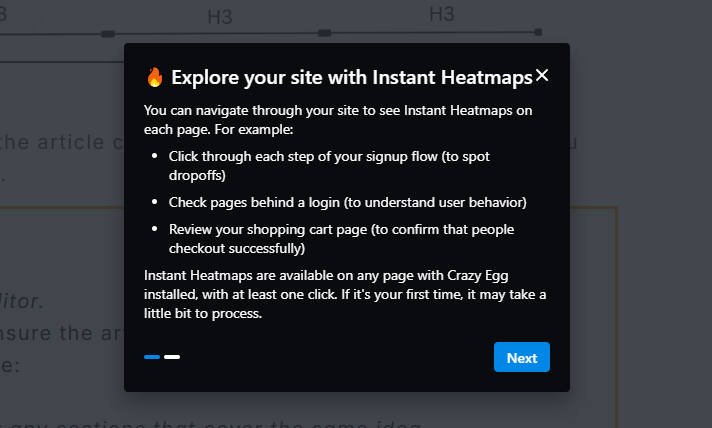
Lucky Orange, conversely, has optimized its heatmapping technology for the modern web, which is increasingly built on dynamic frameworks like React and AJAX. Its heatmaps are "live," meaning they can render clicks on interactive elements such as pop-ups, dropdown menus, and carousels more effectively than traditional static snapshots. While Lucky Orange offers fewer map types (Click, Scroll, and Move), its ability to handle Single Page Applications (SPAs) makes it a preferred choice for developers working with complex, modern web architectures.
Session Recordings and Friction Detection
Session recordings provide a DVR-like playback of a user’s journey on a website. Both Crazy Egg and Lucky Orange have matured in this area, offering robust masking features to ensure that sensitive information, such as credit card numbers or passwords, is never captured, thereby maintaining compliance with global privacy standards like GDPR and CCPA.

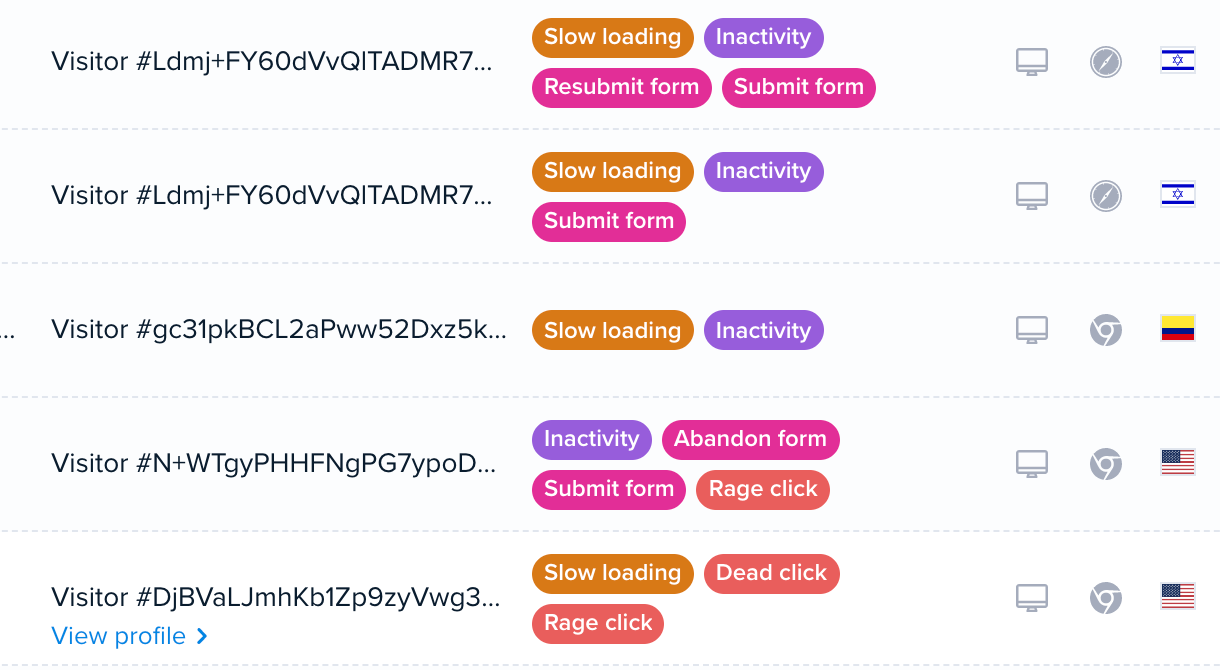
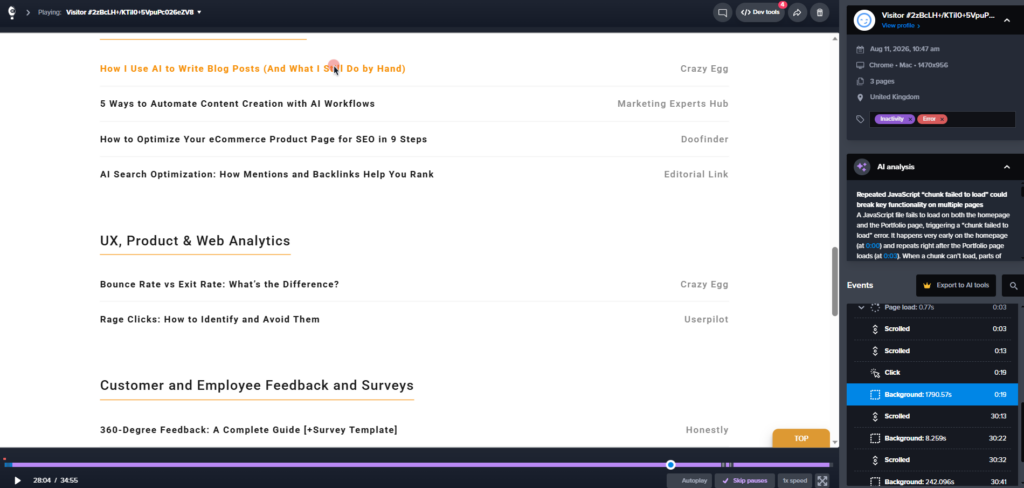
Crazy Egg differentiates itself through its extensive "auto-tagging" system. Out of the box, the platform identifies "rage clicks" (repeatedly clicking an unresponsive element), "dead clicks," and "u-turns." It also integrates e-commerce specific tags, such as "checkout start" and "abandoned form," allowing users to filter thousands of hours of video into a concise playlist of the most problematic sessions. Furthermore, Crazy Egg offers superior data retention, keeping recordings for up to 24 months on higher-tier plans.
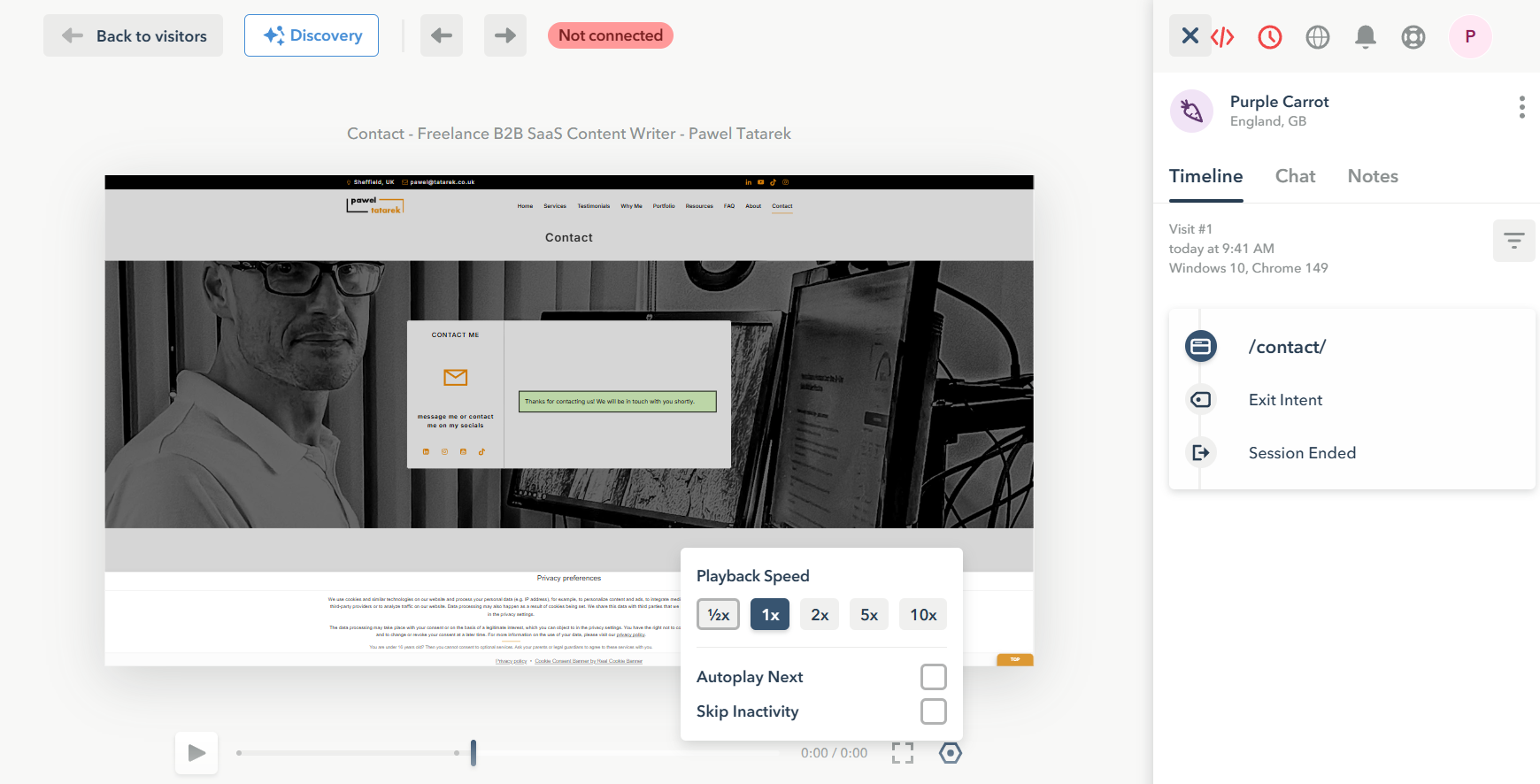
Lucky Orange provides a similar playback experience but requires more manual configuration for advanced tagging. Its strength lies in its "Event Timeline," which sits alongside the video playback and provides a chronological log of every action the user took. For smaller teams or Shopify-based businesses, Lucky Orange’s integration is often viewed as more "plug-and-play," particularly with its automated funnel building for e-commerce stores.

Conversion Funnels and the Impact of Retroactive Data
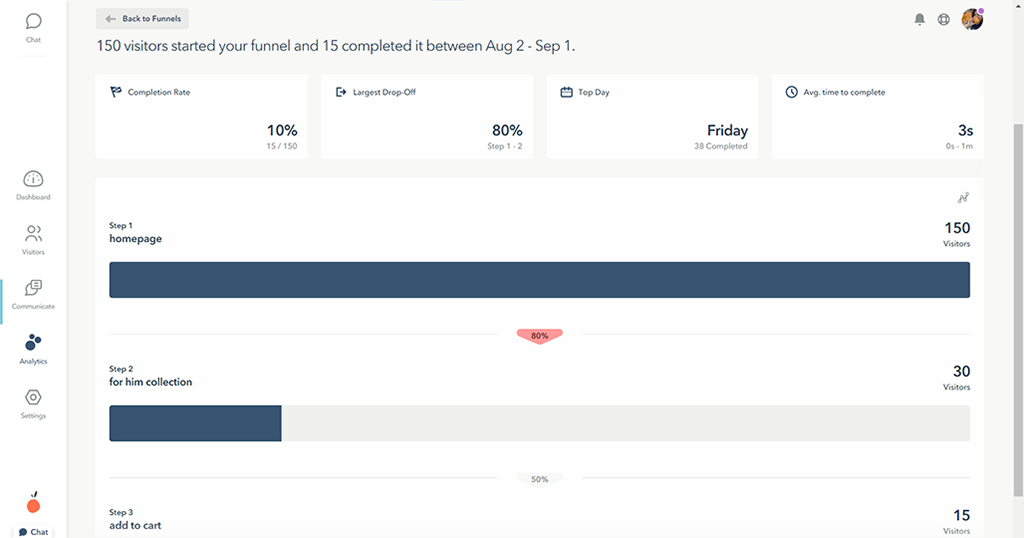
A funnel report is essential for identifying where a business is losing money. Both platforms allow users to define a series of steps—such as Homepage > Product Page > Add to Cart > Purchase—and see the percentage of users who drop off at each stage.
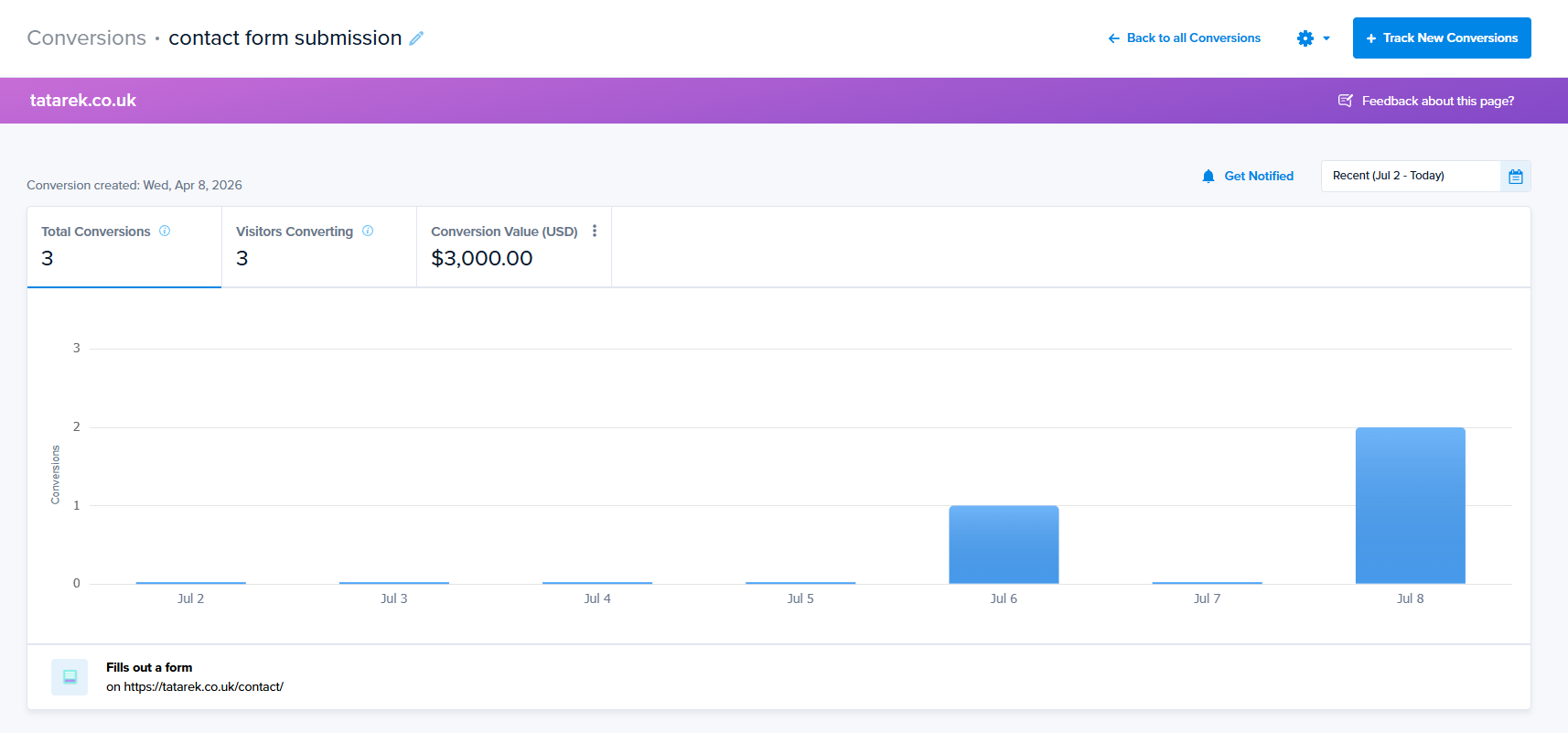
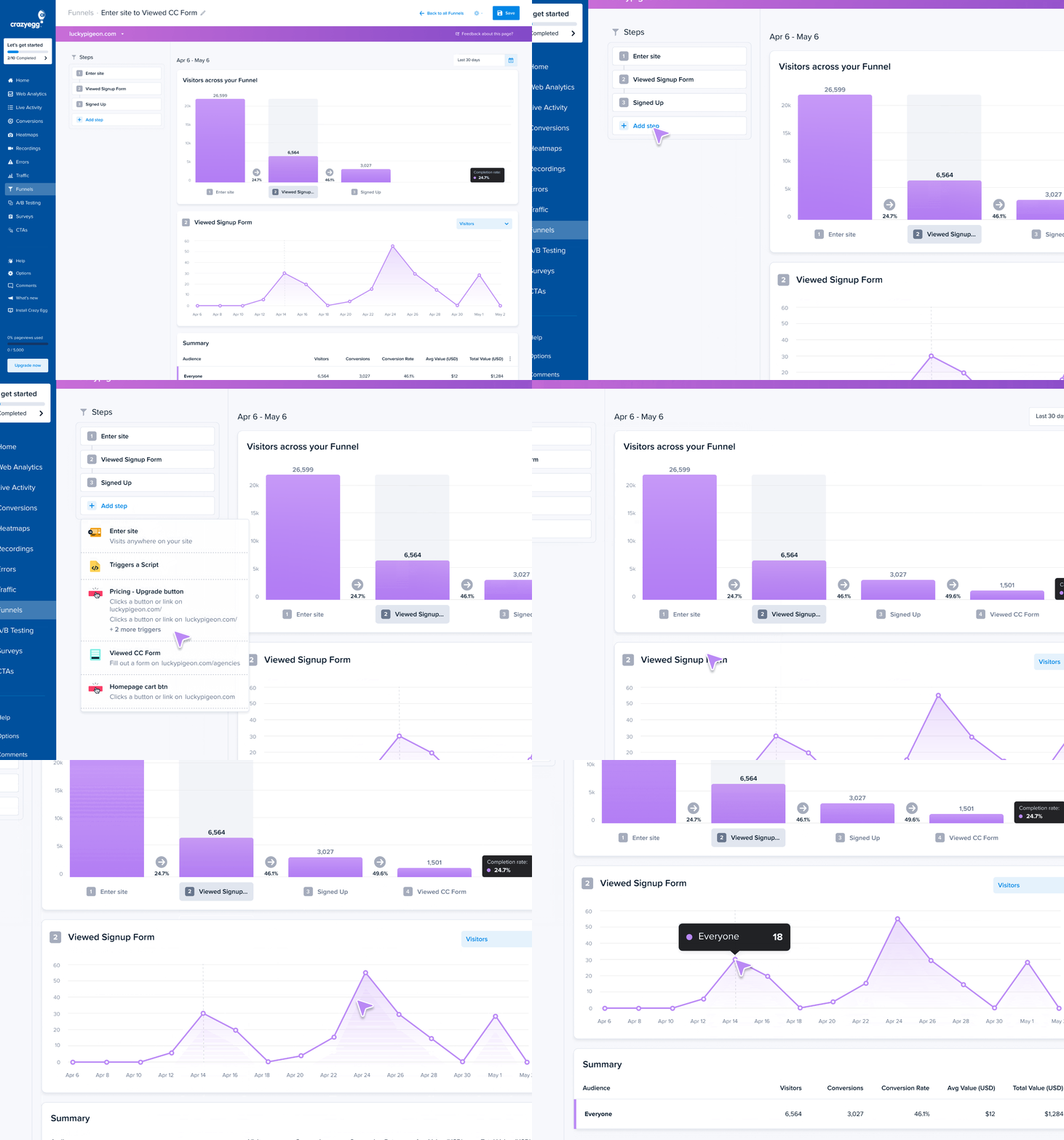
A critical technical distinction exists in how these tools handle historical data. Crazy Egg’s funnels are fully retroactive across the account’s history. If a marketer decides to track a new conversion path today, Crazy Egg can look back at all previously collected data to populate that funnel instantly. This is a significant advantage for agile teams who need to test new hypotheses without waiting weeks for new data to accumulate.
Lucky Orange also offers retroactive funnels, but they are limited by the platform’s data storage window, which typically ranges from 60 to 365 days. For businesses with long sales cycles or those performing year-over-year comparisons, this limitation can be a factor in long-term strategic planning. However, Lucky Orange counters this with its "Visit Value" feature, which assigns a specific dollar amount to visitor actions, helping teams prioritize fixes based on potential revenue impact.
Engagement and Feedback: Surveys, Popups, and Live Chat
While analysis is the first step, the second is action. Both tools provide mechanisms to engage users directly on the page.
Crazy Egg offers a sophisticated survey and Call-to-Action (CTA) suite. Its surveys support conditional branching—where the second question changes based on the answer to the first—and come with over 50 templates. This makes it a powerful tool for Voice of Customer (VoC) research. Its popup features are similarly robust, allowing for precise targeting based on scroll depth or time on page, with built-in conversion tracking for each message.
Lucky Orange takes a different approach by bundling a full Live Chat and Form Analytics suite. This is perhaps the platform’s most significant "unique selling proposition." With Lucky Orange, a support agent can see a visitor rage-clicking in real-time and proactively initiate a chat to assist them. Its form analytics are also more detailed at a field level, showing which specific part of a contact form (e.g., the phone number field) causes users to abandon the process.
The AI Frontier: Automated Insights and Agentic Workflows
In 2024, the integration of Large Language Models (LLMs) has become the new battleground for CRO platforms.
Crazy Egg has embedded AI across its entire stack. Its "AI Insights" feature automatically scans heatmaps and recordings to surface anomalies or opportunities, such as identifying a high-traffic button that is underperforming. For advanced users, Crazy Egg’s Model Context Protocol (MCP) and JSON export capabilities allow teams to feed their behavioral data directly into external AI tools like ChatGPT or Claude. This enables "agentic workflows," where an AI can suggest specific code changes or design iterations based on raw user data.
Lucky Orange has introduced "Discovery AI," a conversational assistant. Users can ask the tool questions in plain English, such as "Why are my mobile users dropping off at the checkout?" The AI will then crawl the site’s data and provide a summarized answer with links to supporting recordings and heatmaps. This approach prioritizes ease of use for non-technical users who may not want to spend hours digging through reports.
Security, Compliance, and Enterprise Readiness
For enterprise-level organizations, the choice between platforms often comes down to governance and security. Crazy Egg offers a more comprehensive suite for large teams, including Role-Based Access Control (RBAC), SAML Single Sign-On (SSO), and a Compliance Audit Log. These features are essential for companies that must maintain strict internal controls over who can view user data.
Lucky Orange maintains standard compliance with privacy laws but lacks the deeper enterprise-grade administrative tools found in Crazy Egg’s higher tiers. This suggests that Lucky Orange is more targeted toward small-to-medium businesses (SMBs) and mid-market companies where administrative overhead is less of a concern.
Pricing Models and Value Proposition
The pricing structures of the two platforms reflect their different philosophies. Crazy Egg bills based on "tracked pageviews." This allows businesses to be selective, only paying for the data they collect on specific, high-value pages. For many, this results in a lower monthly cost despite having high overall site traffic. Its plans range from $29 to $599 per month, with A/B testing becoming available at the $99 tier.
Lucky Orange bills based on total "monthly sessions." This means every visitor to the site counts toward the quota, regardless of whether they are on a page the user is currently analyzing. While this can lead to higher costs for high-traffic sites, Lucky Orange bundles almost every feature into every plan, providing a predictable "all-in" price point. Their plans scale from $32 to over $800 for high-volume users.
Implications for the Digital Strategy
The decision between Crazy Egg and Lucky Orange is ultimately a choice between breadth and depth.
Crazy Egg is positioned as a comprehensive optimization engine. By integrating A/B testing and personalization directly with its analytics, it allows for a "closed-loop" optimization process: analyze the problem, form a hypothesis, test a solution, and measure the result, all within one dashboard. This makes it the superior choice for growth teams and agencies who prioritize experimentation.
Lucky Orange is the more specialized tool for customer-facing teams. Its inclusion of live chat and field-level form analytics makes it an invaluable asset for e-commerce managers and customer success departments who need to intervene in the customer journey in real-time.
As the digital economy continues to shift toward personalized experiences, the data provided by these tools will only become more critical. Whether a business chooses the experimentation-heavy approach of Crazy Egg or the interaction-focused model of Lucky Orange, the goal remains the same: transforming silent observers into vocal, loyal customers.