Black Friday campaigns represent the meticulously crafted strategies and creative assets deployed by e-commerce brands throughout the critical Black Friday and Cyber Monday (BFCM) weekend, designed to convert immense seasonal demand into significant sales. This pivotal period, now often extending into a full "Cyber Week," has transformed from a single-day shopping frenzy into a multi-faceted marketing challenge, demanding innovation, strategic foresight, and a deep understanding of consumer psychology. The landscape of these campaigns is continuously shifting, with leading brands demonstrating how to navigate the intense competition by moving beyond conventional discounting to embrace value-driven propositions, experiential marketing, and brand-centric messaging.
The Genesis and Global Expansion of Black Friday
Historically, Black Friday marked the unofficial start of the Christmas shopping season in the United States, typically occurring the day after Thanksgiving. The term itself is believed to have originated in Philadelphia, where it was used to describe the heavy and disruptive pedestrian and vehicular traffic that would occur on the day after Thanksgiving. Later, a more positive interpretation emerged, suggesting that retailers would move "into the black" (profitability) on this day. Over the past two decades, Black Friday has transcended its American roots, evolving into a global phenomenon. Major retailers and e-commerce platforms worldwide now participate, offering substantial deals that draw in billions of dollars in consumer spending. The advent of Cyber Monday, introduced in 2005, further amplified this trend, extending the sales period specifically for online shopping and solidifying the BFCM weekend as the premier event in the retail calendar. This expansion has necessitated increasingly sophisticated and varied campaign approaches from brands looking to capture consumer attention in a saturated market.
Dissecting the Anatomy of a Successful Black Friday Campaign
The most impactful Black Friday campaigns are not spontaneous bursts of discounts but rather the culmination of extensive early preparation, strategic planning, and a clear focus on long-term brand building alongside immediate sales goals. According to Omnisend’s recent Black Friday research, the average order value (AOV) witnessed a notable increase from $164 to $215 during Cyber Week. This trend underscores a critical insight: brands that generate the highest revenue often succeed by concentrating on a single, compelling concept rather than a fragmented array of generic promotions.
Several core elements consistently underpin these successful campaigns:
- Early Preparation and Phased Rollout: Beginning campaign planning months in advance allows for meticulous content creation, audience segmentation, and technical readiness. Many brands now initiate "early bird" offers or VIP access programs weeks before Black Friday itself, building anticipation and rewarding loyal customers.
- Customer Acquisition and Retention Focus: Beyond merely moving inventory, leading campaigns are designed to attract new customers while simultaneously strengthening relationships with existing ones. This often involves leveraging email and SMS lists for exclusive offers or personalized content.
- A Singular, Strong Concept: Differentiating from the noise requires a cohesive and memorable theme. Whether it’s an anti-consumerism stance, an entertainment-led series, or a gamified experience, a clear concept cuts through the clutter.
- Strategic Discounting vs. Value-Added Propositions: While discounts remain a cornerstone, the most innovative campaigns explore alternatives like bundles, gift-with-purchase incentives, or even value-over-discount messaging to protect margins and reinforce brand identity.
- Omnichannel Integration: Seamless execution across email, SMS, social media, and on-site experiences is crucial. Automation plays a key role in delivering timely and relevant messages, from abandoned cart reminders to post-purchase follow-ups.
These five pillars are not isolated tactics but rather interconnected components of a comprehensive Black Friday marketing plan. Brands that integrate them effectively are better positioned to achieve superior results, transforming seasonal hype into sustainable growth.
Leading the Charge: Ten Exemplary Black Friday Campaigns
Understanding the diverse strategies employed by other successful brands provides an invaluable blueprint for developing effective Black Friday marketing campaigns. The following examples offer a masterclass in BFCM content creation, packed with practical insights for e-commerce store owners looking to innovate beyond mere price drops.
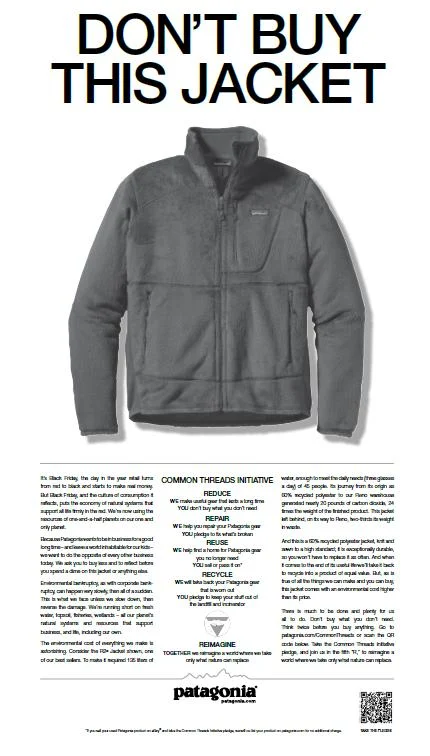
1. The Anti-Consumerism Stance: Patagonia
In a bold move that captured global attention, Patagonia launched its "Don’t Buy This Jacket" campaign in 2011, taking out a full-page advertisement in The New York Times. This counter-intuitive approach encouraged shoppers to consider the environmental impact of their purchases rather than impulsively buying new items. Patagonia’s strategy was a calculated long-term play, sacrificing immediate transactional profit for significant brand awareness and a reinforced reputation as a pioneer in eco-conscious fashion. The underlying message was clear: if sustainability matters to you, support brands like Patagonia that prioritize it. This campaign resonated deeply with a growing segment of environmentally aware consumers, cementing Patagonia’s status and proving that a strong ethical stance can be a powerful marketing tool.
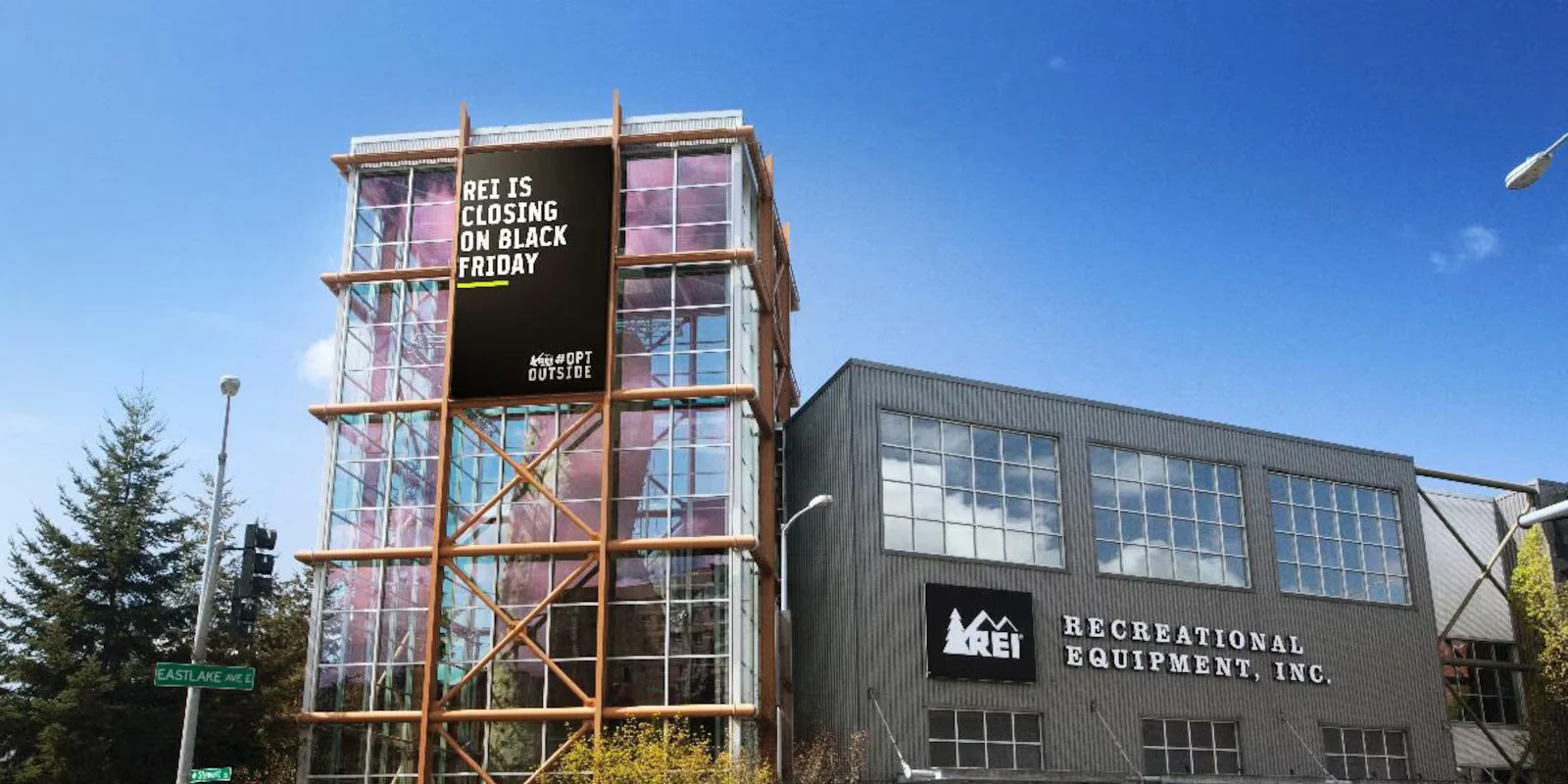
2. The Closed-Store Statement: REI
Embodying a similar spirit of principled stand, outdoor retailer REI launched its #OptOutside campaign in 2015, famously closing all its stores on Black Friday and paying its employees to spend the day outdoors. This audacious move transformed one of the most profitable retail events into a powerful statement about valuing experience over consumption. While few businesses can afford such a radical approach, REI’s success lay in picking a single, relatable theme – the love for the outdoors – and using it to foster deep engagement with its audience. The campaign leveraged social media extensively, inviting customers to share their outdoor adventures using the #OptOutside hashtag, generating immense goodwill and brand loyalty. This approach highlights the power of aligning a brand’s actions with its core values, creating a narrative that transcends mere commercial transactions.
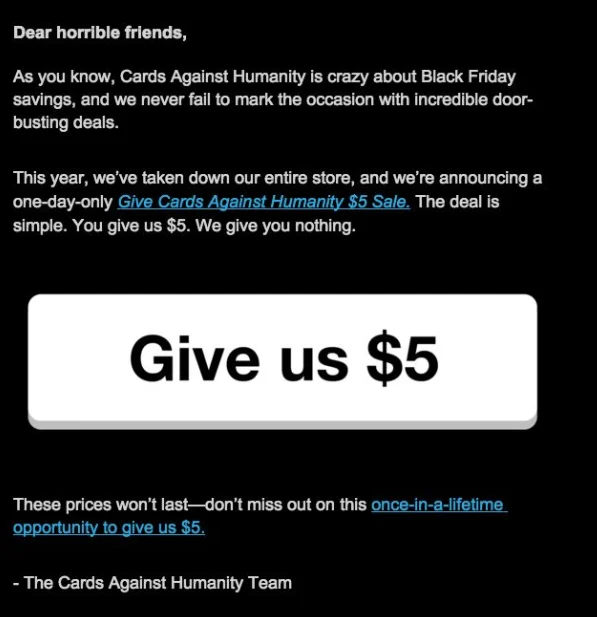
3. The Satirical Prank: Cards Against Humanity
Known for its irreverent humor and anti-establishment persona, Cards Against Humanity executed a Black Friday promotion that perfectly aligned with its brand voice: "Give us $5." Unsurprisingly, fans who participated received absolutely nothing in return. This audacious prank, born from co-founder Max Temkin’s expressed dislike for Black Friday’s commercialism, was a masterful exercise in brand consistency. It wasn’t about making a profit or offering a deal; it was about entertaining their audience and reinforcing their unique identity. This campaign demonstrates that for brands with a distinct voice and loyal following, humor and even mild provocation can be highly effective tools for engagement, cutting through the commercial noise by being refreshingly different.
4. The Circular Economy Initiative: IKEA
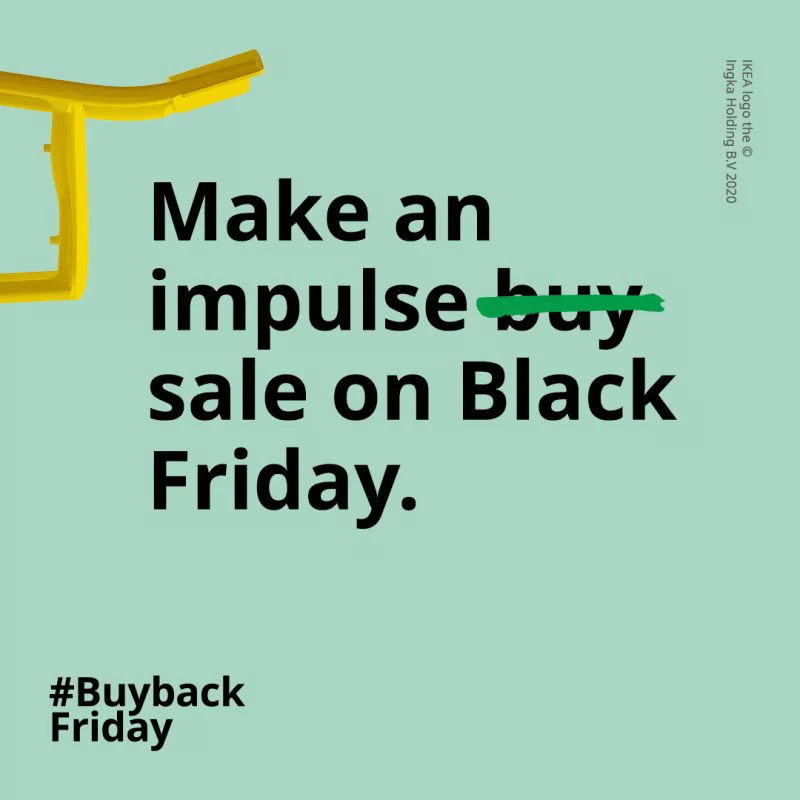
Building on the growing consumer demand for sustainability, IKEA introduced its #BuybackFriday campaign. This innovative initiative incentivized customers to return unused furniture in exchange for store credits, which could then be used for new purchases. This brilliant marketing strategy simultaneously boosted sales and promoted a circular economy model, aligning with contemporary environmental values. IKEA’s approach proved that brands can embrace eco-conscious practices without sacrificing revenue. Furthermore, such a campaign can be strategically positioned as an early-bird offer, rewarding proactive customers and generating positive public relations for the brand’s commitment to sustainability.
5. The Advertainment Series: Walmart
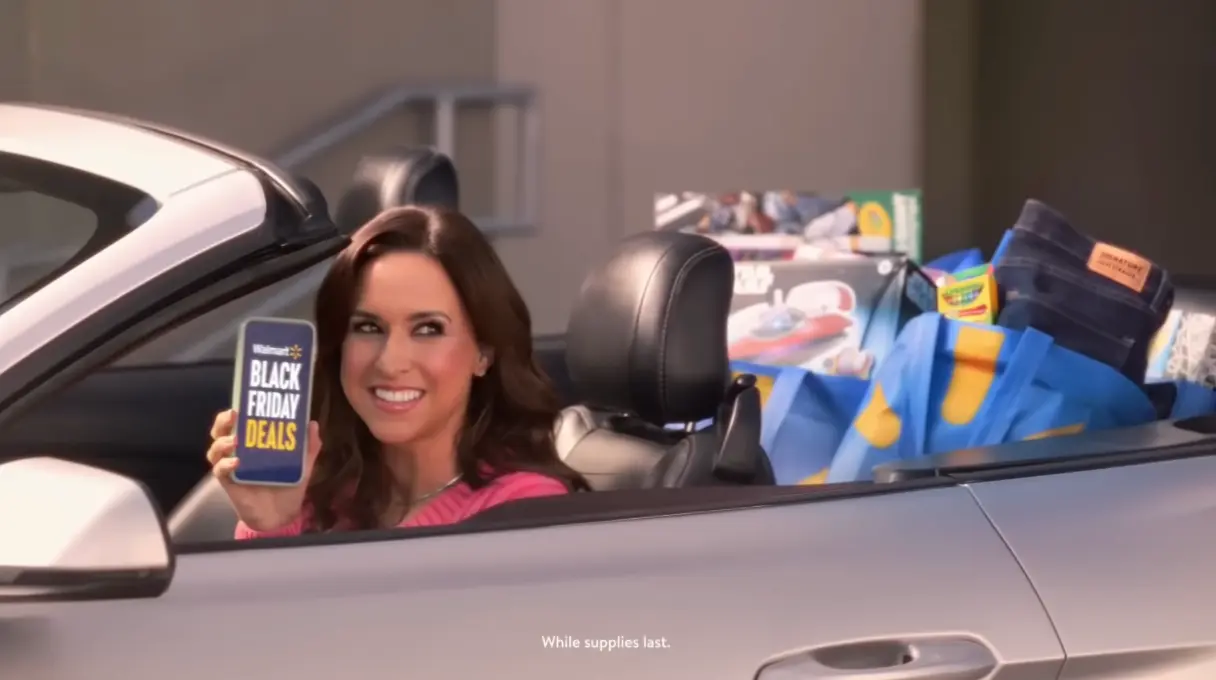
Walmart, a retail giant, demonstrated the power of combining entertainment with seasonal deals through its Black Friday campaign featuring a comedy-driven scripted ad series starring the cast of "Mean Girls." This high-budget, high-impact campaign generated substantial buzz across social media platforms, leveraging the enduring popularity of the movie. While such a large-scale production might be out of reach for smaller businesses, the core lesson is transferable: brands can integrate popular cultural references or create engaging, shareable content (like memes or short-form video series) to connect with audiences before introducing their deals. This "advertainment" approach shifts focus from pure sales pitches to building audience rapport and generating excitement.
6. The Gamified In-Store Experience: Macy’s
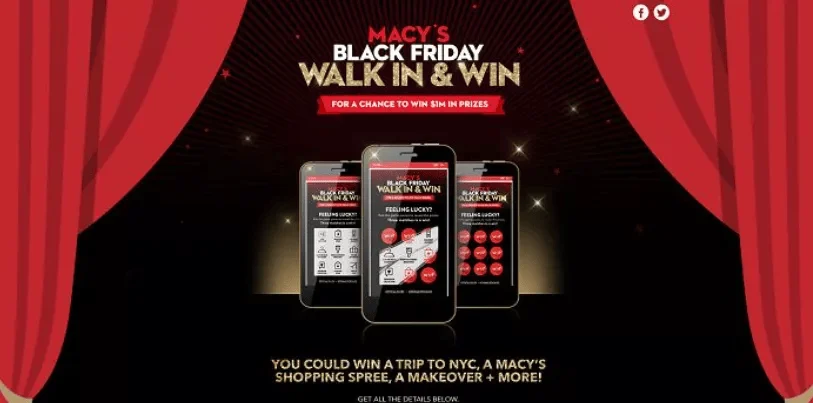
Macy’s, a prominent department store, generated considerable interest with its "Walk in and Win" initiative, a mobile giveaway game designed to engage customers in stores prior to the BFCM weekend. This campaign effectively blended early access strategies with gamified elements, creating an exciting interactive experience. The principle of gamification, whether through a "Wheel of Fortune" popup on a website or an in-store mobile game, can significantly incentivize customer participation and repeat visits. By clearly communicating the benefits and prizes, brands like Macy’s can leverage gamification to grow their customer lists and drive both online and offline engagement.
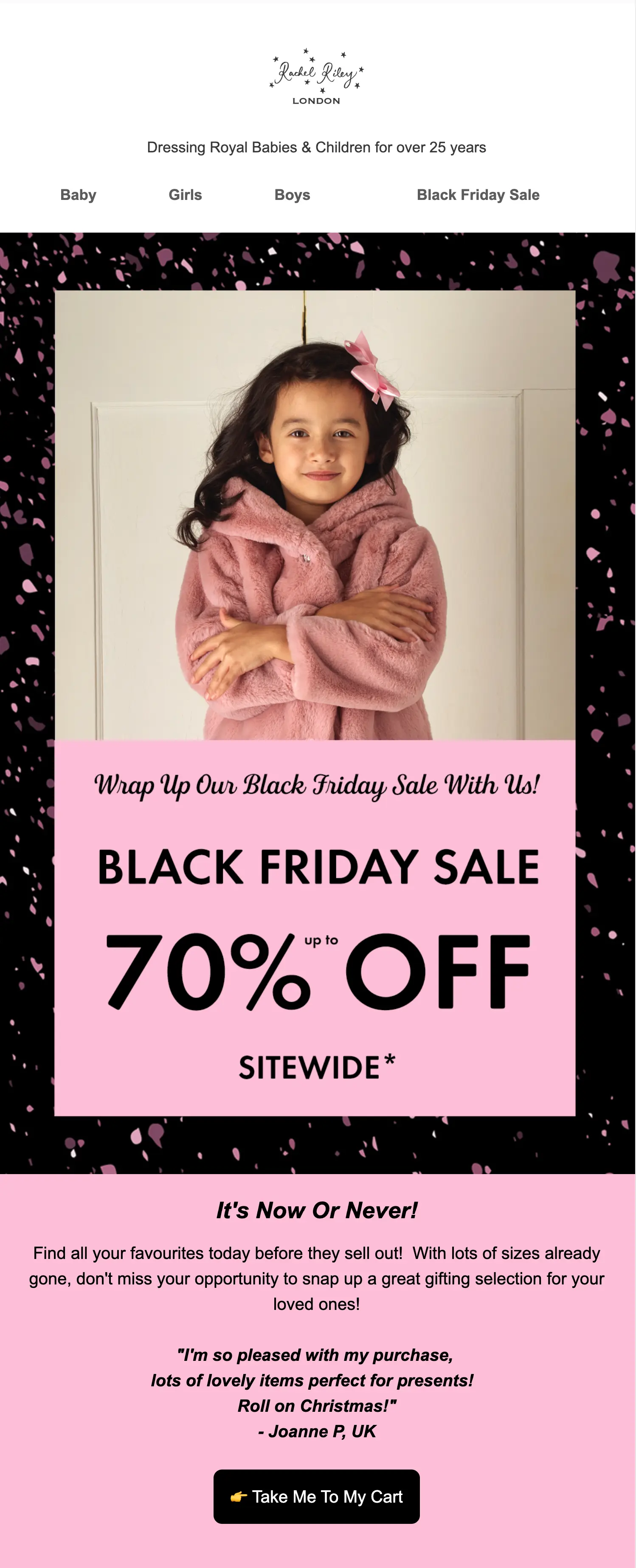
7. The Month-Long VIP Campaign: Rachel Riley
Rachel Riley transformed the conventional Black Friday sale into an extended, month-long campaign. This strategy commenced with offering 24 hours of early access to active subscribers, generating a sense of urgency and exclusivity. This was followed by a series of relevant communications throughout the month, culminating in a "last chance" email. This phased approach allows brands to build anticipation, reward loyalty, and maintain engagement over a longer period. For brands looking to emulate this, focusing on segmenting email and SMS lists for VIP access, utilizing pop-up forms for new sign-ups, and strategically deploying "last chance" messages can significantly boost engagement and revenue, as Rachel Riley notably achieved a 77% year-over-year BFCM revenue growth with this strategy.
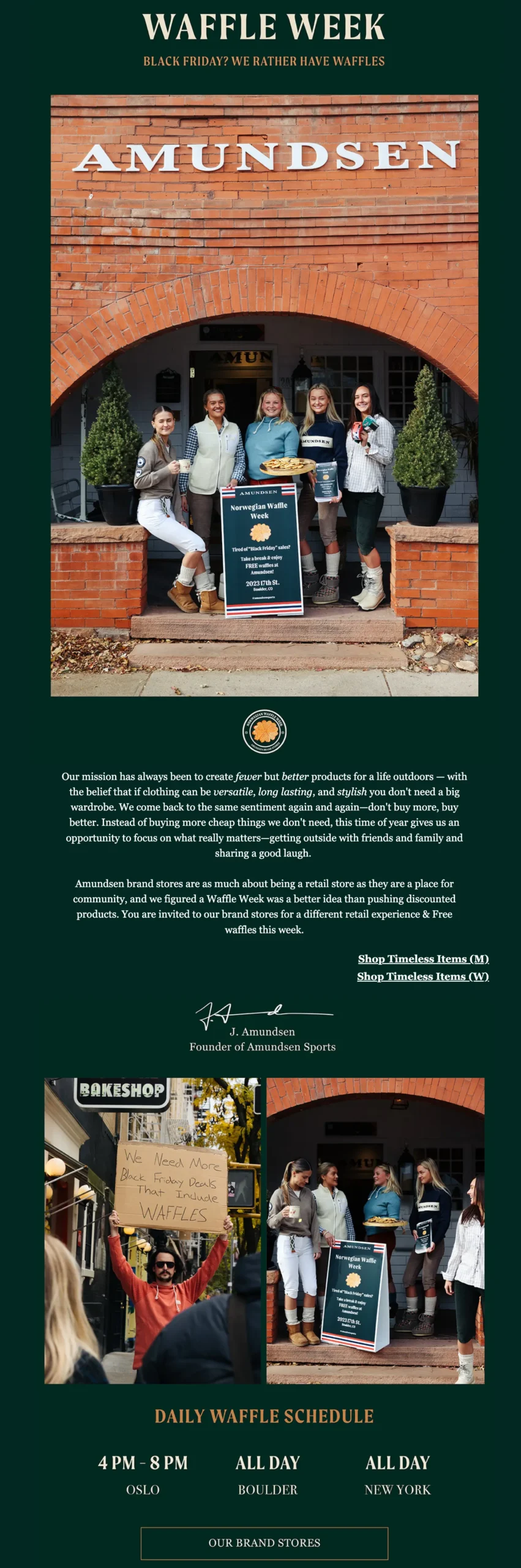
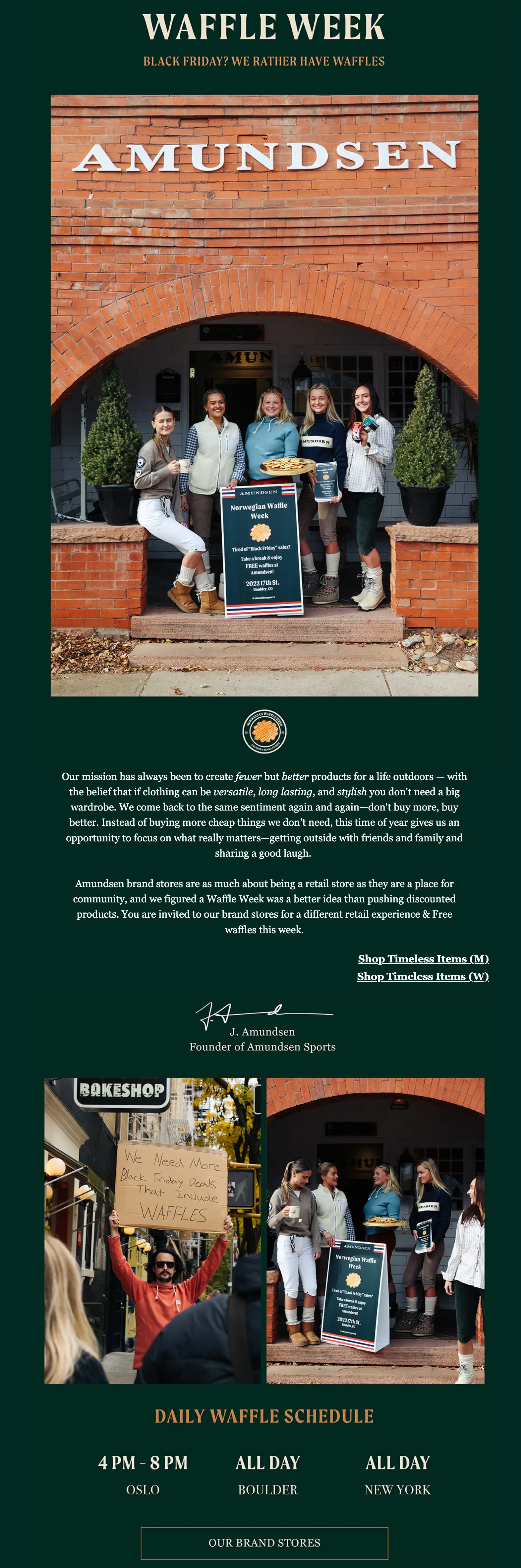
8. Value Over Discount: Amundsen’s "Waffles" Campaign
Amundsen, a brand deeply rooted in its outdoor heritage, took an unconventional approach by focusing on a "Waffle Week" campaign rather than overt discounts. Their Black Friday email, opening with a playful nod to waffles and the brand’s familiar outdoor concept, eschewed aggressive discount messaging. The call-to-action was simply "Shop Amundsen," maintaining the brand’s premium status and avoiding price erosion. This strategy is particularly effective for luxury or premium brands that wish to protect their perceived value. Amundsen demonstrated that a genuine brand story and a focus on intrinsic value can resonate more deeply with an audience than a simple percentage off, resulting in significantly higher revenue per email (RPE) from automations.
9. The Gift-with-Purchase Strategy: To’ak Chocolate
To’ak, a purveyor of ultra-premium chocolate, leveraged Black Friday hype not through discounts, but by offering complimentary tasting kits with its chocolate collections. This strategy added perceived value to existing products, allowing the brand to maintain its premium pricing and protect its profit margins. For high-end e-commerce brands, this approach provides a sophisticated alternative to discounting. By pairing a low-cost, high-value gift with favored products, brands can enhance the customer experience without devaluing their core offerings. Automating these offers to be sent after a customer makes a purchase further streamlines the process and reinforces customer loyalty, as evidenced by To’ak Chocolate earning nearly 40% of its email revenue from automation.
*10. The Bold Flash Sale: BWEAR*
For value-driven brands, a bold and straightforward flash sale remains a highly effective Black Friday tactic. BWEAR’s Black Friday email exemplifies this approach, featuring minimal copy and clear, fixed price points (e.g., "50% off crews, $20 hoodies, $12 tees"). This strategy capitalizes on an established brand reputation where customers anticipate direct, significant discounts. The key to success here lies in creating a clean, mobile-friendly email design that prioritizes visual impact and easily digestible price information. Pairing such an email with targeted SMS marketing can amplify urgency, framing the offers as genuine limited-time opportunities and driving impressive sales figures, with B*WEAR driving up to 40% of its online sales through email.
Broader Implications and Future Trends
The diverse range of successful Black Friday campaigns highlights a significant evolution in retail strategy. The era of generic, blanket discounts is waning, replaced by a more nuanced approach centered on creativity, authenticity, and sophisticated customer segmentation. Retailers are increasingly recognizing that the BFCM period is not just about short-term sales spikes but also about long-term customer lifetime value and brand equity.
For retailers, the implications are clear:
- Differentiation is Key: Standing out in a crowded market requires unique value propositions or engaging brand narratives.
- Data-Driven Personalization: Leveraging customer data for highly segmented email and SMS campaigns, personalized offers, and tailored content is no longer optional.
- Ethical Consumerism: Brands that align with consumer values, particularly around sustainability and social responsibility, can build deeper connections and foster loyalty.
- Experiential Marketing: Creating memorable experiences, whether through gamification, entertainment, or community engagement, can drive buzz and participation beyond transactional incentives.
For consumers, this evolution offers a more diverse and potentially more meaningful shopping experience. They are increasingly presented with opportunities to support brands that align with their values, engage with entertaining content, and access exclusive offers tailored to their preferences, moving beyond the traditional price-focused hunt for bargains.
Looking ahead, Black Friday campaigns will likely continue to integrate advanced technologies like artificial intelligence for hyper-personalization, augmented reality for immersive product experiences, and even greater emphasis on live shopping and social commerce. The foundational principles, however, will remain: understanding the customer, communicating value authentically, and executing with strategic precision. The brands that consistently achieve the highest return on investment are those that build their strategies around these pillars, supported by robust e-commerce platforms capable of handling complex automations, email, SMS, and on-site engagements, delivering timely and fitting offers rather than generic, one-size-fits-all discounts.