
A robust sales strategy is the bedrock of any successful business, encompassing every facet of the sales journey from identifying and engaging target audiences to implementing effective tools and processes. Far from being static directives, these strategies are dynamic, living documents, continuously refined with fresh data and insights to optimize future sales endeavors. In an increasingly competitive landscape, businesses that invest in a well-defined and adaptable sales strategy are better positioned to achieve sustainable growth and outperform their rivals.
The Strategic Imperative: Why a Sales Strategy is Non-Negotiable
The benefits of a meticulously crafted sales strategy extend across multiple business functions, empowering both sales and marketing teams. For sales representatives, a clear strategy ensures their time is dedicated to the most impactful activities, maximizing productivity and efficiency. Simultaneously, marketing departments can leverage this strategic framework to precisely position the company and its offerings, ensuring resonance with the intended customer base.
Amplifying High-Impact Activities and Eliminating Wasted Effort
Many small and growing businesses grapple with the challenge of consistently generating qualified leads and converting them into revenue. A core tenet of a strong sales strategy is the precise definition of an ideal buyer persona. By understanding who the target customer is, their pain points, and what value propositions resonate most deeply, sales teams can move beyond indiscriminate outreach. This clarity allows for a laser focus on activities that demonstrably drive the sales pipeline forward, such as personalized engagement and value-driven conversations, rather than expending resources on less effective tactics. Research consistently shows that businesses with a well-defined target audience and a clear go-to-market strategy experience higher conversion rates. For instance, a study by HubSpot revealed that companies with closely aligned sales and marketing teams experience a 38% higher sales win rate.

Fueling Revenue Growth and Pipeline Expansion
The pursuit of increased revenue and a robust sales pipeline can be approached through various avenues, including strategic price adjustments or optimizing acquisition channels for higher conversion rates. However, the most sustainable growth is often achieved through a systematic and strategic approach. A well-defined sales strategy provides the roadmap for identifying and capitalizing on these growth opportunities. By understanding customer lifetime value and identifying upsell or cross-sell opportunities within existing accounts, businesses can foster deeper relationships and unlock new revenue streams. Furthermore, by analyzing the effectiveness of different channels and tactics, companies can allocate resources to those that yield the highest return, thereby accelerating pipeline development and revenue generation.
Cultivating Repeatable Systems for Predictable Success
A significant advantage of a comprehensive sales strategy is its ability to standardize and systematize sales processes. This standardization leads to more predictable growth patterns and reduces reliance on anecdotal evidence or individual salesperson intuition. When a particular sales approach, such as offering a product demonstration, demonstrably leads to a significantly higher conversion rate (e.g., 50% higher in the original context), this insight becomes a repeatable action integrated into all sales interactions. This systematic approach ensures that best practices are consistently applied across the entire sales team, leading to a more reliable and scalable sales engine. The ability to replicate successful tactics across all leads, rather than adapting on the fly, fosters an environment of predictable success and continuous improvement.
Navigating the Strategic Landscape: Inbound, Outbound, and Account-Based Marketing
The modern sales environment offers a diverse array of strategies, each with its own strengths and ideal applications. While it’s rarely a matter of choosing one exclusively, understanding the nuances of inbound sales, outbound sales, and account-based marketing (ABM) allows businesses to tailor their approach to their specific market, product, and customer base.
Inbound Sales: Attracting Customers Through Value
Inbound sales strategies are centered on attracting potential customers by providing valuable content and resources that address their needs and interests. This approach deeply integrates sales and marketing efforts, with marketing teams creating and distributing content that educates and engages leads. The process often begins with a lead discovering valuable content, such as a whitepaper or blog post, that piques their interest. Following this initial engagement, sales representatives can then follow up to schedule product demonstrations, delve deeper into the lead’s specific challenges, and offer solutions.
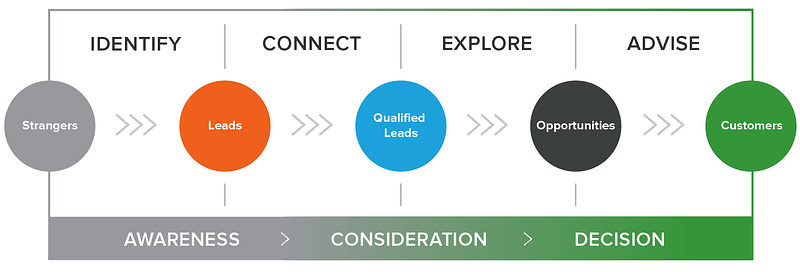
In an inbound model, sales representatives act more as trusted advisors, guiding prospects through the buying journey and ensuring the product or service is a genuine fit for their requirements. This advisory role fosters stronger relationships and builds trust, leading to more informed purchasing decisions. The visual representation of the inbound sales methodology typically illustrates a funnel where awareness, consideration, and decision stages are navigated through educational and problem-solving content.
Outbound Sales: Proactive Lead Generation
Outbound sales strategies, in contrast, involve actively sourcing and contacting potential leads rather than waiting for them to initiate contact. This approach has been the historical backbone of many successful businesses, relying on tactics such as cold emailing and cold calling. For an outbound strategy to be effective, a compelling offer and a seamless sales process are paramount. Furthermore, adherence to regulatory frameworks, such as GDPR for data privacy, is crucial. DemandScience, for instance, offers solutions that assist businesses in sourcing leads in a compliant manner. The success of outbound sales hinges on the ability to identify high-potential prospects and craft personalized outreach that captures attention and initiates a dialogue.
Account-Based Marketing (ABM): Precision Targeting for High-Value Accounts
Account-Based Marketing (ABM) represents a sophisticated strategy that focuses on targeting specific, high-value accounts based on their strategic fit with a company’s product or service. Once these target accounts are identified, highly personalized and relevant content is developed to nurture these leads and facilitate smoother closing processes. ABM campaigns often involve engaging multiple decision-makers within a target organization, aiming to build consensus and provide comprehensive information to streamline the buying process.
This strategy necessitates close collaboration between sales and marketing teams, as campaigns are built around defined target accounts. A practical example of an ABM campaign involves coordinating LinkedIn advertising directed at key accounts with personalized cold email outreach from the sales team. This approach effectively reverses the traditional sales and marketing dynamic by prioritizing the definition of the target audience before developing the campaign. For organizations with the resources and strategic intent, ABM can be a highly effective method for closing significant deals and fostering deep client relationships.

The Blueprint for a Winning Sales Strategy: Key Steps to Implementation
Developing a successful sales strategy requires a structured and thoughtful approach, moving through a series of critical steps to ensure alignment and effectiveness.
Step 1: Deep Dive into Industry, Product/Service, and Buyer Persona
The foundational element of any sales strategy is a profound understanding of the target market and the ideal customer. This involves a thorough analysis of the industry landscape, the unique value proposition of the product or service, and a detailed profile of the buyer persona. Factors such as the Average Contract Value (ACV) significantly influence the choice of sales tactics. Businesses with a low ACV might employ high-volume, less personalized outreach, while those with a high ACV will likely invest in more in-depth, relationship-driven sales processes. Similarly, industry norms dictate the most effective engagement channels, whether it’s traditional trade shows and in-person meetings or digital networking and online sales.
Step 2: Establishing Clear and Measurable Sales Goals
Sales goals must be intrinsically linked to broader company objectives, ensuring that the sales team’s efforts directly contribute to overarching business success. Once overarching sales targets are established, they should be broken down into achievable Key Performance Indicators (KPIs) and individual goals for sales representatives. For example, a goal might be to send 100 targeted cold emails per week. The critical aspect is that these goals should accurately reflect the expected activities of the team and the desired outcomes, providing a clear benchmark for performance.
Step 3: Identifying and Optimizing Key Acquisition Channels
Determining the most effective acquisition channels begins with a deep understanding of the buyer persona. The question to answer is: "Who is our ideal customer, and what is the most effective way to connect with them?" Depending on the target audience, a mix of demand generation strategies can be employed. For businesses selling low-cost, high-volume products (e.g., a $10 per month solution), channels that are less time-intensive for the sales team, such as digital advertising or content marketing, might be more suitable than extensive cold calling. Conversely, for expensive, infrequently purchased items, cold emails can serve as an effective initial touchpoint to educate prospects before a more in-depth phone conversation. The choice of channels should align with the sales cycle and the customer’s buying behavior.
Step 4: Implementing Robust Sales Performance Measurement
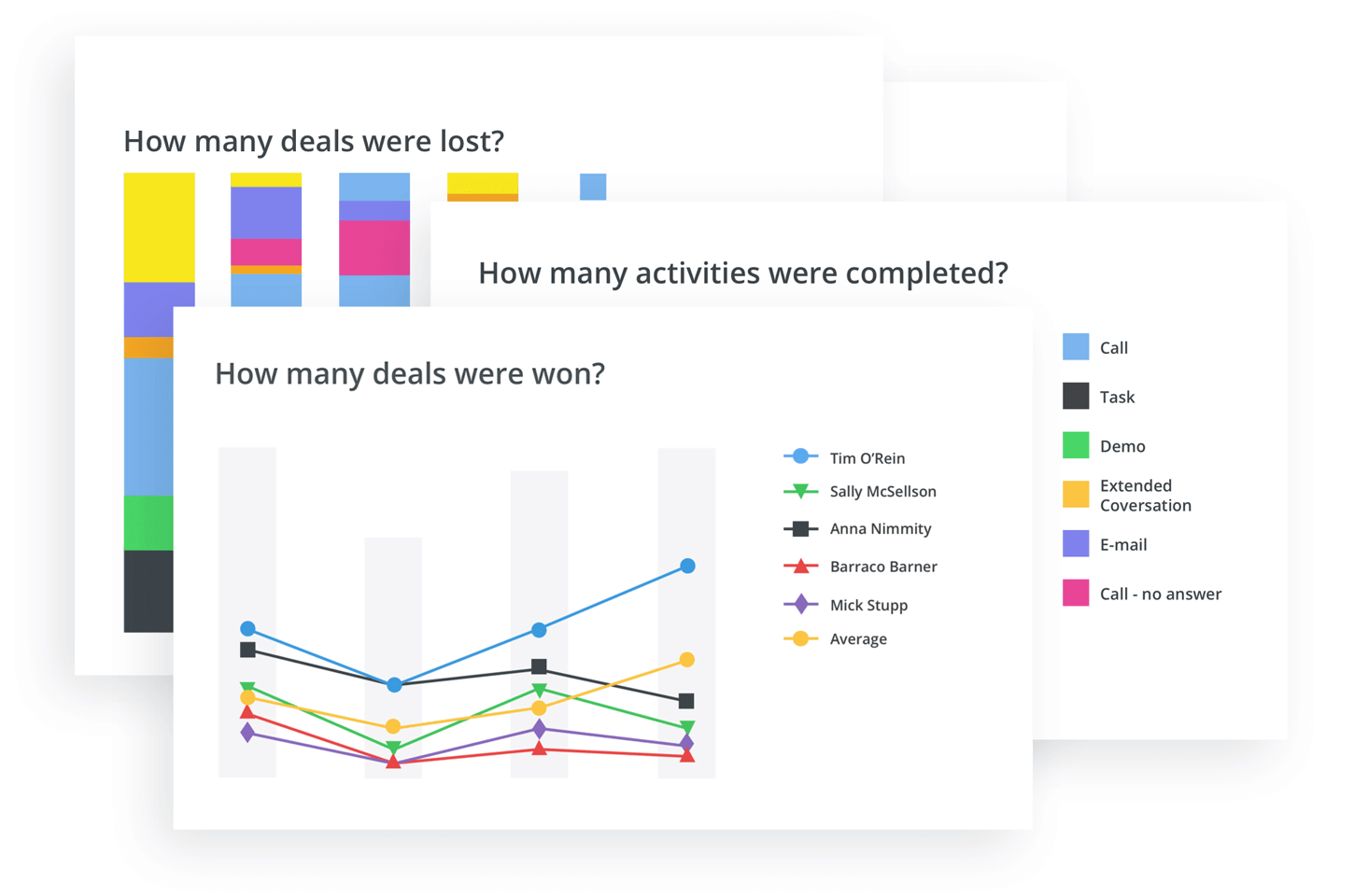
Continuous measurement of all sales activities is essential to gauge progress against established targets and identify what is working and what is not. Without tracking key metrics, valuable resources can be inadvertently wasted on ineffective strategies. While tools like Microsoft Excel or Google Sheets can be utilized for basic goal tracking, dedicated Customer Relationship Management (CRM) systems offer more sophisticated analytics. CRMs such as Pipedrive, HubSpot CRM, and Salesforce provide detailed reports on metrics like cold email open rates, response rates, and revenue forecasts. Over 50% of sales teams report improved productivity when utilizing a CRM for tracking their work, underscoring the importance of these systems in ensuring efficient time utilization and validating the effectiveness of sales strategies.
Step 5: Leveraging Automation for Enhanced Efficiency
Once a sales strategy proves effective, automating repetitive processes becomes a crucial step in scaling operations and freeing up sales representatives’ time. Automation helps manage the increasing workload that accompanies successful sales efforts, allowing representatives to focus on engaging with promising leads. Solutions that automate lead list creation, based on detailed buyer persona criteria such as job titles, industries, and company size, significantly reduce manual prospecting time. Tools that identify website visitors and enable immediate follow-up, like Lead Forensics, further streamline lead generation. Lead scoring, a process that assigns a score to leads based on their interactions with the brand, can also be automated through many CRMs. This ensures sales teams can prioritize their efforts on the most engaged and sales-ready prospects.
Continuous Optimization and the Enduring Value of Existing Customers
Refining the Sales Strategy for Peak Performance
The dynamic nature of the market necessitates ongoing optimization of sales strategies to ensure continued effectiveness and efficient resource allocation. This involves identifying underperforming aspects of campaigns and systematically addressing them. For instance, if cold email open rates are consistently low, the underlying issues could lie with the subject line’s effectiveness or the relevance of the email’s content. By systematically altering one variable at a time and monitoring the impact on outcomes, businesses can iteratively improve their outreach efforts.
Nurturing the Existing Customer Base: A Lucrative Opportunity
It is imperative to remember that existing customers represent a highly valuable, yet often overlooked, asset. Statistics indicate that businesses are significantly more likely to make a sale to an existing customer than to a new one, with some estimates suggesting a 60-70% higher probability. Maintaining high levels of customer satisfaction is therefore critical, as avoidable customer churn results in substantial financial losses for companies, exceeding billions of dollars annually in the US alone. Strategies focused on customer retention, loyalty programs, and proactive customer service can yield a higher return on investment than solely focusing on new customer acquisition. The enduring value of a loyal customer base cannot be overstated, forming a stable foundation for sustained business success.