The strategic integration of social proof within email marketing campaigns has emerged as a critical driver for increasing clicks, boosting signups, and ultimately generating higher sales. This technique, rooted in fundamental psychological principles, operates effectively across the entire customer journey, from initial subscription forms and welcome sequences to targeted promotional messages. By showcasing the positive experiences and endorsement of existing customers, businesses can provide compelling, third-party validation that significantly influences prospective clients.
The Psychology Behind Social Proof: Robert Cialdini and the Power of Influence
At its core, social proof is a psychological phenomenon extensively documented by Dr. Robert Cialdini in his seminal work, "Influence: The Psychology of Persuasion." It posits that individuals tend to conform to the actions of others under the assumption that those actions reflect correct behavior. In marketing, this translates into consumers being more likely to trust and engage with a product or service if they see that others, particularly those they identify with, have already done so successfully. This inherent human tendency is closely linked to the "fear of missing out" (FOMO), where the perceived popularity or success of others can create a sense of urgency and desire to participate.
When faced with a decision – whether to subscribe to a newsletter, purchase an online course, or try a new software platform – individuals often seek external validation. While a personal recommendation from a friend or family member remains the most potent form of endorsement, the digital age frequently necessitates relying on the "next best thing": evidence from strangers. This includes online reviews on platforms like Trustpilot or Google, comments on social media, or aggregated statistics like "trusted by 300,000 creators." This collective evidence serves to persuade potential customers far more effectively than any self-promotional claims a company might make, shifting the narrative from "we claim our product is great" to "others already confirm our product is great." Research consistently supports this, with various studies indicating that a significant majority of consumers – often cited as over 88% – trust online reviews as much as personal recommendations, and that displaying social proof can increase conversion rates by as much as 15%.
Evolution of Trust: From Word-of-Mouth to Digital Endorsements
The concept of social proof is not new; it has merely evolved with technological advancements. Historically, word-of-mouth referrals were the primary mechanism through which businesses built reputations and attracted new customers. A satisfied customer sharing their experience with friends was invaluable. The advent of the internet and subsequently, social media, transformed this intimate, one-to-one or one-to-few communication into a scalable, one-to-many phenomenon. Online review sites, social media platforms, and community forums became digital gathering places where consumers could share experiences, opinions, and recommendations with a vast, anonymous audience.
This evolution has made it imperative for businesses to actively manage and leverage their online reputation. Prospects are no longer passively exposed to marketing messages; they actively seek out independent verification. The question for marketers is no longer if prospects will look for proof, but where they will find it. By proactively integrating social proof into controlled channels like email, businesses ensure that this crucial validation is presented directly and strategically, rather than leaving potential customers to search for it in potentially uncontrolled or negative environments.
Diverse Forms of Digital Social Proof and Their Strategic Application
The modern marketing toolkit offers a wide array of social proof types, each with unique strengths and optimal applications:
-
Customer Reviews: These are direct feedback from users on third-party platforms such as Trustpilot, Google Reviews, Yelp, Amazon, or Facebook. They offer unbiased perspectives and are highly trusted due to their perceived authenticity. Businesses with an established presence likely possess a wealth of these. Integrating snippets or star ratings from these platforms can significantly enhance credibility.
-
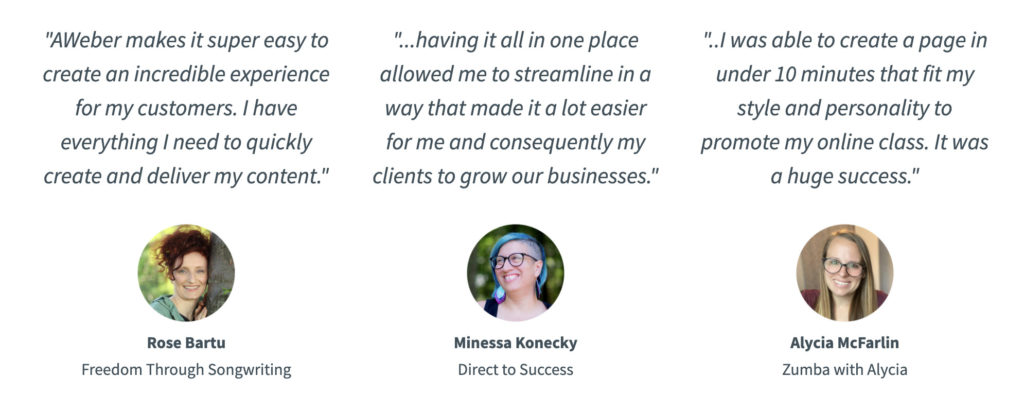
Testimonials: Unlike reviews, testimonials are quotes directly solicited from happy customers, often accompanied by their name, photo, and title. These allow businesses to highlight specific benefits or success stories in a curated manner. The inclusion of a picture and professional designation (e.g., "Sarah M., Founder of a 6-figure Etsy shop") dramatically increases their credibility over anonymous quotes.
-
Case Studies: These provide a detailed, narrative account of a customer’s journey, illustrating their initial challenges, how your product or service provided a solution, and the measurable results achieved. Case studies are particularly effective for high-value products or services where a deeper dive into the transformation is necessary to convince potential buyers.
-
Customer Data/Numbers: Quantitative proof, such as "join 25,000 subscribers," "4.8/5 stars from 2,000 reviews," or "used by 10,000 businesses," leverages the power of popularity and scale. These figures immediately communicate widespread adoption and trust, appealing to the human tendency to follow the crowd.
-
Social Media Feedback: Screenshots of positive posts, comments, mentions, or shout-outs from real users on platforms like X (formerly Twitter), Instagram, or LinkedIn offer raw, authentic endorsements. Their organic nature can resonate strongly with audiences, showcasing genuine enthusiasm.
-
Expert and Influencer Endorsements: Recommendations from recognized authorities or popular figures within a specific industry. If your target audience trusts a particular expert or influencer, their endorsement can lend significant credibility and accelerate adoption, leveraging the halo effect of their established authority.
-
Award and Trust Badges: Displaying industry awards, certifications, security badges (e.g., SSL certificates, payment security logos), or inclusion in "best of" lists signals reliability, quality, and adherence to industry standards. These visual cues build trust and alleviate concerns about security or legitimacy.
-
User-Generated Content (UGC): Photos, videos, or creative content produced by customers using your product. UGC is incredibly powerful because it’s authentic, relatable, and demonstrates real-world application, often inspiring aspirational purchasing decisions.
Even new businesses, lacking extensive review histories, can begin with social proof. Simple customer data, such as "join 500 subscribers," or a single, compelling testimonial from an early happy customer can initiate the process of building trust. The key is not necessarily the volume of proof, but its credibility and relevance.
Strategic Integration: A Chronology of Social Proof in the Email Marketing Funnel
Effectively deploying social proof requires strategic placement throughout the customer lifecycle. Here are five critical points within the email marketing funnel where social proof can yield maximum impact:
-
Pre-Subscription: Optimizing Signup Forms and Landing Pages
Before a prospect even enters your email list, they weigh the value proposition of sharing their contact information. A testimonial strategically placed next to or directly above a signup form on a blog, landing page, or website addresses the silent question every visitor asks: "Is this worth my inbox?" The most effective testimonials here specifically highlight the value derived from your emails or newsletter. For instance, a quote from a subscriber detailing how your content helped them achieve a specific goal ("Your weekly tips transformed my approach to digital advertising") is far more persuasive than a general product endorsement. Always include a photo, name, and relevant title to enhance authenticity. Modern email marketing platforms, such as AWeber, often offer AI-powered signup form builders that can integrate testimonials seamlessly. -
Onboarding: Reinforcing Value in Welcome Emails
The welcome email is the first impression a new subscriber receives post-signup, and it’s a golden opportunity to solidify their decision and encourage continued engagement. Beyond confirming subscription and setting expectations, a well-placed review or testimonial can significantly boost confidence. This should ideally be a different piece of social proof than what was used on the signup form, providing fresh validation. A third-party endorsement in the middle or towards the end of the welcome email reinforces the value proposition, encourages the subscriber to move your emails out of the promotions tab, and sets the stage for future interactions. This proactive validation helps mitigate buyer’s remorse and reinforces the perceived value of the subscription. -
Conversion: Pairing Sales Pitches with Compelling Evidence
Promotional and sales emails are designed to convert interest into purchases. Integrating social proof directly into these messages can dramatically improve conversion rates. If an email is pitching a financial stability course, it should not only outline the course content and benefits but also feature a testimonial from a former student who achieved a specific, measurable outcome (e.g., "I paid off my student loans eight months after finishing this course"). Such specific, results-oriented testimonials are far more impactful than generic praise. For more complex offerings, building an entire email around a customer’s success story – a condensed case study – can be exceptionally persuasive. This narrative approach allows the customer’s experience to do the heavy lifting, addressing potential objections and illustrating tangible benefits.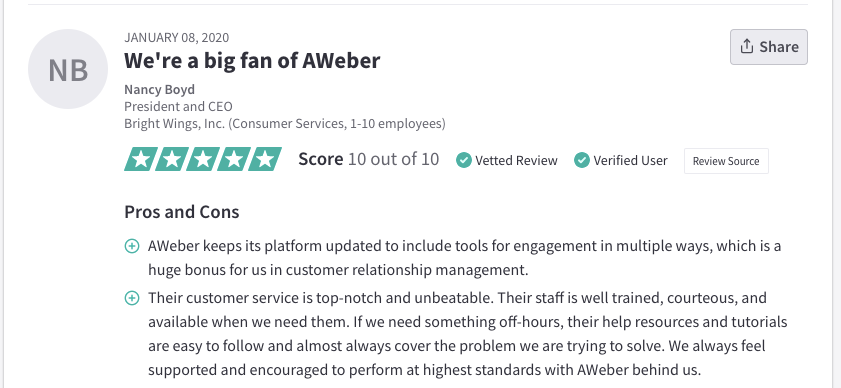
-
Advocacy: Leveraging Trust Badges for Referrals and Shares
Referrals represent the original, organic form of social proof – recommendations from trusted friends. Email campaigns can actively encourage this by including a clear call to action asking subscribers to forward valuable content to friends or colleagues. This request can be bolstered by including award badges, industry certifications, or "best of" list inclusions. When subscribers share content associated with recognized accolades, it not only promotes your brand but also enhances their own credibility among their network, making them more likely to share. This strategy transforms passive subscribers into active brand advocates. -
Re-Engagement: Rescuing Abandoned Carts with Persuasion and Personalization
Abandoned cart emails are crucial for recovering lost sales. When a customer adds an item to their cart but leaves before completing the purchase, an abandoned cart email serves as a reminder and a gentle nudge. Integrating social proof into these emails can provide the final push needed for conversion. A short, impactful testimonial or even a humorous social media post from a satisfied customer can grab attention, lower sales pressure, and remind the prospect of the positive experiences others have had with the product they almost bought. Personalizing this with specific product reviews can be particularly effective, making the proof highly relevant to their unpurchased item.
Ethical Considerations and Authenticity in Social Proof
While the power of social proof is undeniable, its effectiveness hinges on authenticity. Businesses must adhere to ethical guidelines, ensuring that all reviews, testimonials, and data presented are genuine and verifiable. Fabricating reviews or manipulating statistics can severely damage brand reputation and erode customer trust, the very foundation social proof is built upon. Transparency is key; clearly indicating the source of reviews or the context of testimonials builds credibility. Furthermore, actively soliciting feedback and addressing negative reviews constructively can transform potential weaknesses into strengths, demonstrating a commitment to customer satisfaction.
Measuring the Impact and Future Outlook
To maximize the return on investment from social proof, businesses must continuously measure its impact. This involves A/B testing different types of social proof, varying their placement, and analyzing key metrics such as click-through rates, conversion rates, and subscriber engagement. Tracking which forms of proof resonate most with specific audience segments allows for ongoing optimization.
The future of social proof in email marketing is likely to see further integration with advanced analytics and artificial intelligence. AI could personalize social proof, dynamically selecting and displaying the most relevant testimonial or review to an individual subscriber based on their past behavior, demographics, or stage in the customer journey. This hyper-personalization would make social proof even more potent, moving beyond static placements to intelligent, adaptive validation.
In conclusion, social proof is not merely a marketing tactic but a fundamental aspect of human decision-making that, when applied strategically, can profoundly influence email marketing outcomes. By understanding its psychological underpinnings, diversifying the types of proof utilized, and integrating it intelligently across the customer journey, businesses can build stronger trust, foster deeper engagement, and achieve significantly higher conversion rates. The effort required – whether gathering initial testimonials or integrating trust badges – is a foundational investment that compounds with every new visitor and subscriber, ultimately strengthening the brand’s reputation and its bottom line. Platforms like AWeber offer the necessary tools, from AI-powered signup forms to email templates with built-in testimonial blocks, to enable businesses to effectively harness the power of their happiest customers.