Dropshipping on Amazon, a business model that allows entrepreneurs to sell products without holding physical inventory, remains a potent revenue stream in 2026, provided sellers adhere strictly to Amazon’s intricate policies. The e-commerce giant’s impressive revenue, exceeding $742 billion in 2025 according to Macrotrends, underscores its unparalleled reach and potential for connecting sellers with a vast global audience. However, the path to profitability is paved with careful planning, diligent execution, and an unwavering commitment to Amazon’s operational standards. This comprehensive guide delves into the essential steps and considerations for establishing a successful and compliant Amazon dropshipping business, mitigating risks, and maximizing profit margins.
Understanding the Landscape: Legality and Profitability of Amazon Dropshipping
The core premise of dropshipping involves a seller listing products on their Amazon storefront, with a third-party supplier fulfilling the orders directly to the customer. While this model offers significant advantages, including lower startup costs and reduced inventory risk, it is crucial to understand that Amazon has specific rules governing this practice. As of 2026, dropshipping is permissible, but not without stringent requirements. Sellers must act as the "seller of record," meaning they are responsible for customer service, returns, and ensuring all supplier information is concealed from the end consumer. Furthermore, Amazon prohibits purchasing products from other retailers or Amazon sellers for direct fulfillment; instead, a legitimate dropshipping supplier must be involved.
The sheer volume of transactions on Amazon presents a fertile ground for dropshippers. In 2025, Amazon’s revenue figures highlight the immense consumer traffic and purchasing power accessible through the platform. This scale, however, also necessitates a sophisticated approach to competition, customer satisfaction, and operational efficiency. Navigating this environment successfully requires more than just listing products; it demands a strategic mindset, meticulous attention to detail, and a proactive approach to problem-solving.
Foundational Steps for a Compliant Dropshipping Venture
Before embarking on the journey of Amazon dropshipping, a thorough understanding of Amazon’s policies is paramount. The Amazon dropshipping policy, accessible via Seller Central, outlines critical directives that sellers must follow. These include:
- Seller of Record Responsibility: The seller is solely responsible for all aspects of the transaction, including customer service, returns, and product quality.
- Supplier Identification Concealment: It is imperative to ensure that the supplier’s name, branding, or any other identifying information is not visible on the packaging or any included documentation. This maintains the perception that the seller is the direct source of the product.
- Return Management: Sellers are responsible for managing all customer returns, processing them according to Amazon’s policies and their own defined return procedures.
- Legitimate Supplier Engagement: The practice of buying from other retailers or Amazon sellers and having them ship directly to the customer is strictly forbidden. A genuine dropshipping supplier, with whom the seller has a direct agreement, must be utilized.
Beyond policy adherence, developing a concise business plan is a strategic imperative. While it may seem like an antiquated step in a digital age, a business plan forces introspection and research into key areas. This includes identifying profitable product categories, understanding market demand, and meticulously calculating profit margins after accounting for Amazon fees, supplier costs, and marketing expenses. This foundational planning phase is crucial for setting realistic expectations and laying the groundwork for sustainable growth.
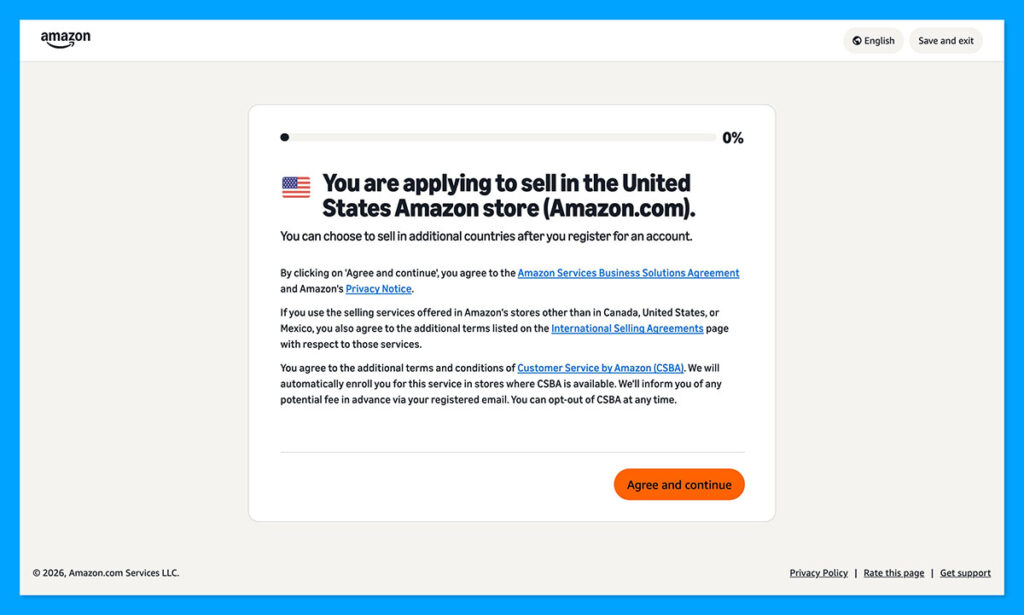
Step 1: Establishing Your Amazon Seller Account
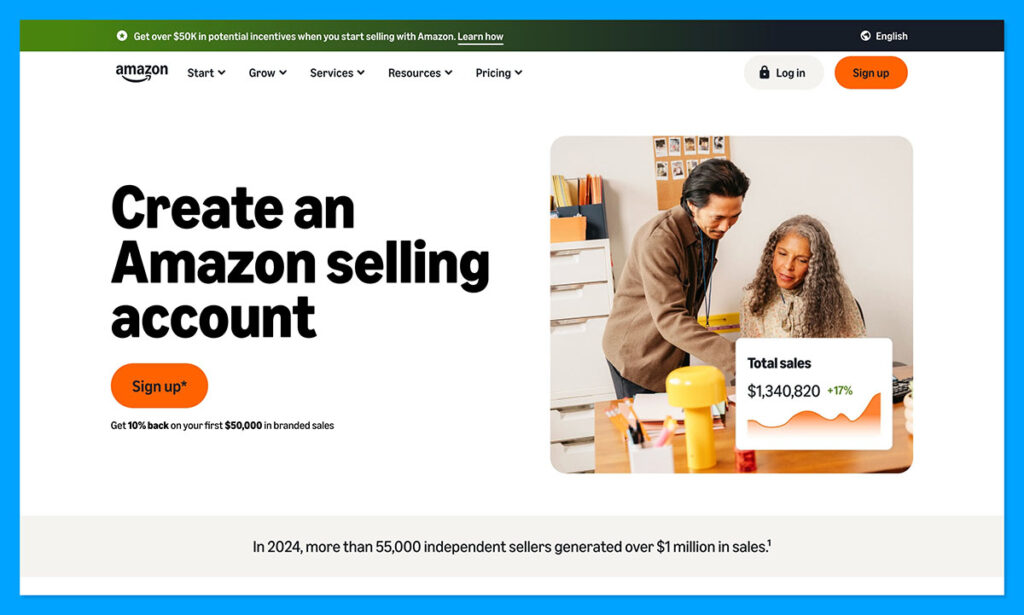
The cornerstone of any Amazon selling venture is a properly configured seller account. Amazon offers two primary selling plans:
-
Individual Plan: This plan is free to set up and is ideal for sellers who are just beginning or anticipate selling fewer than 40 items per month. However, a per-item selling fee of $0.99 is charged for each sale, in addition to other applicable selling fees. This option is excellent for testing the market and understanding the dynamics of selling on Amazon without a significant upfront financial commitment.
-
Professional Plan: This plan incurs a monthly subscription fee of $39.99. It eliminates the per-item selling fee and offers several advantages, including access to advanced selling tools, bulk listing capabilities, advertising options, eligibility for the "Buy Box," and the ability to apply for selling in restricted product categories. For sellers planning to scale their operations, the Professional plan typically becomes more cost-effective and provides essential tools for growth.
The account creation process itself is straightforward. Sellers will be prompted to provide business information, selling details, billing information, store and product specifics, and to verify their identity. Amazon may request a photo of the seller, identification documents, or a brief call with an associate to confirm details. It is advisable to start with the essential information and then gradually refine the account settings, including shipping and return preferences, as you become more familiar with the Seller Central dashboard.
Step 2: Identifying Your Niche and Product Category
Selecting the right niche and product category is a critical determinant of long-term success. While chasing fleeting trends can be tempting, a more sustainable approach involves focusing on areas where you possess existing knowledge or a genuine interest. Categories such as pet supplies, home organization, DIY tools, or arts and crafts often present stable demand.
Amazon’s "Product Opportunity Explorer" is an invaluable tool for market research. It provides insights into search trends, customer reviews, pricing benchmarks, sales volumes, and niche saturation levels, helping sellers identify product features that resonate with buyers. Beyond Amazon’s native tools, leveraging platforms like Google Trends, TikTok, and Reddit communities can reveal emerging interests and unmet market needs. Amazon’s own Best Sellers list can also offer a snapshot of what is currently popular.
The key is not to overwhelm yourself with an expansive catalog from the outset. Instead, focus on identifying niches with demonstrable consumer interest and sufficient market room for new entrants. Once a niche is established, carefully select a few products that offer healthy profit margins after all associated costs are factored in.
Step 3: Strategic Supplier Selection
The choice of supplier is arguably the most crucial element in a dropshipping operation, directly impacting product quality, delivery times, and customer satisfaction. Beyond ensuring the supplier stocks the desired products, several critical factors must be evaluated:
- Compliance with Amazon Policies: The supplier must be willing and able to adhere to Amazon’s dropshipping policies, specifically regarding the removal of their branding from invoices, packing slips, and packaging.
- Product Quality and Reliability: Consistent product quality is essential to minimize returns and negative reviews.
- Shipping Speed and Reliability: Prompt and dependable shipping is vital for meeting customer expectations and maintaining Amazon’s performance metrics.
- Inventory Management: Real-time inventory updates are crucial to prevent overselling and stockouts.
- Return Process Efficiency: A clear and efficient return process is necessary for handling customer inquiries and adhering to Amazon’s return policies.
- Communication and Support: Responsive communication and robust customer support from the supplier are indispensable for resolving issues quickly.
Recommended Suppliers for Amazon Dropshipping
Several platforms and individual suppliers have established themselves as reliable partners for Amazon dropshippers. Among them, dropXL has emerged as a prominent option. This platform provides merchants access to a vast catalog of over 90,000 vidaXL products, spanning categories like furniture, home and garden, sporting goods, office supplies, and pet accessories. A significant advantage of dropXL is its real-time product feed, which updates hourly with current product information, pricing, and stock availability, significantly reducing the risk of overselling.
Utilizing dropXL involves a modest monthly subscription fee of €30, which grants access to their comprehensive product library and operational support. Crucially, there are no commissions on orders. Beyond the product selection, dropXL offers robust assistance with shipping and returns, seamless API integrations for streamlined operations, access to the dropXL Academy for continuous learning, and exclusive premium discounts on products. This integrated approach aims to simplify the dropshipping process for Amazon sellers.
Other notable suppliers include Syncee, a dropshipping and wholesale marketplace that facilitates connections with multiple suppliers. Syncee offers automated payment management, order synchronization, shipment tracking, and extensive product data. However, sellers may have less direct control over packaging and delivery timelines with a multi-supplier model.
CJdropshipping is another viable option, particularly for sellers focused on product sourcing and brand building. It offers features like custom packaging, print-on-demand services, and flexible fulfillment routes. While ideal for developing a branded store, for straightforward Amazon dropshipping, a single, reliable supplier often proves more manageable.
Step 4: Listing Your Products on Amazon
With your chosen niche, products, and supplier in place, the next step is to populate your Amazon storefront. Within Seller Central, navigate to "Catalog" and then "Add Products." If your supplier provides a Global Trade Item Number (GTIN) or product ID, you can search Amazon’s existing catalog. If the product already exists, you will match your offer to the existing listing.
If the product is not found, you will need to create a new listing. This involves meticulously crafting a compelling product description that informs potential buyers, developing concise bullet points highlighting key features and benefits, uploading high-quality images, detailing offer information (pricing, condition), specifying fulfillment details, and including any relevant compliance information.
A good supplier, such as dropXL, will provide a starting point with product images and essential information. However, it is crucial to avoid simply copying and pasting. Titles and descriptions optimized for databases may not resonate with human shoppers. Therefore, rework titles to include keywords that potential customers would use in their searches. Craft detailed descriptions that address customer needs and pain points. For larger catalogs, utilize the bulk upload feature, but always dedicate time to review and refine each listing before it goes live.
Step 5: Efficient Order and Inventory Management
While dropshipping eliminates the need for physical inventory storage, managing orders and inventory remains a critical operational function. The seller is responsible for ensuring seamless synchronization between Amazon, the customer, and the supplier. This involves maintaining accurate stock levels and pricing across all platforms to prevent overselling and stockouts. Promptly providing customers with tracking details is also essential for a positive post-purchase experience.
Amazon closely monitors seller performance metrics. The Order Defect Rate (ODR), which includes negative feedback, A-to-z Guarantee claims, and chargebacks, must be kept below 1%. Exceeding this threshold can lead to account suspension. Similarly, maintaining a late shipment rate below 4% is strongly encouraged. A supplier’s shortcomings can directly impact your seller account’s health, underscoring the importance of a reliable partner.
Regular weekly checks are imperative, including:
- Order Volume and Status: Monitoring incoming orders and ensuring they are processed promptly.
- Inventory Levels: Cross-referencing Amazon’s inventory with the supplier’s to identify any discrepancies.
- Shipping Confirmations and Tracking: Verifying that all orders have been shipped and tracking information is updated.
- Customer Inquiries and Feedback: Responding to customer questions and addressing any negative feedback promptly.
- Supplier Performance: Assessing the supplier’s reliability regarding order fulfillment and shipping times.
dropXL’s hourly feed updates are a significant asset in maintaining real-time inventory and pricing accuracy. However, regardless of the supplier, sellers must be prepared to address customer concerns proactively and maintain open communication channels to resolve any issues that may arise.
Step 6: Scaling Your Amazon Dropshipping Business
Once your initial product listings are live and orders are consistently flowing in, resist the urge to expand too rapidly. Before introducing new products, conduct thorough due diligence:
- Margin Analysis: Re-evaluate profit margins after accounting for Amazon fees, supplier costs, and potential marketing expenses.
- Supplier Track Record: Review the supplier’s recent history for any stock or shipping issues.
- Product Cohesion: Ensure new products align with your existing niche and brand identity.
- Market Trends: Stay informed about emerging trends within your category on Amazon, but avoid adding products solely based on popularity without strategic consideration.
Promotional strategies are vital for sustained growth. While Amazon’s internal advertising can be effective, it operates on a bid mechanism, making it potentially costly for highly competitive products. Exploring alternative promotional channels is often more beneficial. Leverage social media platforms to showcase products, share positive customer reviews, and engage with potential buyers.
Consider establishing your own e-commerce website. This provides greater control over your brand, allows for search engine optimization (SEO) strategies to drive organic traffic, and enables email list building for targeted marketing campaigns. Continuously monitor and optimize your Amazon listings by testing different titles, bullet points, descriptions, and images. Amazon’s Seller Central offers analytics tools to track performance and identify areas for improvement.
Additional Tips for Success:
- Competitive Pricing: Research competitor pricing to ensure your products are attractively priced while maintaining profitability.
- Excellent Customer Service: Respond to inquiries promptly and professionally, and handle returns and issues with empathy.
- Stay Informed: Continuously research Amazon’s policies and industry best practices to adapt to the evolving e-commerce landscape.
- Automate Where Possible: Utilize tools and integrations to automate repetitive tasks, freeing up time for strategic activities.
- Build Relationships: Foster strong relationships with your suppliers to ensure smooth operations and reliable support.
Conclusion: Charting a Course for Sustainable Amazon Dropshipping
Amazon dropshipping remains a viable and profitable business model in 2026, but success hinges on a well-defined strategy and unwavering adherence to Amazon’s operational guidelines. The platform provides unparalleled reach and visibility, but this access does not equate to complete control. Challenges such as supplier stockouts or shipping errors can significantly impact customer experience and seller reputation.
Therefore, a prudent approach involves starting small, focusing on a niche you understand, partnering with a single, trusted supplier, and planning for gradual, sustainable scaling. For sellers targeting high-demand categories like home and garden, furniture, pet supplies, or storage solutions, dropXL offers a compelling proposition. Its extensive product catalog, coupled with real-time data, return handling support, and efficient shipping, provides the essential infrastructure needed to thrive in Amazon’s competitive marketplace. By embracing a strategic, compliant, and customer-centric approach, aspiring entrepreneurs can unlock the significant potential of Amazon dropshipping.