The digital landscape, characterized by an ever-increasing volume of content, has brought the practice of content pruning to the forefront of SEO discussions. What was once heralded by some as a universal panacea for improving site performance is now being re-evaluated through a more critical lens, with leading industry voices emphasizing its context-dependent nature and advocating for strategic alternatives like content consolidation. This shift reflects a maturing understanding of search engine algorithms and a greater appreciation for the intricate relationship between content quality, topical authority, and overall site health.
Content Pruning: A Tool, Not a Panacea, Warns Veteran SEO Barry Adams
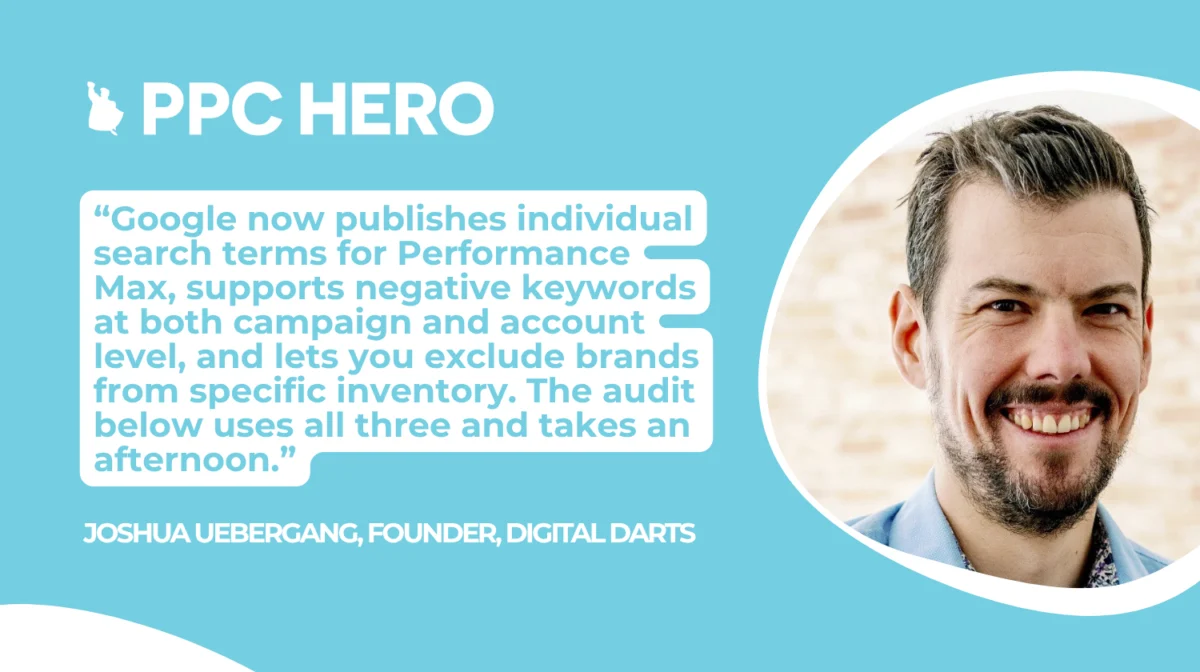
Veteran SEO expert Barry Adams recently ignited discussion within the NewsSEO Slack community, asserting that content pruning is far from an "industry-wide best practice." Adams highlighted the critical distinction between a universally applicable rule and a specialized tool, underscoring the risks associated with its indiscriminate application. "Many SEOs have been proclaiming the virtues of content pruning for many years, with some anecdotal evidence to back up its success," Adams stated. "But there have been plenty of instances where the evidence was very thin, and even where content pruning caused disaster. So it’s not an ‘industry-wide best practice.’ It’s just another tool in a very broad arsenal, and a tool that needs to be applied only when it is the right tool for the job. And that is very context-dependent."
Adams’ cautionary advice resonates with a growing sentiment among SEO professionals who have witnessed both the successes and failures of aggressive content culling. The potential for disaster often stems from a lack of thorough analysis, leading to the accidental removal of pages that, while appearing low-performing in isolation, contribute significantly to long-tail traffic, internal linking structures, or overall topical authority. For instance, a seemingly low-traffic blog post might serve as a crucial internal link hub, funneling authority to more important commercial pages, or it might rank for obscure but high-converting niche keywords. Removing such content without careful consideration can lead to a sudden drop in organic visibility, a phenomenon that can take months to recover from. Furthermore, the loss of pages that have accumulated valuable backlinks over time, even if they no longer drive significant direct traffic, can erode a site’s overall domain authority.
The Case for Consolidation: Ulrik Baltzer’s Preferential Approach
Echoing Adams’ call for a more nuanced approach, Ulrik Baltzer, SEO Manager at TV 2 Danmark, voiced a preference for content consolidation over outright pruning. Baltzer suggested that many situations where pruning is considered might be better served by merging or enhancing existing content. He pointed to major publishers like CNET, implying that even large entities could benefit from this strategy. "Personally, I think [CNET] could stick to 1+2 in their content pruning process without deprecating [content]. By consolidating articles without deprecating unnecessarily, they could retain topical authority and focus their editorial efforts on fewer and better articles going forward."
Baltzer’s argument centers on the principle of topical authority—the perceived depth of expertise a website demonstrates on a particular subject. In an era where Google’s algorithms increasingly prioritize E-E-A-T (Experience, Expertise, Authoritativeness, Trustworthiness), consolidating fragmented content into comprehensive "pillar" articles can send stronger signals to search engines. Imagine a website with ten separate, short articles each covering a small facet of "the history of CPUs." Individually, these articles might struggle to rank. However, by merging them into one meticulously researched, in-depth "mother article" on the complete history of CPUs, the site not only provides a superior user experience but also establishes itself as a definitive resource on the topic. This strategy allows for more efficient allocation of editorial resources, as efforts are concentrated on maintaining and enriching a smaller number of high-value pieces rather than constantly updating a multitude of low-impact pages. The benefits extend beyond SEO, improving user navigation, reducing content duplication, and strengthening internal linking within a consolidated topic cluster.
The Indispensable Role of Testing in SEO Strategy
Amidst these discussions, a fundamental piece of advice surfaced from an unexpected source—a LinkedIn job posting. The wisdom imparted was succinct yet profound: "Don’t accept theories at face value, and enjoy testing to prove the effectiveness of tactics." This directive serves as a crucial reminder that in the dynamic field of SEO, what works for one website or in one industry may not translate directly to another. Google’s algorithms are constantly evolving, and the competitive landscape shifts rapidly, necessitating a culture of continuous experimentation and data-driven decision-making.
The "test, test, and test again" mantra is not merely a suggestion but a critical methodology for validating SEO hypotheses. Before embarking on large-scale content pruning or consolidation efforts, SEO professionals are advised to conduct controlled experiments. This might involve identifying a segment of underperforming content, applying a specific pruning or consolidation strategy to a subset, and meticulously tracking key performance indicators (KPIs) over a defined period. Metrics such as organic traffic, keyword rankings, crawl budget utilization, bounce rate, time on page, and conversion rates must be closely monitored to objectively assess the impact of the changes. Without robust testing, any content strategy, no matter how well-intentioned, risks being based on assumptions rather than proven efficacy, potentially leading to detrimental outcomes. The scientific approach to SEO, which emphasizes forming hypotheses, designing experiments, collecting data, and analyzing results, is the bedrock upon which sustainable growth is built.
A Strategic Framework for Content Evaluation and Action
Given the complexities and potential pitfalls, a structured, data-driven framework is essential for any content evaluation initiative. This framework moves beyond simple deletion and embraces a spectrum of strategic actions designed to optimize content assets.
Phase 1: Comprehensive Site Audit – Unearthing Underperforming Assets
The initial step in any content optimization effort is a meticulous audit to identify struggling content. This involves a deep dive into various performance metrics over a significant period (e.g., 6-12 months) to pinpoint pages experiencing declines or consistently underperforming. Key metrics to analyze include:
- Organic Traffic: Pages with significant drops in organic sessions or consistently low traffic.
- Keyword Rankings: Content that has fallen off the first few pages of search results for its target keywords or never ranked.
- Conversion Rates: Pages that fail to contribute to business goals (e.g., leads, sales, newsletter sign-ups).
- Bounce Rate & Time on Page: High bounce rates coupled with low time on page can indicate irrelevance or poor content quality.
- Backlinks & Internal Links: Content with no inbound links or internal links may signal isolation and lack of authority.
- Crawl Data: Pages frequently crawled by search engines but offering little value can waste crawl budget.
- Date/Timeliness: A site search on Google for mentions of old dates, outdated statistics, or news topics that are no longer relevant is crucial. Content referencing technologies that are obsolete or events from several years ago often requires immediate attention.
Tools such as Google Analytics, Google Search Console, SEMrush, Ahrefs, Screaming Frog, and various site audit platforms are indispensable for gathering this data. The goal is to create an inventory of content, categorized by its current performance and potential for improvement.
Phase 2: Identifying "Quick Wins" Through Optimization and Refresh
Once underperforming content is identified, the next step is to triage. Not all struggling content needs to be pruned; many pieces represent "quick win" opportunities for optimization. This category typically includes content that:
- Has experienced recent drops but still shows some signs of life: This could mean it still ranks for a few relevant keywords, receives some direct or referral traffic, or has a modest number of backlinks.
- Covers a relevant topic but is outdated or poorly optimized: The core subject matter remains valuable, but the execution is lacking.
Content showing these "signs of life" indicates that audiences and search engines still deem the topic relevant, but the specific execution of the content is hindering its performance. These are ideal candidates for updating and optimizing. Actions in this phase might include:
- Refreshing data and statistics: Ensuring all facts and figures are current.
- Expanding content depth: Adding new sections, subheadings, and details to provide more comprehensive coverage.
- Improving readability: Using shorter paragraphs, bullet points, and clear language.
- Optimizing for new keywords: Researching and integrating relevant long-tail keywords.
- Updating media: Replacing old images or videos with fresh, high-quality visuals.
- Enhancing internal linking: Connecting the updated content to other relevant pages on the site.
- Improving user experience: Addressing technical issues, mobile responsiveness, and overall presentation.
Prioritizing these quick wins often yields a higher return on investment, as it capitalizes on existing authority and relevance rather than starting from scratch.
Phase 3: Strategic Actioning: From Deprecation to Consolidation
For the remaining content that shows little to no performance, or is fundamentally irrelevant, a definitive decision must be made. This phase involves assigning a specific action based on a deeper analysis of each piece’s value, potential, and historical performance. The primary actions include:
- Delete and Redirect (301): This is for content that is completely outdated, irrelevant to current business goals, has no significant backlinks, and no discernible traffic. A 301 redirect should be implemented to send users and search engine bots to the most relevant existing page on the site. If no truly relevant page exists, redirecting to a broader category page or even the homepage is preferable to a 404 error. The rarer 410 "Gone" status code can be used for content that is permanently and intentionally removed, signaling to search engines not to check back.
- Noindex, Nofollow: This action tells search engines not to index the page (keep it out of search results) and not to follow any links on it. It’s suitable for low-value but necessary content (e.g., privacy policies, internal search results pages, login pages, duplicate content from pagination) that should remain accessible to users but not consume crawl budget or dilute SEO signals.
- Merge/Consolidate: As advocated by Ulrik Baltzer, this is a powerful strategy for combining multiple weak or fragmented articles into one comprehensive, authoritative piece. This involves identifying articles that cover similar or related topics, extracting the most valuable information from each, and synthesizing it into a single, enriched article. All deprecated URLs should then be 301-redirected to the new consolidated page, transferring any accumulated link equity and signaling to search engines the presence of a superior resource. This approach strengthens topical authority, improves user experience, and streamlines content management.
- Rewrite/Reimagine: For content that has fundamental flaws but addresses a highly relevant and valuable topic, a complete rewrite or reimagining might be necessary. This goes beyond simple updates and involves restructuring the content, changing its angle, or targeting a different keyword set to better meet user intent and search engine expectations.
The decision-making process for each piece of content should be guided by a matrix considering factors such as organic traffic, existing backlinks, keyword performance, relevance to business goals, and the freshness of the information.
Beyond the Tactic: Aligning Content with Business Objectives and Audience Needs
Ultimately, content pruning, consolidation, or any content strategy must transcend mere technical SEO tactics and align with broader business objectives and target audience needs. The two fundamental questions posed in the original discussion remain paramount:
- Is your content really relevant to your target audience? In the pursuit of growth and visibility, businesses can sometimes lose sight of their core audience, publishing content on a vast array of topics that dilute their brand identity. Maintaining focus on what truly serves the core audience ensures that content efforts contribute to building a loyal following and establishing genuine authority in a specific niche.
- Is your content helping you achieve a goal? Every piece of content should have a clearly defined purpose, whether it’s to rank for specific keywords, attract high-quality backlinks, drive conversions, educate users, or support customer service. Content created merely for the sake of publishing, without a clear objective, is often a drain on resources and contributes to content bloat.
By continuously asking these questions, organizations can cultivate a content ecosystem that is lean, relevant, authoritative, and effective. This strategic mindset fosters a culture of content stewardship, ensuring that every asset on a website works synergistically towards achieving measurable business outcomes.
The Future of Content Strategy: Continuous Optimization and Data-Driven Decisions
The evolving discourse around content pruning underscores a critical truth in SEO: there are no silver bullets. Instead, success hinges on a blend of deep analytical insight, strategic planning, and a willingness to test and adapt. The guidance from Barry Adams, Ulrik Baltzer, and the anonymous LinkedIn post collectively champions a sophisticated approach to content management—one that eschews dogma in favor of data-driven decision-making and a profound understanding of a website’s unique context. As search engines continue to refine their ability to assess content quality and relevance, organizations that embrace continuous optimization, prioritize user value, and rigorously test their strategies will be best positioned to thrive in the complex digital landscape. Maintaining a well-curated, high-quality content library is not a one-time project but an ongoing commitment that yields sustained rewards.