Understanding Model Context Protocol (MCP)
At its core, a Social Media Model Context Protocol (MCP) acts as a sophisticated bridge, forging a seamless connection between an AI assistant, such as Claude, ChatGPT, Google Gemini, or Microsoft Copilot, and the diverse suite of tools a social media team utilizes daily. Traditionally, AI assistants operate within the confines of the information explicitly fed into their chat interfaces. To analyze last month’s top-performing posts, for example, a social media manager would need to painstakingly retrieve the relevant data, copy it, and then paste it into the AI, hoping no critical piece of information was overlooked.
MCP eliminates these friction points by granting the AI assistant a broader, more dynamic understanding of the operational context. Instead of being an isolated conversational partner, the AI can "follow" the user across various integrated tools, including content calendars, comprehensive analytics dashboards, and social listening platforms. This continuous access to real-time, relevant data transforms the AI from a mere query processor into an intelligent, informed collaborator.

The distinction between MCP and a traditional Social Media API is crucial for appreciating its innovation. An Application Programming Interface (API) functions as the underlying "plumbing" that enables two different software applications to communicate. However, integrating an AI tool via an API typically requires developers to write custom code for each specific connection. This bespoke development can be time-consuming and resource-intensive, especially as new AI models and social media tools emerge.
Lily Tewolde, AI Product Manager at Mela AI, highlights the practical difference: "The practical difference is that you’re not writing custom integration code for every new tool, and the model can chain several together to finish one task." An MCP, conversely, presents the AI assistant with a "menu" of available tools and predefined instructions on how to interact with them. This allows the AI to autonomously select and utilize the appropriate tool for any given task, orchestrating a sequence of actions across multiple platforms without requiring continuous manual intervention or custom coding. This architectural shift marks a significant leap towards more autonomous and context-aware AI agents in social media management.
The Transformative Power of Contextual AI in Social Media
The implementation of MCP fundamentally changes how social media teams interact with AI, providing assistants with genuine context rather than fragmented, manually input information. This contextual awareness delivers several profound benefits that enhance productivity, analytical depth, and strategic agility.

1. Eliminating Tedious Busywork:
The process of feeding social media data into an AI chatbot often resembles a mini-administrative project. It involves exporting reports, uploading files, posing a question, and then repeating the entire cycle for subsequent inquiries or weekly updates. This repetitive data handling consumes valuable time that could be better spent on strategic thinking and creative execution. With MCP, the AI assistant maintains persistent access to the data residing within social media tools. This means no more exhaustive explanations of an entire social strategy or uploading another spreadsheet every time a new chat session begins. Industry reports frequently highlight that automating routine data transfer can reduce administrative overhead by 20-30%, freeing up social media managers to focus on higher-value tasks like content strategy and audience engagement.
2. Delivering More Actionable AI Responses:
Without direct access to a brand’s actual social media data, AI chatbots can only offer generalized advice. While potentially useful, such advice lacks the specificity required to drive meaningful, brand-aligned actions. MCP imbues the AI assistant with real context, enabling it to provide highly tailored and actionable insights. For instance, it can pull top-performing posts directly from analytics, identify content gaps in the editorial calendar based on past performance, or even suggest optimal posting times by analyzing historical engagement patterns. This translates into AI-generated answers that are deeply rooted in the brand’s unique content, audience demographics, and performance metrics, leading to more effective campaigns and better resource allocation.
3. Consolidating Workflows into a Single Interface:
Social media management has historically been a fragmented discipline, requiring marketers to navigate multiple platforms and dashboards. Checking analytics in one tool, managing content in another, and drafting posts in a separate document is a common, albeit inefficient, reality. MCP allows the AI assistant to collaborate across this entire spectrum of tools. Imagine checking last week’s performance numbers, generating several campaign ideas, and drafting the corresponding social posts—all within the same chat interface. This level of integration streamlines the workflow, reduces context switching, and fosters a more cohesive and productive environment for social media professionals.
Practical Applications of MCP in Social Media Marketing
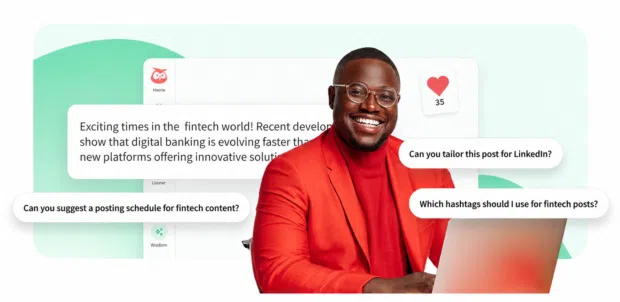
A social media MCP server empowers AI assistants to interact directly with your brand’s social data and tools, enabling a wide array of practical use cases that drive efficiency and innovation.
1. Data-Driven Content Brainstorming:
Traditional AI brainstorming often starts from a blank slate. MCP provides a superior foundation by giving the AI assistant immediate access to actual social data. Instead of generic prompts, marketers can ask for three new post ideas inspired by their highest-performing carousel, or instruct the AI to identify common thematic threads across successful posts. The assistant can then adapt these ideas for specific platforms, tailoring the tone and length for Twitter/X, LinkedIn, or TikTok, ensuring brand consistency while optimizing for platform-specific nuances. This capability moves AI brainstorming from theoretical suggestions to data-backed, actionable content concepts.
2. Streamlined Cross-Platform Content Scheduling:
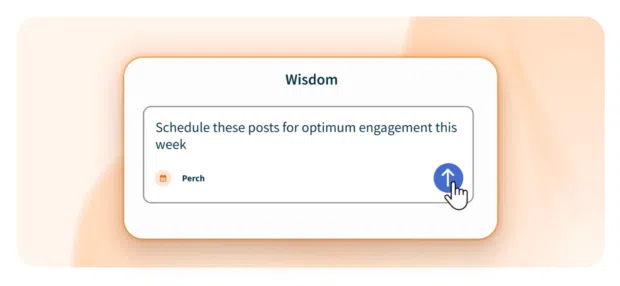
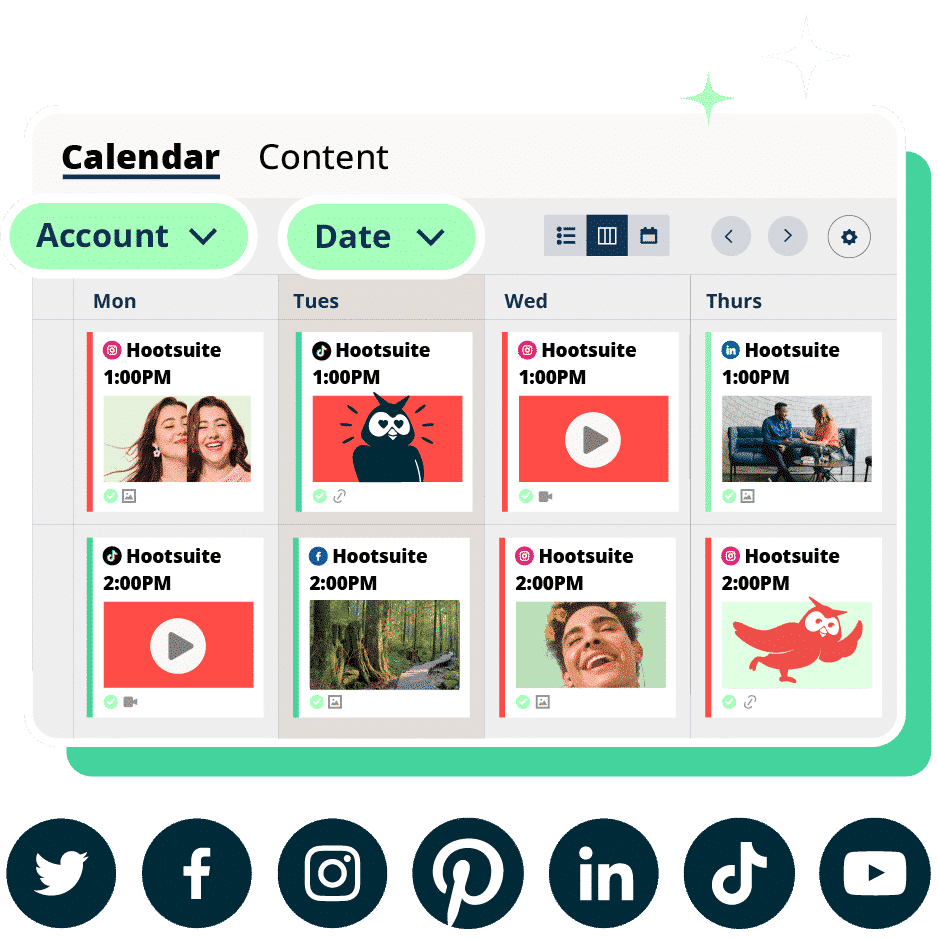
MCP can establish a direct link between an AI assistant and social media scheduling tools, significantly simplifying cross-platform content distribution. A connected assistant can be instructed to identify open slots in the content calendar, schedule new posts, or even adjust campaign timelines with a simple command. This automation reduces the manual effort involved in managing complex content schedules across multiple social networks, ensuring timely and consistent content delivery.
3. Instant Social Analytics Access:
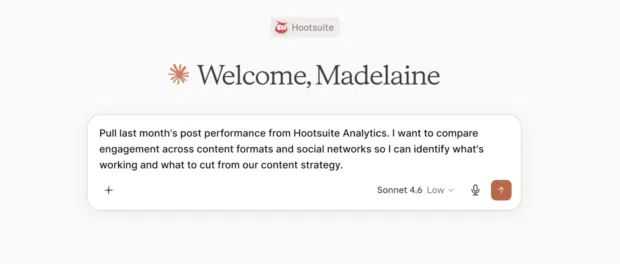
Social media analytics dashboards are rich sources of insight, but extracting specific answers can be time-consuming. An MCP connection provides the AI assistant with direct access to this data, allowing marketers to query it as they would a human colleague. For example, a manager could ask:
- "What were our top 5 performing posts on Instagram last month, ranked by engagement rate?"
- "How has our audience sentiment on X (formerly Twitter) changed since the last product launch?"
- "Identify trends in follower growth across Facebook and LinkedIn over the past quarter."
- "Which content formats are driving the most conversions on TikTok?"
This direct interrogation of data provides rapid insights, enabling quicker, more informed decision-making.
4. Automated, Plain-Language Reporting:
Raw spreadsheets of social metrics are often unreadable and unengaging for stakeholders. MCP equips the AI assistant to transform dense data into coherent, human-readable reports. Marketers can ask for a weekly performance summary, an explanation of week-over-week changes, or flags for any anomalies that warrant investigation. The AI can also uncover hidden patterns, such as Instagram Reels consistently outperforming carousels, or specific posting times emerging as peak engagement windows. This capability democratizes data insights, making them accessible and actionable for a broader audience within the organization.
Key Considerations for Adopting an MCP Solution
Selecting the right MCP server is crucial for maximizing AI utility while maintaining control and security. The ideal solution connects seamlessly with existing social networks, offers granular control over AI actions, is easy to implement, and provides transparent data governance.
1. Comprehensive Platform Coverage:
The first consideration is whether the MCP supports the full spectrum of social platforms a brand actively uses. If campaigns run across five platforms but the MCP only connects to two, the benefits are severely diluted, forcing continued manual effort for the remaining channels. Beyond social networks, integration with existing social media management platforms (SMMPs) and CRM systems is equally vital, as these are often central to daily operations. A robust MCP should offer broad compatibility to ensure a truly integrated workflow.
2. Granular Control Over AI Permissions:
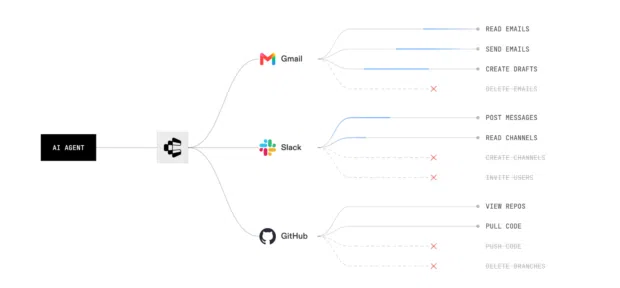
Granting an AI assistant unrestricted access is a significant risk. A well-designed MCP server provides detailed permission controls, allowing users to define precisely what the AI can "see" and "do." For instance, an AI might be permitted to analyze analytics data but explicitly restricted from publishing content. This ability to draw clear boundaries is paramount for brand safety, data security, and maintaining human oversight over critical functions. Audit trails and activity logs can further enhance accountability.
3. Simplicity of Setup and Integration:
The best MCP solutions prioritize ease of use. Setup should be relatively straightforward, typically involving secure sign-ins and explicit approval of access permissions. While complex, customized workflows might still require some technical configuration, the core integration process should not necessitate extensive developer involvement. The value proposition of MCP is significantly undermined if every new connection or adjustment demands specialist coding expertise. Solutions offering low-code or no-code integration capabilities are highly desirable for marketing teams.
4. Transparency in Data Handling and Security:
Before integrating any AI tool, a critical question must be addressed: "Where does my data actually go?" A trustworthy MCP server provides clear, upfront information regarding data flow, storage, and processing. It also offers users the ability to revoke access at any time. Any vagueness or obfuscation in data policies, especially those buried in lengthy terms-of-service documents, should be a red flag. This transparency is particularly vital for organizations in regulated industries (e.g., healthcare, finance), where mishandling customer names, private messages, or sensitive campaign information can lead to severe compliance breaches and reputational damage. Adherence to data privacy regulations like GDPR and CCPA is a non-negotiable requirement.
Navigating the Risks and Challenges of MCP Adoption
While MCP offers immense potential, its adoption also introduces specific risks, primarily revolving around control, output quality, platform compliance, and data security. Vigilance and proactive risk management are essential.
1. The Danger of Over-Permissioned Agents:
A significant risk arises when an AI agent is granted more permissions than are actively managed or monitored. The scenario where an AI is connected with broad access, forgotten, and then six weeks later begins publishing content on an unapproved channel, is a tangible threat. To mitigate this, teams must define upfront what actions the AI can perform autonomously versus what requires human approval. Lily Tewolde advises a simple rule: "I keep the human on anything that’s hard to undo. Agents are good at gathering, drafting and summarizing, and all of those are cheap to fix when they get it wrong. Sending or approving something external is where a person should stay in the loop, at least until you have enough history to trust the pattern." This "human-in-the-loop" approach is crucial for preventing unintended consequences.
2. The Impact of Substandard AI Output:
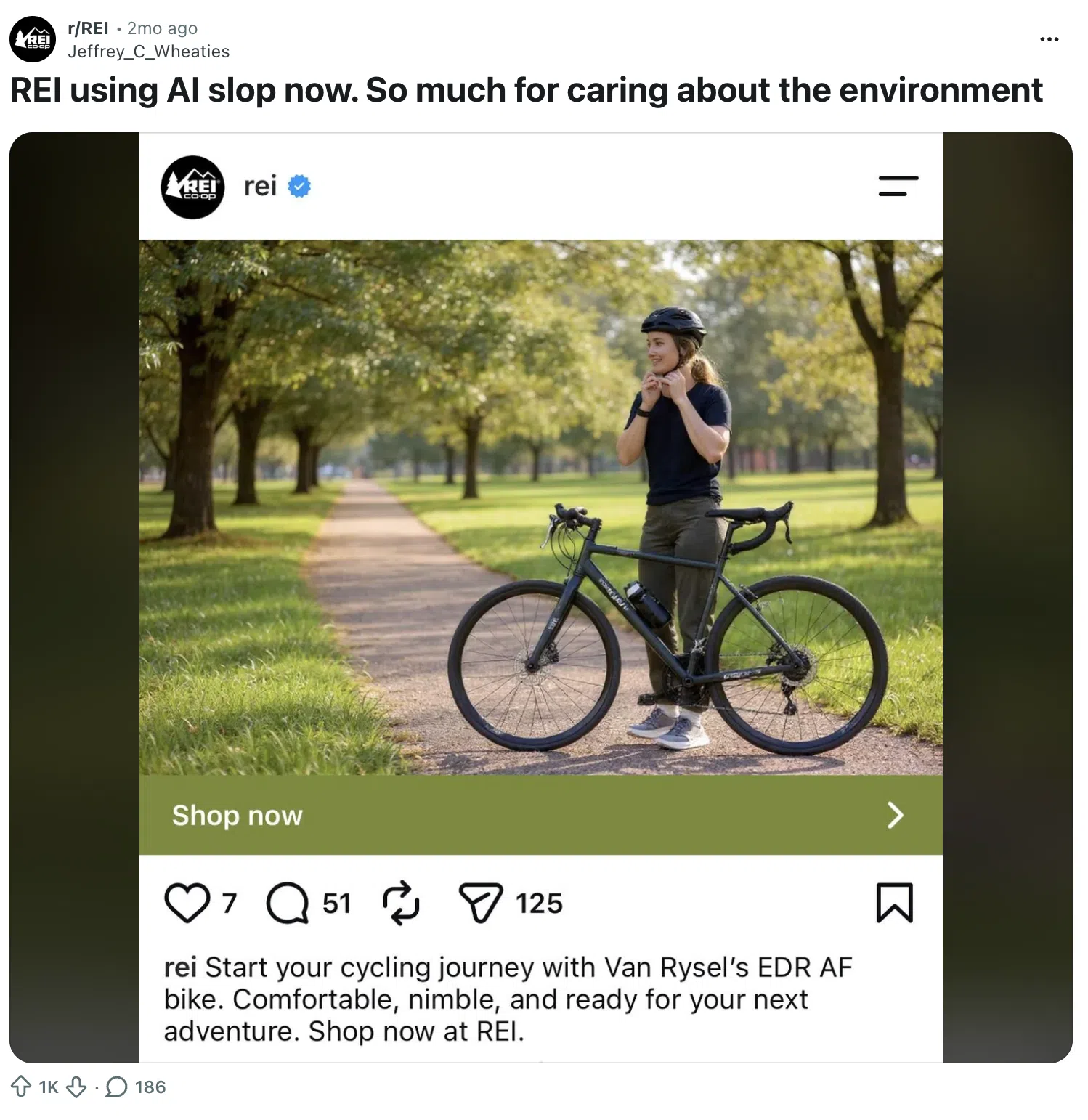
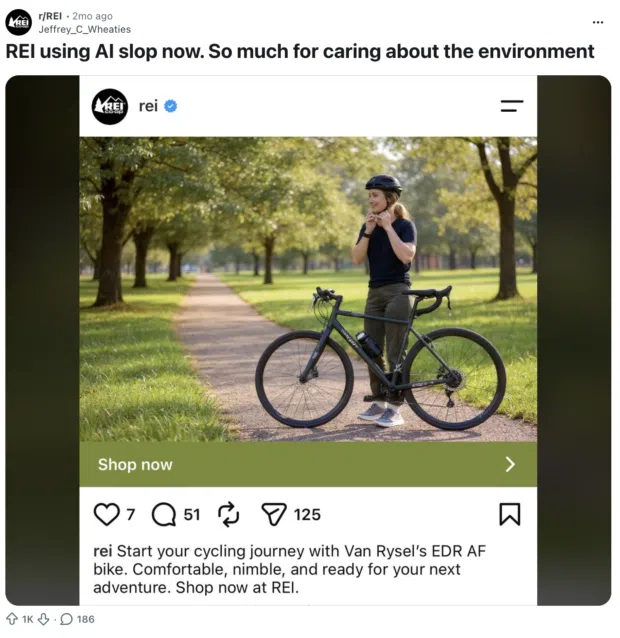
Social media is an unforgiving arena for AI mishaps. Content that appears off-brand, grammatically incorrect, or visually distorted is quickly noticed, criticized, and amplified. The case of REI, an outdoor retailer, serves as a cautionary tale. An Instagram ad featuring a bicycle with two sets of handlebars, attributed to a Meta AI tool that altered the photo without human approval, sparked immediate backlash. While this incident didn’t involve an MCP agent directly, it underscores a fundamental risk: once AI can influence or generate published content, rigorous human review is indispensable. Establishing clear brand voice guidelines, implementing multi-stage approval workflows, and regular auditing of AI-generated content are vital safeguards.
3. Adherence to Evolving Platform Rules:
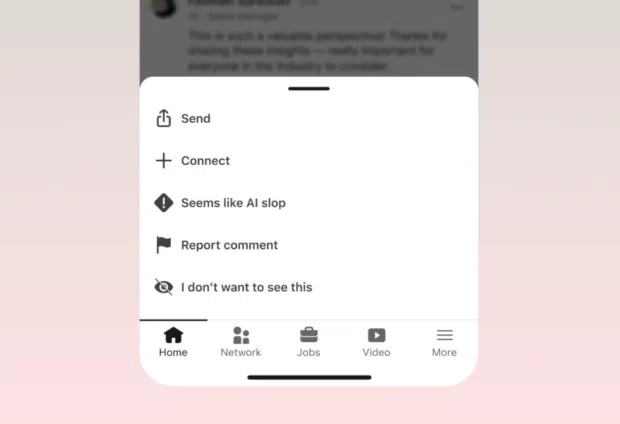
Social networks are increasingly focused on combating spam and automated, low-quality content. LinkedIn, for instance, has introduced a "Seems like AI slop" button, allowing users to flag content they suspect is AI-generated and lacking human touch. This trend highlights the importance of understanding and adhering to each platform’s evolving policies regarding AI-generated content. Before empowering an AI agent to post, comment, or send direct messages on behalf of a brand, a thorough review of platform terms of service and best practices is essential to avoid penalties like reduced visibility, shadow-banning, or even account suspension.
4. Mitigating Compliance Blind Spots:
AI agents, especially those with extensive data access, can inadvertently create compliance challenges. If an agent can access sensitive customer data, such as names or account information, it’s imperative to understand how that data is processed, stored, and who has access to it. Furthermore, any AI tool integrated into a brand’s workflow must undergo the same rigorous compliance review as other third-party vendors. For regulated industries, this involves ensuring that the AI solution adheres to specific industry standards (e.g., HIPAA for healthcare, FINRA for finance) to prevent data breaches, legal liabilities, and reputational damage. A robust data governance framework encompassing AI tools is non-negotiable.
Hootsuite’s MCP Solution: Integrating AI for Smarter Social
Hootsuite is at the forefront of integrating AI into social media management through its Model Context Protocol (MCP) connectors. These connectors provide AI assistants like ChatGPT, Claude, Gemini, and Microsoft Copilot with secure access to a brand’s social media workflows and real-time data. This contextual understanding enables AI to answer specific questions, recommend strategic next steps, and automate tasks more intelligently. Crucially, Hootsuite’s governance layer, Vigil, ensures that this enhanced AI capability is balanced with robust control over permissions and approvals.
Connecting AI Tools to Hootsuite with MCP:
Hootsuite’s MCP framework allows AI assistants to connect directly to various Hootsuite workflows, eliminating the need for manual data transfer into chat windows.
-
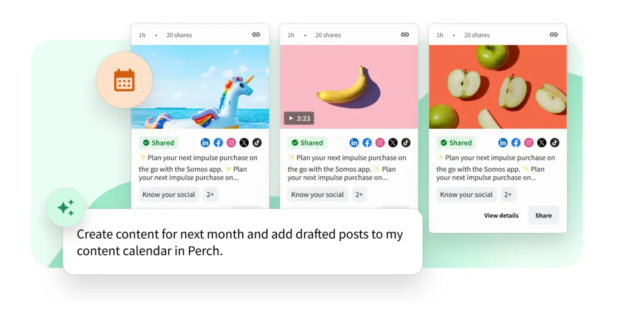
Perch MCP: Content Creation, Planning, and Publishing: Perch MCP integrates the AI assistant with Hootsuite’s content planning and publishing functionalities. This enables AI to review content calendars for gaps, draft posts for specific campaigns, identify optimal posting times based on historical engagement data, and schedule content across multiple channels. It also facilitates feeding performance insights back into the content creation cycle, creating a data-driven feedback loop.
-
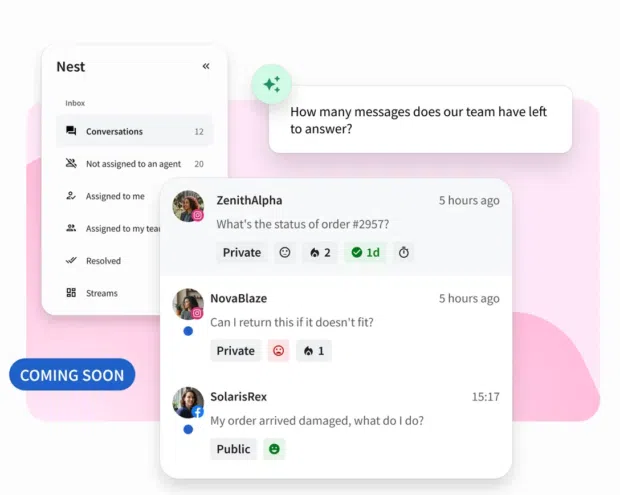
Nest MCP: Comments, DMs, and Customer Conversations: Nest MCP empowers the AI assistant to assist with managing incoming social media interactions, including comments, direct messages, mentions, and broader customer conversations. The AI can sort messages by urgency, identify sentiment, or route specific questions to the appropriate team members, streamlining customer service and community management efforts.
-
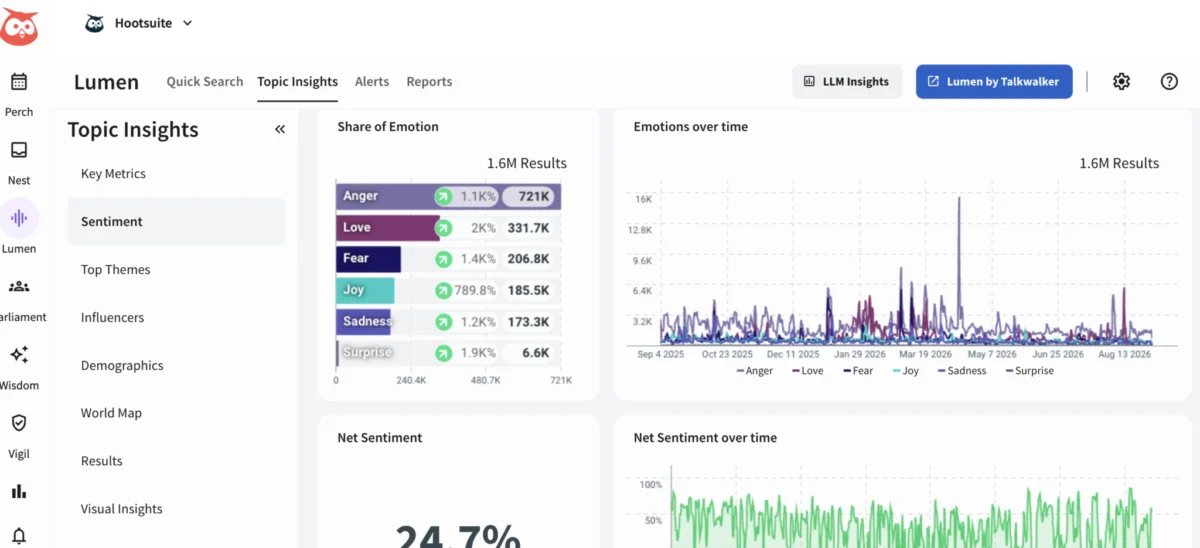
Lumen MCP: Social Listening, Sentiment, and Market Intelligence: Lumen MCP connects the AI assistant to Hootsuite’s social listening data. This allows users to query the AI about spikes in brand mentions, shifts in audience sentiment, or emerging trends within their industry. It transforms raw social listening data into actionable market intelligence, enabling proactive strategy adjustments.
Governing Agentic Access with Vigil:
The true power of MCP emerges when AI agents can take action, but this capability necessitates robust governance. Vigil, Hootsuite’s governance layer within Hootsuite Social OS, provides teams with comprehensive control over permissions and approvals across all integrated accounts. For enterprise and regulated organizations, this balance is critical. Vigil ensures that AI can accelerate workflows without compromising brand safety, regulatory compliance, or data security. It provides the necessary oversight to harness AI’s efficiency while maintaining human accountability and control.
The Future of AI-Powered Social Media Management
The advent of Model Context Protocol represents a significant step forward in the evolution of AI’s role in social media management. By providing AI assistants with deep, real-time context, MCP transforms them from reactive tools into proactive, strategic partners. This shift promises to redefine the social media manager’s role, moving away from repetitive, data-entry tasks towards more strategic oversight, creative direction, and human-centric engagement.
The future of AI-powered social media management, facilitated by MCP, envisions hyper-personalized content generation, dynamic campaign optimization based on real-time market shifts, and predictive analytics that anticipate trends and mitigate risks. As AI models become more sophisticated and MCP integrations become more pervasive, social media teams will likely experience unprecedented levels of efficiency and insight. However, the ethical implications, data privacy considerations, and the need for continuous human oversight will remain paramount. The successful adoption of MCP will hinge not just on technological capability, but on a thoughtful, governance-first approach that ensures AI serves humanity’s best interests in the digital sphere.
Frequently Asked Questions
What is a social media MCP server?
A social media MCP server connects AI assistants to approved data and workflows inside your social tools using the Model Context Protocol (MCP). It provides AI with real-time context from your social media ecosystem.
What is the Hootsuite MCP?
The Hootsuite MCP connects Hootsuite applications (like Perch for publishing, Nest for conversations, and Lumen for social listening) to leading AI tools such as Anthropic’s Claude, OpenAI’s ChatGPT, Google Gemini, and Microsoft Copilot. This integration allows users to leverage AI in plain language to create and schedule content, analyze performance data, and monitor and manage online conversations effectively.
Does Hootsuite work with Claude, Gemini, and Microsoft Copilot?
Yes. Hootsuite’s MCP servers are designed for compatibility with MCP-enabled AI tools, including Anthropic’s Claude, OpenAI’s ChatGPT, Google Gemini, Microsoft Copilot, and other supported AI assistants.
Which social networks can you connect to with a social media MCP?
The specific social networks supported depend on the MCP server in use. While some niche MCPs might focus on a single platform like X/Twitter, broader solutions offer access to multiple social networks simultaneously. Hootsuite’s MCP servers connect AI assistants to its robust suite of tools (Perch, Nest, Lumen), which in turn support social workflows across a comprehensive range of platforms, including Instagram, Facebook, TikTok, YouTube, X (formerly Twitter), LinkedIn, Threads, Pinterest, WhatsApp, and Bluesky. Additionally, it helps with monitoring brand mentions and reviews from platforms like Google Business.
Do you need to self-host an MCP server, or can you use one that’s already built?
In most scenarios, leveraging a pre-built MCP server is the more practical and simpler option. Setup often involves straightforward steps like connecting with an API key. Underneath the hood, many pre-built servers utilize REST APIs to convert social data into a structured format that AI assistants can readily process. Self-hosted options exist and provide maximum control over data residency and customization, making them suitable for highly technical teams or organizations with stringent regulatory requirements. However, for most marketing teams, an existing server offers a significantly easier path to integrating AI into their social media operations.
Make AI work for your social team with Hootsuite MCP. Connect your AI tool to real-time data across Perch, Nest, and Lumen — then use Vigil to keep access, approvals, and governance under control. Try Hootsuite free today.