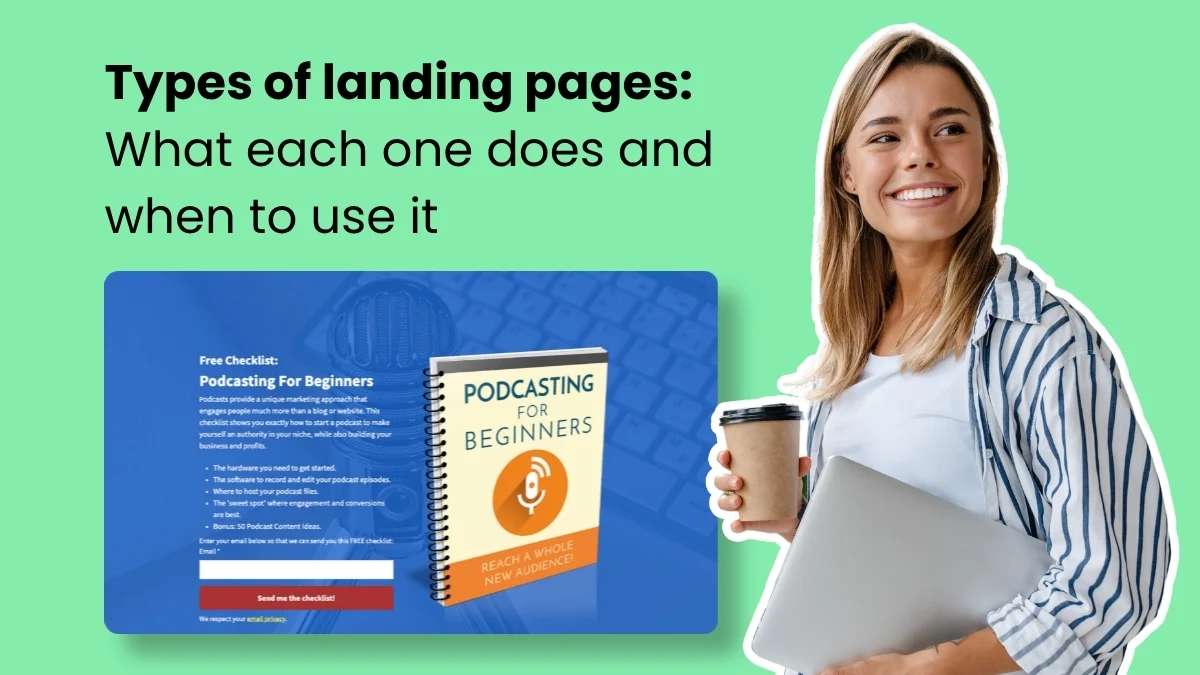
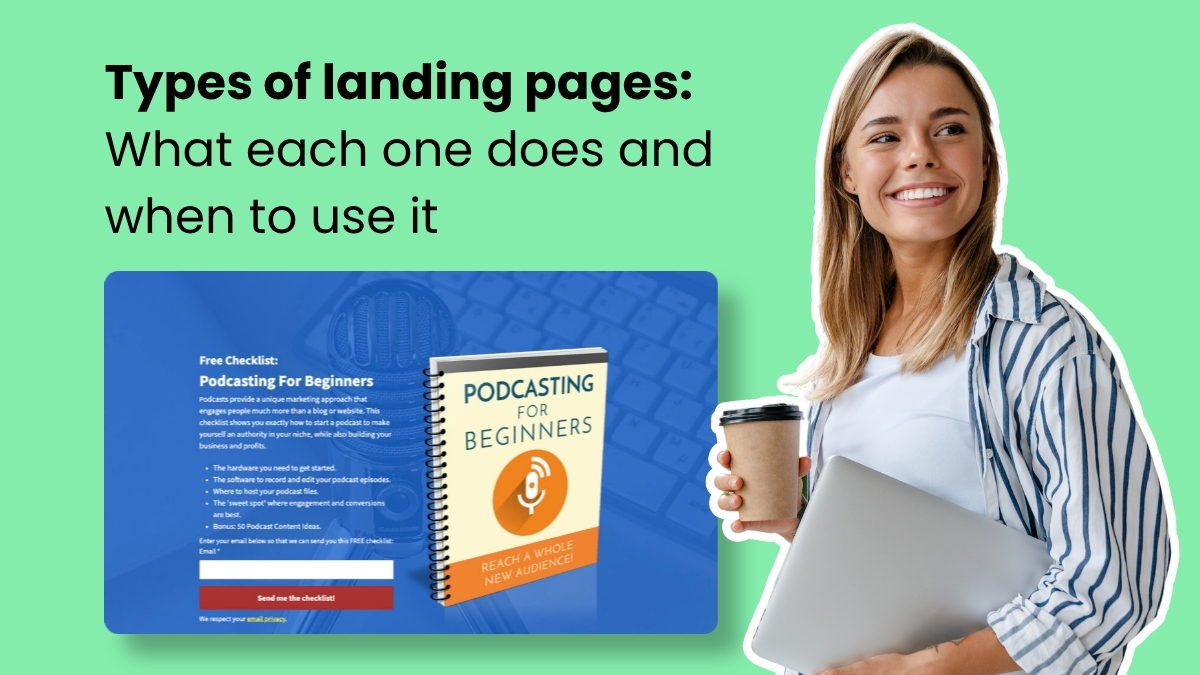
The modern digital marketing landscape is increasingly reliant on specialized web pages designed to guide visitors toward a singular, defined action. These standalone pages, commonly known as landing pages, are stripped of typical website navigation and extraneous links, focusing entirely on a specific objective, whether it’s collecting email addresses, selling a product, or promoting an event. This strategic minimalism is a cornerstone of effective online conversion, a principle widely adopted by businesses of all sizes.
According to research conducted by AWeber, over 90% of small business owners who utilize landing pages recognize their critical importance within their overall marketing strategy. The primary challenge for marketers today is not whether to employ landing pages, but rather discerning the optimal type for a given campaign and context. The effectiveness of a landing page is intrinsically linked to its alignment with the user’s intent and the campaign’s specific goals. A mismatch between the page’s structure and its intended action often leads to suboptimal performance and wasted marketing expenditure.
The evolution of digital marketing has seen landing pages transition from simple lead capture forms to sophisticated, highly targeted instruments. Early internet marketing often relied on general website pages to capture interest, but as user attention spans shortened and competition intensified, the need for dedicated, distraction-free conversion hubs became paramount. This shift underscored the importance of a clear call to action (CTA) and a streamlined user experience, moving away from cluttered homepages that presented too many choices. The proliferation of advertising platforms and diverse marketing channels further cemented the necessity of tailoring landing page experiences to specific traffic sources, recognizing that a visitor arriving from a paid search ad has different expectations than one clicking a link in a social media bio.

Understanding the distinct characteristics and applications of various landing page types is fundamental for any organization aiming to maximize its digital marketing ROI. Each type serves a unique function within the sales and marketing funnel, designed to address specific stages of the customer journey.
Specialized Landing Pages for Diverse Marketing Objectives
1. Webinar Registration Pages: Cultivating Event Attendance
A webinar landing page is meticulously crafted to promote an upcoming online event and facilitate participant sign-ups. Beyond merely stating the webinar’s date and time, effective pages prioritize the value proposition for attendees. Industry experts consistently emphasize that conversion rates are significantly higher when the page leads with the anticipated outcome for the registrant rather than focusing on the presenter’s credentials. For instance, a headline promising "You’ll master email automation in 60 minutes" resonates more powerfully than a detailed speaker biography, which can be strategically placed further down the page once initial interest is piqued. The core psychological driver for registration is the attendee’s self-interest, making the "what’s in it for me?" question paramount. These pages are indispensable when hosting live or recorded webinars, acting as the dedicated hub for driving registrations and providing essential event details.
2. Ebook Landing Pages: Distributing Digital Content and Building Authority
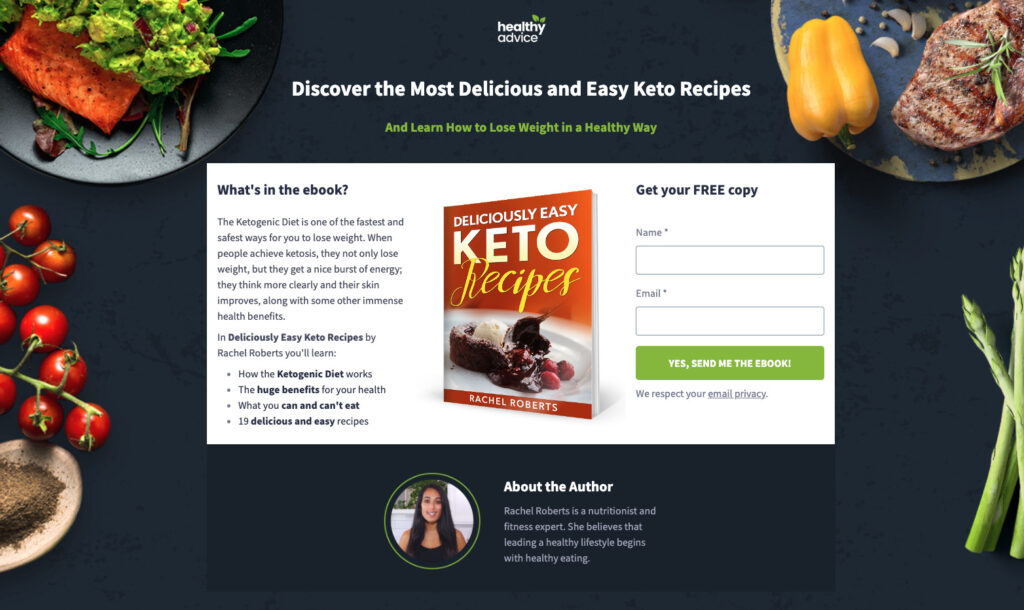
Ebook landing pages are specifically designed to showcase and distribute electronic books, whether for direct sale or as a free lead magnet. These pages provide a comprehensive overview of the ebook’s content and benefits, guiding visitors towards either purchase or download. The rise of self-publishing and digital distribution has empowered countless entrepreneurs and businesses to bypass traditional publishing models, leveraging ebooks as a direct revenue stream or a powerful tool for lead generation. As a lead magnet, an ebook can rapidly expand an email list by offering substantial value in exchange for contact information, establishing the brand as an authority in its niche. These pages are crucial for content marketers and authors looking to monetize their expertise or build an engaged audience around their thought leadership.
3. E-commerce Landing Pages: Driving Direct Product Sales
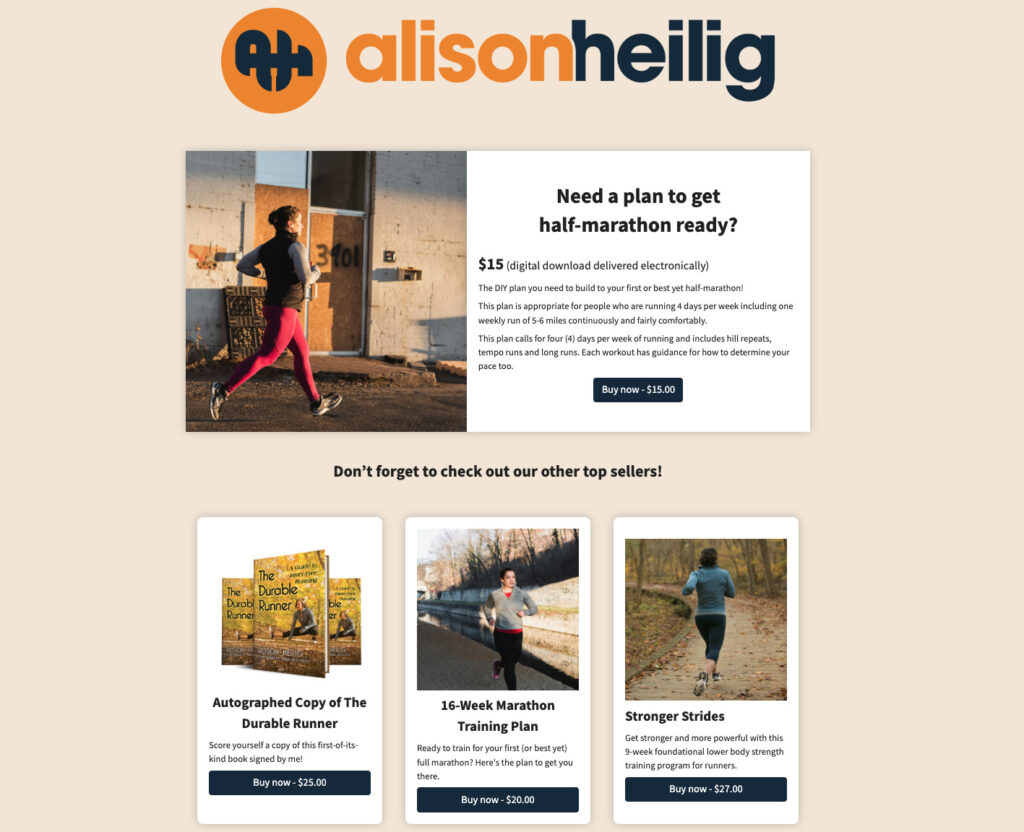
Unlike a general product catalog or homepage, an e-commerce landing page hones in on a single product or a very specific category, engineered to convert traffic from a particular source, such as a paid advertising campaign. By removing the myriad choices present on a typical e-commerce site, these pages minimize decision fatigue, focusing the visitor’s attention on one product, one offer, and one clear call to action. Essential elements include high-quality product imagery, transparent pricing, compelling social proof (e.g., customer reviews), and concise answers to common purchase-related questions. Studies indicate that paid advertisements pointing to dedicated e-commerce landing pages often achieve significantly higher conversion rates compared to those directing traffic to a general homepage or broad shop section. They are particularly effective for product launches, seasonal promotions, or when running targeted ad campaigns for specific items.
4. Lead Magnet Landing Pages: Exchanging Value for Contact Information
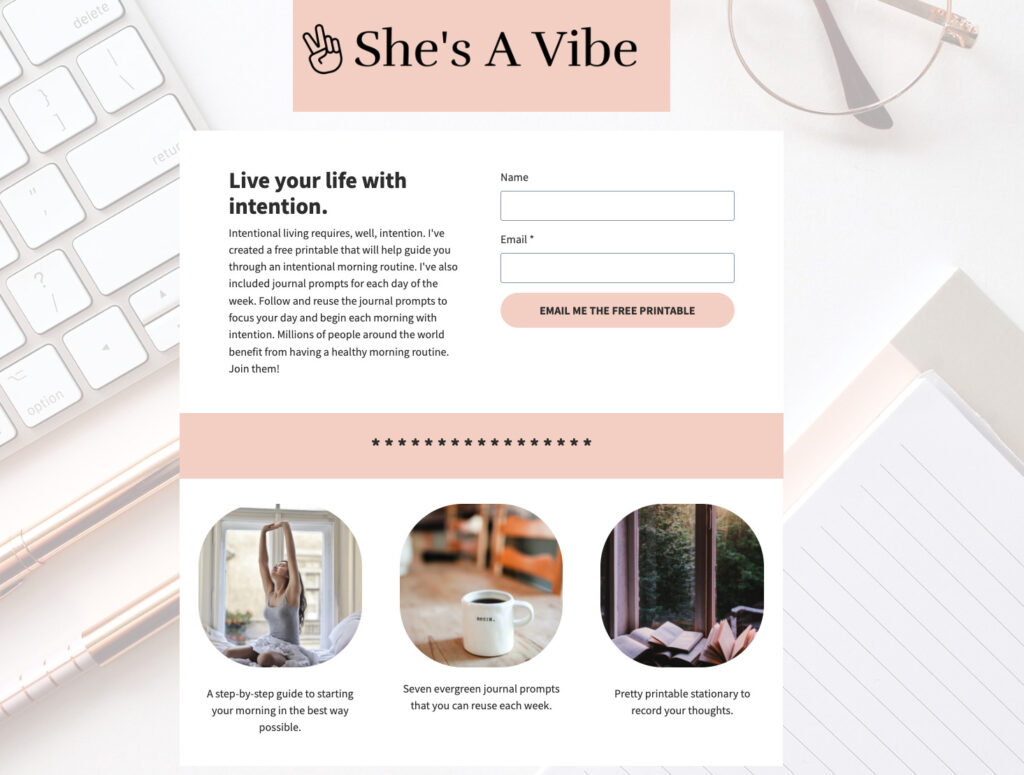
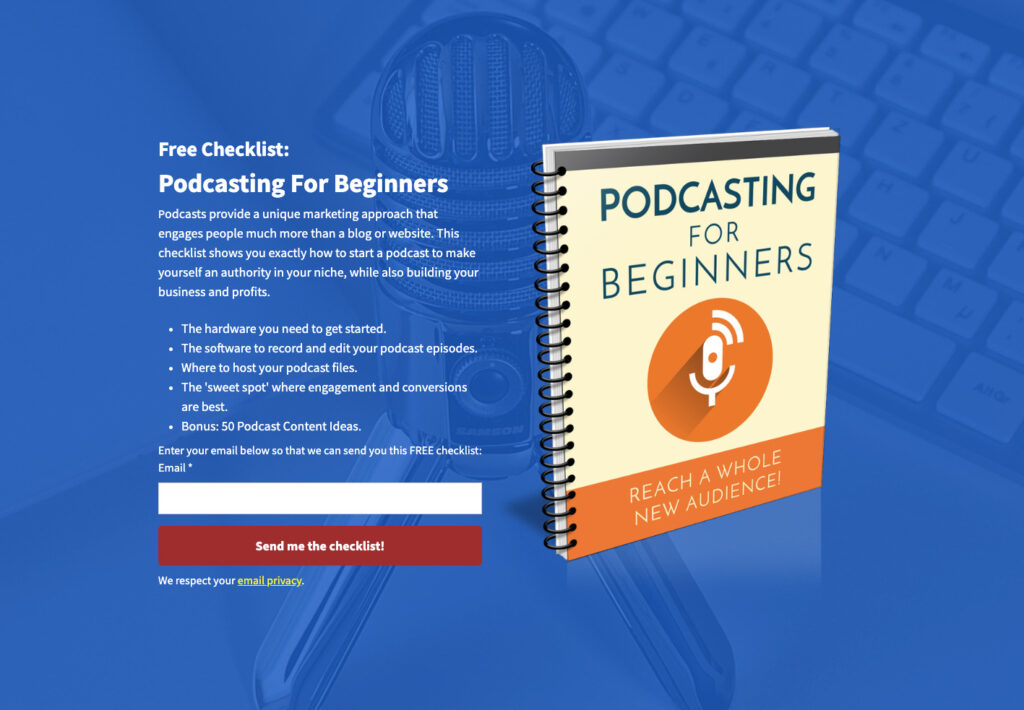
A lead magnet landing page offers a valuable digital resource—such as a template, checklist, free course, toolkit, or exclusive report—in exchange for a visitor’s email address. The core principle here is value exchange: the visitor receives immediate, tangible utility, and the business acquires a qualified lead. These pages distinguish themselves from basic lead capture forms by emphasizing the outcome the visitor will achieve with the resource, rather than merely describing the brand. When the lead magnet directly addresses a pressing problem or need of the target audience, the act of providing an email address feels like a fair and beneficial transaction, rather than a barrier. This strategy is highly effective for rapidly building an email list of individuals genuinely interested in the brand’s offerings, forming the foundation for future nurturing and sales efforts.
5. Squeeze Pages: The Art of Minimalist Lead Capture
A squeeze page represents the ultimate distillation of a lead capture page. Its sole purpose is to acquire an email address with minimal friction. Typically, it features a compelling headline, one or two succinct sentences, an email input field, and a prominent submit button. The defining characteristic of a squeeze page is its extreme brevity and singular focus, demanding only an email address and nothing more. This stripped-down design effectively eliminates decision fatigue, presenting visitors with a binary choice: opt-in or leave. This simplicity is particularly advantageous for paid traffic campaigns, where maintaining a low cost per lead is crucial, as the frictionless experience often results in higher conversion rates for warm or pre-qualified audiences.
6. Podcast Landing Pages: Cultivating Direct Audience Relationships
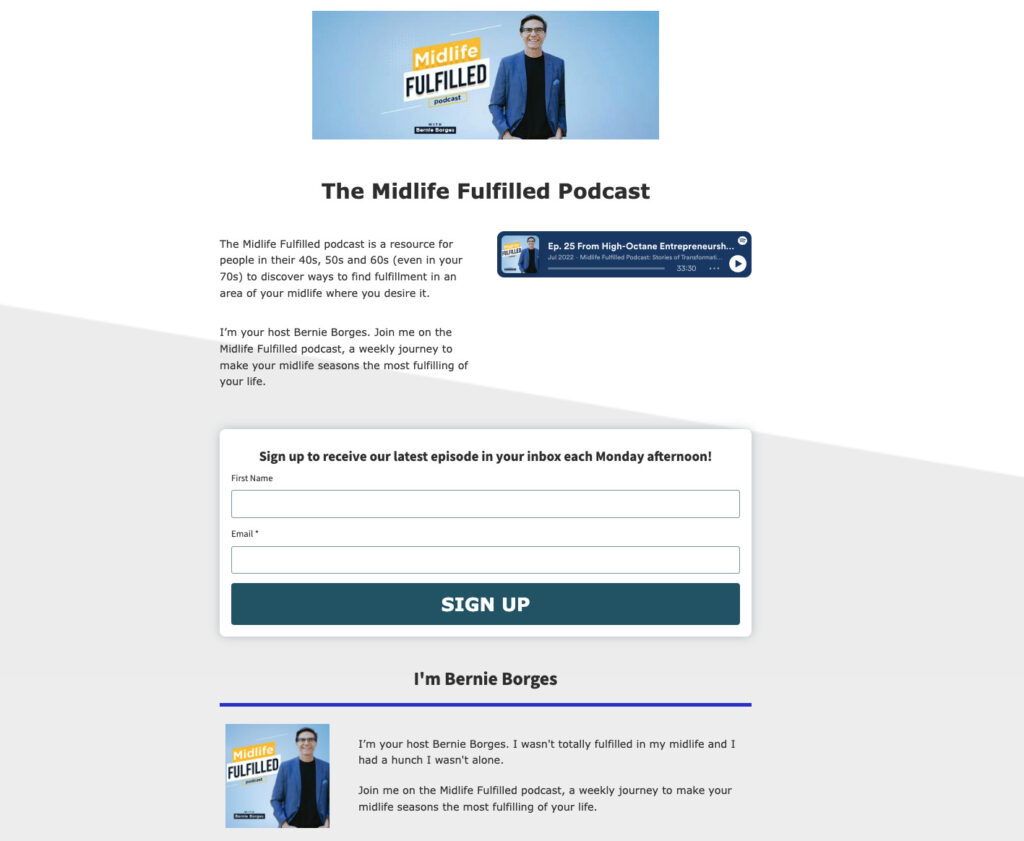
A podcast landing page is designed to promote a podcast show or a specific episode, offering listeners a direct pathway to subscribe or join an email list for updates. In an era where streaming platforms largely control content distribution and audience visibility, building a direct relationship with listeners via an email list is a strategic imperative. Platforms like Spotify or Apple Podcasts do not grant creators direct ownership of their audience; algorithms can change, impacting reach. A dedicated landing page empowers podcasters to convert transient listeners into owned subscribers, enabling direct communication regarding new episodes, bonus content, merchandise, or related products, bypassing algorithmic gatekeepers entirely. This strategy is vital for podcasters focused on long-term audience growth and engagement beyond platform-dependent metrics.
7. PPC Landing Pages: Precision Targeting for Paid Traffic
PPC (pay-per-click) landing pages are custom-built to align precisely with paid search advertisements. Message match is paramount here: if an advertisement promotes "email newsletters for local restaurants," the corresponding landing page must deliver exactly that specific offer, not a generic email marketing solution. Google’s Quality Score, a metric that influences ad rank and cost-per-click, heavily rewards this message alignment. Pages that closely match the ad’s intent tend to incur lower costs per click and achieve higher positions in paid search results. Every visitor landing on a page that fails to meet their expectation from the ad represents wasted ad spend. PPC landing pages safeguard advertising investments by providing visitors with the exact content promised, simultaneously boosting conversion rates and improving ad campaign efficiency.
8. Thank You Pages: Maximizing Post-Conversion Engagement
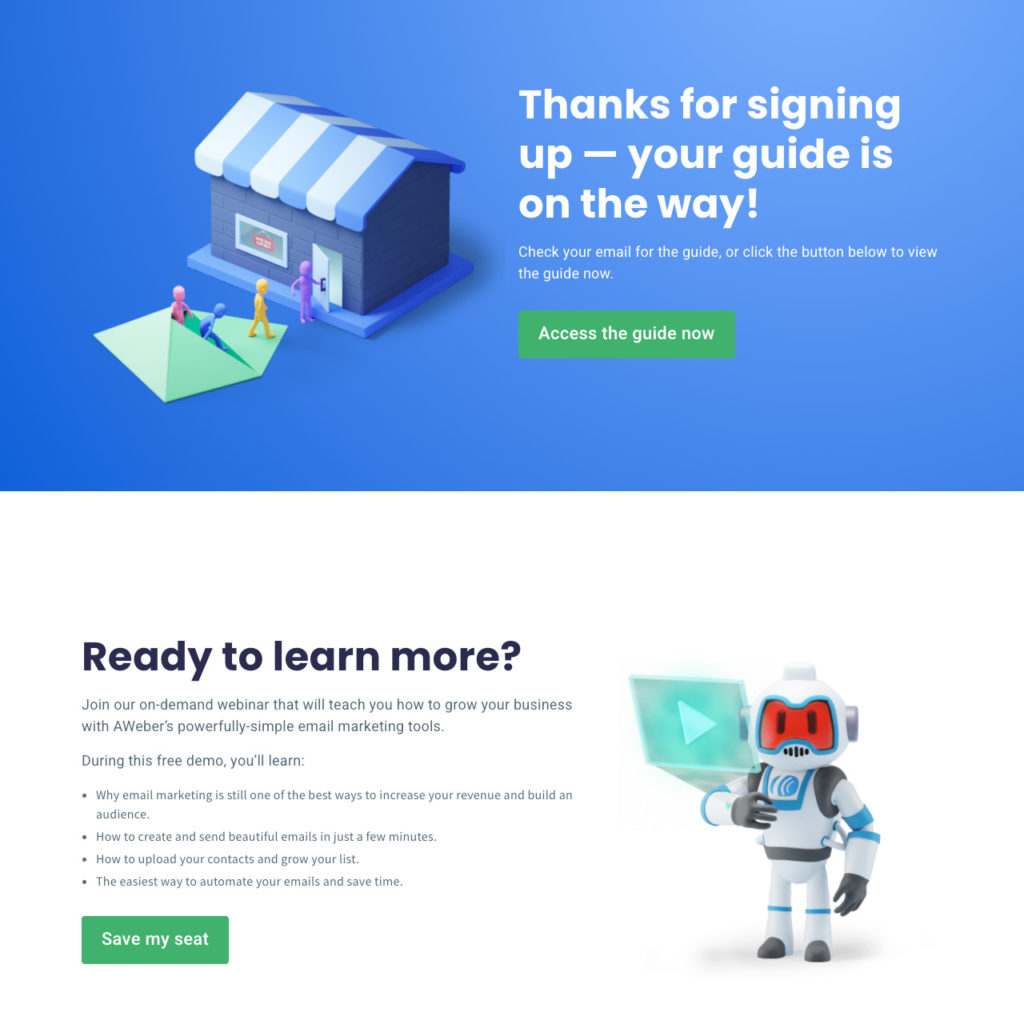
A thank you page appears immediately after a visitor completes a desired conversion—whether it’s signing up, downloading content, or making a purchase. While its primary role is to confirm the action and outline next steps, its potential is often underutilized. A visitor who has just converted is at their peak level of engagement and trust. This represents a golden opportunity to offer a related upsell, cross-sell, invite them to book a consultation, encourage social media follow-ups, or direct them to additional valuable resources. A strategically designed thank you page capitalizes on this momentum, potentially turning a single conversion into a secondary, more profound engagement, thereby enhancing customer lifetime value.
9. Video Landing Pages: Engaging Through Visual Storytelling
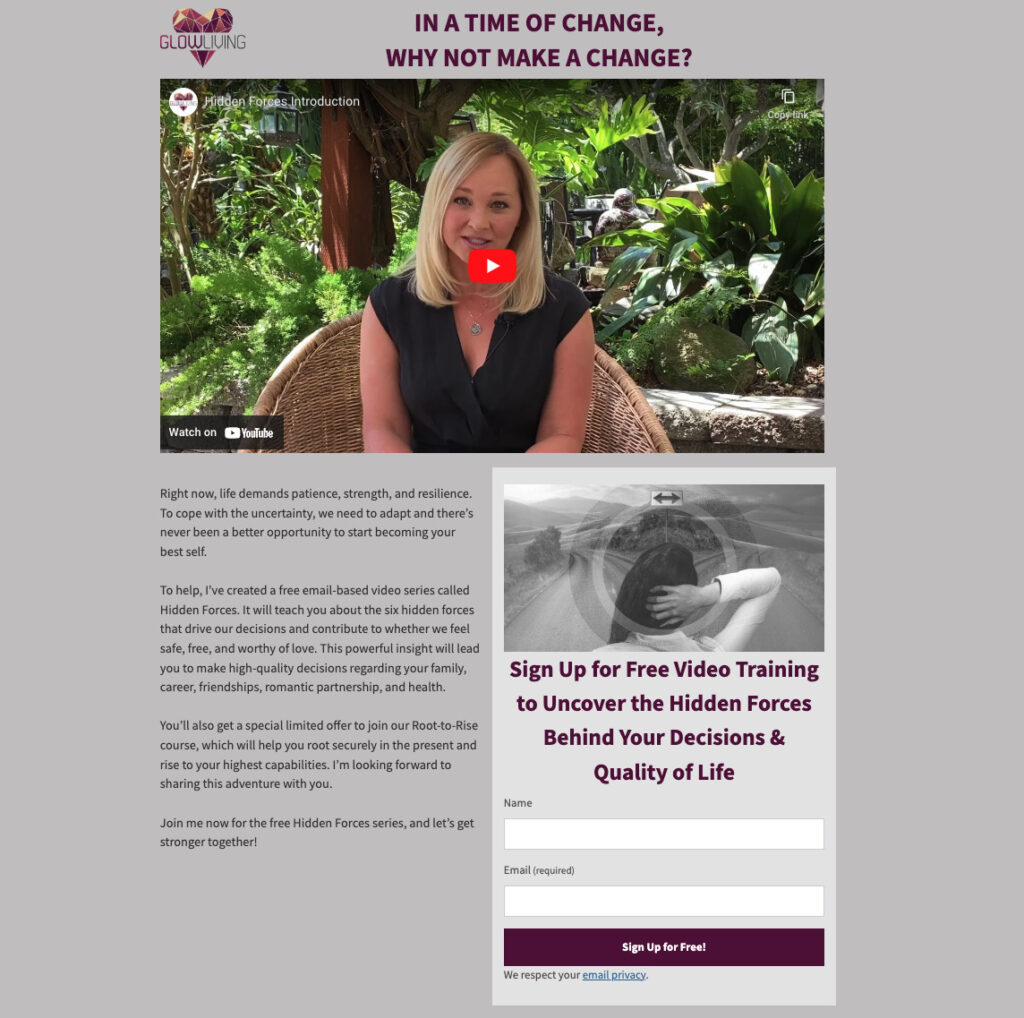
A video landing page leverages video as the central medium for conveying its message. This could involve a product demonstration, a client testimonial reel, a concise explainer video, or a personalized message. While supporting text is present, the video itself carries the primary communication load. Video excels at building trust and clarity faster than written copy alone, particularly for complex offerings, high-ticket items, or situations where personality and credibility are key. A visitor who watches a two-minute product demonstration often gains a deeper understanding and overcomes more hesitation than one who reads several paragraphs of text. These pages are highly effective when the offer is inherently visual, the target audience prefers video content, or when the goal is to forge a stronger, more personal connection before prompting a conversion.
10. Link-in-Bio Landing Pages: Centralizing Social Media Traffic
A link-in-bio page serves as a centralized hub for multiple links, specifically designed to circumvent the single-link limitation imposed by most social media platforms (e.g., Instagram, TikTok, X). By providing a single URL in their profile bio, content creators and businesses can direct followers to a page that hosts various important links—to their newsletter, latest product, new content, booking calendar, or other key destinations. This solution maximizes the utility of limited social media real estate, ensuring that followers have access to all desired touchpoints without the need to constantly update a single bio link. It empowers social media users to convert their engaged audience into subscribers or customers by offering a clear pathway to their broader digital ecosystem.
11. Pre-Launch Landing Pages: Generating Anticipation and Validating Demand
A pre-launch landing page is deployed before a new product, service, or feature officially goes live. Its dual purpose is to generate early interest and collect email addresses from prospective customers who wish to be notified upon launch. Crucially, it also serves as a demand validation tool. If a business can garner a significant number of sign-ups before development is complete, it provides compelling evidence of market demand, mitigating risk and guiding resource allocation. Conversely, slow sign-up rates offer valuable feedback, potentially signaling a need to refine the offering or target audience before a full-scale investment. These pages are invaluable for transforming early interest into a cultivated audience ready for activation on launch day.
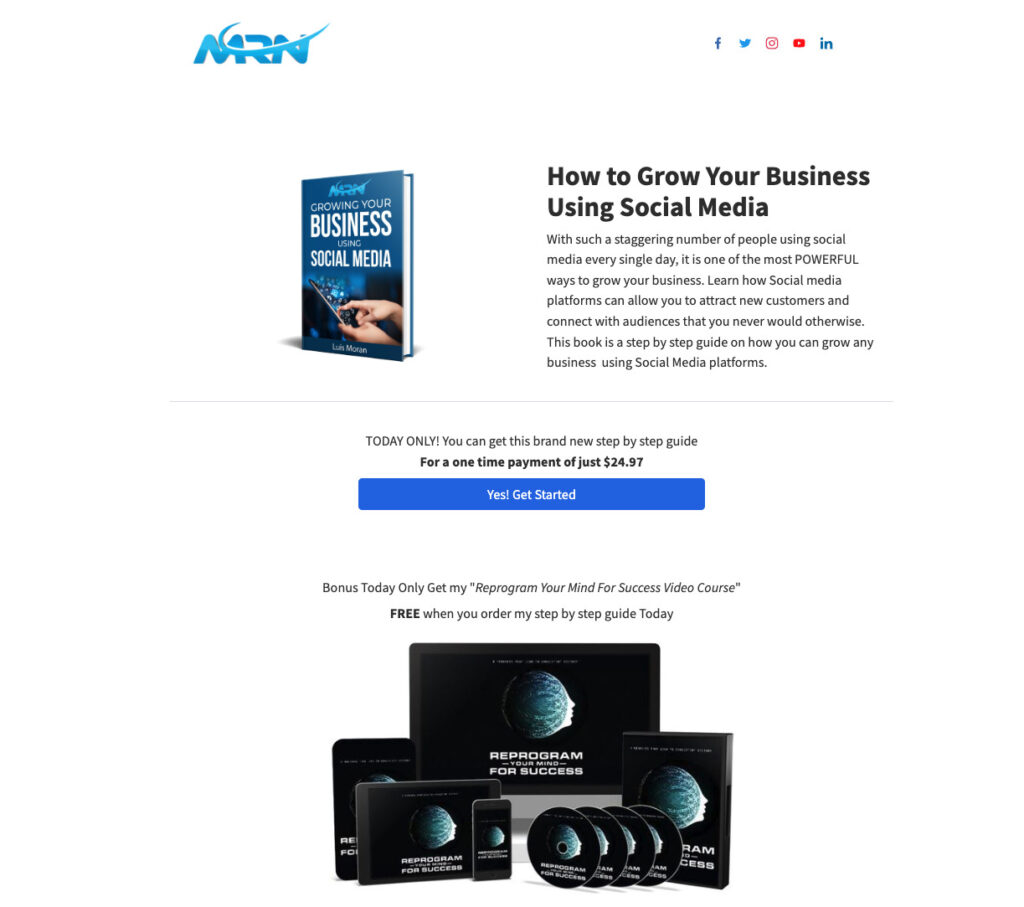
12. Facebook Landing Pages: Bridging Social Engagement to Owned Audiences
A Facebook landing page is specifically optimized for traffic originating from Facebook ads or a Facebook profile. Its core mission is to convert social media followers into email subscribers or buyers, moving them from a rented audience on a platform to an owned audience on a mailing list. The dynamic nature of social media algorithms means that organic reach can fluctuate without notice. By transitioning followers to an email list, businesses establish a direct communication channel that is immune to platform changes. This strategy is considered a high-leverage method for transforming social media reach into a durable, controllable audience asset, ensuring consistent engagement and marketing opportunities independent of Facebook’s evolving policies.
13. Lead Capture Landing Pages: The Foundation of List Building
A lead capture landing page is a fundamental tool for collecting contact information, typically in exchange for a valuable incentive such as a free guide, a discount, or access to exclusive content. The exchange is straightforward: the visitor receives a desirable resource, and the business obtains their email address. These pages are built on the principle of a low-commitment ask, as visitors are not immediately asked to make a purchase. The fewer fields required on the form, the higher the typical conversion rate, with name and email address often being sufficient for initial engagement. For small businesses aiming to expand their email list, lead capture pages are among the most reliable and widely used tools, forming the initial step in nurturing potential customers.
14. Click-Through Landing Pages: Nurturing Cold Traffic Towards Conversion
A click-through landing page differs from direct conversion pages as it does not solicit information or transactions upfront. Its primary role is to "warm up" visitors and build their confidence before directing them to a purchase or sign-up page. These pages often act as an intermediary step between an advertisement and a checkout page, providing visitors with more context and information about an offer without the immediate pressure of a commitment. Common formats include detailed product walkthroughs, feature comparisons, or explanations of free trial offers. For cold traffic, which rarely converts directly on a purchase page, a click-through page serves to bridge the informational gap, allowing visitors to become interested and informed before proceeding to the final conversion step, thereby reducing abandonment rates on high-commitment pages.
Strategic Selection and Future Implications
The discerning choice of landing page type is dictated directly by the overarching campaign objective. For instance, building an email subscriber base necessitates lead capture, squeeze, or lead magnet pages. Warming up cold traffic for a subsequent purchase aligns best with a click-through page. Direct sales of high-ticket items might employ a sales page, while specific products benefit from an e-commerce page. Event promotions call for webinar registration or pre-launch pages, and paid search campaigns demand specialized PPC landing pages. The cardinal rule, universally agreed upon by marketing strategists, is to establish a singular goal for each page. Attempting to achieve too many objectives on one landing page is the most common reason for underperformance.
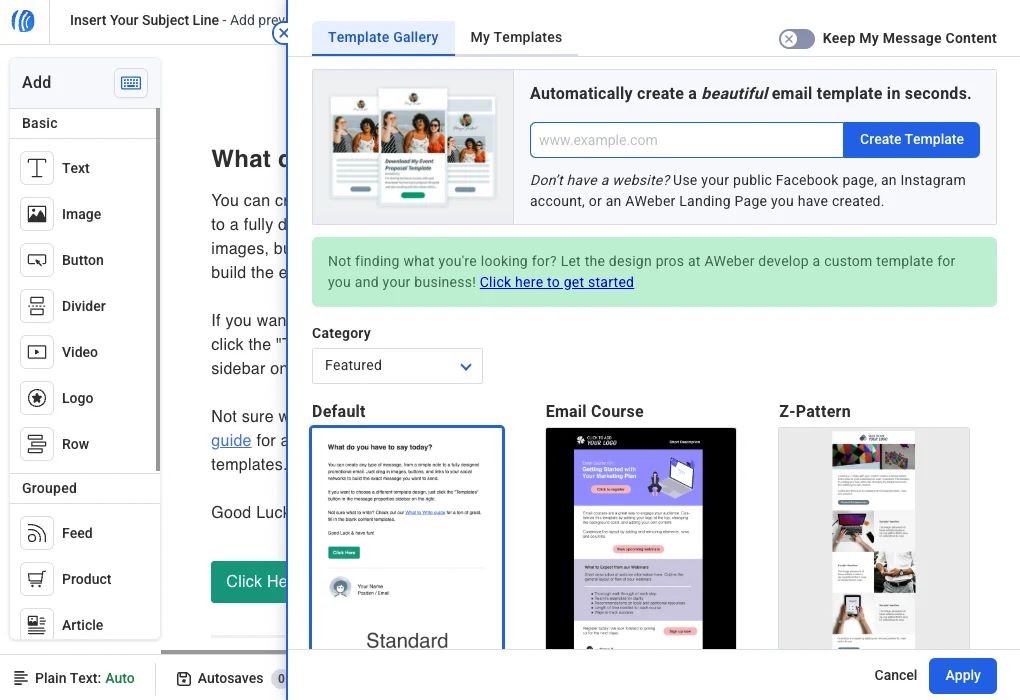
Looking ahead, technological advancements are poised to revolutionize landing page creation. Platforms like AWeber are developing AI Landing Page Builders, promising to drastically accelerate the ideation-to-live process. Instead of manually selecting and customizing templates, users will be able to describe their desired page—including layout, copy, images, and signup forms—and the AI will generate the entire page. This innovation will streamline the creation of all discussed landing page types, from lead magnet and webinar pages to pre-launch and PPC pages. Furthermore, the ability to upload a screenshot of an existing page and have the AI recreate it with specific branding, copy, and offers, or to describe an image change for direct AI editing, signals a future where highly optimized, bespoke landing pages can be deployed with unprecedented speed and efficiency. This integration of artificial intelligence into landing page design and deployment underscores the ongoing evolution of digital marketing tools, continually striving to enhance conversion rates and maximize marketing impact.