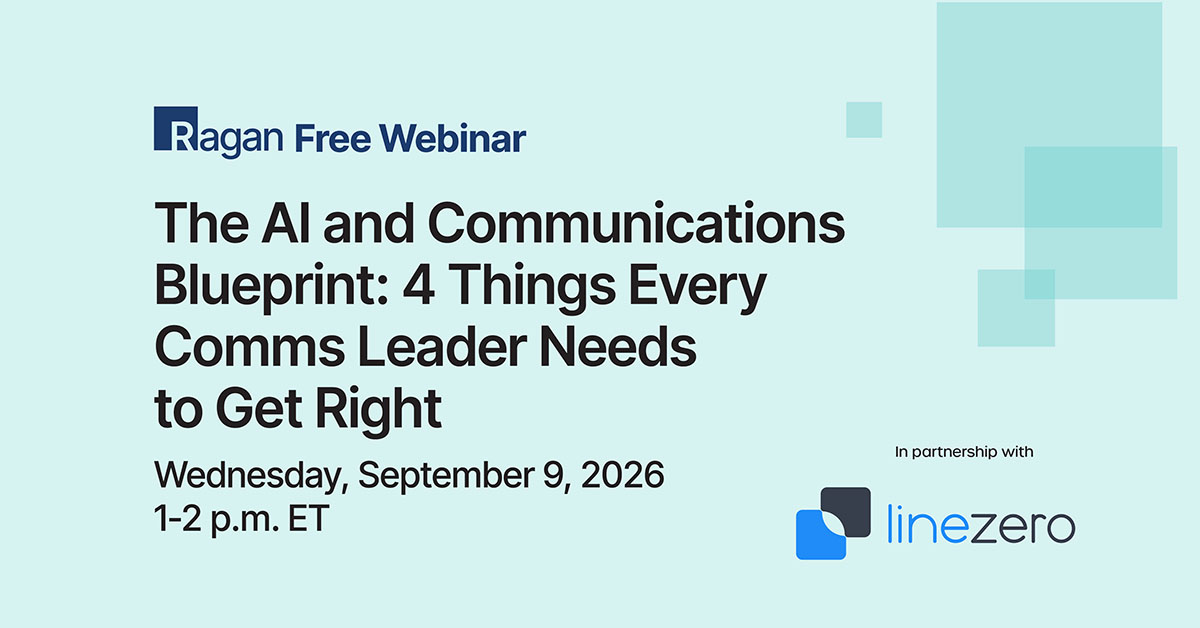
As organizations worldwide grapple with the pace of digital transformation, the role of the communicator has expanded beyond traditional messaging. Today, these professionals are tasked with ensuring that AI serves to strengthen human connection rather than creating digital noise or distancing leadership from the front line. The upcoming webinar, titled "The AI and Communications Blueprint: Four things every comms leader needs to get right," features a panel of industry veterans who will offer practical insights into aligning AI adoption with corporate culture and employee engagement.
The Context of AI Maturity in 2026
By late 2026, the corporate landscape has moved past the initial "hype cycle" of generative AI that dominated the early 2020s. According to industry data, while over 80% of Fortune 500 companies have integrated some form of AI into their operations, a significant percentage of employees report feeling "AI-fatigued" or uncertain about how these tools affect their long-term career trajectories. This uncertainty often stems from a lack of clear, consistent internal messaging regarding the "why" and "how" of AI deployment.
The "AI and Communications Blueprint" is positioned as a corrective measure for this ambiguity. The session is built on the premise that a successful AI strategy is as much about human psychology and clear communication as it is about technical infrastructure. When employees do not understand the motivation behind a technological shift, or when they feel that AI is being used to replace human interaction rather than augment it, productivity and morale typically decline.
The Four Pillars of the AI Communications Blueprint
While many organizations focus on the technical procurement of AI tools, the webinar will highlight four critical areas where communications leaders must excel to ensure a successful transition.
1. Governance and Ethical Transparency
The first pillar involves establishing a clear "playbook" for AI usage. This includes transparently communicating the ethical boundaries of AI within the organization. Communications leaders are now responsible for translating complex IT policies into digestible guidelines that explain how data is used, how privacy is maintained, and what the organization’s stance is on AI-generated content. Without this clarity, employees may remain hesitant to adopt new tools for fear of violating unstated rules.
2. Bridging the Gap Between Ambition and Action
Many executives possess a high "AI ambition," but this often fails to translate into "informed action" at the departmental level. The second pillar of the blueprint focuses on aligning leadership’s vision with the daily reality of the workforce. This requires communications professionals to act as a bridge, ensuring that the benefits of AI—such as reduced administrative burdens—are clearly demonstrated through real-world use cases rather than abstract corporate goals.
3. Enhancing the Employee Experience (EX)
The third pillar addresses the impact of AI on corporate culture and the employee experience. The webinar will explore how AI can be used to create more personalized, relevant internal communications. Instead of the traditional "one-to-many" broadcast model, AI allows for "one-to-one" engagement at scale. However, the challenge for comms leaders is to ensure this automation does not sacrifice the authenticity and human touch that are vital for building trust.

4. Strategic Alignment and Skill Augmentation
Finally, the blueprint emphasizes the need for a long-term strategy regarding skill development. As AI takes over routine tasks, the "value add" of the human employee shifts toward creative problem-solving and emotional intelligence. Communications leaders must play a primary role in framing this shift as an opportunity for professional growth rather than a threat of displacement.
Expert Perspectives: A Multi-Disciplinary Panel
The webinar brings together a diverse group of experts, each representing a different facet of the communications and technology sectors.
Sanjay Mistry, the European Head of Communications and Engagement for ODEON Cinemas Group, brings over two decades of experience in navigating organizational change. His perspective is particularly valuable for industries with large, diverse workforces where digital adoption must be balanced with the physical realities of customer service and guest engagement. Mistry’s background in public health advocacy also informs his approach to corporate communication, emphasizing the importance of trust and clarity during periods of uncertainty.
Greg Sugar, President and CEO of LineZero, offers a more technical yet human-centric viewpoint. With 15 years of experience in digital and IT strategy, Sugar has advised Fortune 500 companies on large-scale transformations. His expertise lies in building "digital communities" that transcend physical boundaries, a necessity in the modern hybrid work environment. Sugar’s insights will focus on how communications leaders can leverage infrastructure architecture and cloud-based tools to foster a more connected workforce.

Jack Hamwi, Senior Manager of Digital Communities at LineZero, specializes in the practical execution of digital workplace strategies. As a certified Project Management Professional (PMP), Hamwi has led implementations for major brands like Topgolf and Waste Connections. His contribution to the blueprint will focus on performance improvement and resource coordination, helping organizations simplify complex processes to increase leadership visibility.
The session will be moderated by Jon Minnick, Special Projects Manager and Awards Show Producer at Ragan Communications and PR Daily. Minnick’s role in overseeing industry benchmarks and recognition programs provides him with a unique bird’s-eye view of the trends currently shaping the PR and internal communications fields.
The Role of LineZero in Modern Employee Engagement
The partnership with LineZero is significant, as the consultancy has established itself as a leader in "Mixed Reality" and AI-driven employee experiences. LineZero’s philosophy is rooted in the belief that innovation occurs when people are empowered with the best possible tools. Their work often involves creating immersive environments where learning and collaboration are not limited by geography.
For communications leaders, the partnership represents a shift toward more sophisticated, technology-integrated engagement strategies. LineZero’s experience with Fortune 500 companies suggests that the most successful organizations are those that treat their internal digital environment with the same level of care and investment as their external customer-facing platforms.

Broader Implications for the Communications Industry
The upcoming September webinar reflects a broader trend in the professional development of communicators. The field is increasingly intersecting with Human Resources (HR), Information Technology (IT), and Strategic Operations. Consequently, the "Who Should Attend" list for this event spans several disciplines, including Internal Communications, Executive Communications, HR Communications, and Strategic Engagement.
Industry analysts suggest that by 2027, the ability to lead an AI-driven cultural transformation will be a required competency for any senior communications executive. This webinar serves as an early-stage training ground for these evolving requirements. The focus on "candid lessons" and "assessing gaps" suggests that the session will move beyond theoretical benefits to address the messy, often difficult realities of changing how people work.
Data-Driven Insights and Takeaways
Attendees of the webinar can expect to leave with actionable "Bonus Takeaways" designed to help them audit their current strategies. While the session is free to attend, the value lies in the data-backed frameworks provided by the presenters. The "Blueprint" is intended to be a living document that leaders can adapt to their specific organizational needs.
Key data points to be discussed likely include:

- The correlation between clear AI communication and employee retention rates.
- Metrics for measuring the "noise-to-signal" ratio in automated internal messaging.
- Benchmarks for leadership visibility in digital-first organizations.
Conclusion and Registration Information
As AI continues to evolve from a specialized tool to a ubiquitous presence in the workplace, the burden of maintaining organizational cohesion falls squarely on the shoulders of communications leaders. The September 9 webinar, "The AI and Communications Blueprint," represents a vital opportunity for these professionals to align their strategies with the technological realities of 2026.
Registration for the event is currently open via the Ragan Communications portal and Zoom. The session is free of charge, reflecting the organizers’ commitment to elevating the standard of internal communications across the industry. For those unable to attend the live broadcast, the session’s insights will likely inform a series of follow-up reports and white papers dedicated to the intersection of AI and human-centric corporate culture.