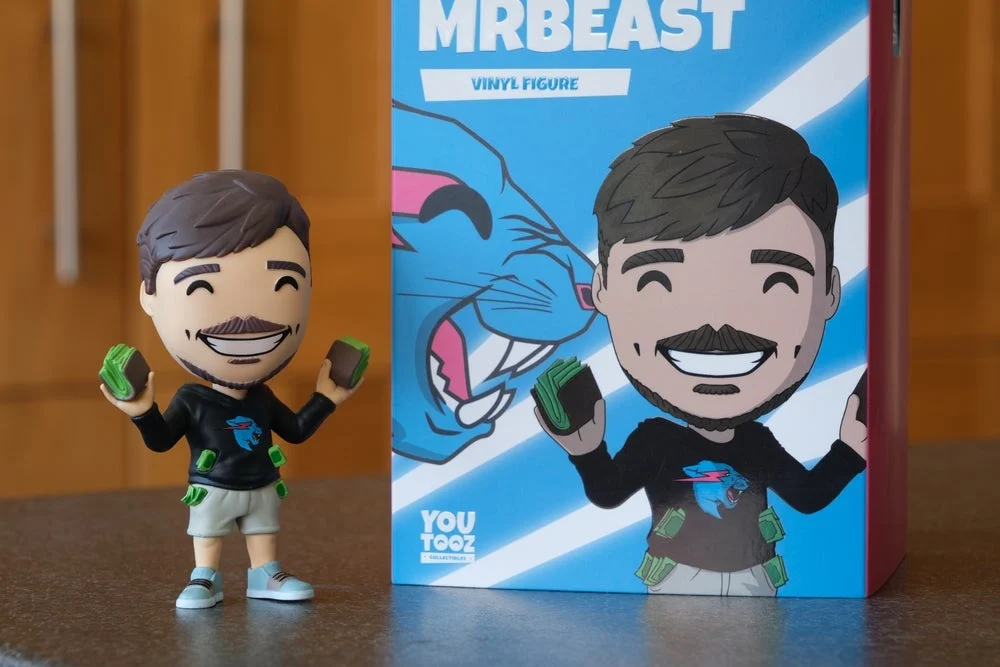
The intersection of viral digital content and high-stakes medical research has reached a new milestone through a strategic partnership between the world’s most influential content creator and leading global health organizations. By merging the storytelling prowess of Beast Philanthropy with the scientific rigor of Amgen, Stand Up To Cancer (SU2C), and the St. Baldrick’s Foundation, a new model for public health communication has emerged. This initiative seeks to bridge the gap between the complexities of pediatric oncology and a global audience of millions, transforming scientific progress into a narrative that resonates across demographics and borders.
The campaign, which centers on the lived experiences of pediatric cancer survivors and the scientists dedicated to their cure, represents a significant shift in how non-profits and pharmaceutical entities approach advocacy. Rather than relying on traditional public service announcements, the collaboration leverages the high-engagement ecosystem of MrBeast—a platform known for its massive reach and philanthropic endeavors—to bring the "patient perspective" to the forefront of a creator-led digital strategy.
The Strategy: Translating Complex Science into Human Narrative
At the heart of this collaboration is the challenge of making pediatric cancer research—a field defined by intricate genomic sequencing, clinical trials, and long-term longitudinal studies—accessible to a general audience. For Susie Tappouni, Head of Corporate Affairs at Amgen, the solution lay in moving away from abstract data and toward the human element. Amgen’s approach focused on placing patients and their survival stories at the center of the narrative, arguing that the impact of research becomes tangible only when it is voiced by those whose lives have been saved by it.
The campaign did not shy away from the technical aspects of the work but chose to anchor them in the presence of experts like Dr. Jay Bradner, Amgen’s Head of Research and Development, Artificial Intelligence, and Data. By featuring a physician-scientist who leads scientific innovation, the partnership provided a bridge between decades of laboratory breakthroughs and the real-world application of those discoveries. This dual-track storytelling approach ensured that while the emotional resonance remained high, the scientific credibility remained uncompromised.
A Collaborative Framework: Uniting Corporate, Non-Profit, and Creator Interests
The execution of this campaign required a delicate balance between four distinct entities, each bringing a unique area of expertise. Stand Up To Cancer (SU2C) provided the scientific infrastructure and a history of high-impact fundraising; Amgen contributed over 45 years of research and innovation experience; St. Baldrick’s Foundation brought its deep roots in childhood cancer advocacy; and Beast Philanthropy provided the creative vision and the distribution channel necessary to reach a global youth-oriented demographic.
Sue Schwartz, co-founder of Stand Up To Cancer, noted that the process was designed to be highly collaborative from the outset. The organizations aligned early on a core message: bringing the pediatric patient experience to the MrBeast audience without sanitizing the reality of the disease. This required a constant feedback loop where Beast Philanthropy’s high-energy storytelling style was balanced against the need for sensitivity and accuracy.
Each partner played a specific role in the content’s development:
- Beast Philanthropy: Handled production and audience engagement strategy, ensuring the video met the high expectations of the MrBeast community.
- Amgen: Focused on the "Pediatric Cancer Dream Team" initiative and the role of research in future medical breakthroughs.
- SU2C and St. Baldrick’s: Ensured the philanthropic impact and the broader mission of childhood cancer research were accurately represented.
Chronology of a Viral Movement
The timeline of the campaign reflects a meticulously planned rollout designed for maximum impact. The collaboration began with months of internal alignment, ensuring that the patient advocates selected to speak—such as William Yank—were prepared to share their journeys in a way that felt authentic to their own experiences while serving the broader educational goals of the project.
Upon launch, the video achieved immediate viral status. Within the first 48 hours, the content generated 22.6 million views and nearly 1 million engagements. However, the true measure of the campaign’s success was found in its donation metrics. In a rare display of global mobilization, donations to Stand Up To Cancer were recorded from 79 different countries. Perhaps most significantly, 95% of these donors were contributing to SU2C for the first time, indicating that the partnership had successfully tapped into a previously unreachable segment of the population.
Data-Driven Impact and Global Reach
The statistics surrounding pediatric cancer provide a sobering context for why this campaign was necessary. While survival rates for some forms of childhood cancer have improved significantly over the last 50 years, others remain stubbornly low. Furthermore, pediatric cancer research historically receives a smaller fraction of federal funding compared to adult cancers, making private philanthropy and corporate support critical.
The data from the MrBeast collaboration suggests a shift in the donor landscape:
- Global Engagement: 79 countries represented in the donor pool.
- New Donor Acquisition: 95% first-time donor rate, showcasing the power of the "creator economy" to expand the philanthropic base.
- Awareness Metrics: Over 22 million views in two days, surpassing the lifetime reach of many traditional health awareness campaigns.
Susie Tappouni emphasized that while fundraising is a critical KPI, the campaign also aimed to inspire the next generation of scientific minds. By showcasing the work of Dr. Bradner and the Amgen R&D team, the initiative sought to position oncology research as an exciting, high-impact career path for young viewers.
The Role of the Creator Economy in Public Health
The success of this partnership offers a blueprint for other communications teams handling complex or sensitive issues. The traditional model of corporate social responsibility (CSR) often involves a top-down approach that can feel disconnected from the audience. In contrast, the MrBeast model thrives on authenticity and a direct connection with the community.
The Beast Productions team demonstrated a deep understanding of their audience’s expectations, ensuring that the tone was appropriate for the subject matter while maintaining the fast-paced, engaging style that has made MrBeast the most-subscribed individual creator on YouTube. This balance is difficult to achieve in healthcare communications, where the fear of "oversimplifying" often leads to content that is too dense to be effective.
Broader Implications for Pediatric Oncology
The long-term barometer for this collaboration will be the tangible progress made in pediatric cancer treatments. The funds raised are directed toward the Stand Up To Cancer Pediatric Cancer Dream Team, a collaborative group of researchers working on innovative therapies that are often too risky or specialized for traditional funding models.
Beyond the immediate financial boost, the campaign has successfully shifted the conversation around pediatric cancer from one of tragedy to one of scientific hope and empowerment. By highlighting survivors who are now living healthy lives due to research, the narrative reinforces the idea that scientific investment yields a direct human return.
Analysis: A New Standard for Strategic Communication
This partnership highlights a fundamental truth in modern media: reach is no longer enough. To drive action—whether it be a donation or a career choice—organizations must build trust and understanding. The collaboration between Amgen, SU2C, and Beast Philanthropy succeeded because it was grounded in a shared commitment to the issue rather than a mere desire for "clout" or visibility.
For the pharmaceutical industry, this represents a new way to engage with the public. It moves the industry away from the perception of a distant corporate entity and toward a role as a partner in human progress. For the non-profit sector, it demonstrates that "meeting the audience where they are"—even if that place is a YouTube channel known for stunts and challenges—can yield unprecedented results when handled with the necessary gravitas.
As the campaign continues to circulate, the stakeholders remain focused on the ultimate goal: ensuring that no child’s life is cut short by a disease that science has the potential to cure. The initial signals—global donations, massive engagement, and a new generation of informed viewers—suggest that the partnership has not only raised awareness but has also set a new standard for how the world’s most complex problems can be communicated and solved in the digital age.