The digital analytics landscape underwent a seismic shift in 2025 following the full operational merger of Hotjar and its parent company, Contentsquare. While Hotjar historically dominated the mid-market as an accessible, entry-level behavior analytics tool, the post-merger environment has seen a significant restructuring of its pricing and product tiers. As of August 2026, the market has responded with a diverse array of specialized alternatives, catering to organizations that find the new Contentsquare-driven ecosystem either too complex or prohibitively expensive.
The transition of Hotjar from a standalone disruptor to a component of the Contentsquare "Experience Intelligence" suite has fundamentally altered the value proposition for many digital marketing and product teams. The current market now demands tools that can bridge the gap between simple heatmap generation and complex, AI-driven conversion rate optimization (CRO). This report analyzes the top eight alternatives currently available, providing a comprehensive overview of their strategic advantages, pricing structures, and technical capabilities.
The Evolution of Behavior Analytics: A Brief Chronology
To understand the current state of the market, it is essential to trace the trajectory of behavior analytics over the last decade. Founded in 2014, Hotjar revolutionized the industry by democratizing access to heatmaps and session recordings, features that were previously reserved for enterprise-level budgets. Its "generous free tier" model allowed it to capture a massive share of the freelance and small-to-medium business (SMB) market.
In 2021, Contentsquare acquired Hotjar in a move designed to consolidate the "all-in-one" experience market. By early 2025, the two platforms were fully integrated. This merger resulted in the sunsetting of traditional Hotjar-branded plans, replaced by a tripartite product structure: Experience Analytics (replays and heatmaps), Voice of Customer (surveys and feedback), and Product Analytics (powered by the acquisition of Heap).
This consolidation has led to a market bifurcation. While enterprise clients benefit from the unified data layer provided by Contentsquare, smaller teams and specialized product groups have increasingly sought "unbundled" alternatives that offer lower overhead and more focused feature sets.
Strategic Analysis of Market Leaders
1. Crazy Egg: The Comprehensive Optimization Loop
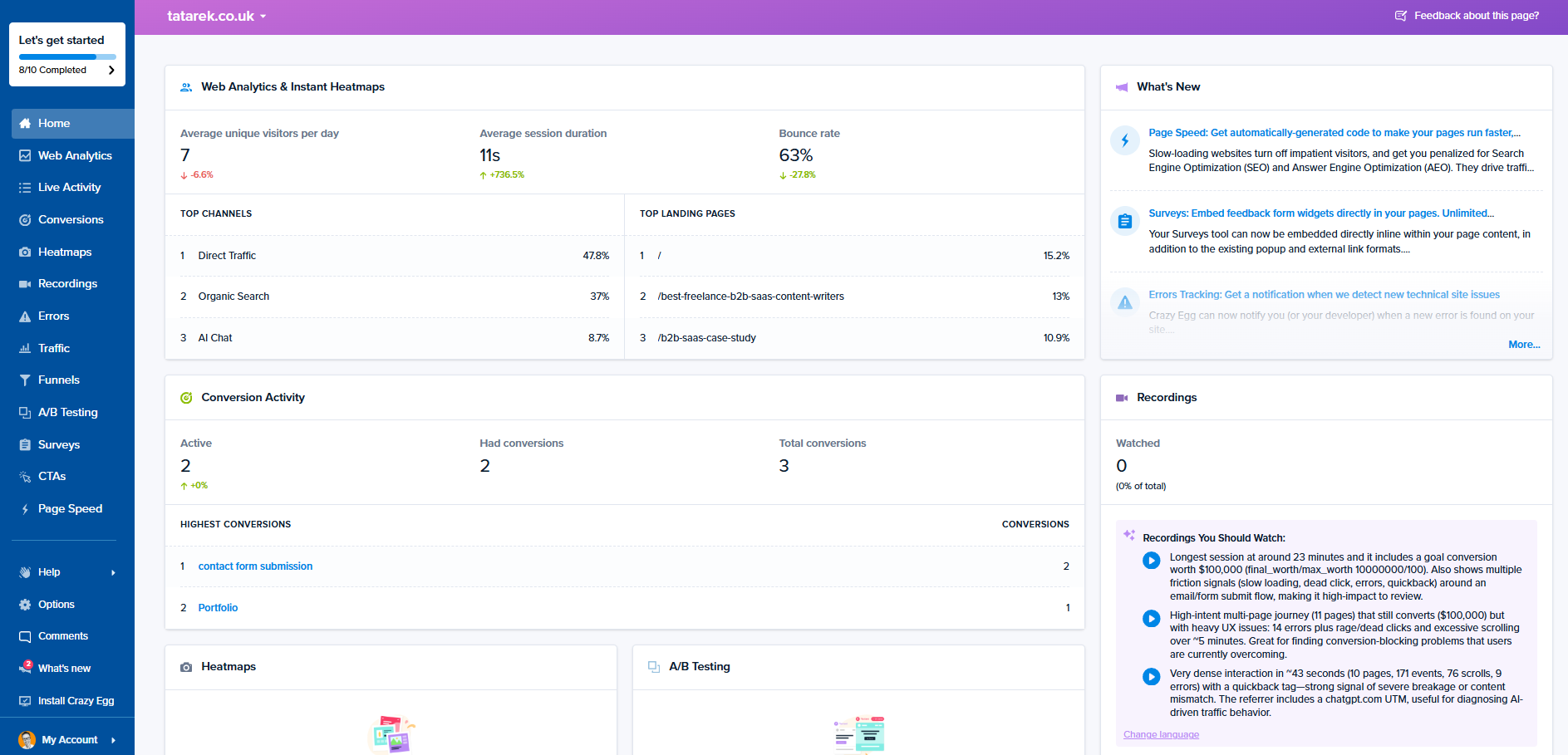
Crazy Egg has positioned itself as the primary alternative for teams seeking to consolidate the entire CRO process. Unlike tools that focus solely on data collection, Crazy Egg emphasizes the "optimization loop"—the cycle of finding an issue, diagnosing it, and testing a fix within a single interface.
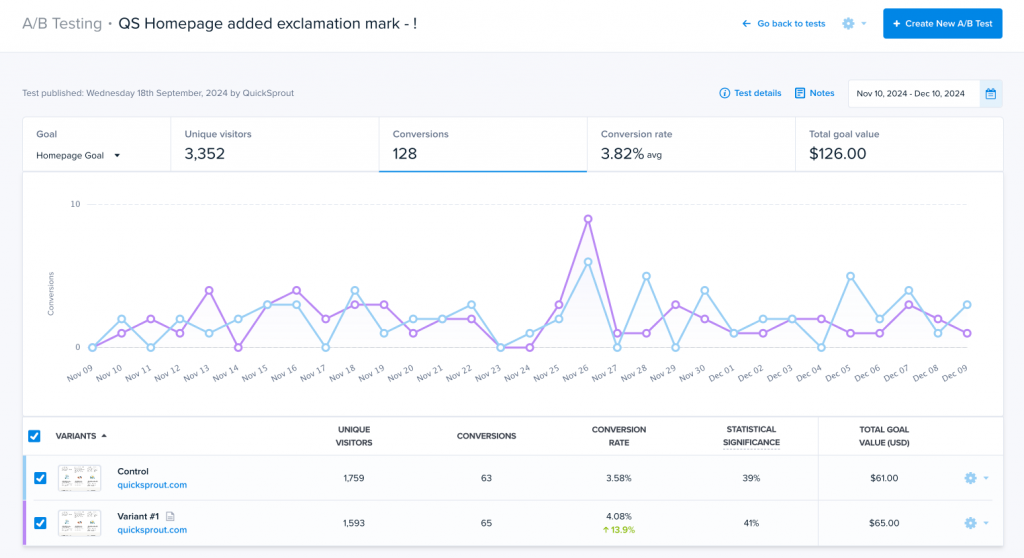
As of 2026, Crazy Egg remains a top contender due to its integrated A/B testing and personalization engine. While Hotjar split its feedback and recording tools into separate paid modules, Crazy Egg maintains a unified dashboard that includes heatmaps, recordings, and conversion analytics. Recent industry data suggests that teams using Crazy Egg can reduce their "time-to-insight" by approximately 30% because they do not have to export data to a third-party testing tool.
2. Microsoft Clarity: The Zero-Cost Disruptor
Microsoft Clarity has disrupted the lower end of the market by offering a feature set comparable to Hotjar’s "Experience Analytics" tier entirely for free. With no traffic limits and no paid tiers, Clarity has become the default choice for budget-conscious organizations.
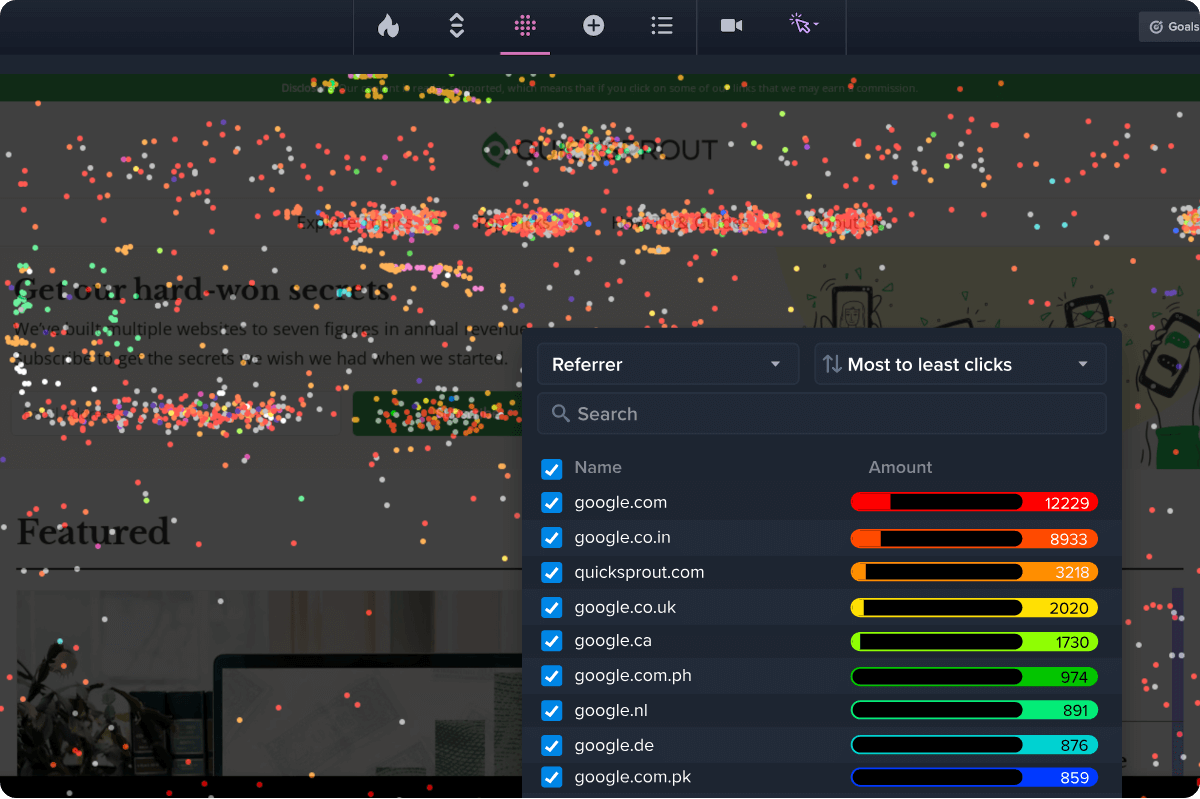
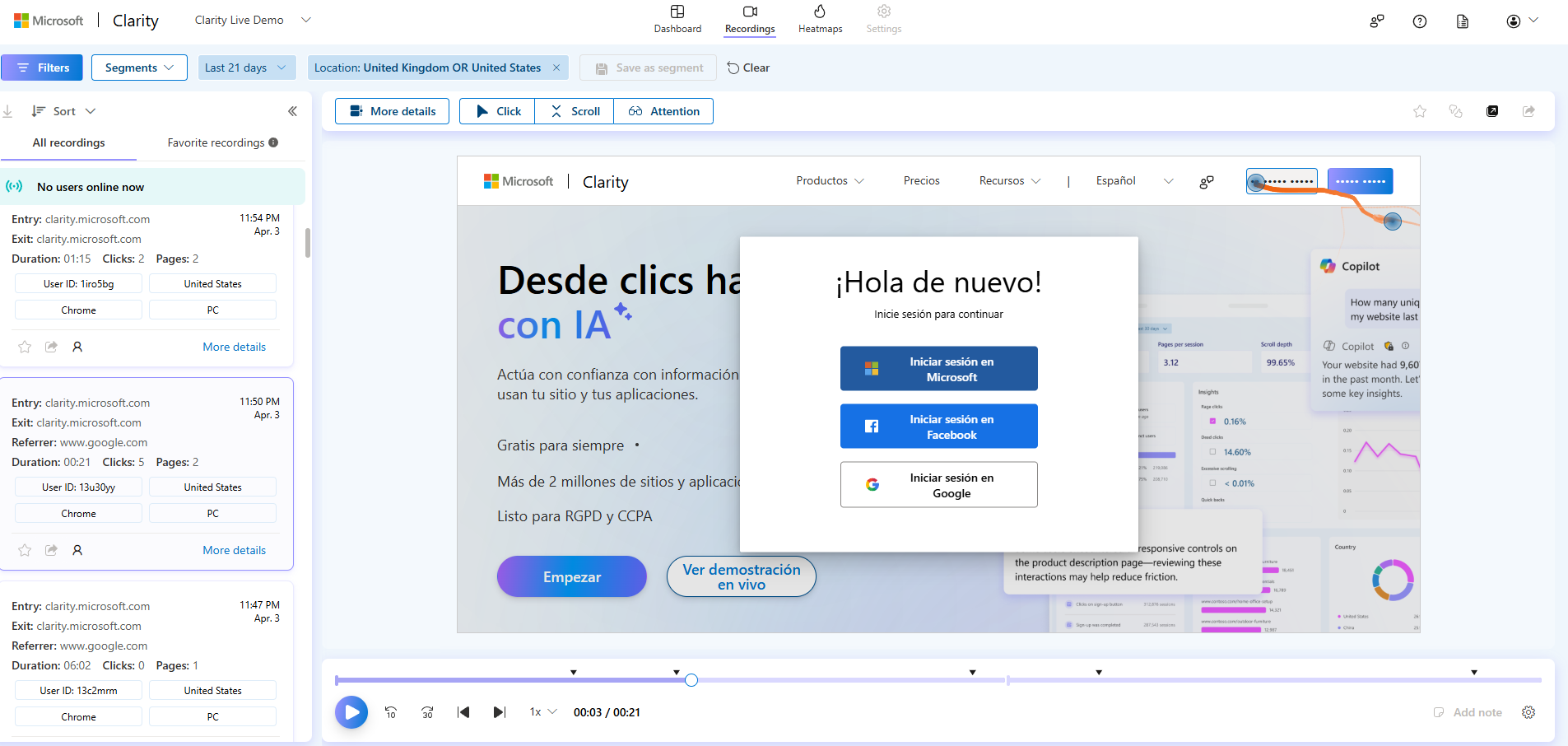
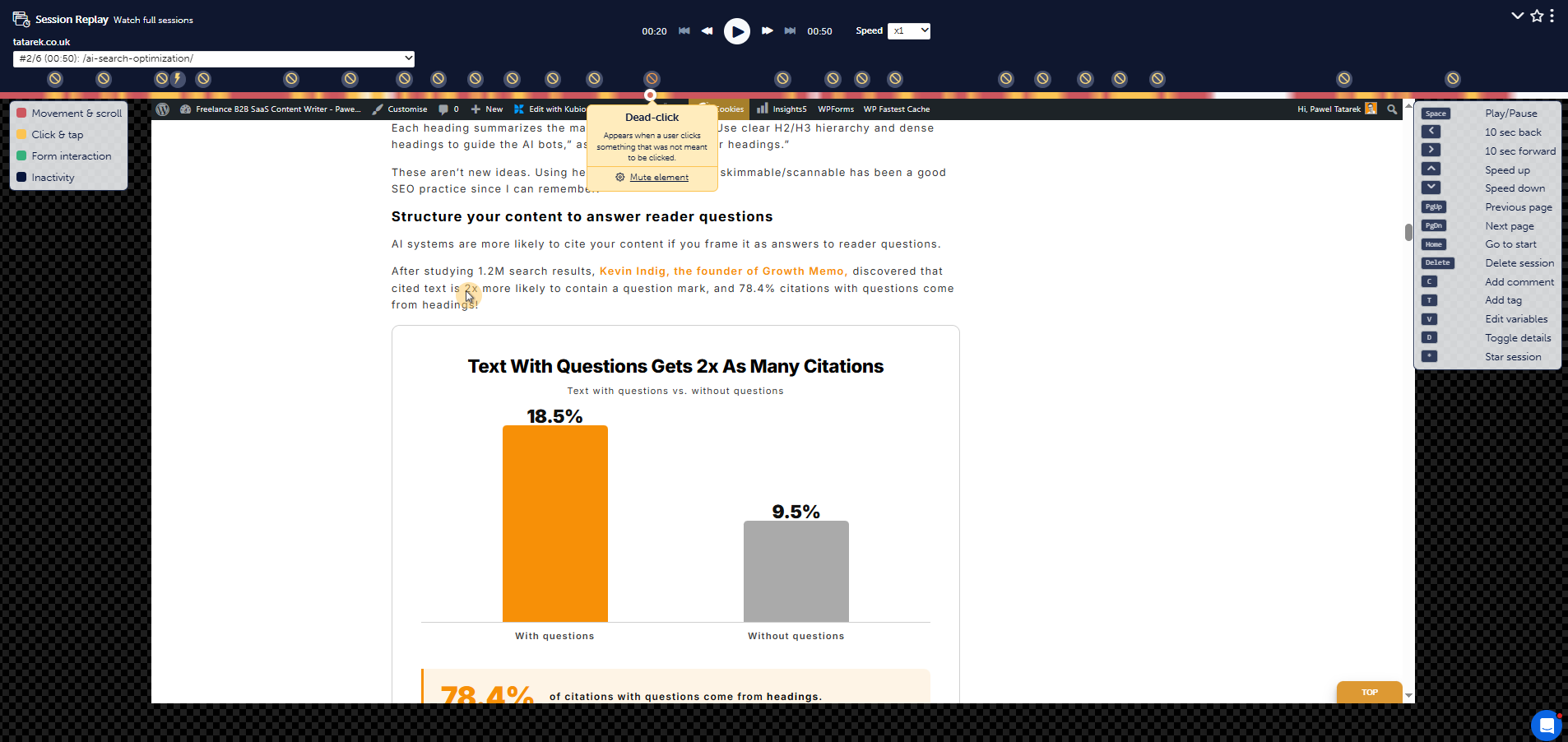
The tool provides heatmaps, session recordings, and automated "friction" insights, such as rage clicks and dead clicks. However, from a journalistic and technical perspective, it is important to note the trade-off: Microsoft utilizes the data collected through Clarity to improve its own machine learning models and Bing advertising services. For organizations with strict data privacy requirements, this "data-for-service" model requires careful legal vetting.
3. Mouseflow: Advanced Friction Analysis
Mouseflow has emerged as a "like-for-like" replacement for users who grew accustomed to the classic Hotjar interface but require deeper technical analysis. Its proprietary "Friction Score" automatically identifies sessions where users encounter JavaScript errors or slow load times.
Mouseflow’s advantage in 2026 lies in its historical data retention and its automated funnel analysis. While other tools require manual setup for each step of a conversion funnel, Mouseflow’s "Journey" feature can retroactively build funnels based on existing session data, a critical feature for fast-moving marketing teams.
4. Lucky Orange: E-commerce and Real-Time Support
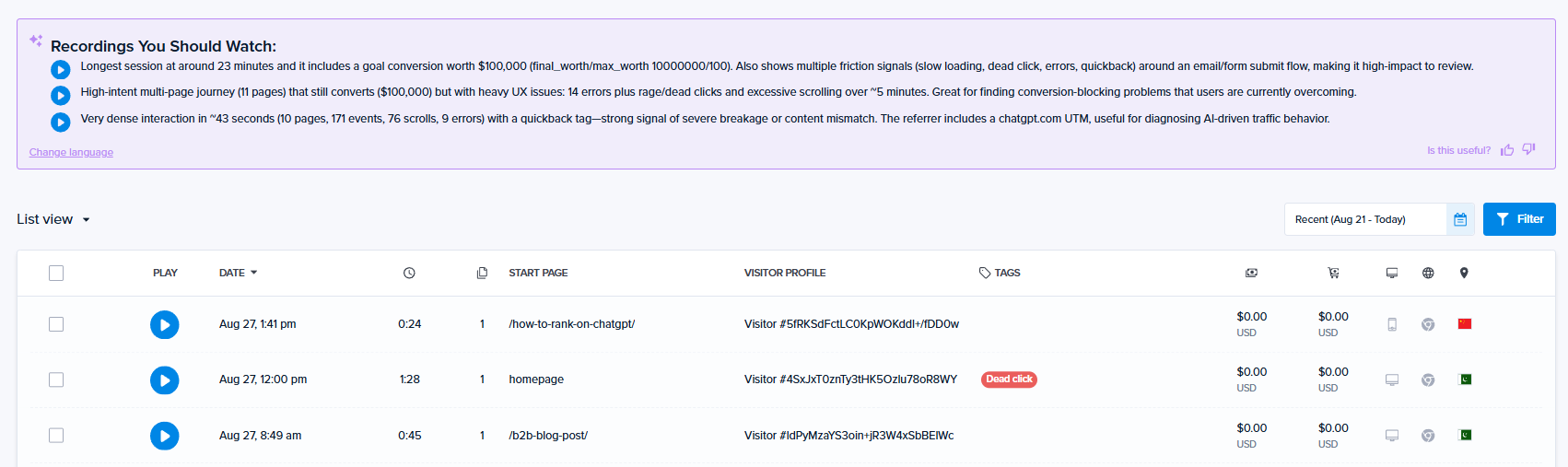
For small-to-medium e-commerce teams, Lucky Orange offers a specialized feature set that includes live chat and a real-time visitor view. This allows store owners to interact with customers at the exact moment they encounter friction in the checkout process.
Lucky Orange’s dynamic heatmaps are specifically engineered for modern, interactive websites where elements change based on user input. This makes it particularly effective for Shopify and Magento-based stores that utilize complex product configurations.
5. FullStory: Enterprise Digital Transformation
FullStory represents the high-end alternative for organizations undergoing digital transformation. Its entry-level pricing, estimated by procurement platform Vendr to be between $10,000 and $25,000 annually, reflects its positioning as a heavy-duty data engine.
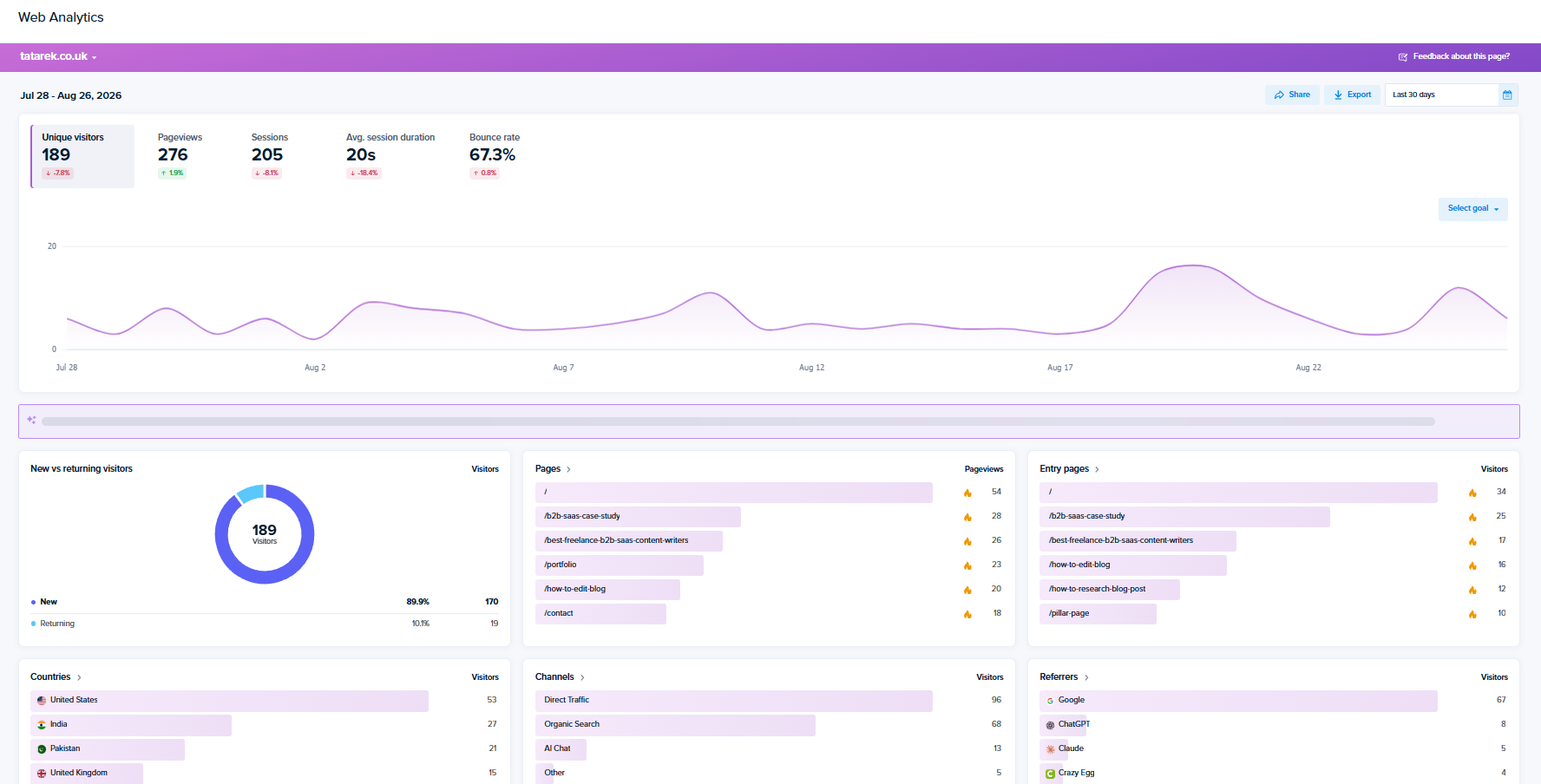
FullStory’s primary differentiator is its "Omnisearch" capability, which indexes every single event in a user session without requiring manual tagging. This level of granularity is essential for large-scale product teams managing complex SaaS applications where manual event tracking would be technically unfeasible.
6. PostHog: The Developer-First "Product OS"
PostHog has captured the "Product and Engineering" segment of the market by offering an open-source, self-hostable alternative. In an era of increasing data sovereignty regulations, the ability to host behavior analytics on a company’s own infrastructure is a significant competitive advantage.
PostHog bundles product analytics, session replays, and feature flags into a single platform. This "Product OS" approach allows engineering teams to roll out a new feature, monitor its performance via heatmaps, and toggle it off via a feature flag if the data shows a negative impact on conversion—all within the same tool.
7. VWO: The Experimentation Powerhouse
VWO (Visual Website Optimizer) remains the gold standard for teams where experimentation is the primary driver of strategy. While Hotjar added basic survey features, VWO’s platform is built around a sophisticated Bayesian statistical engine.
VWO’s behavior analytics (heatmaps and recordings) are designed to serve as the "hypothesis generation" phase for A/B tests. Industry benchmarks indicate that VWO is the preferred choice for enterprise-level CRO agencies that require high statistical confidence and multi-variate testing capabilities.
8. Survicate: Specialized Feedback Collection
For organizations that prioritize qualitative data over quantitative heatmaps, Survicate offers a superior alternative to Hotjar’s "Voice of Customer" module. Survicate specializes in in-product feedback, offering 15+ question types and advanced branching logic.
Survicate’s 2026 roadmap has focused heavily on AI-driven sentiment analysis, allowing teams to automatically categorize thousands of open-ended survey responses into actionable themes.
Supporting Data: The Financial Cost of "The Switch"
Data from procurement specialists and market analysts highlight a growing disparity in costs between these platforms. According to SpendHound, small businesses currently spend an average of $13,749 annually on behavior analytics, while enterprise-level contracts for platforms like Contentsquare (Hotjar) or FullStory can reach upwards of $154,400.
| Tool | Entry Pricing (Annualized) | Best For |
|---|---|---|
| Microsoft Clarity | $0 | SMBs / High Traffic |
| Crazy Egg | ~$348 | Full-loop CRO |
| Mouseflow | ~$300 | Marketing Analytics |
| PostHog | Usage-based | Engineering Teams |
| FullStory | $10,000+ | Enterprise SaaS |
| VWO | ~$3,700+ | A/B Testing |
Industry Reactions and Official Statements
Market analysts suggest that the "unbundling" of Hotjar has created a void that competitors are eager to fill. A spokesperson from a leading digital agency noted, "The merger with Contentsquare was a logical business move, but it left the ‘Prosumer’ market—the freelance designers and small marketing teams—feeling abandoned. They don’t need a $20,000 enterprise suite; they need a heatmap that works for $30 a month."
In response to these market shifts, many of the listed alternatives have launched "migration assistants." Mouseflow and Crazy Egg, for instance, have introduced documentation specifically designed to help users export their Hotjar data (in .csv or .xlsx formats) and transition their tracking scripts with minimal downtime.
Broader Impact and Market Implications
The proliferation of Hotjar alternatives in 2026 signifies a broader trend in the software-as-a-service (SaaS) industry: the rejection of "all-in-one" bloat in favor of "best-of-breed" specialization. As privacy regulations like GDPR and CCPA continue to evolve, the demand for tools that offer localized data hosting (like PostHog) or transparent data usage (like Crazy Egg) is expected to grow.
Furthermore, the integration of Artificial Intelligence has become the new baseline. By mid-2026, features that were once considered "premium"—such as AI-summarized session recordings and automated insight generation—have become standard across most of these alternatives.
For organizations currently using Hotjar, the decision to switch typically hinges on three factors: budget, technical complexity, and the specific "loop" they are trying to close. Whether it is the free accessibility of Microsoft Clarity, the engineering depth of PostHog, or the optimization focus of Crazy Egg, the market now offers a specialized solution for every tier of digital business. The era of the "one-size-fits-all" behavior analytics tool appears to have ended, replaced by a more mature, segmented, and competitive landscape.