Enterprise demand generation teams, traditionally reliant on Adobe Marketo Engage for robust marketing automation, are increasingly scrutinizing its long-standing dominance, prompting a significant re-evaluation of its suitability against a backdrop of evolving market needs and emerging, more integrated alternatives. This critical introspection comes as marketing operations leaders grapple with escalating costs, operational complexities, and a growing demand for seamless data unification across their sales and marketing ecosystems. As of 2026, nearly half of all marketers report leveraging automation to enhance process efficiency, underscoring the intensified competition for market share among platform providers. This comprehensive guide delves into the driving forces behind this industry pivot, evaluates leading alternatives like HubSpot’s Marketing Hub and Smart CRM, outlines essential selection criteria, and provides a strategic roadmap for a smooth migration without disrupting critical business momentum.

The Evolving Landscape of Enterprise Marketing Automation
For over a decade, Adobe Marketo Engage has stood as a formidable pillar in the B2B marketing automation space. Renowned for its powerful capabilities in lead nurturing, email marketing, account-based marketing (ABM), revenue attribution, and CRM integration, it carved out a niche as the go-to solution for large enterprises with complex demand generation requirements. Its comprehensive feature set allowed sophisticated marketers to orchestrate intricate campaigns, manage vast databases, and track intricate customer journeys. Marketo’s history, tracing back to its founding in 2006 and subsequent acquisition by Adobe in 2018, solidified its position as a legacy player in the burgeoning martech sector.
However, the digital marketing landscape is in constant flux, shaped by rapid technological advancements, particularly in artificial intelligence, shifts in user expectations, and a relentless pursuit of operational efficiency. What was once the gold standard is now being measured against a new generation of platforms designed with different architectural philosophies and a stronger emphasis on user experience, integrated functionality, and a lower total cost of ownership. The current market dynamics reflect a broader trend within enterprise software: a move away from highly specialized, often siloed, best-of-breed tools towards more holistic, unified platforms that promise greater agility, reduced overhead, and a single source of truth for customer data. This shift is particularly pronounced in marketing and sales, where the alignment of efforts and data is paramount for revenue growth, driving a demand for systems that naturally foster collaboration rather than requiring complex integrations.

Key Drivers Behind the Exodus from Marketo
The reasons prompting B2B marketing leaders, Revenue Operations (RevOps) leaders, and agency principals to seek Marketo alternatives are multifaceted, extending beyond mere feature comparisons to fundamental issues of cost, usability, and strategic alignment with modern business objectives.
1. High Total Cost of Ownership (TCO):
Marketo’s licensing fees, while substantial, often represent only the initial financial commitment. The platform’s total cost of ownership (TCO) frequently proves to be a significant and unexpected burden for organizations. Beyond the base license, companies must budget extensively for specialized implementation services, substantial ongoing administrative time for configuration and maintenance, the cost of various integrations with other critical business systems (such as CRMs, ad platforms, and data enrichment tools), specialized training for marketing and IT teams, and a plethora of necessary add-ons to achieve full functionality. Industry estimates frequently place the all-in annual cost of Marketo at two to three times the initial license fee. This extensive financial outlay can strain departmental budgets, divert resources from other strategic investments, and ultimately raise questions about the platform’s overall return on investment, especially as more cost-effective, yet equally powerful, alternatives emerge. The economic implication is a re-evaluation of capital expenditure versus operational efficiency.
2. Steep Learning Curves and Admin Dependency:
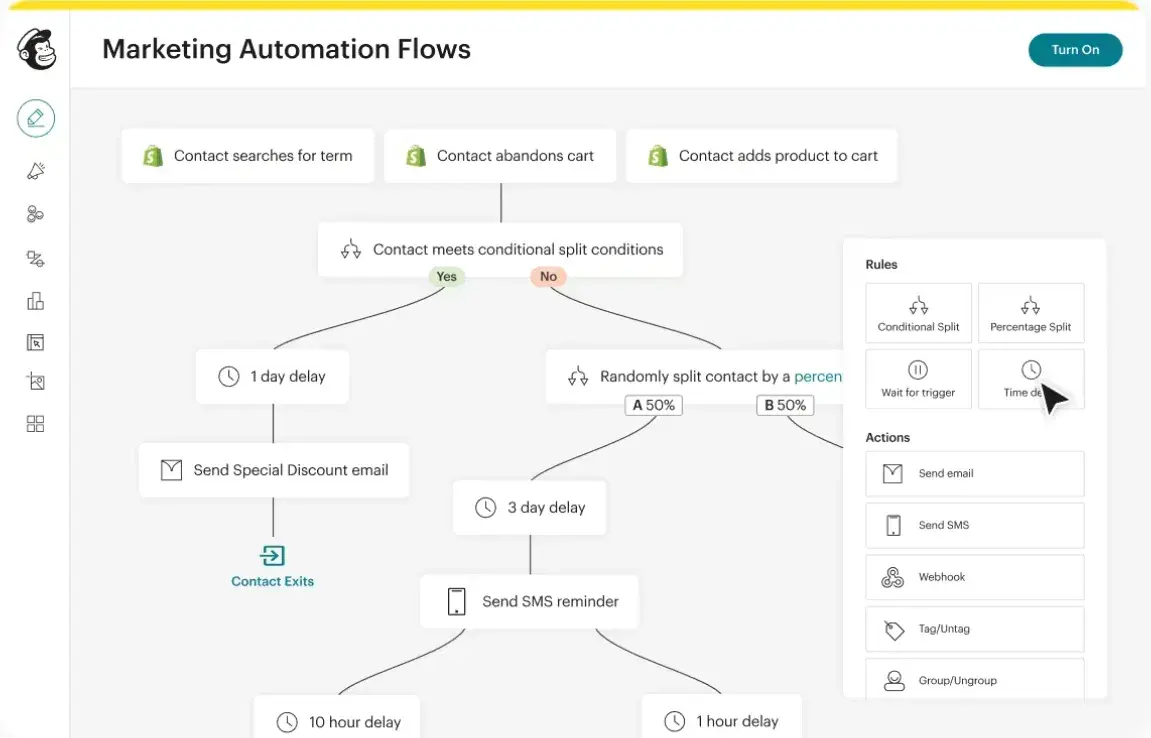
Marketo’s power and depth of features often come at the price of accessibility. Its intricate interface and powerful, yet complex, "smart campaigns" and trigger logic are not typically intuitive for general marketing professionals. This complexity usually necessitates the continuous involvement of a Marketo-certified administrator or an external consulting firm for campaign creation, workflow maintenance, and troubleshooting. This heavy reliance on specialized technical expertise creates significant bottlenecks, slows down the pace of campaign execution, and substantially increases operational costs. Marketing teams frequently find themselves waiting for technical admins to implement changes, which stifles agility and responsiveness in today’s fast-paced market environment. This dependency undermines the very purpose of marketing automation, which is designed to empower marketers, not to create new layers of technical gatekeeping.
3. Fragmented Data Between Marketing and Sales:
While Marketo offers robust integrations with leading Customer Relationship Management (CRM) systems like Salesforce, the distinction between "integrates with" and "unified with" is critical. Many organizations report persistent challenges with data synchronization, experiencing delays and inconsistencies in lead records, activity histories, and customer profiles. This fragmentation creates significant friction at the crucial marketing-to-sales handoff point, leading to outdated information, missed opportunities, and a lack of a cohesive customer view. In an era where modern revenue teams demand a single, comprehensive understanding of each customer interaction and seamless communication, these data silos are increasingly unacceptable. The inability to seamlessly share real-time insights between marketing and sales departments hampers coordinated efforts, impedes accurate lead qualification, and ultimately impacts revenue predictability and customer experience.
4. Slow Time to Value:
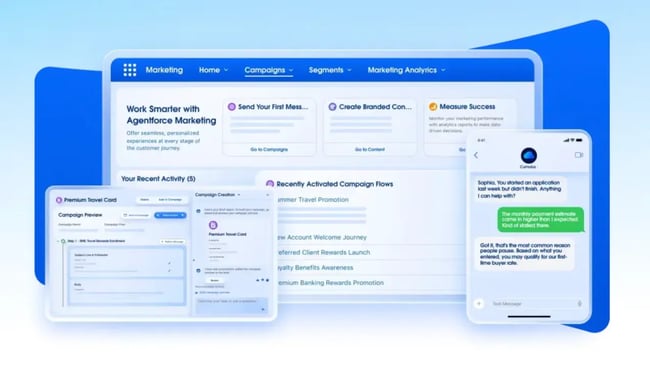
The extensive implementation timelines associated with Marketo are another significant concern for businesses. New deployments routinely require three to six months before teams can become fully operational and begin to realize the platform’s benefits and generate measurable ROI. This extended window is a major drawback for companies that operate in competitive markets and need to generate pipeline and demonstrate tangible results quickly. The delay in achieving operational readiness can put businesses at a competitive disadvantage, postpone crucial marketing initiatives, and negatively impact revenue targets. The market demands agility, and platforms with protracted setup phases are increasingly perceived as impediments to growth rather than enablers.
The Rise of Integrated Solutions: A Paradigm Shift
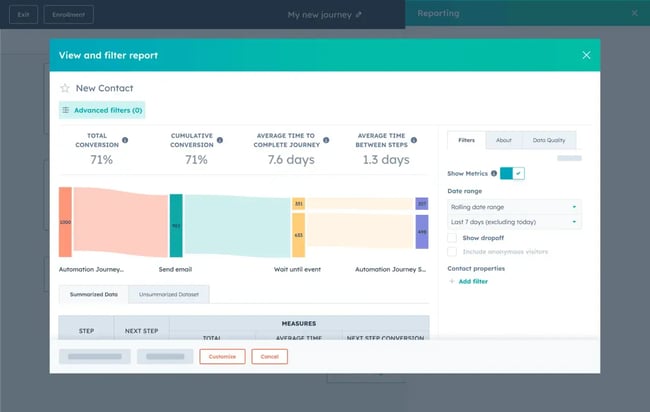
Addressing these prevalent challenges, a new wave of marketing automation platforms has emerged, championing a unified approach. Platforms like HubSpot’s Marketing Hub, complemented by its Smart CRM, exemplify this paradigm shift. By building marketing automation and CRM capabilities into a single, cohesive system from the ground up, they fundamentally eliminate the need for complex integration layers and drastically reduce data silos. This architectural choice translates into a visual workflow builder that requires minimal technical expertise, empowering marketing teams to build and manage campaigns independently. Furthermore, onboarding timelines are often measured in weeks, not quarters, significantly accelerating the time to value. This integrated philosophy reflects a broader industry movement towards comprehensive platforms that streamline operations, enhance collaboration, and provide a holistic view of the customer journey, from initial engagement to post-sale service, thereby fostering true RevOps alignment.
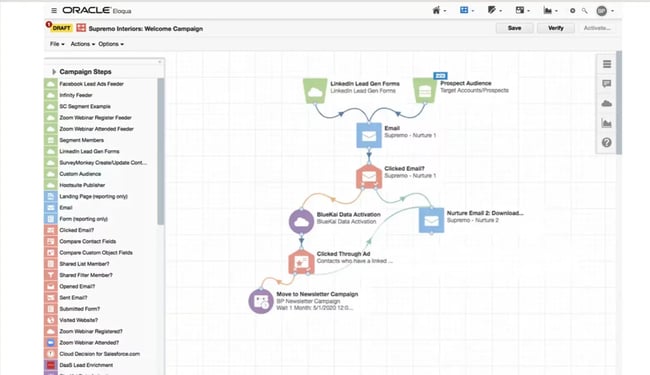
Top Marketo Alternatives: A Detailed Analysis
As organizations seek more agile, cost-effective, and unified solutions, a curated shortlist of alternatives has emerged. These platforms cater to diverse team sizes, tech stacks, and use cases, increasingly incorporating advanced AI features such as predictive scoring, content generation, send-time optimization, summarization, and analytical insights. Siddharth Deswal, Founder of Enfra and an expert in AI-powered SEO/GEO platforms with 14 years of marketing leadership experience across various automation tools, offers invaluable firsthand perspectives on these alternatives.
1. HubSpot Marketing Hub + Smart CRM
*Best For: Teams seeking unified