Social media monitoring is a critical strategic imperative for modern enterprises, encompassing the meticulous process of systematically tracking and analyzing public conversations about a brand, its products, competitors, and industry across diverse digital platforms. This advanced capability moves beyond simple mentions, actively identifying both direct tags and, crucially, untagged discussions occurring organically within the vast social web. From comments on a brand’s owned channels to spontaneous conversations in forums, review sites, and news coverage across platforms like Instagram, TikTok, LinkedIn, X (formerly Twitter), Facebook, YouTube, Reddit, and emerging networks such as Bluesky, the scope is far broader than traditional manual checks can capture. With a significant majority of U.S. adults engaging with platforms like YouTube (84%) and Facebook (71%), as reported in a 2025 Pew Research study, the sheer volume and distributed nature of these conversations underscore the necessity for sophisticated monitoring solutions.
The Evolution and Mechanism of Social Media Monitoring

Historically, social media monitoring was a largely manual, reactive task, involving human teams sifting through feeds for direct mentions. Today, it has transformed into a complex, multi-faceted discipline, integrating advanced analytics and artificial intelligence to provide real-time, actionable intelligence. This process is not a singular activity but a confluence of signals that collectively paint a comprehensive picture of public perception and discourse.
The core mechanism involves:
- Data Collection: Automated tools continuously scan billions of public posts, comments, reviews, video captions, forum threads, and news articles.
- Keyword and Query Definition: Brands define specific keywords, phrases, hashtags, and even common misspellings related to their brand, products, competitors, and industry topics.
- Sentiment Analysis: AI algorithms classify the emotional tone of mentions—positive, negative, neutral—with increasing sophistication to detect nuance, sarcasm, and intent.
- Trend Identification: The system identifies emerging themes, trending topics, and shifts in conversation volume or sentiment.
- Alert Generation: Real-time alerts are triggered for significant events, such as spikes in negative sentiment, increased mention volume, or critical competitor activity.
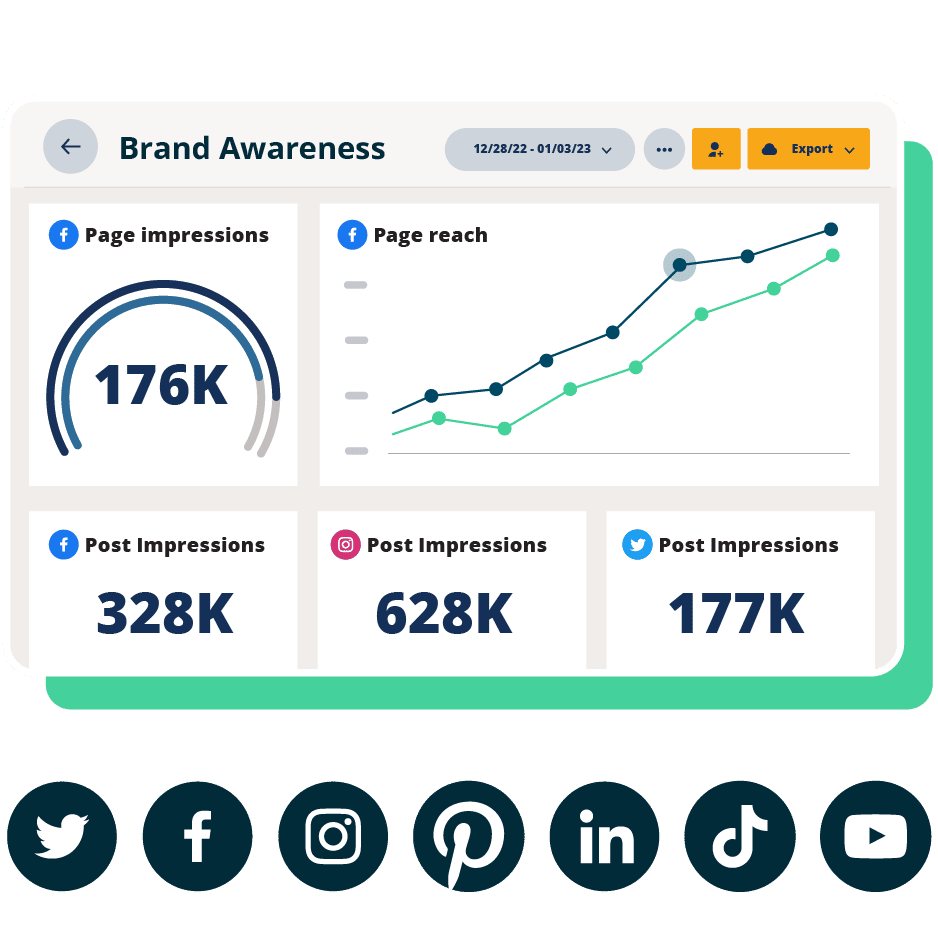
- Reporting and Visualization: Data is aggregated and presented through dashboards, allowing teams to visualize trends, identify patterns, and drill down into individual conversations.
This integrated approach enables organizations to transform raw social data into strategic insights, empowering them to respond effectively and proactively shape their narrative.

Distinguishing Monitoring from Social Listening
While often used interchangeably, social media monitoring and social listening serve distinct yet complementary purposes. Monitoring is fundamentally reactive, focusing on individual conversations as they happen, primarily for immediate engagement and crisis detection. It operates in real-time, hour-to-hour, providing alerts for issues requiring immediate attention, such as a customer complaint demanding a swift reply.
In contrast, social listening is proactive and analytical, examining aggregated patterns across vast quantities of conversations over extended periods (weeks, months, quarters). Its objective is to uncover overarching trends, shifts in sentiment, and broader strategic implications for marketing campaigns, product development, and long-term brand strategy. For instance, while monitoring flags an individual complaint about a new product feature, listening reveals that such complaints have doubled month-over-month, providing critical data for the product development team to prioritize a fix. Both are indispensable: monitoring addresses the immediate moment, while listening uncovers the enduring patterns.

Strategic Imperatives: Key Benefits for Enterprises
The adoption of robust social media monitoring provides a multitude of strategic advantages, enabling brands to maintain vigilance, safeguard their reputation, and leverage real-time feedback for continuous improvement.
- Profound Audience Understanding: Beyond direct interactions, monitoring uncovers conversations where a brand is discussed without being explicitly tagged. This provides a holistic view of who is talking about the brand, their perceptions, pain points, and desires—including individuals who might never engage with traditional surveys but readily share opinions on platforms like Reddit. This deeper insight informs more effective marketing, product development, and customer service strategies.
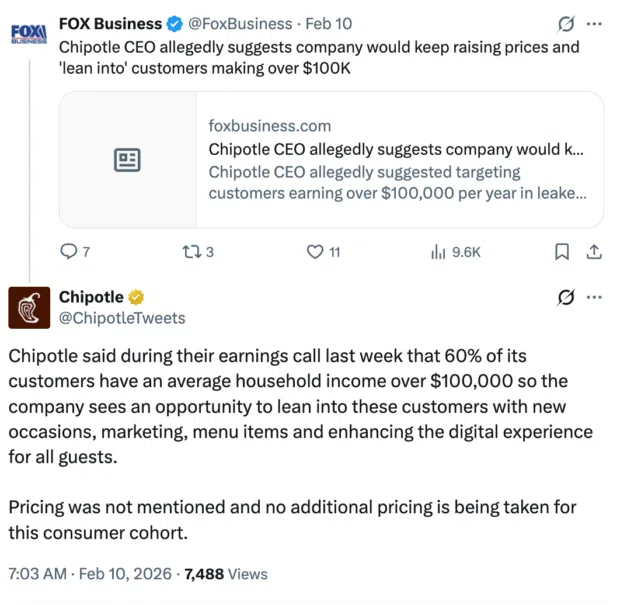
- Early Crisis Detection and Reputation Management: Establishing a baseline for public sentiment allows brands to quickly identify anomalous shifts, such as a sudden surge in negative mentions or a localized complaint gaining wider traction. Tools that track share of voice and provide real-time alerts when sentiment or mention volume deviates from the norm are crucial. For example, when Chipotle faced scrutiny over perceived targeting of higher-income customers, their rapid, comprehensive social media response across both tagged and untagged posts demonstrated effective crisis management. This early warning system can be the critical difference between containing an issue and allowing it to spiral into a major reputational crisis, which can cost companies millions in lost revenue and brand value.
- Informed Marketing Campaign Optimization: Social media monitoring provides immediate feedback on campaign performance, allowing marketers to make real-time adjustments. It surfaces common questions, concerns, or unforeseen positive reactions, enabling agile optimization. Beyond specific campaigns, it helps identify broader trends—from popular hashtags to relevant memes—that can be strategically incorporated into future content. Analyzing competitor campaigns, identifying both successes and failures, further refines a brand’s approach, fostering innovation and mitigating risks.
- Comprehensive Competitive Intelligence: Monitoring extends beyond self-assessment to include competitors and the broader industry landscape. This competitive intelligence provides benchmarks for performance and reveals crucial market signals, such as new product launches, shifts in competitor pricing strategies, emerging customer service issues, or even innovative marketing tactics. Understanding what resonates (or fails to resonate) for rivals offers invaluable lessons and opportunities for differentiation.
- Enhanced Audience Engagement and Customer Service: While tagged mentions often come with an expectation of a swift response, monitoring also uncovers untagged conversations—a rich vein of opportunity for proactive engagement. This allows brands to intervene with frustrated customers, convert potential buyers, or amplify positive sentiment from advocates, fostering stronger customer relationships and loyalty. Prompt, empathetic responses to both positive and negative feedback can significantly improve customer satisfaction and retention.
The AI Imperative: Revolutionizing Monitoring Capabilities
Artificial intelligence has fundamentally reshaped social media monitoring, transforming it from a labor-intensive chore into a sophisticated, continuous intelligence system. Instead of manual data sifting, teams now leverage AI to review automatically generated summaries, anomaly reports, and thematic clusters, significantly streamlining decision-making and action.
Key contributions of AI include:
- Advanced Sentiment and Intent Analysis: Modern AI models move beyond simplistic positive/negative/neutral classifications. They understand context, detecting sarcasm, frustration, genuine praise, and even specific purchase intent. This allows customer service teams to prioritize messages requiring immediate action, ensuring more efficient and effective responses. Furthermore, AI’s ability to operate across multiple languages ensures consistent analysis for global brands.
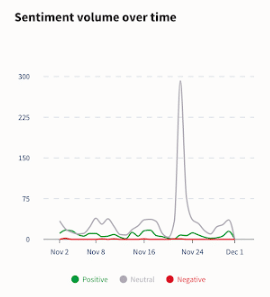
- Automated Crisis Detection and Real-Time Alerts: AI excels at identifying deviations from established norms. By learning typical mention volumes and sentiment ranges, it flags anomalies the moment they appear, offering an invaluable head start in managing rapidly unfolding social issues. This rapid detection is crucial, as social crises can escalate exponentially, turning a minor complaint into a major news story within hours.
- Proactive Trend Discovery and Predictive Insights: AI goes beyond alerts to identify nascent trends, tracking hashtag momentum, emerging topics, and subtle shifts in industry discourse. Predictive models can even estimate whether a conversation is likely to grow or fade, allowing brands to allocate resources strategically and focus on high-impact opportunities rather than chasing every fleeting spike.
- Automated Content Categorization and Thematic Clustering: AI can automatically categorize vast amounts of unstructured text data into thematic clusters, identifying the most discussed topics, common pain points, or popular features related to a brand or product. This capability reduces manual tagging and speeds up the process of deriving actionable insights.
Platforms like Hootsuite Social OS integrate AI-powered tools such as Lumen for advanced insights and Wisdom for natural language querying, enabling users to ask complex monitoring questions without intricate manual query building.
Implementing a Robust Social Media Monitoring Strategy
An effective social media monitoring strategy is built on deliberate planning and continuous refinement.
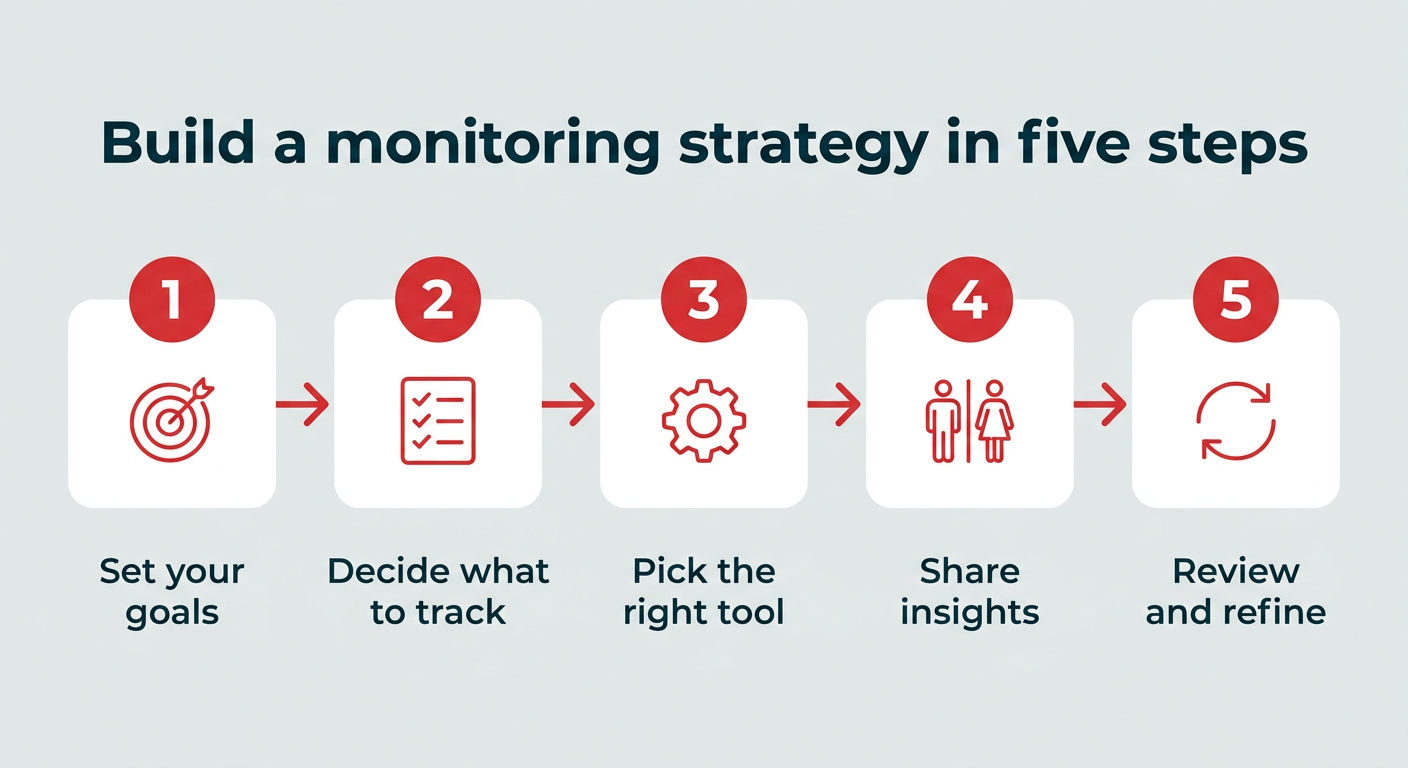
- Define Clear Goals: The foundational step involves articulating specific, measurable goals. Brands should ask: "What questions do we need to answer through social monitoring?" Common objectives include improving customer service response times, reducing support ticket volume, enhancing brand perception, identifying product improvement opportunities, or tracking campaign performance. Crucially, these goals should link directly to broader business outcomes rather than isolated social metrics.
- Identify Key Tracking Parameters: Once goals are established, determine what to monitor and across which platforms. Essential terms include brand names (and common misspellings), product names, key competitors, industry keywords, branded hashtags, and mentions of key personnel. It is advisable to start narrowly with core terms and expand gradually to avoid overwhelming the system with noise. For global brands, incorporating multiple language variations of keywords is critical.
- Select the Appropriate Tool: While manual monitoring is possible for very small operations, most organizations quickly require dedicated social media monitoring tools. These platforms automate data collection, sentiment analysis, trend tracking, and reporting, consolidating data into a single, manageable interface. Options range from native platform analytics (limited functionality) to all-in-one social management platforms (like Hootsuite) and specialized enterprise listening suites. The choice depends on the scale of operations, number of brands, and markets covered.
- Facilitate Cross-Team Insight Sharing: The true value of monitoring is realized when insights transcend the social media team. Key stakeholders, including customer service, marketing, product development, PR, and executive leadership, should receive regular, concise reports. Customer service teams can act on immediate feedback, marketing can refine campaigns, product teams can identify areas for improvement, and PR can proactively manage reputation. A recurring digest—highlighting key themes, risks, and opportunities—ensures relevant insights reach those who can act on them. As Perakakis, Mastorakis, and Kopanakis (2019) noted in "Social Media Monitoring: An Innovative Intelligent Approach," these tools "help marketers identify opportunities for interacting with customers by providing vital insights… determining when and how to respond back to customers."
- Establish a Review Cadence and Refine Iteratively: Monitoring setups require regular review to maintain effectiveness. Daily checks for urgent alerts, weekly analyses for emerging trends, and monthly or quarterly strategic reviews are essential. The periodic strategic review is particularly important for auditing keyword lists, adjusting for new products, market entries by competitors, platform shifts, and evolving brand terminology. Unattended monitoring systems can quickly become obsolete, failing to capture crucial data.
Measuring the Return on Investment (ROI)
Quantifying the ROI of social media monitoring requires connecting tracked data to tangible business outcomes. Key metrics include:
- Crisis Response Time & Mitigation: Measuring the reduction in time to detect and respond to potential crises, and the subsequent decrease in negative sentiment or public relations costs.
- Customer Service Efficiency: Tracking improvements in first response time, resolution rates for social inquiries, and the reduction in support ticket volume due to issues resolved on social media.
- Competitive Intelligence Advantage: Demonstrating how insights into competitor strategies led to successful counter-campaigns, product differentiations, or market share gains.
- Content & Campaign Performance: Showing how real-time feedback informed campaign adjustments that improved engagement, conversion rates, or brand recall.
- Pipeline Influence: Linking positive social sentiment and engagement to lead generation, sales opportunities, or reduced customer churn.
Focusing on a select few, consistently reported metrics is more impactful than presenting an overwhelming dashboard.
Challenges and Mitigations
Despite its immense value, social media monitoring programs can encounter predictable challenges:
- Keyword Noise: Overly broad keyword sets can lead to a deluge of irrelevant data. Mitigation: Start narrow, refine continuously, and leverage AI for noise reduction.
- Data Overload: The sheer volume of social data can be overwhelming. Mitigation: Utilize AI for summarization, anomaly detection, and thematic clustering; prioritize actionable insights.
- Siloed Insights: Information remaining confined to the social team limits its broader impact. Mitigation: Implement clear cross-functional reporting structures and regular digest sharing.
- Platform Proliferation: The constant emergence of new platforms complicates comprehensive coverage. Mitigation: Use tools with broad source coverage and regularly review platform relevance.
- Misinterpretation of Sentiment: Basic sentiment analysis can misjudge nuance. Mitigation: Employ advanced AI models capable of contextual understanding and human review for critical instances.
- Evolving Language & Trends: Social discourse changes rapidly. Mitigation: Regularly audit and update keyword lists, leverage AI for trend discovery.
Addressing these challenges proactively ensures the monitoring system remains a dynamic and valuable asset.
Broader Implications for the Modern Enterprise
In an increasingly digitized and interconnected world, social media monitoring is no longer merely a marketing tool but a fundamental component of business intelligence. It empowers organizations to be agile, responsive, and deeply attuned to the voice of the customer and the pulse of the market. By transforming untagged mentions into strategic actions, businesses can build stronger brands, foster deeper customer loyalty, innovate with greater precision, and navigate complex reputational landscapes with confidence. The investment in sophisticated monitoring capabilities is an investment in future resilience, growth, and sustained competitive advantage.