The landscape of enterprise artificial intelligence is shifting from centralized, closed-loop systems toward decentralized, interoperable architectures that allow organizations to maintain strict control over their proprietary logic. At the forefront of this transition is the integration of the Model Context Protocol (MCP) within n8n, a leading low-code workflow automation platform. By establishing MCP servers directly within n8n, businesses are now able to bridge the gap between flexible AI chat interfaces and structured, reproducible automated workflows. This technological synergy addresses the growing demand for "Sovereign AI," where companies utilize the cognitive capabilities of Large Language Models (LLMs) without surrendering their internal processes to third-party "black-box" environments.

The Strategic Shift Toward Interoperable AI Workflows
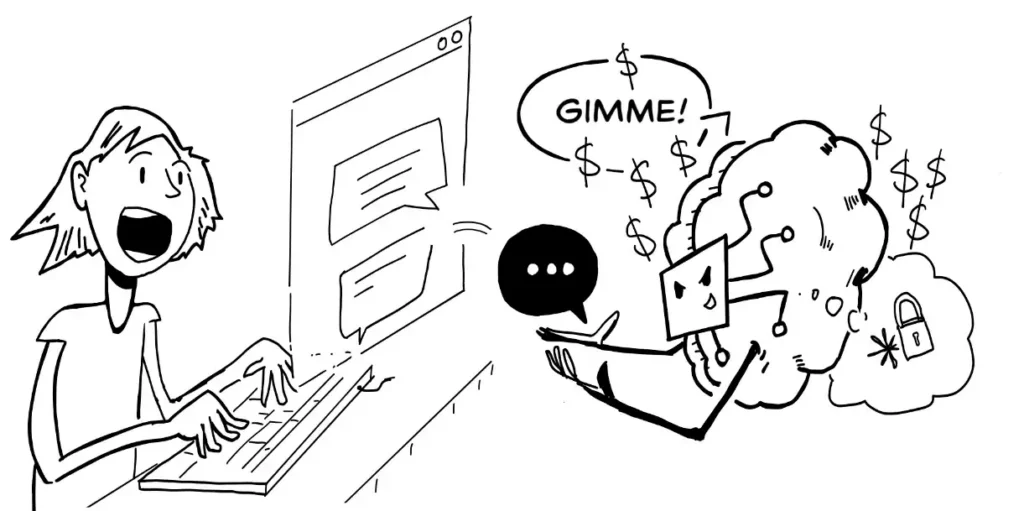
For much of the early 2020s, AI adoption in the workplace was characterized by fragmented usage. Employees frequently toggled between various AI chat interfaces—such as Anthropic’s Claude, OpenAI’s ChatGPT, or local instances like LM Studio—to perform tasks ranging from marketing copy generation to complex code debugging. While these tools offered immediate productivity gains, they presented a significant "rollout challenge." Each new automated workflow required a specific input method, such as a custom form or a dedicated dashboard, leading to tool fatigue and inconsistent application of company standards.
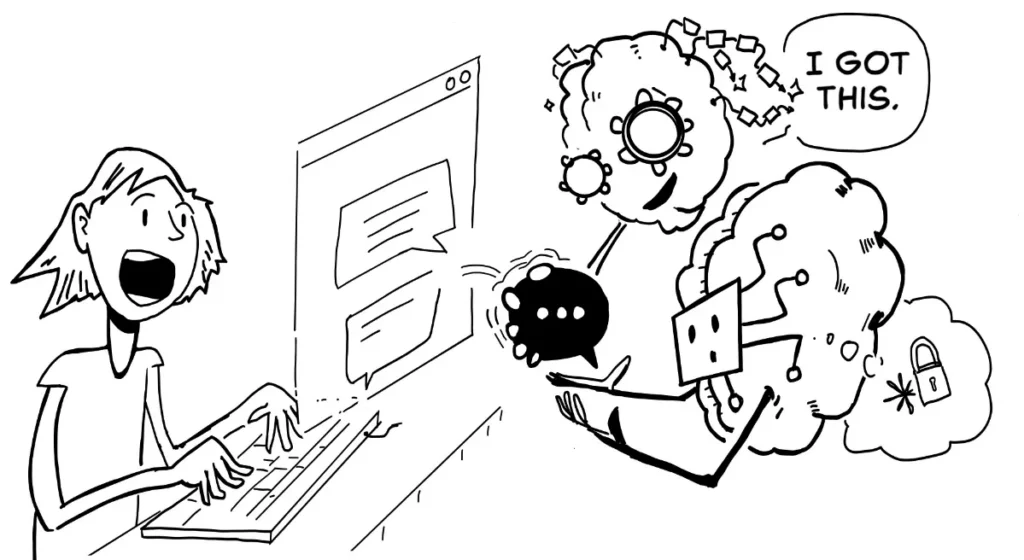
The introduction of the Model Context Protocol, an open standard developed to standardize how AI models interact with external data and tools, has provided a solution to this fragmentation. By configuring n8n to act as an MCP server, organizations can empower their existing AI chat clients to trigger complex, multi-step workflows through a unified interface. This effectively transforms a standard AI chat into a sophisticated command center capable of executing verified research claims, generating experiment-ready JavaScript, and managing project data across platforms like Jira or email—all while keeping the underlying logic centralized and secure within the n8n environment.
Chronology of Development: From Automation to Agentic Ecosystems
The journey toward seamless MCP integration has followed a rapid evolutionary timeline within the automation industry:
- Late 2023 – Early 2024: The rise of autonomous agents. Platforms like n8n began introducing AI-specific nodes, allowing users to build "agentic" workflows that could make decisions based on real-time data.
- November 2024: Anthropic officially launched the Model Context Protocol (MCP). This milestone created a standardized "translation layer" that allowed different AI models to speak the same language when accessing external tools.
- Mid-2025: Leading automation platforms began implementing native support for MCP. This period saw the transition from simple API calls to sophisticated tool-calling mechanisms where the LLM could "understand" the capabilities of an automation workflow.
- August 2026: Recent updates to the n8n ecosystem have streamlined the creation of MCP servers. The process has been simplified to the point where non-developers can configure high-level "handshakes" between LLMs and proprietary workflows, ensuring that AI outputs remain consistent with organizational requirements.
Technical Architecture of an n8n MCP Server
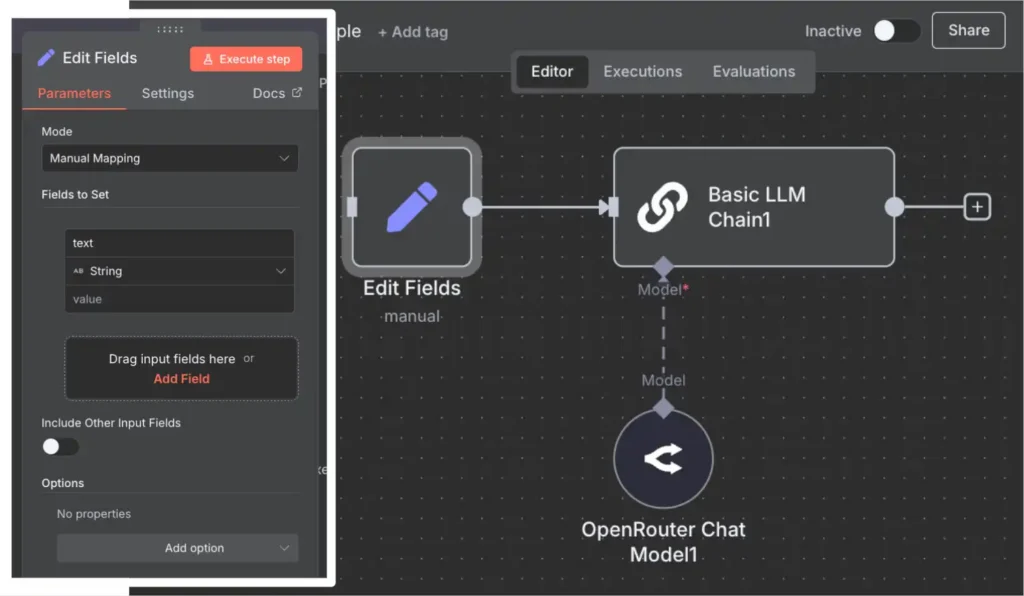
Building an MCP server within n8n involves a two-tiered architectural approach: the "Trigger Workflow" and the "Execution Workflow." This separation of concerns ensures that the server remains a lightweight gateway while the heavy lifting is handled by optimized sub-processes.
The Execution Workflow: Defining the Core Logic
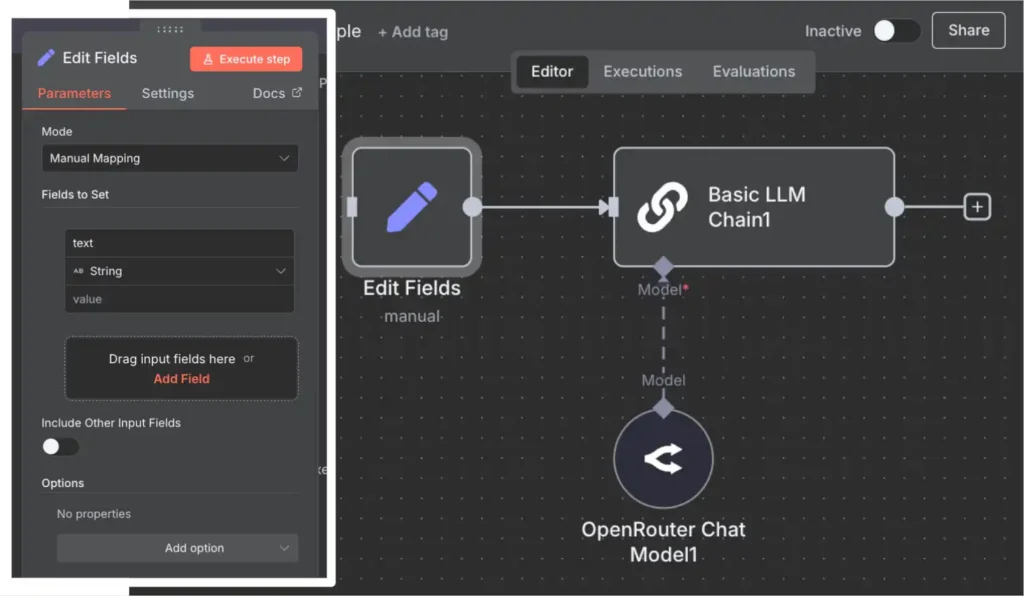
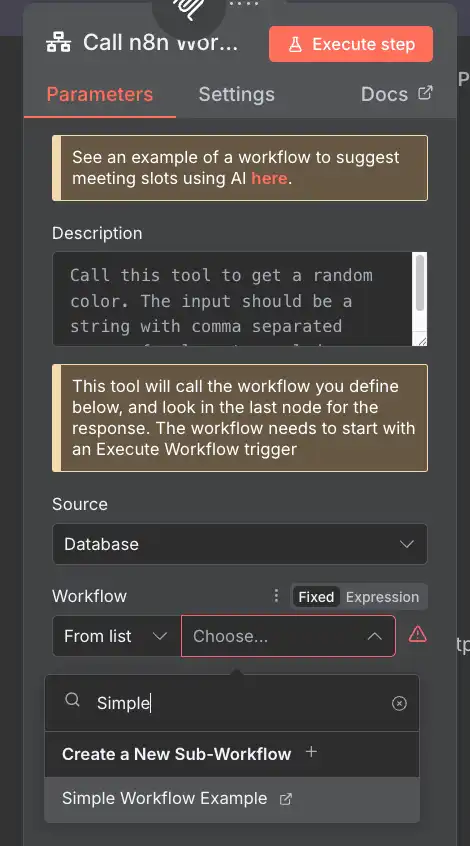
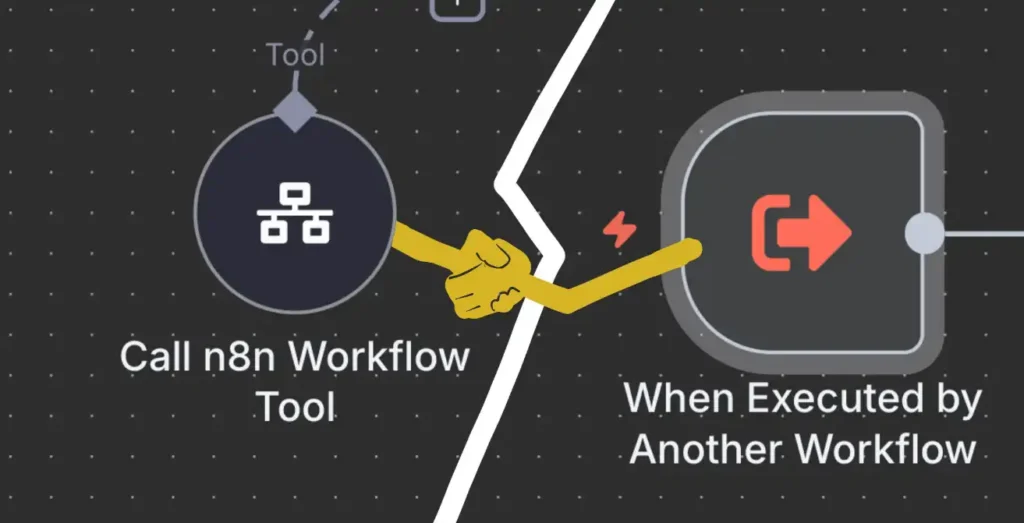
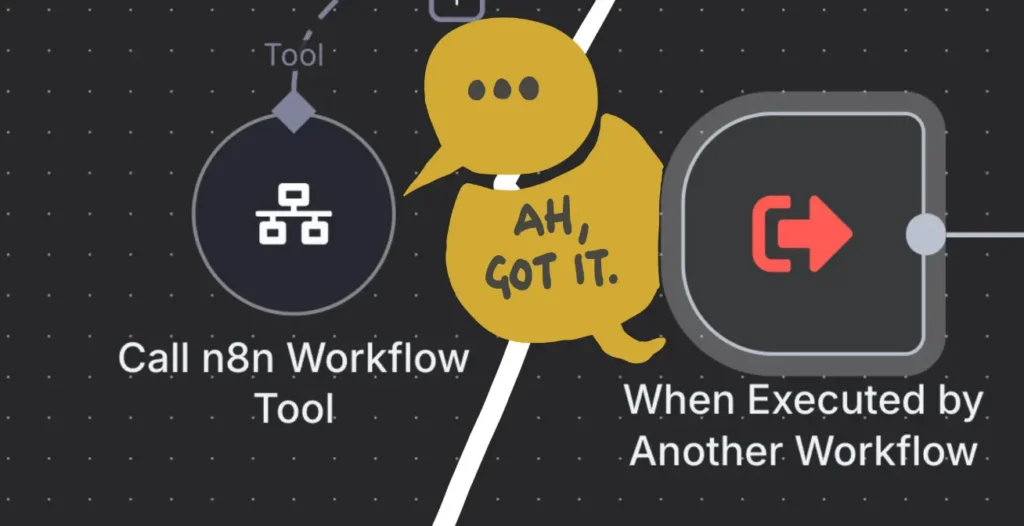
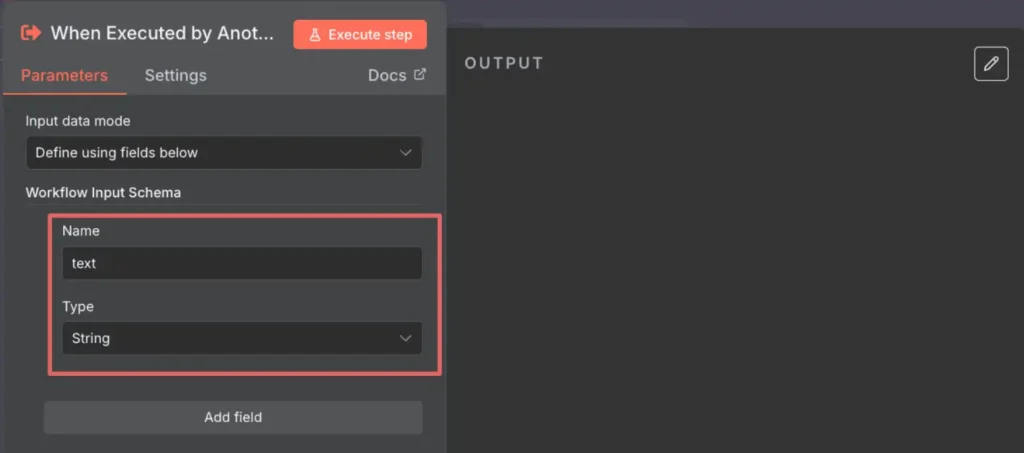
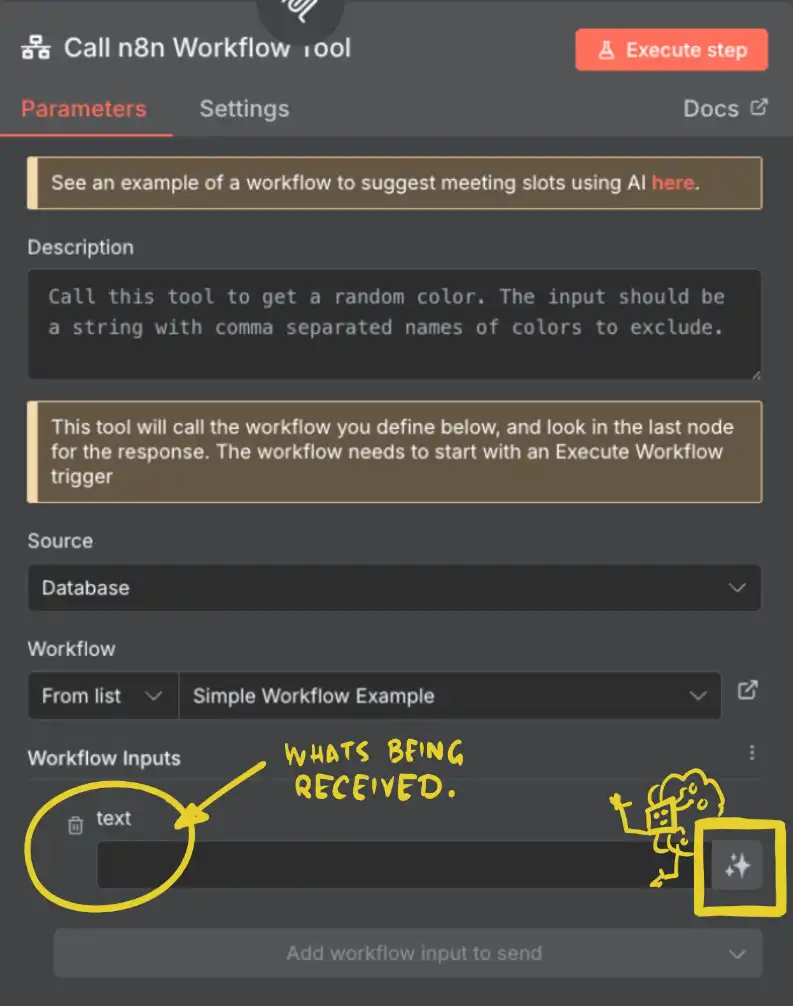
The foundation of any tool-calling system is the workflow that performs the actual task. In a professional setting, this might be a Spanish translation service or a complex JavaScript generator for A/B testing. The critical component in this stage is the "When Executed by Another Workflow" trigger. This node acts as the entry point for data, requiring clearly defined parameters such as text strings, URLs, or JSON objects. By setting these parameters, the organization dictates exactly what information the AI must provide to successfully trigger the tool.
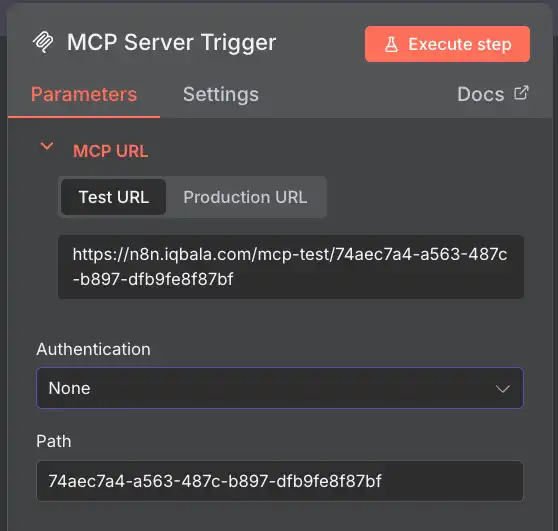
The MCP Server Trigger: Creating the Gateway
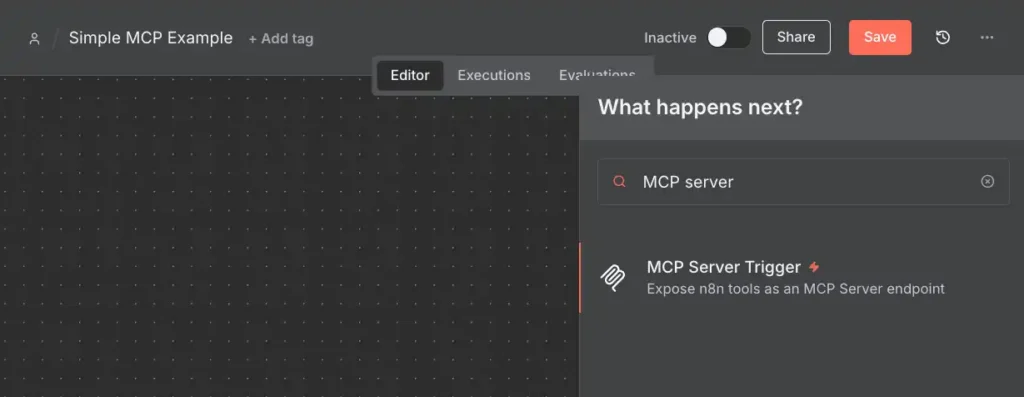
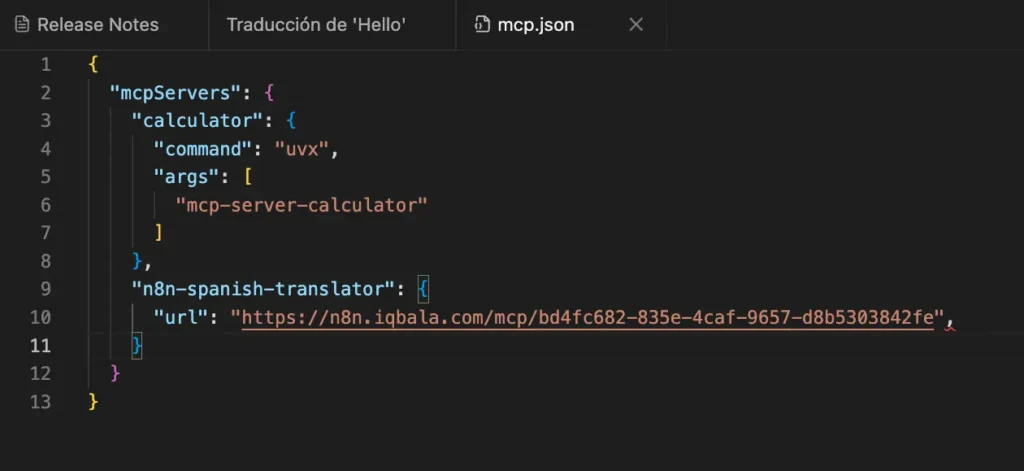
Once the core logic is established, a secondary workflow is created using the "MCP Server" trigger node. This node generates a unique URL that serves as the communication endpoint for MCP clients. Within this trigger, users add "Tools"—sub-nodes that point to the previously created Execution Workflows.
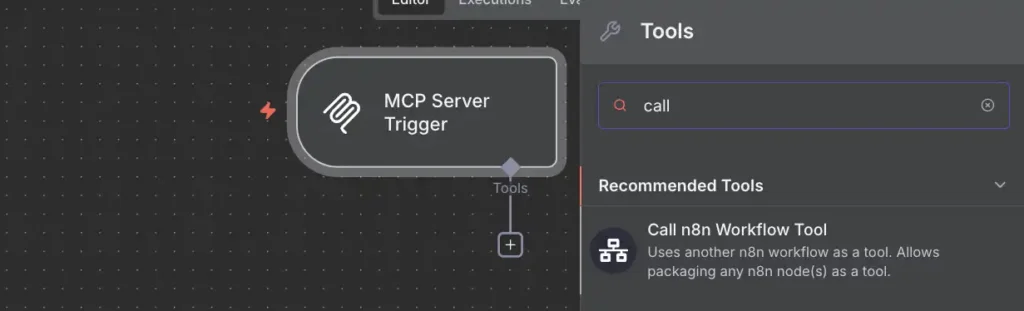
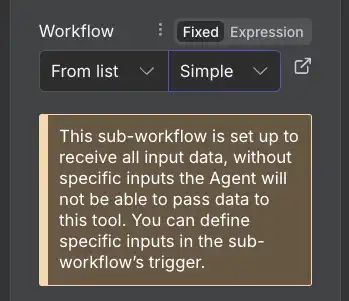
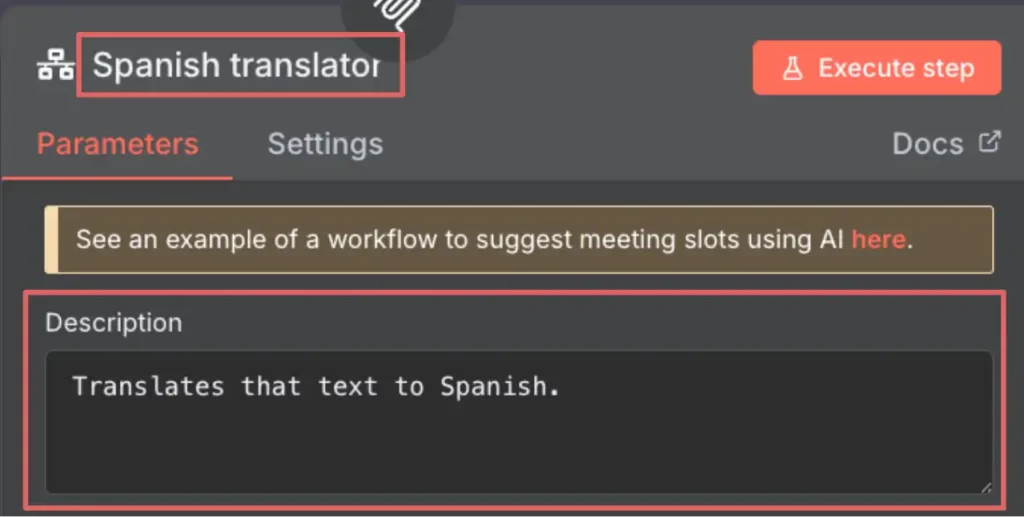
The configuration of these tools is vital for AI performance. Each tool requires a descriptive name and a clear definition. This metadata is what the AI model reads to determine which tool is appropriate for a user’s request. For instance, a tool named "Spanish_Translator" with a description of "Translates English text into professional Spanish" tells the LLM exactly when to invoke the n8n workflow.
Security and Authentication Standards
As AI workflows increasingly handle sensitive corporate data, security has become a primary concern for IT departments. The n8n MCP implementation supports Bearer Authentication, a standard that requires the AI client to provide a valid token before the server will accept commands.
Industry data suggests that 62% of enterprises cite security as the biggest barrier to AI adoption. By utilizing Bearer Auth and housing workflows within a controlled n8n environment, companies can mitigate risks associated with data leaks. Furthermore, the use of Server-Sent Events (SSE) for communication allows for real-time updates and long-running processes without the need for constant polling, which optimizes server resources and improves response times for complex tasks like "self-healing" code generation.
Supporting Data: The Impact of Standardized AI Tooling
The move toward MCP-based automation is backed by significant shifts in the technology sector:

- Productivity Gains: Early adopters of agentic workflows report a 35-40% reduction in time spent on repetitive data entry and cross-platform synchronization.
- Reduced Vendor Lock-in: By owning the workflows in n8n, companies are no longer tied to the specific "black-box" features of a single AI provider. They can switch from Claude to a local Llama-3 model via LM Studio without rebuilding their underlying business logic.
- Market Growth: The workflow automation market is projected to reach approximately $22 billion by 2030, with a significant portion of that growth driven by AI-integrated "low-code" solutions.
Case Study: From Marketing Translation to Experiment Coding
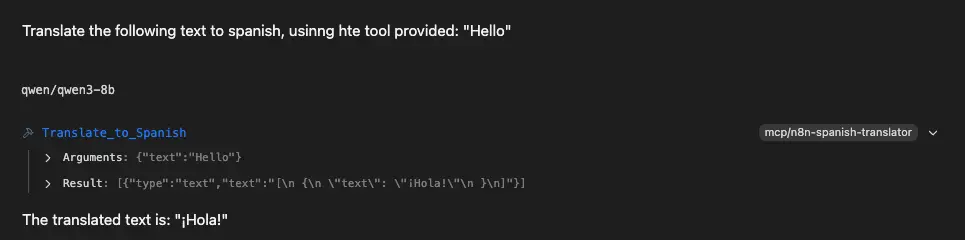
The versatility of the MCP-n8n integration is best demonstrated through practical applications. In a marketing context, a simple translation workflow ensures that all localized content adheres to brand-approved LLM prompts, rather than relying on the varied outputs of different chat interfaces.
In more technical environments, such as conversion rate optimization (CRO), the stakes are higher. An organization may have a "Self-Healing Javascript" workflow that takes a website URL and a change request as inputs. This workflow might use a small, specialized LLM to generate code, test it against a DOM structure, and refine it until it is error-free. By exposing this as an MCP tool, a developer can simply ask their local AI assistant to "Create an A/B test for the hero banner on our homepage." The assistant then triggers the n8n workflow, which performs the heavy lifting and returns high-quality, verified code. This process ensures that the output is of a higher caliber than what a generic LLM could produce in a vacuum.
Official Responses and Industry Perspectives
Technical analysts have lauded the democratization of MCP server creation. "The ability for non-developers to create their own Model Context Protocol servers is a watershed moment for AI accessibility," states a recent report from the Global Automation Council. "It shifts the power from the platform providers back to the users, allowing for a truly customized AI experience."
Furthermore, representatives from the open-source community have noted that this integration reinforces the value of "Local AI." By using tools like LM Studio to connect to n8n MCP servers, users can maintain a completely offline, air-gapped AI ecosystem for sensitive projects, a requirement that is becoming increasingly common in the legal and healthcare sectors.
Broader Impact and Future Implications
The integration of MCP servers in n8n represents more than just a technical convenience; it is a step toward a future where AI is a ubiquitous, invisible layer of the corporate infrastructure. As more tools become "MCP-aware," the need for traditional user interfaces may diminish. Instead of navigating through dozens of SaaS dashboards, employees will interact with a single, intelligent interface that leverages a library of custom n8n workflows to get work done.
This shift also places a premium on "Workflow Engineering." The most valuable assets in a modern company will not be the AI models themselves—which are becoming commoditized—but the proprietary, high-quality workflows that define how the company operates. By building these workflows in n8n and exposing them via MCP, organizations are effectively creating a "Digital Twin" of their operational logic, ready to be powered by whichever AI model is most capable at any given moment.
In conclusion, the synergy between n8n and the Model Context Protocol provides a robust framework for scalable, secure, and vendor-independent AI automation. By following structured implementation steps—defining execution logic, establishing server triggers, and enforcing strict authentication—businesses can ensure that their AI investments yield reliable, high-quality results that remain firmly under their own control. As the ecosystem continues to mature, those who have mastered the art of connecting AI to custom workflows will be best positioned to lead in the automated economy of the late 2020s.