Dropshipping, a business model that has surged in popularity alongside print-on-demand services, offers an attractive entry point for aspiring entrepreneurs looking to establish an online presence without substantial upfront capital. While it effectively mitigates costs associated with manufacturing and inventory storage, achieving a truly free launch requires strategic planning and execution. This comprehensive guide outlines a pathway to initiating a dropshipping venture with a $0 budget, focusing on leveraging free resources until the first sale is made.
It is crucial to acknowledge from the outset that while the initial setup can be cost-free, expenses are inevitable in the long term. As a business grows, costs such as payment processing fees, website enhancements, and expanded marketing campaigns will arise. The objective of a zero-budget start is to defer these expenditures until revenue generation provides the necessary capital for reinvestment and sustainable growth.
Step 1: Identifying and Validating a Niche with Zero Financial Outlay
The cornerstone of a successful dropshipping business, particularly one starting from scratch, is the selection of a well-defined and validated niche. Attempting to cater to a broad market often leads to increased competition and higher marketing costs. A more focused approach allows for targeted marketing efforts and a stronger brand identity.
Begin by identifying a broad product category that aligns with your interests or perceived market demand. For instance, the "Home and Garden" sector is vast, but it can be refined. Platforms like dropXL offer extensive catalogs, potentially exceeding 13,000 products within this category. This allows for further segmentation into more specific areas such as kitchenware, outdoor furniture, or even niche segments like "compact furniture for apartment dwellers." While this may seem restrictive initially, the ability to expand the product line later provides flexibility.
The critical next step is to validate the chosen niche without incurring any costs. Market research reports from reputable sources, such as Grand View Research, can offer insights into niche growth trends. For example, the outdoor furniture market has demonstrated consistent growth, with projections indicating a compound annual growth rate (CAGR) of approximately 6.4%. This kind of data provides a factual basis for niche selection.
Further validation can be achieved through free online tools and platforms. Google Trends can reveal search interest for specific products or categories within your target geographic region. Examining popular listings on marketplaces like Amazon, delving into discussions on Reddit forums, or even conducting polls on social media if you have an existing audience, can all provide valuable qualitative data. Analyzing the competition, especially local sellers, is also vital at this stage. This assessment will help determine competitive advantages, whether through unique product offerings, expedited delivery, or superior customer service.
Step 2: Sourcing Profitable Products Without Upfront Investment
With a validated niche in hand, the focus shifts to curating an initial product collection. It is advisable to keep this collection small, serving as a testing ground to gauge customer willingness to purchase and pricing sensitivities. While many dropshipping platforms feature "winning products" or "best-seller" lists, these should be used as inspiration rather than definitive choices. These lists often highlight trending items that may lack long-term profitability.
A thorough product evaluation should consider not only immediate demand but also the potential for sustained customer interest over several months. Crucially, an assessment of potential profit margins is necessary. This involves factoring in the base cost of the product, shipping expenses, potential taxes, and payment processing fees. Some dropshipping platforms, such as dropXL, provide valuable data to aid in this evaluation, including pricing, stock availability, product descriptions, imagery, and estimated package volumes, all updated daily.
When selecting products, aim for a diverse price range to appeal to a wider customer base. For example, in the furniture niche, offering a range from smaller accessories like storage boxes and decorative items to larger pieces like sofas or office desks can capture customers at different purchasing stages and budget levels. Creating a watchlist of products that show promise but require further investigation allows for revisiting them as market conditions evolve.
The scoring of each potential product should be based on several key metrics: demand, competition levels, delivery risks, and estimated profit margins. A well-rounded approach ensures that the initial product selection is not only appealing but also financially viable.
Step 3: Establishing an E-commerce Presence on Free or Low-Cost Platforms
Securing an online storefront is a critical step, and for a $0 budget, this often means leveraging marketplaces or exceptionally affordable e-commerce solutions. Marketplaces such as Etsy, eBay, or Amazon can be advantageous for new sellers as they typically allow listing without upfront platform fees. The primary considerations when opting for a marketplace are ensuring that the chosen products comply with their specific rules and that the dropshipping supplier can integrate seamlessly with the platform.
For those determined to establish an independent brand identity, several free or low-cost e-commerce platforms are available. Big Cartel offers a free "Gold" plan that accommodates up to five product listings and supports card and PayPal payments, making it a viable option for very small inventories. Shopify, while primarily known for its paid plans, currently offers a promotional rate of $1 per month for the first three months, which can be a manageable expense if even a small amount of capital can be sourced. Shopify is renowned for its scalability and extensive integration capabilities with dropshipping and print-on-demand services, making it a popular choice for businesses with growth potential.
Other genuinely free beginner-friendly options include Ecwid, Square Online, and WordPress integrated with the WooCommerce plugin. The WooCommerce option, in particular, is highly recommended due to the availability of free plugins like the dropXL plugin. This plugin facilitates product import, automated margin rule application, order dispatch initiation, and regular price and stock level updates, significantly streamlining operations. A comprehensive review of the best free e-commerce platforms is available, but the overarching advice is to select a solution that is easy to set up initially, cost-effective, and offers ample room for future expansion.
Step 4: Partnering with a Reliable Dropshipping Supplier
The process of identifying a dropshipping supplier often overlaps with product sourcing. The key is to transition from product selection to supplier vetting. Prioritize suppliers who offer the specific products you intend to sell and whose distribution networks are geographically proximate to your target customer base, ensuring reliable and timely delivery.
While wholesale prices are a consideration, the immediate priority for a zero-budget startup is reliability. Focusing solely on the lowest wholesale price can be a false economy if deliveries are consistently delayed, products are misrepresented, or orders are never fulfilled. The long-term cost of customer dissatisfaction and lost sales can far outweigh any initial savings.
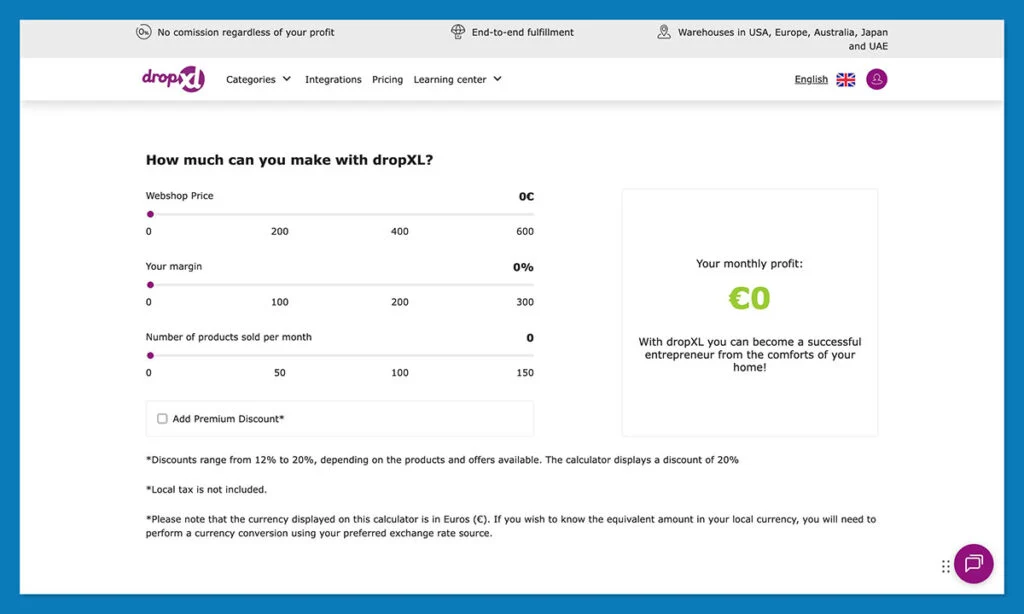
For businesses focusing on the home and furniture sector, dropXL emerges as a strong contender. It provides access to a vast inventory of vidaXL products across numerous countries, supported by an extensive distributor network. Registration for a dropshipping account with dropXL is free, but a monthly fee of approximately £30 is associated with listing products. Therefore, it is prudent to confirm that the platform offers the desired product range and meets customer expectations before committing to this expense.
A significant advantage of dropXL is its absence of commission fees on sales. The monthly subscription provides comprehensive access to product feeds, APIs, educational resources through their academy, and assistance with managing returns. This comprehensive package can be invaluable for new entrepreneurs seeking to understand and grow their business.
Step 5: Implementing Zero-Cost Marketing and Promotion Strategies
Once the product catalog is established and linked to the chosen e-commerce platform or marketplace, the next crucial phase is promotion. Several effective strategies allow businesses to gain visibility without incurring advertising costs.
A robust content marketing strategy is paramount. This involves optimizing the website with high-quality product images and detailed descriptions that proactively address potential customer queries. Information regarding delivery times, return policies, and the number of packages to expect should be readily accessible. Creating supplementary content, such as blog posts offering advice on product selection or comparison articles, can further engage potential customers and establish the brand as an authority.
Social media platforms offer a powerful, free avenue for promotion. If acquiring product samples is feasible, creating engaging video content for TikTok, Instagram, Facebook, or YouTube can showcase products in action. Even without samples, detailed videos explaining product materials, dimensions, or usage tips can be highly effective. Participating in relevant Reddit communities where consumers actively seek product recommendations can also drive traffic.
For businesses with their own websites, implementing an email capture strategy is essential. Offering an initial discount or exclusive content in exchange for an email address allows for the gradual building of a loyal customer base that can be nurtured through targeted email marketing campaigns. This direct line of communication is invaluable for future sales and customer retention.
Step 6: Data-Driven Growth and Strategic Reinvestment
As initial sales begin to materialize, it is imperative to approach growth cautiously. Instead of immediately investing in expensive website upgrades or paid advertising, the priority should be analyzing what is working and doubling down on those successes.
Key performance indicators (KPIs) to monitor include which products are generating the most views and sales, and the resulting revenue after accounting for all associated costs. Investigating the reasons behind returns and customer complaints can highlight areas for improvement, whether it involves refining product descriptions, adjusting product selection, or enhancing pre-purchase information. Understanding customer acquisition channels will inform future marketing efforts.
Once a clear understanding of successful strategies is established, incremental investments can be made. This might involve expanding the product catalog with items similar to those already performing well or allocating a modest budget to paid promotion, leveraging positive customer reviews and testimonials.
The decision to invest significantly in premium e-commerce plans or extensive marketing campaigns should be deferred until a consistent and sustainable income stream is established. This measured approach ensures that reinvestment is strategic and aligned with proven business performance.
Common Pitfalls to Sidestep When Launching a Dropshipping Business for Free
Several common mistakes can derail even the most promising zero-budget dropshipping ventures. Awareness and avoidance of these pitfalls are crucial for sustained success.
- Perpetuating a $0 Budget: While the initial launch can be free, ongoing operational costs, supplier fees, and payment processing charges are unavoidable. A long-term strategy must include reinvestment.
- Overly Ambitious Initial Catalogs: Launching with an excessively large product selection can preclude the use of certain free e-commerce platforms and create an unmanageable administrative burden, hindering the validation of core business ideas.
- Neglecting Delivery Logistics: While suppliers handle delivery, businesses are responsible for customer communication. Tracking shipments, informing customers of delays, and proactively addressing delivery issues are critical for customer satisfaction.
- Plagiarism of Supplier Descriptions: Generic product descriptions provided by suppliers serve as a starting point, but unique, customer-centric descriptions that address specific needs and benefits are essential for effective marketing.
- Underestimating Customer Service: Exceptional customer service is a significant differentiator in the competitive e-commerce landscape. Establishing clear channels for customer inquiries and prompt resolution of issues is paramount.
- Abandoning Marketing Efforts: Even with a well-designed website and desirable products, visibility is key. Consistent marketing efforts, even on a shoestring budget, are necessary to attract and retain customers.
Conclusion: Building a Dropshipping Foundation for Future Growth
While a completely free, perpetual operation of a dropshipping business is not feasible, a $0 budget launch is an achievable reality. By strategically leveraging free resources and reinvesting early profits, aspiring entrepreneurs can build a sustainable online business. The most effective approach involves identifying a specific niche, partnering with a trustworthy supplier like dropXL, which offers unique products and robust support for the home and furniture market, and prioritizing organic marketing strategies. Careful analysis of sales data and customer feedback will then guide prudent investment decisions, paving the way for scalable growth and long-term success. The journey from a $0 startup to a thriving e-commerce enterprise is possible with a focused strategy, diligent execution, and a commitment to continuous learning and adaptation.