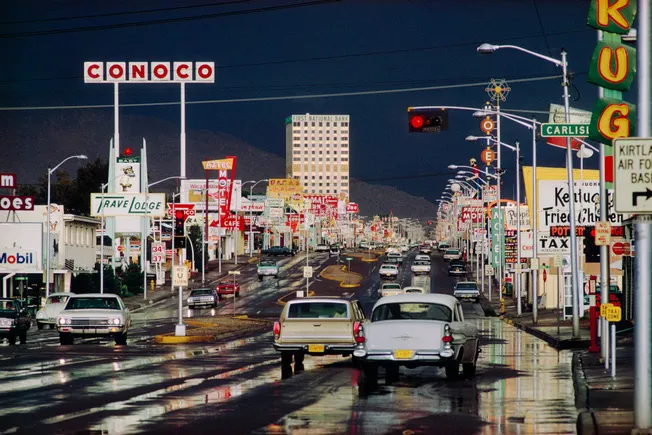
The approaching 250th anniversary of the United States presents a once-in-a-generation opportunity for brands and creators to weave their own narratives into the fabric of American history. This pivotal moment, alongside major global events like the FIFA World Cup and the Olympic Games, underscores the enduring power and strategic importance of heritage marketing. In an era where consumers increasingly value authenticity and seek experiences rooted in genuine expression, brands that tap into nostalgic themes and leverage archival imagery are finding a powerful resonance. By strategically engaging with significant cultural milestones, companies can redefine their brand story within a broader historical context, generating value and fostering deeper trust with both existing and new audiences.
The strategic deployment of heritage marketing allows brands to not only acknowledge historical significance but also to actively participate in shaping their legacy. This approach is particularly potent when tied to major anniversaries or cultural touchstones, as it offers a built-in framework for storytelling that is both relevant and emotionally engaging. The 250th anniversary of American independence, a monumental occasion that will be celebrated across the nation, provides a unique platform for brands to align themselves with foundational values and enduring American ideals. This alignment can foster a sense of shared identity and purpose, reinforcing brand loyalty and attracting new consumer segments who are drawn to companies that demonstrate a deep understanding and respect for history.
The Power of Authentic Expression in Heritage Marketing
Today’s consumers are increasingly discerning, often expressing skepticism towards overly polished or inauthentic marketing messages. This has elevated the importance of "authentic expression," a key driver for brands looking to build meaningful connections. Heritage marketing, by its very nature, taps into this demand. The resurgence of nostalgic throwbacks and the careful curation of archival imagery for events like America’s 250th anniversary carry undeniable markers of authenticity. These elements, when presented thoughtfully, allow brands to demonstrate a tangible connection to the past, showcasing their longevity, evolution, and the consistent values that have underpinned their operations.
Engaging with cultural milestones provides brands with a distinct opportunity to reframe their narratives. Instead of simply existing in the present, they can position themselves as integral parts of a larger historical continuum. This historical grounding can imbue a brand with a sense of gravitas and trustworthiness that is difficult to replicate through other marketing strategies. For instance, a brand that can trace its origins back to early American commerce, or one that has played a role in significant national events, can leverage this history to build a compelling story that resonates deeply with audiences. This approach not only strengthens brand equity but also cultivates a more profound emotional connection, which is a key driver of customer loyalty and long-term growth. The ability to demonstrate a consistent presence and impact over time, particularly during nationally significant periods, can significantly enhance a brand’s perceived value and its ability to withstand market fluctuations.
Global Sporting Events as Arenas for Heritage Marketing
Major international sporting events, such as the FIFA World Cup and the Olympic Games, offer brands another significant avenue to leverage their historical and contemporary presence. These events capture global attention, providing an unparalleled platform for heritage-driven campaigns. A prime example of this strategy in action is Adidas. In anticipation of the 2026 Men’s World Cup, the sportswear giant has revisited and revived iconic designs from its extensive archive. This move serves to reinforce Adidas’s long-standing reputation as a trusted and pioneering brand in football apparel, connecting its rich history with the excitement of a contemporary global tournament. By showcasing designs that have graced previous World Cups, Adidas not only appeals to a sense of nostalgia among long-time fans but also educates newer generations about the brand’s legacy and its integral role in the sport’s history.
Similarly, Chevrolet has demonstrated a keen understanding of heritage marketing by reinterpreting a vintage commercial for its association with the Winter Olympics. This strategic decision allows Chevrolet to connect its brand to a sense of enduring American spirit and athletic achievement, echoing themes of perseverance and excellence that are often associated with both the Olympics and the automotive industry. By blending nostalgic elements with contemporary advertising techniques, Chevrolet aims to evoke a sense of familiarity and trust, reminding consumers of the brand’s long-standing presence and its role in American life. These examples highlight how brands can strategically employ heritage marketing within the dynamic context of global sporting spectacles, creating powerful narratives that transcend mere product promotion. The inherent emotional weight and broad appeal of these events amplify the impact of heritage campaigns, fostering a stronger connection between the brand’s past and its present-day relevance.
Commemorating Company Milestones as Cultural Moments
Beyond national anniversaries and global sporting events, brands can effectively transform their own company milestones and anniversaries into significant cultural moments. This internal focus allows for a more direct and personal storytelling approach, directly linking the brand’s journey to broader societal shifts and cultural narratives. L’Oréal, for instance, partnered with Getty Images to commemorate the 50th anniversary of its iconic slogan, "Because I’m worth it." This collaboration involved a sophisticated blend of vintage L’Oréal advertisements and verified editorial footage from the Getty Images Archive. The resulting video spot masterfully paralleled the slogan’s evolution with the historical trajectory of the women’s empowerment movement. By showcasing how a single, revolutionary phrase could resonate and evolve across generations, L’Oréal not only celebrated its brand heritage but also underscored its enduring commitment to celebrating female self-worth and empowerment.
This approach is particularly effective because it grounds the brand’s history in tangible societal progress. The use of verified editorial footage from reputable archives lends an undeniable air of authenticity and historical accuracy to the narrative. This ensures that the campaign is perceived not merely as marketing but as a genuine reflection of the brand’s impact and its alignment with important cultural values. Such campaigns can deepen consumer trust by demonstrating a brand’s awareness of its historical context and its contribution to societal conversations. The ability to connect a brand’s legacy to larger movements like women’s rights or technological advancement can elevate its status from a commercial entity to a cultural influencer. This strategic integration of brand history with societal progress fosters a more profound and lasting connection with consumers, enhancing brand loyalty and driving sustained engagement.
The Crucial Role of Evidence and Verified Content
In an era characterized by pervasive skepticism and the rapid spread of misinformation, the importance of evidence and verified content cannot be overstated. Consumers are increasingly seeking tangible proof and authentic narratives to build trust in the brands they engage with. Heritage marketing strategies that are firmly rooted in authentic, verifiable content are therefore exceptionally well-positioned to succeed. By presenting historical facts, genuine archival footage, and documented brand milestones, companies can demonstrate their credibility and build a foundation of trust that supports customer retention, attracts new audiences, and drives long-term growth.
The concept of "evidence-based storytelling" is central to the effectiveness of heritage marketing in the current landscape. When brands can present authenticated visual assets – photographs, film clips, or documents – that corroborate their historical claims, they resonate more powerfully with consumers. This is particularly true when these assets are sourced from reputable archives, such as Getty Images, which are known for their rigorous verification processes. The availability of such content allows brands to move beyond mere assertions of heritage and to instead offer compelling, visual proof of their longevity and their role in historical events. This not only enhances the perceived authenticity of the brand but also provides a richer, more engaging experience for the consumer, transforming marketing from a passive broadcast into an active, trust-building dialogue.
Bridging Past and Present to Build Cultural Capital
Heritage marketing initiatives serve as a powerful mechanism for brands to reinforce and enhance their cultural capital. This is not simply about participating in the prevailing zeitgeist; it is about contributing unique value and perspective. Archival imagery, in particular, plays a crucial role in situating a brand’s history within the broader tapestry of collective memory. By tapping into shared experiences and historical narratives, brands can foster a sense of familiarity and trust, which in turn lays the groundwork for strong emotional connections. This approach can cultivate multigenerational appeal, significantly expanding a brand’s reach and improving the return on investment for marketing campaigns.
The very word "archive" carries a certain gravitas. Consumers understand that archival content is not only real but has been preserved precisely because of its historical significance and importance. Brands have the opportunity to transform their heritage campaigns into platforms for meaningful cultural exchange. This can be achieved by leveraging their own in-house historical assets or by exploring external archives that may contain imagery and footage the brand has never before encountered. Such discoveries can serve as powerful inspiration for new creative ideas and innovative campaign concepts. The process of uncovering and presenting these historical elements allows brands to demonstrate a depth and authenticity that is highly valued by today’s consumers. It is a testament to their enduring presence and their ability to connect with audiences across different eras, reinforcing their relevance and impact.
The Role of Archives in Uncovering Visual Legacies
Institutions like Getty Images, as the world’s largest privately owned archive, play a vital role in preserving and discovering historical materials for contemporary audiences. By diligently curating and making accessible these vast collections of historical assets, they empower brands to unearth their visual legacies. Working with organizations like Getty Images Archive and its Rights & Clearance experts provides brands with a dedicated partner in uncovering their visual footprint. This partnership offers not only the peace of mind that comes with navigating complex rights and permissions but also the creative support needed to integrate these newly discovered assets into compelling brand narratives.
Bob Ahern, Getty Images’ Archive Director, emphasizes the proactive nature of this process: "The earlier brands come to us, the better to explore bespoke content and budget needs. Often, we’ll uncover a single asset that inspires an entire campaign." This statement highlights the transformative potential of archival research. A seemingly minor or forgotten image can unlock a wealth of storytelling possibilities, providing a unique angle or a powerful visual anchor for a brand’s heritage campaign. This collaborative approach ensures that brands can harness the full potential of their historical visual assets, creating campaigns that are not only authentic but also deeply impactful and creatively inspiring. The accessibility of these rich archives democratizes the process of heritage marketing, allowing brands of all sizes to tap into their visual past.
Heritage Marketing for Emerging Brands and Current Trends
Heritage marketing is not an exclusive domain for established, legacy brands. Getty Images actively collaborates with challenger brands, content creators, and influencers, helping them identify parallels between their own burgeoning stories and historical milestones or global events. This inclusive approach allows emerging entities to join the cultural conversation authentically, grounding their contemporary narratives in historical context. Furthermore, the vastness of the Getty Images Archive provides fertile ground for tapping into current trends and the zeitgeist in unique ways. The resurgence of 1980s and 1990s nostalgia in popular culture, for example, is a clear testament to the enduring appeal of past eras and the opportunities they present for brands to connect with audiences through shared cultural memories.
By examining the trends that are currently captivating consumers, brands can identify historical touchpoints that resonate with these preferences. Whether it’s the visual aesthetics of a particular decade or the cultural narratives that defined a period, archival content can provide the authentic building blocks for contemporary campaigns. This ability to connect the past with the present, by aligning historical assets with current consumer interests, is a hallmark of effective heritage marketing. It demonstrates a brand’s awareness of its own evolution and its capacity to engage with audiences on multiple levels, from historical appreciation to contemporary relevance.
Getty Images: A Strategic Partner for Visual Storytelling
Every brand, regardless of its age or industry, is actively building a visual history. The consistent and relevant storytelling across advertisements, product launches, and events is how this history can be effectively channeled into tangible impact. Getty Images positions itself as a strategic partner at the confluence of culture, operating in both the creative and editorial spheres to support brands’ heritage and cultural initiatives. Whether brands are in the process of discovering their own historical impact or creating new content for contemporary audiences, Getty Images offers a trusted workflow and infrastructure for leveraging verified content.
This comprehensive support system is bolstered by premier partners and collections, proprietary VisualGPS research that offers insights into visual trends, bespoke creative guidance, and deep editorial expertise. Crucially, Getty Images assures its audiences that its archive, editorial, and creative libraries contain no AI-generated imagery. This commitment to authenticity means that brands can confidently present content to their audiences, knowing that what they are seeing is the genuine product of human creation and historical record. This guarantee of authenticity is a significant differentiator in today’s market, fostering a deeper level of trust and credibility for brands that choose to partner with Getty Images.
Looking Beyond America’s 250th: A Continuum of Opportunity
While America’s 250th anniversary is a singular, momentous occasion, the themes, aesthetics, and strategic approaches that define successful heritage campaigns will undoubtedly inspire countless future brand narratives. The horizon is bright with opportunities for brands to continue rooting their stories in major cultural moments. Upcoming events such as the 2027 Women’s World Cup and the 2028 Los Angeles Olympics offer significant platforms for brands to engage with audiences through a lens of history and enduring legacy.
Ultimately, heritage marketing is not merely about reflecting on the past; it is fundamentally about building relevance in the present. Whether brands are channeling the potent emotional forces of nostalgia, meticulously tracing their footprint across historical timelines, or ingeniously finding the new within the old, the core objective remains the same: to connect with audiences in a meaningful and lasting way. This connection begins with a visual foundation that audiences can unequivocally trust, a foundation built on authenticity, verifiable content, and a deep understanding of history’s enduring power. The strategic integration of heritage into modern marketing is a testament to the enduring human desire for connection, meaning, and a sense of place within a larger, ongoing narrative.