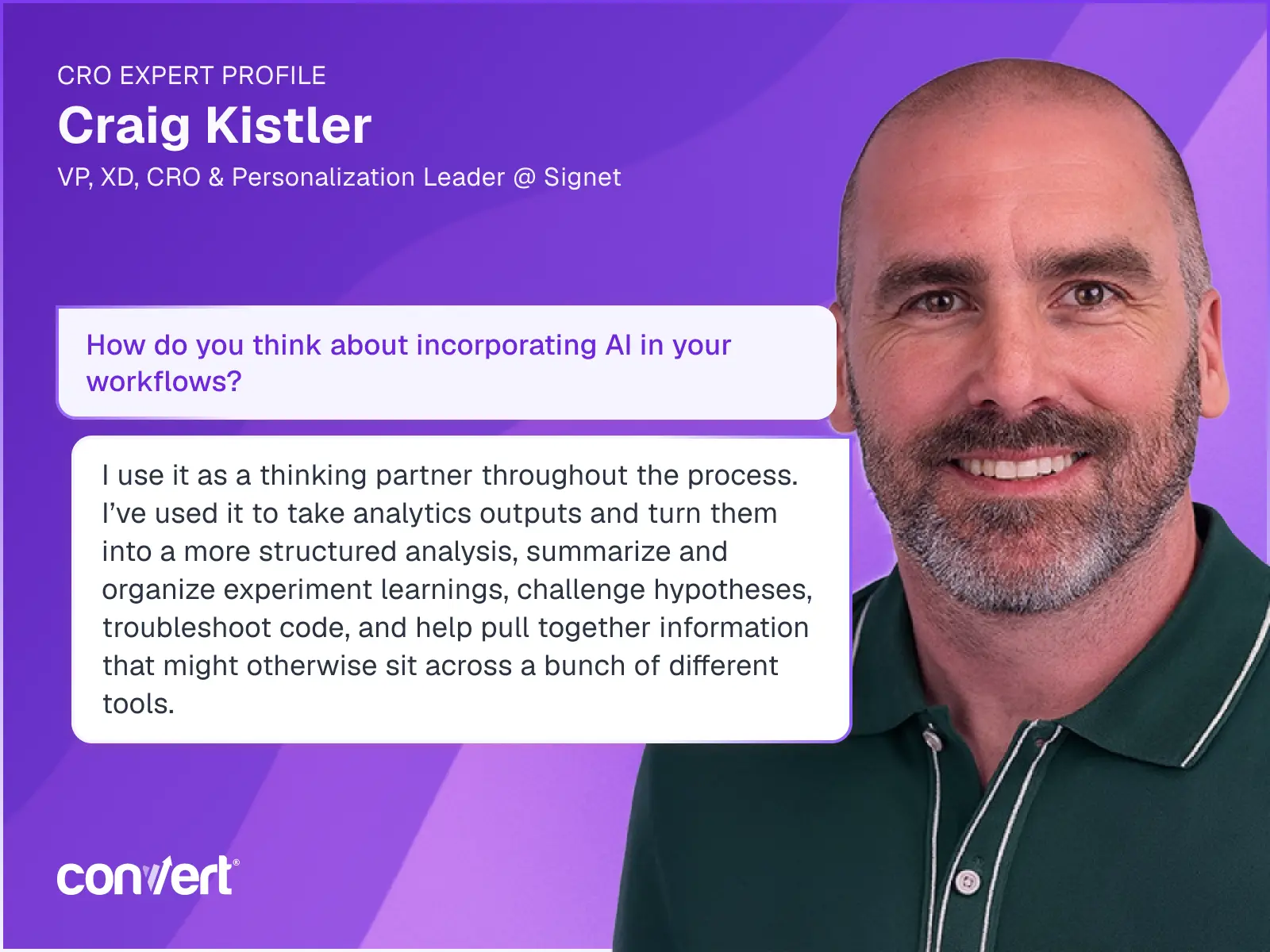
The landscape of digital retail is undergoing a fundamental transformation as organizations move away from traditional, static web design toward dynamic, evidence-based environments. At the forefront of this shift is Signet Jewelers, the world’s largest retailer of diamond jewelry, where Craig Kistler, Vice President of User Experience, Personalization, and Experimentation, is redefining how the company interacts with its millions of global customers. By bridging the gap between qualitative user experience (UX) research and quantitative A/B testing, Kistler has established a methodology that prioritizes customer intent over mere transactional speed. This evolution comes at a critical juncture for the jewelry industry, where the high-ticket nature of the products requires a unique balance of digital efficiency and high-trust emotional guidance.
The Integration of UX Research and Scaled Experimentation
The origins of Signet’s current experimentation practice lie in the strategic convergence of two previously siloed disciplines: UX design and data science. Kistler’s background in building UX teams for large-scale brands provided the foundational philosophy that now drives Signet’s optimization efforts. Historically, UX research relied on usability studies—observing small groups of people as they navigated interfaces and articulated their frustrations. While these studies were instrumental in identifying specific "pain points," they often lacked the statistical power to predict how changes would perform across a diverse, multi-brand ecosystem that includes household names such as Kay Jewelers, Zales, and Jared.

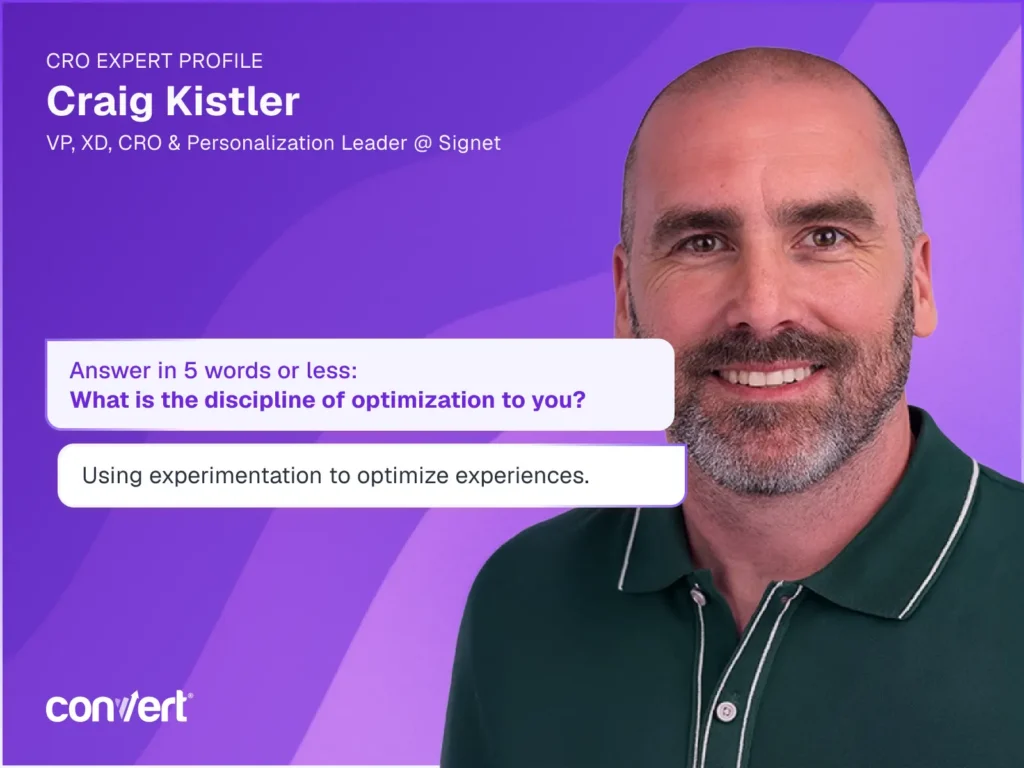
The transition to a testing-centric model occurred when Signet began utilizing A/B testing tools to validate the hypotheses generated by the UX team. This shift allowed the organization to move from identifying problems to measuring the efficacy of solutions at scale. By placing experimental variations in front of real shoppers in real-time, the team could move beyond "best guesses" and into a realm of empirical certainty. This synergy—where UX research finds the problem and experimentation validates the solution—has become the cornerstone of Signet’s digital strategy.
The AI Paradigm Shift: Prioritizing Judgment Over Execution
As artificial intelligence (AI) becomes ubiquitous in the corporate world, the field of experimentation is facing a significant inflection point. Kistler argues that while AI has commoditized the execution of tests—making it faster to write code, analyze data, and generate variations—it has simultaneously increased the premium on human judgment. The core challenge of experimentation has never been the technical act of launching a test; rather, it is the strategic determination of what is worth changing and why.
To navigate this new reality, Kistler employs a four-stage framework: Problem, Bet, Evidence, and Extension.

- Problem: Identifying a genuine customer hurdle based on behavioral data and qualitative feedback.
- Bet: Formulating a hypothesis on what specific change will improve the experience.
- Evidence: Analyzing the resulting data to see how customer behavior actually shifted.
- Extension: Deciding whether to roll out the change, iterate further, or abandon the concept entirely.
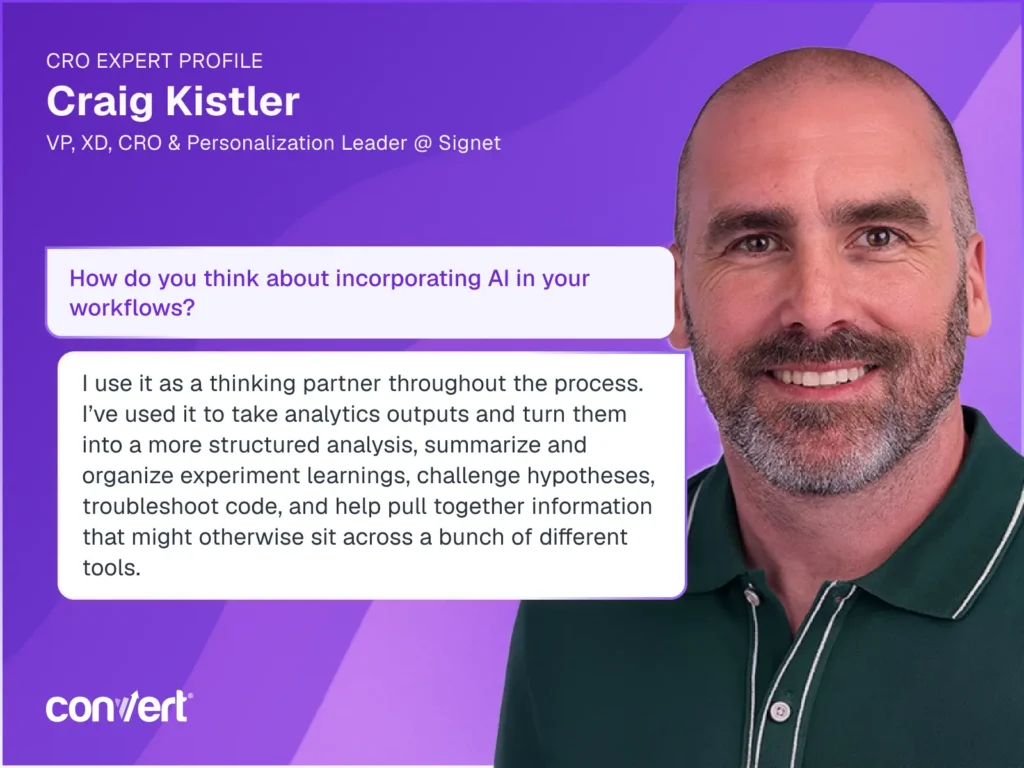
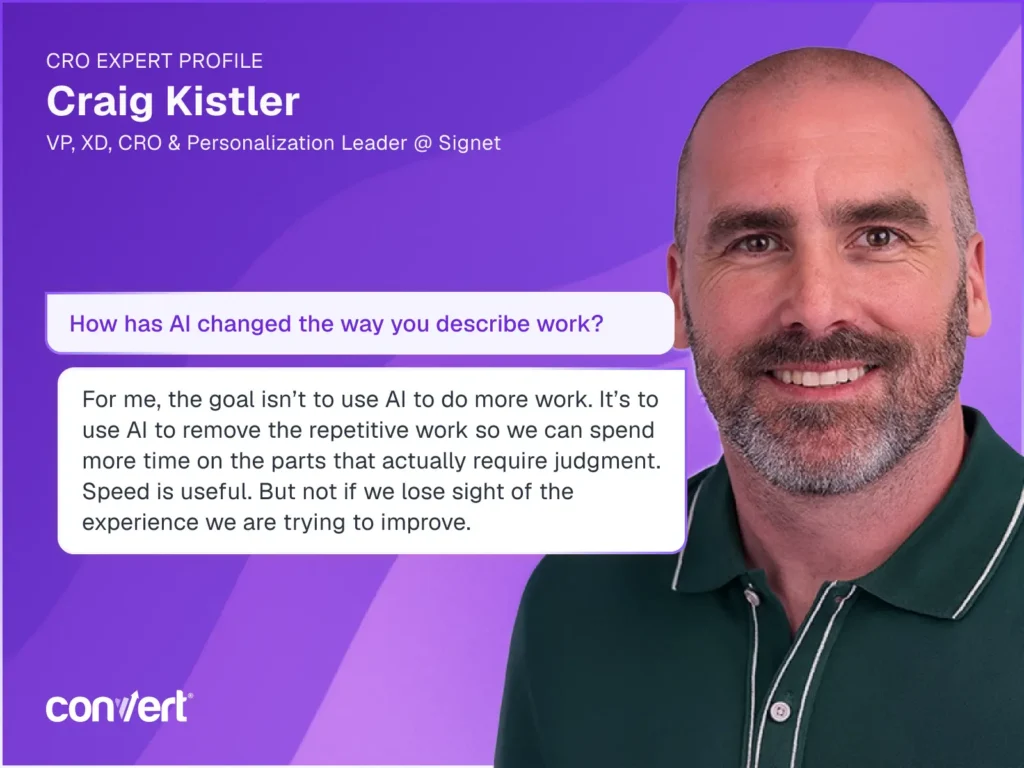
In this workflow, AI serves as a "thinking partner." It is utilized to summarize vast amounts of experimental learnings, troubleshoot complex code for prototypes, and surface patterns in analytics that might take a human analyst days to uncover. However, Kistler warns against the "experiment factory" model, where AI is used to churn out hundreds of low-quality tests. If the underlying understanding of the customer problem is flawed, AI only serves to accelerate the production of bad ideas. The goal is to use automation to eliminate repetitive tasks, thereby freeing human experts to focus on the high-level insights that drive long-term business value.
Intent-Based Personalization and the Dynamic Page
The concept of personalization has evolved from simple "recommended for you" carousels to a sophisticated understanding of real-time user intent. For Kistler, who has focused on this discipline for nearly a decade, the advent of AI has acted as a catalyst for a more nuanced approach. Rather than pursuing the often-elusive goal of "one-to-one" personalization—which can lead to fragmented experiences and technical debt—Signet focuses on "segments on steroids."
The modern strategy involves identifying larger groups of visitors with similar needs and using real-time signals to adapt the website’s architecture to those needs. In the traditional e-commerce model, a Product Detail Page (PDP) is a static asset designed to serve everyone, often resulting in a cluttered interface that attempts to communicate every possible value proposition at once. Kistler envisions a future where the page itself is dynamic. Based on a visitor’s behavior, the page could emphasize different information, offer specific types of guidance, or rearrange its content blocks to prioritize the most relevant data for that specific shopper.
This shift recognizes that a shopper’s needs are not static; they change as they move through the funnel. A visitor in the "research" phase requires different signals than one in the "transaction" phase. AI enables the practical application of this vision by processing behavioral signals fast enough to adapt the experience while the user is still on the site.
Challenging Industry Dogma: The Paradox of Friction
One of the most significant contributions of Signet’s experimentation program is its willingness to challenge established e-commerce "best practices." A common tenet of digital retail is the elimination of friction—the idea that fewer clicks and steps always lead to higher conversion rates. However, Kistler’s team discovered that in the context of high-consideration purchases like engagement rings, "frictionless" can sometimes equate to "directionless."
In one notable experiment, the team observed that visitors landing on category pages with thousands of products often felt overwhelmed and left the site without engaging. To solve this, the team purposefully added a step: a guided questionnaire that asked users what they were looking for before showing them products. Although this added a "click" and introduced friction, it provided much-needed guidance. The result was a significant increase in engagement and conversion. This experiment proved that guidance is not the same as friction; an extra step that provides value and narrows a daunting selection can actually make the experience feel "easier" for the customer.
Similarly, Signet challenged the standard practice of immediately asking new visitors for an email address in exchange for a discount. Kistler viewed this as a lopsided value exchange—asking for personal data before the brand had provided any utility. By flipping the script and offering help or tailored navigation instead of a pop-up form, the team found that customers were more willing to engage. This underscored a broader lesson in personalization: the most effective way to learn about customer intent is simply to ask, provided that the response results in a tangibly better experience.
The Cultural Impact of Evidence-Based Decision Making
Beyond the technical and tactical successes, the experimentation practice at Signet serves a vital organizational function: it acts as a tool for cultural alignment. In any large corporation, internal stakeholders often hold strong, conflicting beliefs about which features or designs will succeed. Often, these beliefs are driven by what competitors are doing or by the "Highest Paid Person’s Opinion" (HiPPO).
Experimentation provides a neutral ground for these debates. Kistler notes that some of the most valuable experiments are not the ones that produce a "winning" variation, but those that provide enough evidence to finally retire a failing idea. In one instance, a strongly held internal belief was tested repeatedly across different placements and executions. When the data consistently showed no improvement, the organization was finally able to let go of the concept. This process of "patience in failure" allows a company to stop investing in sub-optimal strategies and reallocate resources toward proven winners.
Broader Implications for the Future of Retail
The methodologies championed by Kistler at Signet Jewelers reflect a broader trend in the global retail industry toward "Evidence-Based Management." As the cost of customer acquisition continues to rise, retailers can no longer afford to make design decisions based on intuition alone. The integration of AI into this process is not merely a technical upgrade; it is a fundamental shift in how companies define "work."
The value of a digital team is increasingly measured not by the volume of content it produces, but by the quality of the problems it solves. As AI handles the "busy work" of analysis and prototyping, the human elements of empathy, curiosity, and strategic judgment become the primary drivers of competitive advantage. For Signet, the goal remains clear: to ensure that as technology evolves, the human experience of buying a piece of jewelry—an act often tied to the most significant moments in a person’s life—remains personal, guided, and deeply meaningful.
The future of experimentation lies in this balance between the speed of the machine and the insight of the human. By focusing on the "Why" behind the "What," Kistler and his team are ensuring that Signet Jewelers remains not just a leader in retail, but a pioneer in the science of the customer experience. This approach serves as a blueprint for other industries looking to navigate the complexities of the digital-first, AI-enhanced marketplace.