The modern Software-as-a-Service (SaaS) sector is currently facing a significant disconnect between marketing investment and lead generation efficiency. Despite increasing budgets allocated to demo-focused advertisements, many organizations report a stagnation or decline in demo requests, often leading to friction between sales and marketing departments. The root of this issue lies in a fundamental misunderstanding of the buyer’s journey and the psychological weight of the "Request a Demo" call-to-action (CTA). Historically, marketers have treated demo requests as low-friction interactions, similar to downloading a whitepaper or subscribing to a newsletter. However, data and behavioral analysis suggest that asking a prospect to book time with a sales representative is a high-commitment action that requires significant trust and prior education.
According to the Dreamdata 2025 LinkedIn Ads Benchmark Report, the average B2B customer journey has expanded to 211 days and involves approximately 88 distinct touchpoints. This prolonged timeline reflects a shift in buyer behavior where high-investment software decisions are made only after exhaustive research. When marketing teams push for demo requests too early in this cycle—before a buyer has built sufficient trust—the result is often a low conversion rate and poor lead quality. To address this, industry experts are advocating for a total re-evaluation of the SaaS demo landing page, moving away from "gatekeeping" and toward a model of confidence-building and transparency.
The Evolution of the B2B Buyer Journey and the Core Four Framework
The traditional linear sales funnel has been replaced by a complex, non-linear research process. Statistical evidence indicates that only 3% to 5% of a given market is in an active buying cycle at any specific time. This reality necessitates a strategic approach to traffic distribution. For a SaaS demo landing page to be effective, it must be positioned as the final destination of a well-orchestrated educational sequence rather than the initial point of contact.
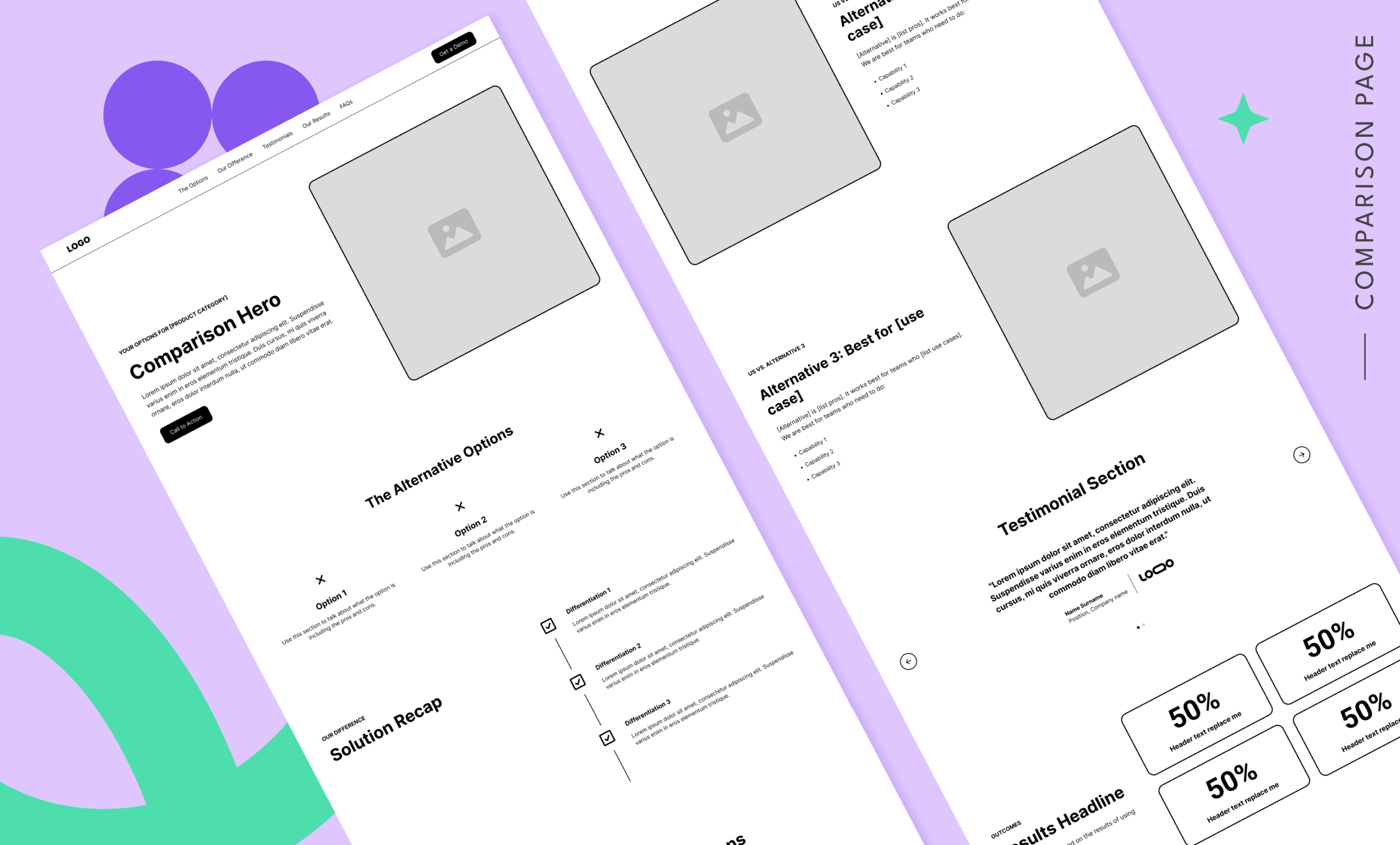
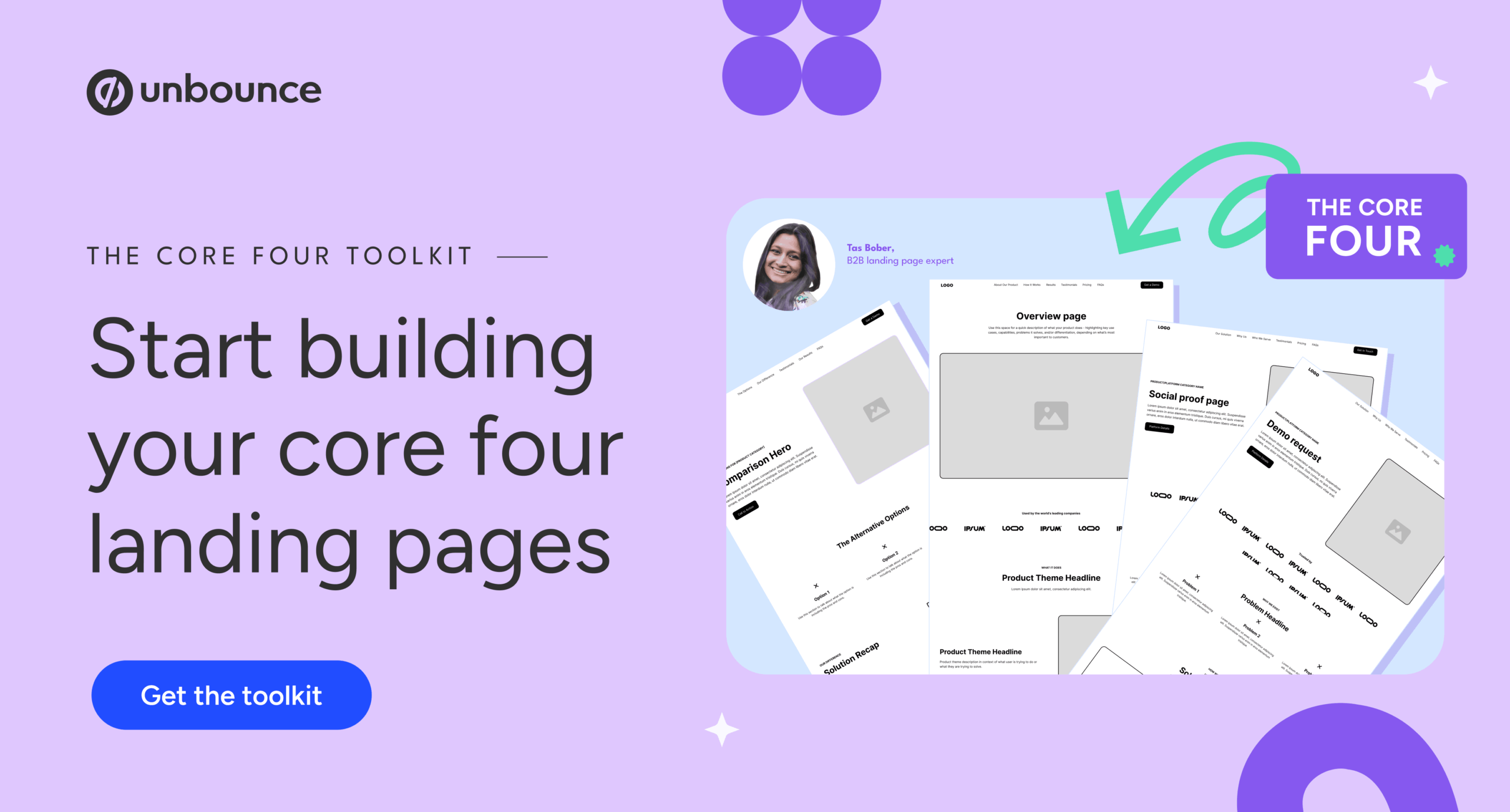
To navigate this complexity, B2B landing page experts have developed the "Core Four" framework. This model suggests that paid media teams should direct traffic to four distinct types of pages based on the prospect’s stage in the journey:
- Problem-Aware Pages: Addressing the pain points and challenges the buyer faces.
- Solution-Aware Pages: Introducing the product category and general methodology.
- Proof-Focused Pages: Providing case studies, testimonials, and third-party validation.
- The Demo Page: The final conversion point for high-intent, well-researched buyers.
By the time a visitor reaches the demo landing page, they should already understand the product’s value proposition and core functionality. The role of the page is no longer to introduce the software but to remove the final points of friction and reassure the buyer that a conversation with sales is the logical and beneficial next step.
Benchmarking Conversion Rates in the SaaS Sector
Understanding what constitutes a "successful" demo page requires an analysis of current industry benchmarks. The Unbounce 2024 Conversion Benchmark Report identifies the median conversion rate for SaaS landing pages at approximately 3.8%. More recent first-party research from 2025 and 2026 suggests that for high-intent demo pages specifically, conversion rates often hover around 3.1%.
These figures fluctuate significantly based on the quality of incoming traffic. Organizations that direct cold traffic—visitors who have had no prior interaction with the brand—to a demo page often see conversion rates plummet below 1%. Conversely, when traffic is restricted to "warm" leads who have engaged with top-of-funnel content or compared the solution against competitors, conversion rates can exceed the 4% mark. This data underscores a critical reality: conversion rate optimization (CRO) on a landing page cannot compensate for poor targeting or premature outreach.
Structural Anatomy of a High-Performing Demo Page
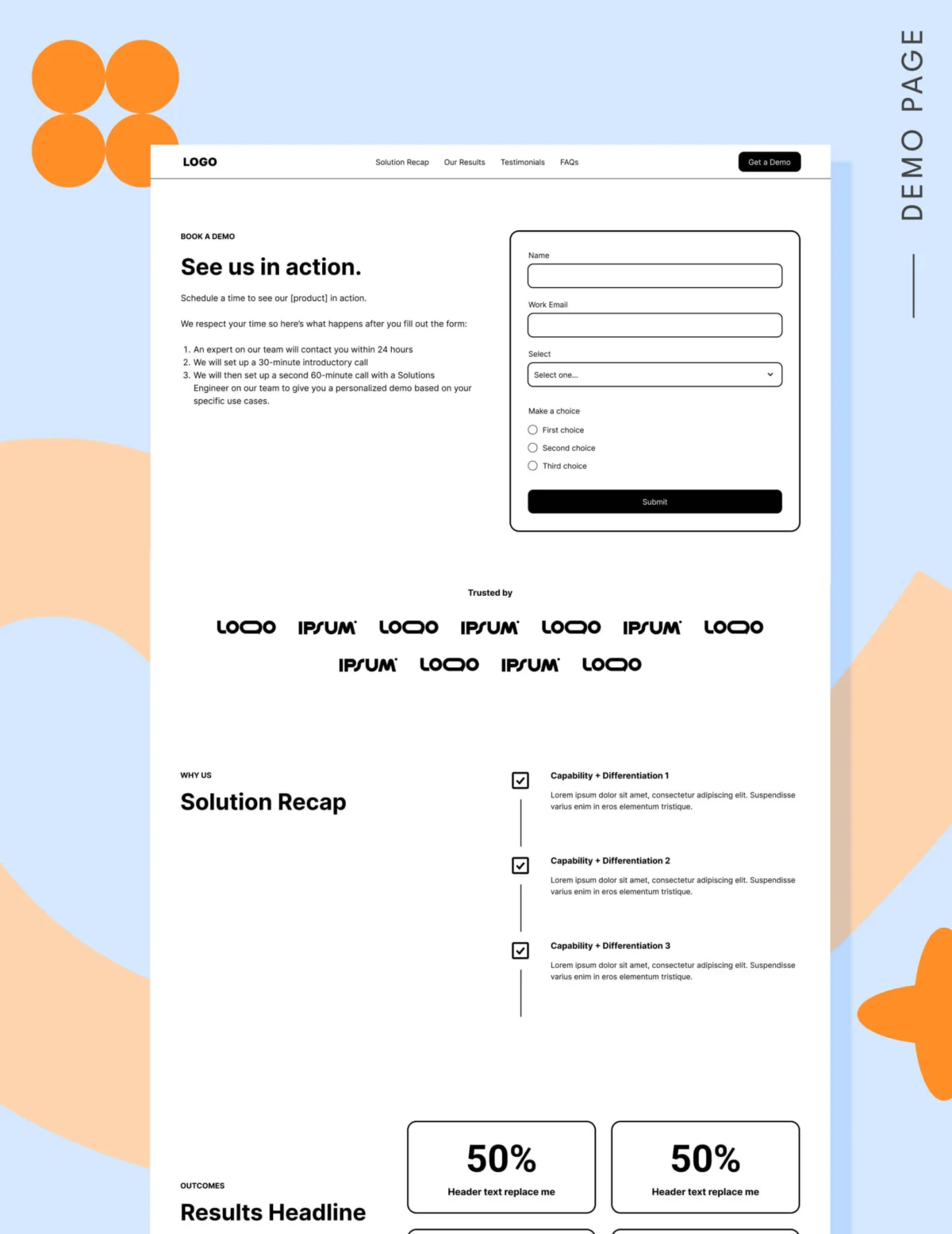
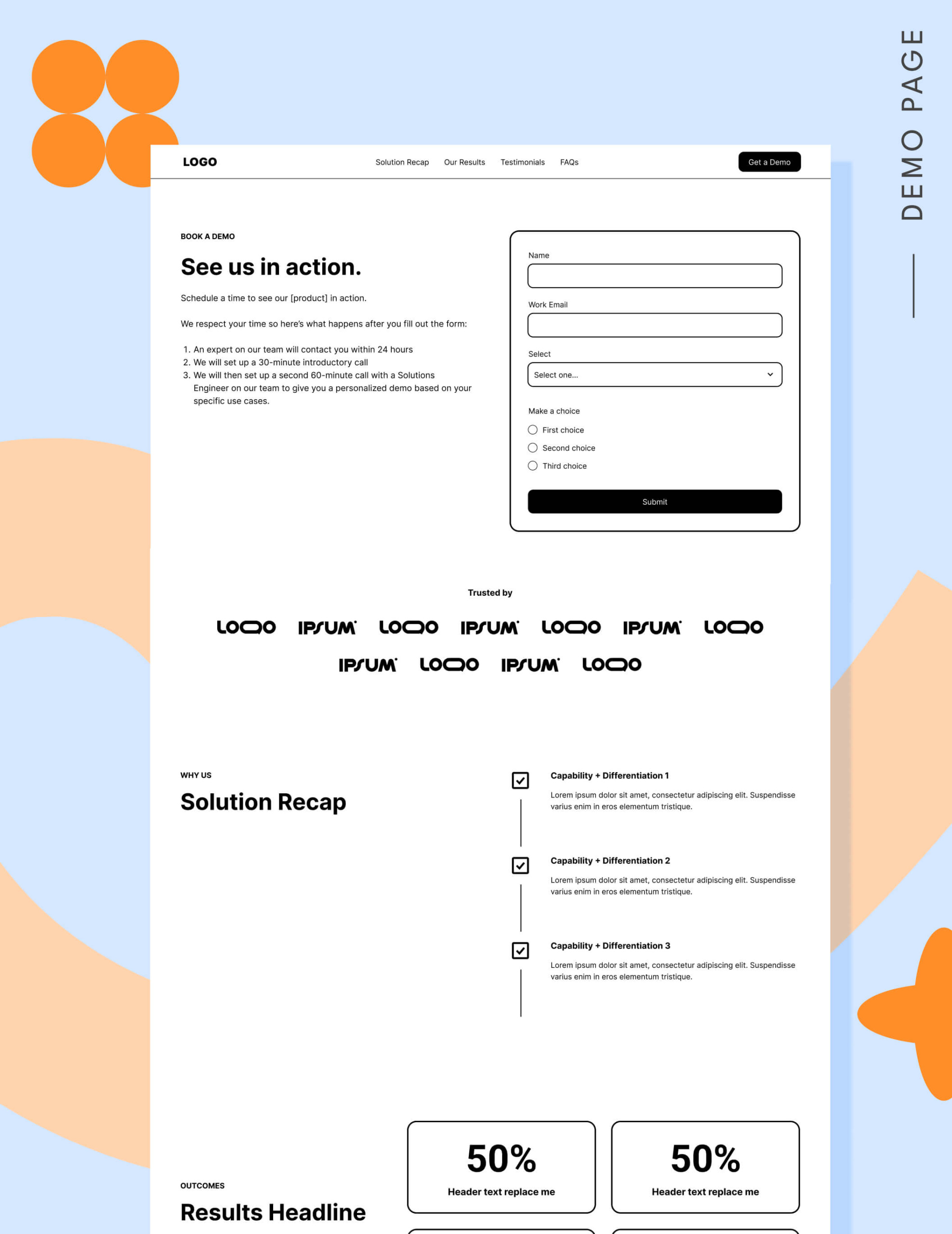
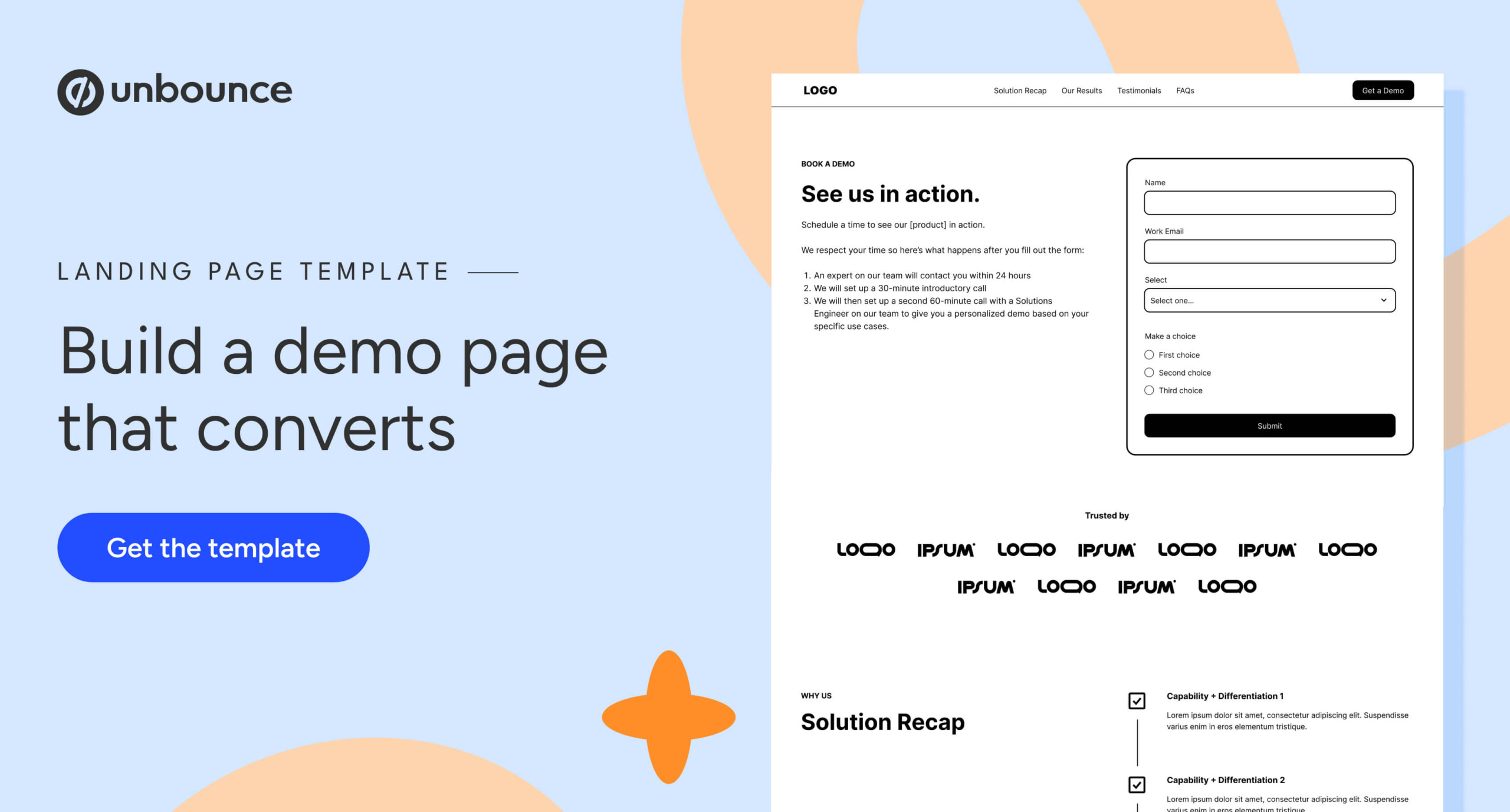
A professional SaaS demo page must be meticulously structured to answer lingering questions and mitigate the "fear of the sales call." The following elements are essential for a modern, high-conversion layout:
Strategic Navigation and the Shift in Google’s Ad Quality Model
Historically, landing page best practices dictated the removal of all navigation links to prevent "leaks" in the conversion funnel. However, a significant update to Google’s ad quality prediction model in 2025 has altered this landscape. Google now rewards landing pages that align with search intent by providing access to relevant next steps through navigation.

On a demo page, the inclusion of anchor links allows users to jump to sections such as "Pricing," "Results," or "FAQ" without leaving the page. Furthermore, a minimal footer linking to other "Core Four" pages ensures that if a buyer is not yet ready for a demo, they remain within the brand’s ecosystem rather than returning to a search engine.
The Hero Section: Transparency Over Persuasion
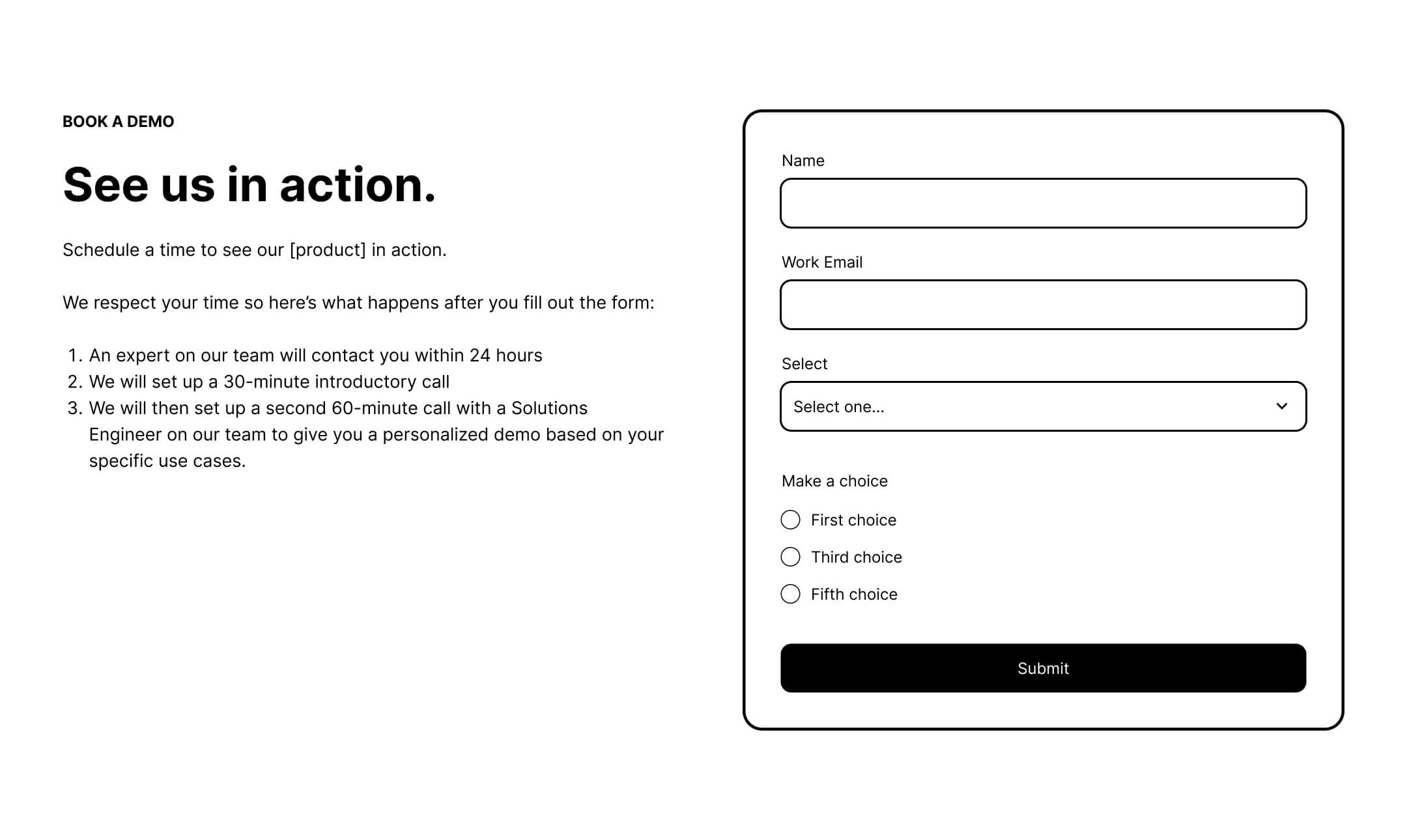
The hero section of a demo page is one of the few instances where placing a form above the fold is recommended. However, the copy must go beyond a simple "Book Now" command. High-performing pages use the hero section to detail exactly what happens after the form is submitted. This includes:
- The expected response time (e.g., "We’ll reach out within 2 business hours").
- The nature of the call (e.g., "A 15-minute discovery call, not a hard sell").
- The person they will be speaking with (e.g., "Talk to a product specialist, not a junior rep").
Social Proof and the "Logo Garden"
Trust is the primary currency of the B2B world. The demo page should feature a "logo garden" of recognizable customers. If the target audience is niche and may not recognize specific logos, the page should instead use "light testimonials"—short, one-to-two-line quotes that highlight the immediate benefits of the solution. Quantitative social proof, such as "Trusted by 10,000+ developers," provides the necessary safety in numbers that hesitant buyers require.
Quantifiable Results and Solution Recaps
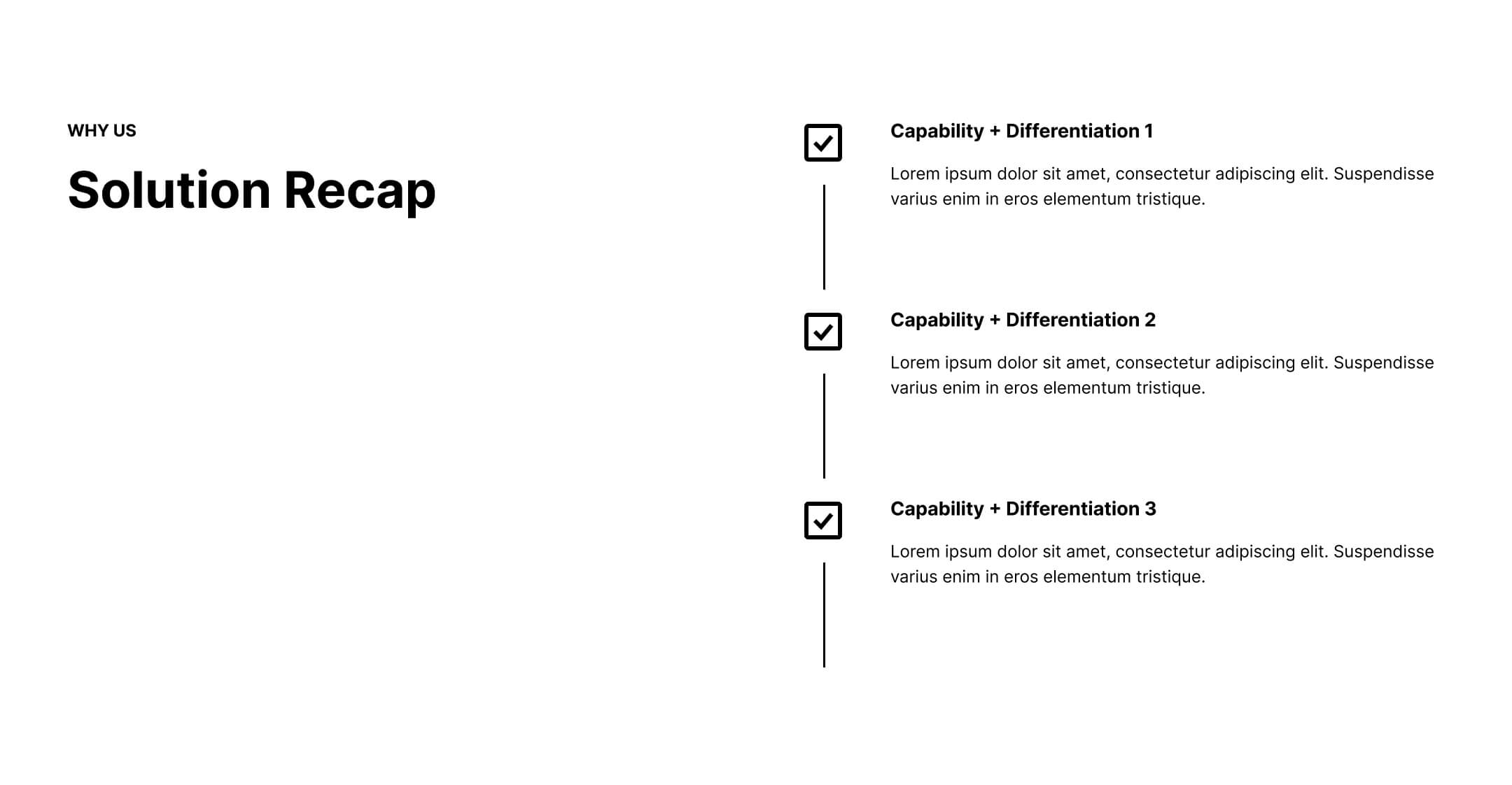
As the buyer moves down the page, the focus should shift to measurable outcomes. General claims of "efficiency" or "growth" are less effective than specific data points, such as "Reduced churn by 14% within the first 90 days." A solution recap section should reinforce the product’s top differentiators, ensuring the buyer remembers exactly why this specific software is on their shortlist compared to lower-cost alternatives.
Addressing the Friction of Pricing and Forms
One of the most debated topics in SaaS marketing is the inclusion of pricing on a demo page. Traditional sales-led motions often hide pricing to force a conversation. However, 2026 market trends indicate that transparency is becoming a competitive advantage.
The Case for Pricing Transparency
Including a starting price or a "typical range" on the demo page serves several functions:
- Self-Qualification: It prevents the sales team from wasting time on leads that do not have the necessary budget.
- Trust Building: It eliminates the fear of "predatory pricing" based on company size.
- Friction Reduction: It answers one of the most fundamental questions a buyer has, allowing them to move to the demo request with one less hurdle.
Form Field Optimization
Data from 2026 conversion benchmarks shows a sharp decline in form completion as fields increase. Forms with five fields see an average conversion rate of 17%, which drops to 11% at seven fields and under 7% for forms with ten or more fields. The recommendation for SaaS firms is to use the minimum number of fields required to route the lead effectively. Advanced teams are increasingly using "positive friction"—a single, high-value qualifying question (such as "What is your primary use case?")—which can actually improve lead quality without significantly damaging conversion rates.
Chronology of the Sales Engagement: Form vs. Automated Scheduling
The final technical hurdle on a demo page is the method of booking. The industry is currently split between traditional lead forms and automated scheduling tools like Calendly.
- Lead Forms: These remain superior for high-volume traffic where manual qualification is necessary to protect the sales team’s calendar. They are also preferred for enterprise-level deals where lead routing is complex.
- Automated Scheduling: This is ideal for highly qualified, bottom-of-funnel traffic. Forcing a high-intent buyer to wait 24 hours for a callback when they are ready to talk "now" can lead to a 50% drop-off in engagement.
A hybrid approach—using a short form that redirects qualified leads to a booking calendar while sending unqualified leads to a "Thank You" page with a recorded demo—is emerging as the gold standard for 2026.
Broader Implications for Sales and Marketing Alignment
The shift toward more transparent, high-context demo landing pages has broader implications for organizational health. When marketing departments focus on "warming up" buyers through the Core Four framework rather than pushing for premature demos, the leads that do arrive are of significantly higher quality.
This reduces the "blame game" between departments. Sales teams receive prospects who are educated and ready for a technical deep-dive, while marketing can demonstrate a clearer ROI by tracking the 211-day journey rather than just the final click. Ultimately, the SaaS demo page is not just a conversion tool; it is a reflection of a company’s respect for the buyer’s time and autonomy. In an era of information abundance, the companies that win will be those that make the transition from "selling" to "facilitating a purchase."