The digital commerce landscape is undergoing a fundamental shift as traditional methods of customer engagement struggle to keep pace with the increasingly non-linear nature of online shopping. In an era where a single purchase journey may span multiple devices, sessions, and platforms, the reliance on historical data and static user profiles has created a significant gap in the customer experience. To address this, the emergence of AdaptiveCX represents a pivotal advancement in how brands interact with visitors, prioritizing real-time intent over historical identity. By leveraging in-session behavioral signals, this technology allows brands to personalize experiences for the vast majority of their traffic—anonymous visitors—who would otherwise receive a generic, one-size-fits-all journey.
The Personalization Gap: Why Static Rules Are Failing
For years, the gold standard of e-commerce personalization was built upon "known" data. Marketing teams relied heavily on Customer Relationship Management (CRM) systems, past purchase histories, and logged-in profiles to tailor content. However, industry data suggests that for most mid-market and enterprise e-commerce businesses, as much as 90% of site traffic remains anonymous. These visitors may be browsing in private mode, visiting for the first time, or simply choosing not to log in. Under traditional systems, these individuals are invisible until they identify themselves, leading to missed opportunities and wasted ad spend.
Furthermore, the "rules-based" approach to personalization—such as "if a visitor is from New York, show them winter coats"—is increasingly viewed as too rigid. Consumer intent is highly fluid. A shopper in a cold climate may be searching for swimwear for an upcoming vacation, or a returning customer who previously bought electronics may now be shopping for home decor. Static rules cannot account for these rapid shifts in intent. When a digital experience fails to respond to live behavior, it creates friction, leading to higher bounce rates and diminished brand loyalty.
The Evolution of Intent-Based Personalization
AdaptiveCX shifts the paradigm from identity-based personalization to intent-based personalization. This evolution is driven by the necessity of privacy-conscious marketing in a "cookieless" future. As global regulations like GDPR and CCPA, along with technical shifts such as the deprecation of third-party cookies, limit the availability of cross-site tracking, brands must find ways to provide relevance using only the data available within a single session.
This technology functions by interpreting a sophisticated array of non-personally identifiable information (non-PII). Rather than asking "who is this person?", the system asks "what is this person trying to achieve right now?" By analyzing mouse movements, scroll depth, click patterns, and the sequence of pages visited, machine learning models can predict a visitor’s psychological state—whether they are "window shopping," "price-sensitive," or "ready to buy"—within seconds of their arrival.
Technical Architecture: Signal, Predict, Activate
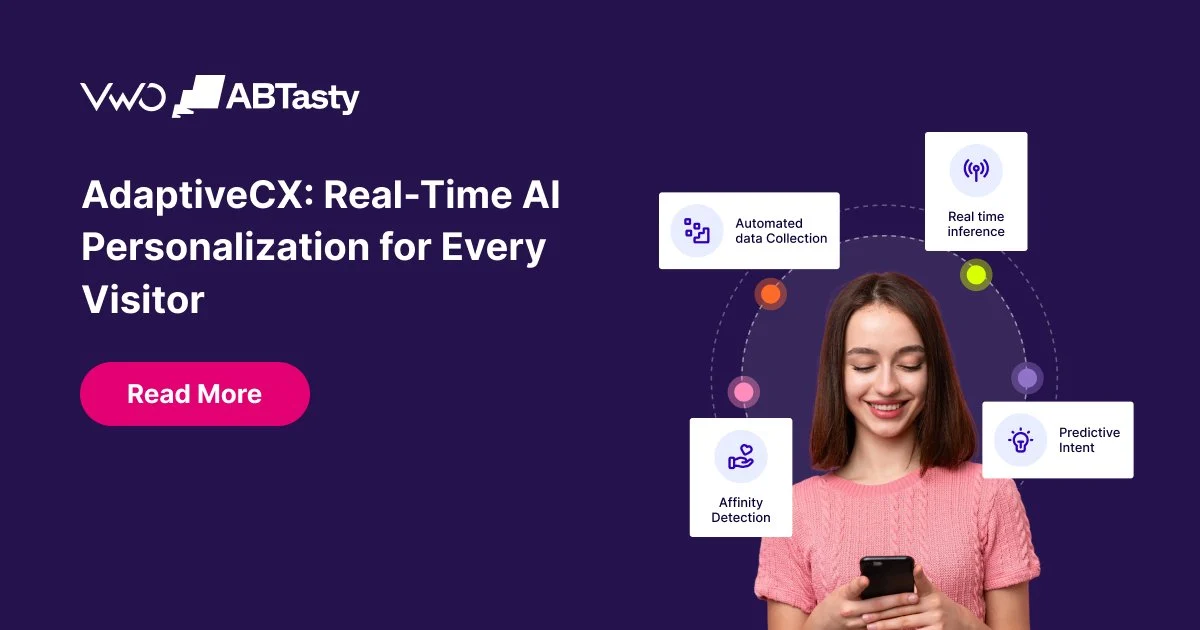
The operational framework of AdaptiveCX is built on a continuous, high-velocity cycle designed to influence the user journey while the visitor is still on the site. This process is categorized into three distinct phases:
1. Real-Time Signal Capture
The system monitors micro-behaviors that indicate engagement or frustration. Key signals include:
- Navigation Velocity: How quickly a user moves through categories.
- Interaction Depth: The level of engagement with product descriptions or image galleries.
- Hesitation Markers: Long pauses over specific elements, which may indicate confusion or intense interest.
- Contextual Data: Referral sources, device types, and time of day.
2. Intent Prediction via Machine Learning
Once signals are captured, they are processed by machine learning models that categorize the visitor into intent segments. Unlike "black box" AI, AdaptiveCX emphasizes transparency, allowing marketers to see which specific behaviors triggered a prediction. Common predictions include "high likelihood to churn," "high purchase intent," or "interest in specific sub-categories."
3. Millisecond Experience Activation
The final phase is the immediate adjustment of the website’s UI or content. This could involve reordering a homepage carousel, triggering a specific incentive, or highlighting a "frequently bought together" section that aligns with the visitor’s current browsing path. The goal is to ensure the intervention occurs before the visitor decides to leave the site.
High-Impact Use Cases and Industry Benchmarks
The practical application of AdaptiveCX has already yielded measurable results across various retail sectors. By examining specific use cases, the business value becomes clear.
Adaptive Homepage Prioritization
Most brands treat the homepage as a digital billboard, cycling through various promotions in a carousel. However, if a visitor’s first three clicks indicate an interest in a specific category—such as "outdoor gear"—continuing to show them "luxury watches" in the first carousel position is a missed opportunity. AdaptiveCX allows the site to dynamically reorder these slides. In one documented case, Colony Brands utilized this predictive technology to move away from static displays, resulting in a 12% increase in revenue per visitor (RPV) and a 15% lift in conversion rates.
Intelligent Margin Protection
A common pitfall in e-commerce is the "blanket discount," where every new visitor is offered a 10% coupon. This often results in "margin bleed," where discounts are given to shoppers who would have purchased at full price regardless. AdaptiveCX identifies "high-intent" shoppers and suppresses the discount for them, while offering it only to "price-sensitive" or "hesitant" shoppers who need the nudge to convert. Retailer Abercrombie & Fitch successfully employed this strategy to identify high-quality visitors, leading to a 34% increase in new customer acquisitions while simultaneously protecting their profit margins.
Out-of-Stock Recovery
Landing on an out-of-stock product page is one of the leading causes of session abandonment. AdaptiveCX mitigates this by detecting the "dead end" and immediately serving recommendations for similar items in the visitor’s size or preferred color, based on their session history. Data indicates that visitors exposed to these adaptive recovery paths are 1.5 to 2 times more likely to complete a follow-up order compared to those who encounter a standard "out of stock" message.
Strategic Implications for Growth and Retention
Beyond immediate conversion lifts, the implementation of real-time personalization has broader implications for long-term business health.
Revenue Per Visitor (RPV) Optimization: By aligning product discovery with current intent, brands can effectively increase the average order value (AOV) and conversion rate simultaneously. Benchmark data shows that adaptive audiences typically see an RPV growth of approximately 15%.
Enhanced Customer Retention: A relevant first-time experience is a powerful driver of brand affinity. When a visitor feels that a site "understands" their needs without requiring a login, they are significantly more likely to return. AdaptiveCX users have reported up to a 2.5-fold increase in repeat visit rates.
Operational Efficiency: Because AdaptiveCX is typically delivered as a SaaS-based, no-code solution, it reduces the burden on IT departments. Marketing and optimization teams can deploy and test new adaptive strategies in days, allowing for a more agile approach to market changes and seasonal peaks.
Privacy and Transparency in the AI Era
As consumers become more wary of how their data is used, the "transparency" of AI has become a critical talking point. AdaptiveCX addresses this by moving away from "black box" decision-making. Marketers are provided with "explainable AI" dashboards that detail why a certain experience was triggered. This not only builds trust between the technology and the user but also allows human strategists to refine the AI’s parameters based on business goals.
Furthermore, by focusing on in-session behavior rather than cross-site tracking, AdaptiveCX aligns with the global shift toward "Zero-Party" and "First-Party" data strategies. It proves that personalization does not have to come at the expense of privacy; relevance can be achieved through observation of action rather than the collection of personal identity.
Conclusion: The Future of the Digital Journey
The era of static, identity-dependent e-commerce is drawing to a close. As digital journeys become more fragmented, the ability to respond to a visitor’s "now" is the new competitive frontier. AdaptiveCX offers a path forward for brands to bridge the gap between anonymous browsing and converted sales.
By transforming live behavioral signals into actionable insights, businesses can ensure that every click leads to a more relevant destination. For the consumer, this means a smoother, more intuitive shopping experience. For the brand, it means higher conversions, protected margins, and a robust strategy for growth in an increasingly complex digital world. The shift from "who you are" to "what you need right now" is not just a technical upgrade—it is a fundamental reimagining of the digital customer experience.