TikTok, once predominantly viewed as a platform for viral entertainment and brand awareness, is rapidly solidifying its position as a potent engine for demand generation and high-quality lead acquisition. This strategic pivot, championed by industry leaders like Anny Havercroft, TikTok’s global head of product marketing communications and industry enablement, signifies a critical shift in how marketers should leverage the platform. Havercroft’s five years at the forefront of TikTok’s B2B lead generation playbook, initially across APAC and now globally, reveal common patterns and often-missed opportunities that, when harnessed, can transform ordinary campaigns into robust pipeline drivers. The essence of this evolution lies in moving beyond superficial metrics like "likes" or "reach" to focus on creating an actual, measurable pipeline of pre-qualified interest, as demonstrably achieved by brands like Invisalign.
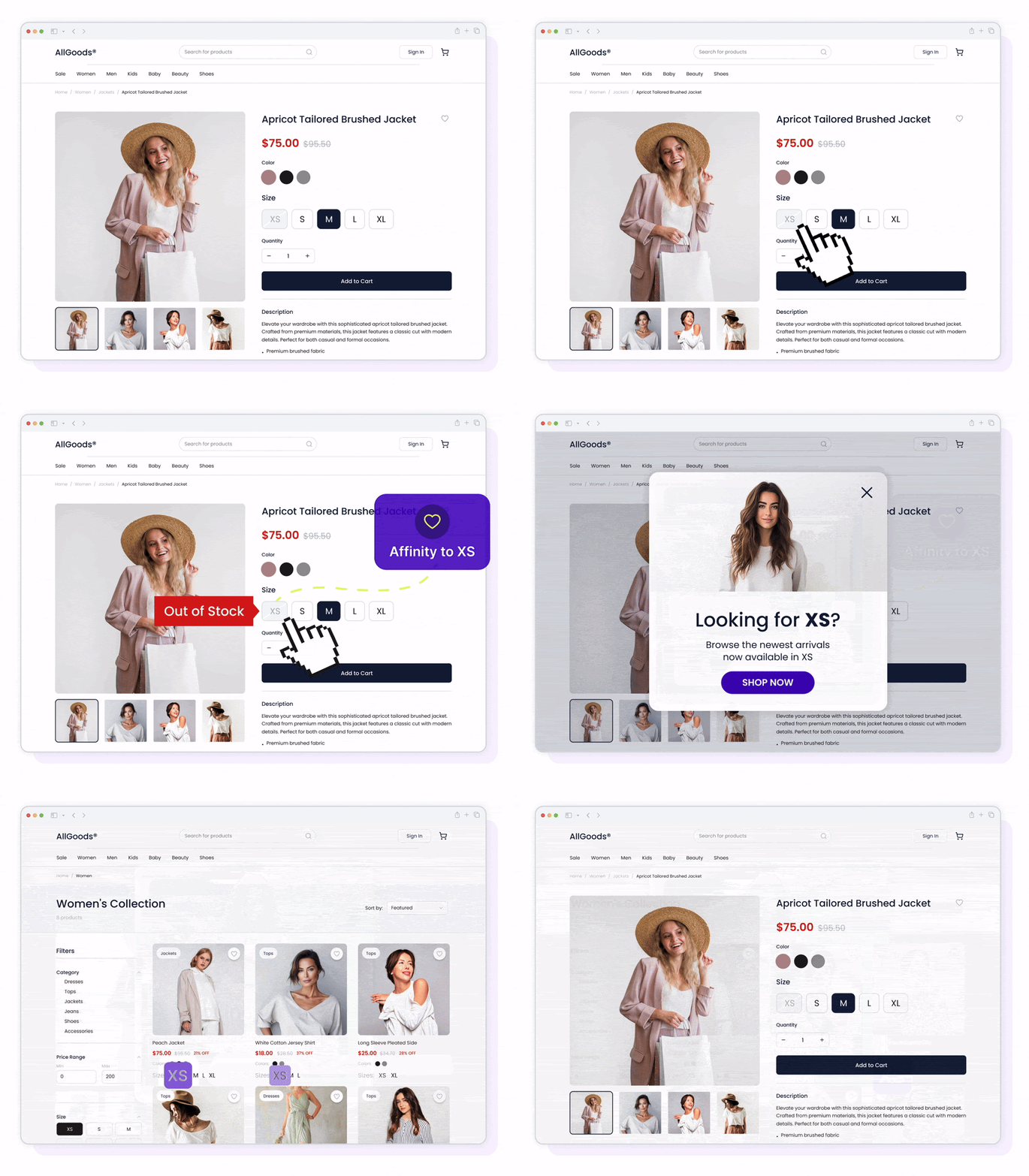
Invisalign’s recent campaign serves as a prime example of this paradigm shift. By embedding a "Smile Quiz" directly into its TikTok advertisements, the clear aligner brand successfully generated pre-qualified interest, leading to a remarkable 28% increase in form completions at a lower cost per lead compared to previous campaigns. This innovative approach bypassed the traditional vanity metrics, establishing a direct, measurable pathway from initial engagement to actionable lead generation. The success underscores Havercroft’s vision: TikTok is not merely a discovery platform but a powerful tool for closing the sales funnel, applicable to both B2C endeavors like Invisalign’s and B2B demand generation, with leads seamlessly integrating into systems like HubSpot.
The Paradigm Shift: From Reach to Readiness in Demand Generation
A pervasive misconception among marketers on TikTok is the overemphasis on sheer reach. With over a billion monthly active users globally, the temptation to view TikTok solely as a platform for broad exposure is understandable. However, Havercroft cautions against this singular focus, emphasizing that true demand generation hinges on the quality of the community and the engagement of its audiences, which directly translates into well-qualified leads. "It can be very easy to think about it as a reach play when you’re generating demand," Havercroft states, "but actually it is about the quality of our community and how the engagement of our audiences actually turns into some really well-qualified leads."
The distinction lies in recognizing and interpreting user "signals." These signals are far more nuanced than simple impressions; they encompass the duration a user watches a video, their likes, shares, comments, and even specific product or category searches. Brands that demonstrate an aptitude for reading these digital breadcrumbs are consistently generating higher-quality leads. This strategic imperative highlights the need for marketers to embed mechanisms that actively solicit these signals, moving beyond passive content consumption to interactive engagement.
Invisalign’s Smile Quiz exemplifies this principle with remarkable efficacy. Instead of directing users to an external form or expecting cold conversions, the brand integrated a card-layout quiz directly within the TikTok ad experience. This in-app quiz allowed interested users to assess their suitability for Invisalign, effectively pre-qualifying leads before they even considered deeper engagement. The results were compelling: a 28% higher form submission rate and an 11% lower cost per acquisition than prior campaigns. Furthermore, the quiz boasted a 133% higher landing page load-and-finish rate, significantly reducing abandonment. This case illustrates a critical shift: instead of chasing broad reach, marketers should prioritize "readiness" by creating interactive checkpoints that identify genuinely interested prospects. Industry analysts consistently report that interactive content, such as quizzes and polls, can achieve conversion rates up to twice as high as static content, validating Invisalign’s strategy. The implication for marketers is clear: invest in interactive, in-app qualification tools and deep-funnel tracking to discern genuine intent from fleeting interest.
Mastering the Multi-Format Customer Journey on TikTok
TikTok’s intrinsic design fosters a seamless customer journey, often described as "watch it, love it, want it." This fluidity means discovery, consideration, and action can unfold within a single, uninterrupted user experience. A common misstep by marketers is to force users down a rigid, linear path, ignoring the diverse toolkit TikTok offers for different stages of the buyer journey. Havercroft advocates for leveraging TikTok’s wide array of content formats and advertising solutions to maintain a frictionless user experience, rather than optimizing for a single lead-gen format.
At a fundamental level, businesses can track conversions via their own websites using pixels and APIs. However, TikTok also provides native instant forms, creating self-contained, in-app experiences akin to Invisalign’s quiz, which reduce friction by keeping users within the platform. For brands requiring more robust pre-qualification or direct consultation, messaging ads and call ads offer direct communication channels. Crucially, TikTok also offers built-in test-and-learn solutions, allowing advertisers to run multiple formats simultaneously and identify the most effective performer, optimizing spend and strategy in real-time. This flexibility is vital, as different ad formats resonate with users at varying stages of their decision-making process.
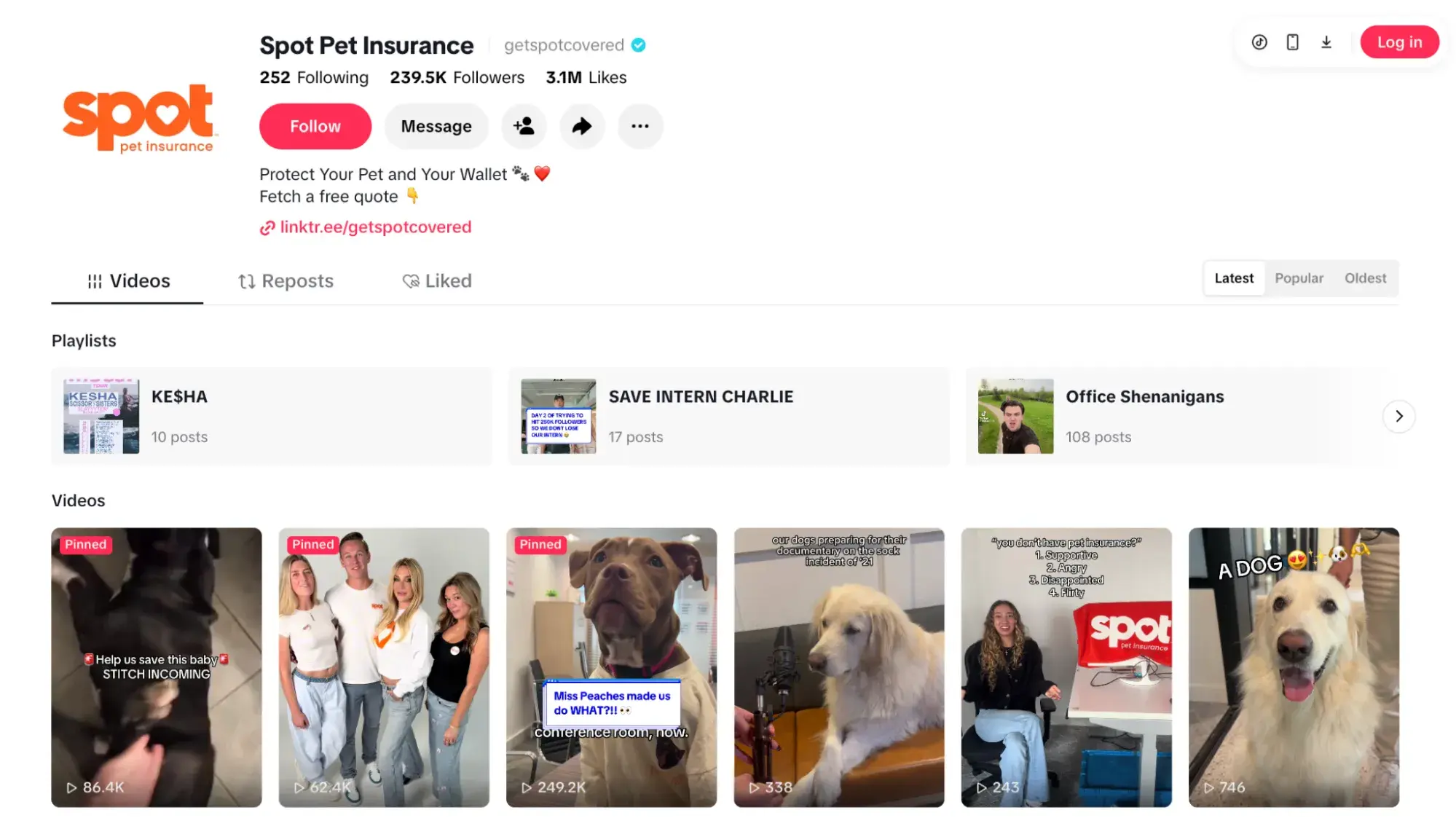
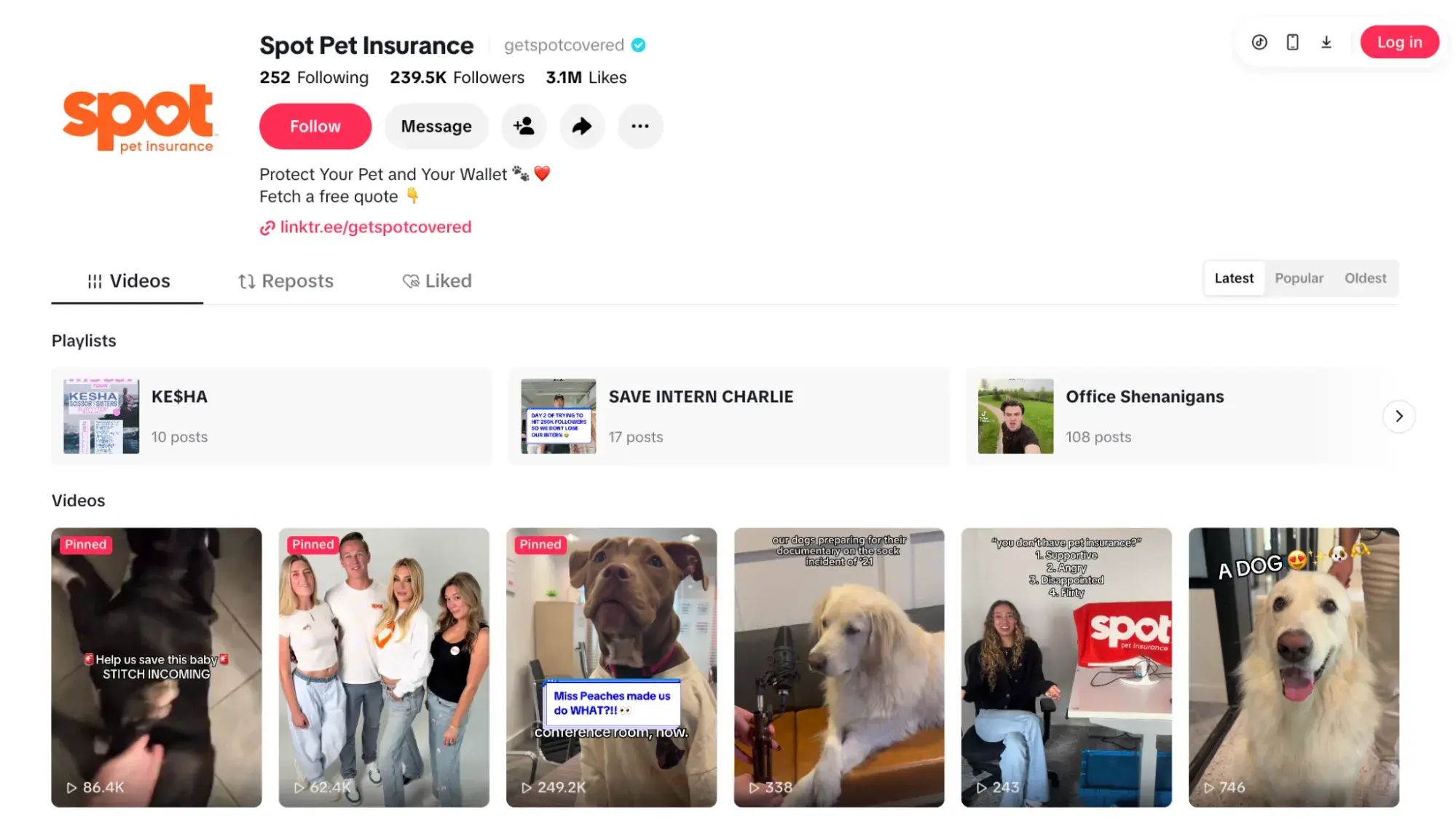
Spot Pet Insurance, a prominent U.S. online pet insurer, strategically capitalized on this diverse range. Rather than solely optimizing for initial form submissions, Spot Pet meticulously tracked deeper funnel actions, specifically quote requests and completed payments, following leads all the way to purchase. This holistic approach, integrating multiple touchpoints and tracking mechanisms, resulted in 23% more qualified leads and a 19% lower cost per lead. Their success underscores the importance of matching the ad format and tracking strategy to the specific stage of the customer funnel, moving beyond superficial lead generation to actual customer acquisition. Research indicates that multi-touch attribution models, like those employed by Spot Pet Insurance, consistently outperform last-click models in accurately assigning credit and optimizing complex conversion paths, reinforcing the value of TikTok’s integrated tracking capabilities.
The Imperative of Lead Nurturing: From Acquisition to Conversion

One of the most perplexing "modern dating faux pas" in marketing, as Havercroft vividly describes it, is the failure to nurture acquired leads. "You’re out there, you’ve got someone’s number… and you are ghosted," she quips, highlighting the "baffling conundrum why people generate leads and let them go cold." This oversight represents a significant missed opportunity, as initial interest, particularly for high-consideration purchases, rarely translates into immediate conversion without sustained engagement.
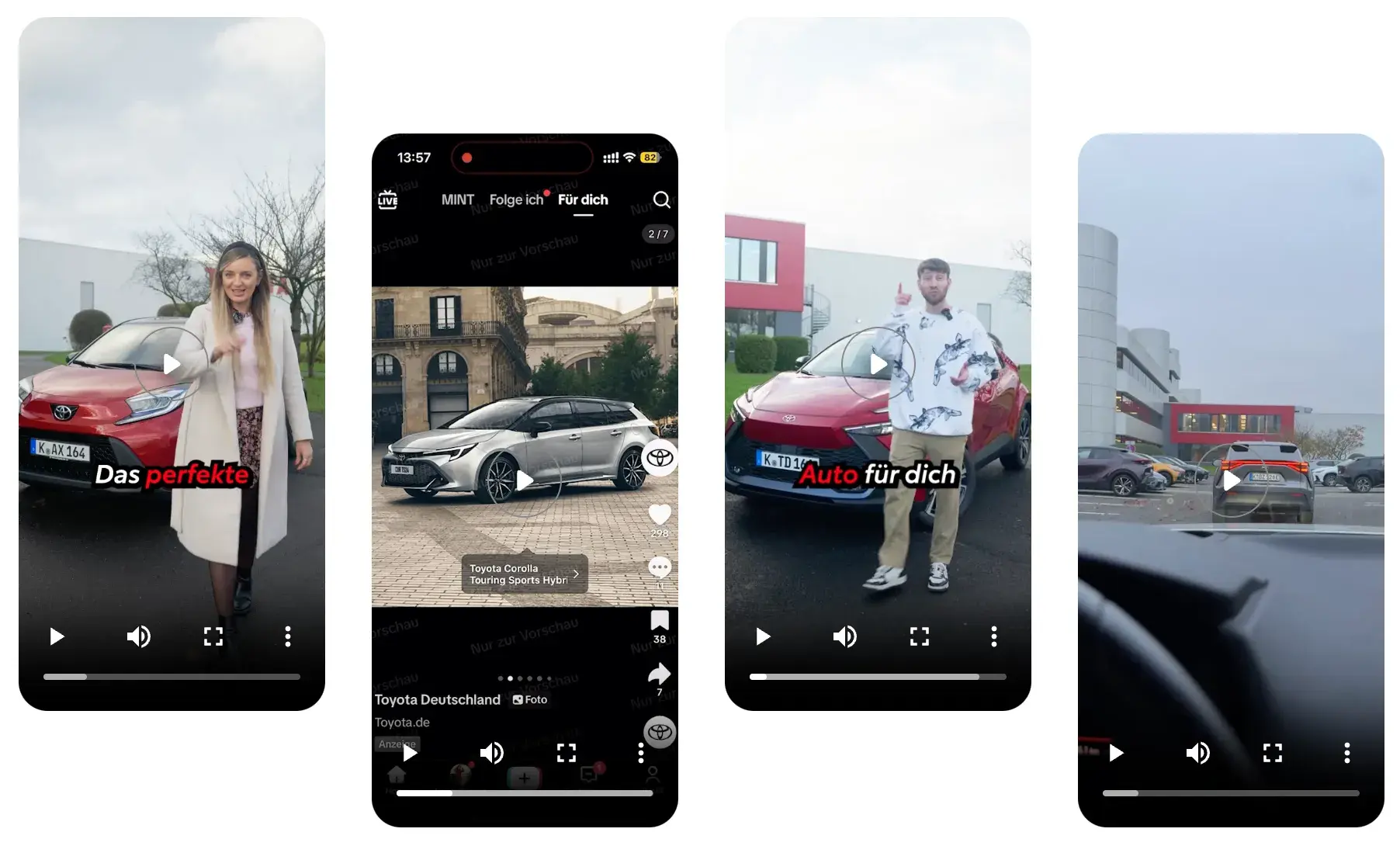
The automotive sector provides an excellent illustration of a prolonged customer journey. Prospective car buyers typically engage in extensive online browsing, video consumption, and eventually, test drive bookings. Toyota Germany recognized this multi-stage journey and built its TikTok lead-generation strategy around it, ensuring different content resonated at each stage. Crucially, every lead generated through TikTok was fed directly into its existing CRM nurture programs, rather than being treated as a siloed, standalone channel. This seamless integration of TikTok-generated leads into a comprehensive customer relationship management system resulted in a remarkable 38% decrease in cost per acquisition. Their approach epitomizes "dating to marry," focusing on building long-term customer relationships rather than one-off transactions.
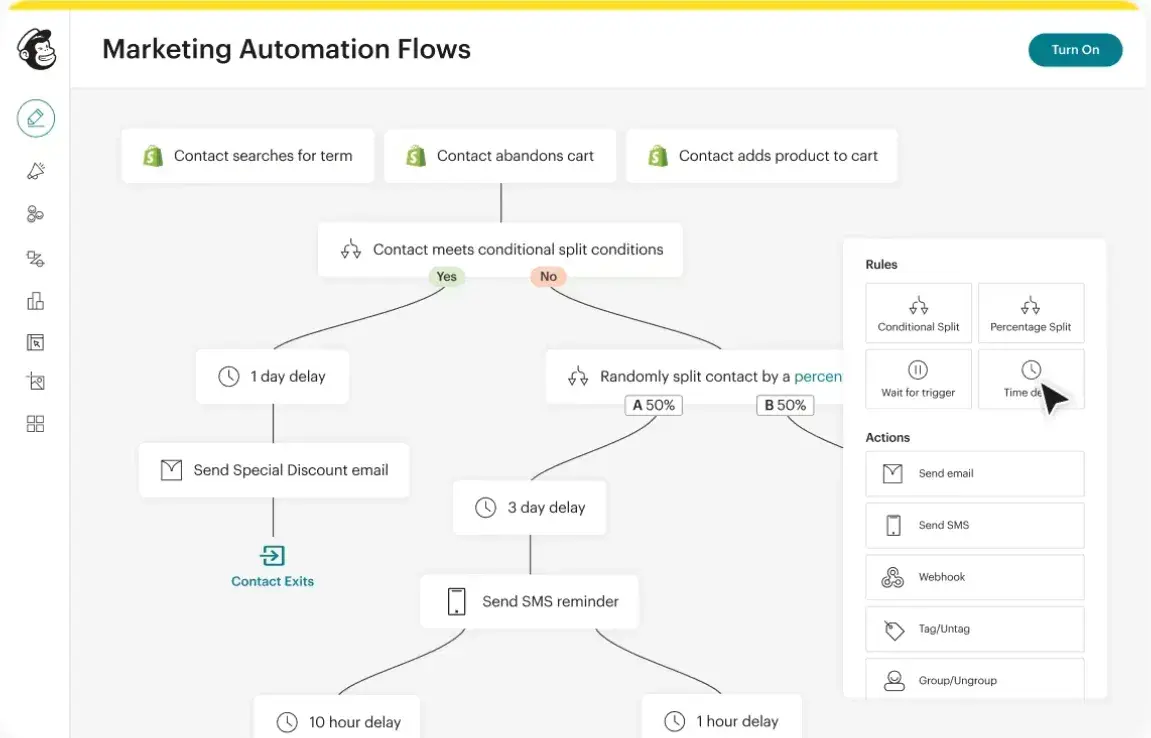
This is precisely where the synergy between TikTok and platforms like HubSpot becomes indispensable. Native integrations facilitate bidirectional data flow: campaign-level insights from TikTok seamlessly sync into HubSpot, providing a holistic view of lead origin and engagement. Conversely, HubSpot’s rich customer lifecycle data and nurture insights flow back to TikTok, enabling the platform to optimize advertising efforts towards audiences most likely to convert, rather than merely click. This closed-loop feedback mechanism ensures that marketing spend is continuously refined, fostering higher-quality leads and more efficient conversions. Studies show that companies that effectively integrate their social media lead generation with their CRM systems can see up to a 10% increase in sales productivity and a 20% improvement in lead conversion rates, emphasizing the strategic advantage of such integrations.
Unlocking Creator-Led Growth for Enhanced Lead Generation
"Creators are really the superpower and the hero of our community," Havercroft asserts, yet many marketers regrettably relegate creator partnerships to an afterthought. This constitutes a significant missed opportunity, as creators offer unparalleled "relevancy and connectivity to our audiences." Their content, often perceived as organic and authentic rather than overtly promotional, typically garners a level of engagement that is highly conducive to conversion. The inherent trust and relatability creators build with their followers make them powerful conduits for driving demand.
Gana Energia, a Spanish energy provider, rigorously tested this theory with impressive results. Tasked with educating its audience on energy cost management and provider switching, Gana Energia developed both brand-produced educational assets and creator-led content sourced via TikTok One. A decisive A/B test pitting these two approaches against each other revealed the superior performance of creator-led content. The campaign as a whole delivered a staggering 632% increase in total lead volume and a 64.5% reduction in cost per lead. This outcome definitively demonstrates the amplified impact creators can have on lead generation metrics.
For brands hesitant about engaging with creators, Havercroft advises treating them as creative partners. This entails providing clear context about the business problem and campaign objectives, while simultaneously trusting creators to translate that message authentically for their specific audience. The most effective creator-led lead generation campaigns seamlessly blend authenticity with a clear call to action, often amplified by mechanisms like affiliate incentives to give engagement a concrete conversion pathway. Data from influencer marketing platforms consistently shows that creator content can generate significantly higher engagement rates (often 2-3x higher) and conversion rates compared to traditional brand advertising, making it an increasingly vital component of a robust TikTok lead generation strategy.
A Strategic Blueprint: The Five-Step Framework for TikTok Lead Generation
The opportunities highlighted above underscore a fundamental truth: successful TikTok lead generation requires a structured, data-driven approach. Havercroft recommends a five-step framework for any brand embarking on or refining its TikTok lead generation strategy:
- Define Clear Lead Generation Objectives: Beyond general awareness, specify tangible goals such as qualified lead volume, cost per acquisition targets, or conversion rates for specific offers. This ensures every campaign is aligned with measurable business outcomes.
- Implement In-App Qualification Mechanisms: Integrate interactive elements like quizzes, polls, or instant forms directly into ads to pre-qualify leads and gather valuable user data without forcing them off-platform.
- Leverage Diverse TikTok Content Formats: Utilize the full spectrum of TikTok’s advertising tools—from website pixels and instant forms to messaging and call ads—matching the format to the specific stage of the customer journey for optimal engagement.
- Integrate with CRM for Holistic Nurturing: Establish seamless data synchronization between TikTok and your CRM system (e.g., HubSpot). This enables comprehensive lead nurturing, preventing leads from going cold and optimizing future ad targeting based on customer lifecycle data.
- Optimize with Creator-Led Content and AI Tools: Incorporate creator partnerships to drive authentic engagement and test their performance against brand-produced assets. Utilize TikTok’s Smart+ AI solution to automate campaign optimization, allowing marketing teams to focus on creative strategy rather than manual adjustments.
TikTok’s Smart+ AI, in particular, streamlines much of the optimization work traditionally requiring manual testing, freeing marketers to concentrate on creative innovation and strategic oversight, rather than tedious, spreadsheet-level campaign management.
The Foundational Role of Integration: HubSpot and TikTok Synergy
The underlying thread connecting all these strategic imperatives is the critical need for a clean, efficient connection between campaign data and a brand’s Customer Relationship Management (CRM) system. HubSpot’s native TikTok integration is specifically engineered to address this, enabling marketers to sync, manage, and measure both TikTok ads and organic content directly within Marketing Hub.
This integration empowers marketers to transcend generic targeting. By leveraging HubSpot’s rich customer data, campaigns can target audiences based on specific lifecycle stages, deal history, and purchase behavior, ensuring highly relevant ad delivery. Beyond paid campaigns, the integration facilitates scheduling and publishing organic TikTok content alongside other channels, centralizing content management. Furthermore, users gain access to Breeze AI, a tool designed to generate compelling captions, manage comments efficiently, and compile unified campaign reports, streamlining operational workflows.
The bidirectional data flow is the cornerstone of this integration. Campaign-level insights from TikTok automatically sync with HubSpot, providing invaluable context on lead origins and initial engagement. Concurrently, HubSpot’s granular lifecycle and nurture data feeds back into TikTok’s optimization algorithms, allowing advertisers to refine targeting towards audiences most likely to convert, rather than merely click. This seamless exchange of information eliminates the false choice between platform-native signals and proprietary customer data, empowering teams to execute campaigns that drive verifiable, impactful results.
Earning Attention and Driving Demand on TikTok
The transformation of TikTok from a nascent entertainment platform to a sophisticated demand-generation engine represents a significant evolution in the digital marketing landscape. The insights from Anny Havercroft and the successes of brands like Invisalign, Spot Pet Insurance, Toyota Germany, and Gana Energia underscore that the platform offers profound opportunities for marketers willing to move beyond conventional approaches. By prioritizing readiness over sheer reach, embracing diverse content formats, committing to robust lead nurturing, and leveraging the authentic power of creators, brands can unlock TikTok’s full potential. The foundational integration between platforms like TikTok and HubSpot is not just a convenience but a strategic necessity, enabling the data-driven, holistic approach required to earn attention and convert it into tangible business value in today’s competitive digital ecosystem. The future of demand generation on TikTok is characterized by intelligence, integration, and impactful conversion.