Digital marketing has evolved into a high-stakes environment where the difference between a successful campaign and a costly failure often hinges on a fraction of a percentage point in conversion rates. As customer acquisition costs (CAC) continue to rise across major advertising platforms like Google Ads and Meta, businesses are shifting their focus from merely driving traffic to optimizing the post-click experience. The landing page, the first point of contact for a potential lead, remains the most critical asset in this journey. However, even seasoned marketers find that establishing ad-to-page relevance and creating a seamless conversion path is a complex endeavor. When benchmarks are missed, the modern solution is not to discard the strategy but to employ rigorous A/B testing to identify and rectify performance bottlenecks.
The Evolution of Conversion Rate Optimization
The practice of A/B testing, or split testing, has its roots in mid-20th-century direct mail marketing, where advertisers would send two different versions of a catalog to see which generated more orders. In the digital age, this methodology was revolutionized in the early 2000s. Google famously conducted its first A/B test in 2000 to determine the optimum number of results to display on its search engine results page. Since then, the practice has matured from simple button-color changes to sophisticated, AI-driven multivariate experiments that adjust content in real-time based on user behavior.

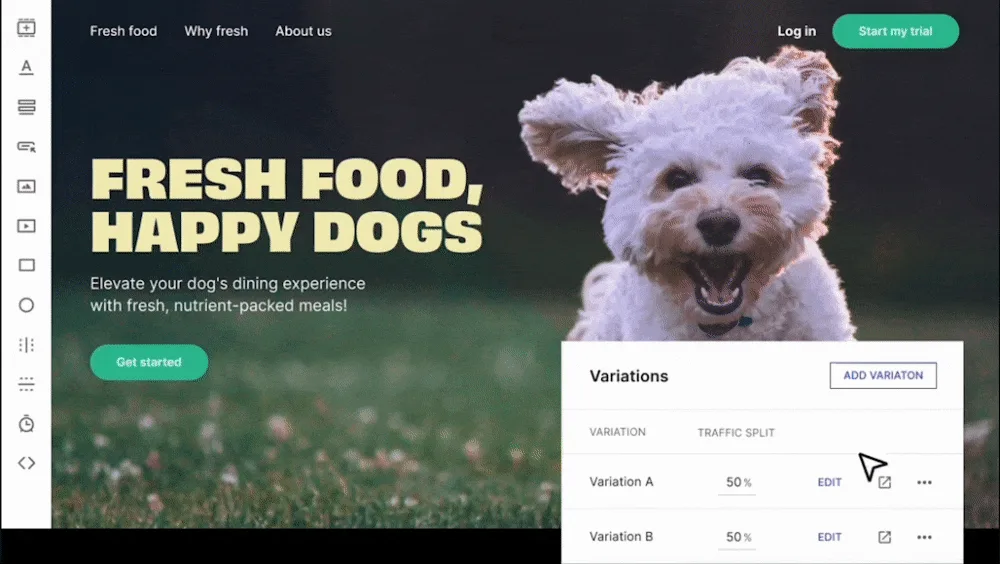
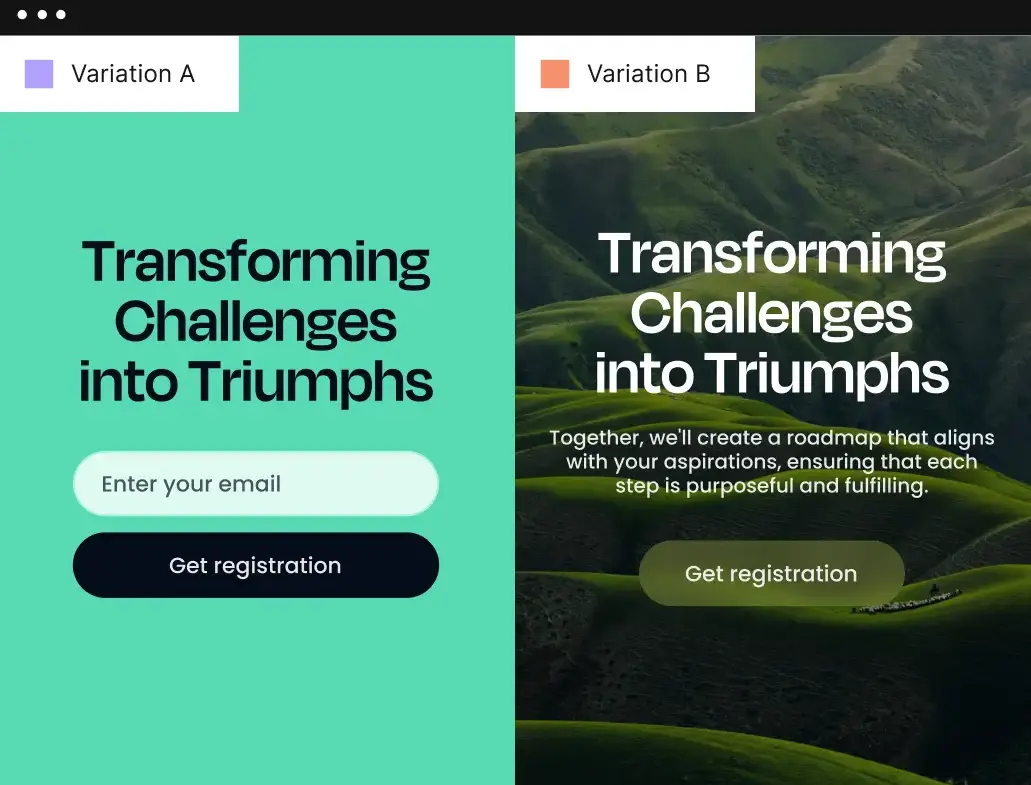
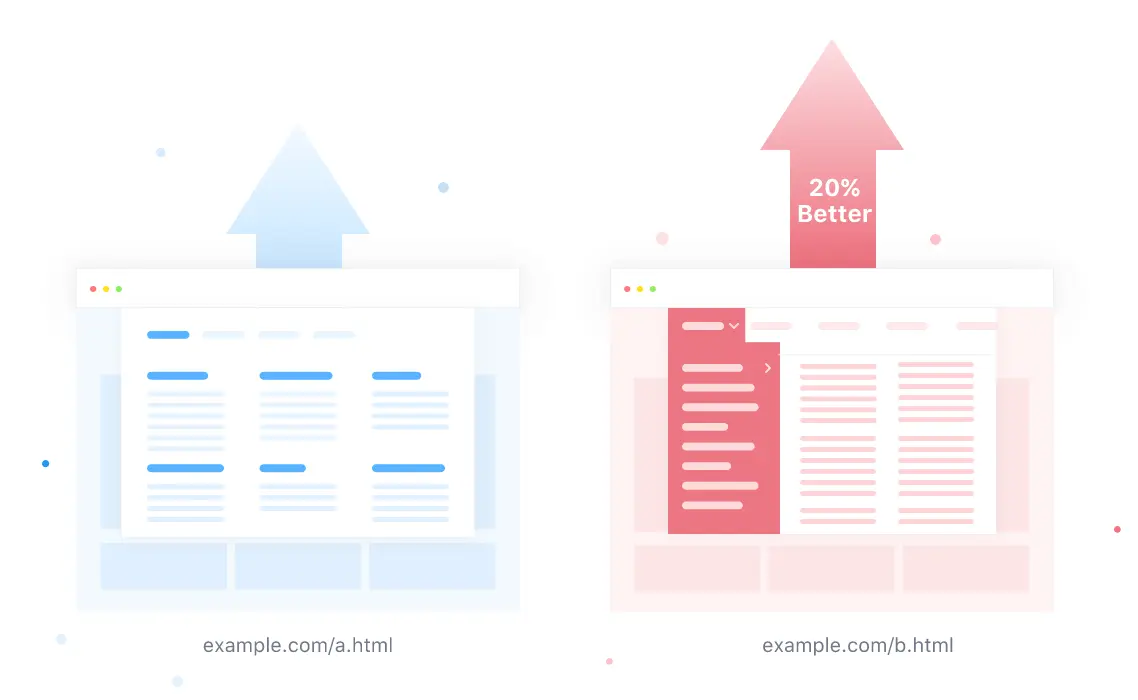
Today, A/B testing is the cornerstone of Conversion Rate Optimization (CRO). It allows marketers to determine which specific elements—be it a headline, a hero image, or a call-to-action (CTA) button—are responsible for underperformance. By splitting traffic between a "control" version (the original) and one or more "variations," brands can make data-backed decisions rather than relying on creative intuition.
Evaluating the Current A/B Testing Landscape
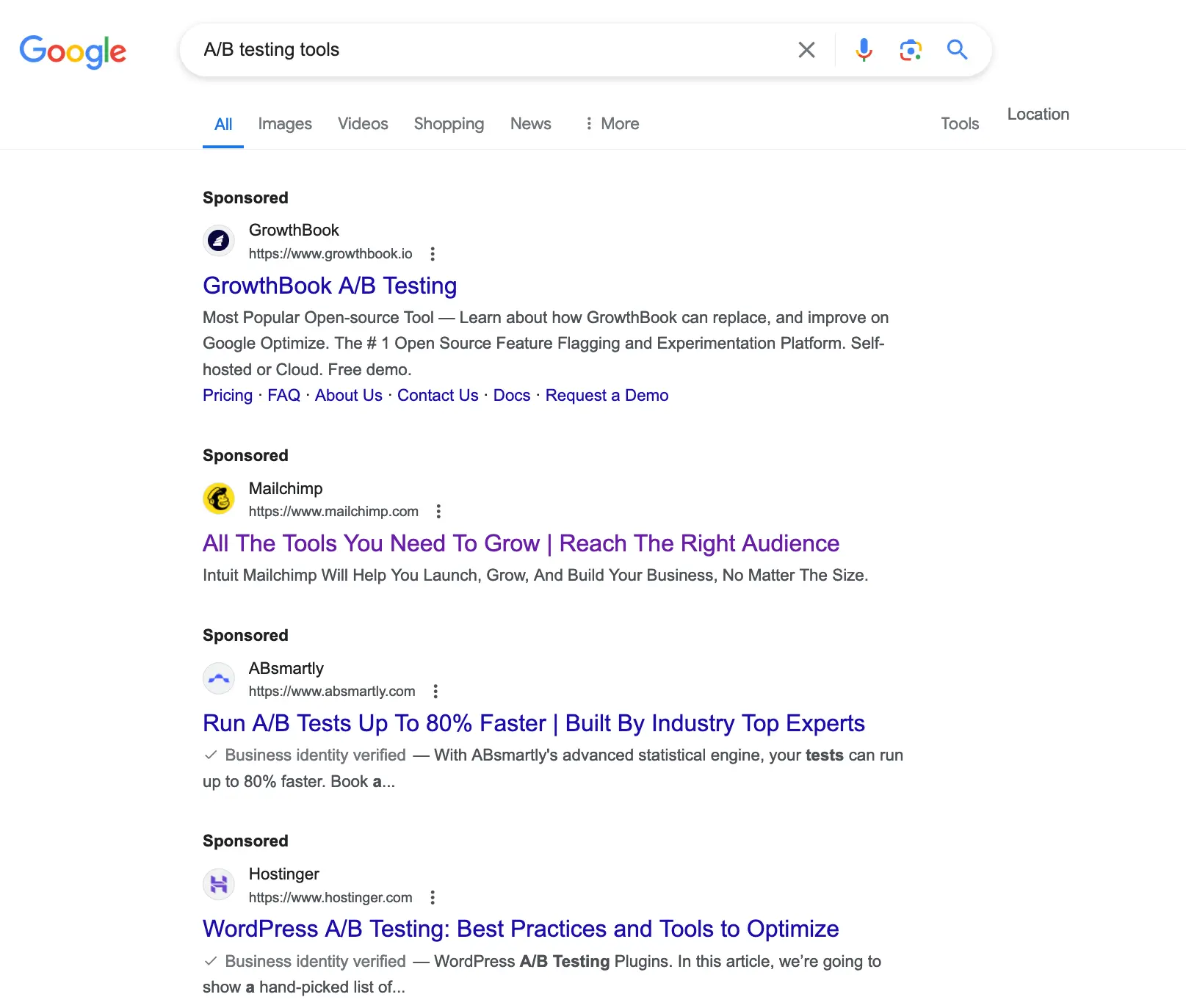
Selecting the right testing platform is a strategic decision that impacts both the speed of experimentation and the accuracy of the data collected. Industry experts suggest that a robust A/B testing tool must be evaluated based on several key criteria:
- Integration Capabilities: The tool must seamlessly connect with the existing marketing stack, including CRM systems like Salesforce, analytics platforms like Google Analytics 4, and advertising accounts.
- Technical Barrier to Entry: Modern teams require a balance between "no-code" visual editors for marketers and "low-code" or server-side options for developers to ensure deep experimentation without slowing down the site.
- Data Accuracy and Analytics: The platform must provide statistical significance calculations to ensure that a "winning" variation is truly better and not just a result of random chance.
- Impact on Page Performance: Heavy scripts can slow down page load times, which ironically hurts conversion rates. The best tools utilize server-side testing or lightweight "edge" delivery to maintain speed.
Leading Solutions in the A/B Testing Market
Several platforms have emerged as leaders in the field, each catering to different organizational needs and technical requirements.
1. Instapage: Advancing Server-Side Experimentation
Instapage has positioned itself as a comprehensive solution for marketers who prioritize speed and AI integration. Unlike traditional tools that rely solely on client-side scripts, Instapage emphasizes server-side experimentation. This approach ensures that the page content is determined before it reaches the user’s browser, eliminating the "flicker effect" often seen in lesser testing tools.
The platform’s integration of AI has changed the timeline for experimentation. Marketers can now use AI to generate headlines and CTAs, allowing for the rapid creation of dozens of variations. A significant case study involves Verizon’s Digital Media Services (VDMS). By utilizing Instapage’s A/B testing features to validate page elements, the Verizon team was able to gain first-hand insights into visitor behavior, ultimately cutting their cost per conversion by more than 50%.
Furthermore, Instapage has introduced "AI Experiments," which utilize dynamic traffic allocation. Unlike standard A/B tests that split traffic 50/50 until a winner is declared, dynamic allocation uses machine learning to shift traffic toward the better-performing variation in real-time, minimizing the "regret" of lost conversions during the testing phase.
2. VWO: Comprehensive Funnel Analysis
VWO (Visual Website Optimizer) is recognized for its ability to handle complex split URL testing. This is particularly useful when a brand wants to test two entirely different design philosophies or page structures rather than just swapping a headline. By hosting variations on different URLs, VWO allows for a clean comparison of radically different user experiences.
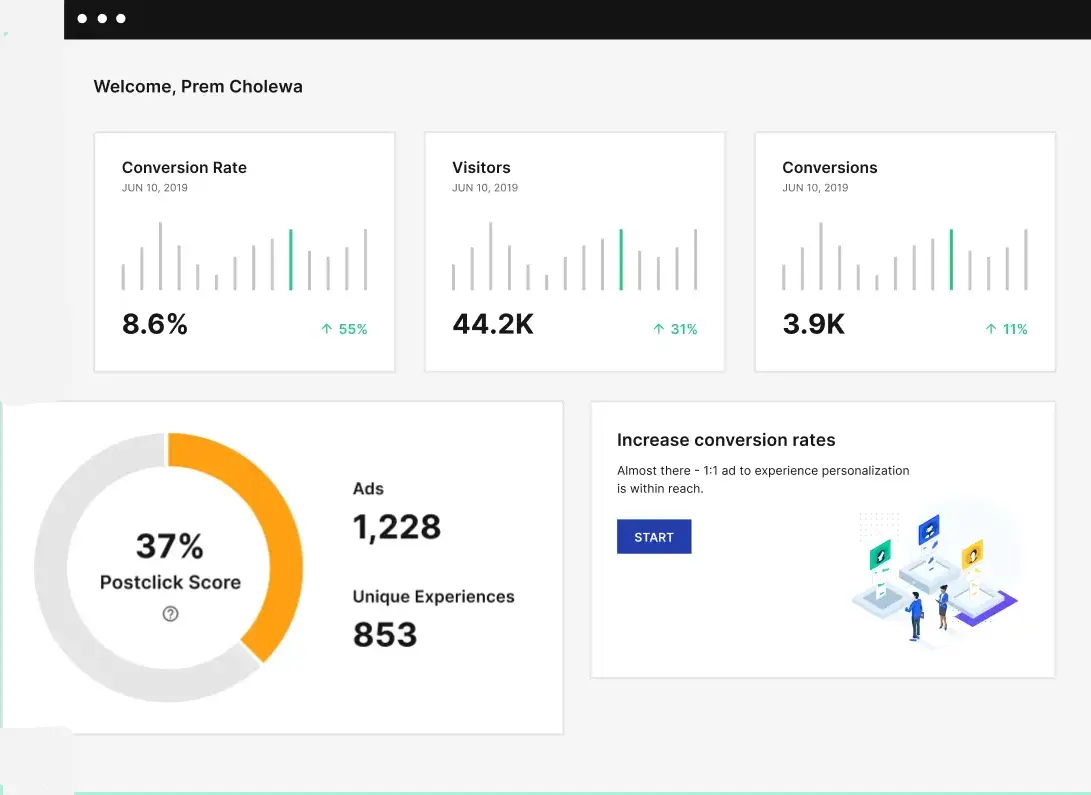
VWO’s strength lies in its holistic view of the conversion funnel. It doesn’t just track the final click; it monitors how an A/B test on a landing page affects subsequent steps in the buyer’s journey. This prevents "false positives" where a variation might increase initial clicks but decrease the quality of leads further down the line.
3. Optimizely: The Enterprise Standard
Optimizely remains a dominant force in the enterprise sector, offering a platform that caters to both technical and non-technical users. Its visual editor allows for quick changes, but its real power lies in its "Web Experimentation" suite, which operates at the network edge. By running experiments closer to the user, Optimizely reduces latency and improves the accuracy of results.
The platform also focuses heavily on "low-code" templates, which allow marketing teams to deploy sophisticated tests without waiting for a developer’s sprint cycle. This agility is vital for large corporations where internal bureaucracy often slows down the pace of optimization.
4. GrowthBook: The Developer-Centric Choice
GrowthBook represents the growing trend toward open-source and developer-focused testing tools. It allows companies to maintain full control over their data, avoiding "vendor lock-in." GrowthBook integrates directly with SQL data sources, enabling data scientists to run advanced queries on test results. This platform is ideal for organizations that have a dedicated data team and want to customize their testing logic beyond what "out-of-the-box" SaaS tools offer.
Supporting Data and Industry Implications
The necessity of these tools is underscored by industry data regarding user behavior. According to research from Econsultancy, only about 22% of businesses are satisfied with their conversion rates. Furthermore, companies that take a structured approach to optimization—meaning they use A/B testing and analytics—are twice as likely to see a large increase in sales.
The financial implications are clear. If a company spends $10,000 a month on ads with a 2% conversion rate, doubling that rate to 4% through A/B testing effectively doubles their revenue without increasing their ad spend. This "efficiency gain" is why the global CRO software market is projected to continue its aggressive growth through 2030.
The Role of User Behavior Analytics
A/B testing does not exist in a vacuum. To know what to test, marketers must first understand how users are interacting with their current pages. This has led to the integration of heatmaps and session recordings within testing platforms.
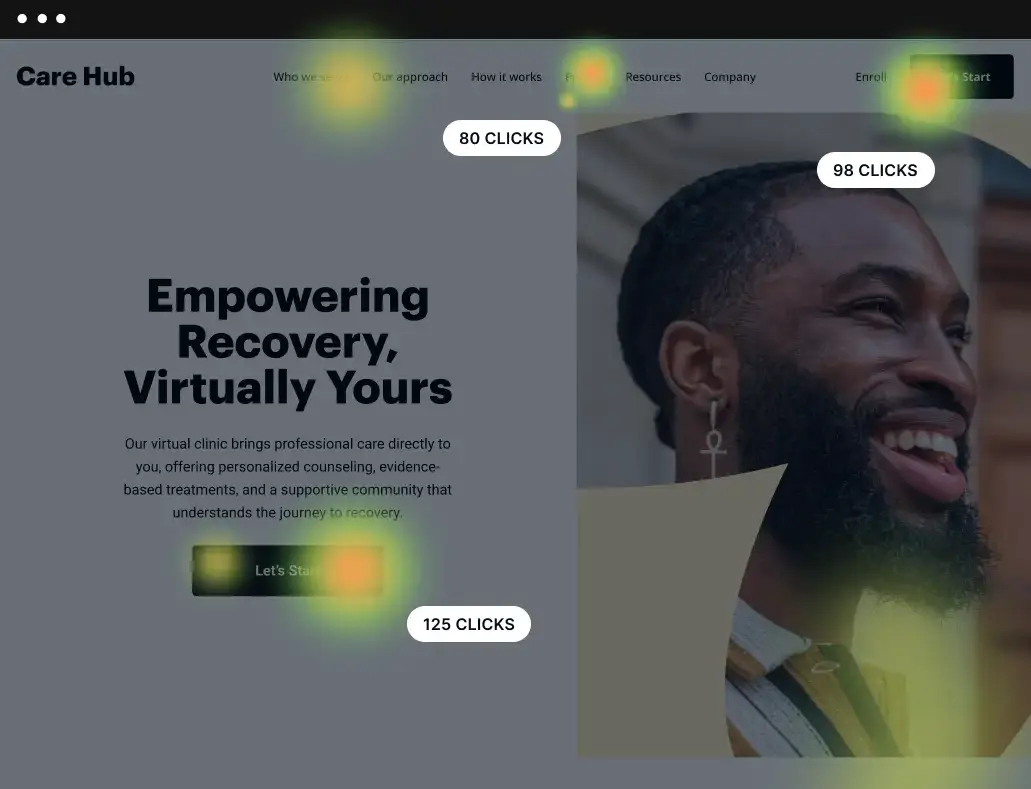
Heatmaps track mouse movements, clicks, and scroll depth. If a heatmap reveals that 80% of visitors never scroll past the fold, a marketer knows that their primary CTA must be moved higher. If a session recording shows users clicking on an unlinked image, that element becomes a prime candidate for an A/B test variation. By combining the "what" (A/B testing data) with the "why" (behavioral analytics), brands can create a continuous loop of improvement.
Chronology of a Successful A/B Test
To implement a successful testing strategy, organizations typically follow a strict chronology:
- The Observation Phase: Analyze current traffic and identify pages with high bounce rates or low conversion.
- The Hypothesis Phase: Formulate a theory (e.g., "Changing the CTA from ‘Submit’ to ‘Get My Free Quote’ will increase urgency and conversions").
- The Creation Phase: Use a no-code or low-code tool to build the variation.
- The Execution Phase: Split live traffic between the control and the variation.
- The Analysis Phase: Wait for statistical significance (usually 95% or higher) before declaring a winner.
- The Implementation Phase: Deploy the winning variation as the new "control" and begin a new test.
Conclusion: The Future of Digital Experimentation
As we look toward the future, the democratization of AI and machine learning will likely make A/B testing more automated and personalized. We are moving away from a "one-size-fits-all" landing page toward "hyper-personalization," where different visitors see different variations based on their geographic location, past browsing history, or the specific keyword they searched.
For businesses, the message is clear: the era of "set it and forget it" marketing is over. In a competitive digital economy, the ability to test, learn, and pivot is the most valuable skill a marketing team can possess. Platforms like Instapage, VWO, and Optimizely are no longer optional luxuries; they are essential infrastructure for any brand serious about growth and ROI in an increasingly crowded marketplace. Using these tools to bridge the gap between visitor intent and conversion is the most direct path to sustainable digital success.


 Asro
Asro
 Dwi Wanna