

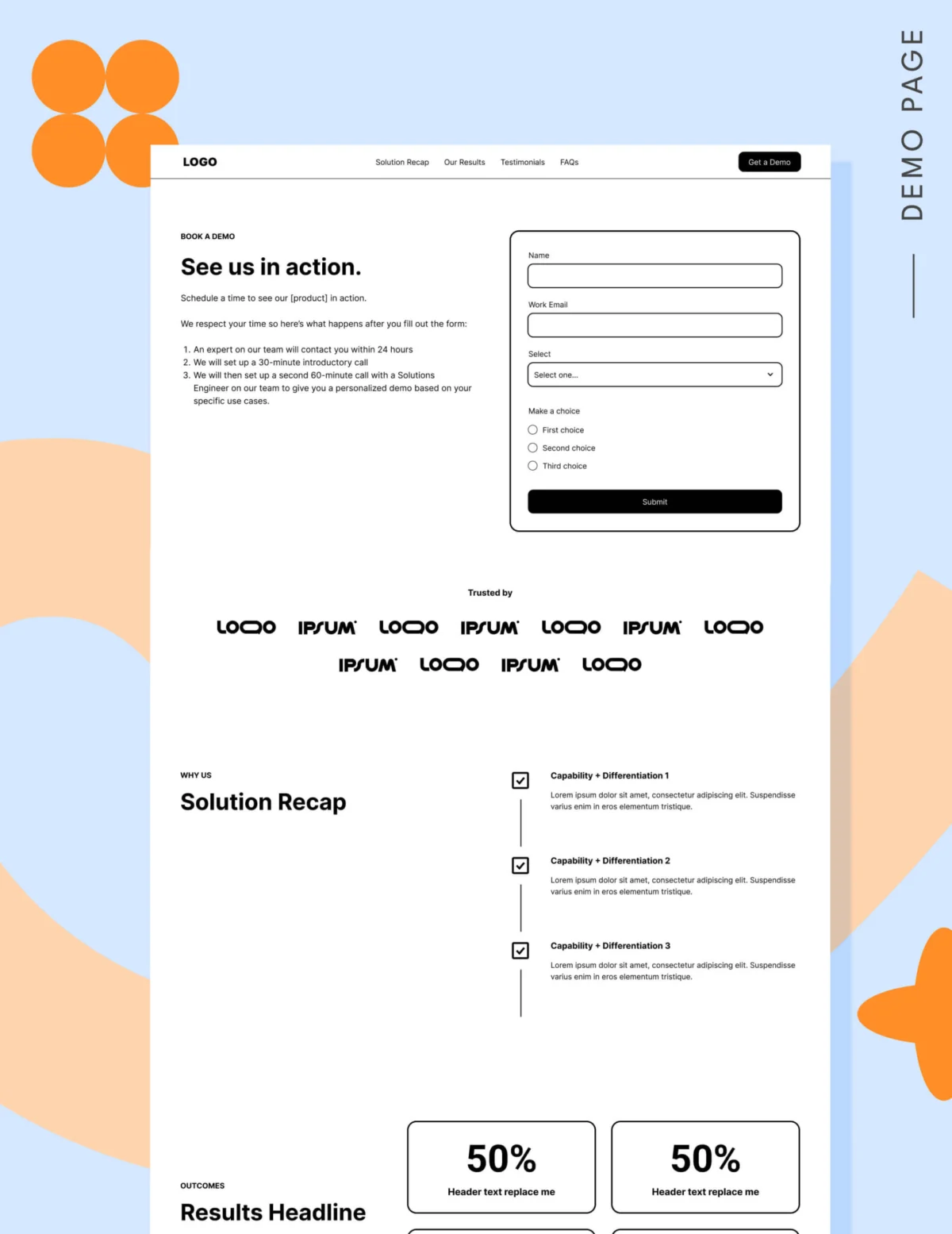
The traditional B2B sales funnel is facing a significant crisis of efficiency as the gap between marketing efforts and sales results continues to widen. Within the modern Software as a Service (SaaS) landscape, companies are reporting a consistent downturn in demo requests despite increased advertising spend. This friction often manifests as a departmental conflict: sales teams criticize the quality and volume of leads, while marketing departments respond by funneling more budget into "request a demo" advertisements. However, recent industry data suggests that the problem is not the budget, but a fundamental misunderstanding of the buyer’s psychological state and the structural integrity of the landing pages used to capture high-intent interest.
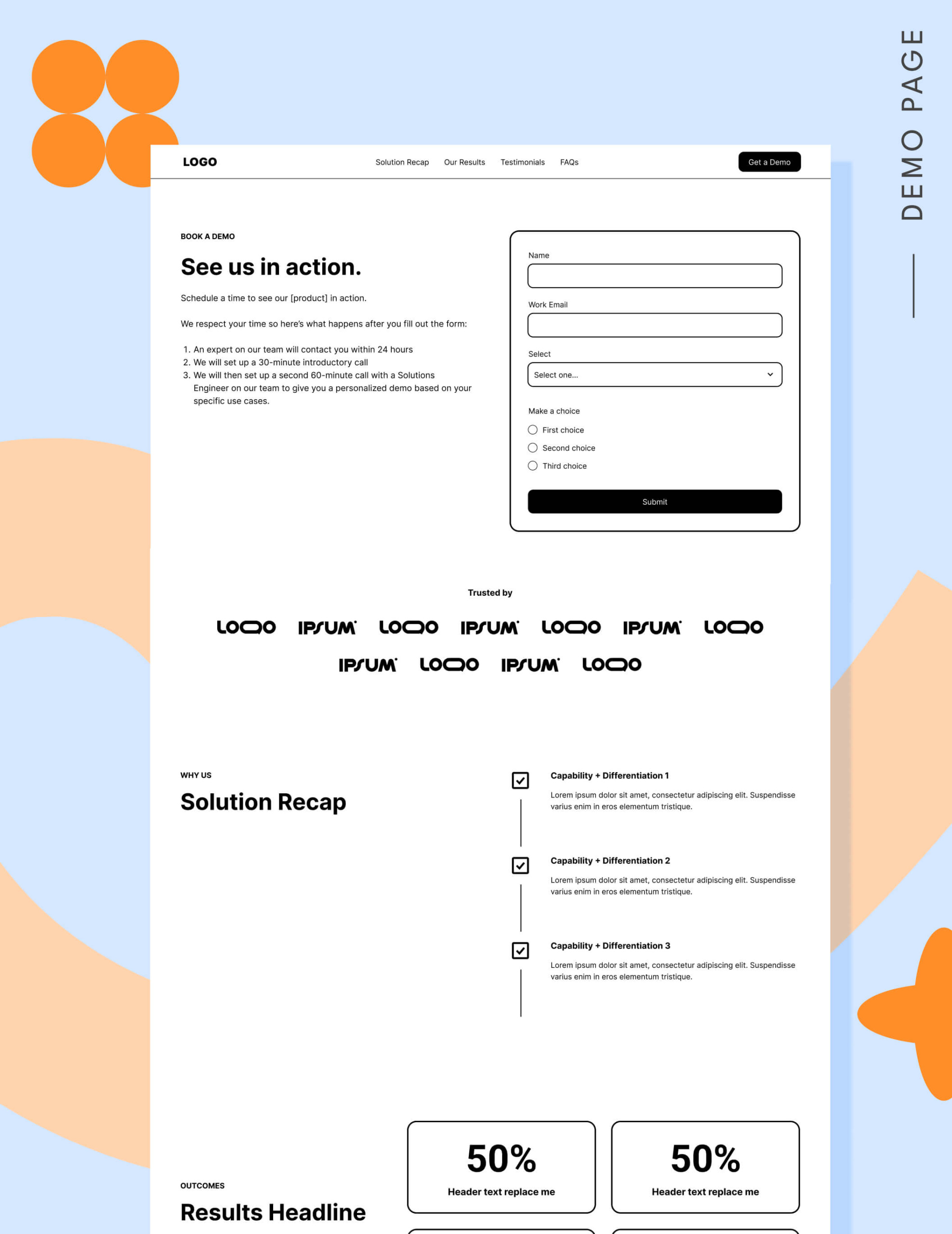
In the current digital economy, treating a demo request as a low-friction call to action (CTA) is one of the most costly errors a marketing team can make. Unlike downloading a whitepaper or registering for a general webinar, booking a demo requires a prospect to commit their most valuable resource—time—to a direct sales conversation. According to the Dreamdata 2025 LinkedIn Ads Benchmark Report, the average B2B customer journey has expanded to 211 days and encompasses approximately 88 unique touchpoints. This prolonged timeline indicates that high-investment software decisions are no longer impulsive; they are the result of extensive research, trust-building, and internal consensus.
The Evolution of the B2B Buyer Journey
To understand why demo landing pages fail, one must first analyze the chronology of the modern B2B purchase. Historically, the "request a demo" button served as the primary gateway to product information. In 2026, however, buyers demand autonomy. They prefer to remain "anonymous" for as long as possible, conducting independent research before ever engaging with a sales representative.
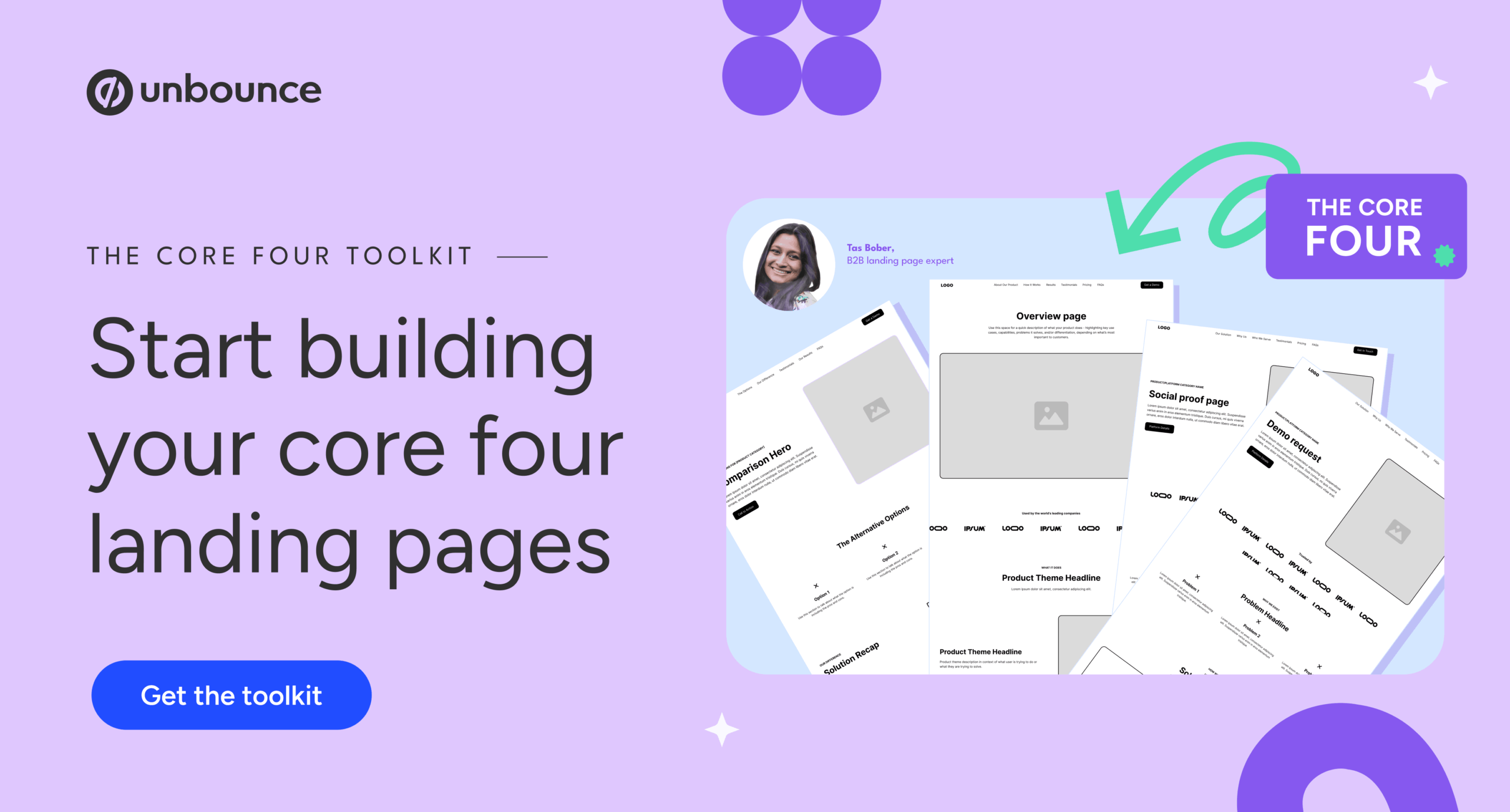
The 211-day journey highlights a critical shift: only 3% to 5% of a given market is in an active buying cycle at any specific time. When SaaS companies drive cold, top-of-funnel (TOFU) traffic directly to a demo page, they are essentially asking for a marriage proposal on the first date. Industry experts, including B2B landing page strategist Tas Bober, have introduced the "Core Four" framework to address this. This methodology suggests that a demo page should be the final destination in a sequence of four distinct landing page types:
- Educational/Problem-Aware Pages: Addressing the pain points and the "why" behind the solution.
- Solution-Specific Pages: Detailing how the software functions and its primary value propositions.
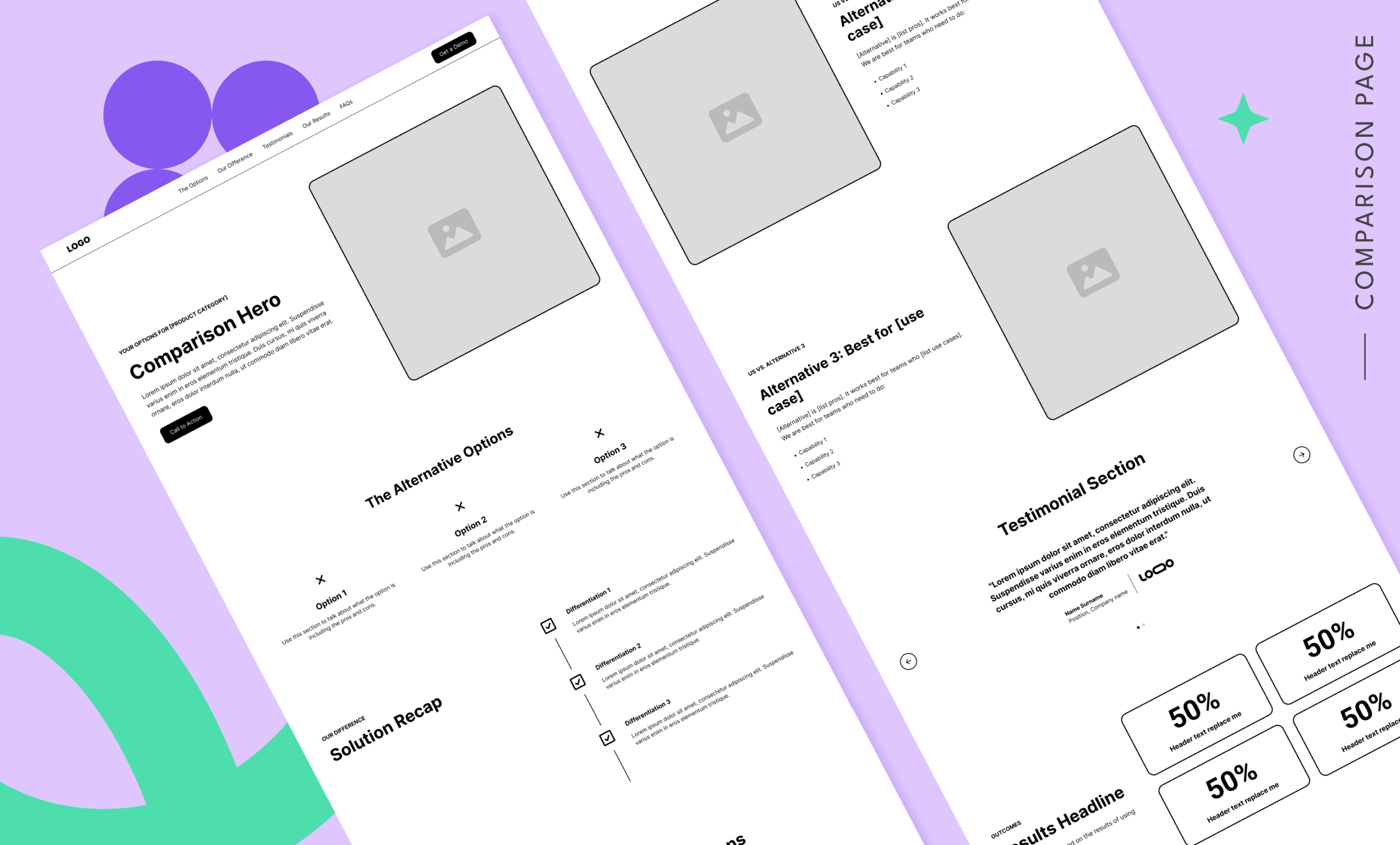
- Comparison Pages: Positioning the product against competitors to help buyers build a shortlist.
- The Demo Page: The final "hand-raise" moment for high-intent buyers who have already consumed the previous three stages.
By the time a visitor reaches the demo landing page, the objective is no longer to introduce the product but to remove the final points of friction that prevent a conversion.
Analyzing Benchmark Conversion Rates for 2026
The performance of a demo landing page is often measured against unrealistic standards. According to Unbounce’s 2024 Conversion Benchmark Report, the median conversion rate for SaaS landing pages sits at approximately 3.8%. More recent first-party research from 2025 and early 2026 indicates that for highly optimized demo-specific pages, the average conversion rate hovers around 3.1%.
These figures, however, are highly sensitive to traffic quality. Data suggests that when companies shift their strategy from "volume-based" cold traffic to "intent-based" warm traffic (such as retargeting visitors who have viewed pricing or comparison pages), conversion rates can climb significantly into the high single digits. Conversely, sending low-intent traffic to a demo page often results in a "performance ceiling" where no amount of A/B testing on button colors or headlines can compensate for a lack of buyer readiness.
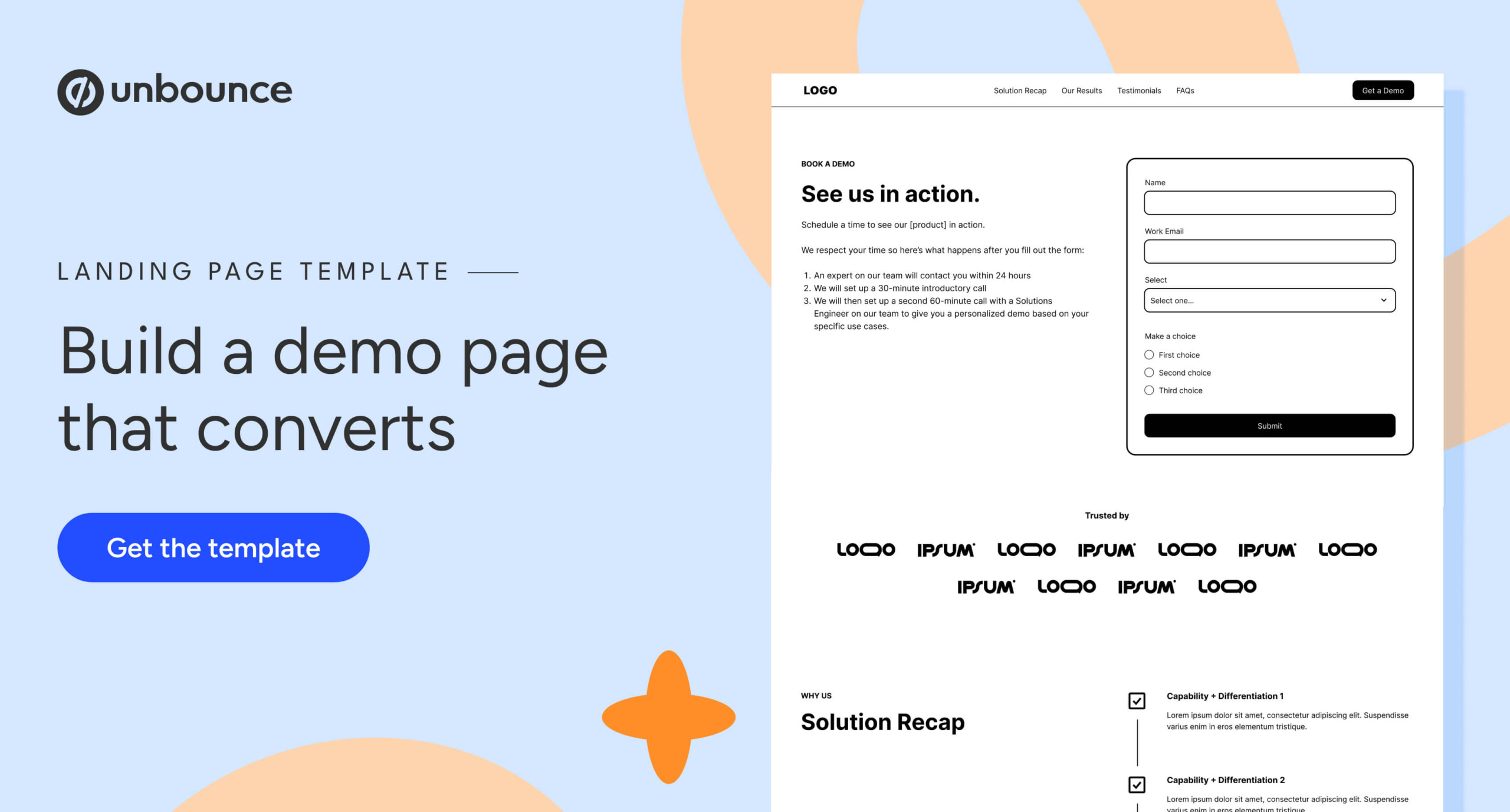
Structural Requirements: A Block-by-Block Breakdown
A high-converting SaaS demo page must function as a reassurance engine. The structure of the page should follow a logical progression that answers the buyer’s unspoken questions.
Navigation and the Google 2025 Model Update
For years, the "golden rule" of landing pages was to remove all navigation to prevent "leaks" in the funnel. This changed in 2025 when Google updated its search ad quality prediction models. The new algorithm rewards landing pages that provide relevant next steps and penalizes those that "trap" users. Modern demo pages should utilize "anchor links" in the header to allow users to jump to social proof or FAQs, and a minimal footer that links to pricing or comparison pages. This ensures that if a user is not yet ready for a demo, they continue their research within the company’s ecosystem rather than bouncing back to a search engine.

The Hero Section and Process Transparency
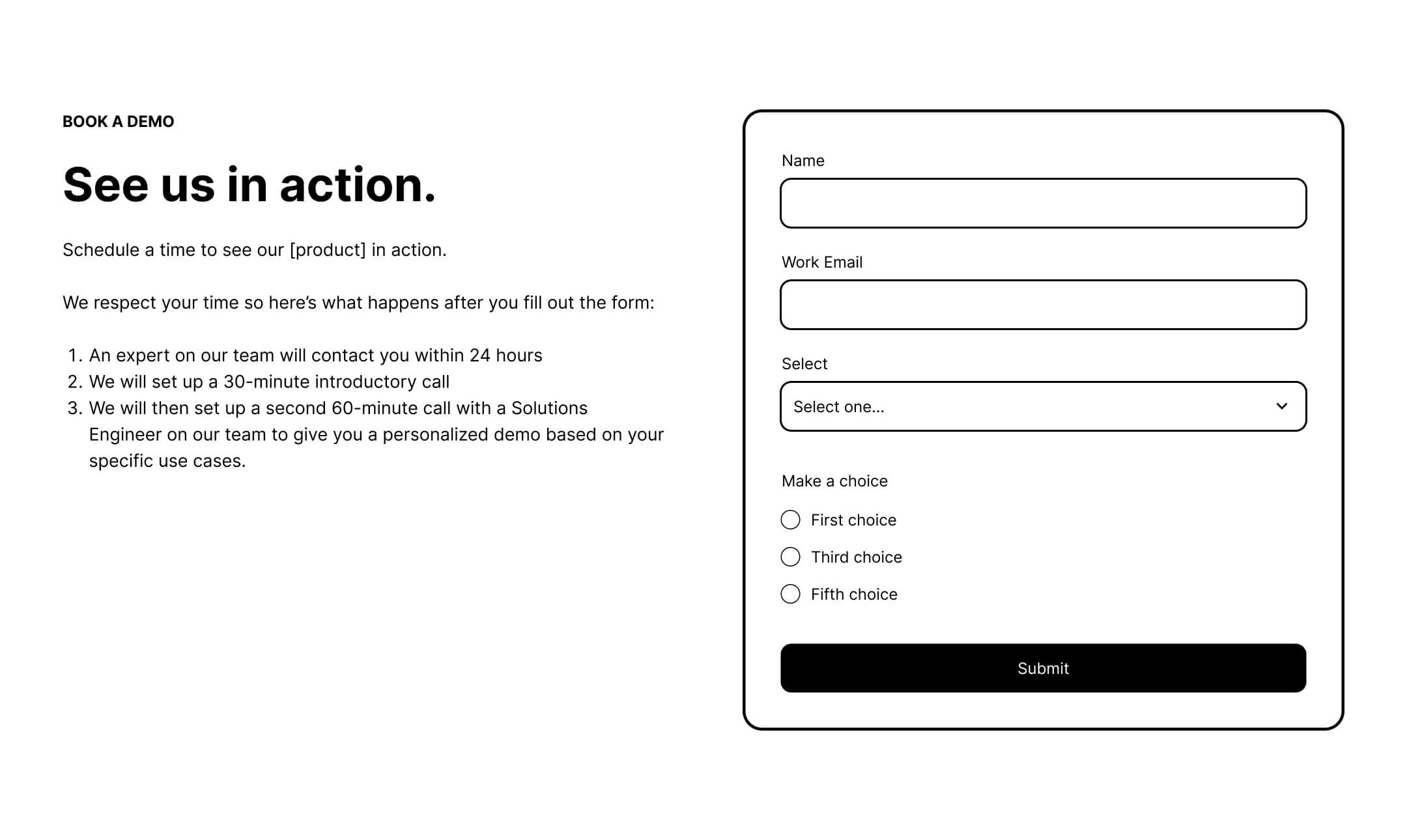
The hero section is the only area of a demo page where a form should be prominently featured above the fold. However, the copy must go beyond "Book a Demo." Successful pages in 2026 clearly outline what happens after the click. This includes:
- Who will the buyer be speaking with (e.g., an Account Executive or a Technical Consultant)?
- What is the duration of the call?
- Is there a discovery call before the actual product walkthrough?
- Will they see the live product or a slide deck?
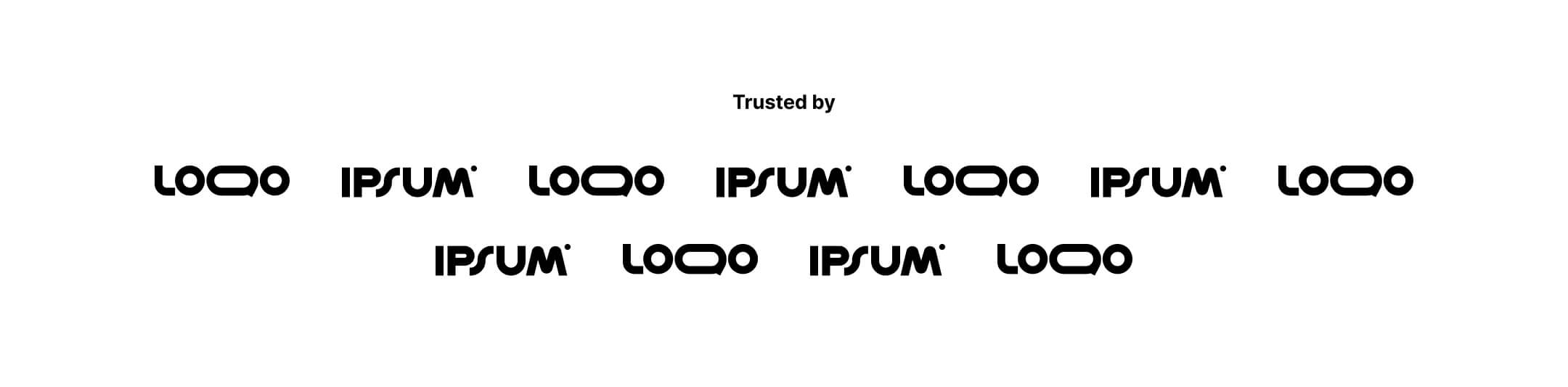
Social Proof and the "Logo Garden"
Credibility is established through volume and relevance. If a company serves recognizable enterprise brands, a "logo garden" paired with a credibility statement (e.g., "Powering 10,000+ Marketing Teams") is essential. If the brand is in a niche market, "light testimonials"—short, one-to-two-sentence quotes—are more effective than long-form case studies. Research indicates that buyers look for "people like them" to validate their decision.
Measurable Results and Quantifiable Proof
In an era of tightening budgets, SaaS buyers must justify their purchases to CFOs. The "Results" block of a landing page should feature hard data. Instead of saying "Our software improves efficiency," a high-performing page will state, "Average users see a 22% reduction in churn within the first 60 days."
The Pricing Debate: Transparency vs. Gatekeeping
One of the most contentious issues in SaaS marketing is whether to include pricing on a demo landing page. Traditionally, sales-led organizations hidden pricing to maintain leverage during negotiations. However, 2026 market trends show a clear preference for transparency.
Including a "starting at" price or a condensed pricing grid serves several functions:
- Self-Qualification: It prevents low-budget leads from wasting the sales team’s time.
- Trust Building: It eliminates the fear of "predatory pricing" based on company size.
- Efficiency: It accelerates the sales cycle by removing the initial "how much does it cost" hurdle.
Companies like Calendly have successfully pioneered the use of condensed pricing grids on demo pages, allowing buyers to see which tier they likely fall into before they book a call.
Form Optimization and Lead Friction
Data from Digital Applied’s 2026 Form Conversion Benchmark Report reveals a sharp decline in conversion rates as form fields increase. Forms with five fields see an average conversion rate of 17%, which drops to 11% at seven fields and plummets to under 7% for forms with ten or more fields.
The conflict here lies between marketing’s desire for high conversion rates and sales’ desire for qualified leads. The solution adopted by industry leaders is the "Positive Friction" model. This involves asking one or two highly specific qualifying questions (such as "What is your annual ad spend?" or "How many seats do you need?") while keeping the rest of the form minimal. This ensures that the leads reaching the sales team are of high quality without completely alienating the prospect.
Official Responses and Industry Sentiment
Market analysts suggest that the "Request a Demo" CTA itself may be becoming obsolete. A 2025 study by Navattic found that when companies changed their CTA from "Request a Demo" to "Take a Tour" and included an interactive, self-guided product walkthrough on the page, PPC conversions increased by 33%.
Marketing executives are increasingly viewing the demo page not as a "capture" tool, but as a "consultation" invitation. This shift in sentiment is reflected in the language used on modern pages. CTAs like "Schedule a Strategy Session" or "Talk to an Expert" often outperform the standard "Request a Demo" because they promise value to the buyer regardless of whether they purchase the software.
Broader Impact and Future Implications
The maturation of the SaaS market means that the "growth at all costs" era has been replaced by an era of "capital efficiency." This has a direct impact on how demo landing pages are built and managed. Organizations are moving away from static pages toward dynamic, personalized experiences that change based on the visitor’s industry or previous interactions with the brand.
Furthermore, the integration of scheduling tools like Calendly directly onto landing pages is becoming the standard for SMB and mid-market SaaS. While enterprise deals may still require a manual "request and review" process, the expectation for instant booking is rising.
In conclusion, the success of a SaaS demo landing page in 2026 is predicated on two factors: the precision of the traffic targeting and the transparency of the page content. By treating the buyer with respect—providing them with the data, pricing, and process information they need to make an informed decision—SaaS companies can bridge the gap between marketing spend and closed-won revenue. The focus has shifted from "trapping" a lead to "earning" a conversation, a trend that is likely to define the next decade of B2B commerce.







