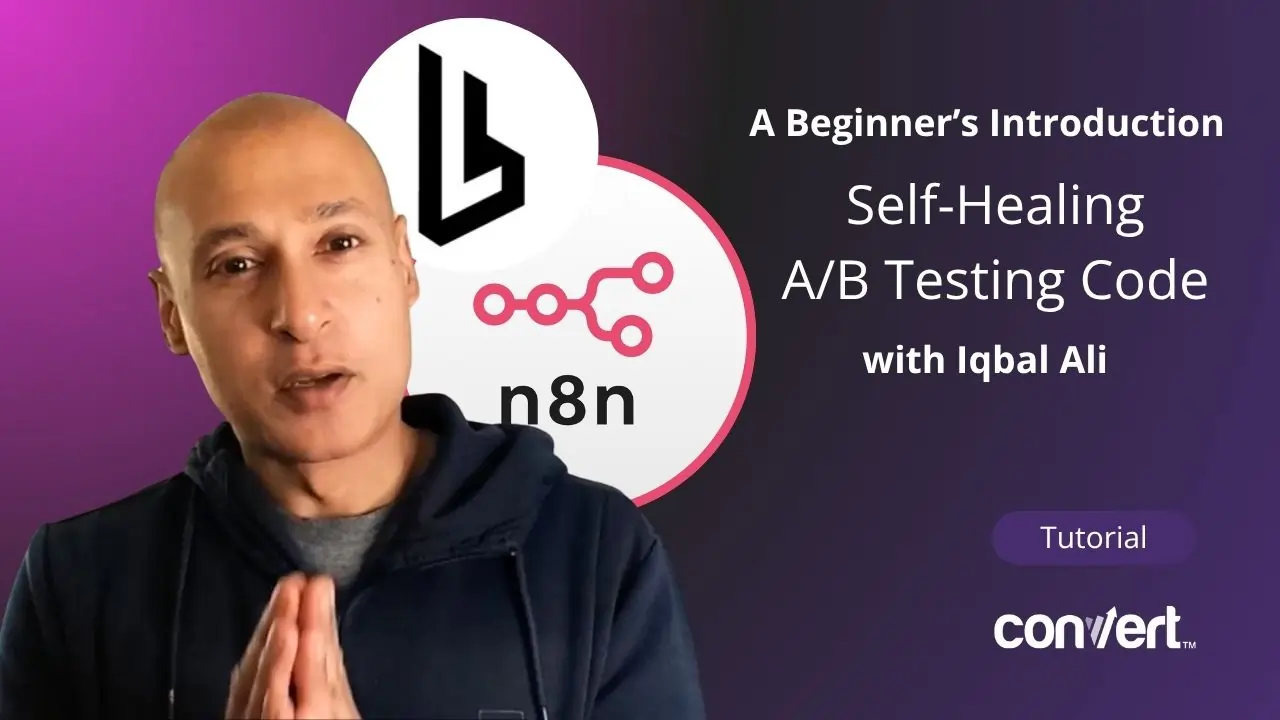
The integration of generative artificial intelligence into the software development lifecycle has reached a new milestone with the emergence of specialized workflows designed to automate the creation and validation of client-side experimentation code. Recent developments in the field of Conversion Rate Optimization (CRO) have demonstrated that Small Language Models (SLMs) can be orchestrated to not only write functional JavaScript for A/B tests but also to perform automated quality assurance (QA) and "self-heal" errors. This innovation, pioneered by experimentation consultant Iqbal Ali, suggests a significant shift in how digital enterprises manage front-end modifications, moving away from high-latency manual coding toward low-cost, high-efficiency automated pipelines.
The methodology utilizes a combination of n8n—an extendable workflow automation tool—and Browserless, a headless browser service, to create a closed-loop system for code generation. By leveraging SLMs through platforms like OpenRouter or local servers via Ollama, the process aims to reduce the financial and temporal friction traditionally associated with deploying experiments. Estimates suggest that these workflows can produce reliable test code for as little as $0.06 per experiment, a fraction of the cost associated with senior developer hours or high-token-usage models like GPT-4 or Claude 3.5 Sonnet.
The Technological Context: From LLMs to SLMs
For the past two years, the narrative surrounding AI-assisted coding has been dominated by Large Language Models (LLMs). However, the industry is seeing a strategic pivot toward SLMs—models with fewer parameters that can run on consumer-grade hardware or inexpensive cloud instances. The rationale for this shift is twofold: sustainability and cost-efficiency. While an LLM might require massive computational power to process a simple request to reorder elements on a webpage, an SLM like Llama 3 (8B) or Mistral (7B) can often achieve comparable results for specific, bounded tasks like writing DOM-manipulation scripts.

In the context of A/B testing, the code required is usually "disposable." It exists only for the duration of the experiment. Therefore, the priority is not long-term maintainability within a core codebase, but rather immediate reliability and safety on the client side. The challenge, however, remains the inherent non-determinism of generative AI. Even the most advanced models can produce "hallucinated" CSS selectors or logic that fails to account for the asynchronous nature of modern web applications. The self-healing workflow is designed specifically to mitigate these risks.
Chronology of the Automated Experimentation Workflow
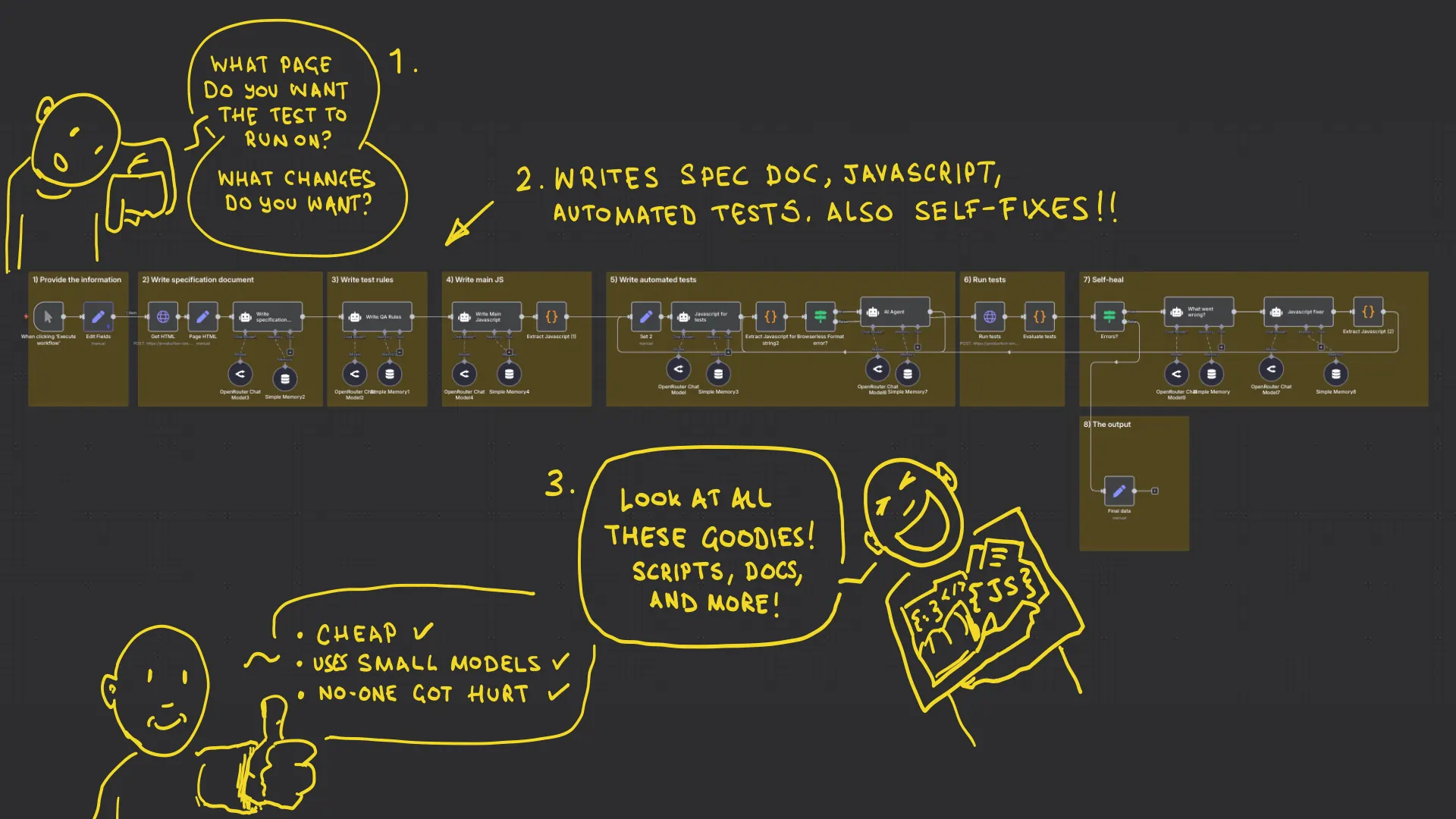
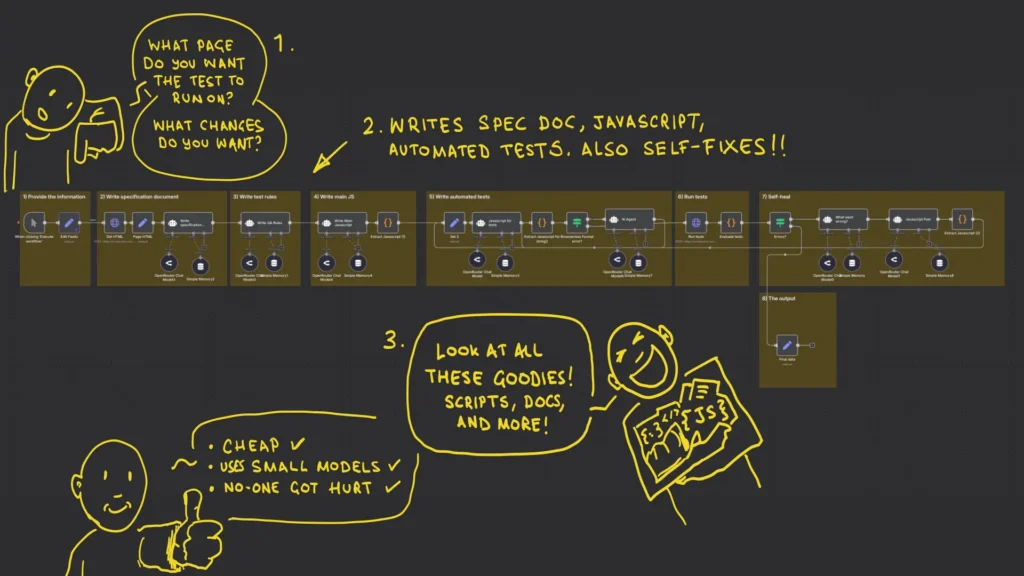
The execution of an automated A/B test follows a rigid, serialised sequence designed to emulate the professional standards of a human development team. This sequence ensures that the AI is not simply "guessing" the code but is working from a structured technical foundation.
Phase 1: Information Gathering and Specification
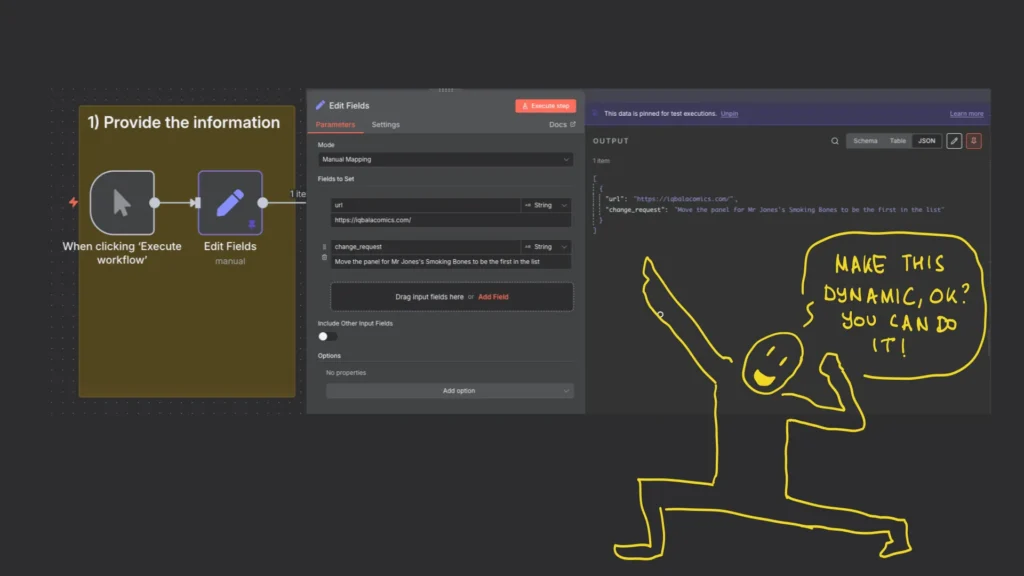
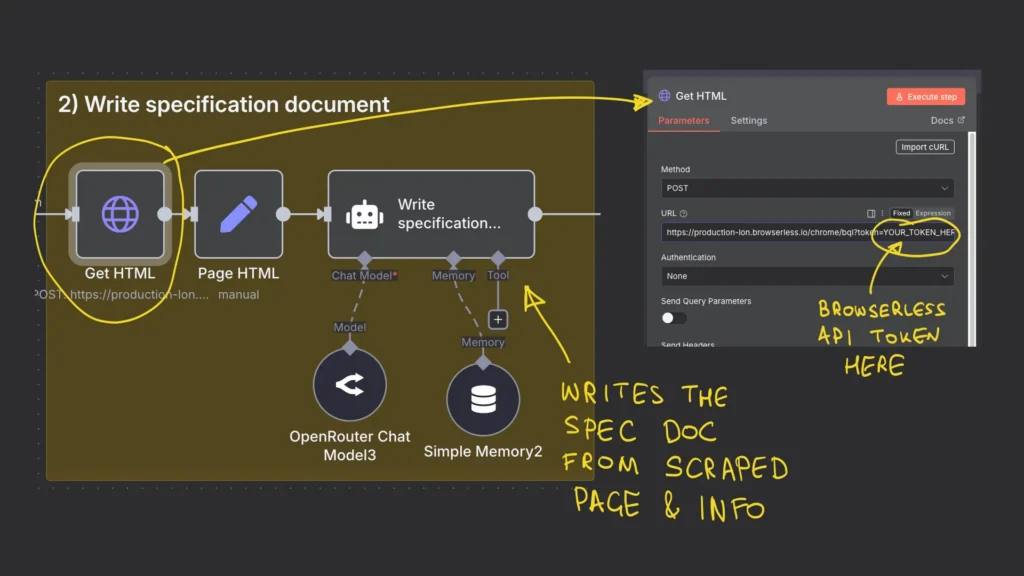
The process begins with the ingestion of two primary data points: a target URL and a natural language description of the desired change. The system connects to a headless browser via the Browserless API to fetch the raw HTML of the page. This step is critical because it provides the AI with the actual DOM structure it must manipulate, rather than relying on outdated or simulated data.
Once the HTML is retrieved, an SLM is tasked with writing a technical specification document. This document acts as a bridge between the business requirement and the technical implementation. It outlines the specific DOM nodes to be targeted, the logic for the change, and the potential pitfalls (such as race conditions or element unavailability).
Phase 2: QA Rule Generation and Logic Synthesis
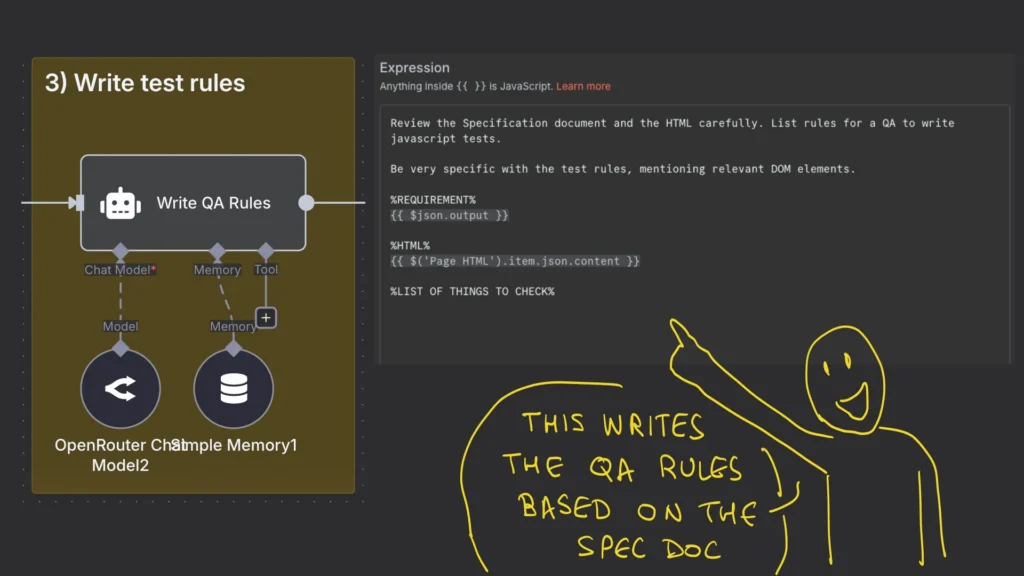
Before a single line of JavaScript is written, the workflow generates a set of QA rules based on the technical specification. This "test-driven" approach is a hallmark of the system’s reliability. The rules define what success looks like—for example, "The CTA button must appear above the hero image" or "The original price must be hidden."
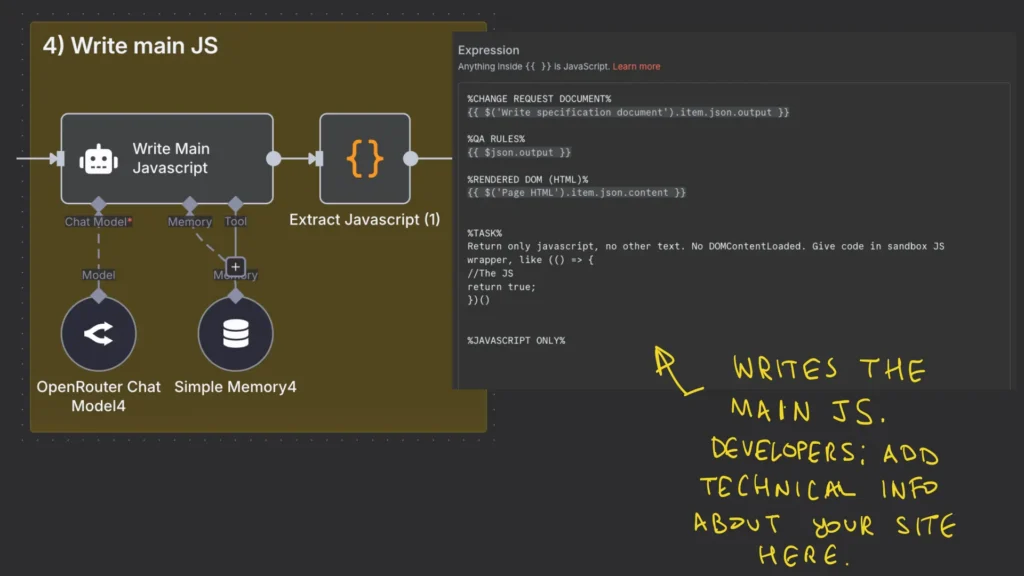
Following the establishment of these rules, the SLM writes the main JavaScript payload. Because the model has already processed the HTML and the technical spec, the resulting code is significantly more accurate than code generated from a simple prompt.
Phase 3: Validation and the Self-Healing Loop
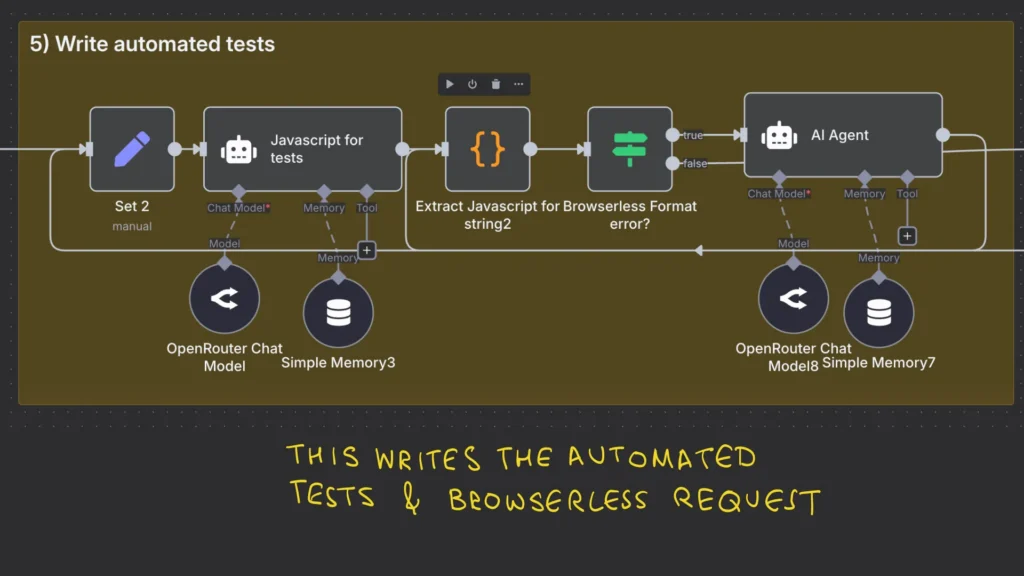
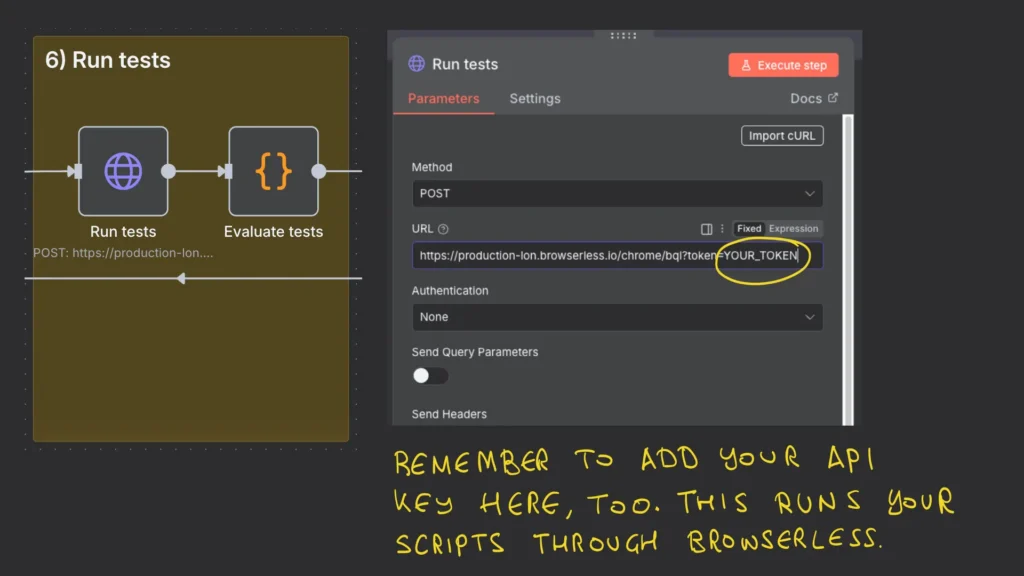
The generated JavaScript is packaged with a set of automated test scripts and sent back to Browserless. The headless browser renders the page, executes the A/B test code, and then runs the test scripts to verify the results. If the tests fail—perhaps because a selector was incorrect or a function threw an error—the system captures the error logs and the modified HTML.
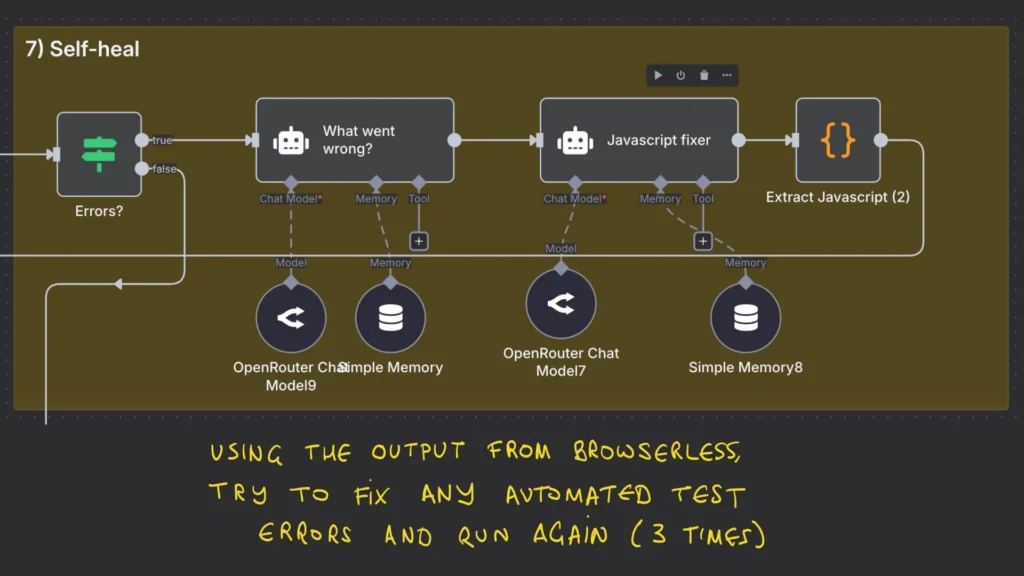
These logs are fed back into the SLM in a "self-healing" loop. The model is asked to diagnose the failure and provide a fix. The workflow is typically configured to allow up to three such attempts. This limit prevents "token-maxing," where a model enters an infinite loop of failed corrections, thereby maintaining the cost-efficiency of the operation.
Supporting Data and Economic Impact
The financial implications of this automation are substantial. According to industry benchmarks, the average cost of a manual A/B test implementation ranges from $200 to $1,000, depending on the complexity of the change and the geographic location of the development team.
In contrast, the SLM-based workflow operates on a different economic scale:
- Token Costs: Using small models via OpenRouter (such as Phi-3 or Llama 3) costs approximately $0.01 to $0.05 per 1,000 tokens. A typical workflow uses fewer than 5,000 tokens.
- Infrastructure Costs: n8n can be self-hosted for free, and Browserless offers a generous free tier or low-cost usage-based pricing.
- Total Cost per Experiment: Roughly $0.06.
Beyond direct costs, the "speed to market" is a critical metric. A human-led cycle of briefing, coding, QA, and deployment can take 3 to 7 days. The automated workflow can complete the same cycle in under five minutes. For high-velocity testing programs that run dozens of experiments simultaneously, this represents a massive increase in throughput.
Industry Implications and Technical Reliability
The rise of self-healing code for A/B testing introduces several implications for the broader tech industry. Experts in the field of DevOps and "AIOps" note that this is a practical application of "Agentic" workflows, where AI is given the tools to interact with the real world (in this case, a browser) and verify its own work.
Determinism vs. Non-Determinism
A key feature of this specific workflow is its reliance on JavaScript for the tests themselves. While the AI generates the tests, the execution of those tests is deterministic. This creates a safety net; even if the AI is unpredictable, the test results are binary (pass or fail). This hybrid approach addresses one of the primary concerns regarding AI in production environments: the lack of a "ground truth."
Augmentation, Not Replacement
The workflow is positioned by its creator as a tool for augmentation rather than total replacement of human developers. In a professional journalistic analysis of the trend, it is clear that while the AI handles the "grunt work" of DOM manipulation, human oversight remains necessary for high-stakes changes. The system includes "human-in-the-loop" nodes where a developer can review the technical spec or the final code before it is pushed to a live environment.
Data Privacy and Security
By enabling local execution via Ollama, the workflow addresses a major hurdle for enterprise adoption: data privacy. Organizations can run the entire pipeline on their own servers, ensuring that proprietary HTML structures and experiment ideas never leave their internal network. This is a significant advantage over closed-source LLMs that require data to be sent to third-party servers.
Broader Impact and Future Outlook
The success of SLMs in writing and self-healing A/B test code is likely to inspire similar automations in other areas of web development, such as automated bug fixing, accessibility auditing, and legacy code migration. The move toward "serialised workflows"—where each step is discrete and verifiable—offers a blueprint for how companies can integrate AI without sacrificing control.
As the underlying models continue to improve in their reasoning capabilities, the error rate of the initial code generation is expected to drop, further reducing the need for multiple self-healing cycles. Furthermore, the integration of these workflows into popular testing platforms like Convert, Optimizely, or VWO could democratize advanced experimentation for smaller businesses that lack dedicated engineering resources.
In conclusion, the transition from manual experimentation to AI-augmented, self-healing workflows represents a maturation of generative AI from a novelty into a practical utility. By prioritizing efficiency, cost, and deterministic validation, these systems provide a glimpse into a future where the friction between a business hypothesis and a live digital experiment is virtually non-existent. The focus remains on "reducing friction," ensuring that the path to data-driven insights is as direct and inexpensive as possible.

 Dwi Wanna
 Reynand Wu