The e-commerce sector is experiencing a significant surge in innovation, with a consistent stream of new services and updates designed to empower merchants across various operational facets. From streamlining post-purchase experiences and enhancing in-game commerce to refining payment options, analytics, advertising, logistics, and fraud prevention, the industry is rapidly adapting to meet the evolving demands of both businesses and consumers. This ongoing evolution underscores a commitment to providing merchants with more sophisticated tools to navigate the complexities of the digital marketplace and drive sustainable growth.
Logistics and Shipping Solutions Get a Major Boost
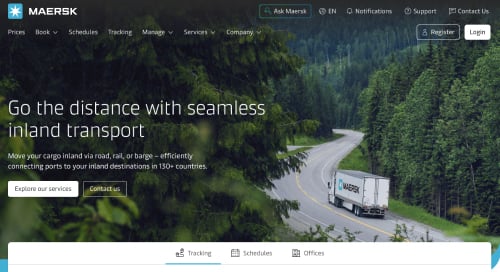
In a move that significantly enhances global logistics for e-commerce businesses, Maersk, a titan in integrated logistics, has announced an expansion of its e-commerce capabilities through a strategic partnership with ShippyPro. This collaboration merges ShippyPro’s advanced global shipping management platform with Maersk’s extensive logistics network. The primary objective is to provide merchant customers with unparalleled flexibility and a broader spectrum of carrier choices as they scale their operations across diverse international markets. This synergy is particularly critical in an era where supply chain efficiency directly correlates with customer satisfaction and operational profitability. The integration aims to simplify the often-complex process of selecting and managing shipping partners, allowing businesses to focus on core growth strategies rather than intricate logistical details. This partnership arrives at a time when global trade routes are increasingly dynamic, and the ability to pivot quickly between shipping providers based on cost, speed, and destination reliability is a distinct competitive advantage.

The Rise of AI-Powered Commerce and Integrated Checkout Experiences
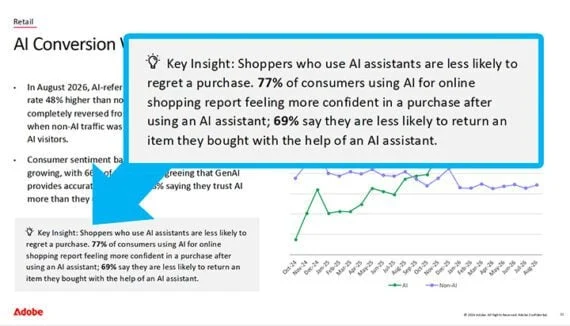
Artificial intelligence continues to be a transformative force in e-commerce, reshaping how consumers discover products and complete purchases. Shoppable has made a significant stride by announcing the availability of its Universal Checkout plugin within the ChatGPT plugin directory. This integration, built upon Shoppable’s Universal Checkout MCP server released earlier this year, brings multi-retailer product discovery and cart-building capabilities directly to ChatGPT users in the United States. The plugin offers brands a unified connection to a universal checkout backend, enabling seamless multi-retailer product discovery, cart consolidation, and transaction handling. This development signifies a pivotal shift towards conversational commerce, where users can interact with AI to find and purchase products without leaving the chat interface. This innovation has the potential to significantly reduce friction in the buying journey, making online shopping more intuitive and efficient.
Furthering the integration of AI into the commerce ecosystem, Fastly has joined Experian’s Agent Trust ecosystem, aiming to advance trusted AI commerce. Fastly, a prominent cloud computing and content delivery company, is collaborating with Experian, a leading provider of credit data and technology. Together, they will focus on verifying AI agents, authorizing transactions, and ensuring the security of transactions as autonomous commerce continues its ascent. Fastly’s programmable edge platform will extend Experian’s framework, empowering organizations to evaluate AI agent identity, delegated authority, intent, and payment credentials before requests reach backend systems. This initiative is crucial for building consumer trust in AI-driven commerce, addressing concerns around security and the authenticity of automated transactions. As AI agents become more sophisticated, the ability to reliably authenticate their actions and intentions is paramount for widespread adoption.
In a similar vein, ESW, a comprehensive e-commerce engine and technology platform, has launched Agentic Commerce, enabling brands to integrate and optimize their product catalogs on AI platforms. This new tool facilitates secure checkout and payments within AI-powered shopping experiences. Agentic Commerce is designed to work in conjunction with existing e-commerce infrastructure, with Microsoft Copilot being the first integration. This allows transactions to be completed directly within the AI experience, effectively bridging the gap between product discovery and final purchase. This streamlined process is expected to reduce cart abandonment rates and enhance the overall customer journey. The implications of this technology extend to a more personalized and frictionless shopping experience, where AI assistants can proactively recommend and facilitate purchases based on individual preferences and needs.
Enhancing Advertising and Measurement Capabilities
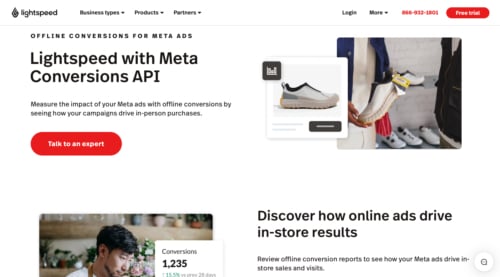
Lightspeed Commerce is empowering retailers to better understand the impact of their digital advertising efforts on in-store sales through its integration with the Meta Conversions API. This new feature from Lightspeed, an omnichannel platform, allows retailers using Lightspeed to directly connect their stores to Meta. They can automatically sync their in-store product catalogs and securely send point-of-sale transactions into the Meta Conversions API. This unified approach to sales data enables merchants to improve ad relevance, enhance campaign performance, and achieve more accurate measurement of their advertising ROI, particularly for businesses that operate both online and brick-and-mortar locations. The ability to attribute in-store sales to specific digital ad campaigns provides invaluable insights for optimizing marketing spend and understanding the true customer journey.
Shopify has expanded its Shop Campaigns to the United Kingdom and other new markets, building on its existing presence in the U.S. and Canada. Shop Campaigns offer merchants a consolidated way to promote their products across the Shop app and other third-party channels, including Meta, Google, X, Snap, and Pinterest, all through a single campaign. Shoppers who click on a promoted product are directed to the product page within the Shop app, and businesses only incur costs for completed sales. This consolidated advertising approach simplifies campaign management for merchants and provides a cost-effective way to reach a wider audience. The pay-for-performance model aligns marketing costs directly with revenue generation, offering a lower-risk advertising solution.
Streamlining Operations: From Chargebacks to Fulfillment
Cleo has introduced significant updates to its Chargeback Prevention solution, specifically targeting retail suppliers. The platform now leverages AI-powered detection to automatically analyze data patterns, identifying risks and demand signals in real time. Dynamic Insights provide users with personalized information through conversational intelligence, while 3PL Order Intelligence extends Cleo’s live order visibility into warehousing and fulfillment workflows for businesses utilizing outsourced fulfillment and multi-enterprise order management. This enhancement is critical for retail suppliers who often face high chargeback rates, impacting profitability and operational efficiency. The AI-driven approach aims to proactively mitigate chargebacks by identifying potential issues before they escalate, thereby protecting revenue and improving supplier-customer relationships.
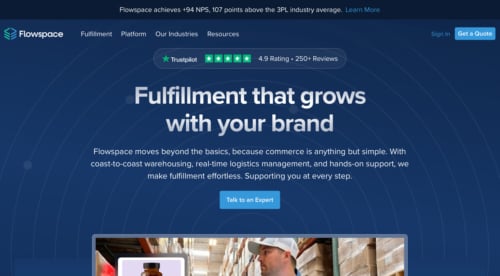
Flowspace, a fulfillment technology company, has launched its Fulfillment Freedom Fund, offering eligible brands up to $50,000 in volume-based transition support. This initiative is designed to offset platform exit expenses and onboarding challenges, facilitating a smoother transition to a new fulfillment setup. Beyond financial assistance, participating brands gain access to Flowspace’s distributed network across the U.S. and Canada, supported by AI software that optimizes inventory placement and order routing from a single dashboard. This fund addresses a significant pain point for growing e-commerce businesses – the cost and complexity of switching fulfillment providers. By providing financial and operational support, Flowspace aims to lower the barrier to entry for businesses seeking more efficient and scalable logistics solutions.
Expanding Payment Options and In-Game Commerce
Amazon Business has integrated Affirm as its first buy-now, pay-later (BNPL) option at checkout, a move that is set to benefit sole-proprietor customers. Using Affirm, eligible customers can split the cost of purchases into manageable installments without incurring late or hidden fees. This new payment option is expected to be available to all eligible sole-proprietor customers by Black Friday, a period of peak consumer spending. The addition of BNPL options is increasingly becoming a standard offering in e-commerce, catering to consumer demand for flexible payment solutions. For business-to-business transactions, this can also facilitate larger order volumes by easing budget constraints.
Neon, a commerce infrastructure startup focused on the video game industry, has secured $13 million in a Series A funding round, with participation from Andreessen Horowitz, Renegade Partners, and strategic partner Krafton. Neon assists game publishers in running direct-to-consumer services, such as web stores, and plans to use the capital to expand its team, enhance its loyalty systems, and enter new markets. This funding round brings Neon’s total funding to $27 million since 2022, underscoring the growing demand for specialized e-commerce solutions within the gaming sector. The integration of commerce directly into gaming experiences, including in-game purchases and publisher-managed storefronts, represents a significant growth area.
Accelerating Content Syndication and Search Functionality
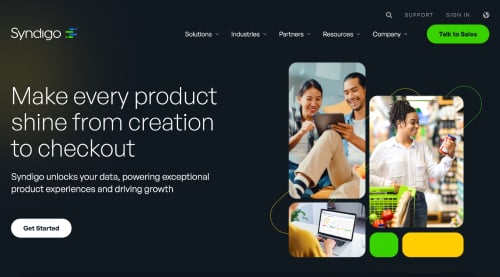
Novi has announced a new integration with Syndigo, a product content syndication platform, designed to help brands accelerate the flow of AI-optimized product content. This collaboration allows brands to seamlessly transfer Novi-optimized product content for publication across Syndigo’s extensive retail network, which includes major players like Amazon, Walmart, and Target. By facilitating direct content flow, Novi aims to shorten the path from product recommendation to actual purchase. Accurate and consistent product information is crucial for online visibility and consumer trust, especially as AI assistants become more involved in product discovery. This integration ensures that brands can efficiently deliver rich, optimized content to a wide array of retail channels.
Algolia, an AI site-search platform, has introduced Dynamic Facets, a feature designed to automatically surface the most relevant search filters based on shopper queries. This adaptive technology considers context and user behavior in real time, prioritizing attributes like size, color, brand, or format to improve the product discovery experience. Dynamic Facets aim to reduce friction for shoppers by presenting them with the most pertinent filtering options upfront, leading to faster and more satisfactory search results. In an increasingly competitive online marketplace, efficient and intuitive search functionality is a key differentiator for e-commerce businesses seeking to convert browsers into buyers.
Transforming Post-Purchase and Fulfillment Networks
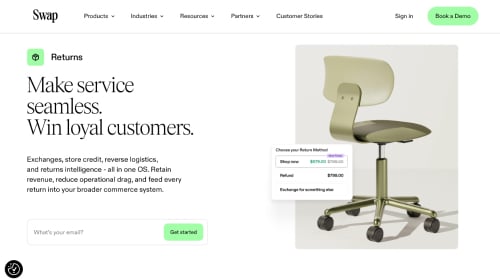
Swap has launched Checkout+, a premium add-on for its e-commerce storefront that bundles free returns and order protection into a single opt-in experience. Brands can earn a share of the opt-in revenue, while return shipping for opted-in orders is covered through Swap’s carrier network. Claims are investigated and resolved through an automated portal, covering opted-in orders at an agreed-upon claim rate. Shoppers receive an instant prepaid label, eliminating the cost and hassle of sending items back. This initiative transforms the often-costly post-purchase process into a potential revenue stream and a customer loyalty driver, enhancing the overall shopping experience by reducing post-purchase anxieties.
Basic 3PL has launched GO on Shopline, a self-service onboarding tool designed to integrate natively with Shopline, an omnichannel commerce platform. This integration grants all Shopline merchants access to a certified fulfillment network. Merchants complete necessary verification processes as part of their standard Shopline onboarding, and upon verification, they are automatically routed into Basic 3PL’s nationwide fulfillment network, powered by the Soapbox order management system. The goal is to optimize fulfillment speed and geographic proximity, ensuring faster delivery times and reduced shipping costs for businesses utilizing the platform. This partnership streamlines the process for Shopline merchants looking to scale their logistics operations efficiently.
Empowering Marketplace Sellers and Enhancing Platform Control
Meta has released Seller, a dedicated app for individuals selling on Facebook Marketplace. The app offers AI-powered listing creation, a unified inbox for customer communication, inventory management tools, and performance insights. Content created within the Seller app automatically appears on Marketplace, and existing listings, messages, and selling history are carried over. The app’s performance data provides valuable metrics such as views, clicks, and message threads, enabling sellers to better understand and optimize their sales strategies. This dedicated app signals Meta’s commitment to supporting and enhancing the seller experience on its popular Marketplace platform, aiming to make selling more accessible and efficient.
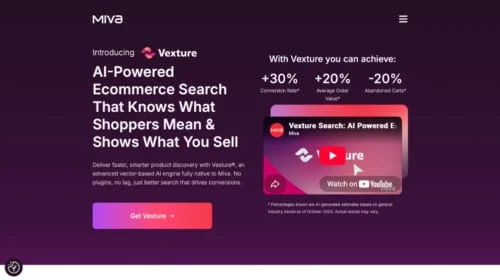
Miva, an e-commerce platform serving mid-market and enterprise businesses, has released its 26R2 update, focusing on enhanced merchant control and improved performance. The update expands Miva’s Vexture merchandising capabilities, offering merchants greater flexibility in how products are selected, promoted, and displayed on their storefronts. Merchants can now leverage AI prompts, collections, categories, and search queries to build sophisticated merchandising showcases. Miva also reports improvements to the platform’s page caching architecture and expanded access to category facets, aiming to boost storefront performance and provide merchants with more granular control over their online presence. This update addresses the need for advanced merchandising tools that can adapt to dynamic market conditions and consumer preferences.