The digital search and advertising landscape witnessed a flurry of significant developments this week, with Google at the forefront of major algorithmic shifts and technological advancements. Headlining the news was Google’s deployment of its third spam update for 2026, alongside crucial enhancements to its AI capabilities and a series of updates across its advertising platforms. Competitors like Microsoft, OpenAI, and Apple also announced strategic moves, underscoring the relentless pace of innovation in the industry.
Google’s August 2026 Spam Update: A Continued Push for Quality
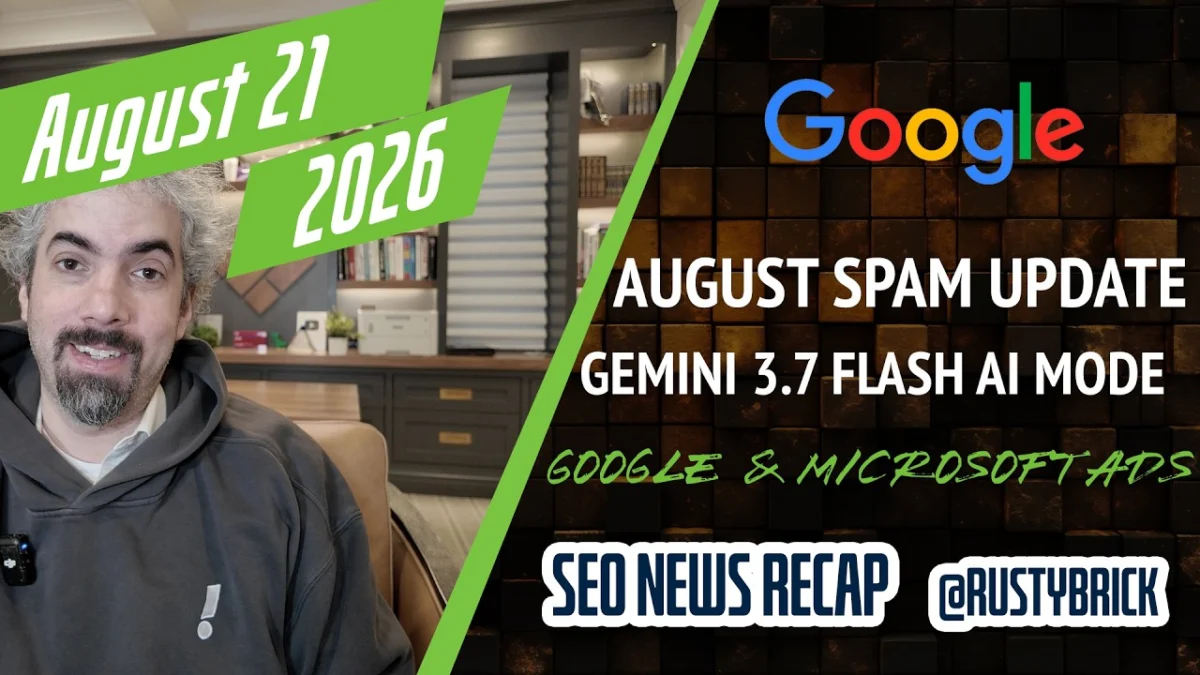
Google officially concluded the rollout of its August 2026 spam update early Friday morning at 4:50 am EDT, marking the third such targeted update this year. This latest iteration signals Google’s unwavering commitment to refining search results by actively combating low-quality content and manipulative SEO practices designed to unfairly boost rankings. Spam updates are crucial components of Google’s broader efforts to ensure users consistently encounter authoritative, relevant, and helpful information.
Background and Chronology:
Spam updates typically target content that violates Google’s Webmaster Guidelines, including but not limited to cloaking, doorway pages, scraped content, automatically generated content, and various forms of link spam. These updates are distinct from broader core algorithm updates, focusing specifically on filtering out manipulative or low-value content. The first two spam updates of 2026, rolled out in late January and early May respectively, had already sent clear signals to webmasters about the increasing scrutiny on content quality and ethical SEO. The August update, following this pattern, reinforces the message that Google is continually evolving its detection mechanisms to identify and demote content that prioritizes search engine manipulation over user value. The rollout of the August update, initiated earlier in the week, proceeded steadily before its official completion, allowing Google’s systems to comprehensively re-evaluate billions of web pages.
Implications for Webmasters and Content Creators:
For website owners and SEO professionals, the August 2026 spam update serves as a potent reminder of the paramount importance of adhering to Google’s quality guidelines. Sites engaging in practices deemed spammy or manipulative are likely to experience significant drops in search visibility. Conversely, websites focused on creating original, high-quality, and user-centric content are expected to be less affected or even see improvements in their rankings as less reputable competitors are demoted. Industry analysts project that this update could impact approximately 5-7% of search queries globally, particularly those susceptible to content farm proliferation or aggressive keyword stuffing. A spokesperson for Google, speaking on background, emphasized that "these updates are foundational to maintaining the integrity and utility of Google Search. Our goal remains to reward genuine effort and value, ensuring users find what they are looking for without encountering artificial or manipulative content." The consistent cadence of these updates indicates that content quality is not a one-time assessment but an ongoing, dynamic process central to Google’s search strategy.
Advancements in AI: Gemini 3.7 Flash and AI Overview Adjustments
Artificial intelligence continues to be a pivotal area of development for Google, with several key announcements highlighting both progress and a cautious approach to deployment.
Gemini 3.7 Flash Powers AI Mode:
Google Search’s AI Mode, which underpins features like AI Overviews and conversational search capabilities, is now being powered, in part, by the new Gemini 3.7 Flash model. Gemini 3.7 Flash represents the latest iteration in Google’s rapidly evolving family of AI models, building upon the foundations laid by Gemini 3.0 and 3.5. The "Flash" designation specifically refers to its optimized performance for speed and efficiency, making it particularly well-suited for real-time applications where rapid response times are critical. This integration is designed to enhance the responsiveness and accuracy of AI-generated summaries and direct answers within Google Search. The move to Gemini 3.7 Flash is expected to deliver noticeable improvements in the fluidity of AI-powered search interactions, potentially reducing latency by up to 15% in complex query processing, according to internal benchmarks. This strategic upgrade underscores Google’s commitment to leveraging its most advanced AI capabilities to provide a seamless and intelligent search experience, aiming to outpace competitors in delivering instant, synthesized information.
Pause on AI-Generated Images in AI Overviews:
In a significant development reflecting a measured approach to generative AI, Google announced a temporary pause on the inclusion of AI-generated images within its AI Overviews feature. This decision follows an initial rollout period where some AI-generated visuals occasionally displayed factual inaccuracies or produced unexpected, and at times humorous or nonsensical, results. The pause is understood to be a strategic move to refine the underlying generative image models and establish more robust guardrails and moderation protocols. Google is prioritizing accuracy, relevance, and responsible AI deployment over the immediate expansion of novel features. A Google representative noted that "our focus is on ensuring that all elements of AI Overviews meet our high standards for quality and helpfulness. The temporary pause on AI-generated images allows us to further enhance their reliability and contextuality before wider redeployment." This adjustment highlights the ongoing challenges and learning curve associated with integrating advanced generative AI into mainstream products, especially those impacting public information.
Google Hiring for Content Automation:
Further signaling its long-term investment in AI and content strategies, Google is actively hiring a product manager specializing in content automation. This role indicates Google’s strategic focus on developing sophisticated tools and processes for managing, generating, or otherwise automating aspects of content creation and curation. While the specific applications remain confidential, this could range from internal tools for Google’s own content initiatives (e.g., knowledge graph expansion, news aggregation) to advanced features for webmasters or potentially new forms of AI-assisted content generation within Google’s ecosystem. The hiring suggests an accelerating trend towards leveraging AI to streamline content workflows and enhance information processing at scale.
Google Search Algorithm and User Experience Refinements
Beyond the major AI and spam updates, Google also rolled out several smaller yet impactful changes affecting search functionality and reporting.
John Mueller’s Clarifications on Updates:
John Mueller, a prominent Google Search Advocate, offered valuable insights this week into Google’s update communication strategy. He clarified that Google does not roll out significant algorithmic updates prior to an official announcement. This statement addresses persistent speculation among webmasters who often observe ranking fluctuations and attribute them to unannounced changes. Mueller also elaborated on why some search updates are publicly announced while others are not. Generally, updates with a broad impact on search results or those requiring specific actions from webmasters (like core updates or spam updates) are announced. Minor tweaks, continuous refinements, or highly localized changes are typically not publicized to avoid overwhelming webmasters with constant, low-impact notifications. This transparency helps manage expectations and guides the SEO community on when to anticipate significant shifts.
Performance Report Bug for Generative AI Features:
Google acknowledged an impressions data logging bug within the Google Performance report specifically affecting generative AI features. This bug led to discrepancies in the reported impressions for websites appearing in AI Overviews or other AI-powered search results. For webmasters, accurate performance data is vital for analyzing the impact of these new features on their traffic and visibility. Google stated that a fix was being deployed and efforts were underway to backfill historical data where possible, ensuring that site administrators would eventually have reliable metrics to evaluate the performance of their content within AI-driven search experiences.
Favicons Disappearing from Search Results:
Users and webmasters reported a potential bug causing favicons to disappear from Google search results pages (SERPs). Favicons, the small icons representing a website, play a crucial role in brand recognition and user navigation. While seemingly minor, their absence can subtly degrade the user experience and reduce the visual distinctiveness of search listings. Google’s engineering teams are reportedly investigating this issue, with a resolution expected in the coming days.
Future Support for HTTP QUERY Method:
Google Search is set to eventually support the new HTTP QUERY method. The HTTP QUERY method is a relatively recent addition to the HTTP standard, designed to provide a more semantic and efficient way to perform complex data retrieval and search operations, particularly for GraphQL-like APIs. Its adoption by Google Search signals a future-proofing of its infrastructure, potentially enabling more sophisticated and efficient interactions with its search engine, improving caching, and enhancing security for certain types of queries. This long-term development is expected to open new avenues for data interaction within the search ecosystem.
Fewer Video Carousels in Search:
Observations this week suggest Google is displaying fewer video carousels in its search results. Video carousels have been a prominent feature, particularly for queries where visual content is highly relevant. A reduction in their frequency could indicate a shift in Google’s SERP layout strategy, possibly prioritizing other content formats or refining the criteria for when video carousels are most relevant and beneficial to users. This change may stem from user engagement data indicating that in certain contexts, users prefer direct links or other forms of content over a dedicated video carousel.
Improved Preferred Sources Button:
Google has updated its ‘Preferred Sources’ button, improving its functionality and user experience. This feature, primarily seen in Google News or specific content areas, allows users to specify trusted or preferred publishers. The enhancement aims to offer users greater control over the origin of the information they consume, promoting a more personalized and trustworthy news and information discovery experience.
Enhancements for Businesses: Google Business Profiles and Google Posts
Local businesses and those utilizing Google’s direct communication channels also received important updates.
Google Business Profiles Q&A Feature Revamp:
It appears Google Business Profiles (GBP) is in the process of revamping its Question & Answer (Q&A) feature. The Q&A section allows customers to ask questions about a business directly on its Google Business Profile, with answers provided by the business owner or other users. A revamp could involve improved moderation tools, enhanced notification systems for businesses, or even AI-assisted response suggestions, aiming to make this feature more robust and valuable for both businesses and consumers seeking quick information.
Google Posts Impression Data Returns:
After a period of absence, Google is bringing back impression data for Google Posts. Google Posts allow businesses to share updates, offers, events, and products directly on their Google Business Profile. The return of impression data is a welcome development for local businesses and marketers, as it provides crucial insights into the visibility and reach of their posts, enabling them to better evaluate content performance and refine their local marketing strategies.
Data and Insights for Marketers: Google Trends Updates
For market researchers and content strategists, Google Trends introduced new capabilities.
New Explore Maps and Regional Breakdowns in Google Trends:
Google Trends has launched new explore maps and enhanced regional breakdowns, offering more granular insights into search interest across various geographical areas. This update provides marketers, journalists, and researchers with more precise data to identify localized trends, understand regional consumer behavior, and tailor content and advertising strategies to specific geographic segments. The improved visualization and data granularity enhance Google Trends’ utility as a powerful tool for market intelligence.
The Evolving Landscape of Digital Advertising: Google Ads Innovations
Google’s advertising ecosystem continues to evolve with a suite of new features aimed at enhancing advertiser performance and control.
Google Ads Testing Enhanced Matching in Customer Match:
Google Ads is testing an enhanced matching setting within its Customer Match feature. Customer Match allows advertisers to upload their own customer data (e.g., email addresses) to target ads to those specific customers across Google’s properties. "Enhanced matching" implies more sophisticated algorithms for matching customer data, potentially increasing match rates and improving the effectiveness of audience targeting while maintaining privacy standards.
Google Ads and AI Max: New Experimentation and Planning Features:
The AI Max (likely Performance Max, Google’s AI-driven campaign type) platform in Google Ads has introduced a suite of new experimentation and planning features. These include:
- A/B Test Capabilities: Advertisers can now run more robust A/B tests within AI Max campaigns, allowing them to systematically evaluate different creative assets, audience signals, or bidding strategies to optimize performance.
- Brand and Location Parameters Options: Enhanced controls for specifying brand and location parameters provide advertisers with greater precision in targeting and brand safety within automated campaigns.
- New Performance Planner Predictions: The Performance Planner, a tool for forecasting campaign performance, has been updated with more accurate predictions for AI Max campaigns, helping advertisers plan budgets and strategies more effectively. These features collectively empower advertisers with greater control and predictability over their AI-driven campaigns, addressing common concerns about the "black box" nature of highly automated systems.
Google Ads Testing Supersized Review Star Layout:
Google Ads is testing a supersized review star layout in its search ads. This visual enhancement aims to make star ratings more prominent, potentially increasing click-through rates for advertisers with strong customer reviews. The test indicates Google’s ongoing efforts to optimize the visual presentation of ads to capture user attention.
Google Ads Can Find Sitelinks Options for You:
A new feature in Google Ads allows the platform to automatically suggest and find sitelinks options for advertisers. Sitelinks are additional links that appear below an ad, directing users to specific pages on a website. This automation streamlines the ad creation process, helping advertisers leverage valuable ad real estate more effectively.
Google Ads API Version 25.1 Released:
Google released version 25.1 of the Google Ads API. The API enables developers and large advertisers to programmatically manage their Google Ads accounts, campaigns, and reporting. New versions typically include enhancements, bug fixes, and support for the latest Google Ads features, ensuring programmatic access to the platform’s capabilities.
Google Local Services Ads Expansion:
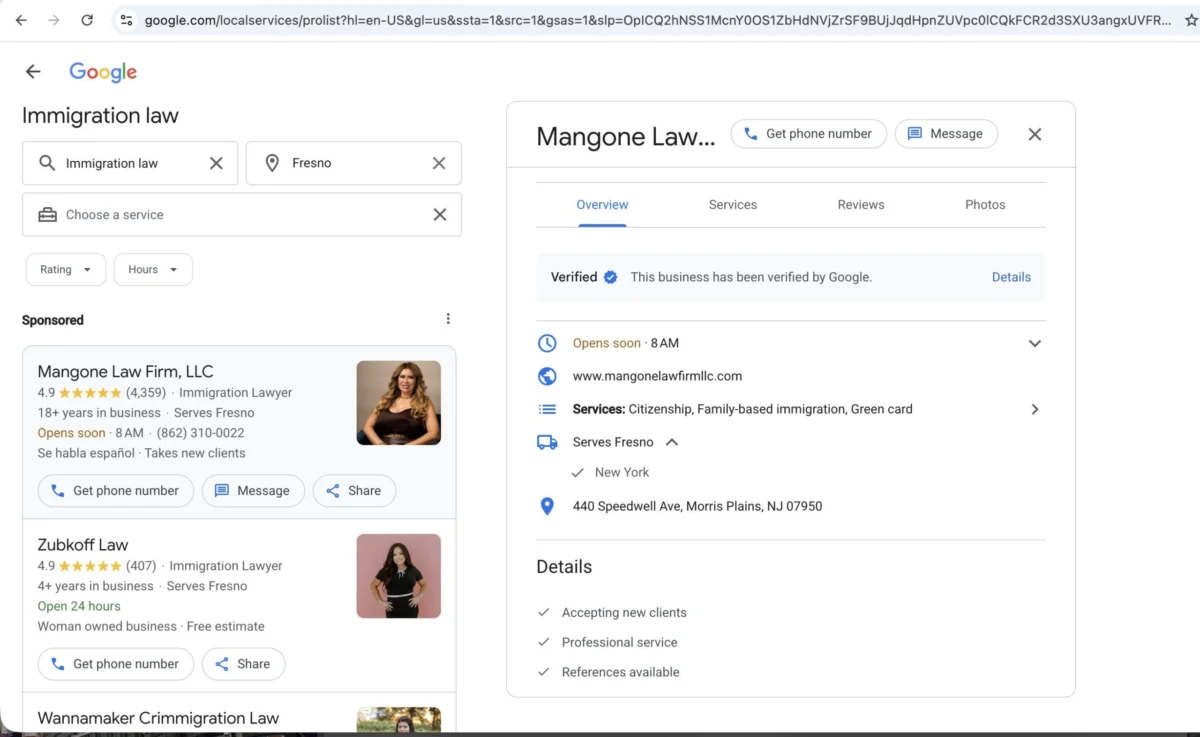
Google Local Services Ads (LSAs) announced new "pre-badge ads" and an expansion into additional verticals. LSAs connect local service providers (e.g., plumbers, electricians) with customers, featuring a "Google Guaranteed" or "Google Screened" badge. Pre-badge ads likely refer to ads shown before a business fully achieves badge status, providing an earlier entry point. The expansion into new verticals signifies Google’s push to extend its trusted local services marketplace to a broader range of industries, increasing reach for both service providers and consumers.
Competitors’ Moves: Microsoft Advertising, OpenAI, and Apple’s Web Presence
The competitive landscape saw notable advancements from other major players.
Microsoft Advertising Rolls Out AI Max Globally:
Microsoft Advertising is rolling out its AI Max solution globally. Mirroring Google’s Performance Max, AI Max leverages artificial intelligence to optimize ad campaigns across Microsoft’s network, including Bing, MSN, and various partner sites. This global expansion signifies Microsoft’s aggressive push to provide advertisers with sophisticated, AI-driven tools for maximizing campaign efficiency and reach, intensifying the competition in the automated advertising space.
Microsoft Ads Max CPC Phase-Out:
Microsoft Advertising announced a significant policy change: Max CPC bidding will no longer be available when creating new non-portfolio campaigns after October 1, 2026. This move strongly encourages advertisers to adopt automated bidding strategies, aligning with the industry-wide shift towards AI-powered optimization. While existing campaigns with Max CPC might continue, new campaigns will be steered towards more dynamic bidding options, reflecting Microsoft’s commitment to efficiency and automation.
Bing Testing Larger Images in Sponsored Results:
Bing, Microsoft’s search engine, is reportedly testing larger images within its sponsored search results. This visual enhancement aims to make paid listings more prominent and engaging, potentially increasing their appeal to users. It reflects Bing’s continuous efforts to differentiate its search experience and improve the performance of its advertising offerings.
OpenAI Expanding ChatGPT Ads to 31 European Markets:
OpenAI is expanding its ChatGPT Ads program to 31 European markets. This move signals OpenAI’s aggressive monetization strategy for its popular AI chatbot, leveraging its massive user base as a new advertising channel. The expansion into a significant European footprint positions ChatGPT as a nascent, yet potentially powerful, competitor in the digital advertising realm, offering brands a novel way to reach users within conversational AI interfaces. This development raises interesting questions about the future of advertising within generative AI environments and the ethical considerations involved.
Apple Adds Thousands of New IP Addresses for Applebot:
Apple has added thousands of new IP addresses from which its web crawler, Applebot, will operate. Applebot is responsible for indexing content for various Apple services, including Siri, Spotlight Search, and Apple News. An increase in crawling capacity, indicated by the expanded IP range, suggests Apple’s continued and possibly intensified investment in its own search and data indexing infrastructure. This could be in preparation for enhanced existing services, or it might subtly hint at Apple’s long-term ambitions in the broader search and information retrieval domain, potentially setting the stage for future, more direct competition with Google and Bing.
Broader Implications for the Digital Ecosystem
This week’s developments underscore several overarching trends shaping the digital landscape. The relentless focus on content quality from Google, epitomized by the August 2026 spam update, mandates that webmasters prioritize genuine value over manipulative tactics. The rapid advancements and strategic adjustments in AI, from Gemini 3.7 Flash to the pause in AI-generated images, highlight both the immense potential and the critical need for responsible deployment of artificial intelligence in user-facing products. In digital advertising, the move towards AI-driven optimization, seen across both Google Ads and Microsoft Advertising, signals a future where automation and machine learning play an even more central role in campaign management, offering greater efficiency but also demanding new skills from advertisers to effectively leverage these tools. Finally, the competitive actions from OpenAI and Apple indicate an increasingly diversified and dynamic ecosystem, with new players challenging established norms and pushing the boundaries of search, AI, and advertising.
Industry Outlook
The digital industry remains in a state of rapid flux, driven by technological innovation and evolving user expectations. The announcements this week paint a picture of platforms continually refining their core offerings while simultaneously exploring new frontiers in AI and content monetization. For businesses, adaptability and a keen understanding of these shifts will be paramount. Focusing on high-quality content, embracing AI-powered tools responsibly, and staying abreast of platform-specific updates will be crucial for maintaining visibility and competitive advantage in this ever-changing digital environment. The next quarter is likely to bring further acceleration in these trends, solidifying AI’s role as the central pillar of future digital interactions.