The contemporary music landscape presents a dichotomy for artists: unprecedented opportunities for global reach juxtaposed with formidable challenges in achieving lasting discoverability. In an era where a single melody can ignite a viral trend on platforms like TikTok or Instagram, the true nightmare for a musician isn’t obscurity, but rather the phenomenon of their art being recognized while their identity fades into the background. Listeners may hum the tune, recall the dance, or identify the sound, yet remain oblivious to the creative force behind it. For artists striving for more than fleeting virality – aiming for sustained fan engagement, anticipation for future releases, and a loyal following – the strategic importance of discovery, particularly through search engine optimization (SEO), has never been more pronounced.
The Evolving Landscape of Music Discovery
The journey of music discovery has undergone a radical transformation over the past century. From the golden age of radio and the visual spectacle of MTV, through the era of digital downloads, to the current dominance of streaming services and social media, the pathways to new music have constantly shifted. The early 2000s ushered in digital platforms that democratized music distribution, breaking down barriers for independent artists. However, this liberation also led to an explosion of content, creating an incredibly competitive environment.
Recent data underscores this intense competition. As highlighted by brand consultant Ava Rose Lynch a year ago, an astounding more than 100,000 songs are uploaded to Spotify every single day. This statistic, while initially daunting, doesn’t negate the possibility of success but rather emphasizes the critical need for artists to carve out distinct and effective paths to connect with listeners. While streaming platforms such as Spotify, Apple Music, and YouTube are indispensable for initial exposure, they inherently position artists amidst millions of others vying for attention. Social media platforms, too, offer significant reach, but their algorithmic nature often prioritizes fleeting trends, giving content a short shelf-life before it disappears from feeds.
In this fragmented digital ecosystem, listeners rarely confine their interest to a single platform. A fan captivated by a track on TikTok might subsequently seek out the artist’s full discography on Spotify, watch their music videos on YouTube, or search for lyrics and tour dates on Google. The challenge for musicians, therefore, is to ensure that this initial spark of interest translates into deeper engagement and a lasting connection, regardless of where the listener’s curiosity leads them next. The rise of AI-powered discovery tools further complicates this, as these systems increasingly rely on comprehensive, well-structured information across the web to recommend artists and answer user queries.
Why an Owned Digital Hub is Paramount
For many independent musicians, their online presence is often a disparate collection of streaming profiles, social media accounts, event listings, and third-party pages. While each serves a purpose, none typically offers a cohesive narrative or a central point of control. This scattering of information is precisely why building and maintaining a dedicated artist website, a self-owned digital hub, has become non-negotiable for long-term career sustainability.
A website acts as the artist’s headquarters, providing a singular, authoritative source of information that listeners, promoters, journalists, and search engines can consistently reference. It allows the artist to dictate their narrative, showcase their complete body of work, and consolidate all fan engagement points. Unlike social media profiles, which are subject to platform policy changes, algorithmic shifts, and potential account limitations, an owned website offers stability and control.
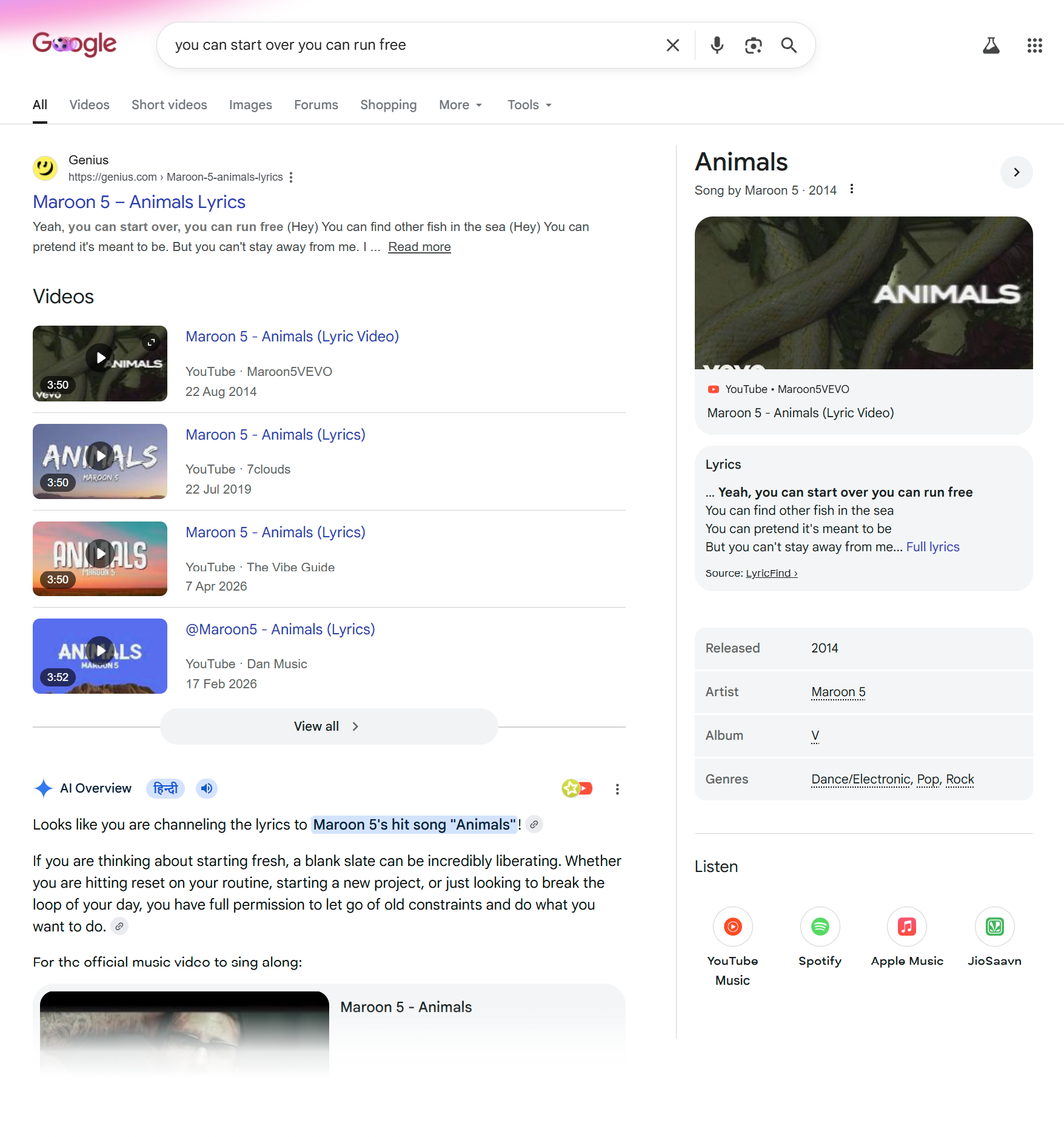
When a listener hears a song they like, their next action often involves a search. They might type the artist’s name, song title, lyrics, or genre into Google. SEO, or search engine optimization, is the strategic process of enhancing a website’s visibility in these search engine results. For musicians, this means making it easier for potential fans, venue owners, booking agents, journalists, and even AI systems to find accurate and comprehensive information about them online.
The goal of SEO for musicians isn’t to replace streaming or social media; it’s to complement them. Imagine a fan discovering a track on a trending playlist. Their immediate inclination might be to search for "Artist Name tour dates" or "Artist Name new album." A strong SEO foundation ensures that when these searches occur, the fan is guided directly to the artist’s official website, rather than getting lost in a labyrinth of unofficial pages or outdated information. This ability to capture and direct interest is crucial for converting casual listeners into dedicated fans.
Key Pillars of SEO for Musicians
Implementing an effective SEO strategy involves several interconnected components, each designed to enhance discoverability and engagement:
-
Building a Robust Artist Website: This is the cornerstone of a musician’s online presence. The website should be comprehensive, featuring:
- Artist Biography: A compelling story outlining influences, career trajectory, and artistic vision.
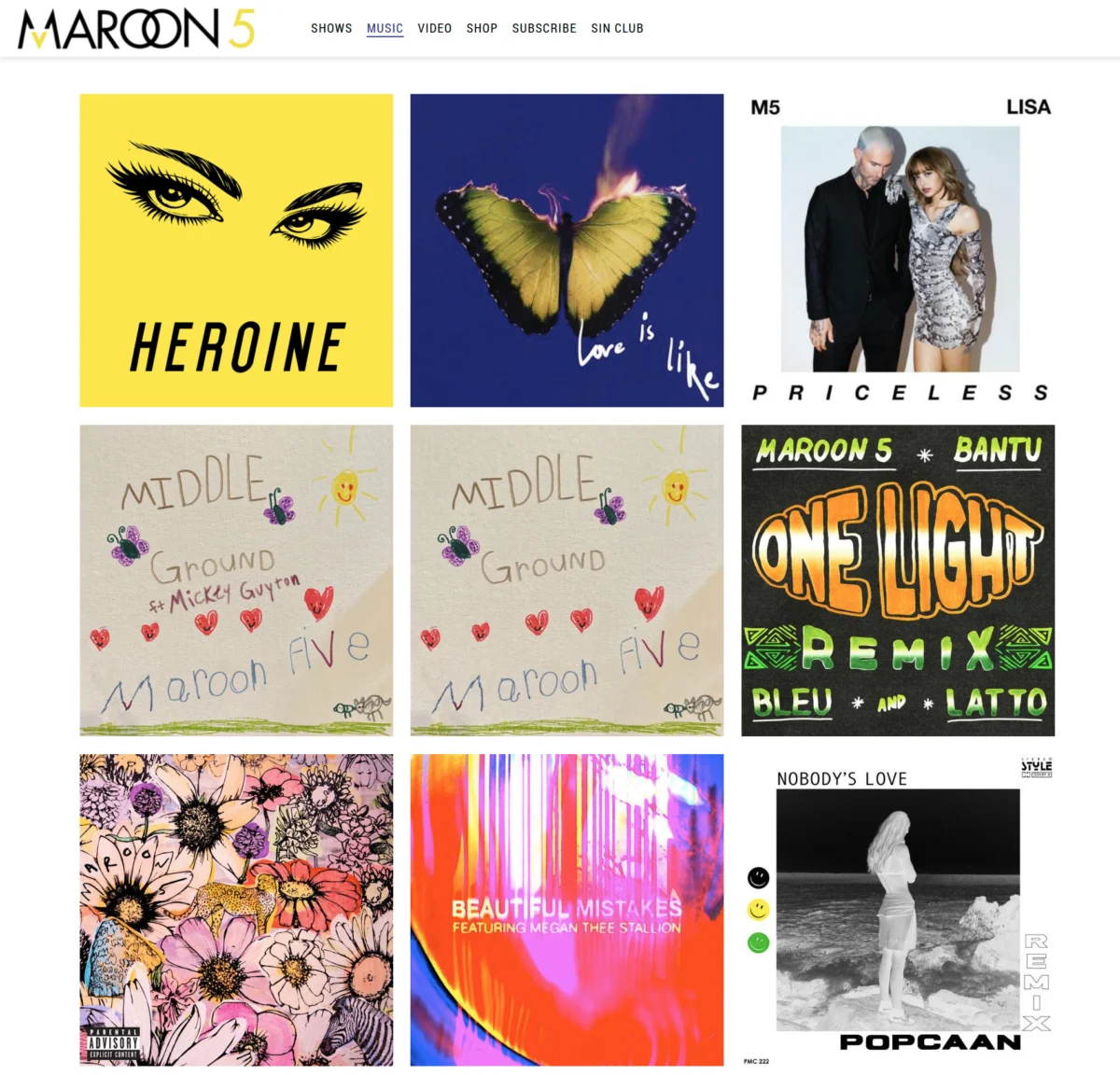
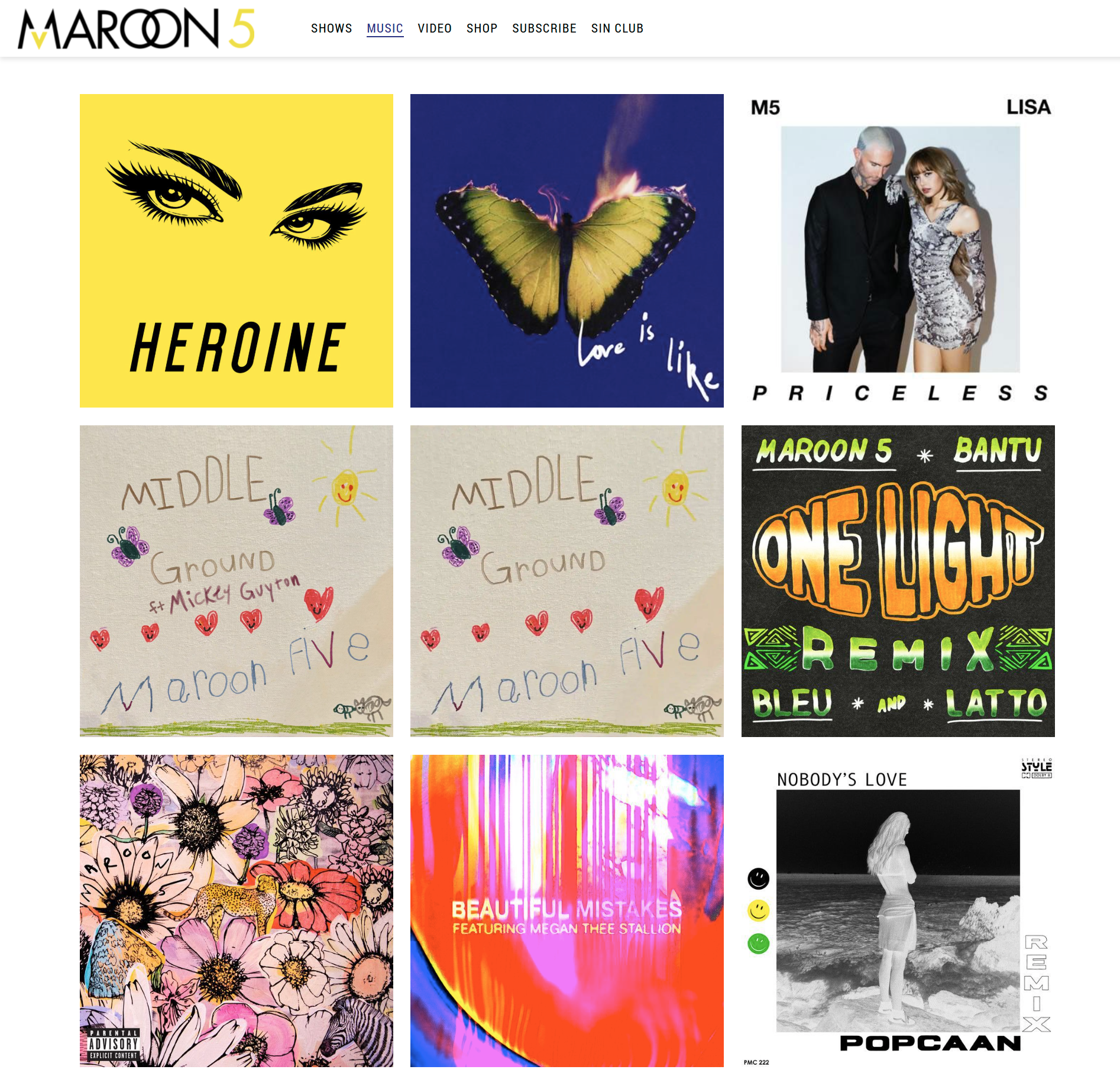
- Discography: Detailed pages for every single, EP, and album, including cover art, tracklists, release dates, and streaming links.
- Tour Dates/Events: An up-to-date calendar of performances with links to ticket sales.
- Music Videos & Media Gallery: Centralized repository for visual content, live performance footage, and professional photos.
- Merchandise Store: An integrated e-commerce section for selling physical and digital products.
- Press Kit/Contact: Essential information for journalists, promoters, and booking agents.
- Newsletter Signup: A mechanism for direct communication with fans.
Tools like Bluehost’s AI Website Builder can assist artists in creating professional sites without extensive technical expertise, providing a customizable foundation.
-
Optimizing Content for Discovery: Every piece of content an artist creates or publishes should be optimized for search.
- Dedicated Release Pages: Beyond merely linking to streaming services, each release deserves its own page on the artist’s website. These pages should offer rich context: the inspiration behind the songs, lyrical interpretations, collaborators, recording anecdotes, and high-quality cover art. This comprehensive content provides search engines with more signals to understand and rank the music for relevant queries (e.g., "Artist Name lyrics," "Album Name meaning").
- Repurposing Music into Blog Content: Every song holds a narrative. Artists can leverage a blog on their website to share these stories, creating engaging content like "behind-the-lyrics" posts, studio diaries, tour updates, gear reviews, or discussions of musical influences. This strategy not only deepens fan connection but also generates keyword-rich content that can rank for diverse search queries, expanding the artist’s digital footprint.
- Video SEO: Music videos, lyric videos, live sessions, and behind-the-scenes footage are powerful discovery tools. Simply uploading them to YouTube is insufficient. Artists should optimize video titles, descriptions, and tags with relevant keywords. Embedding these videos on dedicated release pages or blog posts on their own website provides additional context for search engines and allows for schema markup (e.g., VideoObject schema), which helps search engines display videos more prominently in search results. Yoast’s video SEO feature for WordPress, for example, automates the addition of this crucial metadata.
-
Leveraging External Signals (E-E-A-T): Google’s E-E-A-T (Experience, Expertise, Authoritativeness, and Trustworthiness) guidelines are increasingly vital. When respected music publications, blogs, podcasts, or industry websites mention an artist, it signals to search engines and AI systems that the artist is credible and noteworthy.

- PR and Media Outreach: Actively seeking out interviews, album reviews, artist features, and podcast appearances helps build a robust backlink profile and strengthens the artist’s authority online.
- Collaborations: Working with other recognized artists or producers can lead to shared mentions and increased visibility.
- Industry Recognition: Awards, nominations, or placements in curated playlists can further enhance an artist’s perceived expertise and trustworthiness.
These external mentions are critical for both human discovery and for AI-powered tools, which rely on a broad range of credible sources to understand and recommend artists.
SEO for Specific Musician Goals
While the fundamentals of SEO apply broadly, specific goals may require tailored strategies:
- Growing Audience & Streams: Focus on discoverability keywords related to genre, mood, similar artists, and popular song elements. Prioritize engaging content that encourages sharing and deep dives into the artist’s catalog. Ensure all streaming links are prominent and easily accessible from the artist’s website.
- Securing Gigs & Bookings: For musicians seeking live performance opportunities (weddings, corporate events, festivals), local SEO is paramount. Event organizers rarely search for specific band names initially; they typically search for "wedding bands in [City/Region]," "live corporate entertainment [State]," or "jazz trio for events [Town]." Artists must clearly state their service areas on their website, create dedicated pages for different event types (e.g., "Wedding Band Services," "Corporate Event Entertainment"), and include testimonials, high-quality performance videos, and a list of notable venues or clients. Yoast SEO Premium’s local SEO features can significantly assist in optimizing for geographical searches. The booking process itself must be streamlined, with clear contact forms and transparent information on availability and pricing.
- Selling Merchandise: For artists leveraging their website as an online store, e-commerce SEO principles apply. Create dedicated product category pages (e.g., "Vinyl," "Apparel," "Digital Downloads") with descriptive product names, high-quality images, and unique, keyword-rich descriptions. Connect merchandise directly to relevant releases or tour dates to enhance discoverability. Tools like Yoast WooCommerce SEO can optimize product pages for better search engine indexing and social sharing, ensuring fans can easily find and purchase items like "official [Artist Name] merch" or "signed [Album Name] vinyl."
The Role of SEO Tools and Future Outlook
The complexity of SEO, with its myriad moving parts—from technical site optimization to content strategy and structured data—can seem daunting. However, artists don’t need to become SEO experts themselves. Tools like Yoast SEO simplify the process by providing actionable guidance on content optimization, metadata, site structure, and schema markup. Music producer and marketing strategist Jesse Cannon, for instance, recommends Yoast to musicians for its ability to demystify SEO and help artists prevent potential fans from getting lost online after initial discovery.

The future of music discovery is increasingly intertwined with artificial intelligence. The Yoast Perspective Report indicates that 65% of SEO professionals believe optimizing for large language models (LLMs) is either the same as, or an extension of, traditional SEO. This suggests that the fundamental principles of creating clear, relevant, well-structured, and trustworthy content will remain crucial for visibility in AI-powered search environments. Whether a listener queries Google for lyrics, asks an AI assistant for artists similar to their favorites, or searches for an artist’s biography, a strong SEO foundation ensures that the artist’s music, story, and offerings are readily accessible and accurately represented.
Insights from Musicians in Practice
The efficacy of SEO is best illustrated by those actively implementing it. Musicians, educators, and industry professionals across various niches attest to its value:
- John Bowman, Host of ‘On Air with Johnny B’, emphasizes treating a website as a "creative home base" rather than solely relying on social media. He advises artists to share their influences and creative process, noting that "SEO isn’t just about keywords; it’s about helping the right people find the right story at the right time." Yoast, he says, transformed SEO from an abstract concept into a manageable task.
- Anthony Pell, Guitar Educator and Author, echoes the sentiment of owning one’s digital space, asserting that "their popularity can change over time, but your website is something you own. It can become the home for your music, products, merchandise, courses, and everything else." He leverages Yoast to optimize educational content and improve page structure for both search engines and students.
- Ben Stringer, Founder of SAM Music Service, a music school, highlights the importance of using available tools and not "guessing it yourself." He finds that Yoast provides the confidence that the SEO aspect of his business is professionally managed, allowing him to focus on students and growth.
- Brent Robitaille, Musician, Educator, and Author, encourages active engagement with online presence, recommending artists "keep learning, follow trusted SEO resources, and regularly review tools like Google Analytics, Search Console, and Semrush." Yoast, for him, simplifies the organization and optimization of his expanding content library.
- Chetan Shekar, DJ, Producer, and Founder of Piano Groove, recommends installing the Yoast plugin and following its recommendations, particularly stressing the often-overlooked importance of "image alt text and descriptions" for organic visitor acquisition.
These diverse experiences converge on a singular truth: a well-optimized website is an invaluable long-term asset for any musician. Whether the objective is to expand streaming audiences, secure more live performances, educate budding musicians, or cultivate a personal brand, SEO provides the mechanism for people to discover the work, understand its value, and take the next step towards genuine engagement.

Great Music Deserves to Be Found
Ultimately, great music deserves to be discovered. SEO is not a substitute for artistic talent, compelling songwriting, captivating performances, or authentic connections with fans. Instead, it serves as the essential bridge, ensuring that when the right people are actively searching for new music, for specific artists, or for unique sounds, they can find it amidst the digital clamor. In an increasingly noisy and algorithm-driven world, strong SEO foundations are paramount to prevent great music from getting lost, enabling artists to build sustainable careers and foster enduring relationships with their audience.