In an increasingly digitized world, social media platforms have transcended their initial role as mere broadcasting channels to become dynamic hubs of two-way communication. For brands navigating this complex landscape, understanding and strategically managing social media interactions is paramount. This goes far beyond the simplistic metric of ‘likes,’ encompassing a diverse array of exchanges that shape brand perception, foster relationships, and drive commercial outcomes. With approximately 5.75 billion people globally active on social media, these platforms represent a critical frontier for consumer engagement and business growth.
The Evolving Landscape of Social Interaction

The journey of social media has been one of constant evolution, marked by a significant shift in consumer expectations. Initially, interactions were largely passive, dominated by content consumption and rudimentary reactions like likes or simple shares. However, as platforms matured and integrated more sophisticated features, the nature of interaction transformed. Today, consumers actively seek dialogue with brands, expecting swift, authentic, and personalized responses across various touchpoints.
Research highlights this fundamental change, with a significant 46% of consumers expressing a desire to communicate with businesses directly through social media platforms. This demand underscores a broader trend: social media is no longer just a marketing channel but has become an integral part of the entire buying journey, influencing discovery, consideration, purchase, and post-purchase support.
The implications for brands are profound. A question left unanswered for days can erode trust and damage reputation, especially when visible to a wider audience scrolling through comment sections. Conversely, a timely and human-sounding reply can transform a query into a conversion or a complaint into a loyal customer. This shift mandates that brands view social media interaction not as a peripheral activity but as a core component of their customer relationship management and overall business strategy.

Interaction vs. Engagement: A Critical Distinction
While often used interchangeably, "social media interaction" and "social media engagement" represent distinct concepts critical for effective social strategy. An interaction is a singular, specific action taken by a user in response to a brand’s presence or content on a social platform. This could be a comment, a direct message, a save, or a share.
Engagement, conversely, is the broader, cumulative measure of how actively an audience participates with a brand’s content over a sustained period. It encompasses the patterns created by these individual interactions. For example, one comment is an interaction, but the total number of comments across all posts, coupled with the brand’s response rate, contributes to its overall engagement rate. Understanding this distinction allows brands to analyze individual moments of connection while simultaneously evaluating the long-term effectiveness of their content and community management efforts.

| Feature | Interaction | Engagement |
|---|---|---|
| What it is | A single action between a user and a brand | The overall level of audience participation |
| Examples | One comment, one save, one direct message | Engagement rate, total interactions per post, response rate |
| What it measures | A moment of attention or intent | How your content performs across time and audience |
| Why it matters | Shows you exactly what someone wanted | Shows whether your strategy is working at scale |
Why Social Media Interactions Matter Beyond Vanity Metrics
The significance of social media interactions extends far beyond mere "vanity metrics" like a high like count. These interactions are fundamental to building meaningful connections, gathering crucial insights, and ultimately, driving tangible business results. Every interaction presents an opportunity to:
- Build Relationships: Direct communication fosters a sense of community and loyalty. When a brand actively responds and acknowledges its audience, it humanizes the brand and strengthens the bond with its customers.
- Gather Insights: Interactions provide invaluable direct feedback on products, services, content preferences, and customer pain points. This real-time market research can inform product development, marketing campaigns, and customer service improvements.
- Drive Conversions: As noted, a substantial portion of consumers use social media for pre-purchase research and communication. Effectively managed interactions can guide potential customers through the buying journey, answering questions, addressing concerns, and nurturing leads toward a purchase. The growing realm of social commerce, which saw over $500 million generated during BFCM 2025 alone via platforms like TikTok and Instagram Shop, underscores this direct link to revenue.
Consumer expectations have profoundly shifted in three key areas that brands must plan around:

- Rise of Private Channels: Social users are increasingly spending more time in direct messages (DMs). This means DMs are no longer just for informal chat but have become a primary customer service and sales channel. Brands must be equipped to handle complex inquiries and support requests in these private spaces.
- Demand for Speed: In the fast-paced digital environment, consumers expect rapid responses. A delayed reply can be perceived as indifference, potentially alienating customers. Real-time or near real-time responses are becoming the standard.
- Human-Centric Communication: Automated, jargon-filled, or overly formal responses are often poorly received. Consumers desire interactions that sound authentic, personal, and human, reflecting a genuine understanding of their needs.
Deconstructing Interaction: 10 Core Types and Strategic Responses
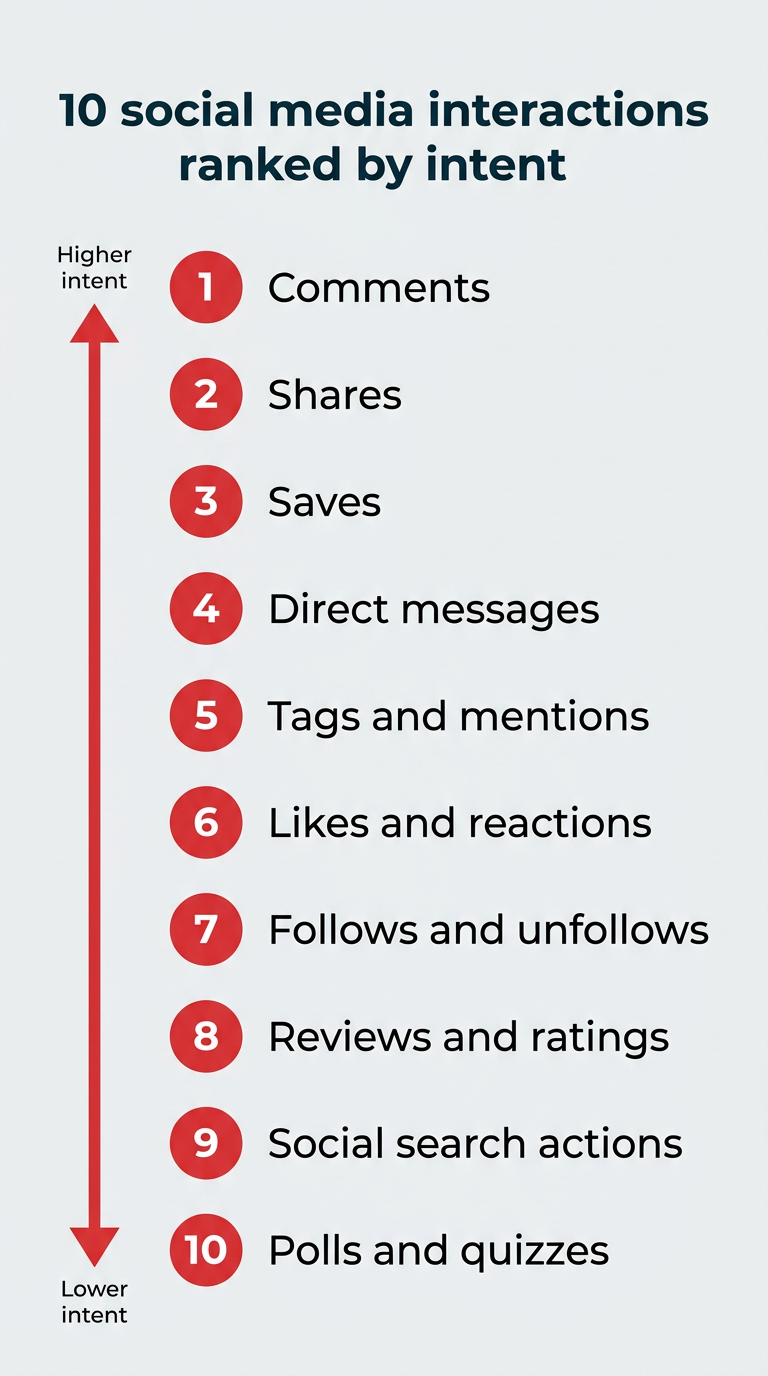
To effectively manage social media presence, brands must understand the various forms of interaction and develop tailored response strategies for each. Here are 10 common types, broadly ordered by the level of user intent they typically represent:
-
Comments and Conversations: These are direct replies to posts, ranging from text and emojis to tagged accounts. Comments are high-intent interactions, often signaling genuine interest or a "soft lead." They boost algorithmic visibility, as platforms prioritize content that generates ongoing dialogue.
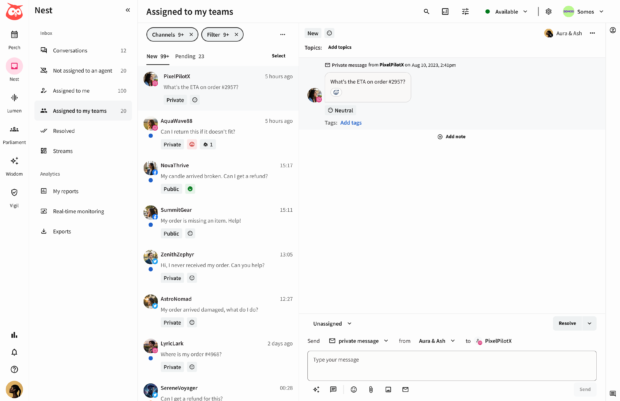
- Strategic Response: Prompt and thoughtful replies are crucial. Acknowledge the user, answer questions directly, and try to extend the conversation. For complex comments or those requiring sensitive handling, consider moving the discussion to a direct message. Centralized social inboxes, like Hootsuite Social OS Inbox, are vital for managing high volumes of comments across platforms.
- Implication: Builds community, demonstrates responsiveness, and provides organic content for the algorithm.
-
Shares: When a user reposts your content to their own feed or sends it to another user. Shares significantly expand a brand’s reach to new, often highly relevant audiences, and lend credibility through peer endorsement.
- Strategic Response: Acknowledge shares whenever possible, especially those posted to stories, with a quick thank you or emoji reaction. Resharing user-generated content (UGC) from these shares on branded channels (with credit) encourages further advocacy.
- Implication: Increases brand visibility, fosters organic growth, and cultivates brand advocates.
-
Saves: Bookmarking content for future reference. Saves are a powerful indicator of deep resonance and perceived value, suggesting that content is considered useful, inspirational, or relevant for later use. Algorithms on platforms like Instagram and TikTok often prioritize content with high save rates.
- Strategic Response: Analyze patterns in saved content to understand what resonates most deeply with your audience. Prioritize creating more "save-worthy" content such as educational guides, how-to tutorials, checklists, templates, or evergreen inspirational posts.
- Implication: Provides valuable insights into content strategy, enhances algorithmic reach, and demonstrates lasting value to the audience.
-
Direct Messages (DMs): Private communications initiated by users, typically for questions, concerns, or support requests. DMs have evolved into a frontline customer support and sales channel, requiring prompt and efficient handling.

- Strategic Response: Prioritize rapid responses to DMs to build trust and ensure positive customer experiences. Centralized inboxes and the use of saved replies or AI-powered chatbots for common queries can help maintain speed and consistency across a team.
- Implication: Critical for customer satisfaction, efficient problem resolution, and direct sales conversions.
-
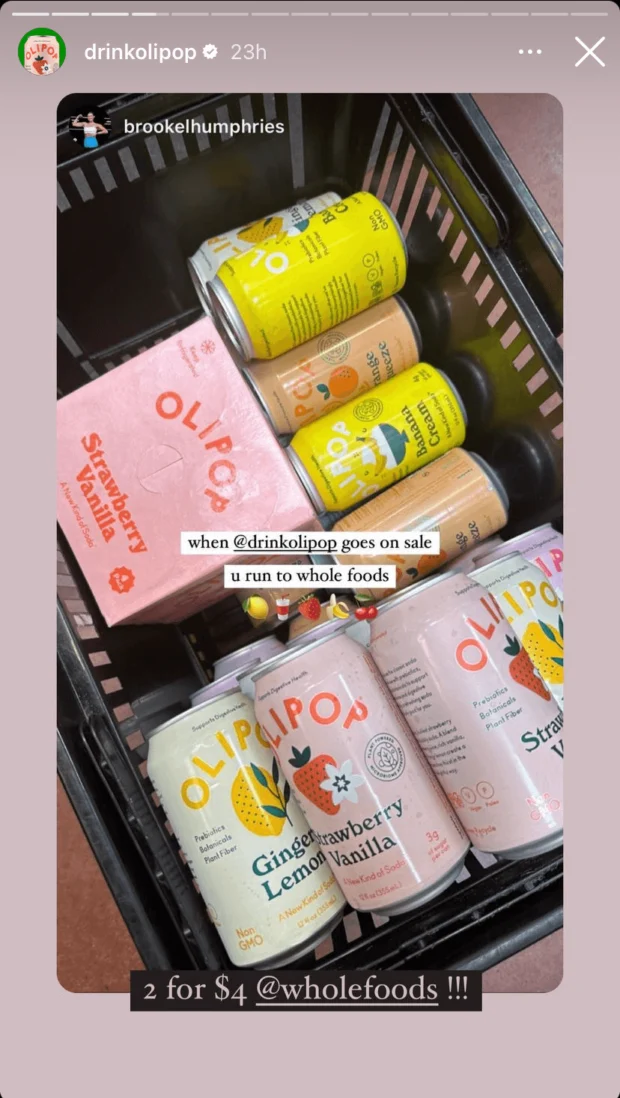
Tags and Mentions: When users explicitly reference a brand by tagging its account in a post, caption, or story. This is a direct form of interaction, often signaling product usage, praise, or a query. It’s also important to monitor untagged mentions through social listening tools.
- Strategic Response: Engage directly with tagged posts, commenting or liking the content. Consider resharing high-quality, on-brand UGC to your own feed, always crediting the original creator. Regularly review mentions to source UGC and manage brand reputation.
- Implication: Boosts user-generated content, strengthens brand community, and aids in reputation management.
-
Likes and Reactions: The most common and generally lowest-intent form of interaction. While a baseline signal of content appeal, modern platforms offer diverse reactions (love, laugh, angry, etc.) which provide richer sentiment data than a simple ‘like’ count.
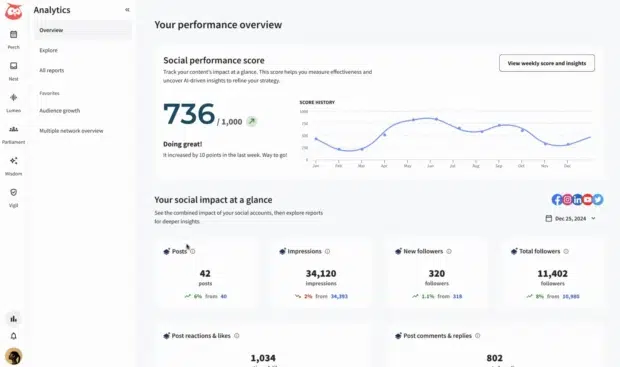
- Strategic Response: While individual likes don’t always require a direct response, track overall like and reaction trends. This data helps identify content types and topics that resonate most with your audience, informing future content strategy. Hootsuite’s analytics tools can track these metrics in real-time.
- Implication: Provides basic content performance insights, contributes to algorithmic visibility, and offers sentiment data.
-
Follows and Unfollows: A user choosing to subscribe to a brand’s content feed (follow) or discontinue doing so (unfollow). Follows indicate sustained interest, while unfollows can signal dissatisfaction or a mismatch in content. Profile visits often precede a follow.

- Strategic Response: Monitor follower trends closely. Significant unfollow spikes or slowed growth warrant a review of recent content, posting frequency, and brand messaging. Optimize profile bios and pinned content to convert profile visitors into followers.
- Implication: Direct measure of audience growth and retention, indicating overall brand appeal and content relevance.
-
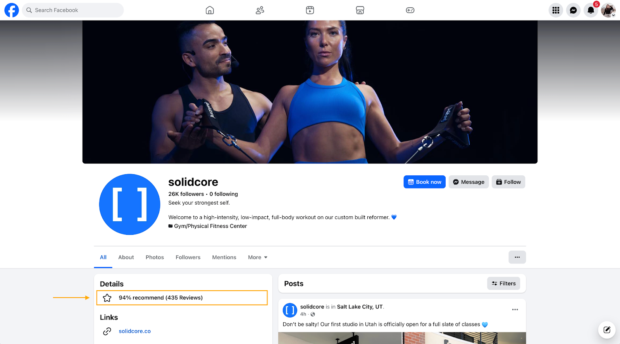
Reviews and Ratings: User-generated assessments of products or services, prevalent on platforms like Facebook Recommendations, Instagram/TikTok Shop, and Google Business Profiles. Positive reviews build social proof, while negative ones require careful management.
- Strategic Response: Proactively monitor all social reviews. Develop templated yet adaptable responses for both positive and negative feedback. Respond professionally and empathetically, demonstrating commitment to customer satisfaction, as these responses are public. Hootsuite offers tools for review management.
- Implication: Directly impacts brand reputation, influences purchasing decisions, and provides critical customer feedback.
-
Social Search Clicks and Actions: Interactions stemming from users searching within social apps (e.g., TikTok, Instagram, YouTube) for information, products, or brands. These actions include profile visits, link taps, and product page views originating from search results.
- Strategic Response: Optimize content for social SEO. Use relevant keywords in captions, hashtags, and spoken dialogue in videos. Ensure images have alt text. Analyze which search-driven posts lead to high-intent actions like link clicks or follows to refine content strategy.
- Implication: Captures high-intent audience segments, drives organic discovery, and directly contributes to conversions.
-
Polls, Quizzes, and Interactive Content: Formats like Instagram Stories polls, LinkedIn polls, and quiz stickers that invite low-effort, immediate user responses. These lower the barrier to interaction and collect valuable audience data.
- Strategic Response: Design interactive content with a clear purpose, such as gathering audience opinions, conducting market research, or simply sparking engagement. Analyze the results to inform future content, product development, or campaign strategies. Share poll results back with the audience to foster continued dialogue.
- Implication: Boosts low-barrier engagement, gathers direct audience insights, and can inform broader strategic decisions.
Boosting Interaction: Strategies for Brands
Achieving robust social media interaction requires a multi-faceted approach centered on responsiveness, consistency, and content that inherently invites participation.
-
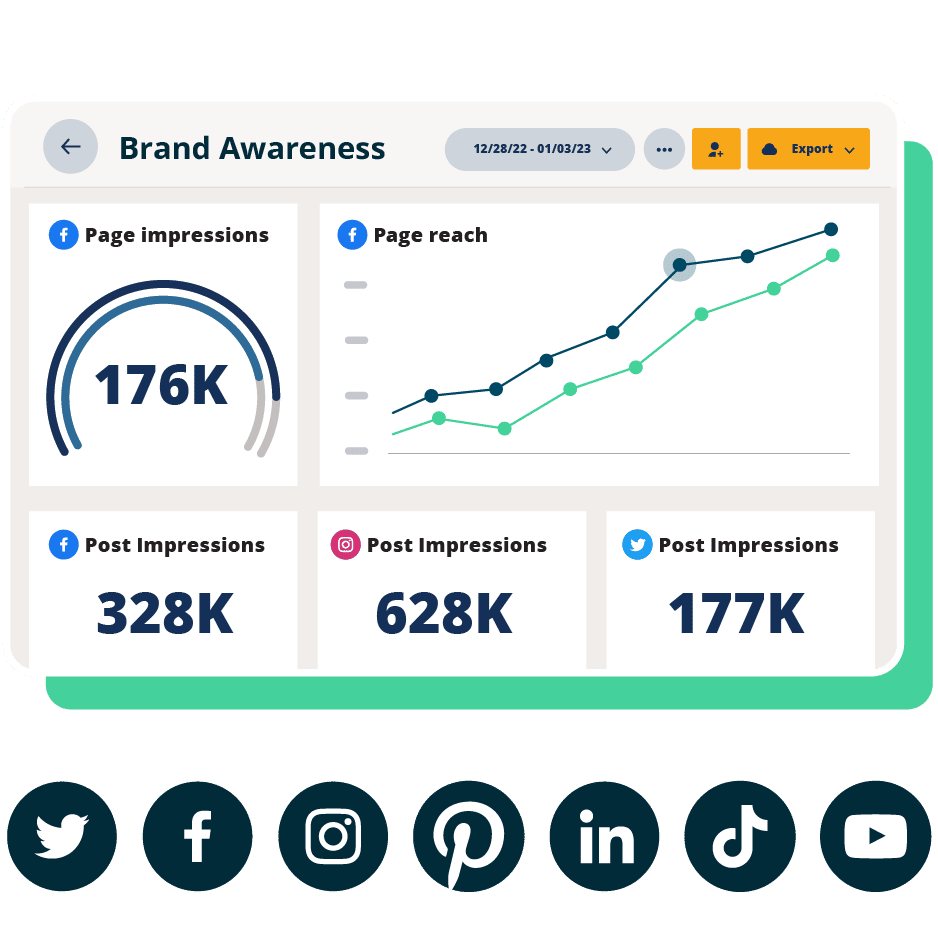
Create Content That Invites Participation: The most direct route to interaction is to make it easy for users to respond. Leverage interactive formats like polls, Q&As, quizzes, and open-ended questions. Opinion-based or slightly polarizing prompts often outperform generic ones. Visual content, especially short-form video (e.g., Reels, TikToks), consistently drives higher engagement. Experiment with diverse formats and tones to identify what resonates best with your specific audience.
-
Respond Fast and Keep Conversations Going: Engagement begets engagement. Prompt replies to comments and messages not only acknowledge users but also sustain conversations, encouraging further participation. Speed is critical; replies within the first hour or two often yield more follow-on activity as the post is still actively being distributed by algorithms. Tools like saved replies and AI-powered chatbots can help teams maintain rapid response times without sacrificing quality, especially in high-volume channels like DMs.
-
Post Consistently at the Right Times: Regularity builds audience expectation and algorithmic favor. Consistency in posting, even if it’s three solid posts a week, is more effective than sporadic bursts of activity. Publishing content when your target audience is most active maximizes early engagement, which signals to algorithms that the content is valuable and should be shown to a wider audience. Hootsuite Social OS provides personalized "best time to post" recommendations to optimize this strategy.
-
Encourage and Reshare User-Generated Content (UGC): UGC is a powerful driver of interaction, generating engagement both from the original creator and their audience when reshared by the brand. Actively solicit UGC through branded hashtags, direct calls to action (e.g., "tag us in your setup"), or contests. When resharing, always credit the creator prominently and engage with them, visibly rewarding their contribution. This strategy cultivates a community of brand advocates and provides authentic, diverse content.
Measuring Success: Metrics Beyond Vanity
Effective measurement of social media interaction requires tracking both the volume and the type of interactions. A high volume of low-intent interactions might be less valuable than a smaller number of high-intent ones. Brands should look beyond isolated metrics and analyze them in conjunction to gain a holistic view of performance.
Key Interaction Metrics to Track:

| Metric | What it measures | Why it matters |
|---|---|---|
| Engagement Rate | Total interactions divided by reach or followers | Best single view of whether content is landing |
| Comment Rate | Comments per post relative to reach | Signals conversation and soft purchase intent |
| Share Rate | Shares per post relative to reach | Shows content is spreading beyond your followers |
| Save Rate | Saves per post relative to reach | Indicates lasting value and future intent |
| Response Time | Average time to reply to comments and DMs | Directly tied to customer satisfaction |
| Response Rate | Share of inbound messages you actually answer | Reveals coverage gaps in your service workflow |
| Sentiment | Whether mentions skew positive, neutral, or negative | Adds meaning to raw interaction volume |
| Profile Visits & Link Clicks | Actions taken after seeing your content | Connects interactions to downstream business results |
It is crucial to track these metrics collectively, not in isolation. A post with modest likes but a high save rate and strong click-through often performs better in terms of business objectives than a post that garnered many likes but little else. Brands should begin with platform-native analytics for granular post-level data, then leverage social media management tools like Hootsuite to aggregate data across channels, identify trends, and benchmark performance against KPIs.
Hootsuite Social OS helps teams manage interactions at scale by centralizing comments, DMs, mentions, and reviews from various platforms into a single unified inbox. This streamlines workflows, improves response times through features like saved replies and auto-routing, and provides comprehensive cross-network analytics to track performance against strategic goals.
Industry Perspectives and Future Outlook
The trajectory of social media interactions points towards an increasingly integrated and personalized experience. Industry analysts predict a continued blurring of lines between social media, customer service, and e-commerce. Brands that invest in robust social listening and engagement tools, coupled with training their teams in authentic, human-centric communication, will be best positioned for success. The emphasis will remain on creating value-driven content that encourages meaningful dialogue and on responding with agility and empathy. The future of brand-consumer relationships is undeniably social, driven by authentic interactions that convert fleeting attention into lasting loyalty.
Save time managing your social media marketing strategy with Hootsuite. Publish and schedule posts, find relevant conversions, measure results, and more — all from one dashboard. Try it free today.