

The digital optimization platform Crazy Egg has officially announced a significant expansion to its Error Tracking suite, introducing a robust real-time notification system designed to bridge the gap between user experience monitoring and technical remediation. This update allows site owners, marketers, and developers to receive immediate alerts the moment a new error is detected on their website, ensuring that critical technical failures do not go unnoticed for extended periods. By integrating these notifications into existing workflows through platforms such as Slack, Zapier, and custom API endpoints, Crazy Egg is positioning itself as a more comprehensive player in the digital experience monitoring (DEM) market, moving beyond its traditional roots in heatmapping and session recording.
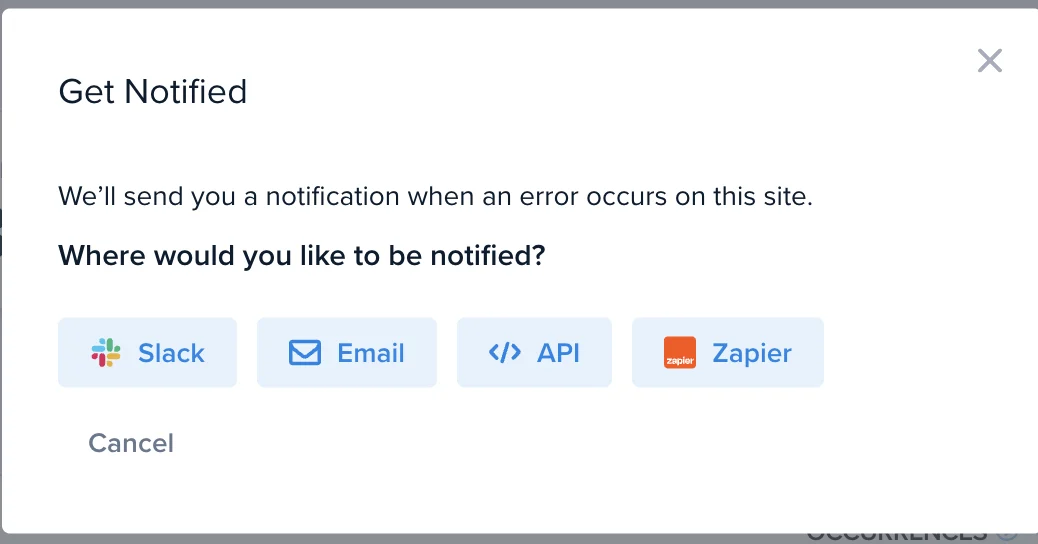
The implementation of this feature comes at a time when the cost of technical debt and website friction is at an all-time high. In the modern e-commerce and SaaS landscape, even a few minutes of a malfunctioning "Add to Cart" button or a broken sign-up form can result in thousands of dollars in lost revenue. Crazy Egg’s new notification system aims to mitigate these risks by providing a direct line of communication between the website’s front-end performance and the team responsible for maintaining it. Users can now configure these alerts through the "Get Notified" interface located within the Errors dashboard, a centralized hub that has become increasingly central to the Crazy Egg ecosystem.
The Evolution of Digital Experience Monitoring
For over a decade, Crazy Egg has been synonymous with visual analytics, primarily known for its heatmaps, scroll maps, and confetti reports. However, the industry has shifted from merely observing user behavior to actively diagnosing the technical impediments that dictate that behavior. The introduction of Error Tracking was the first step in this evolution, allowing users to see exactly where JavaScript errors or 404 pages were occurring in relation to user sessions. The latest update—the notification layer—transforms this from a passive diagnostic tool into an active surveillance system.
Industry data suggests that nearly 70% of users will abandon a site if they encounter a technical error without receiving any feedback or resolution. Furthermore, many of these errors occur "silently" in the user’s browser, meaning they are never logged on the server-side, making them invisible to traditional backend monitoring tools. Crazy Egg’s front-end error tracking captures these client-side issues, and the new notification feature ensures that the relevant stakeholders are informed in real-time, rather than discovering the issue days later while reviewing weekly analytics.
Technical Integration and Workflow Optimization
One of the most significant aspects of this rollout is the diversity of the notification channels provided. Crazy Egg has recognized that different teams operate within different ecosystems. By offering four distinct methods of delivery—Email, Slack, API endpoints, and Zapier triggers—the platform ensures that it fits into the existing "stack" of any modern organization.
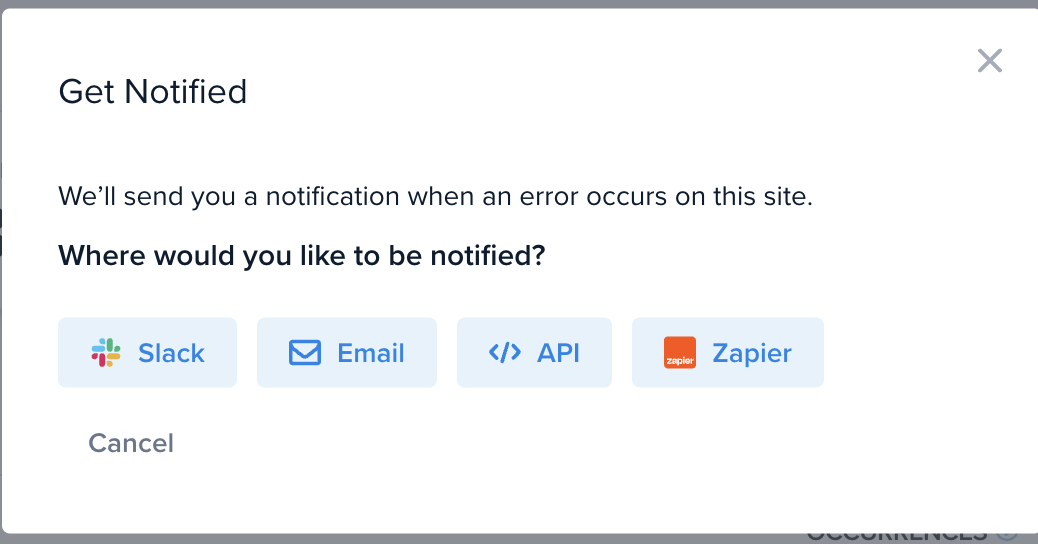
- Slack Integration: For agile development teams and DevOps units, Slack has become the "command center" for operations. By sending error notifications directly to a dedicated Slack channel, teams can discuss the issue, assign a developer to the task, and track the resolution process without ever leaving their primary communication tool.
- Email Alerts: While perhaps the most traditional method, email remains the gold standard for formal documentation and for stakeholders who may not be monitoring real-time chat apps. These alerts can be directed to specific developers or general support aliases.
- API Endpoints: For enterprise-level clients, the ability to push error data to a custom API endpoint is a critical feature. This allows organizations to feed Crazy Egg’s error data into their own proprietary internal dashboards or custom-built incident management systems.
- Zapier Triggers: The inclusion of Zapier opens up a near-infinite array of possibilities. Through Zapier, a Crazy Egg error notification could automatically create a ticket in Jira, log a row in a Google Sheet for the QA team, or even send an SMS alert via Twilio for high-priority outages.
Strategic Management of "Alert Fatigue"
A common criticism of automated monitoring tools is the phenomenon of "alert fatigue," where a constant stream of minor or irrelevant notifications leads teams to ignore the monitoring system entirely. Crazy Egg has addressed this directly by incorporating a "Muting" feature. Users have the ability to mute specific errors that are known issues, non-critical, or currently being addressed. Muted errors are strictly ignored by the notification engine, ensuring that the alerts sent to Slack or email are only for new, high-priority, or previously unseen issues.
This level of granularity is essential for maintaining the integrity of a DevOps workflow. By filtering out the noise, Crazy Egg ensures that when a notification does arrive, it is treated with the necessary urgency. This focus on "important issues only" reflects a broader trend in software development toward "observability," where the goal is not just to collect data, but to provide actionable insights.
Chronology of Feature Rollout and Accessibility
The development of the Error Tracking notification system follows a series of updates aimed at making Crazy Egg an all-in-one optimization suite.
- Phase 1 (Initial Release): Crazy Egg introduced basic Error Tracking, allowing users to see a list of errors and link them to individual session recordings. This allowed marketers to watch a video of a user experiencing a specific bug.
- Phase 2 (Dashboard Integration): The Errors dashboard was revamped to provide aggregate data, showing which errors were the most frequent and which pages were the most "broken."
- Phase 3 (The Current Update): The "Get Notified" functionality was launched, moving the tool from a reactive state to a proactive one.
Currently, Error Tracking and the subsequent notification features are available to customers on the Growth and Enterprise plans. This tiering reflects the target audience: businesses that are scaling and cannot afford the reputational or financial damage caused by undetected site errors. Small business owners on basic plans still have access to core heatmapping, but the advanced diagnostic and alerting tools are reserved for those with higher traffic volumes and more complex technical requirements.
The Broader Impact on the MarTech Industry
The move by Crazy Egg is likely to put pressure on other players in the conversion rate optimization (CRO) space, such as Hotjar and Microsoft Clarity. While many of these tools offer session recording, the integration of real-time technical error alerting creates a bridge between the Marketing department (which typically owns the CRO tool) and the Engineering department.
In many organizations, these two departments operate in silos. Marketing notices that conversion rates are down; Engineering is unaware of any technical issues because the servers are running fine. Crazy Egg’s new feature provides a "single source of truth." When an error alert hits the Slack channel, it provides the marketing team with the evidence they need to prioritize a fix and gives the engineering team the technical data (such as browser type, OS, and the specific JavaScript stack trace) needed to resolve it.
Fact-Based Analysis of Business Implications
From a business perspective, the ROI of real-time error notification can be quantified through the reduction of "Mean Time to Resolution" (MTTR). In software engineering, MTTR is a key performance indicator. The faster an error is identified, the faster it can be fixed. By automating the identification and notification process, Crazy Egg significantly reduces the "Identification" phase of this metric.
Furthermore, this update addresses the increasing complexity of modern web development. With the rise of Single Page Applications (SPAs) and heavy reliance on third-party scripts (for ads, tracking, and chatbots), the number of points of failure on a website has increased exponentially. A third-party script update could break a site’s checkout flow without the site owner ever changing a line of their own code. Real-time notifications are the only effective way to catch these external failures before they impact the bottom line.
Conclusion and Future Outlook
The introduction of real-time notifications for Error Tracking marks a pivotal moment for Crazy Egg as it matures into a comprehensive digital experience platform. By empowering users to set up customized alert systems via Slack, Email, API, and Zapier, Crazy Egg is addressing a critical need for speed and accuracy in web maintenance. The exclusion of muted errors further demonstrates an understanding of the modern developer’s need for high-signal, low-noise communication.
As web technologies continue to evolve and user expectations for seamless digital experiences grow, the demand for proactive monitoring tools will only increase. Crazy Egg’s latest update ensures that its users are not just watching what their customers do, but are also the first to know when the technology fails them. For Growth and Enterprise subscribers, this feature represents a significant upgrade in their ability to maintain site integrity and protect their conversion funnels in an increasingly competitive digital marketplace.







