

The digital marketing landscape has undergone a radical transformation over the last decade, shifting from broad-spectrum brand awareness toward hyper-specific, conversion-oriented strategies. At the center of this evolution is the landing page—a standalone web environment designed with a singular focus. Data released in early 2026 suggests that the efficacy of these pages remains the primary driver for successful Customer Acquisition Cost (CAC) management. Marketing experts Luke Bailey, Colin Loughran, and Paul Park have identified that a "polished and professional" landing page is no longer a luxury but a fundamental requirement for maintaining competitive conversion rates in an increasingly crowded marketplace.

A landing page serves as the final destination for visitors who have interacted with a specific advertisement, email, or social media link. Unlike a traditional homepage, which acts as a general directory for a business, a landing page is architected to eliminate distractions and guide the user toward one specific action. This "Conversion-Centered Design" (CCD) is what separates high-performing digital campaigns from those that fail to see a return on investment.
The Historical Context of Web Conversion
To understand the current state of high-performance landing pages, one must look at the chronology of web design and consumer behavior. In the early 2000s, digital marketing was largely defined by the "homepage-first" mentality, where all traffic was funneled to a single site regardless of the source. This often led to high bounce rates as users struggled to find the specific offer that prompted their initial click.
By 2010, the industry began to see the rise of "lead capture" pages, though these were often cluttered and lacked mobile optimization. The period between 2015 and 2020 marked a significant shift toward minimalist design and the democratization of page building through platforms like Unbounce. This allowed small to medium enterprises (SMEs) to compete with multinational corporations by deploying professional-grade pages without the need for extensive coding. As of 2026, the focus has shifted further toward personalization and psychological triggers, utilizing data-driven insights to tailor the user experience in real-time.

Analysis of Leading Industry Case Studies
A comprehensive review of 40 top-performing landing pages across various sectors—including Software as a Service (SaaS), Ecommerce, Health and Wellness, and Professional Services—reveals several recurring themes that contribute to their success.

The SaaS and Entertainment Model
In the SaaS sector, companies like Netflix and Spotify have perfected the art of the "frictionless" entry. Netflix, which currently boasts over 300 million global subscribers, utilizes a landing page that focuses almost exclusively on a simple value proposition: unlimited content for a low monthly price. Their page design is notably minimalist, removing navigation bars that might tempt a user to leave the signup flow. Similarly, Spotify focuses on the immediate delivery of audio content, recognizing that their brand recognition allows them to bypass lengthy explanations and move directly to the "start streaming" call to action.

Health, Wellness, and the Trust Factor
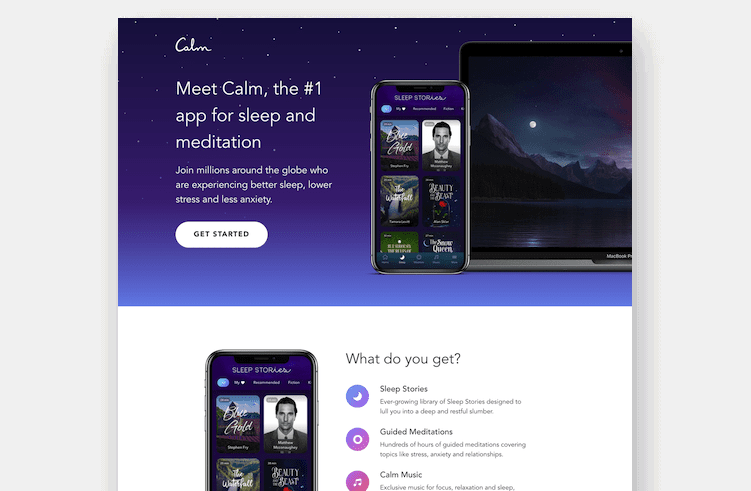
The Health and Wellness industry, represented by brands such as Calm and Goby, prioritizes visual tranquility and social proof. Calm’s landing page uses soothing imagery and a clear entry point into their meditation ecosystem, effectively mirroring the product’s benefits within the marketing assets. Goby, an electric toothbrush brand, leverages accolades and money-back guarantees to lower the barrier to entry. For these brands, the landing page is not just a sales tool but an extension of the brand’s promise of a better quality of life.

Lead Generation and the Gig Economy
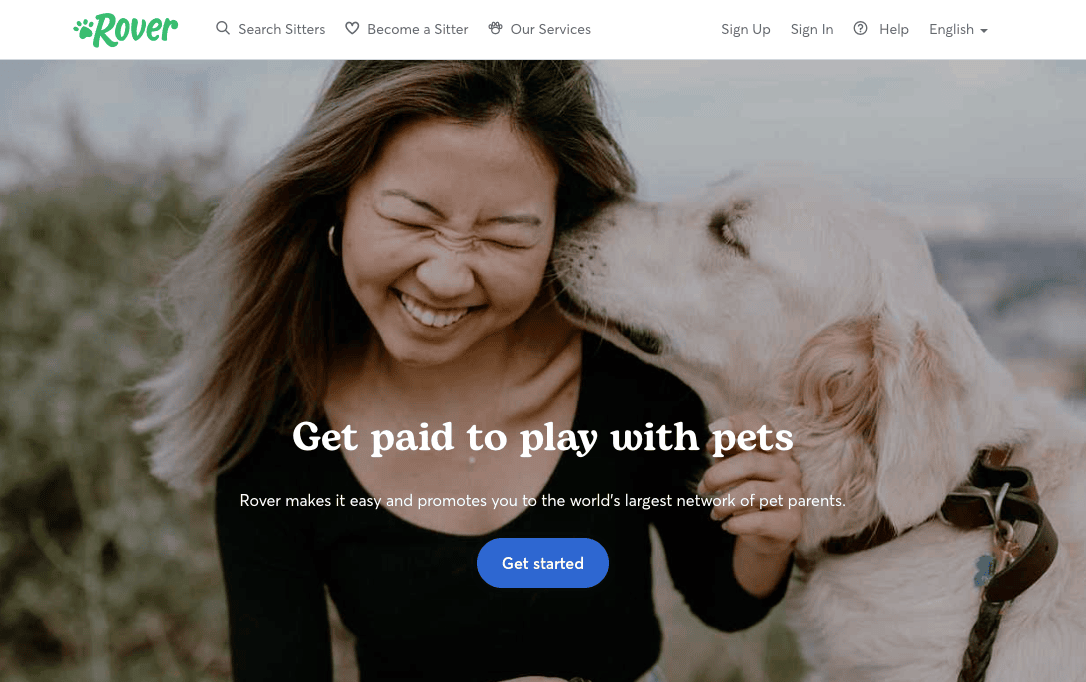
Companies operating within the gig and service economies, such as DoorDash, Lyft, and Rover, utilize landing pages to recruit providers rather than just customers. These pages are designed to answer the user’s primary question: "How much can I earn?" By providing clear earnings calculators and testimonials from existing contractors, these brands effectively address the "What’s in it for me?" factor within seconds of the page loading.

Supporting Data on Conversion Drivers
Statistical analysis of modern landing pages provides a clear roadmap for what drives user engagement. One of the most significant findings in recent years is the impact of multimedia integration. Data indicates that landing pages featuring video content can increase conversion rates by as much as 86%. Video allows brands to explain complex products quickly and build an emotional connection that static text often fails to achieve.

Furthermore, the "social proof" element has become non-negotiable. Whether it is the 39% conversion rate achieved by Bariatric Eating through a personality-driven, friendly design or the wholesale trust established by Blue Forest Farms in the B2B hemp space, testimonials and industry certifications act as psychological "shortcuts" for the consumer. When a visitor sees that others have had a positive experience, the perceived risk of the transaction drops significantly.

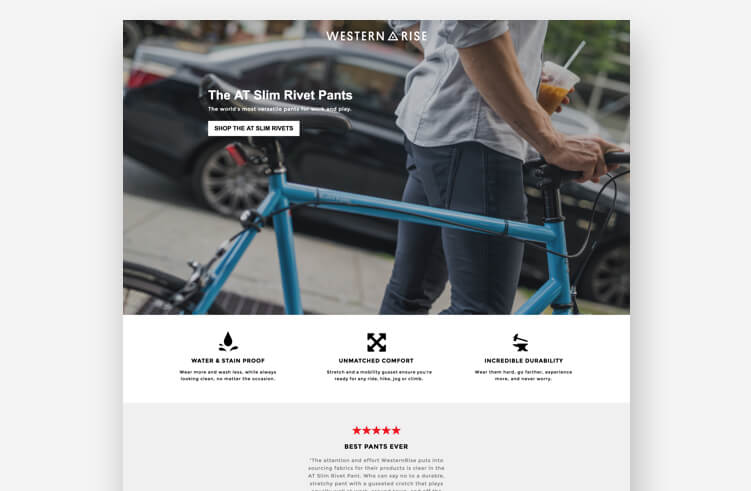
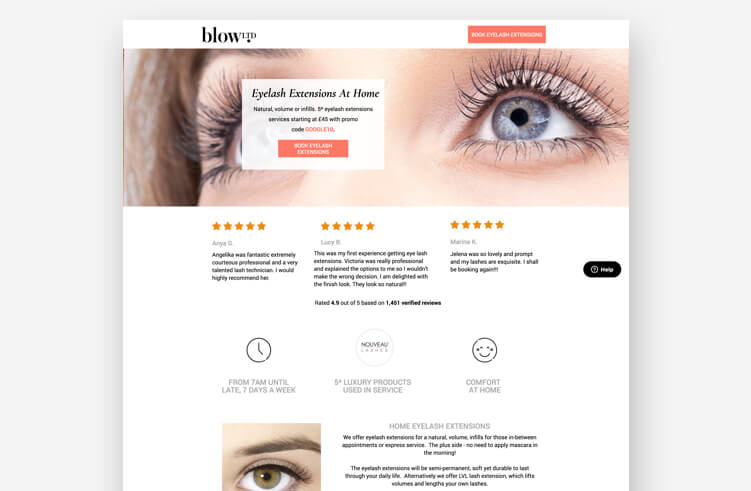
The concept of the "Fold"—the portion of the webpage visible without scrolling—also remains a critical metric. High-converting pages ensure that the primary headline, value proposition, and Call to Action (CTA) are all positioned above the fold. This accommodates the shrinking attention spans of modern consumers, who often decide whether to stay on a page within the first three seconds of arrival.

Responses from Marketing Professionals and Agencies
The success of these landing pages is frequently the result of collaboration between internal marketing teams and specialized agencies. Agencies such as MuteSix, J7 Media, and ConversionLab have pioneered techniques that integrate landing pages into the broader sales funnel.

Cameron Gawley, co-founder of BuzzShift, noted that for brands like Mooala, the landing page is a critical tool for moving users from the "awareness" phase to the "consideration" phase. By offering value-adds such as coupons in exchange for an email address, brands can capture leads that might not be ready for an immediate purchase but are open to future nurturing.
Experts at Webistry, who worked on campaigns for brands like NANOR and Panda7, emphasize that the landing page must sell the "experience" as much as the product. For a luxury brand like NANOR, this means using high-resolution photography and a sophisticated layout that justifies a premium price point. For a service-oriented brand like Panda7, it means promising—and demonstrating—a significant reduction in the time and effort required to buy car insurance.
The Broader Impact and Future Implications
The shift toward high-performance landing pages has broader implications for the global economy. As traditional brick-and-mortar retail continues to face challenges, the ability of a brand to convert digital traffic into revenue has become the primary indicator of its long-term viability. This has led to a surge in demand for digital marketing professionals who understand the intersection of design, psychology, and data analysis.
Looking toward the future, the integration of Artificial Intelligence (AI) and machine learning into the landing page ecosystem is expected to be the next major frontier. AI-driven "Smart Traffic" tools can already analyze a visitor’s behavior and automatically route them to the version of a landing page most likely to result in a conversion. This level of automated optimization suggests that the landing pages of the future will not be static documents but dynamic environments that evolve in real-time based on the individual user’s needs and preferences.
Conclusion: A Framework for Strategic Implementation
For businesses looking to implement these strategies, the consensus among industry leaders points to a ten-step framework for success:

- Define a singular, clear goal for the page.
- Identify the specific target audience.
- Craft a compelling Unique Selling Proposition (USP).
- Ensure the headline matches the source advertisement.
- Place the primary CTA and USP above the fold.
- Use high-quality, relevant imagery or video.
- Integrate authentic social proof and testimonials.
- Keep forms as short and simple as possible.
- Optimize the page for mobile responsiveness.
- Continuously test and refine elements through A/B testing.
In conclusion, the modern landing page is a sophisticated engine of economic activity. By analyzing the successes of global leaders like Amazon and Netflix alongside niche innovators like Woolx and Sundae, it becomes clear that the principles of clarity, trust, and speed are universal. As the digital marketplace continues to evolve, the brands that master the art and science of the landing page will be the ones that define the next era of commerce.







