The landscape of modern public relations and brand marketing is undergoing a seismic shift as traditional broad-spectrum advertising gives way to hyper-localized, community-driven activations and AI-optimized digital strategies. Recent industry developments highlight three distinct but interconnected trends: the capitalization on viral social media subcultures like "RushTok," the critical importance of Generative Engine Optimization (GEO) for retail visibility, and the move toward purpose-driven, community-specific engagement in professional sports. These case studies, involving General Mills, major retailers like Target and IKEA, and personal care brand eos, offer a roadmap for communicators navigating an increasingly fragmented media environment.
Lucky Charms and the Evolution of RushTok Marketing
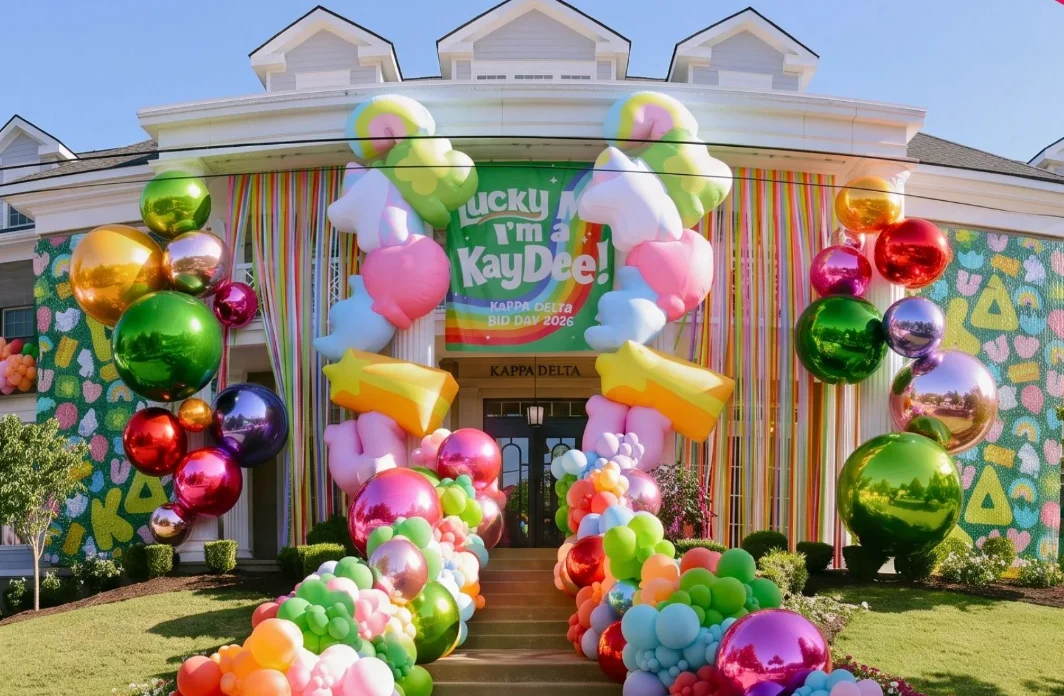
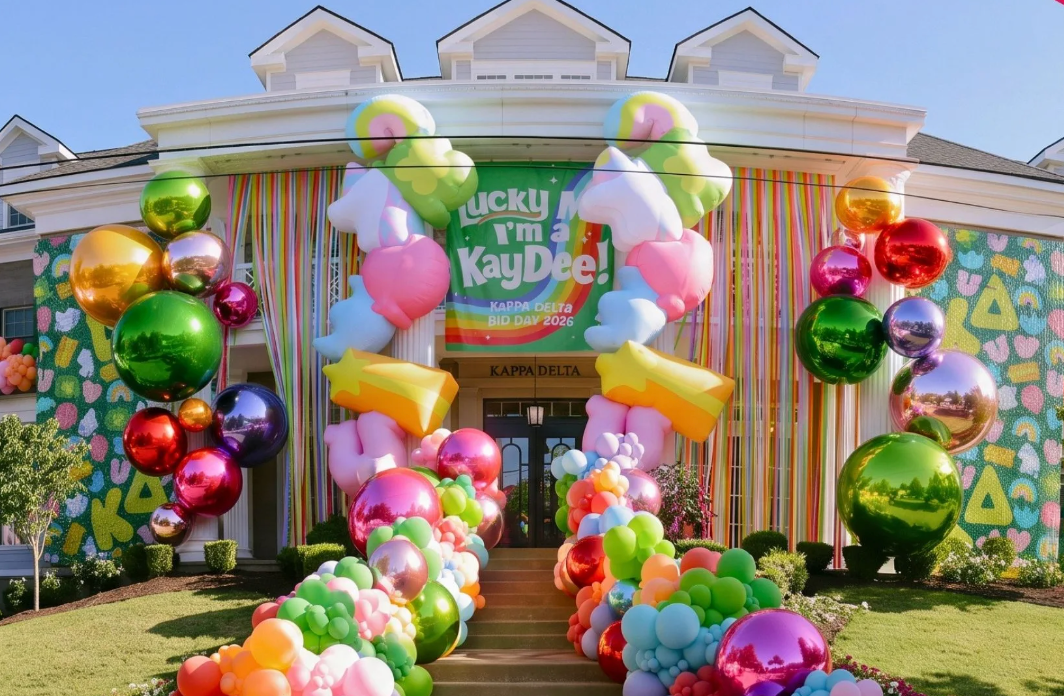
In August 2024, the University of Arkansas became the epicenter of a viral marketing moment that redefined how legacy brands interact with Gen Z. As thousands of college women participated in the annual sorority recruitment process—a phenomenon known globally as #RushTok—the Kappa Delta chapter at Arkansas transformed its "Bid Day" into a high-production brand activation for General Mills’ Lucky Charms cereal.
The Rise of the RushTok Phenomenon
RushTok first gained international notoriety in 2021, primarily centered around the University of Alabama. Since then, it has evolved into a seasonal cultural juggernaut where potential new members (PNMs) and active sorority sisters document every aspect of the recruitment process, from "Outfit of the Day" (OOTD) videos to the final, high-energy reveal of Bid Day. For brands, this represents a goldmine of organic engagement, as these videos frequently garner hundreds of millions of views from a highly coveted demographic.
Strategy: From Organic Trend to Brand Ownership
The partnership between Lucky Charms and Kappa Delta was not a forced corporate intrusion but a response to an existing organic trend. The "Lucky Me" sentiment, often used by sorority members to express gratitude for their sisterhood, had already begun circulating on TikTok. General Mills identified this natural alignment and opted to "go deep" with a single chapter rather than spreading resources thin across multiple campuses.
The activation featured:
- Intricate marshmallow-themed balloon installations mimicking the cereal’s iconic shapes.
- DIY charm bracelet stations and custom-branded merchandise.
- Professional-grade photo booths and rainbow-colored decor.
- A "Lucky Charms" bar serving the cereal to hundreds of attendees.
Megan Brooks, Business Unit Director for Family Favorite Cereals at General Mills, noted that the goal was to bring "signature whimsy" to the moment in a way that felt natural. By empowering the students to make the brand their own, the content traveled far beyond the Fayetteville campus, reaching a multigenerational audience.
The Business of Collegiate Influencers
This activation highlights the growing sophistication of the collegiate influencer market. Emily Blair Marcus, CEO and Founder of Emily Blair Media, suggests that this approach is the next evolution of Name, Image, and Likeness (NIL) deals. Beyond individual athletes, entire student organizations are becoming brand ambassadors. Many campuses now host "REACH" chapters, which function as student-led social media management organizations representing prominent creators on campus.
However, Marcus warns that with high rewards come high risks. Because college students are young and "cancel culture" remains a potent force, brands must conduct rigorous due diligence to ensure that the organizations they partner with align with their core values. The partnership is no longer just about a "glossy Bid Day event"; it is a long-term association with a brand’s reputation.
The New Frontier: AI Search Visibility and Back-to-School Retail
As the retail sector moved into the back-to-school season, a new challenge emerged: visibility within Artificial Intelligence (AI) search results. With more consumers using ChatGPT, Claude, and Google’s Gemini to research product recommendations, the traditional rules of Search Engine Optimization (SEO) are being rewritten by Generative Engine Optimization (GEO).
The Brand Visibility Index Findings
The Pollack Group recently released its inaugural Brand Visibility Index, which analyzed 335 AI-generated answers to common back-to-school shopping queries. The data revealed a significant disparity in how AI models perceive and recommend major retailers.
- Top Performers: Target and IKEA dominated the space, appearing in approximately 30% of all AI-generated responses.
- The Amazon Gap: Despite its massive market share, Amazon appeared in only 8.7% of responses, a startlingly low figure for the world’s largest e-tailer.
- The Reddit Influence: Perhaps most significantly, the study found that Reddit discussions were cited or influenced AI responses in 32% of the cases.
Why Target and IKEA Are Winning
The success of Target and IKEA in AI search is attributed to their strong "earned media" profiles and purposeful content strategies. AI models prioritize relevance and community sentiment over mere scale. Target’s frequent mentions in lifestyle blogs, social media "hauls," and news articles provide a rich dataset for AI to draw from. Similarly, IKEA’s focus on affordability and "dorm room hacks" makes it a frequent subject of community-driven discussions.
Implications for Communicators
Nicole Paleologus, Senior Managing Director at Next PR, emphasizes that Reddit has become an indispensable tool for brand visibility. Unlike traditional whitepapers or corporate blogs, Reddit offers community-verified social proof that AI models find highly credible.
While recent reports have suggested a slight dip in Reddit citations by certain AI models like ChatGPT, the broader trend remains clear: brands must build a presence across multiple digital channels. Relying on a single source of traffic is no longer a viable strategy in the age of AI.
eos and the "Smooth Set": A Case Study in Community-First Engagement
While Lucky Charms focused on collegiate subcultures and retailers focused on AI, the personal care brand eos took a different approach by targeting the intersection of sports and social justice during the U.S. Open season.
The Ayan’s Aces Partnership
Rather than pursuing a traditional—and expensive—tournament sponsorship at the U.S. Open, eos partnered with professional tennis player Ayan Broomfield. Broomfield’s initiative, "Ayan’s Aces," focuses on increasing access to tennis for women of color. On August 22, in New York City, the brand hosted "The eos Smooth Set," a day of tennis clinics and community building for 100 women of color.
Breaking Barriers in Tennis
Tennis has historically struggled with diversity and representation. While icons like Serena and Venus Williams, and more recently Coco Gauff and Naomi Osaka, have reached the pinnacle of the sport, that visibility has not always translated into broad participation at the grassroots level for athletes of color.
The eos activation addressed this gap by providing:
- On-court professional coaching and open play.
- An "eos scent bar" and product bedazzling stations to integrate the brand into the lifestyle of the sport.
- Opportunities for direct engagement with Broomfield, making the professional side of the sport feel attainable.
Analysis of the "Deep vs. Wide" Strategy
The success of the eos model lies in its intentionality. Carmella Glover, President and CEO of the Diversity Action Alliance, observed that the brand expressed its values through action rather than mere declarations. By supporting an established advocate, eos gained immediate credibility within a specific community.
Glover noted that women of color are among the most highly engaged beauty consumers. By creating an experience that was "additive and strategic"—without being exploitative—eos established a "cultural fluency" that resonates across generations. This approach builds long-term brand loyalty that a 30-second television spot during a match likely could not achieve.
Timeline of Strategic PR Moments (August 2024)
- Early August: #RushTok begins trending on TikTok as sorority recruitment kicks off at major Southern universities.
- Mid-August: The Pollack Group releases the Brand Visibility Index, highlighting the shift toward AI-driven consumer research for back-to-school shopping.
- August 18-20: The University of Arkansas Kappa Delta Bid Day goes viral, featuring the Lucky Charms brand activation.
- August 22: eos hosts "The Smooth Set" in NYC, coinciding with the lead-up to the U.S. Open.
- Late August: Industry analysts begin evaluating the ROI of these "niche-deep" strategies versus traditional broad-market campaigns.
Conclusion: The Future of PR is Local and Intelligent
The common thread across these three distinct case studies is the move away from "one-size-fits-all" communication. Whether it is a cereal brand embracing a specific sorority trend, a retailer optimizing for the nuances of AI algorithms, or a beauty brand investing in underserved sports communities, the goal is the same: authentic relevance.
For PR professionals, the takeaways are clear:
- Niche is the new Global: Going deep with a specific, highly engaged community can generate organic reach that far exceeds the initial investment.
- AI is the new Search: Understanding how LLMs (Large Language Models) pull data is as important as traditional SEO was a decade ago.
- Action over Declaration: Modern consumers, particularly Gen Z and diverse demographics, expect brands to demonstrate their values through tangible community support rather than corporate statements.
As the media landscape continues to evolve, the brands that "get it"—those that prioritize cultural fluency, community leadership, and technological adaptability—will be the ones that survive and thrive in the digital age.