The digital landscape for content creators has undergone a profound transformation, driven largely by the rapid integration of artificial intelligence into search engines. No longer is it sufficient for a blog post merely to rank; it must distinguish itself, offering unique value and answering user queries with clarity and depth, often before a user even clicks. This comprehensive guide delves into the modern imperatives of blogging, from finding inspiration and crafting compelling narratives to optimizing for sophisticated AI-powered search algorithms, cultivating a loyal audience, and strategically monetizing content in a fiercely competitive environment.
The AI Revolution in Search and its Impact on Content Strategy
Google’s introduction of features like AI Overviews and an enhanced AI Mode has fundamentally reshaped how information is discovered and consumed. These AI search platforms prioritize content that directly and thoroughly answers questions, often presenting summarized answers at the top of search results. This paradigm shift means that generic, keyword-stuffed content is increasingly bypassed, while authoritative, well-structured, and genuinely helpful articles are elevated. For any website, be it an e-commerce platform, a personal portfolio, or a corporate hub, an active and high-quality blog has transitioned from a beneficial addition to an indispensable component of a robust digital strategy. Industry analysis by companies like SEMrush and Ahrefs consistently indicates that websites with active blogs generate significantly more inbound links and indexed pages, bolstering their overall online visibility.
This evolution is particularly crucial for SEO. Regular content updates signal to search engines that a site is active, alive, and relevant. These signals are vital for improving rankings in both traditional search results and the AI-generated snapshots that users increasingly rely on. Furthermore, blogging expands a site’s footprint, allowing it to rank for new keywords and maintain visibility for existing ones. With AI search placing a premium on fresh, well-organized information, consistent content production ensures competitive advantage. Blogs also provide a versatile platform to address diverse search intents—whether users are seeking informational answers, product comparisons, or direct solutions—a critical factor in Google’s current ranking methodology.
Beyond SEO, blogging serves as a potent marketing instrument. It enables brands to forge deeper connections with their audience, extending beyond transactional pitches. Storytelling, sharing behind-the-scenes glimpses, or showcasing authentic customer experiences resonates far more profoundly than conventional advertisements, fostering trust and brand loyalty. Research by HubSpot consistently demonstrates that businesses actively blogging experience a substantial increase in lead generation compared to those that do not. In an era where AI search algorithms increasingly factor in brand familiarity and trust signals, this authentic engagement becomes a powerful differentiator, converting casual visitors into committed advocates. As Carolyn Shelby, Principal SEO at Yoast, aptly states, "A blog isn’t valuable just because it exists. It becomes valuable when it helps your audience solve problems, understand something better, or see your expertise in action. In today’s search landscape, the goal isn’t simply to publish, or even to publish more. It’s to create content worth being found, cited, and remembered."

Crafting Content for the Modern Web
Embarking on a new blogging endeavor demands meticulous preparation. A well-considered strategy upfront mitigates future challenges, especially given AI search’s preference for organized, intent-driven content. Initial planning should encompass a precise definition of the blog’s niche and thorough keyword research. This process extends beyond merely identifying high-volume search terms; it necessitates understanding the specific questions and problems that the target audience seeks to solve. For instance, instead of just targeting "best coffee," a nuanced approach might involve "how to brew pour-over coffee at home" or "ethical sourcing practices for coffee beans," reflecting distinct user intents.
A foundational element is establishing a clear and logical blog structure. A well-organized layout—including intuitive categories, cornerstone content that addresses core topics, and a robust internal linking strategy—enhances both user experience and search engine crawlability, directly impacting engagement and rankings. This strategic framework allows a blog to adapt more readily as AI search capabilities continue to evolve.
The lifeblood of any successful blog is a continuous stream of fresh ideas. Whether blogging is the primary function of a site or a supplementary marketing tool, a diverse content pipeline is essential. Inspiration can be drawn from various sources, starting with comprehensive keyword research. This involves delving into the precise terms and conversational queries potential readers use, moving beyond single keywords to encompass longer phrases and questions relevant to AI search tools. Integrating these exact terms into content signals strong relevance to both traditional and AI-powered search engines, underpinning effective SEO copywriting.
Crucially, modern content strategy must prioritize search intent. Understanding why users are searching—whether for information, comparison, or transaction—is as important as knowing what they type. AI search tools, such as Google’s AI Overviews, are designed to deliver content that perfectly aligns with this intent. For an online shop, while product pages cater to commercial intent, informational blog posts can cast a wider net, attracting a larger audience early in their research journey. Crafting relevant, helpful articles strategically pulls users into the site, nurturing potential conversions down the line. Beyond formal research, inspiration can spring from current events, internal business operations, common customer inquiries, and extensive reading of industry publications. AI platforms like OpenAI’s ChatGPT, Google’s Gemini, or Anthropic’s Claude can assist in brainstorming, while specialized tools such as Yoast AI Brand Insights offer unique perspectives on brand perception within chatbots. Analyzing site analytics to identify high-performing content or topics that drive sustained engagement can also inform future content direction. To combat the common challenge of writer’s block, tools like the Yoast AI Content Planner, available to Yoast SEO Premium users, provide a significant advantage. By analyzing existing content and identifying gaps, it generates tailored post ideas, complete with draft frameworks, titles, outlines, focus keyphrases, meta descriptions, and section notes, accelerating the content creation process within the WordPress editor.
The Pillars of High-Quality Blogging

At the heart of effective blogging lies the commitment to originality and readability. In the current digital environment, originality is paramount. Blog posts must offer fresh, unique perspectives that stand out amidst the vast sea of online content. Google’s AI search tools are increasingly sophisticated at identifying and filtering out generic, repetitive, or "commodity content"—material that merely rehashes existing information without adding substantive value. To thrive, content must present a new angle, a unique insight, or an innovative solution that distinguishes it from competitors. Google’s official guidelines explicitly caution against content produced solely for ranking purposes, emphasizing that AI-generated summaries and search results prioritize content that truly stands out. The ultimate question for any content creator should be: does this post genuinely teach, inform, or solve a problem in a way that others do not? The rise of AI-generated content further underscores the irreplaceable value of human expertise, unique experiences, and authentic insights—qualities that AI cannot replicate.
Parallel to originality, readability is a non-negotiable attribute for high-quality content. A well-structured, clearly written article ensures that readers can easily understand and absorb the message. This directly translates to improved user experience, which in turn influences SEO. Google’s AI tools favor content that is simple to scan and digest, meaning that posts with clear structures, logical subheadings, and concise paragraphs are more likely to achieve higher rankings.
Practical writing tips further enhance content quality. Before drafting, a brief planning phase to define the audience, the core message, and the desired reader takeaway streamlines the writing process. Structuring paragraphs with the most important sentence first, followed by supporting details, allows both human readers and AI systems to quickly grasp the main points. Keeping paragraphs succinct (e.g., seven to eight sentences) and employing simple, direct language over jargon also significantly boosts readability. Finally, leveraging tools like the Yoast SEO plugin can provide invaluable assistance. Its readability analysis flags lengthy sentences and suggests transition words, directly addressing factors that AI search tools consider for content digestibility. Yoast SEO Premium further offers AI features like Yoast AI Optimize, which refines writing for clarity and impact. Despite technological aids, a fresh pair of human eyes remains crucial; proofreading by another individual can catch errors and confirm that the message is unequivocally clear.
Optimizing for Visibility and Engagement
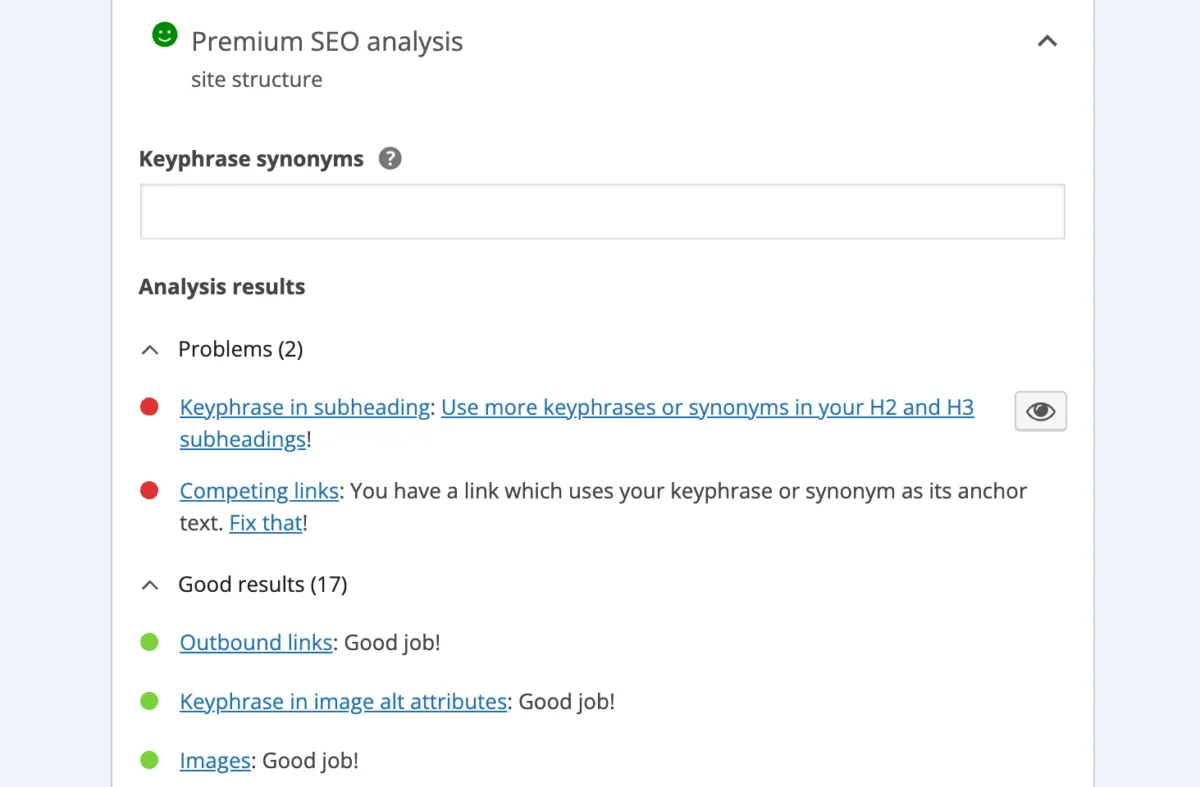
Once a blog post is crafted with originality and readability, the next critical step is optimizing it for search engines. This process, often referred to as "Yoasting your post" when using the Yoast SEO plugin, involves making strategic adjustments to maximize visibility without compromising the integrity of the content. SEO should always serve to enhance, not dictate, the originality and readability of the text. Yoast SEO provides a comprehensive suite of tools to fine-tune posts, offering insights into keyphrase usage, meta descriptions, internal linking opportunities, and more. It helps identify areas for improvement and ensures that the post is technically sound for search engine indexing.
Beyond technical optimization, fostering blog engagement is a powerful SEO factor. When readers actively comment on posts and authors respond, it signals to Google that the blog is dynamic and authoritative. Social media shares and online discussions further amplify reach and drive traffic. More subtle forms of engagement, such as external citations and mentions (even without direct links), also contribute to establishing a blog’s authority and trustworthiness. Responding to comments, especially negative ones, with professionalism and a constructive tone, reinforces community building and encourages further interaction.

Expanding Reach: Marketing and Monetization Strategies
Having compelling content is only half the battle; it must also reach its intended audience. While robust SEO is foundational, proactive marketing efforts are essential. Social media platforms—from Facebook and X (formerly Twitter) to Instagram and TikTok—offer powerful avenues for connecting with readers and driving traffic. The strategic use of short-form video content, such as Instagram Reels or TikTok videos, can significantly broaden a post’s reach and engage younger demographics. Complementing social media, an email newsletter provides a direct, algorithm-independent channel to subscribers, delivering updates, exclusive insights, and special offers, thereby cultivating a loyal readership.
For those aiming to generate revenue, blog monetization strategies are diverse and adaptable. Affiliate marketing, where commissions are earned from promoting products or services, is a popular choice. Sponsored content, advertisements, and selling proprietary products or services (either physical or digital, like e-books or courses) represent direct income streams. Offering premium content or exclusive memberships, or even simply accepting donations, are additional avenues. For online shops, a blog serves a dual purpose: driving organic traffic and strategically linking to product pages, thereby boosting overall sales and brand visibility. Data from Statista indicates that global content marketing revenue continues to grow, projected to reach over $75 billion by 2025, underscoring the financial potential of well-executed blog strategies.
Sustaining a Thriving Blog: Long-Term Maintenance
While initiating a blog might seem straightforward, sustaining its momentum and quality over time presents unique challenges. Consistency is paramount; establishing and adhering to a regular publishing schedule builds reader trust and expectation. This discipline is vital for long-term success. As a blog expands, new SEO considerations emerge, such as consistently generating fresh content ideas, keeping older articles updated and relevant, managing multiple authors, addressing traffic declines, and maintaining an optimal site structure.
Several common challenges arise during blog growth, each with strategic solutions. Maintaining site structure is crucial; regular analysis of categories, subcategories, and tags ensures a logical hierarchy. Organizing content into topic clusters, where pillar pages link to numerous related articles, not only improves navigation but also strengthens SEO. Consistent internal linking—adding links from new posts to 2-3 relevant older ones—reinforces this structure. Periodically, pruning low-value or outdated content through deletion or redirection helps maintain a lean, SEO-friendly site.
Content planning shifts from spontaneous ideation to a more strategic, organized approach as a blog matures. Editorial calendars become indispensable tools for mapping out topics, deadlines, and author assignments, preventing content duplication and ensuring a consistent brand voice. Topic clusters guide content creation around core themes, enhancing SEO and user navigation. Regular content audits help identify gaps in coverage and adapt to emerging trends, keeping the blog perpetually relevant and valuable.
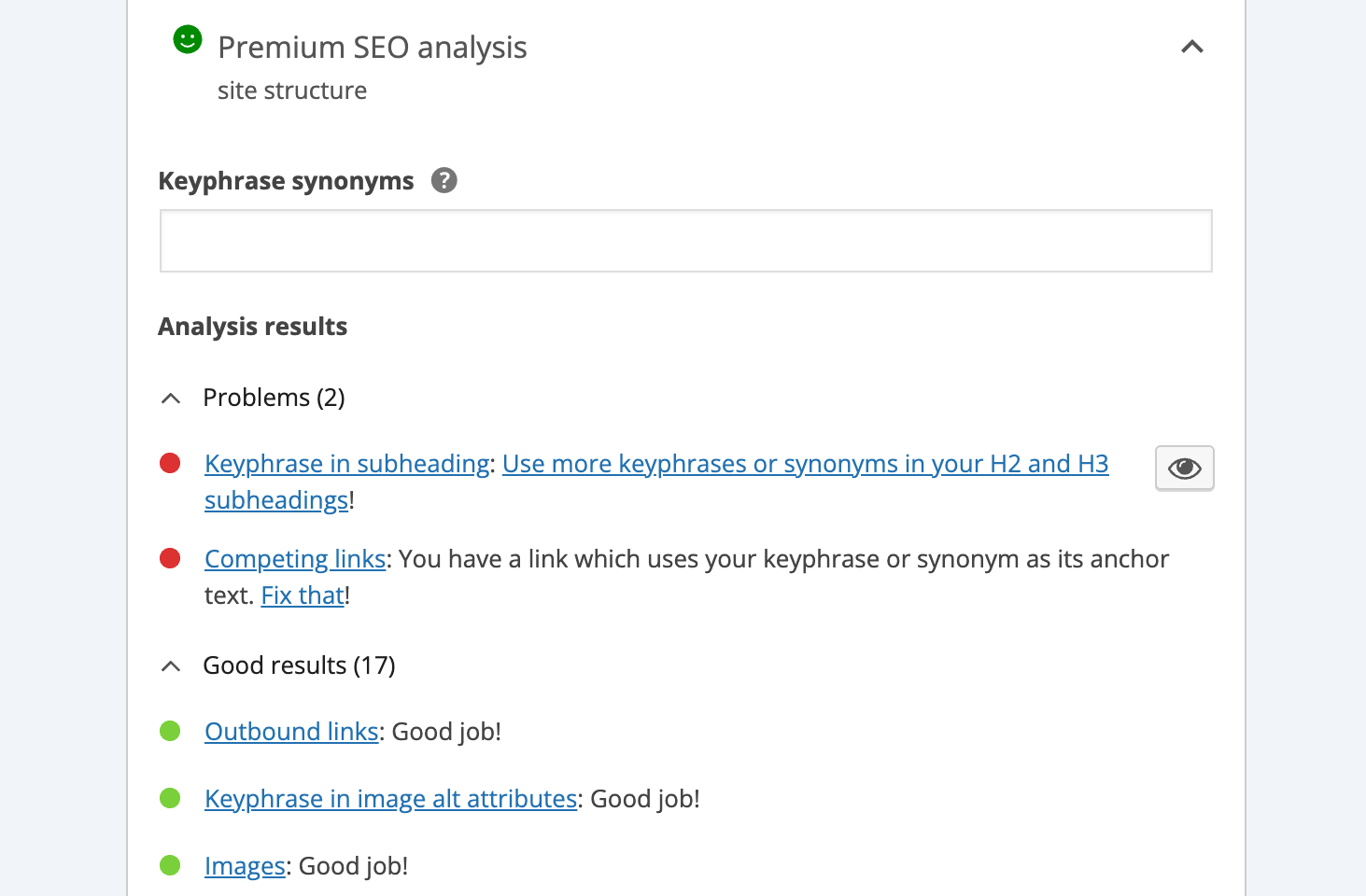
A significant challenge for established blogs is avoiding content cannibalization. This occurs when multiple articles on a site target the same or very similar keyphrases, confusing search engines about which piece of content should rank highest. The consequence is often a lower ranking for all competing articles. Regular SEO audits are essential to identify and rectify keyword cannibalization issues, ensuring that each piece of content has a distinct purpose and optimized target.
Conclusion
Blogging remains one of the most powerful tools for cultivating a robust online presence, whether for an e-commerce enterprise or a personal brand. It significantly enhances search visibility, transforms casual visitors into engaged followers, and establishes authoritative thought leadership. However, in the era of AI search, success transcends mere good writing. It demands a sophisticated keyword strategy aligned with user intent, coupled with the creation of original, highly readable, and impeccably structured content designed to engage both human audiences and advanced AI algorithms. Google’s evolving algorithms, increasingly emphasizing E-E-A-T (Experience, Expertise, Authoritativeness, Trustworthiness), underscore the need for authentic, value-driven content. As blogs grow, proactive content planning, meticulous site structure management, and continuous audience engagement become non-negotiable. By strategically embracing these principles and leveraging available tools, content creators can build blogs that not only achieve high rankings but also deliver enduring value and foster deep, meaningful connections.