As major social media platforms increasingly vie for dominance in the digital commerce landscape, TikTok is reportedly exploring a significant expansion of its in-app payment capabilities to the United States. This strategic move, initially reported by Bloomberg, would enable American users to send money directly to other profiles within the application via direct messages, mirroring functionalities already successful in its Chinese counterpart, Douyin, and other international markets. The potential integration of TikTok Pay into the U.S. ecosystem marks a pivotal moment in the platform’s ambitious journey to transform from a video-sharing app into a comprehensive e-commerce and financial hub, challenging established players and reshaping consumer spending habits.
The Evolution of Social Commerce and In-App Payments
The concept of integrating payment functionalities directly within social media applications is not new, particularly in Asian markets where "super apps" like WeChat and Alipay have long offered a seamless blend of communication, commerce, and financial services. Douyin, TikTok’s sister app in China, has masterfully leveraged this model, with Douyin Pay serving as a primary transaction option that significantly drives in-app purchases. According to Walk the Chat, Douyin prominently features its proprietary payment solution, making it incredibly convenient for users to complete transactions without leaving the app. This streamlined process is particularly potent during live-streamed shopping events, where the immediacy of payment options fuels impulse purchases and dramatically boosts conversion rates.
The success of this model in China is undeniable. A report published in ScienceDirect highlighted that live-streams on Douyin alone accounted for over 40% of its total e-commerce sales in 2024. This staggering figure underscores the profound value of facilitating direct, integrated payment methods within the live-streaming environment, demonstrating a clear blueprint for TikTok’s global e-commerce strategy. The ability to instantly purchase an item advertised during a live broadcast, coupled with the interactive nature of the content, creates a powerful sales funnel that traditional e-commerce platforms struggle to replicate.
TikTok Pay’s Global Footprint and U.S. Ambitions

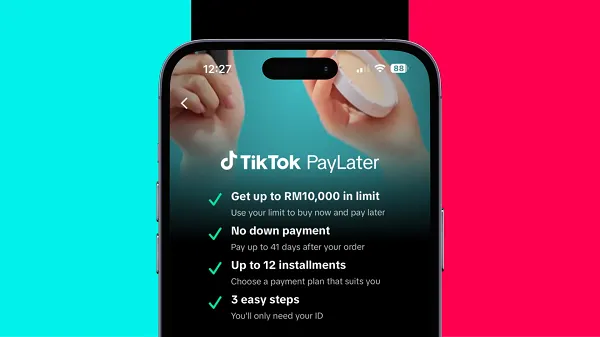
TikTok Pay is not a nascent concept; it is already actively operational in several Southeast Asian markets, including Vietnam, Malaysia, and Thailand. In these regions, the feature allows users to directly pay for products advertised and sold within the app. Going a step further, TikTok also offers "TikTok PayLater" in some markets, providing consumers with the flexibility to split their purchases into a series of manageable payments. This "buy now, pay later" (BNPL) model has gained considerable traction globally, appealing to consumers seeking financial flexibility and potentially increasing the average order value for merchants on the platform.
The exploration of a similar direct payment feature for the U.S. market signifies TikTok’s determination to replicate its international success and solidify its position as a formidable e-commerce player. The move comes as the platform has observed a significant surge in its in-app shopping activity. Momentum Works, a prominent research firm, estimated that TikTok generated approximately $50 billion in Gross Merchandise Volume (GMV) in the first half of 2026 alone, marking a remarkable 92% year-over-year increase. The U.S. market emerged as a critical driver of this growth, contributing an estimated $11.8 billion to those sales, representing a more than 100% year-over-year surge. These figures provide compelling evidence of the burgeoning demand for shopping experiences within the TikTok app among American consumers, making the integration of a seamless payment solution a logical and strategic imperative.
Competitive Landscape and the "Super App" Race
TikTok’s foray into in-app payments in the U.S. cannot be viewed in isolation; it is part of a broader trend among major social platforms to diversify revenue streams beyond advertising and capture a larger share of the digital economy. X (formerly Twitter), under Elon Musk’s leadership, is also aggressively pursuing its "X Money" payment process, aiming to transform the platform into a comprehensive financial services hub. Musk’s vision for X includes a wide array of payment functionalities, from peer-to-peer transfers to potentially offering banking services, drawing inspiration from his early days at PayPal and the success of WeChat in China. The parallel development of payment systems by both TikTok and X underscores a growing convergence between social media and fintech, with both platforms aiming to evolve into "super apps" that cater to a multitude of user needs within a single ecosystem.
Meta Platforms, the parent company of Facebook and Instagram, has also experimented with various commerce features, including in-app shopping and checkout options, albeit with mixed success. However, none have achieved the widespread adoption or seamless integration seen in Asian markets. TikTok’s advantage lies in its highly engaging, short-form video content format, which is exceptionally well-suited for product discovery and viral marketing. The platform’s algorithm, renowned for its ability to surface highly relevant content, can be incredibly effective in driving impulse purchases, especially when combined with a frictionless payment process.
The Mechanics of Integration: How TikTok Pay Could Work in the U.S.

If TikTok Pay were to launch in the U.S., it would likely function as an integrated payment gateway within the app, allowing users to link their bank accounts, debit cards, or credit cards. The peer-to-peer (P2P) transfer functionality via direct messages would be a significant addition, enabling users to send money to friends, family, or even creators they wish to support directly within the messaging interface. This would eliminate the need to switch to external payment apps like Venmo, PayPal, or Cash App for simple transfers, enhancing the stickiness of the TikTok ecosystem.
For e-commerce transactions, TikTok Pay would facilitate direct purchases from TikTok Shop, creators, or brands advertising on the platform. This would streamline the checkout process, reducing cart abandonment rates and potentially increasing conversion. The "TikTok PayLater" option, if introduced, would further enhance flexibility for consumers, allowing them to budget larger purchases more effectively. This feature could be particularly attractive for younger demographics, who are increasingly wary of traditional credit card debt but still desire flexibility in their spending.
Navigating the Regulatory Landscape: A Significant Hurdle
While the commercial potential of in-app payments is immense, the path to implementation in the United States is fraught with complex regulatory challenges. Unlike many Asian countries with centralized financial oversight, the U.S. operates a fragmented regulatory system. For TikTok to offer money transmission services, its U.S. operation would need to obtain money transmitter licenses (MTLs) in every state where it intends to operate. This is a time-consuming and costly process, as each state has its own specific requirements, fees, and compliance obligations.
The application process for MTLs typically involves rigorous background checks, financial disclosures, bonding requirements, and anti-money laundering (AML) and know-your-customer (KYC) compliance protocols. Given TikTok’s Chinese ownership by ByteDance, the platform already faces intense scrutiny from U.S. lawmakers regarding data security and national security concerns. Any move into financial services would undoubtedly intensify this oversight, requiring the company to demonstrate robust data protection measures, compliance with U.S. financial regulations, and transparency regarding its operational structure. Experts anticipate that the regulatory review for TikTok’s payment services would be exceptionally stringent, potentially delaying or complicating a nationwide rollout.
Broader Implications for E-commerce, Creators, and Financial Services
The introduction of TikTok Pay in the U.S. would have far-reaching implications across several sectors:
- E-commerce Disruption: It would intensify competition with traditional e-commerce giants like Amazon, eBay, and even direct-to-consumer brands that rely on their own websites. TikTok’s ability to drive impulse purchases through engaging content and seamless payments could divert significant online spending away from established channels.
- Empowering the Creator Economy: Creators on TikTok could gain new avenues for monetization. Beyond ad revenue and brand deals, they could potentially receive direct payments from fans, sell digital goods, or even offer subscription services with integrated payment processing. This could foster a more robust and financially sustainable creator ecosystem on the platform.
- Impact on Payment Processors: While TikTok Pay would be an in-app solution, it would still rely on underlying payment infrastructure provided by traditional processors or financial institutions for settling transactions. However, it would introduce a new major player in the digital payments arena, potentially shifting market dynamics and forcing existing players to innovate further.
- Financial Inclusion: For unbanked or underbanked populations, a widely adopted TikTok Pay could offer a convenient digital payment solution, although this would depend heavily on its accessibility and integration with various financial institutions.
- Data and Privacy Concerns: The collection of extensive financial transaction data by a social media platform would raise new privacy questions. Users would need assurances about how their financial information is stored, secured, and utilized, especially given TikTok’s ongoing scrutiny in the U.S.
The "Super App" Future and Outlook
TikTok’s exploration of in-app payments aligns perfectly with the burgeoning global trend towards "super apps" – platforms that integrate multiple services, from messaging and social networking to e-commerce, food delivery, and financial transactions, all within a single interface. In Asia, this model has proven incredibly successful, creating highly sticky ecosystems that capture a significant portion of users’ digital lives and spending.
While the U.S. market has historically been resistant to the "super app" concept, primarily due to the dominance of specialized apps and a different regulatory environment, TikTok’s massive user base and unique content delivery could be the catalyst for change. By offering a comprehensive suite of services, including a frictionless payment system, TikTok aims to increase user engagement, reduce churn, and unlock new revenue streams, ultimately enhancing its long-term viability and market valuation.
The journey to full implementation of TikTok Pay in the U.S. will undoubtedly be complex, requiring careful navigation of regulatory hurdles, robust security measures, and strategic partnerships. However, given the platform’s demonstrated ability to rapidly innovate and capture market share, and the undeniable success of integrated payments in its sister app Douyin, the potential for TikTok to significantly reshape the U.S. digital commerce and financial landscape remains substantial. Industry analysts will be closely watching how TikTok addresses these challenges and whether it can successfully translate its social media dominance into a formidable financial services presence, ultimately challenging the traditional paradigms of online spending.