LinkedIn advertising stands as a powerful, yet often misunderstood, platform for businesses aiming to connect with a professional audience. While many B2B and even B2C clients find success with its targeted approach, a significant number report struggles, often stemming from the misapplication of strategies from other digital advertising channels. This comprehensive guide delves into the intricacies of LinkedIn advertising, offering a structured approach to leverage its unique capabilities for optimal results.
Understanding the LinkedIn Advertising Landscape
LinkedIn advertising involves placing paid promotional content across the LinkedIn platform, a social network specifically designed for professionals, students, and businesses across all sectors. With nearly 900 million active users, LinkedIn presents a substantial opportunity for both B2B and B2C organizations to reach prospective customers and business partners. The platform’s professional focus makes it an ideal environment for lead generation, brand building, and talent acquisition.
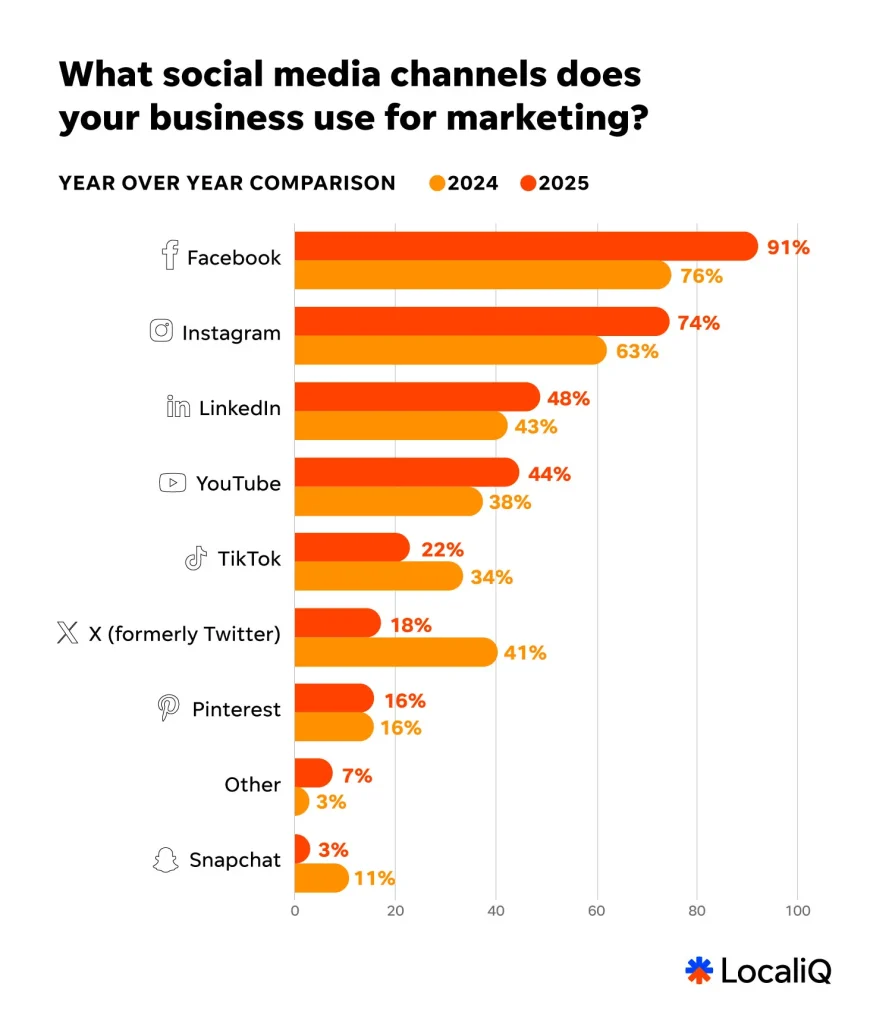
The platform’s appeal extends beyond sheer user numbers. LinkedIn is consistently ranked as one of the most trusted social networks, fostering a sense of credibility and professionalism that translates to advertising effectiveness. Data indicates that LinkedIn is the third most popular platform for small business marketing, with a significant percentage of businesses actively utilizing it. This widespread adoption underscores its perceived value in reaching a targeted professional demographic.
Key Benefits of LinkedIn Advertising
The primary advantage of LinkedIn advertising lies in its unparalleled targeting capabilities. Businesses can segment their audience based on a granular set of professional attributes, including job title, industry, company size, seniority level, skills, and even specific groups they belong to. This precision allows for highly relevant ad delivery, minimizing wasted ad spend and maximizing the likelihood of engaging the right decision-makers.
Furthermore, LinkedIn offers a diverse array of ad formats designed to cater to various marketing objectives. From single image and video ads to more interactive formats like carousel and document ads, advertisers have the tools to create compelling and engaging campaigns. This versatility ensures that businesses can find an ad format that aligns with their creative vision and strategic goals.

For lead generation, LinkedIn advertising is particularly potent. The platform’s professional context means users are often in a mindset conducive to exploring business solutions and career opportunities. This, combined with its robust targeting, leads to a higher quality of leads compared to many other platforms. In over a decade of experience in the advertising space, the author notes that for lead-generating campaigns, LinkedIn often outperforms other channels due to its precise targeting and accurate persona matching.
Strategic Steps to Launching LinkedIn Advertising Campaigns
Successfully navigating LinkedIn advertising requires a systematic approach, encompassing account setup, objective selection, ad format testing, and precise audience definition.
1. Setting Up Your LinkedIn Advertising Account
The foundation of any LinkedIn advertising endeavor is the establishment of a LinkedIn Ads account. This is managed through the LinkedIn Ads manager. Crucially, a LinkedIn Company Page must be created and linked to your advertising account. Once the initial setup is complete, familiarizing yourself with the account structure is paramount.
LinkedIn has undergone organizational updates, and understanding the current grouping of campaigns is essential for efficient management. Campaigns are typically organized into:

- Campaign Groups: A higher-level organizational tool to group related campaigns.
- Campaigns: Individual advertising efforts with specific objectives.
- Ad Sets (formerly Ad Groups): A collection of ads within a campaign that share the same targeting, bidding, and budget.
- Ads: The individual creative units that are displayed to the target audience.
This hierarchical structure allows for clear segmentation and management of advertising efforts, ensuring that campaigns are aligned with broader marketing strategies.
2. Defining Campaign Objectives
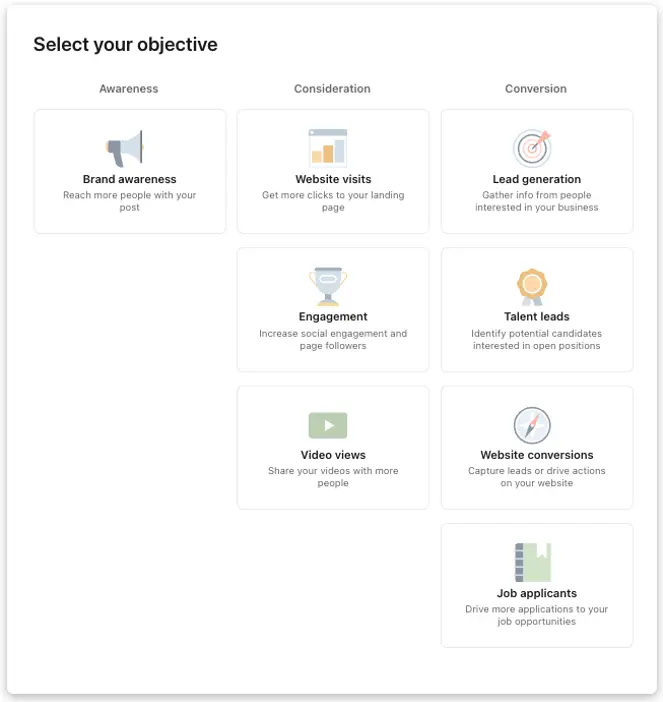
Each campaign objective on LinkedIn is meticulously crafted to achieve distinct marketing goals. Selecting the appropriate objective is critical, as it dictates available ad formats, bidding strategies, and optimization parameters. Common objectives include:
- Brand Awareness: To increase the visibility and recognition of your brand.
- Website Visits: To drive traffic from LinkedIn to your website.
- Engagement: To encourage likes, shares, comments, and other interactions with your content.
- Video Views: To maximize the number of views on your video advertisements.
- Lead Generation: To capture contact information from potential customers.
- Website Conversions: To encourage specific actions on your website, such as purchases or sign-ups.
- Job Applicants: To attract candidates for open positions.
The chosen objective directly influences how the LinkedIn algorithm optimizes ad delivery. For instance, a "Website Visits" campaign will prioritize showing ads to users most likely to click through to a website, while a "Website Conversions" campaign will focus on users most likely to complete a desired action on the site. Misaligning objectives with Key Performance Indicators (KPIs) can lead to underperformance and skewed results. For example, a campaign optimized for website conversions will naturally exhibit a lower Click-Through Rate (CTR) and a higher Cost Per Click (CPC) than an engagement-focused campaign, as the algorithm is being more selective about the audience it targets.
3. Exploring LinkedIn Ad Types and Formats
LinkedIn offers a rich suite of ad formats, each with unique characteristics and placements:
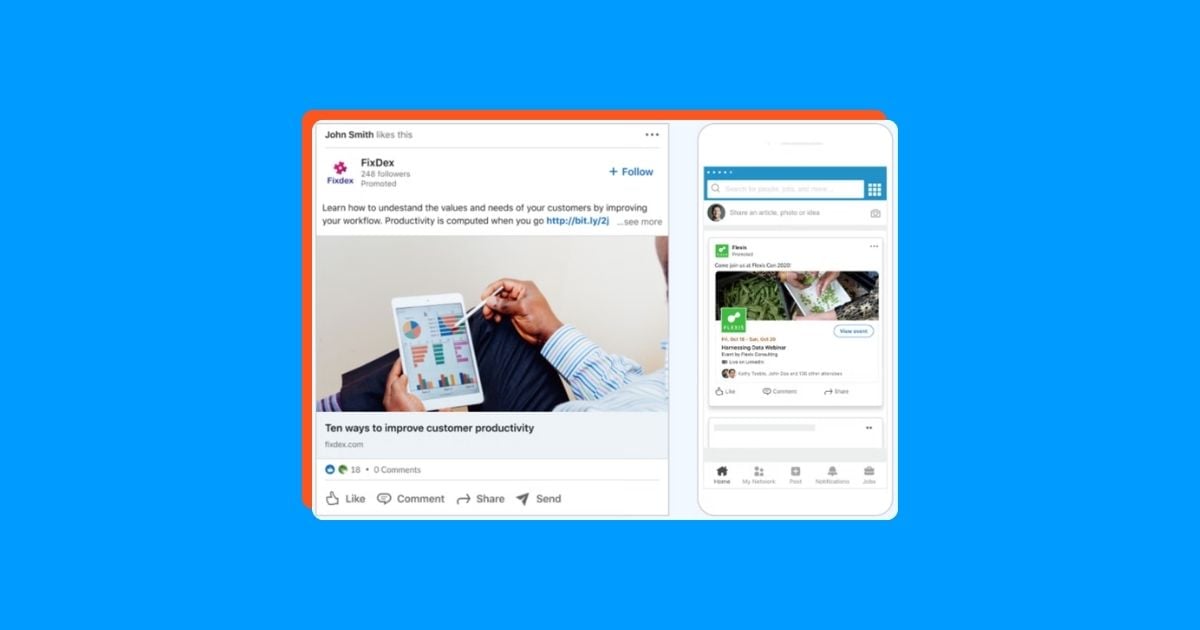
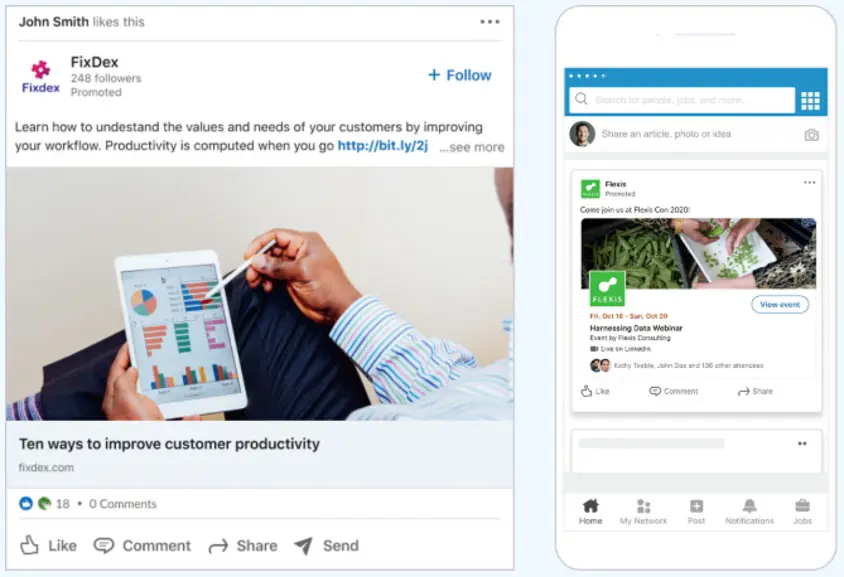
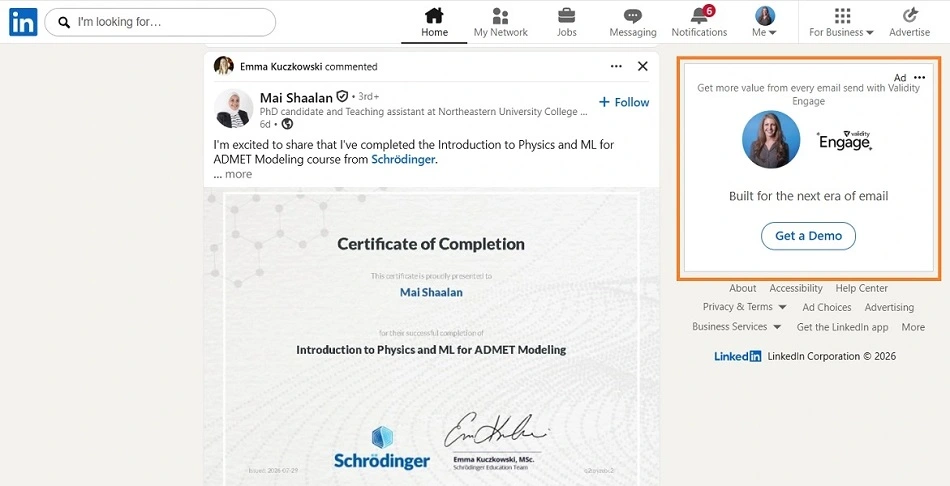
- Single Image Ads: The most common format, featuring a single image, introductory text, headline, and call-to-action. These appear in the user’s newsfeed.
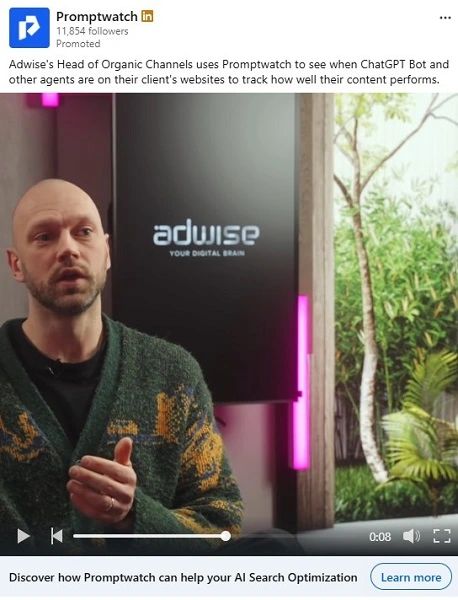
- LinkedIn Video Ads: Similar to single image ads but utilize video content, offering a dynamic and engaging way to tell a brand story or showcase a product.
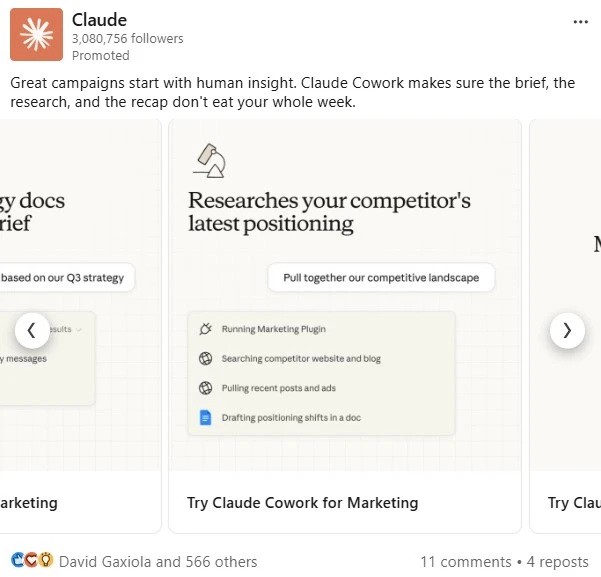
- Carousel Ads: Allow advertisers to showcase multiple images or videos (cards) within a single ad. Users can swipe through these cards, each with its own headline and destination URL, enabling highly customizable storytelling.
- Text Ads: A more traditional, compact ad format consisting of a short headline, description, and a small thumbnail image, typically appearing on the right rail or top banner of the LinkedIn page.
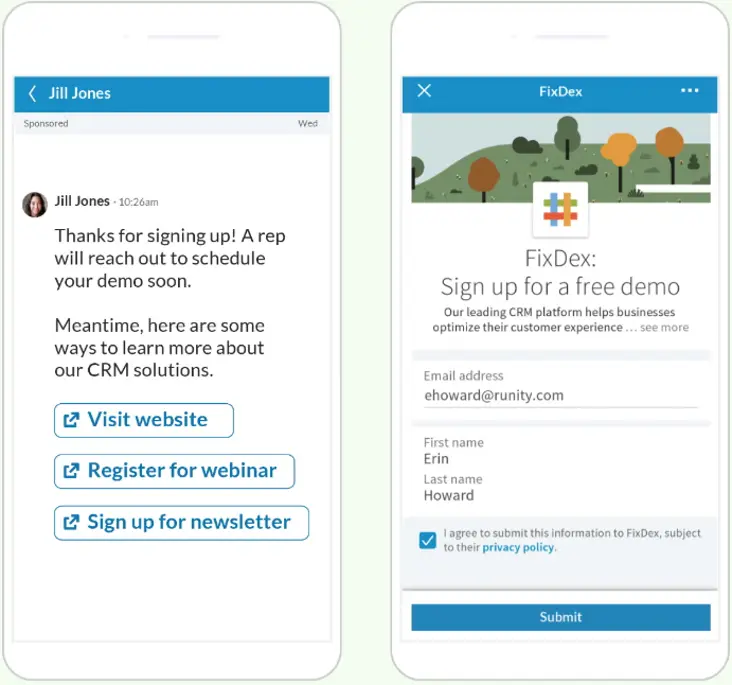
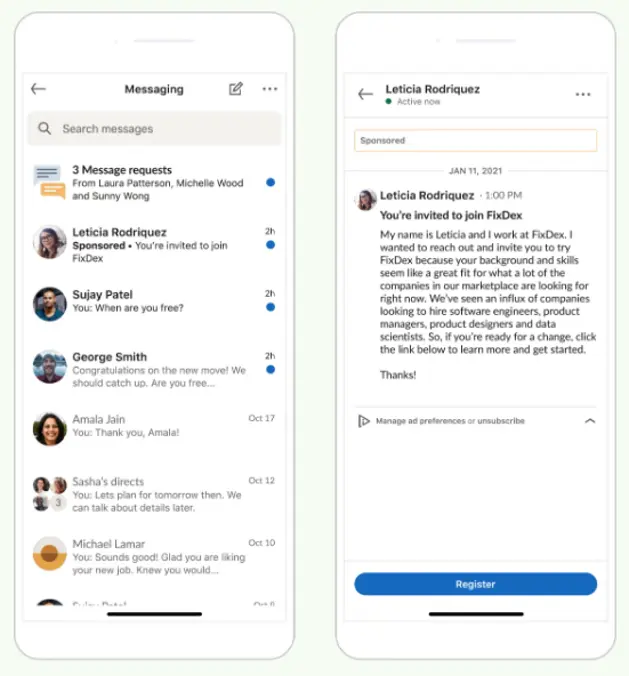
- Message Ads (Sponsored Messaging): Delivered directly to users’ LinkedIn inboxes, these ads mimic personal messages, offering a highly personalized approach but requiring careful crafting to avoid feeling intrusive.
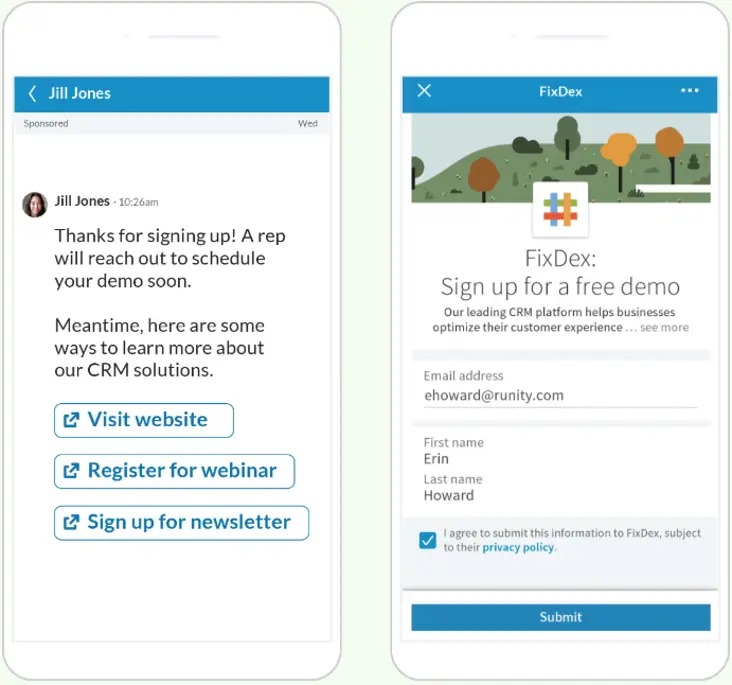
- Conversation Ads: An evolution of Message Ads, these offer a more interactive, chat-like experience with multiple call-to-action buttons, allowing users to guide their own journey.
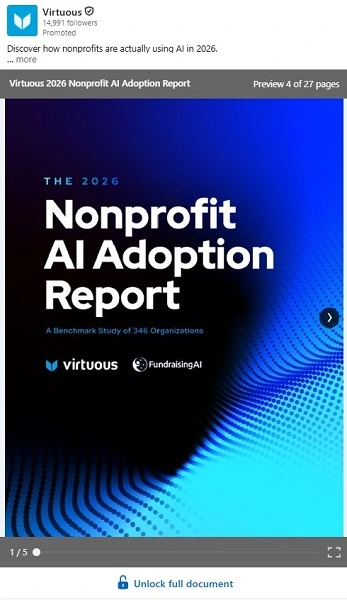
- Document Ads: A newer format that allows users to upload documents, such as PDFs, and tease the initial pages as the ad creative. Users must complete a form to access the full document, making them excellent for lead generation and content promotion.
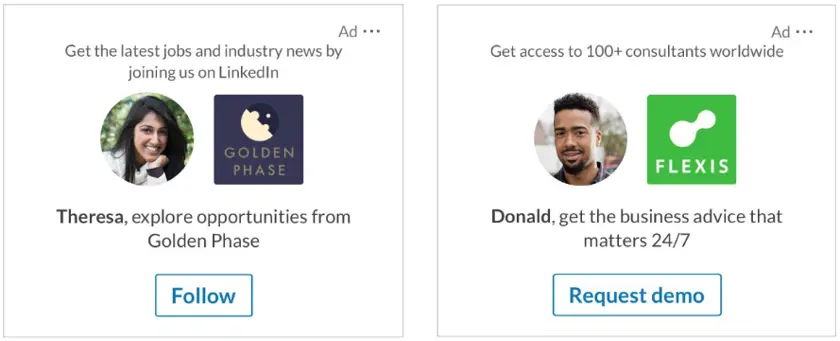
- Dynamic LinkedIn Ads: These ads dynamically personalize creatives using LinkedIn member data. Options include:
- Follower Ads: Encourage users to follow your Company Page.
- Spotlight Ads: Drive traffic to your website or landing page.
- Job Ads: Promote open positions to relevant professionals.
It’s important to note that generally, ad sets are limited to a single ad format. Therefore, testing different formats requires creating separate ad sets, which in turn segments your budget. Strategic allocation is key to ensuring each tested format receives adequate funding.
4. Defining Your Target Audience
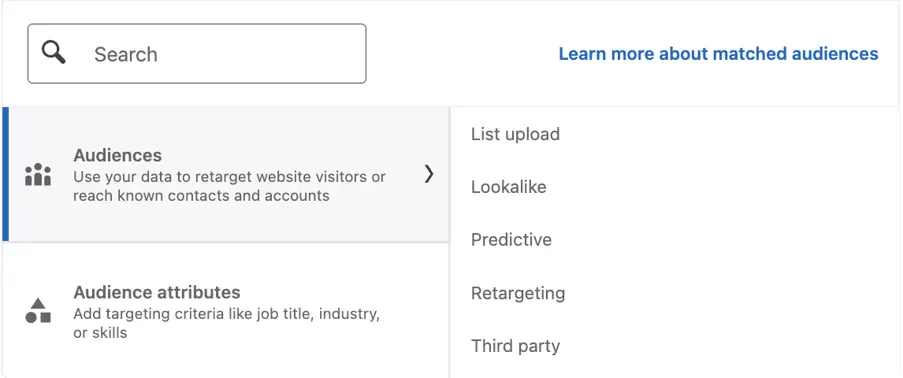
The targeting capabilities of LinkedIn are widely considered its most significant strength. The platform allows for sophisticated audience segmentation, categorized into "Audiences" and "Audience Attributes."
-
Audiences: These are pre-defined groups of users you assemble through various methods:
- List Upload Targeting: Uploading CSV files of companies or individual contacts to target on LinkedIn. This is invaluable for Account-Based Marketing (ABM), upselling, or re-engaging past clients.
- Predictive Audiences: Leveraging LinkedIn’s AI and platform data to build audiences similar to your existing ones or those who have converted. This aids in expanding reach while maintaining audience quality.
- Retargeting: Advertising to users who have previously engaged with your brand. This includes website visitors, users who interacted with video ads, lead gen forms, or event ads.
- Third-Party Audience Lists: Integrating your CRM (e.g., Salesforce, Dynamics 365, HubSpot) to automatically sync audience lists, ensuring they remain current.
-
Audience Attributes: These are targetable characteristics based on LinkedIn’s knowledge of its users from their profiles and behaviors. This encompasses a vast array of options, including:
- Demographics: Age, gender, location.
- Job Function: Department, seniority level, job title.
- Company: Industry, company size, company name.
- Skills: Specific professional skills listed by users.
- Interests: Topics and content users engage with.
- Groups: Professional groups users belong to.
When navigating Audience Attributes, a strategic approach is recommended. Instead of browsing predefined lists, start by typing relevant job titles, skills, or company attributes into the search bar. This can uncover a wealth of targeting possibilities and spark new campaign ideas.
Understanding LinkedIn Advertising Costs
The cost of LinkedIn advertising can vary significantly based on industry, chosen ad formats, campaign objectives, and audience targeting. Bidding models typically include:
- Cost Per Impression (CPM): You pay for every 1,000 times your ad is displayed.
- Cost Per Click (CPC): You pay each time a user clicks on your ad.
- Cost Per Engagement (CPE): You pay for each interaction with your ad, such as likes, comments, or shares.
- Cost Per Lead (CPL): You pay for each lead generated through your ad.
Average costs can range from $1 to $5 for CPC, and CPMs can vary widely from $5 to $20 or more. However, these are general estimates, and actual costs are highly dependent on market dynamics and campaign specifics.
Key LinkedIn Advertising Tips and Best Practices
To maximize the return on investment (ROI) from LinkedIn advertising, consider the following best practices:
1. Optimize Audience Size
For most campaigns, a target audience size between 20,000 and 80,000 users tends to perform well. While larger or smaller audiences can be effective, extremely broad audiences risk rapid budget depletion with little return, while very narrow audiences might limit reach and impression volume.
2. Avoid Audience Expansion and the LinkedIn Audience Network
These features, designed to broaden reach, can often dilute campaign focus and lead to inefficient spending. It is generally advisable to uncheck these options to maintain tighter control over who sees your ads.
3. Prioritize Manual Bidding
The "Maximum Delivery" bid strategy can lead to rapid budget expenditure without guaranteed results. Opting for manual bidding allows for precise control over your bids. Start with a very low bid and gradually increase it as you observe positive campaign performance and traction. Monitor suggested bids from LinkedIn but adjust based on your campaign’s actual performance and budget.
4. Leverage Campaign Objectives Strategically
As previously emphasized, the choice of campaign objective profoundly impacts outcomes. Ensure your objective aligns perfectly with your KPIs to drive desired results, whether it’s website traffic, lead generation, or brand awareness.
5. Create Multiple Ad Variants
Implementing an "always be testing" mentality is crucial. Develop 3-6 different ad variants for each ad set. This allows for A/B testing of creative elements, headlines, and calls-to-action, leading to better overall campaign performance.
6. Focus on Up-Funnel Calls-to-Action
Asking for a bottom-of-funnel action (like a direct purchase) in a first-touch campaign on LinkedIn can yield poor conversion rates. Instead, focus on engaging content and up-funnel calls-to-action that build interest and familiarity. Then, retarget these engaged users with more direct, lower-funnel offers.
Conclusion: Unlocking LinkedIn’s Professional Potential
LinkedIn advertising offers a unique and powerful avenue for businesses to connect with a highly targeted professional audience. By understanding its distinct platform characteristics, employing a strategic approach to campaign setup, and adhering to best practices, businesses can overcome common pitfalls and achieve significant success. From meticulously defining campaign objectives to precisely targeting the right audience segments and continuously testing ad creatives, a thoughtful and data-driven strategy is the key to unlocking the full potential of LinkedIn advertising for a high-ROI outcome.