Tuesday, August 18th, 2026 – 10:56 am
Doug Lauretano, a seasoned veteran of the digital advertising landscape, has launched Tuple, a new Demand-Side Platform (DSP) aimed at addressing a pervasive "trust gap" within the programmatic ecosystem. Lauretano, whose career began in the early 2000s with prominent publishers like Fortune, The Wall Street Journal, and CNN Money, and who later spent a decade at supply-side programmatic giants OpenX and Media.net, identified significant systemic issues during his tenure at data and advertising company CivicScience. It was while developing a deal ID and curation product at CivicScience in 2021 that Lauretano gained an intimate understanding of the inner workings of DSPs, an experience he described as "pretty ugly." This firsthand observation of inefficiencies and a lack of transparency has directly fueled the creation of Tuple, which officially went live in March of this year. The nascent DSP has already secured eight customers, including a major enterprise mobile brand that, speaking anonymously to AdExchanger, cited a desire for a more transparent and controlled programmatic buying environment as their primary motivation for choosing a startup over established players.
The Programmatic Trust Deficit: A Landscape Ripe for Disruption
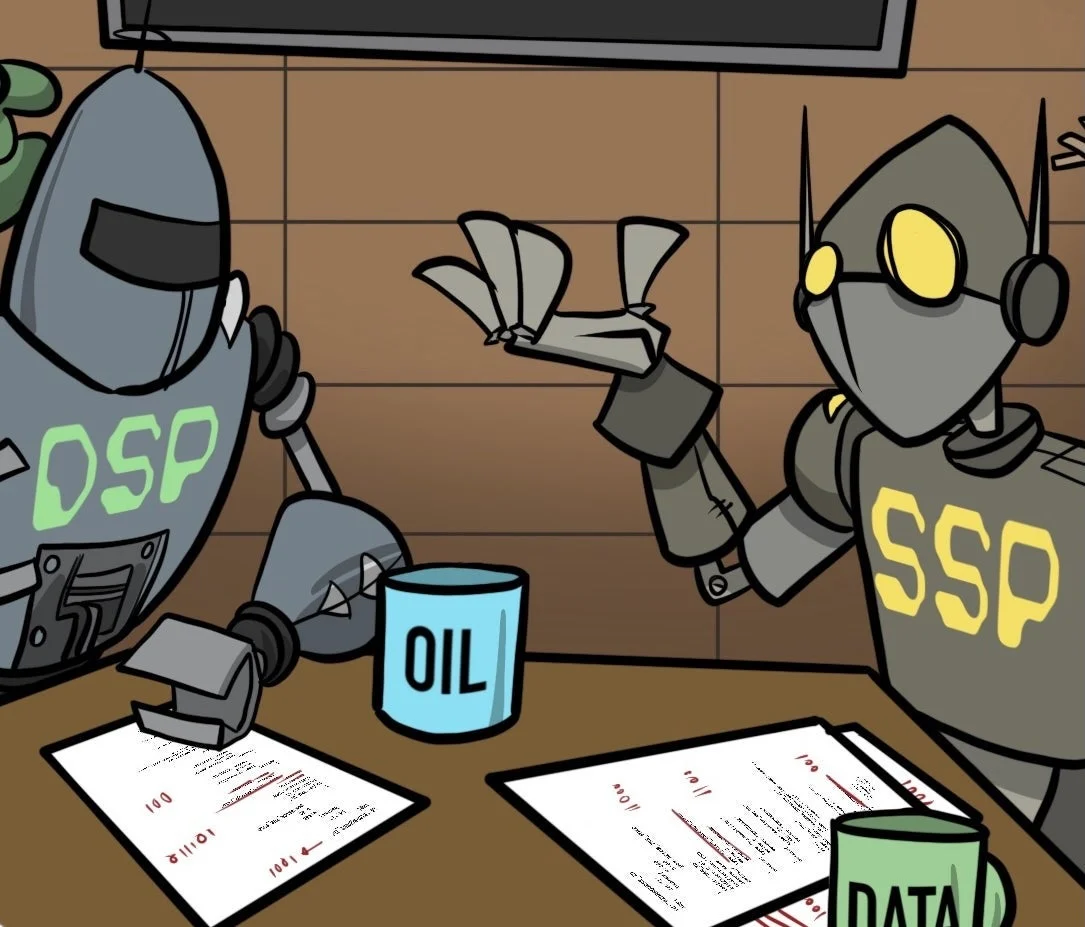
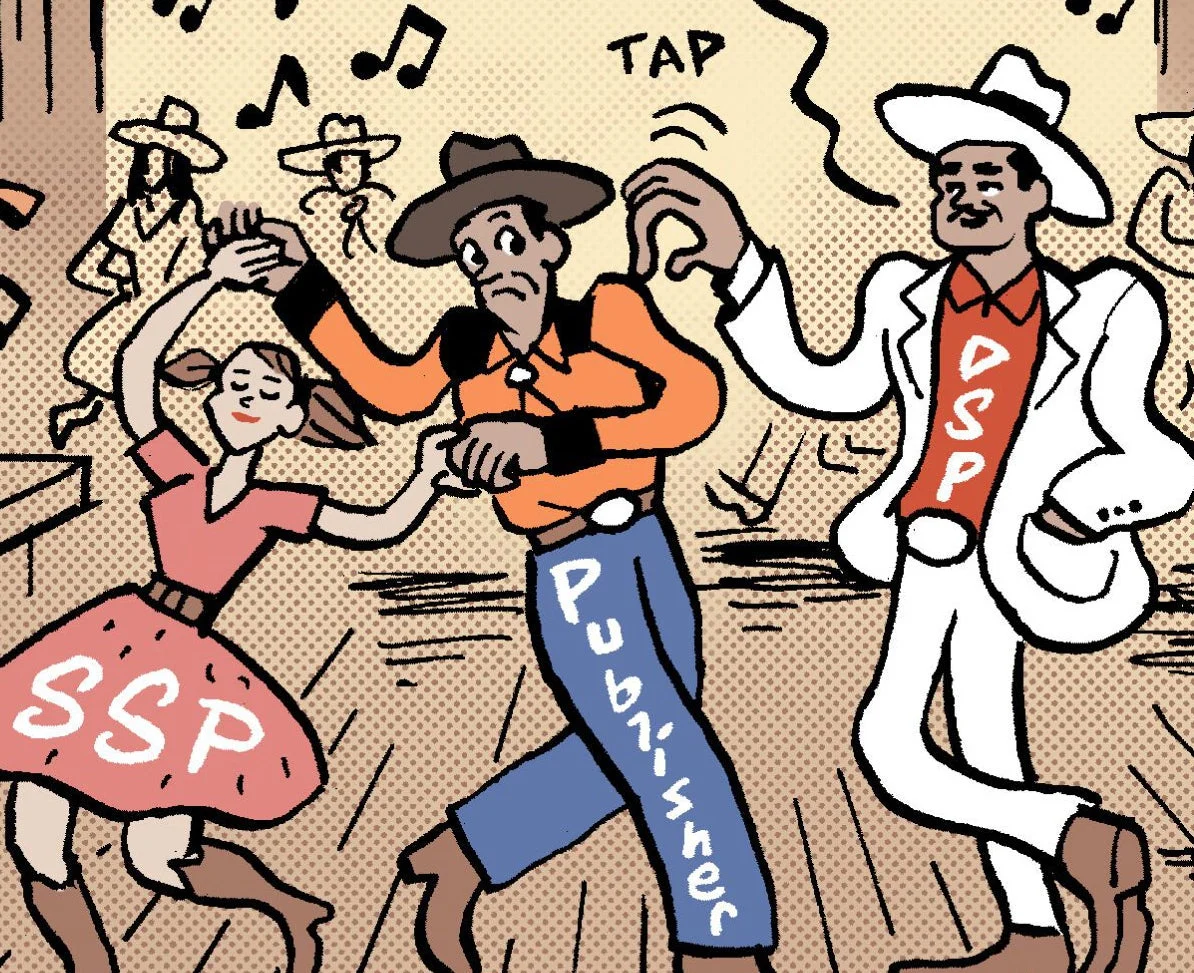
Tuple enters a programmatic advertising market characterized by increasing tension and a palpable animosity between the buy-side (DSPs) and sell-side (SSPs). Lauretano articulates this dynamic as a continuous effort by each side to "trick the other." This adversarial relationship is exacerbated by evolving industry jargon and practices. For instance, The Trade Desk, a major DSP, has shifted its terminology to refer to SSPs as "resellers," a move widely perceived by publishers as an attempt to devalue their role in the supply chain. Conversely, SSPs are accused of employing tactics such as "ID bridging" to illicitly inflate bids and circumvent frequency capping rules, further eroding confidence.
Beyond the interpersonal friction, the programmatic landscape is undergoing significant technical upheaval. The rise of Artificial Intelligence (AI) and cloud-based ad tech infrastructure, often referred to as "containerization," is fundamentally altering how programmatic transactions occur. Increasingly, DSPs, custom algorithm providers, and even media buyers themselves are embedding their algorithms directly within SSPs, bypassing the traditional DSP account seat. This shift allows buyers to access impressions directly from the SSP without the usual query-per-second (QPS) limitations imposed by DSP-SSP integrations, which are primarily designed for cost management at a global scale.
Lauretano argues that this technical evolution is intrinsically linked to the trust deficit. The buy-side has historically been beholden to opaque "throttling" and "curation" mechanisms employed by SSPs. Advertisers, through their DSPs, often only see a fraction of the total impressions available from an SSP, as the latter rations access to manage system load and costs. However, containerized bidding models bypass these traditional gatekeepers, granting buyers a more direct and unfiltered view of available inventory. Lauretano emphasizes that establishing trust between buyers and SSPs is "almost as important" as the technological advancements themselves, suggesting that transparency and a clear understanding of inventory are paramount for effective programmatic buying.
Tuple’s Differentiated Model: A Focus on Curated Supply and Transparency
Tuple’s core value proposition lies in its deliberate departure from the "willy-nilly" integration model prevalent among legacy DSPs. The prevailing industry practice sees DSPs like The Trade Desk, Beeswax, and Viant integrating with hundreds of SSPs, creating a complex and often fragmented bidding environment. Tuple, in contrast, is initially integrated with a single SSP: Media.net. This strategic choice stems from Lauretano’s prior experience and established trust with the Media.net team, particularly regarding their deal ID setups.
While Tuple plans to expand its SSP integrations to a maximum of five in the short term, Lauretano envisions an ideal scenario of working with just three SSPs. This limited integration strategy is designed to provide Tuple with comprehensive visibility into nearly all programmatically available impressions. Lauretano contends that a select few SSPs can indeed represent the vast majority of exclusive programmatic inventory, rendering the need for hundreds of integrations redundant and potentially detrimental. The goal is to avoid bidding on duplicated inventory across multiple SSPs, a common issue that inflates bid volume without necessarily increasing valuable reach.
Furthermore, Tuple aims to tackle the opacity of AI-driven optimization within DSPs. Many DSPs currently offer "walled-garden-esque" AI features that function as black boxes. Advertisers input desired outcomes and bid parameters, and the platform autonomously manages optimization. Lauretano argues that this approach sacrifices a key benefit of walled gardens: providing advertisers with sophisticated systems to dissect campaign performance and understand how various SSPs are responding to their bids.
"A platform with as little noise as possible has the best chance of being the best performer," Lauretano stated. He highlights that AI-based optimization, while promising efficiency, often leads to a loss of transparency. Even within third-party DSPs, advertisers may not realize their campaigns are being optimized for conversions in a specific region (e.g., California) when their strategic objective is to expand into other markets. Similarly, AI might prioritize cheaper display ads over higher-quality inventory that aligns better with advertiser expectations. Lauretano posits that when DSPs obscure this critical performance data and advertiser preferences, they commit "the original sin" of legacy technology, creating the very market need that startups like Tuple aim to fill.
Addressing the Nuances of Containerization and Deal ID Integrity
The shift towards containerized ad tech infrastructure presents both opportunities and challenges. While it promises greater efficiency and direct access to inventory, it also amplifies the need for robust deal ID management and transparency. Deal IDs are crucial for facilitating private marketplace (PMP) deals, allowing buyers to access specific inventory from publishers at pre-negotiated prices and terms. However, in a fragmented programmatic landscape, the integrity of these deal IDs can be compromised.
Lauretano’s experience at CivicScience underscored the complexities involved in ensuring that deal IDs are accurately represented and honored across different platforms. When DSPs and SSPs are not closely aligned or when multiple intermediaries are involved, there’s a risk of misinterpretation or manipulation of deal ID parameters. This can lead to discrepancies in pricing, targeting, and ultimately, campaign performance. Tuple’s strategic choice to integrate with a limited number of trusted SSPs, starting with Media.net, is a direct response to this challenge. By fostering deeper relationships and ensuring alignment with its chosen SSP partners, Tuple aims to guarantee the integrity of deal IDs and provide advertisers with a more predictable and reliable buying experience.
Industry Reactions and Broader Implications
The launch of Tuple and Lauretano’s critique of the programmatic ecosystem have resonated with industry observers. While direct comments from major incumbent DSPs were not immediately available, the underlying issues Lauretano raises are widely discussed within the ad tech community. The increasing sophistication of SSPs, coupled with the desire of buyers for greater control and transparency, suggests a growing demand for platforms that can bridge the perceived divides.
The implications of Tuple’s approach are significant. If successful, it could force a broader industry reckoning regarding transparency, data integrity, and the value proposition of various intermediaries in the programmatic supply chain. The emphasis on a curated, rather than expansive, network of SSP integrations challenges the traditional growth-at-all-costs model. It suggests that quality and visibility might be more valuable than sheer breadth of access.
Furthermore, Tuple’s focus on simplifying AI-driven optimization by providing greater visibility into underlying data could empower advertisers to make more informed decisions. Instead of relying on opaque algorithms, advertisers could potentially leverage Tuple’s platform to understand the drivers of their campaign performance and adjust strategies accordingly. This shift could lead to more efficient media spend and a greater return on investment for brands.
The success of Tuple will likely depend on its ability to scale its curated approach without compromising its core principles. As the industry continues to grapple with privacy regulations, evolving consumer behavior, and technological advancements, the demand for transparent and trustworthy programmatic solutions is only set to grow. Doug Lauretano’s Tuple appears poised to be a significant contender in this evolving landscape, aiming to rebuild trust, one curated impression at a time. The long-term impact of this initiative could well redefine the operational paradigms of DSPs and foster a more collaborative and accountable programmatic advertising future.