Crafting public relations campaigns that not only capture attention but also deliver measurable results is a perennial challenge for PR professionals. The quest for innovative, impactful ideas often battles against tight deadlines and the inherent risk of championing an unproven concept. However, a systematic, research-backed approach can significantly elevate the probability of a campaign’s triumph, transforming creative intuition into strategic foresight. This article delves into a robust, two-step methodology, heavily reliant on content analysis and strategic format selection, to consistently generate successful PR initiatives.
The Evolving Landscape of PR Idea Generation
In an increasingly saturated media environment, the days of purely speculative brainstorming sessions yielding guaranteed success are largely over. Modern PR demands a deeper understanding of audience sentiment, media trends, and competitive landscapes. The initial hurdle lies not just in conceiving a novel idea, but in validating its potential resonance with target audiences and its attractiveness to journalists. This validation process, historically reliant on intuition and experience, is now being revolutionized by analytical tools that provide objective data on content performance and emotional triggers. The ability to forecast engagement, rather than merely hope for it, marks a significant paradigm shift in the industry.
Phase One: Unearthing Resonant Themes and Emotional Undercurrents
The bedrock of any successful PR campaign is an intimate understanding of what truly captivates an audience and drives media discourse. This foundational phase involves a rigorous exploration of content themes and the emotional responses they elicit, aiming to identify topics that consistently generate high levels of engagement and media coverage. Success, in this context, is primarily defined by securing valuable media coverage and backlinks, with social engagement serving as a crucial secondary performance indicator.
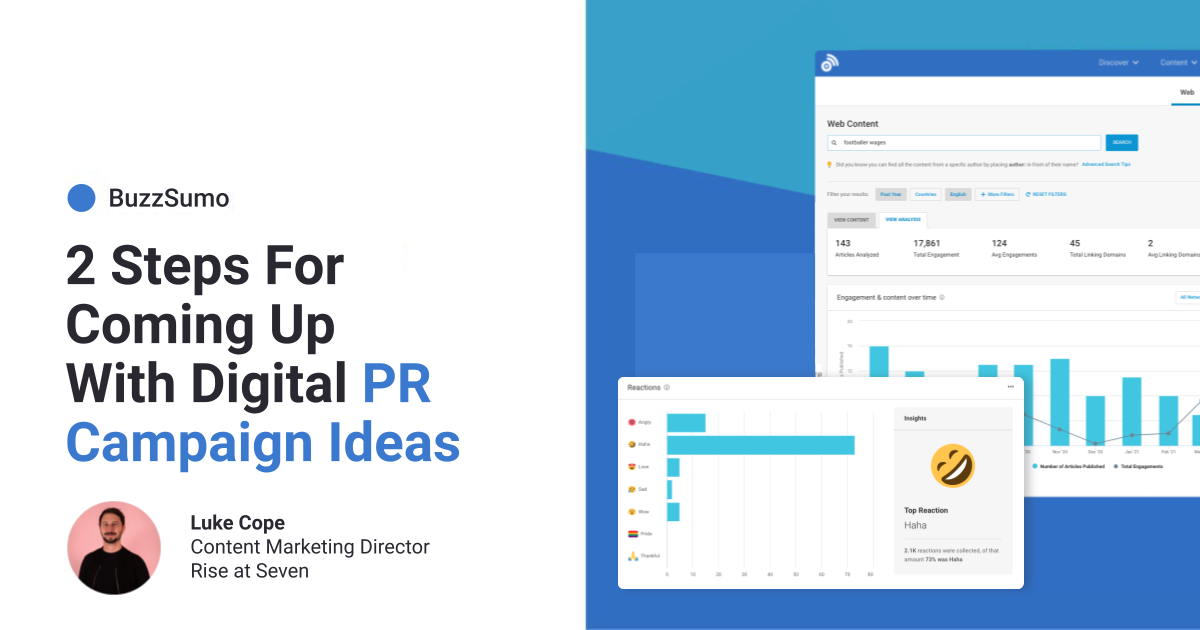
The initial step does not demand an immediate, fully formed campaign concept. Instead, it encourages an exploratory dive into data, leveraging sophisticated content analysis tools such as BuzzSumo’s Content Analysis Report. The process begins by inputting core product or brand terms and then progressively branching out to related, broader topics. For instance, a brand specializing in "Honeymoon Packages" might initially research "Honeymoons" but then expand to "Weddings," "Engagement Rings," "Travel Planning," or even broader "Relationship Milestones." This expansive research continues until the themes become too tangential to the core offering, ensuring a comprehensive yet relevant exploration of the content ecosystem.
The objective is to discern:
- Consistently Discussed Themes: Which topics are regularly featured across various media outlets? This indicates sustained journalistic interest and public relevance.
- Consistently Shared and Linked Content: Which articles, studies, or discussions within these themes garner significant social shares, comments, and backlinks from reputable sources? These metrics are powerful indicators of audience interest and content virality.
This data-driven reconnaissance provides an invaluable roadmap, highlighting areas of high potential. It helps PR professionals move beyond anecdotal evidence, grounding their creative endeavors in verifiable trends. By analyzing the volume of articles published over time, PR teams can identify burgeoning opportunities or evergreen topics that maintain consistent interest. Further analysis into engagement trends reveals not just what is being talked about, but how it resonates with audiences, informing the emotional angle of future campaigns.
Case Study 1: The "World Without Light Pollution" Campaign
Consider the genesis of a campaign focused on visualizing "what the most light-polluted cities in the world would look like without light pollution." The client, a purveyor of "Star Maps," recognized that their core product theme alone might not generate sufficient campaign traction.
- Initial Theme: Star Maps (Limited scope).
- Branching Themes:
- Supermoons: High social engagement, periodic natural events allowing for reactive PR.
- Night Sky: Consistently high social engagement, evoking wonder and awe.
- Light Pollution: Significant social engagement, a pressing environmental and societal issue, offering broad scope for creative ideas.
The research revealed "light pollution" as a theme experiencing a significant surge in public and media interest. This was contextualized by several concurrent global events: the launch of SpaceX satellites raising concerns about increased orbital light pollution, and the broader global conversation around environmental impact and pollution reduction spurred by the COVID-19 pandemic. This confluence of factors underscored the timely relevance and potent emotional appeal of the topic.
Analysis of public reactions to existing articles on light pollution indicated two primary emotional responses: profound sadness at the loss of natural night skies and a deep sense of "wow" or wonder at the potential beauty of a clear, star-filled sky. This dual emotional spectrum provided clear direction for the campaign’s messaging and visual strategy, aiming to evoke both concern and aspiration.
Case Study 2: The "Footballer Car Cost Calculator" Campaign
Another example illustrates the power of tapping into strong emotions. A campaign for a "Private Number Plates" client found limited direct traction within its core product area, despite some humorous content around number plates. The strategy shifted to exploring aspirational lifestyle themes:
- Initial Theme: Private Number Plates (Some content, but not enough for a major campaign).
- Branching Themes:
- Celebrity Cars: Abundant articles, indicating public fascination.
- Footballers’ Cars: A particularly prolific topic with a high volume of articles and, crucially, intense reader reactions in the comments sections.
A deeper dive into the comments on articles about footballers’ opulent car collections revealed a powerful emotional undercurrent: a mix of indignation, envy, and competitiveness. Readers were not merely observing; they were implicitly comparing their own financial realities to the extravagant displays of wealth. This insight sparked the idea for a "literal comparison" tool: a calculator allowing users to determine how long it would take an average person to afford a footballer’s car based on their own wages. This campaign successfully harnessed a potent blend of frustration and aspirational fantasy, driving significant engagement.
Successfully navigating this initial phase, armed with an idea rooted in popular themes and designed to tap into one or two strong emotions, lays a formidable foundation for a winning campaign. This systematic pre-computation of public interest and emotional resonance significantly de-risks the creative process.
Phase Two: Optimizing Format and Enriching Depth
An excellent idea, however well-researched, can fall flat without the right presentation and sufficient depth. The second crucial phase involves selecting the most effective format for the campaign and enriching it with multiple layers of information and angles. The format must align with the emotional and thematic goals, while depth ensures broad appeal and sustained media interest.
The Power of Format Choice:
The chosen format dictates how the audience experiences the campaign. A text-heavy blog post would have severely undermined the "wow factor" intended for the light pollution campaign. Instead, a highly visual, interactive format was critical. The use of a simple slider code, allowing users to toggle between "before" (light-polluted city) and "after" (city without light pollution) views, transformed static images into an engaging, participatory experience. This interactivity was key to conveying the profound impact of light pollution and the mesmerizing beauty of a clear night sky.
Adding Layers of Depth and Multiple Angles:
Beyond the core concept and format, adding depth is paramount. A single strong angle can initiate interest, but multiple, well-supported angles ensure broader media pickup and longer shelf-life.
-
The Light Pollution Campaign: While the primary visual comparison was compelling, the campaign added statistical depth. Highlighting that 85% of Americans had never seen the Milky Way provided a relatable human context. Further, integrating data from the Bortle scale (which measures sky darkness) to show the contrast between highly polluted cities (Bortle 10) and their pristine counterparts (Bortle 1) added scientific credibility and a tangible benchmark. Expanding the scope globally, rather than limiting it to the USA, recognized light pollution as a universal issue, appealing to a wider international audience and media.
-
The "Touch the Germs" Campaign: This campaign exemplified how going beyond a simple graphic or data list can make an idea truly special. By integrating an interactive "microscope function," users could virtually explore and magnify germ visualizations. This innovative format made the abstract concept of unseen microbes tangible and engaging. The depth and interactivity were so compelling that it not only garnered high volumes of links but also elicited an official response from the Mayor of London, who commented on the issue. This demonstrates how a thoughtfully designed, deeply interactive format can elevate a campaign to new levels of public and governmental discourse.
-
The "Space Junk" Campaign (A Missed Opportunity): Even strong visual concepts can benefit from more depth. A campaign visualizing "who owns all the space junk," while well-executed visually, could have been further enriched. Imagine adding layers detailing the types of space junk, comparing historical accumulation from the 1960s to the present, or projecting future scenarios in 10, 50, or 100 years. Such additions would provide numerous extra angles for journalists, transforming a strong infographic into a comprehensive, thought-provoking digital asset. This highlights that even with a pertinent theme, overlooking opportunities for additional data, historical context, or future projections can limit a campaign’s ultimate reach and impact.
-
The "iPods Visualized as Vinyl" Campaign: This example from Mark Johnstone illustrates that "complex" does not always equate to "best." The simplicity and elegance of visualizing iconic iPods as vinyl records resonated deeply with audiences, tapping into nostalgia and the enduring appeal of physical media. This campaign’s strength lay in its clean, evocative visual concept, proving that sometimes, less is more, provided the core idea is potent and the execution impeccable.
-
The Footballer Car Calculator (Depth in Data): The calculator campaign, beyond its core comparative function, offered numerous data-driven angles. These included comparisons of weekly wages versus car costs, the number of years an average person would need to save for a specific footballer’s vehicle, or even regional breakdowns of affordability. These diverse angles provided rich content for various media outlets, from financial news to lifestyle blogs, ensuring broad media appeal.
The synergy between a well-chosen format and rich, multi-faceted depth is critical. It transforms a good idea into a great one, providing journalists with ample material for diverse narratives and ensuring that the campaign’s message is conveyed effectively and memorably.
Broader Implications of a Research-Driven PR Strategy
Embracing this two-step, research-driven framework offers profound strategic advantages beyond individual campaign success.
Enhanced Outreach and Media Relations: The initial research phase yields an invaluable asset: a pre-qualified list of journalists and media outlets. By identifying who has consistently covered the chosen themes and topics in the past, PR professionals can create highly targeted seeding lists. Tools like BuzzSumo allow for easy export of journalist profiles, ensuring pitches are directed to those most likely to be interested. This data-informed targeting significantly increases pitch relevance, reducing wasted efforts and fostering stronger, more productive relationships with journalists. Understanding journalistic preferences and past coverage is paramount for crafting compelling PR pitches that stand out in crowded inboxes.
Objective Stakeholder Buy-in: One of the most common hurdles in PR is securing internal or client approval for creative concepts. Ideas, by their nature, can be subjective. However, presenting a campaign idea backed by robust data on popular themes, engagement trends, and emotional resonance removes much of this subjectivity. Demonstrating that an idea is rooted in empirical evidence of what audiences and media are already responding to provides a compelling case for investment, making the approval process smoother and more confident. Content analysis reports, which can quickly illustrate engagement and emotional sentiment across various themes and publishers, serve as powerful validation tools.
Predictable Success and ROI: Ultimately, this systematic approach transforms PR from an art of hopeful creation into a science of predictable impact. By understanding the underlying mechanics of content resonance and audience engagement, PR professionals can design campaigns with a significantly higher likelihood of achieving their objectives—whether that’s securing backlinks, driving brand awareness, or influencing public opinion. This predictability leads to a better return on investment for clients and stronger, more sustainable agency-client relationships.
Key Takeaways for Modern PR Professionals:
- Prioritize Data-Driven Exploration: Invest time in exploring engagement trends and the consistency of content production around potential themes to inform PR campaign ideas.
- Emotional Resonance is Key: Design campaigns to tap into at least one powerful emotion, as this significantly amplifies audience connection and shareability.
- Format is Fundamental: Match the campaign idea with the optimal format, understanding that this will vary drastically depending on the objective and emotional tone.
- Leverage Contrast for Impact: Create compelling narratives by comparing contrasting realities, such as ordinary wages versus celebrity wealth, or urban light pollution versus the wonder of a pristine night sky.
- Cultivate Depth and Angles: Ensure campaigns are rich with multiple layers of information and diverse angles to provide numerous hooks for media outreach and sustained interest.
In an era where information overload is the norm, the ability to cut through the noise with strategically crafted, data-validated campaigns is invaluable. By meticulously researching themes, understanding emotional triggers, and then presenting these insights through impactful formats with sufficient depth, PR professionals can consistently deliver campaigns that not only succeed but also leave a lasting impression.