

The digital landscape is undergoing a seismic shift as artificial intelligence platforms increasingly access and process vast amounts of online content. While it’s widely acknowledged that AI bots are actively scraping websites to fuel chatbots and AI-powered search engines, a recent in-depth analysis has revealed the sheer scale of this activity and the disproportionately low return in terms of website traffic. This comprehensive study, conducted by a team utilizing specialized AI analytics tools, sought to answer critical questions: how frequently are AI platforms accessing websites, which pages are they prioritizing, and are these extensive data harvests translating into tangible user engagement? The findings paint a complex picture, highlighting both the voracious appetite of AI for information and the significant imbalance between content consumption and referral traffic.
The Unveiling of AI’s Digital Footprint
For months, the research team has been meticulously tracking AI bot activity across their digital properties. The primary objective was to gain an unprecedented understanding of the "behind-the-scenes" operations of these automated entities. The initial results were both eye-opening and, in some respects, concerning. While the data confirmed that AI platforms are accessing web content at an astonishing rate, the subsequent referral of actual human visitors back to these sites was found to be remarkably sparse. This stark contrast between the volume of data ingestion and the scarcity of resulting traffic forms the crux of the emerging debate surrounding AI’s impact on content creators and publishers.
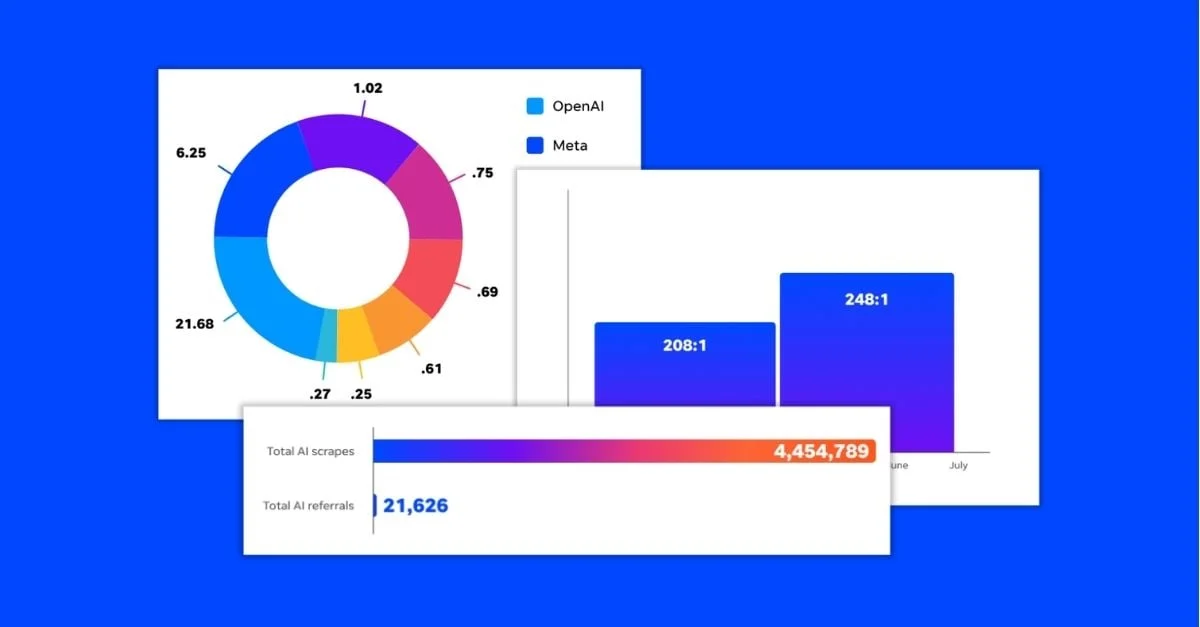
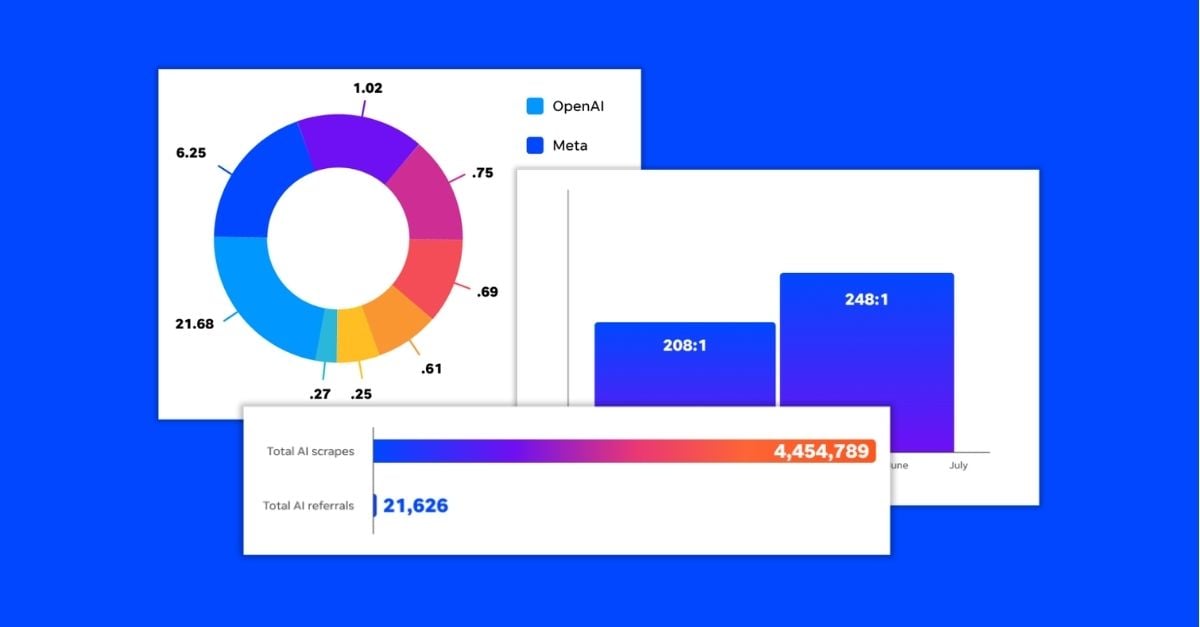
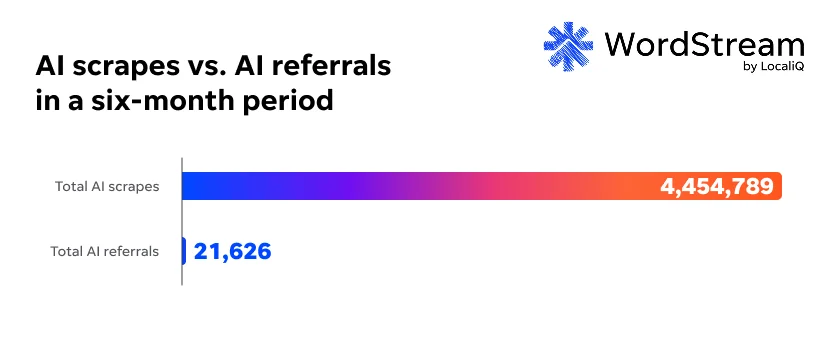
The study’s headline finding is that in a six-month period, AI bots scraped the analyzed websites over 4.45 million times. However, the direct traffic generated from these interactions was a mere fraction, resulting in a scrape-to-referral ratio of a staggering 201:1. This means that for every 201 instances of AI bots accessing a page, only one actual human visitor was referred back to the site. This imbalance underscores a growing concern: AI platforms are effectively consuming content for training and summary purposes without providing a commensurate benefit to the original creators in terms of audience engagement.
The Resource Drain: AI’s Impact on Hosting and Bandwidth
Beyond the immediate concern of low referral traffic, the sheer volume of AI bot activity poses a tangible operational challenge for website owners. Bots are now estimated to constitute over half of all internet traffic. This persistent crawling and data extraction by AI bots can significantly increase hosting bandwidth consumption. For businesses reliant on shared hosting or with metered bandwidth plans, this can translate into unexpected and escalating costs. The constant, high-frequency requests from AI crawlers can strain server resources, potentially impacting the performance and accessibility of the website for human users.
Furthermore, the increasing sophistication and diversification of AI bots are making it more challenging to accurately classify and manage web traffic. As Justin Al-Qudah, director of web strategy and growth for LocaliQ, noted, "It used to be easier to classify the bots visiting our sites and to know if they were malicious, or search crawlers, or RAG bots. We’ve seen a massive increase in the number of bots hitting our sites, and with that increase, the majority have an unknown classification. This means more time reading up on the purpose of the bots and determining whether we block their crawls." This ambiguity complicates efforts to identify and mitigate potential issues arising from bot activity, adding another layer of operational burden.
Content Preferences: Data-Rich Pages Reign Supreme
A key revelation from the study is the specific type of content that AI bots appear to prioritize. The most frequently scraped pages were overwhelmingly those rich in data, statistics, and in-depth analysis. This includes industry benchmarks for platforms like Google Ads and Facebook Ads, analyses of average cost per click, and data on optimal social media posting times. These are precisely the types of pages that require significant resources to create, often involving extensive data collection, expert consultation, and sophisticated data visualization.
The irony is that these high-value, resource-intensive pages are often the ones generating the least amount of direct traffic from AI scrapes. This suggests a pattern where AI platforms are adept at extracting valuable, curated data for their own output, but less inclined to direct users back to the original source for further exploration or validation. One peculiar outlier in the data was a page comparing ChatGPT free versus paid versions, which, despite not being a high-traffic page for humans, was a top target for AI scraping. This could indicate a meta-interest from AI in content that discusses or analyzes AI itself, a phenomenon that warrants further investigation.
The findings strongly corroborate existing industry advice, particularly from SEO experts, emphasizing the importance of first-party data for AI search sourcing. The study validates that AI models are actively seeking out and processing this type of original, proprietary data.
Divergent Interests: AI Bots vs. Human Users
A significant observation from the analysis is the divergence in content consumption habits between AI bots and human users. While there is some overlap—for instance, advertising benchmarks are popular with both—the differences are substantial and reveal distinct user motivations.
Human visitors are typically seeking actionable insights, tools, and data to inform their own strategies. This is reflected in the high traffic to free tools, such as keyword research and ad performance graders, as well as evergreen content offering ideas and guidance. These resources are often interactive and provide immediate utility, which AI search results struggle to replicate. As previously discussed in industry blogs, free tools can act as an "AI-search buster" because their core functionality is difficult for AI to summarize or replicate within a search result.
AI bots, on the other hand, appear driven by the need to acquire raw data and research that can be assimilated into their knowledge base. Their interest lies in the information itself, rather than necessarily in engaging with the user experience or additional resources offered by the website. This fundamental difference in objective shapes their browsing behavior and the types of pages they target.
The "Plagiarism" Factor: Pages Prone to Low Referral Ratios
Delving deeper into the scrape-to-referral ratio reveals a concerning trend: certain types of content are far more susceptible to being "plagiarized" by AI without attribution or referral. Pages with the lowest scrape-to-referral ratios—meaning a high number of scrapes for each referral—are again dominated by data-centric content and in-depth learning resources.
This suggests that when AI encounters comprehensive data sets or detailed explanations, it is more likely to extract the core information and present it directly within its own results, often without directing users back to the original source. For example, a simple query about social media image sizes might result in an AI platform directly presenting a chart or list compiled from various sources, including the analyzed website, without providing a link to the original article. This "take and present" approach, while efficient for the AI, bypasses the opportunity for the content creator to gain traffic and potentially convert the user.
Conversely, pages with a lower scrape-to-referral ratio, indicating a higher proportion of referrals relative to scrapes, tend to be those that offer more immediate value or are part of a learning journey. This includes tools, comprehensive guides, and pages where users might seek further validation or expert insights to contextualize the data presented. The fact that free tools also appear on this list further reinforces their value as interactive assets that AI struggles to fully replicate.
OpenAI Dominates the AI Scraping Landscape
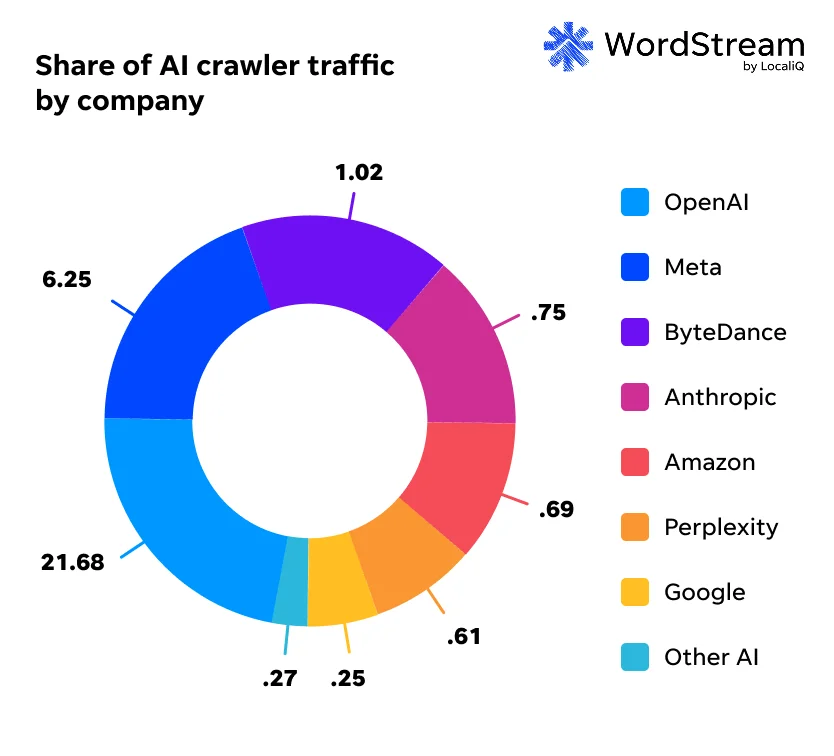
The study identified OpenAI as the most prolific AI scraper, accounting for a significantly larger share of AI crawler traffic than other major players. This is not surprising, given that OpenAI powers ChatGPT, one of the most widely used AI chatbots globally, holding an estimated 77% market share in the AI chatbot space. The sheer scale of ChatGPT’s user base directly correlates with its extensive web crawling activities.
Interestingly, the data also revealed a substantial presence from Meta and ByteDance among the top AI scrapers. This raises questions about the extent to which users are actively engaging with the AI search functionalities of these platforms to warrant such a high volume of content scraping. The relatively lower presence of Google on the top scrapers list, despite the observed referrals from its AI Mode, is also noteworthy. While Google’s Search Generative Experience (SGE) is integrated into its core search, the direct scraping activity measured in this study for Google appears less pronounced compared to OpenAI. However, anecdotal evidence from SEO analysts suggests that Meta AI is beginning to drive some referral traffic, indicating a dynamic and evolving landscape.
A Worsening Trend: Declining Referral Ratios Over Time
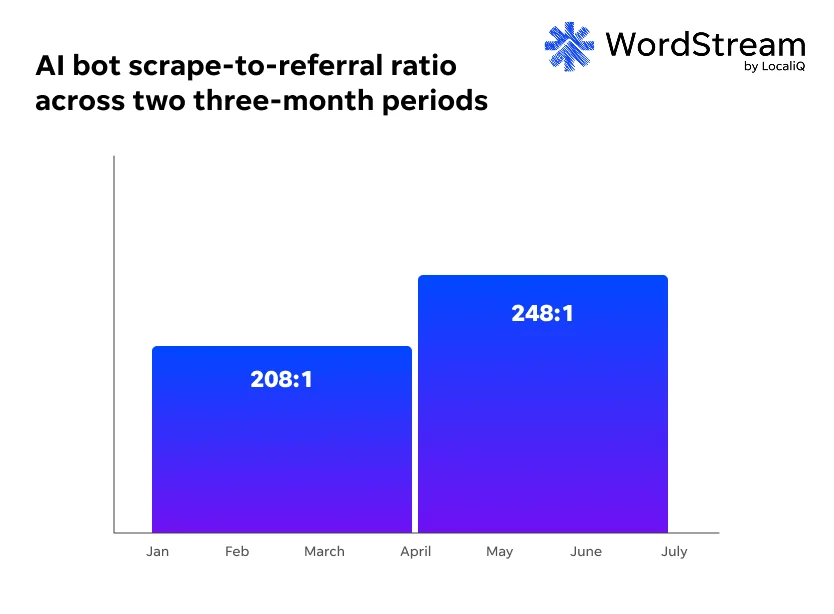
Perhaps the most concerning finding of the study is the discernible trend of AI’s scrape-to-referral ratio worsening over time. Within a three-month period, the ratio deteriorated from 207:1 to 248:1, a decline of 19.2%. This indicates that AI platforms are not only scraping more but are also referring proportionally less traffic back to websites.
This trend aligns with the broader observation of increasing "zero-click" searches. Studies indicate that nearly 70% of Google searches now conclude without a user clicking through to a website, a significant increase from just over 60% two years prior. This suggests that users are becoming increasingly comfortable obtaining information directly from AI interfaces without needing to visit the original source. AI chatbots are also evolving their methods of presenting information, sometimes obscuring or omitting original sources, further reducing the incentive for users to seek out the originating content.
This shift is contributing to what some industry analysts are terming "the great blogging collapse." As blogs experience a dramatic decline in organic traffic due to AI-driven search behaviors, many businesses are reconsidering their content publishing strategies. Even major news organizations are feeling the pressure, with some exploring the possibility of blocking AI bots from crawling their sites altogether. The compounding effect of high-volume scraping without meaningful referral traffic threatens to diminish the availability of high-quality, original content for human consumption, and ironically, for AI models to learn from.
Implications and Future Considerations
The findings of this study carry significant implications for content creators, publishers, and digital marketers. While optimizing content for AI search visibility is often presented as a necessity, the data raises critical questions about the return on investment. The current imbalance suggests that the extensive efforts required to make content "AI-scrappable" may not be yielding proportional benefits in terms of website traffic and user engagement.
The study’s authors acknowledge the value of understanding which pages AI bots are most interested in and which generate a higher referral rate. This insight can be strategically employed to focus content efforts on areas that are more likely to benefit from AI’s reach, even if indirectly. The goal remains to adjust content strategies to prioritize channels, topics, and approaches that best serve the needs of the human audience, rather than solely catering to the demands of AI bots.
The rise of AI in search is an undeniable reality, and its role in the modern information ecosystem is only set to grow. However, the current dynamics of content scraping and referral traffic highlight a critical need for a more balanced and mutually beneficial relationship between AI platforms and content creators. As the digital landscape continues to evolve, ongoing monitoring and strategic adaptation will be crucial for navigating this new era of information access and consumption. The "great blogging collapse" is a stark warning, underscoring the imperative for a sustainable model that recognizes and rewards the creation of original, valuable content.









