

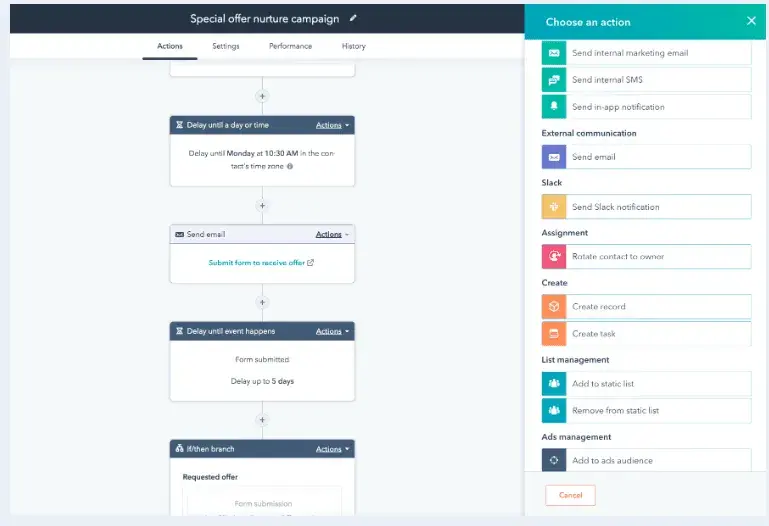
The insurance sector, fundamentally built on robust relationships, is undergoing a profound digital transformation, making sophisticated Customer Relationship Management (CRM) systems an essential tool for agencies seeking sustained growth and efficiency. Agents can no longer rely solely on manual processes or fragmented systems to manage the intricate web of contacts, communications, and policy lifecycles that define their business. A specialized CRM for insurance companies empowers agencies to streamline crucial functions, from initial lead follow-up and nurturing to comprehensive customer service and timely renewals, ultimately enhancing customer satisfaction and operational profitability.

The Evolving Landscape of Insurance and the Digital Imperative
Historically, the insurance industry has been characterized by its reliance on legacy systems, paper-based records, and often siloed departmental operations. Many agencies still grapple with outdated infrastructure, ranging from physical filing cabinets for client information to disparate software solutions for sales, policy management, and customer support. This fragmentation creates significant inefficiencies, impedes seamless information flow, and can lead to a disjointed customer experience.

The digital revolution, however, has ushered in a new era for insurance. Customers today expect immediate responses, personalized interactions, and effortless digital access to their policy information. Research consistently highlights the critical importance of response speed; leads contacted within one hour are reportedly 60 times more likely to qualify than those reached after a full day. This stark statistic underscores the competitive disadvantage faced by agencies without automated, integrated systems. The global InsurTech market, valued at over $10 billion in 2022 and projected to grow significantly, is a testament to the industry’s rapid embrace of technology to meet these evolving demands. CRMs are at the forefront of this shift, providing the technological backbone for companies to automate outreach, efficiently acquire new business, and secure vital policy renewals. This guide delves into the operational mechanics of insurance CRMs, clarifies their distinct role compared to other insurance software, and identifies the leading platforms poised to empower agencies in 2026.
Defining Insurance CRM: Beyond Generic Contact Management
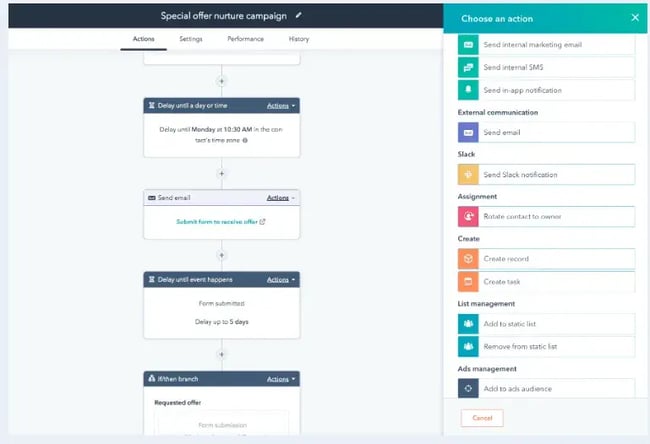
At its core, a CRM system designed for insurance companies serves as a central hub for tracking all customer interactions, managing quotes, and monitoring the entire policy lifecycle. Unlike generic CRMs that require extensive customization to fit industry-specific needs, an insurance-native CRM is pre-configured to understand and manage concepts vital to the sector, such as policyholders, beneficiaries, carriers, and various coverage types. This specialized design allows agents to sell policies and serve customers with unparalleled effectiveness.
Modern insurance CRM platforms transcend basic contact management by integrating seamlessly with essential communication tools like email and phone systems. Crucially, many also offer direct connectivity with carrier tools, allowing agents to operate within a single interface rather than constantly switching between multiple disparate systems. This integration significantly reduces manual data entry, minimizes the risk of errors, and frees up agents to focus on high-value activities such as client consultation and relationship building. The objective is to move away from the inefficiencies of fragmented data and manual processes towards a unified, automated, and intelligent client management system.
Distinguishing Key Technologies: CRM, AMS, and Agent Portals
The insurance technology landscape can sometimes appear complex, with several acronyms representing distinct but often interconnected software solutions. For insurance teams, three primary types of software—CRM, Agency Management System (AMS), and Agent Portal—each serve a unique purpose:
| System | Primary Users | Main Purpose | Key Functions |
|---|---|---|---|
| CRM | Sales teams, marketing | Manage relationships and pipeline | Lead tracking, email automation, sales forecasting |
| AMS | Service staff, operations | Policy administration | Policy records, commissions, accounting, |








