

In an era where digital advertising costs are reaching historic highs, the efficiency of the post-click experience has become the primary determinant of marketing profitability. For modern marketing teams, the traditional approach of funneling paid traffic toward generic product detail pages (PDPs) is increasingly viewed as a liability. This shift in strategy is driven by a widening "conversion gap"—the disconnect between a highly targeted, compelling advertisement and a distraction-filled, multi-purpose website. Industry data suggests that while brands invest billions in creative and targeting algorithms, a significant portion of that budget evaporates when users land on pages that prioritize site navigation over conversion.
To address this, enterprise-level brands are pivoting toward specialized product landing pages (PLPs). These standalone web entities are engineered with a singular focus: to drive one specific conversion action. By removing the traditional "leaks" found on standard e-commerce sites—such as navigation bars, related product links, and expansive footers—marketers are achieving a 1:1 conversion ratio that drastically lowers Customer Acquisition Cost (CAC) and improves Return on Ad Spend (ROAS).
The Fundamental Divergence: Product Landing Pages vs. Standard Product Pages
The distinction between a standard product page and a dedicated product landing page is often subtle to the untrained eye but profound in its impact on consumer behavior. A standard product page, typically integrated within a brand’s main website architecture, is designed to inform and assist browsing visitors. It serves as a permanent asset that facilitates organic search and general site navigation. Consequently, it is often cluttered with links to other categories, social media feeds, and site-wide footers.

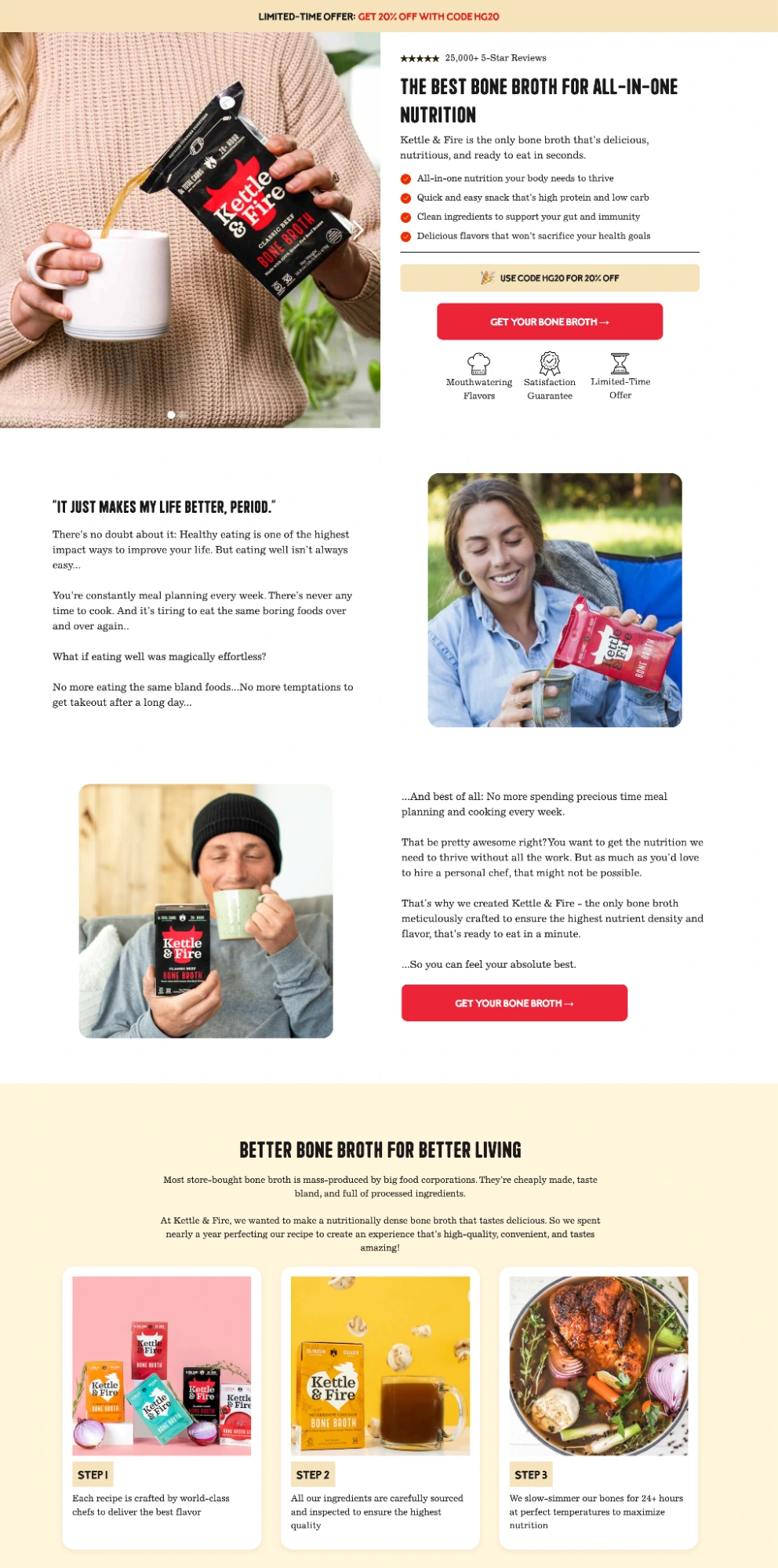
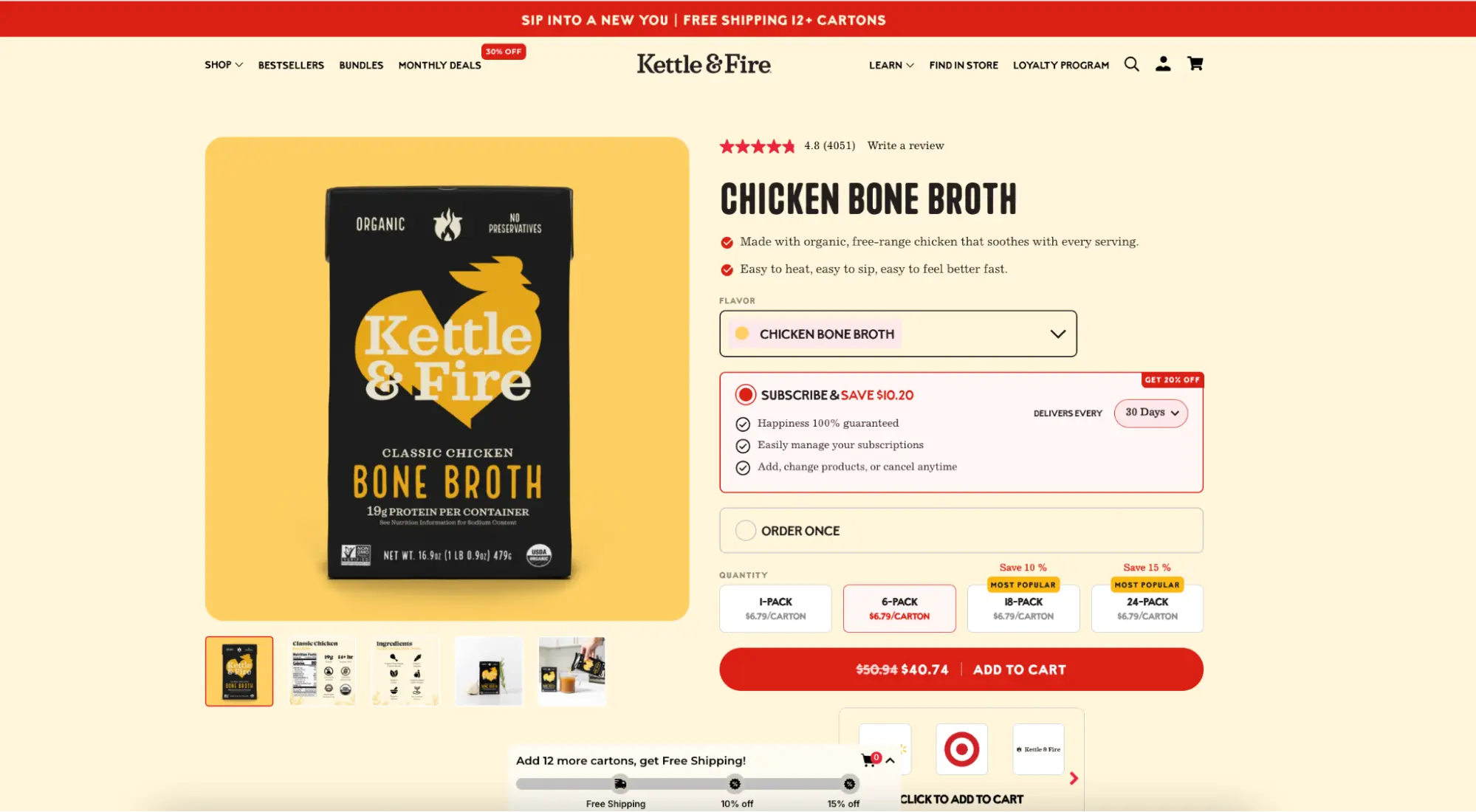
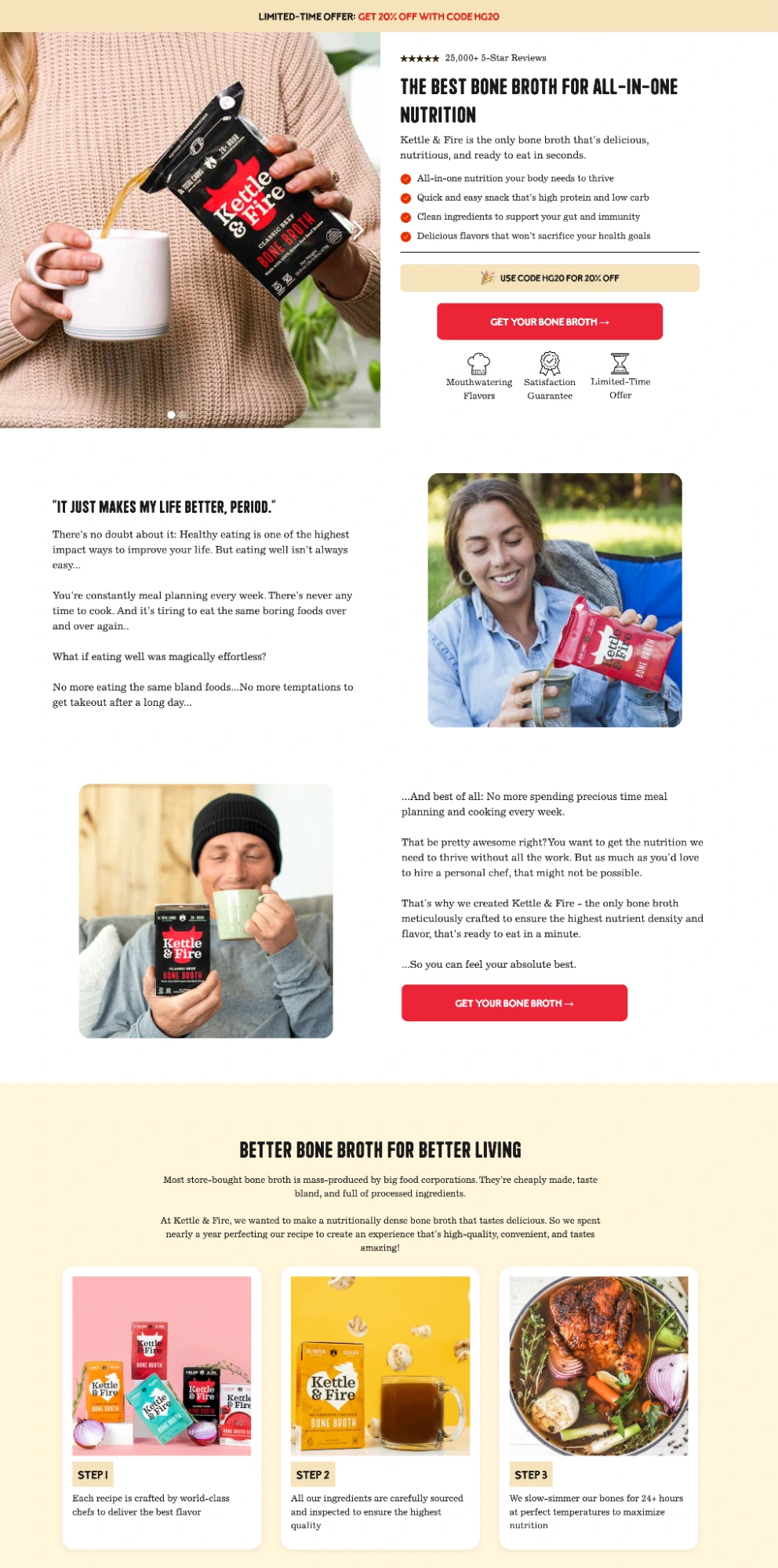
In contrast, a product landing page is a campaign-specific destination. Its primary traffic sources are paid advertisements, email marketing, or direct campaigns rather than organic browsing. The case of Kettle & Fire, a prominent bone broth brand, illustrates this dichotomy. Their standard product page includes a full navigation bar, links to 12 different product variants, and a social media follow bar—offering more than 30 ways for a visitor to exit the site without making a purchase. Conversely, their dedicated landing page for the same product exists on a separate subdomain with all external links removed. Every element on the landing page is designed to funnel the visitor toward the checkout or a specific scrolling section, effectively forcing a decision: buy or leave.

The Science of Conversion: Research-Backed Design Principles
The transition from a "pretty" page to a "converting" page is rooted in cognitive psychology and user experience research. Industry benchmarks from organizations like the Nielsen Norman Group and the Baymard Institute highlight several critical pillars that define high-performing product landing pages.
Above-the-Fold Value Propositions
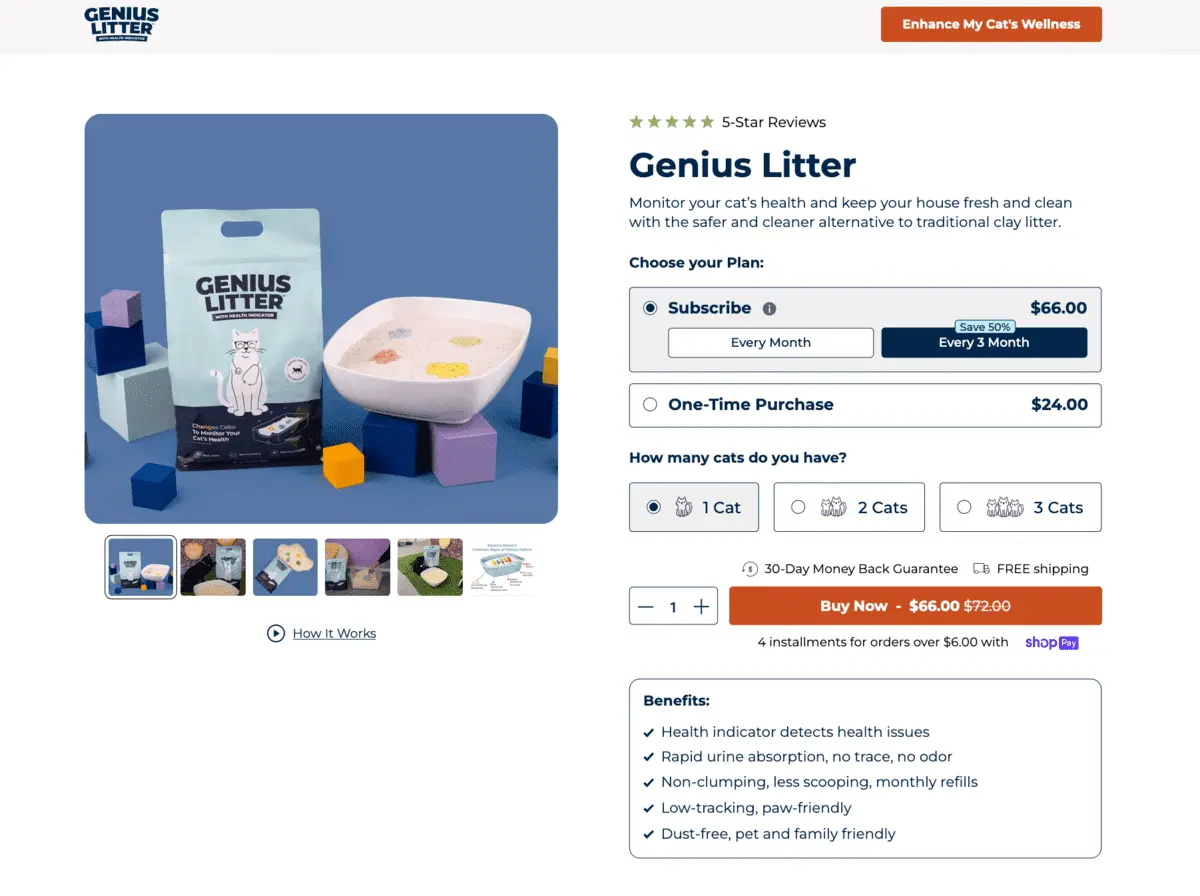
Attention is the most scarce resource in the digital economy. Research consistently shows that content visible without scrolling—the "above-the-fold" area—receives the vast majority of user engagement. Successful product landing pages ensure that the headline, primary benefit, and Call to Action (CTA) are immediately visible. This allows ready-to-buy visitors to convert instantly, while providing enough intrigue to encourage more cautious users to scroll for additional information.
The Criticality of Message Match
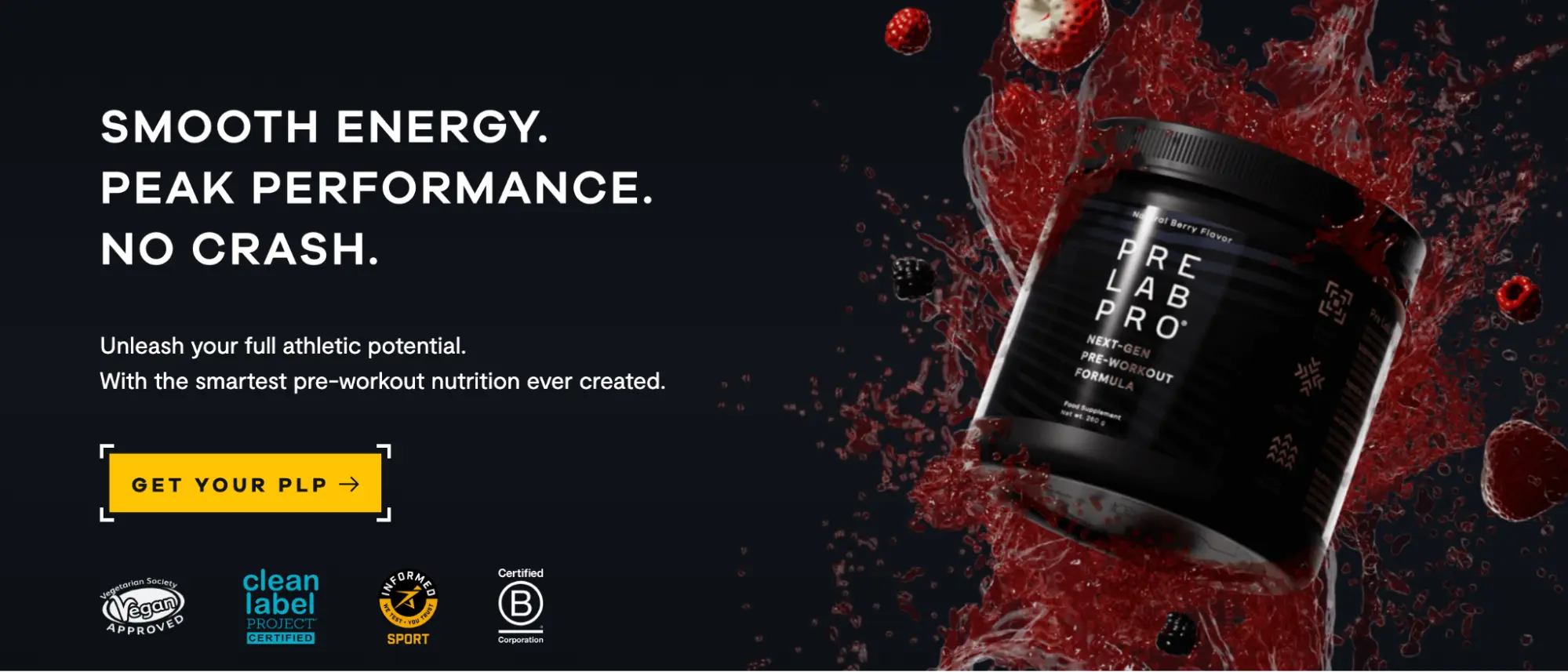
One of the most significant factors in high bounce rates is the lack of "message match." When an advertisement promises a specific solution and the landing page greets the user with a generic corporate headline, the cognitive dissonance triggers an immediate exit. Beyond user experience, Google and other ad platforms measure message match as a Quality Score signal. High-performing pages maintain strict alignment between the ad’s copy, visual tone, and the landing page’s primary headline.
Technical Performance and Mobile Optimization
In the mobile-first era, page speed is no longer a technical luxury but a financial necessity. Google’s performance data indicates that for every second of delay in mobile load times, conversion rates can drop significantly. The introduction of Core Web Vitals—specifically Largest Contentful Paint (LCP) and Interaction to Next Paint (INP)—has formalized these metrics as essential benchmarks for any digital marketing asset. Modern platforms like Instapage have responded by developing specialized rendering engines to handle performance at the infrastructure level, ensuring that marketing teams do not need to rely on developer resources for speed optimization.
Categorizing the Modern Landing Page Landscape
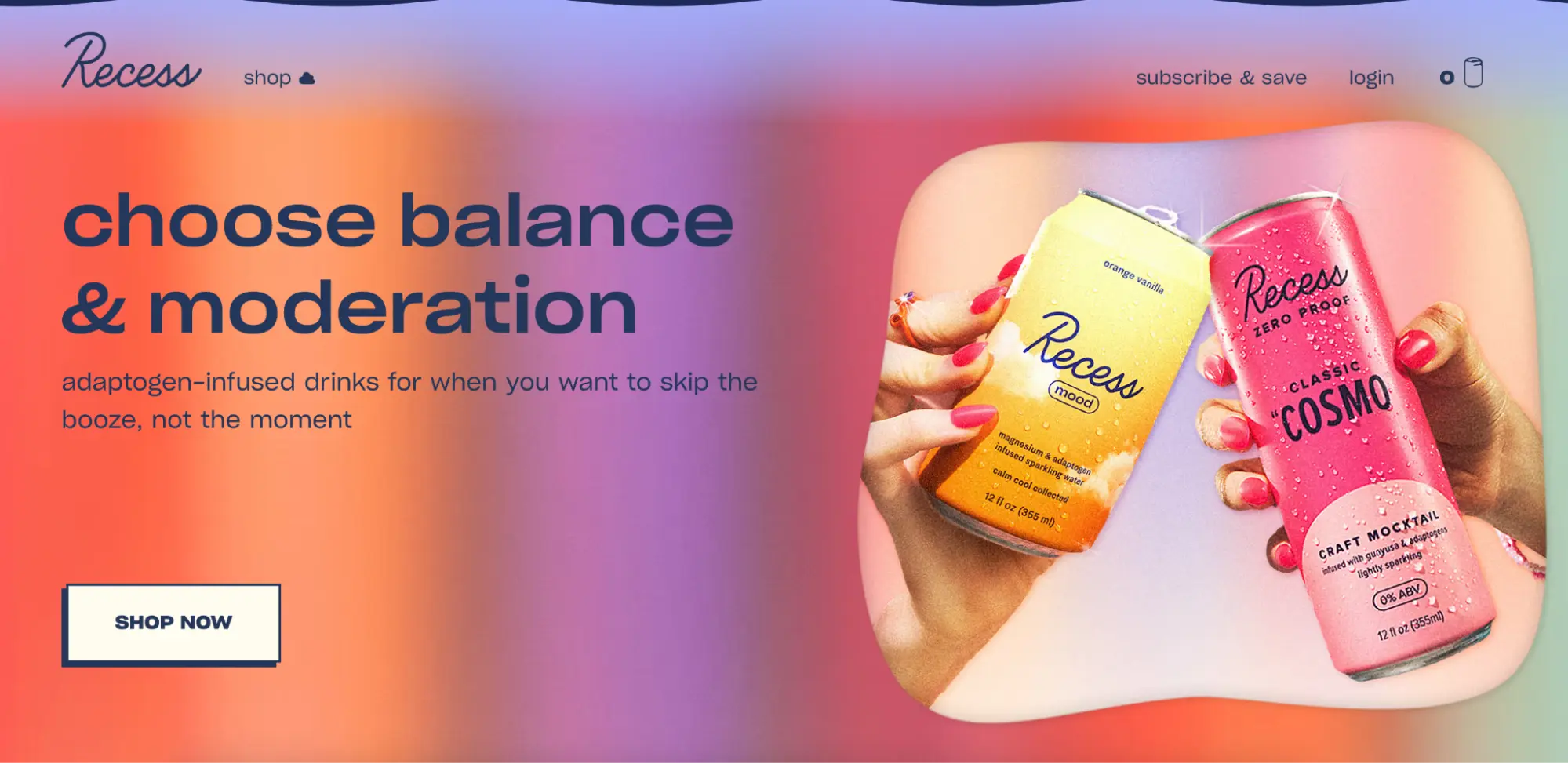
As the digital marketplace matures, three distinct types of product landing pages have emerged as the gold standards for different campaign objectives.
Single-Product Focus
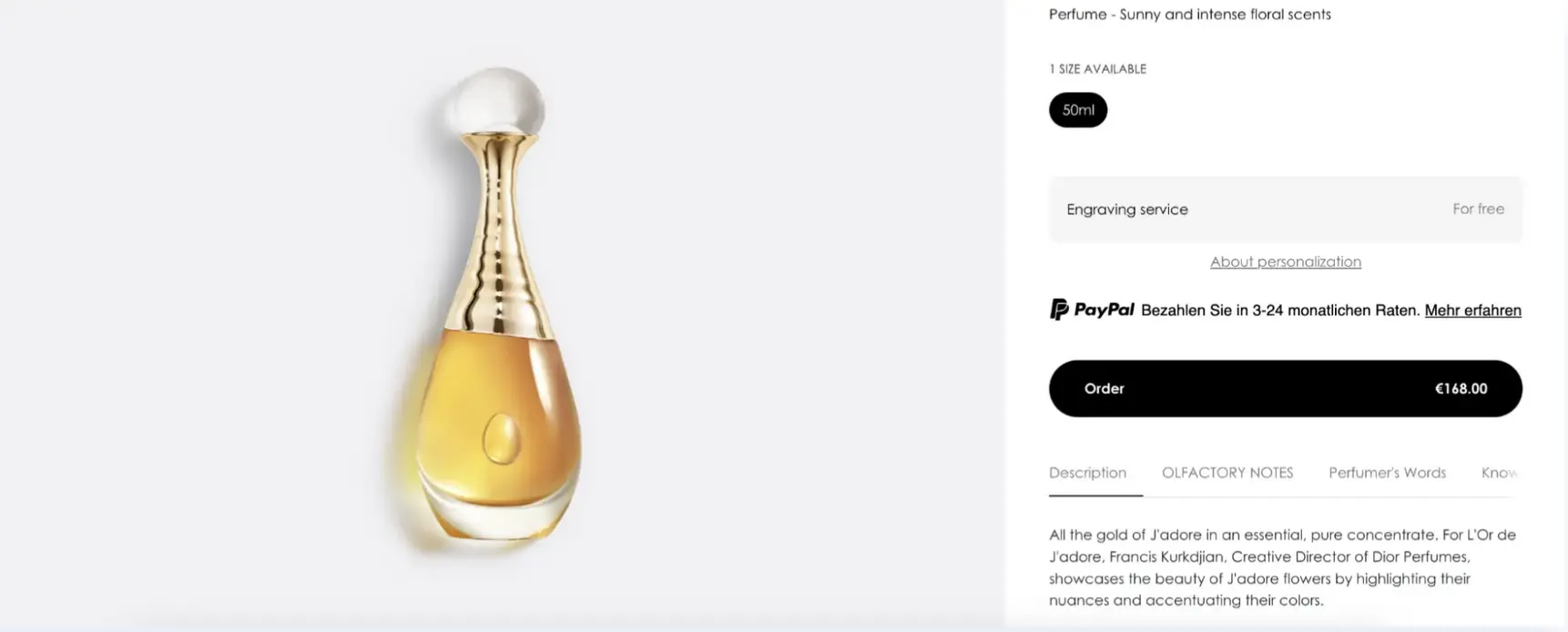
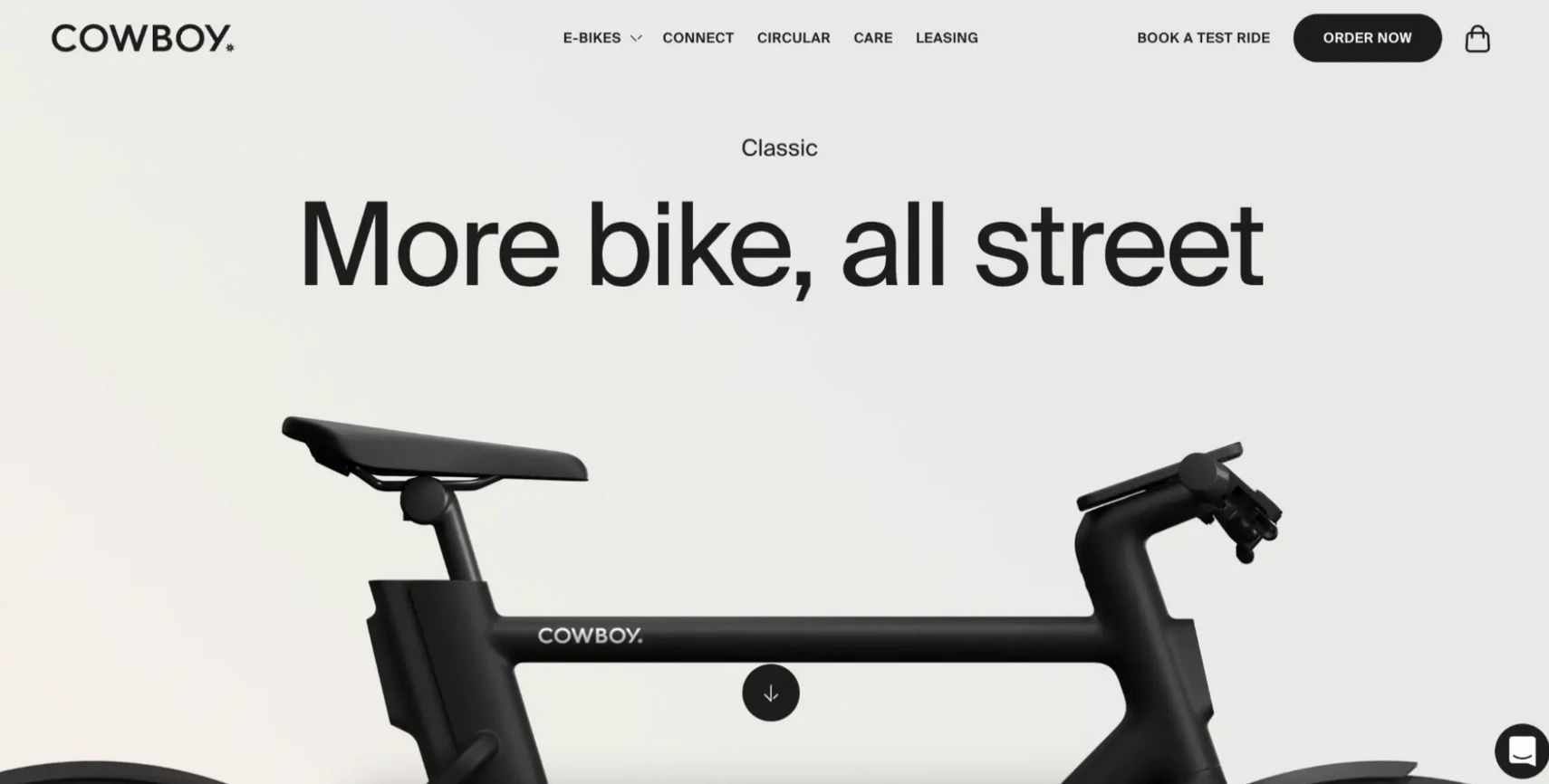
Best exemplified by brands like Oura Ring and Cowboy e-bikes, these pages are built around a single SKU or offer. They are highly effective for bottom-of-funnel ads where the visitor has already expressed interest in a specific item. By focusing on one product, the brand can use high-definition imagery, 360-degree views, and deep-dive technical specs to resolve every potential objection.

Multi-Product and Category Hubs
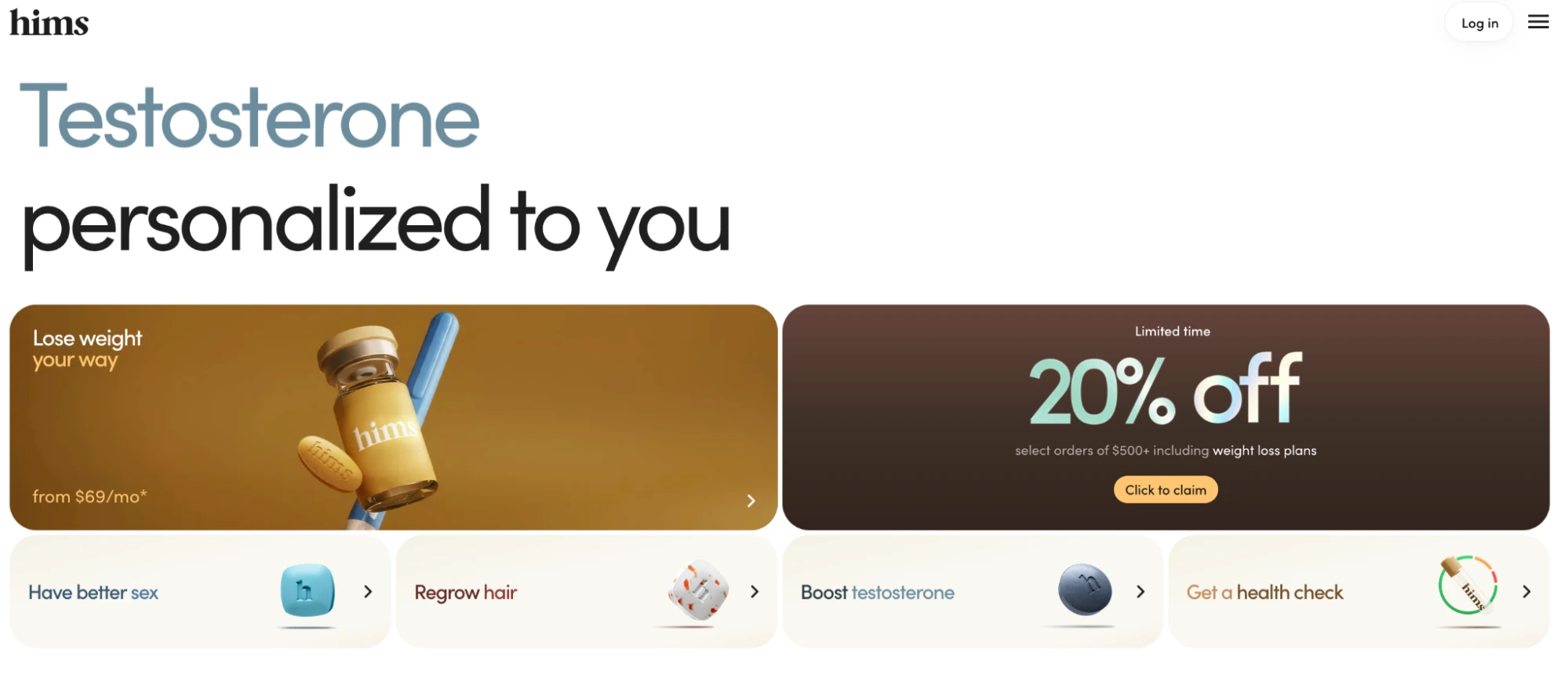
For broader campaigns, such as those targeting brand keywords or general categories (e.g., "men’s skincare"), brands like Hims and Medik8 utilize multi-product landing pages. These pages act as a filtered gateway, allowing visitors to self-select their specific needs while remaining within a controlled, high-conversion environment. Unlike a standard category page, these hubs are stripped of global site navigation to keep the user focused on the selection process.
Product Launch and Waitlist Strategies
The launch of a new product requires a sense of urgency and exclusivity. Brands like Tierra and Airbnb use dedicated launch pages to capture leads before a product is even available. These pages often feature "early access" incentives and founder stories to build brand equity and a qualified list of prospects before the official release.

Industry Case Studies: Benchmarks in Execution
A review of current market leaders reveals how these principles are applied across different sectors:
- AG1 (Athletic Greens): AG1 utilizes hyper-personalization by creating unique landing pages for different traffic sources. For instance, visitors coming from specific podcast endorsements see pages featuring the face and quotes of the host they trust. This "endorsement-led" design leverages existing social proof to bypass initial skepticism.
- Teenage Engineering: Known for minimalist aesthetic, this brand uses landing pages that prioritize "feel" and "identity" over technical specs. This strategy works for premium, community-driven brands where the target audience is already familiar with the product’s quality and is looking for a lifestyle alignment.
- Flaus: The electric flosser brand uses a problem-focused headline—"Flossing Made Simple"—to immediately identify its target audience. By naming specific pain points (such as arthritis or mobility issues) in the sub-headline, the page acts as a qualifying filter, ensuring that the visitors who stay are the ones most likely to convert.
The Shift Toward No-Code and AI-Driven Scalability
Historically, the creation of high-performing landing pages required a dedicated team of developers, designers, and data analysts. This created a bottleneck that prevented marketing teams from testing new ideas quickly. The rise of no-code platforms like Instapage has democratized this process.

The current technological trend is the integration of Artificial Intelligence (AI) into the building process. AI-driven tools can now generate headline variations, personalize copy for different audience segments, and even suggest layout changes based on historical performance data. This allows enterprise teams to scale their efforts, creating hundreds of personalized page variants for a single campaign without a linear increase in workload.

Measuring Success: A Data-Driven Framework
The final component of the product landing page strategy is a rigorous measurement framework. Marketing professionals are moving beyond basic "conversion rate" metrics to look at the holistic impact on the business.

- Cost Per Conversion: This is the primary metric for assessing the financial health of a campaign. As landing page optimization improves, this cost typically drops, even if the cost-per-click on ad platforms remains high.
- Heatmap Analysis: Visual data showing where users click and how far they scroll provides insights that standard analytics cannot. A page with high engagement but low conversion might suggest a friction point in the checkout process, whereas a page with low scroll depth suggests a failure in the above-the-fold messaging.
- A/B Testing and Experimentation: The most successful brands treat their landing pages as living documents. Systematic testing of headlines, CTA colors, and social proof placement allows for incremental gains that compound over time.
Implications for the Future of E-Commerce
The move toward specialized product landing pages represents a broader maturation of the e-commerce industry. As consumer attention spans shorten and the cost of reaching those consumers rises, the "one-size-fits-all" website is becoming obsolete for paid acquisition. The future of digital marketing lies in hyper-personalization, technical speed, and the elimination of friction. For brands to remain competitive, the ability to rapidly deploy, test, and optimize dedicated conversion paths is no longer an advantage—it is a requirement for survival in the digital marketplace.







