

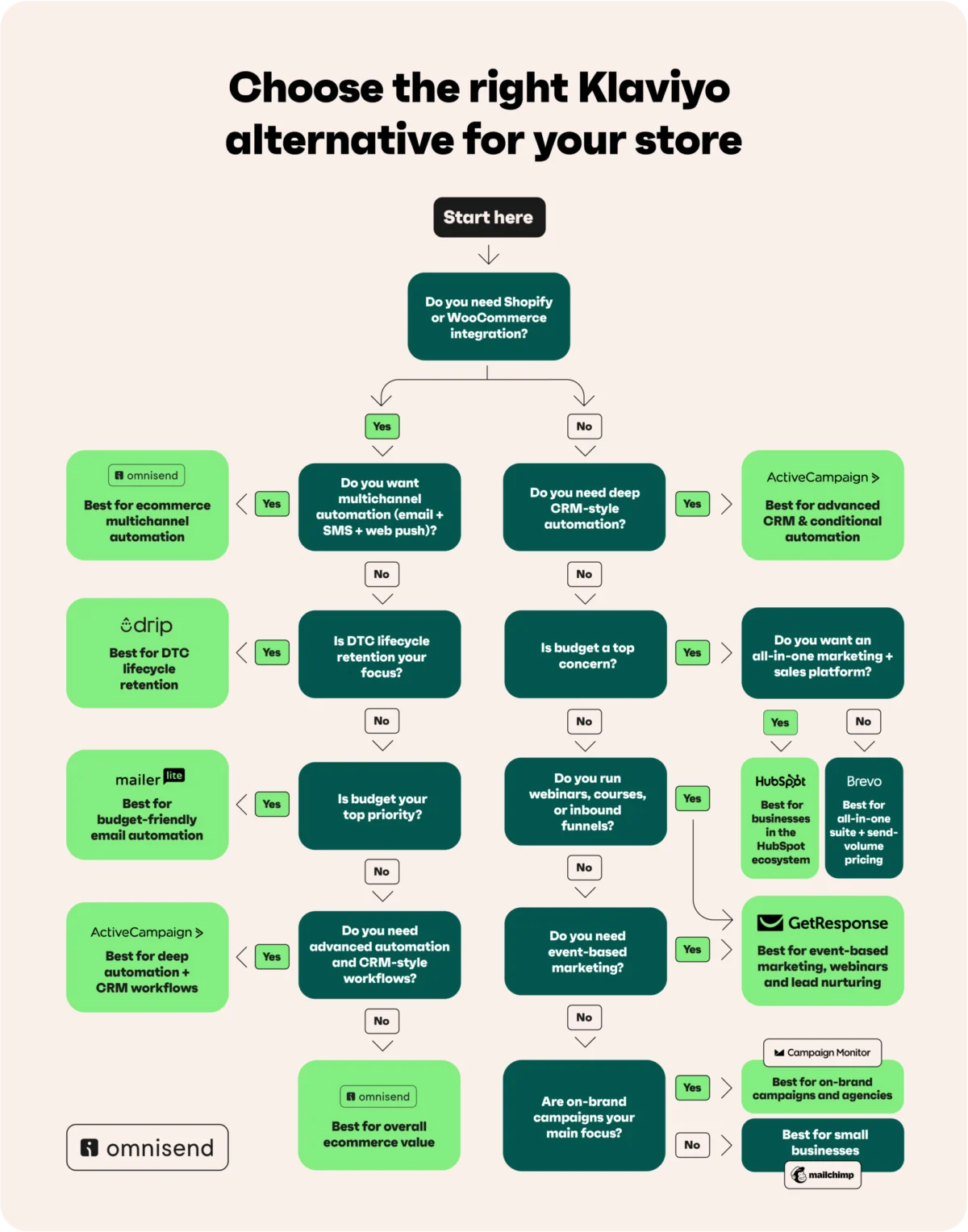
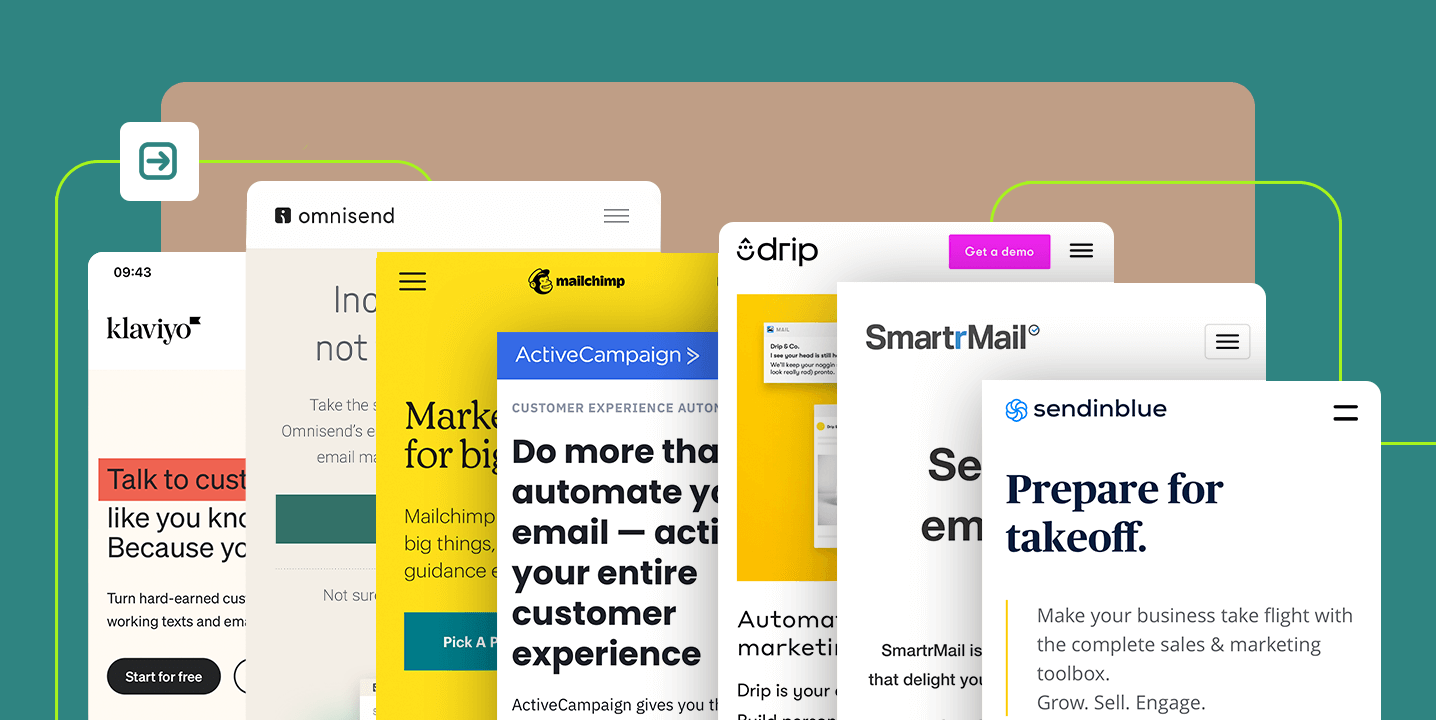
E-commerce businesses are increasingly evaluating their marketing automation platforms, with many actively seeking alternatives to Klaviyo. While Klaviyo has long been recognized for its robust features and deep segmentation capabilities, a confluence of factors, including pricing adjustments, perceived customer support issues, and a steep learning curve, is driving brands to explore other solutions. This shift highlights a maturing market where diverse business needs and budget sensitivities are paramount. Leading alternatives such as Omnisend, Drip, Mailchimp, Brevo, and ActiveCampaign are emerging as strong contenders, each offering distinct advantages tailored to specific e-commerce requirements, from comprehensive multichannel marketing to simplified automation and integrated CRM functionalities.
This extensive analysis, based on rigorous research, hands-on platform testing, and a careful examination of user feedback across leading review sites like G2, Trustpilot, and Capterra, aims to provide a definitive guide. The objective is to help businesses identify the ideal marketing automation partner that aligns with their strategic goals, operational capacities, and financial constraints, ultimately optimizing their customer engagement and retention efforts.
The Dynamics of E-commerce Marketing Automation: A Shifting Paradigm
The digital commerce landscape has undergone exponential growth in recent years, transforming how businesses interact with their customers. Central to this evolution is marketing automation, particularly email and SMS, which has become indispensable for nurturing leads, driving sales, and fostering customer loyalty. Klaviyo rose to prominence by offering sophisticated tools tailored for data-rich e-commerce stores, enabling complex customer journeys and highly personalized campaigns. Its appeal lay in its ability to harness vast amounts of customer data to create intricate automation flows.
However, as the market expanded, so did the diversity of businesses operating within it. Small startups, direct-to-consumer (DTC) brands, subscription services, and large enterprises all require varying degrees of complexity, support, and pricing models. This diversification has naturally led to a demand for platforms that offer either more specialized functionalities, a more user-friendly experience, or a more predictable and scalable cost structure. The increasing emphasis on multichannel strategies—integrating email, SMS, web push notifications, and even social messaging—further necessitates platforms that can seamlessly orchestrate these diverse touchpoints. The current climate indicates a move towards platforms that offer a holistic yet manageable approach to customer lifecycle marketing, without overwhelming lean teams or straining budgets.
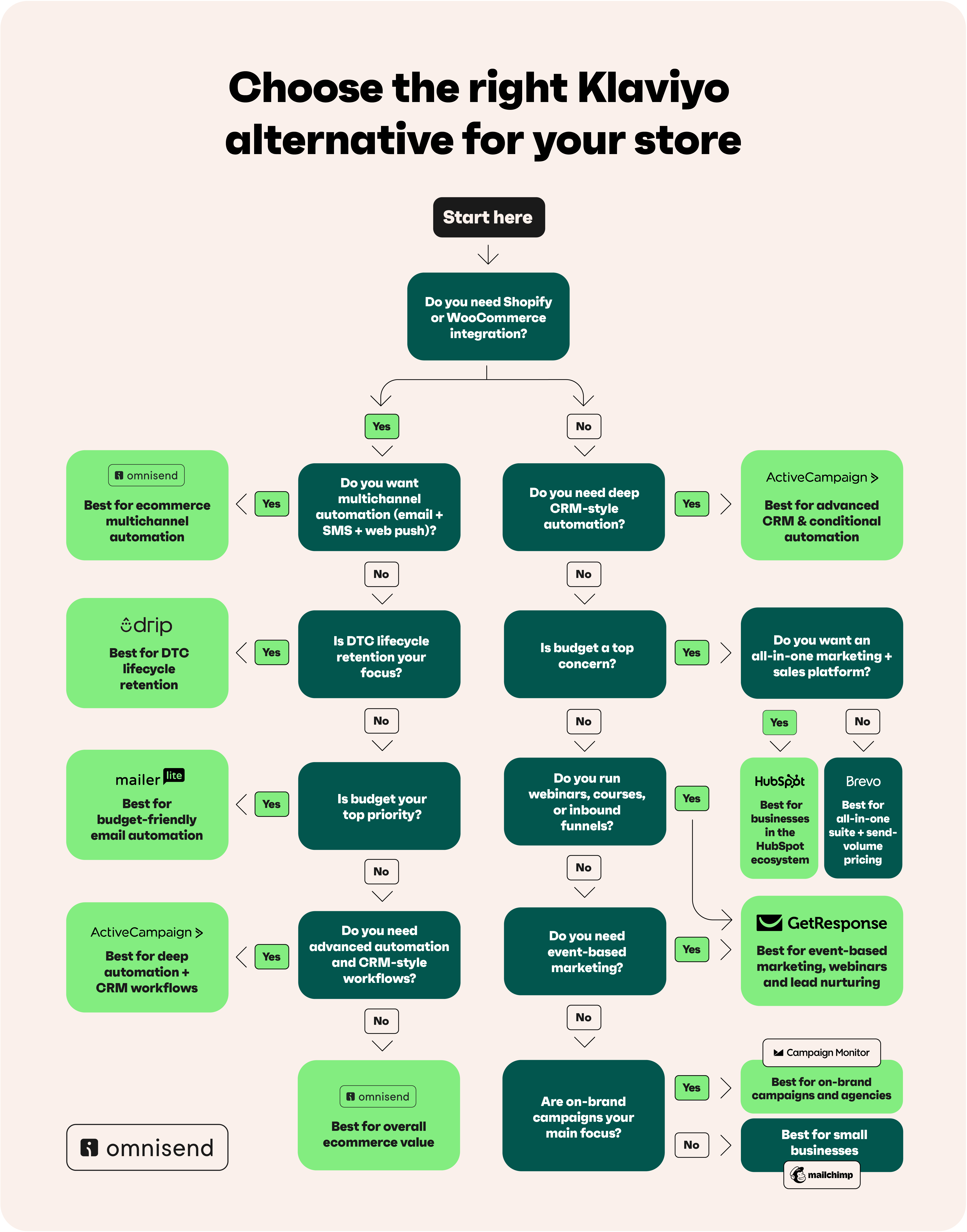
Klaviyo’s Evolution and the Catalyst for Change
Klaviyo cemented its position as a market leader through continuous innovation in e-commerce automation. Its strength in predictive analytics and deep data integration made it a powerful tool for brands aiming for highly refined customer experiences. However, a significant development in February 2025 marked a turning point for many users: Klaviyo adjusted its pricing model to base charges on "active profiles." Previously, businesses could manage inactive profiles on lower tiers, but this change meant that all active profiles, regardless of engagement frequency, would contribute to the monthly cost.
This policy shift, while potentially aimed at encouraging better list hygiene and more targeted marketing, had a direct and substantial impact on businesses, particularly those with large contact lists where a significant portion might be intermittently active or require careful segmentation to manage costs. Industry analysts widely viewed this as a catalyst, prompting a widespread re-evaluation among e-commerce brands, particularly those with growing lists or tighter marketing budgets, to seek alternatives that offered more transparent, flexible, or simply lower-cost pricing structures. This change underscored the critical importance of a platform’s pricing model in long-term strategic planning for e-commerce marketing.
Deconstructing User Pain Points: Why Brands Are Seeking Alternatives
A comprehensive review of over 300 user sentiments across G2, Trustpilot, and Capterra reveals clear patterns in why e-commerce brands are exploring Klaviyo alternatives. The data paints a picture of growing dissatisfaction centered on specific operational and financial aspects.
-
Pricing (Approximately 39% of Mentions): This emerged as the most significant pain point. Users frequently expressed frustration not merely with the absolute cost but with Klaviyo’s profile-based pricing model, particularly after the February 2025 adjustment. As one Reddit user on r/ecommerce noted, "Klaviyo overcharged me, refused a refund, and moving to Omnisend would save $50 a month while adding SMS." The shift to charging for all active profiles led to unexpected cost escalations for many, forcing them to meticulously manage their lists or face inflated bills, regardless of the actual engagement volume from every contact. Trustpilot reviews echoed this, highlighting concerns about "Klaviyo keeps changing its pricing policies" and the burden of paying for inactive profiles.
-
Customer Support (Approximately 19% of Mentions): Lengthy response times and perceived unhelpfulness were recurring complaints. G2 review summaries flagged "lengthy response times," while Trustpilot contained direct grievances about "slow support." One particularly stark review stated, "When a flow or automation stops working due to Klaviyo fault, customer support is truly useless." For fast-paced e-commerce businesses, timely and effective support is crucial, and any perceived deficiencies in this area can severely disrupt operations and impact revenue.
-
Reporting and Attribution (Approximately 13% of Mentions): While Klaviyo offers powerful analytics, some users found its reporting and attribution capabilities either too complex, lacking in specific customization options, or difficult to interpret for their unique business models. This suggests a need for either simpler, more intuitive reporting dashboards or more flexible tools for custom data analysis.
-
Integrations (Approximately 12% of Mentions): Despite a broad range of integrations, a segment of users reported challenges with specific integrations or desired more seamless connectivity with their existing tech stacks. This points to the increasing demand for platforms that offer robust, effortless integration capabilities across a diverse ecosystem of e-commerce tools.

-
Billing and Account Trust (Approximately 11% of Mentions): This category often intertwined with pricing complaints, with users expressing distrust regarding billing accuracy and account management. Such issues erode confidence and contribute to the desire for platforms with more transparent and straightforward financial dealings.
-
Learning Curve (Approximately 10% of Mentions): Despite its power, Klaviyo’s depth and complexity present a significant "steep learning curve," particularly for lean e-commerce teams or beginners. G2’s review summary frequently cited this, noting that users found initial setup and navigation challenging. This sentiment was reinforced by users like Chris D. on G2, who reported that campaign builds that previously took "four to five hours now take one" after switching to an alternative, underscoring the efficiency gains possible with simpler platforms.
-
Technical Bugs and Reliability (Approximately 7% of Mentions): While less frequent, mentions of technical bugs and reliability issues also surfaced. Concerns about deliverability were also noted, with some users stating that Klaviyo’s delivery rates were "not so good" without clear explanations from support.
These aggregated pain points paint a clear picture: while Klaviyo offers advanced capabilities, its user experience, cost structure, and support model are not universally ideal for all e-commerce businesses, especially those prioritizing ease of use, predictable pricing, and responsive assistance.
Comprehensive Review of Leading Klaviyo Alternatives for E-commerce in 2026
The competitive landscape for e-commerce marketing automation is vibrant, with several platforms stepping up to address the needs of businesses seeking alternatives to Klaviyo. Our hands-on testing and review of 10 platforms focused on pricing, e-commerce features, automation depth, support quality, and ease of use.
1. Omnisend: The All-Round E-commerce Challenger
G2 Rating: 4.6/5 (1,230+ reviews)
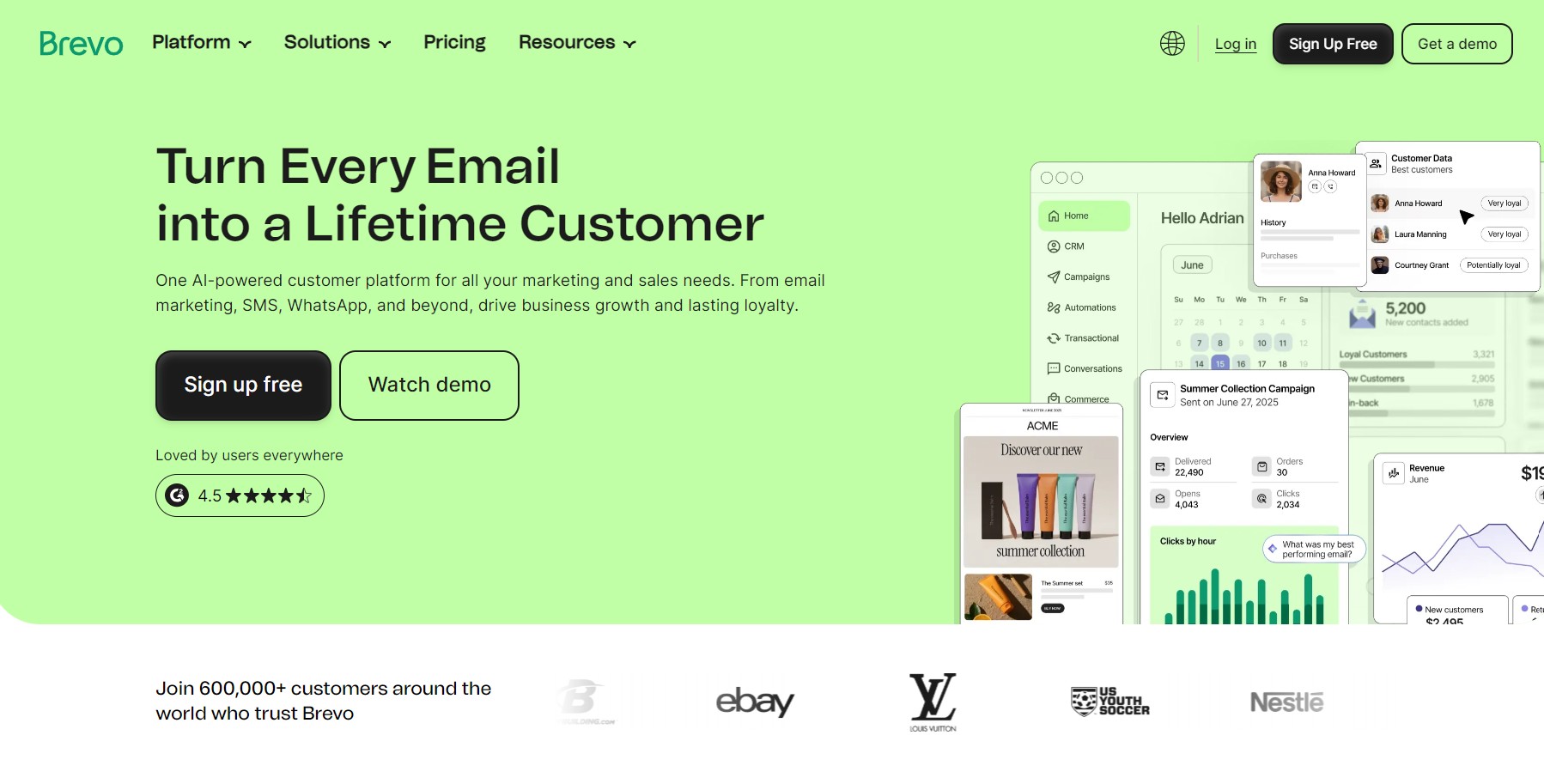
Omnisend stands out as a direct, like-for-like alternative to Klaviyo, particularly for Shopify, WooCommerce, and BigCommerce brands. It offers a comprehensive multichannel approach, integrating email, SMS, and web push notifications into a single, user-friendly platform. Its appeal lies in providing enterprise-level features with an easier setup and attractive pricing, often up to 35% less than Klaviyo for comparable contact tiers.
- Best for: Multichannel e-commerce brands of all sizes, especially those on major e-commerce platforms, looking for high ROI and a smoother transition from Klaviyo.
- Key Strengths: Robust automation workflows, advanced segmentation (including customer lifecycle mapping), pre-built e-commerce templates, and a strong focus on deliverability. Customers reported an impressive 79:1 ROI across all channels in 2025.
- Pricing: Starts at $16/month (500 contacts). Significantly undercuts Klaviyo, e.g., $20 vs. $30 for 1,000 contacts, and $282 vs. $400 for 25,000 contacts. Offers a free plan with core email marketing features.
- Migration Difficulty: Very low (1/5). Omnisend offers a free Kickstart migration service for businesses with 250+ contacts, rebuilding workflows, segments, and forms.
- Vagari Bags Success Story: This UK fashion brand switched from Klaviyo to Omnisend, achieving 40-50% email open rates, 6-7% SMS click rates, and a £121.38 return for every £1 spent across both channels, significantly outperforming their previous results.
2. Drip: For Retention-Focused DTC and Subscription Models
G2 Rating: 4.4/5 (1,110+ reviews)
Drip is a strong Klaviyo alternative for direct-to-consumer (DTC) brands and subscription services. It excels in customer retention through simpler visual workflows and adaptable flows that respond to customer behavior. Drip provides granular automations and segments, covering many scenarios similar to Klaviyo, but with a gentler learning curve.
- Best for: Growing DTC and subscription model brands seeking to consolidate list-building and communication automation within one intuitive tool.
- Key Strengths: Advanced personalization, behavior-based automation, seamless integration with e-commerce platforms, and a focus on customer lifetime value.
- Pricing: Starts at $39/month (2,500 contacts). Undercuts Klaviyo by $21/month at this contact level. No free plan.
- Migration Difficulty: Moderate (3/5).
3. Brevo (formerly Sendinblue): The Cost-Conscious All-in-One Suite
G2 Rating: 4.5/5 (2,600+ reviews)
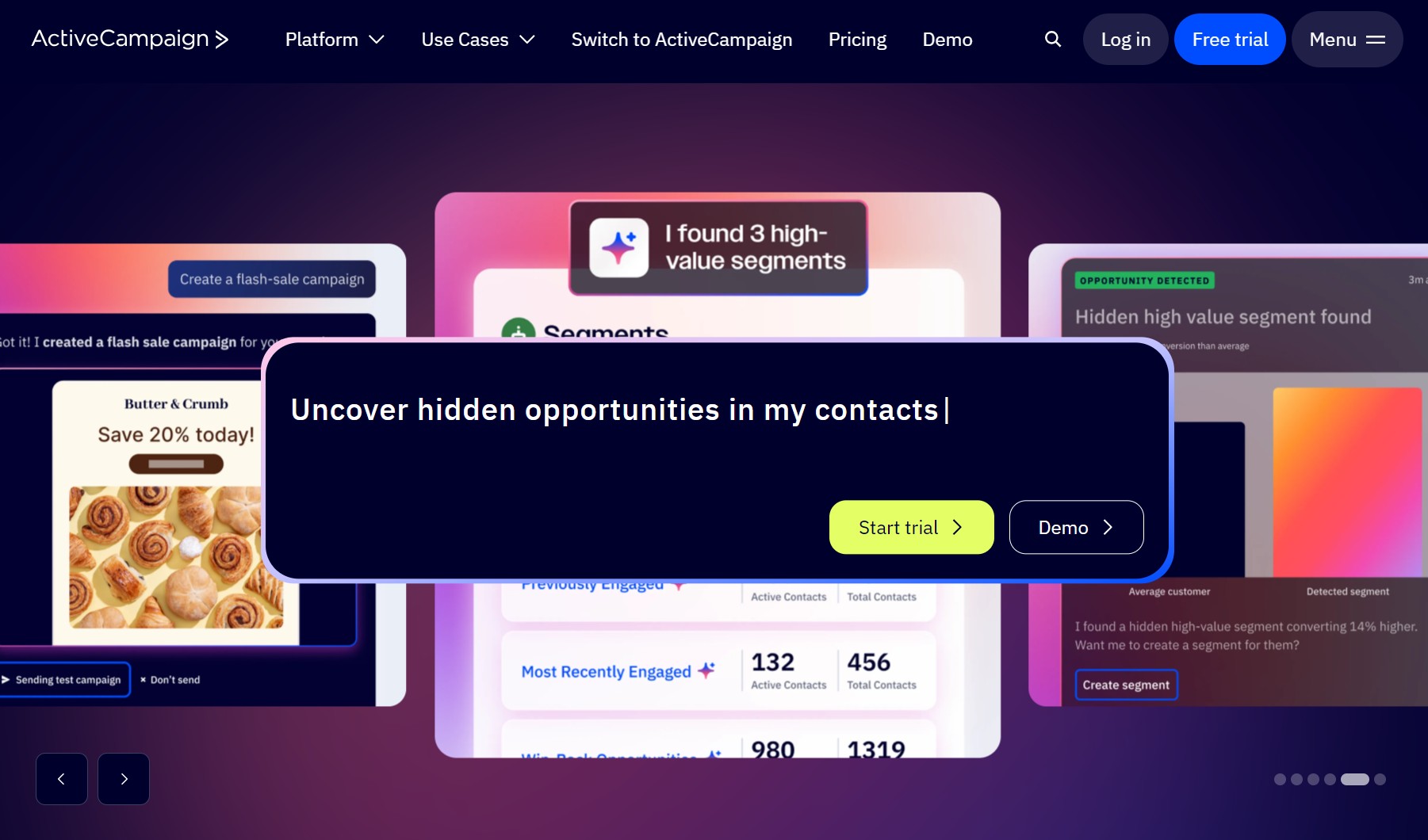
Brevo offers a broader marketing suite beyond just e-commerce email automation, making it a versatile Klaviyo alternative. It combines email, SMS, WhatsApp, and transactional messaging with a basic CRM. Its unique send-based pricing model, rather than contact-based, appeals to budget-conscious marketers.
- Best for: Small to mid-sized businesses (SMBs) needing email, CRM, and multichannel messaging in a single, affordable platform, including some e-commerce use cases.
- Key Strengths: Cost-effective send-based pricing, comprehensive suite of tools (email, SMS, WhatsApp, live chat, CRM, landing pages), and strong deliverability.
- Pricing: Starts at $9/month (500 contacts). Offers a free plan.
- Migration Difficulty: Low (2/5).
4. ActiveCampaign: Deep Automation with CRM Prowess
G2 Rating: 4.4/5 (14,700+ reviews)
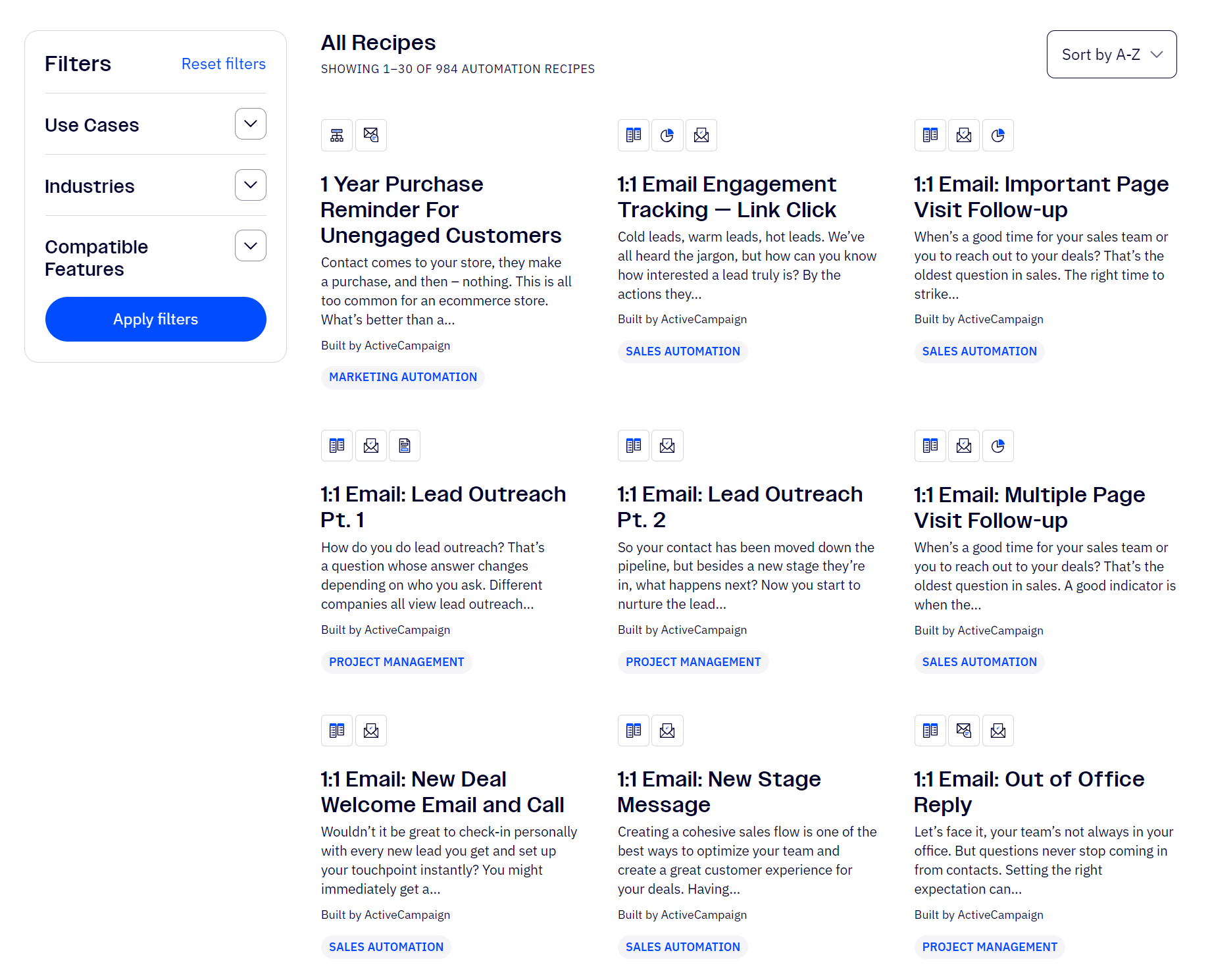
ActiveCampaign provides comparable visibility over customer lifecycles to Klaviyo, but with added CRM and sales automation capabilities. Its automation flows are highly granular and data-rich, supported by over 950 automation recipes and integrations with 1,000+ apps.
- Best for: SMBs, e-commerce brands, and marketing agencies seeking scalable email marketing with advanced CRM functionality, pipeline management, and AI tools.
- Key Strengths: Powerful automation builder, lead scoring, dynamic content, integrated CRM, and extensive recipe library.
- Pricing: Starts at $19/month (1,000 contacts). No free plan.
- Migration Difficulty: Low (2/5).
5. MailerLite: Simplicity and Generous Send Limits
G2 Rating: 4.6/5 (1,100+ reviews)
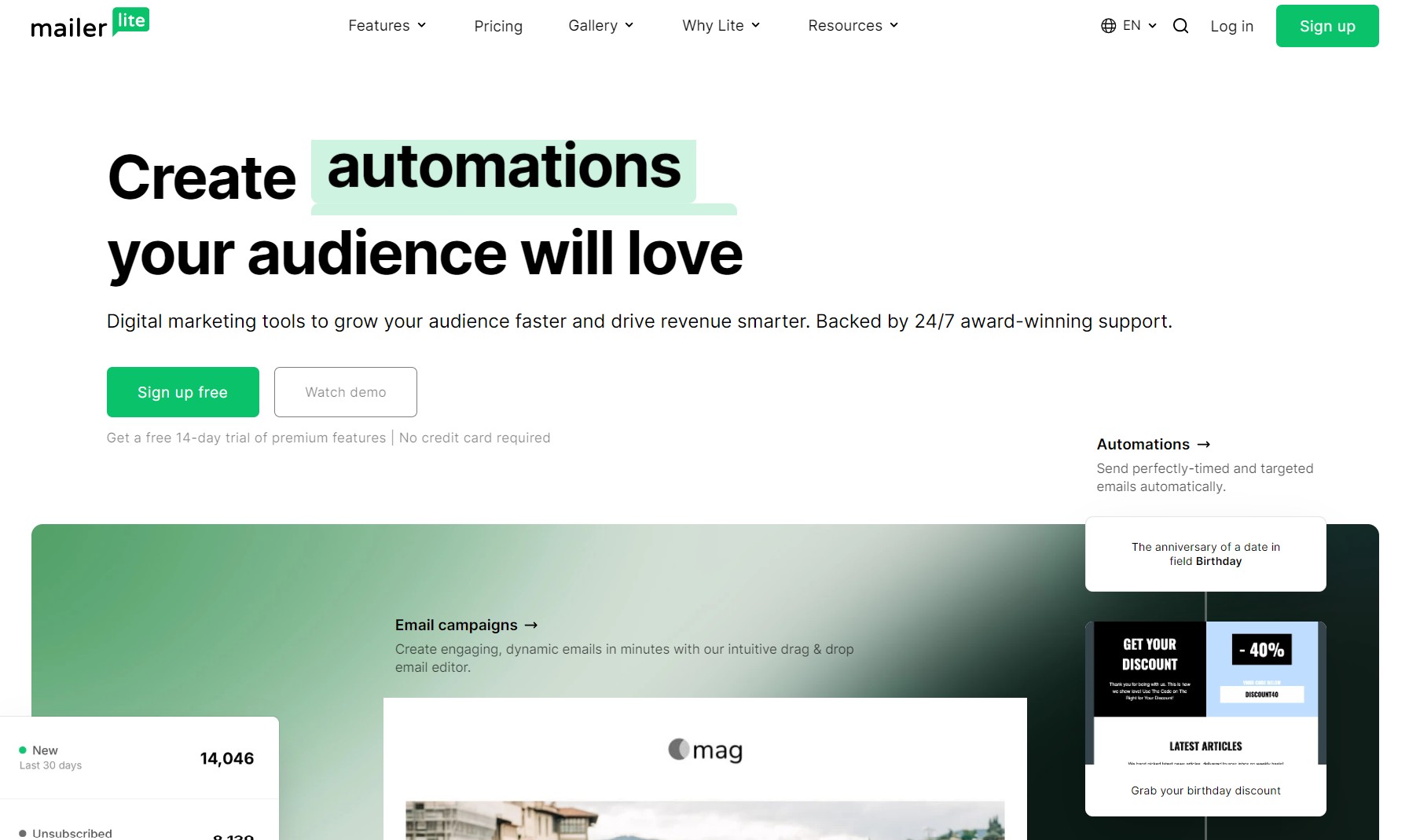
MailerLite offers a distinct value proposition, prioritizing simplicity over the advanced data functions found in Klaviyo. It provides pre-built automations, segments, and email templates, coupled with generous send limits, making it ideal for those new to email marketing or micro-brands.
- Best for: Beginners, creators, micro-brands, and small e-commerce stores needing straightforward email marketing with high send volumes and a user-friendly interface.
- Key Strengths: Drag-and-drop editor, landing page builder, website builder with e-commerce features, and excellent deliverability.
- Pricing: Starts at $12/month (500 contacts). Offers a free plan.
- Migration Difficulty: Moderate (3/5).
6. Campaign Monitor: Brand-Centric Campaigns and Agency Focus
G2 Rating: 4.1/5 (730+ reviews)
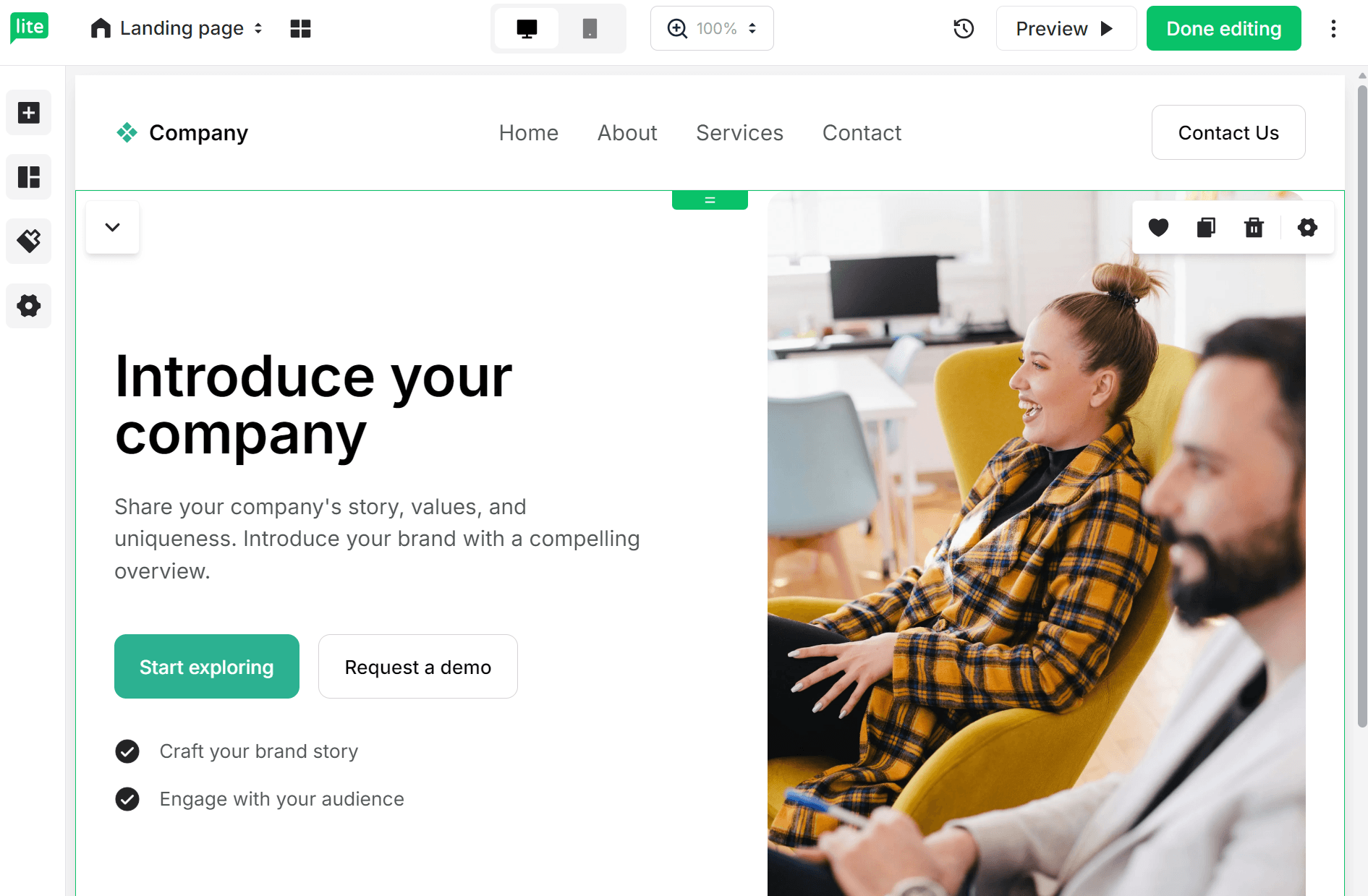
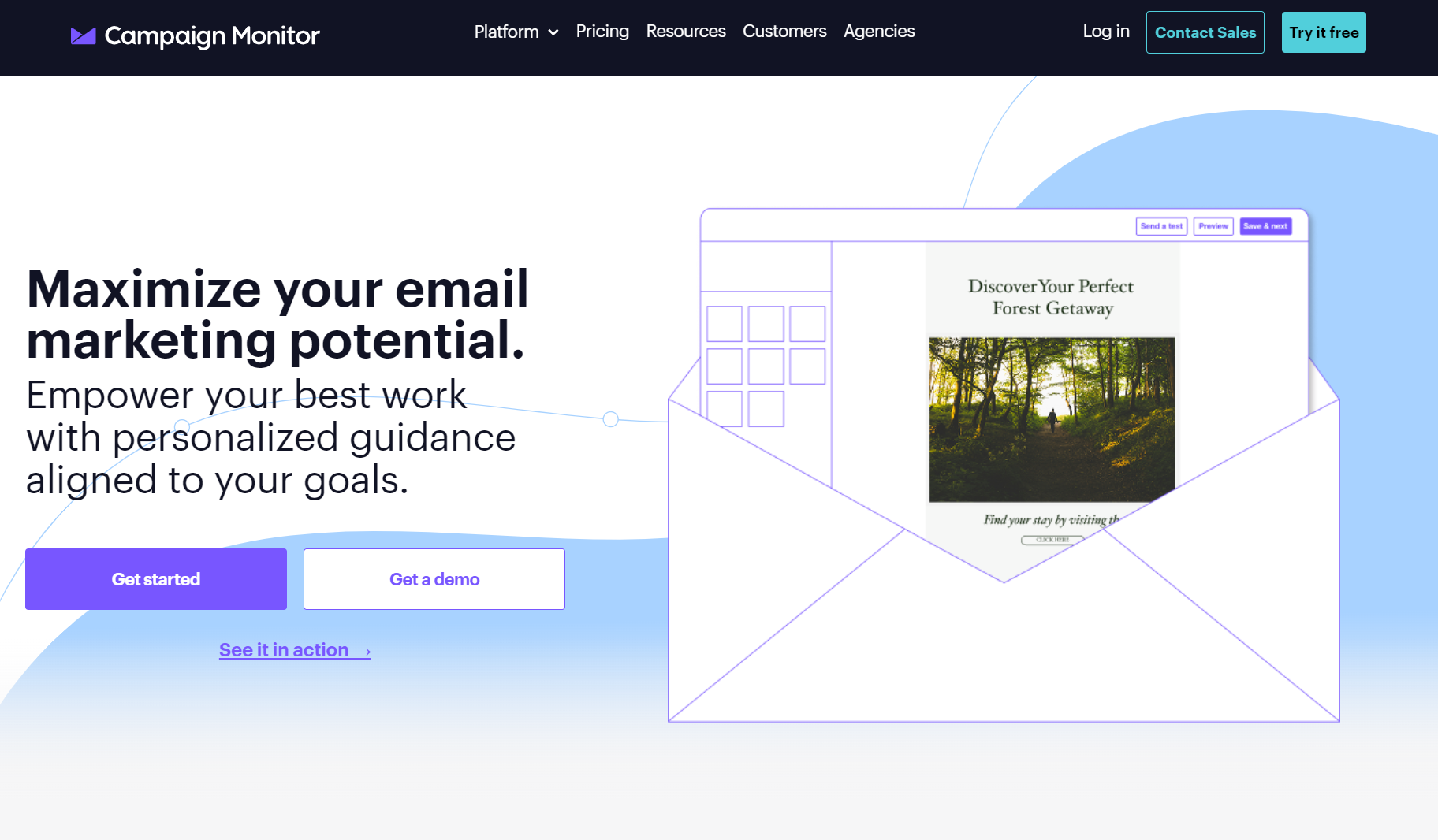
Campaign Monitor focuses on delivering on-brand campaigns and newsletters, rather than deep e-commerce data analytics. It manages core automation with pre-built journeys and offers unlimited email sends in its Essentials plan, appealing to design-led marketers and agencies.
- Best for: Marketers prioritizing visually appealing, on-brand campaigns and basic automations, particularly agencies with white-label needs. Less suited for complex e-commerce behavioral triggers.
- Key Strengths: Excellent email design tools, robust analytics for campaigns, client management features for agencies, and transactional emails.
- Pricing: Starts at $13/month (500 contacts). No free plan.
- Migration Difficulty: Moderate (3/5).
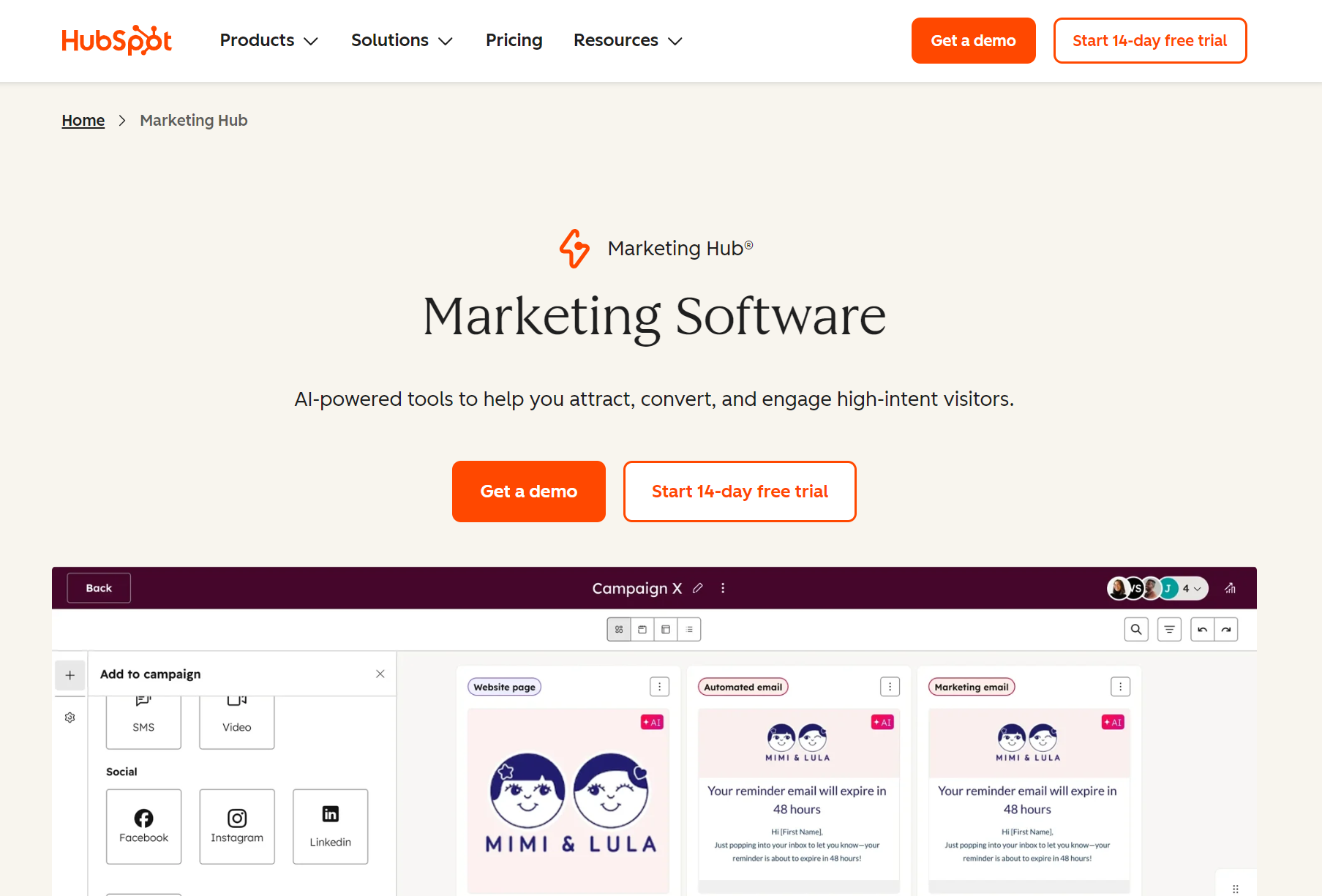
7. HubSpot: The Integrated Ecosystem for Full-Funnel Growth
G2 Rating: 4.4/5 (14,860+ reviews)
HubSpot is a CRM-first platform offering a comprehensive suite for marketing, sales, and service. Its email and SMS capabilities are integrated into data-rich customer profiles, making it suitable for businesses seeking a unified platform.
- Best for: Businesses already in or committed to the HubSpot ecosystem, or those looking for one tool to manage full-funnel growth, including B2B capabilities.
- Key Strengths: All-in-one platform (CRM, marketing hub, sales hub, service hub), robust reporting, lead nurturing, and extensive integrations.
- Pricing: Starts at $20/month per seat (1,000 contacts). Offers a free plan.
- Migration Difficulty: Moderate to high (4/5).
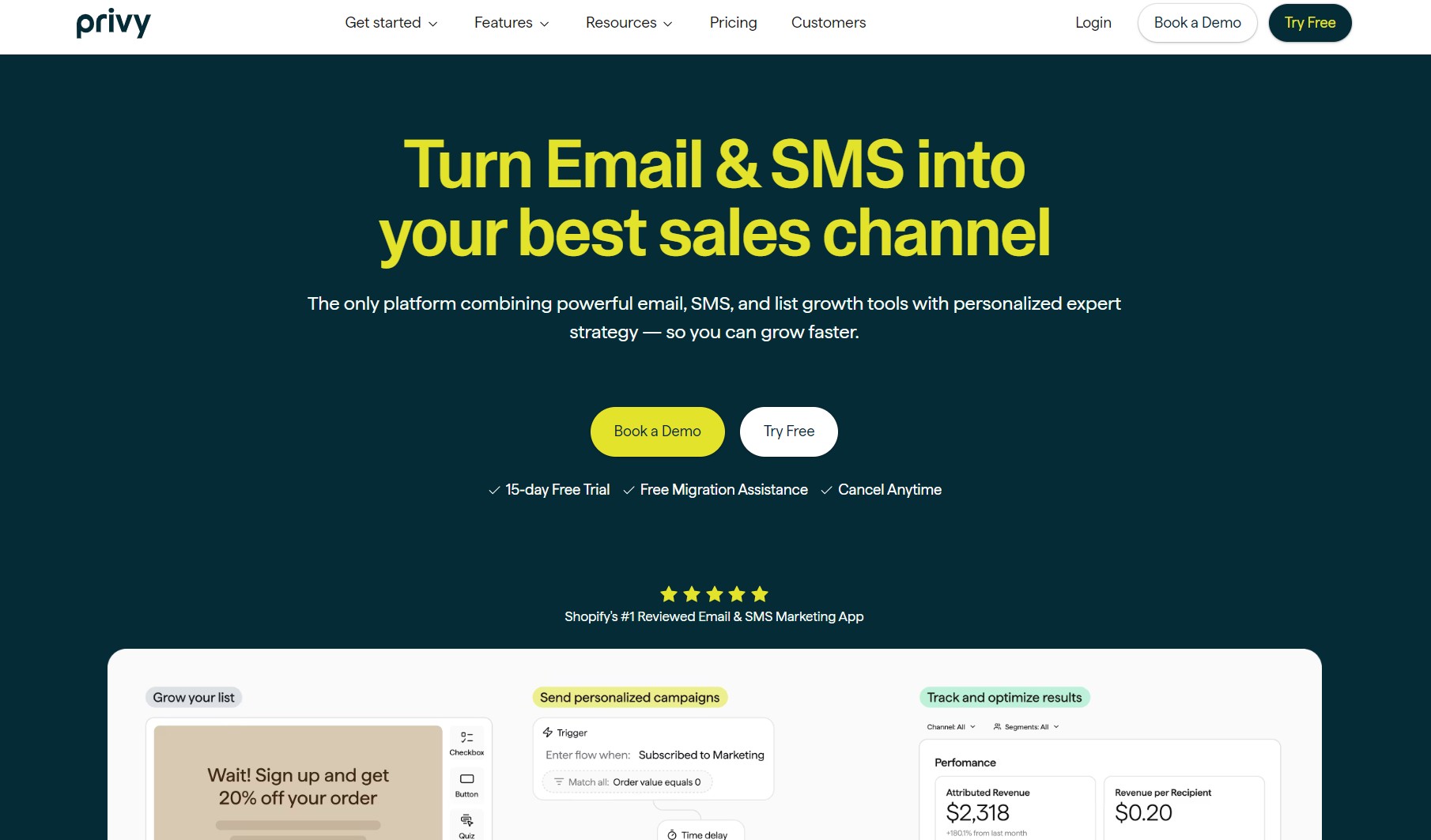
8. Privy: Shopify-Centric Lead Capture and Basic Automation
G2 Rating: 4.6/5 (120+ reviews)
Privy is tailored for small Shopify stores, focusing heavily on list-building and lead capture. It automates email and SMS for predictable customer journeys and boasts a strong native integration with Shopify (4.5/5 on the Shopify App Store).
- Best for: Early-stage Shopify stores primarily focused on lead capture, list-building, and straightforward email/SMS automations.
- Key Strengths: Powerful pop-ups, banners, and spin-to-win wheels for lead generation, basic email and SMS automation, and seamless Shopify integration.
- Pricing: Starts at $30/month (1,500 contacts). No free plan.
- Migration Difficulty: Moderate (3/5).
9. GetResponse: Creator-Friendly with Retention Features
G2 Rating: 4.3/5 (1,130+ reviews)
GetResponse offers a diverse marketing toolkit, combining e-commerce automation and retention features with creator-centric tools like webinars and online courses. While its e-commerce data features are not as advanced as Klaviyo’s, it provides a solid alternative for businesses and content creators.
- Best for: Online stores, enterprises, and content creators seeking a marketing toolkit to retain customers, drive repurchases, and monetize content, all within an affordable pricing structure.
- Key Strengths: Email marketing, marketing automation, webinars, landing page builder, website builder, and paid newsletter options.
- Pricing: Starts at $19/month (1,000 contacts). Offers a limited free plan.
- Migration Difficulty: Low (2/5).
10. Mailchimp: The Familiar Entry Point for Small Businesses
G2 Rating: 4.4/5 (12,980+ reviews)
Mailchimp remains a popular choice for its familiarity and ease of use, covering a broad spectrum of basic marketing needs. It allows for email campaigns, flows, and optional SMS, with separate pricing for transactional emails. Its free tier includes pop-ups, surveys, and a subject-line helper.
- Best for: Small stores, startups, or service businesses with basic customer journeys, prioritizing ease of learning and general email marketing features over deep automation.
- Key Strengths: User-friendly interface, wide range of templates, website and landing page builder, audience management tools, and a generous free plan.
- Pricing: Starts at $13/month (500 contacts). Offers a free plan.
- Migration Difficulty: Low (2/5).
Broader Market Implications and Future Outlook
The current trend of e-commerce businesses diversifying their marketing automation platforms signals a maturing and increasingly competitive market. The implications are significant:
- Diversification of Solutions: No longer a "one-size-fits-all" scenario, the market is segmenting into specialized tools that cater to specific business sizes, budgets, and operational complexities.
- Pressure on Pricing Models: Klaviyo’s pricing adjustments have highlighted the sensitivity of businesses to cost scalability. Competitors are likely to emphasize transparent, value-driven, and flexible pricing structures to attract and retain customers.
- Emphasis on Ease of Use and Support: The recurring complaints about Klaviyo’s learning curve and customer support underscore the critical need for platforms that are not only powerful but also user-friendly and backed by responsive assistance. This will likely drive innovation in intuitive UIs and proactive support models.
- Integrated Multichannel Strategies: The demand for seamless integration of email, SMS, and web push notifications into unified workflows is growing. Platforms offering robust, native multichannel capabilities will have a distinct advantage.
- Role of AI and Predictive Analytics: While Klaviyo is strong here, other platforms are rapidly integrating AI-powered tools for content generation, predictive segmentation, and performance optimization, making these advanced features more accessible.
- Importance of "Fit-for-Purpose": Businesses are becoming savvier in identifying tools that precisely match their current needs and future growth trajectories, rather than overpaying for unused features or struggling with overly complex systems.
Expert Insight and Concluding Verdict
As Jordie van Rijn, MarTech consultant and email specialist at emailvendorselection.com, wisely advises: "When comparing e-commerce email tools, try starting with data and workflows. Understand how each platform handles: Your welcome series, abandoned cart flow, post-purchase emails, customer winback campaigns, and segments that generate meaningful revenue. Can you quickly build them? Can you integrate and use the data? Can your team make changes independently? Now you already have narrowed down 80% of your short list, and see other questions matter a lot less."
For the majority of e-commerce stores, particularly those operating on platforms like Shopify and WooCommerce, Omnisend emerges as the most compelling Klaviyo alternative. It offers a comparable depth of features for customer journey management, segmentation, and reporting, but at a significantly lower price point—up to 35% less than Klaviyo. Its commitment to ease of use, coupled with a free migration service for businesses with 250+ contacts (rebuilding workflows, segments, forms, and migrating contacts within five business days), makes the transition remarkably smooth.
Ultimately, the optimal Klaviyo alternative hinges on the specific complexity of a business’s customer journey, its need for granular segmentation, its budget, and its internal team’s technical capabilities. While some larger DTC brands may still find Klaviyo’s predictive analytics and CDP-style profiles invaluable, the broader market is clearly gravitating towards solutions that offer a balanced blend of power, affordability, and user experience. For those seeking a robust, multichannel e-commerce marketing platform that directly addresses Klaviyo’s common pain points, Omnisend presents a strong, value-driven proposition.
Frequently Asked Questions about Klaviyo Alternatives
What’s cheaper than Klaviyo?
Omnisend, MailerLite, Brevo, and Mailchimp are generally cheaper than Klaviyo. Among these, Omnisend offers strong comparable e-commerce features at better value across all tiers. For sheer send limits at a low cost, MailerLite and Brevo are often more budget-friendly.
Can I migrate from Klaviyo to another platform without losing my data?
Yes, you can typically migrate your contact data by exporting it from Klaviyo and importing it into your new platform. Many tools also offer direct import integrations. However, assets like pre-built flows, forms, and email templates usually need to be recreated in the new platform’s editor. Omnisend, for example, offers a free Kickstart service to help with this process.
Which Klaviyo alternative is best for Shopify?
Omnisend is widely considered the best Klaviyo alternative for Shopify, boasting a 4.8/5 rating on the Shopify App Store. It provides enterprise-grade e-commerce features, including deep segmentation and multichannel flows, specifically optimized for Shopify users, often surpassing the e-commerce depth of competitors like Brevo and Mailchimp, even if they share similar overall ratings.
Does Klaviyo have deliverability problems?
Generally, no. While some individual users may report deliverability issues, these are not widespread problems inherent to Klaviyo’s infrastructure. Most user complaints regarding Klaviyo tend to focus on its pricing structure, the learning curve, and customer support responsiveness rather than consistent deliverability failures.
What is the biggest Klaviyo competitor for e-commerce?
Omnisend is considered Klaviyo’s biggest competitor specifically for e-commerce, offering similar depth in automation flows, segmentation, and reporting for the majority of customer journeys. Other strong competitors include Drip for more focused behavioral flows and ActiveCampaign for those needing integrated CRM functionalities.
Are there any free Klaviyo alternatives?
Yes, several platforms offer free plans, including Omnisend, Brevo, MailerLite, Mailchimp, HubSpot, and GetResponse. These free tiers come with varying contact quotas, send limits, and feature access, so it’s crucial to compare them based on your specific needs before committing your time.
How to migrate from Klaviyo to Omnisend?
Omnisend provides a complimentary Kickstart migration service for businesses with 250+ contacts. This service includes the recreation of up to four workflows, five forms, and five segments, along with contact migration and email template setup, all within five business days. Alternatively, you can use Omnisend’s self-serve Klaviyo Data Import Tool, which allows you to move contacts, their data, and most segments by using your Private API key from Klaviyo.








